Still buying the same kitchen items again and again? Discover kitchen sewing projects that replace disposables, reduce waste, and save money easily.
If you’ve ever felt like you’re constantly buying the same kitchen items over and over again, you’re not wrong.
Paper towels run out faster than expected, cling film disappears quickly, and napkins always seem to need replacing. It doesn’t feel like much in the momen, but over time, it begins to adds up.
At the same time, the waste builds quietly. A roll here, a wrapper there… until it becomes part of your normal routine without you really noticing it.
The truth is, most kitchen waste doesn’t come from big things, it comes from small items you keep using and throwing away every day. And that’s also where your money slowly leaks without you realizing it.
This is where simple sewing projects can actually make a difference. Not in an extreme or unrealistic way, but in a practical, everyday sense. By replacing a few of those repeat-use items with reusable alternatives, you reduce how often you need to buy them again.
You don’t need more kitchen gadgets, you need smarter, reusable solutions you can actually use every day.
KITCHEN SEWING PROJECTS
1. Reusable Cloth Paper Towels
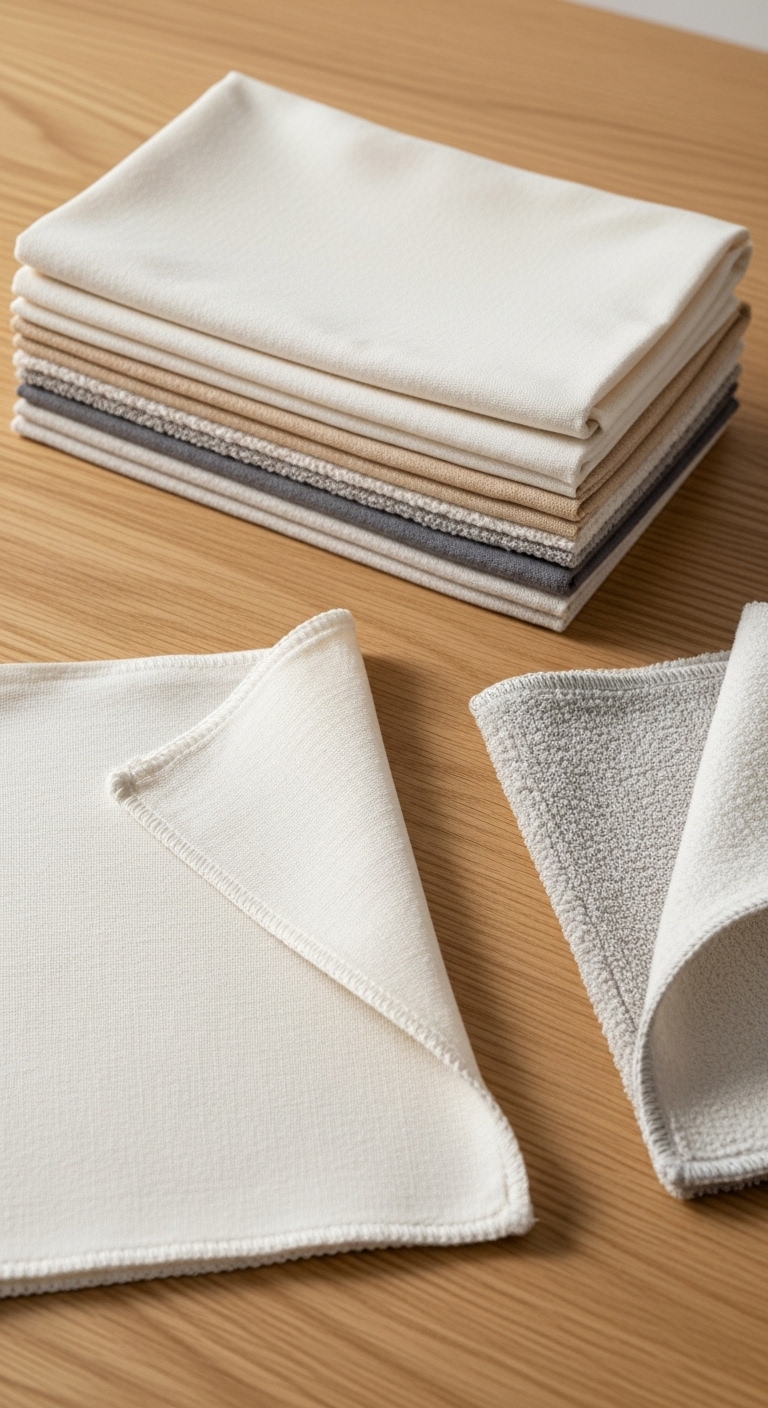
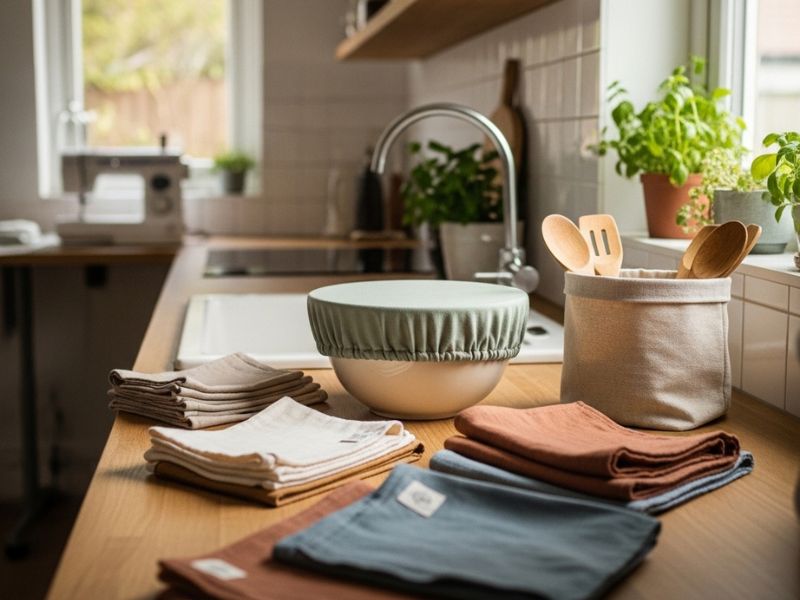
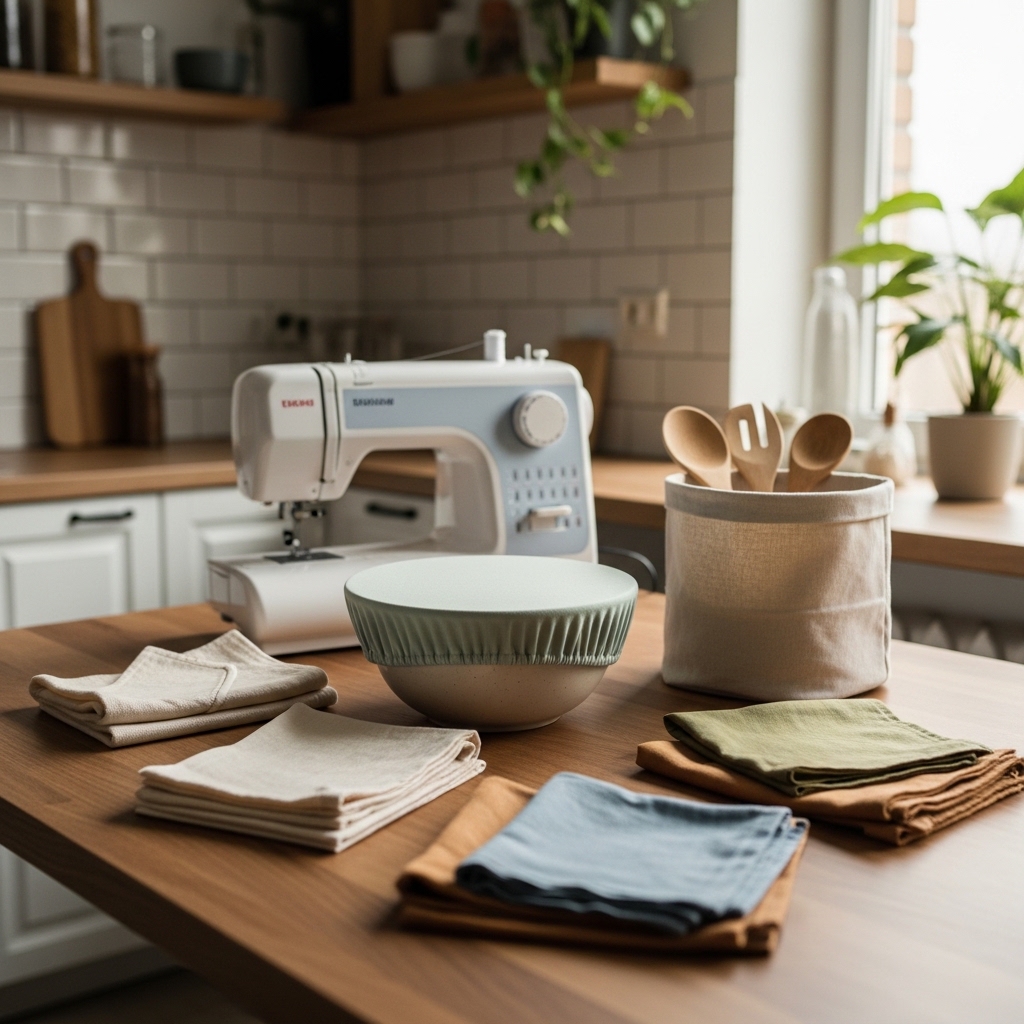
It’s a simple switch from disposable paper towels to washable fabric cloths designed for the same everyday kitchen jobs, wiping spills, cleaning surfaces, drying hands, and handling quick messes.
Instead of throwing them away after one use, you wash them and use them again, just like any other fabric item in your home.
Why It Actually Makes Sense In Daily Kitchen Use
- Replaces something you already reach for multiple times a day without thinking
- Works for the same small kitchen tasks as paper towels, just without the constant repurchasing
- Holds up through repeated washing, so it becomes part of your routine instead of a one-time use item
How It Helps You Save Money
- Cuts down how often you buy paper towels
- Turns a repeated, ongoing expense into a one-time sewing effort
- Over time, reduces those small, frequent kitchen purchases that quietly add up
Waste Reduction Benefit
- Reduces daily paper waste from single-use cleaning
- Encourages reuse in a very practical, low-effort way
Use Tip
- Keep a small stack near your kitchen counter so you naturally reach for them first
- Separate uses by fabric type or color if you want (cleaning vs drying)
Gift Value
- Useful in a very real way, not decorative, but practical
- Works well as a handmade gift because it immediately replaces something people already use every day
- Can be paired with other simple kitchen sewing projects for a full set
2. Fabric Bowl Covers
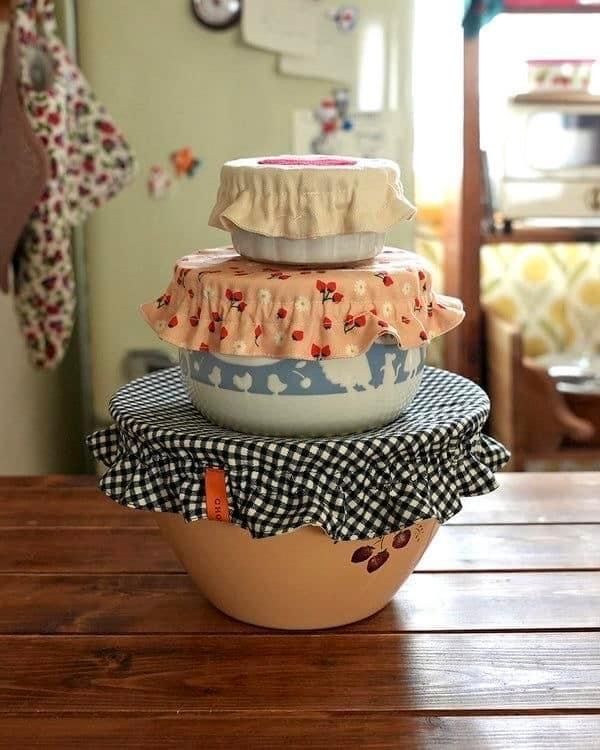
A reusable fabric cover designed to fit over bowls and containers instead of using plastic wrap. It’s a simple, washable piece of fabric that stretches or sits over the top of your dishes to keep food covered.
Why It Works In Daily Kitchen Use
- Replaces cling film and plastic wrap for everyday food storage
- Useful for covering leftovers, meal prep bowls, or fruit on the counter
- Works especially well when you’re storing food in the fridge for short-term use
How It Helps You Save Money
- Reduces how often you buy disposable plastic wrap
- One handmade cover can replace dozens of single-use sheets over time
- Turns a repeated purchase into a long-term reusable solution
Waste Reduction Benefit
- Cuts down on plastic waste from cling film
- Encourages reuse instead of single-use covering habits
- Helps reduce everyday kitchen packaging waste
Practical Use Tip
- Make different sizes for small, medium, and large bowls
- Use breathable cotton fabric for better food storage balance
- Keep a few ready near your kitchen prep area so you use them automatically
Gift Value
- Practical and thoughtful because it solves a daily kitchen problem
- Great for people who cook regularly or meal prep
- Can be bundled with other reusable kitchen items for a complete set.
If your sewing projects don’t look as clean as you want, small technique improvements can make a huge difference—these 15 Sewing Hacks for Beginners Who Want Neater, More Professional Results can instantly upgrade your work.
3. Reusable Kitchen Sponges
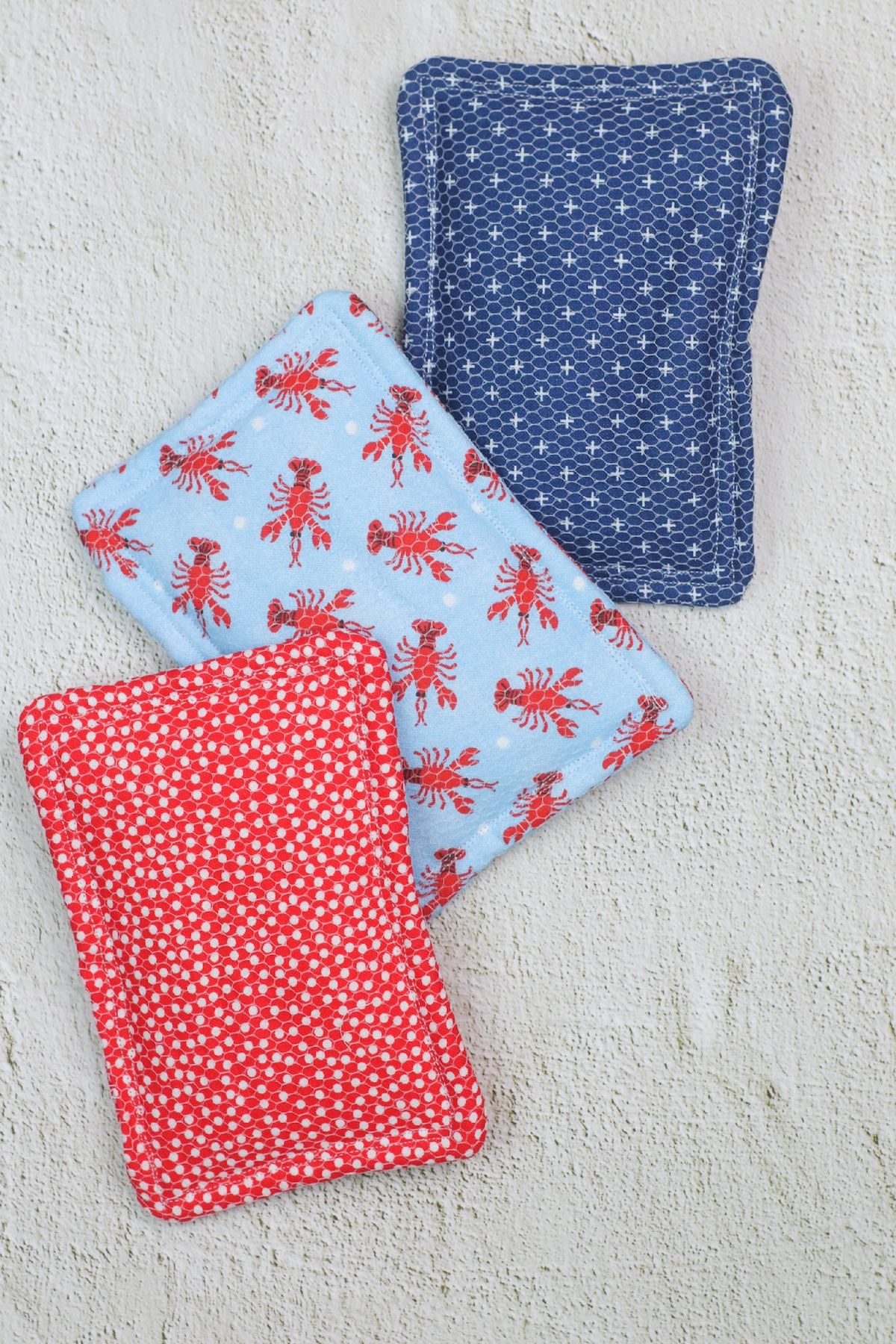
A reusable kitchen sponge made from layered fabric and absorbent materials that works like a regular sponge for washing dishes and wiping surfaces, but instead of being thrown away when it wears out, it’s designed to be washed and used again.
Why It Actually Makes Sense In Daily Kitchen Use
- Replaces synthetic disposable sponges that get thrown away frequently
- Works for everyday dishwashing, sink cleaning, and wiping kitchen surfaces
- Feels familiar in use, so there’s no learning curve, just a switch in material
How It Helps You Save Money
- Reduces how often you buy store-bought sponges
- One reusable sponge can last through many wash cycles instead of being replaced often
- Turns a regular, repeated purchase into a longer-term item
Waste Reduction Benefit
- Can be washed instead of thrown away, reducing daily kitchen waste
- Helps reduce microplastic waste from store-bought synthetic sponges
- Encourages reuse instead of constant replacement
Use Tip
- Keep 2–3 in rotation so one can dry while the other is in use
- Wash regularly to prevent odor buildup and keep them hygienic
- Choose absorbent, durable fabric for better long-term use
Gift Value
- A very practical handmade item that people actually use daily
- Ideal for eco-conscious or home-focused households
- Works well as part of a bundle of simple reusable kitchen items.
Best Fabric To Use
- Cotton (Quilting Cotton) for the outer layer because it’s easy to sew, washable, and holds up well with daily kitchen use
- Terry Cloth or Towel Fabric for the inner layer because it absorbs water well and gives the sponge its cleaning strength
- Flannel can also be used as a softer alternative for lighter cleaning tasks
- For a more eco-friendly option, bamboo fabric or bamboo blends work well due to their natural absorbency
When fabric choice affects your final result more than you realize, understanding materials becomes essential—this guide on Understanding Fabrics for Sewing: Choosing the Right Material for Every Project helps you make better decisions.
4. Cloth Napkins
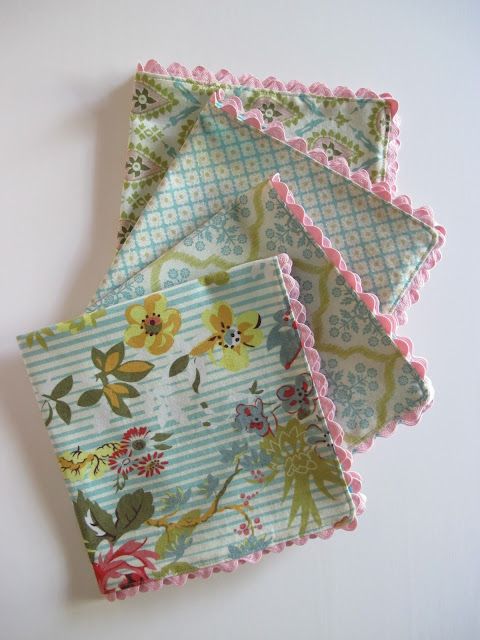
Cloth napkins are reusable fabric alternatives to paper napkins that you can be washed and use again for everyday meals, dining, or when serving guests.
Why It Works In Kitchen Use
- Replaces disposable paper napkins used during meals and cleaning small spills
- Works well for everyday dining, not just special occasions
- Feels more durable and comfortable compared to thin paper napkins
How It Helps You Save Money
- Removes the need to keep buying paper napkins repeatedly
- One set can last for a long time with regular washing
- Reduces small but constant household spending over time
Waste Reduction Benefit
- Cuts down on daily paper waste from meals
- Encourages reuse instead of single-use dining products
- Reduces overall kitchen-related paper consumption
Use Tip
- Keep a small stack in your dining area so they replace paper napkins naturally
- Use neutral fabrics for everyday meals and patterned ones for guests
- Wash in batches to make upkeep easier and consistent
Gift Value
- Makes a simple but thoughtful household gift
- Practical for families, guests, or everyday home use
- Works well when paired with other reusable kitchen sewing projects
If sewing patterns ever feel confusing or overwhelming, learning the right approach can make a big difference, especially when you finally understand How to Read Sewing Patterns Without Feeling Lost in a simple, stress-free way.
5. Aprons
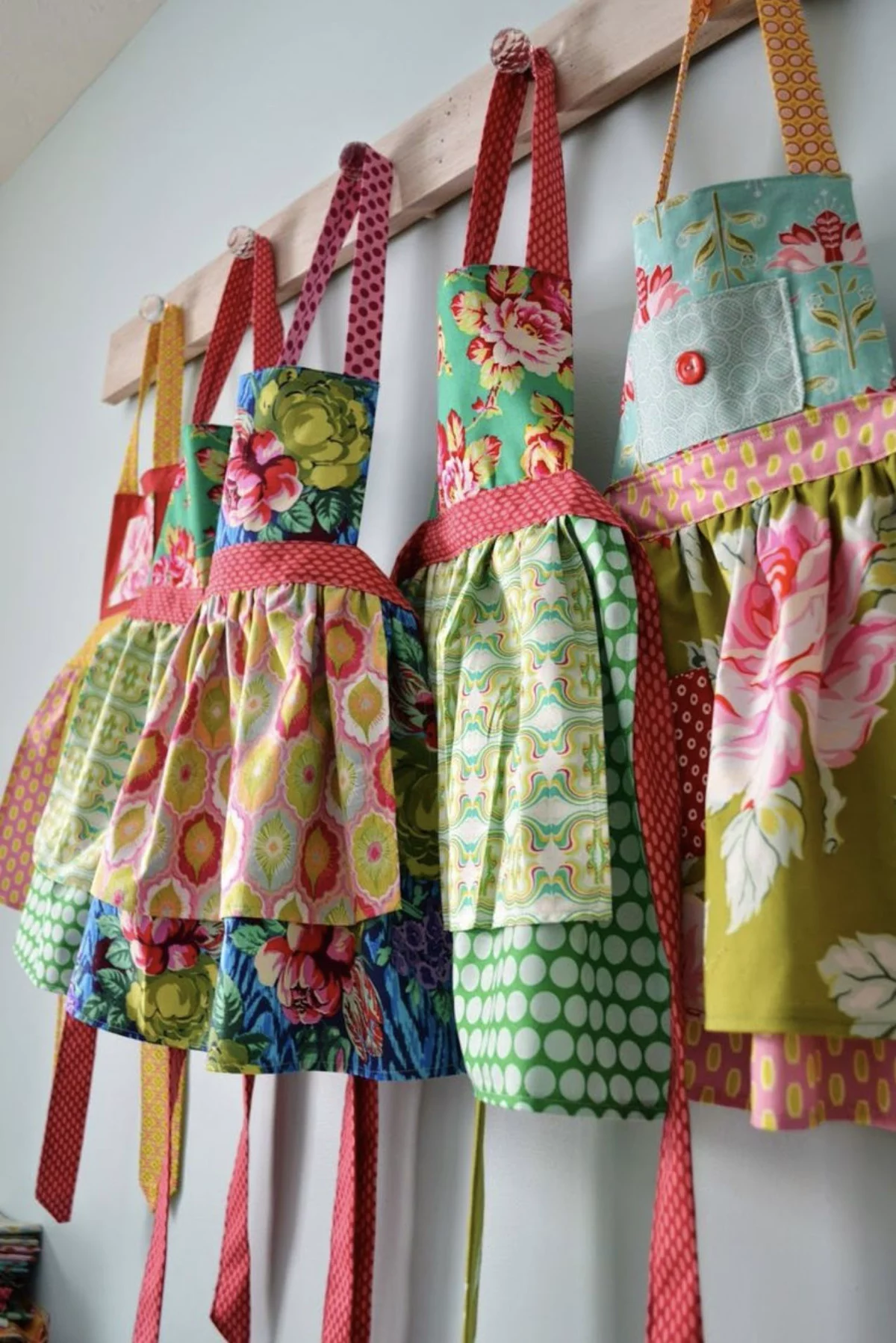
An apron is a simple fabric layer worn over your clothes while cooking to protect them from spills, stains, and heat splashes. It’s one of the most practical kitchen sewing projects because it serves a clear daily purpose.
Why It Actually Makes Sense In Daily Kitchen Use
- Protects your clothes from oil stains, food spills, and water splashes while cooking
- Reduces how often you need to wash or change clothes after kitchen work
- Makes cooking more comfortable because you’re not worrying about ruining what you’re wearing
How It Helps You Save Money
- Reduces frequent laundry loads caused by cooking stains
- Helps your clothes last longer by preventing repeated damage
- Saves money indirectly by lowering replacement and cleaning costs over time
Waste Reduction Benefit
- Encourages reuse instead of constantly washing stained clothes unnecessarily
- Reduces detergent and water usage from extra laundry cycles
- Promotes more mindful kitchen habits
Use Tip
- Keep one apron in your kitchen so you use it automatically when cooking
- Choose thick cotton or canvas fabric for better protection
- Add pockets if you want extra functionality for small kitchen tools
Gift Value
- Very practical and widely useful for anyone who cooks
- Works as a thoughtful handmade gift because it gets used often
- Easy beginner project that still feels valuable and intentional.
When you want expensive-looking outfits without spending much, creative repurposing becomes the key, and that’s exactly what you’ll discover in Thrift Flip Sewing Projects Ideas For People Who Want Expensive Style on A Budget.
6. Oven Mitts / Potholders
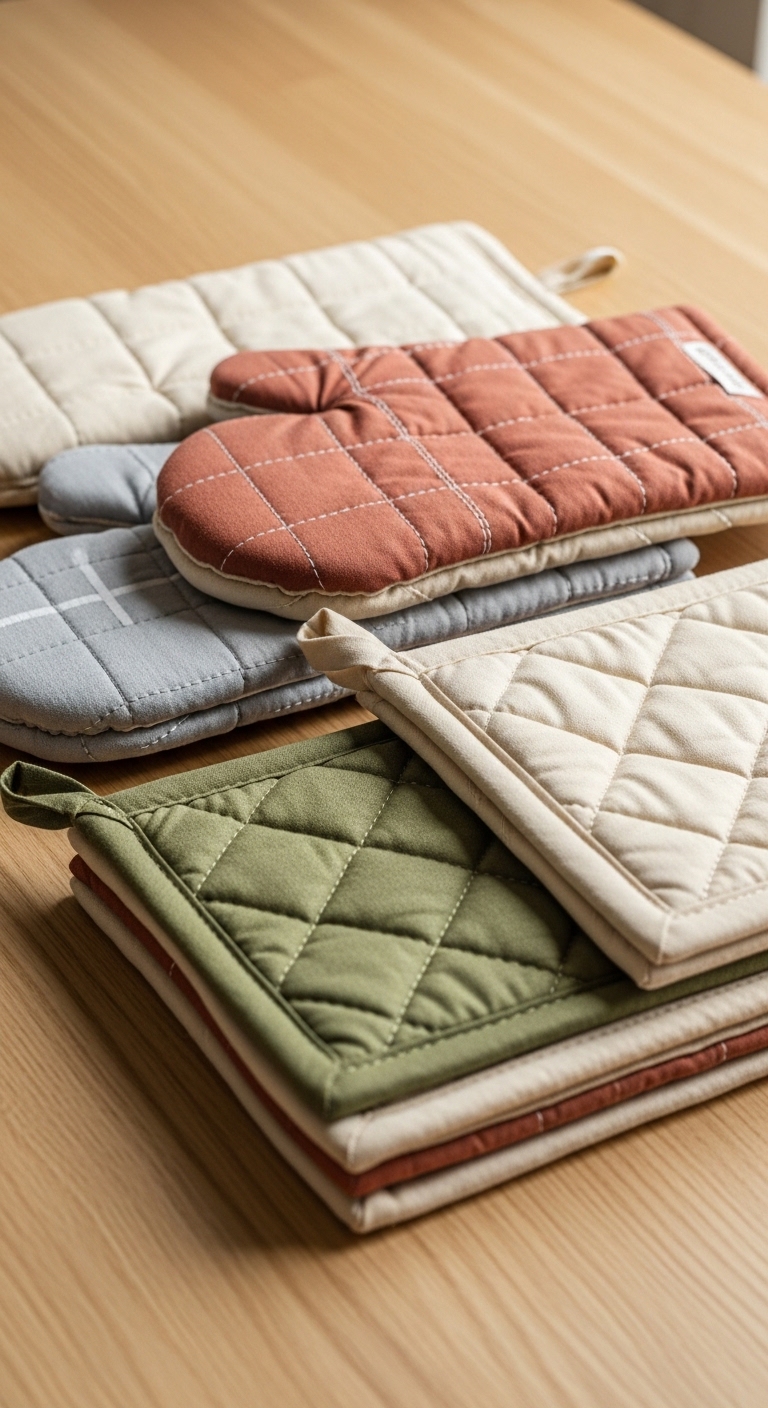
Oven mitts and potholders are padded fabric tools designed to protect your hands when handling hot pots, pans, baking trays, or oven racks.
They act as a heat barrier so you can move hot items safely without getting burned.
Why It Actually Makes Sense In Daily Kitchen Use
- Solves a very real kitchen safety problem, protecting your hands from heat burns
- Makes it easier and safer to handle hot dishes straight from the stove or oven
- Gives you better grip and control when moving heavy or hot cookware
How It Helps You Save Money
- Reduces the need to replace damaged kitchen towels used as makeshift heat protection
- Prevents accidents that could lead to injuries or damaged cookware
- One well-made pair can last a long time instead of frequently buying cheap replacements
Waste Reduction Benefit
- Replaces disposable or improvised heat protection methods (like folded paper or old cloths)
- Encourages long-term use of durable, washable fabric items
- Reduces unnecessary fabric waste from constantly replacing low-quality mitts
Use Tip
- Use thick cotton or heat-resistant batting for proper protection
- Make them slightly oversized so they’re easier to wear and remove quickly
- Keep them close to your cooking area so you always use them instead of improvising
Gift Value
- Very practical gift because every kitchen needs them
- Can be customized in fabric, color, and design to match someone’s kitchen
- Feels thoughtful because it combines usefulness with handmade effort
7. Produce Bags (Reusable Grocery Bags)
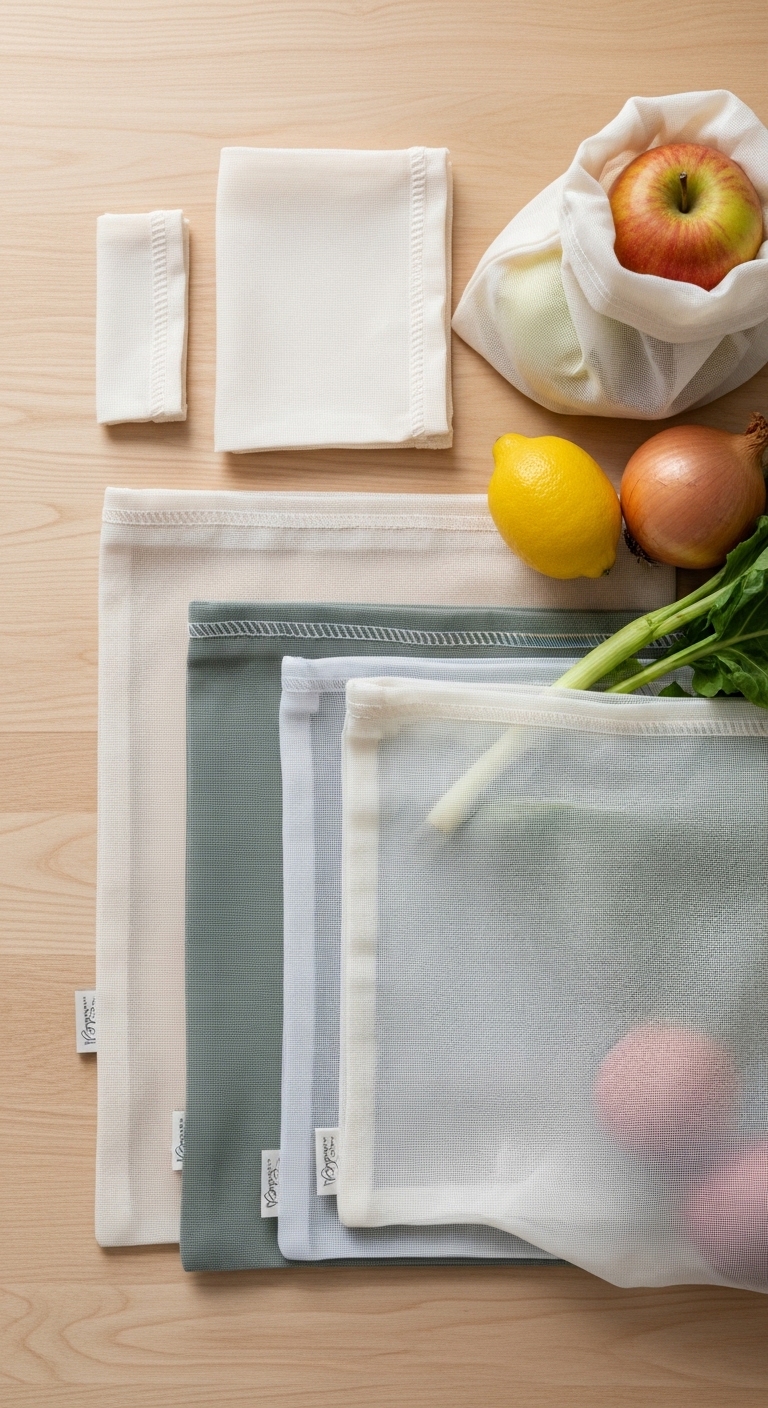
Lightweight fabric bags made for carrying fruits and vegetables instead of the thin plastic bags you usually pick up at grocery stores.
Why It Works In Real Kitchen Use
- Replaces single-use plastic produce bags you get at markets or supermarkets
- Works for everyday shopping like fruits, vegetables, herbs, and small dry goods
- Easy to fold and carry, so they can stay in your handbag or shopping tote
How It Helps You Save Money
- Reduces repeated spending on store-provided bags (even when they’re small or “free,” they add up indirectly in shopping habits)
- Lasts for a long time with regular washing instead of constant replacements
- Turns a repeated disposable habit into a reusable system through simple kitchen sewing projects
Waste Reduction Benefit
- Cuts down plastic bag usage during grocery shopping
- Supports zero-waste habits in a simple, realistic way
- Reduces everyday plastic waste that often goes unnoticed
Use Tip
- Make them in different sizes for different types of produce
- Use breathable cotton or mesh fabric so fruits and vegetables stay fresh
- Keep a few in your main shopping bag so you never forget them
Gift Value
- Very practical for anyone who shops for food regularly
- Encourages eco-friendly habits in a simple, non-complicated way
- Works well as part of a set of kitchen sewing projects for home use or gifting.
Choosing a meaningful handmade gift can be difficult, but exploring thoughtful options like 11 Unique and Handmade Wedding Gift Sewing Projects That Will Impress Newlyweds makes the process easier and more personal.
8. Fabric Storage Baskets
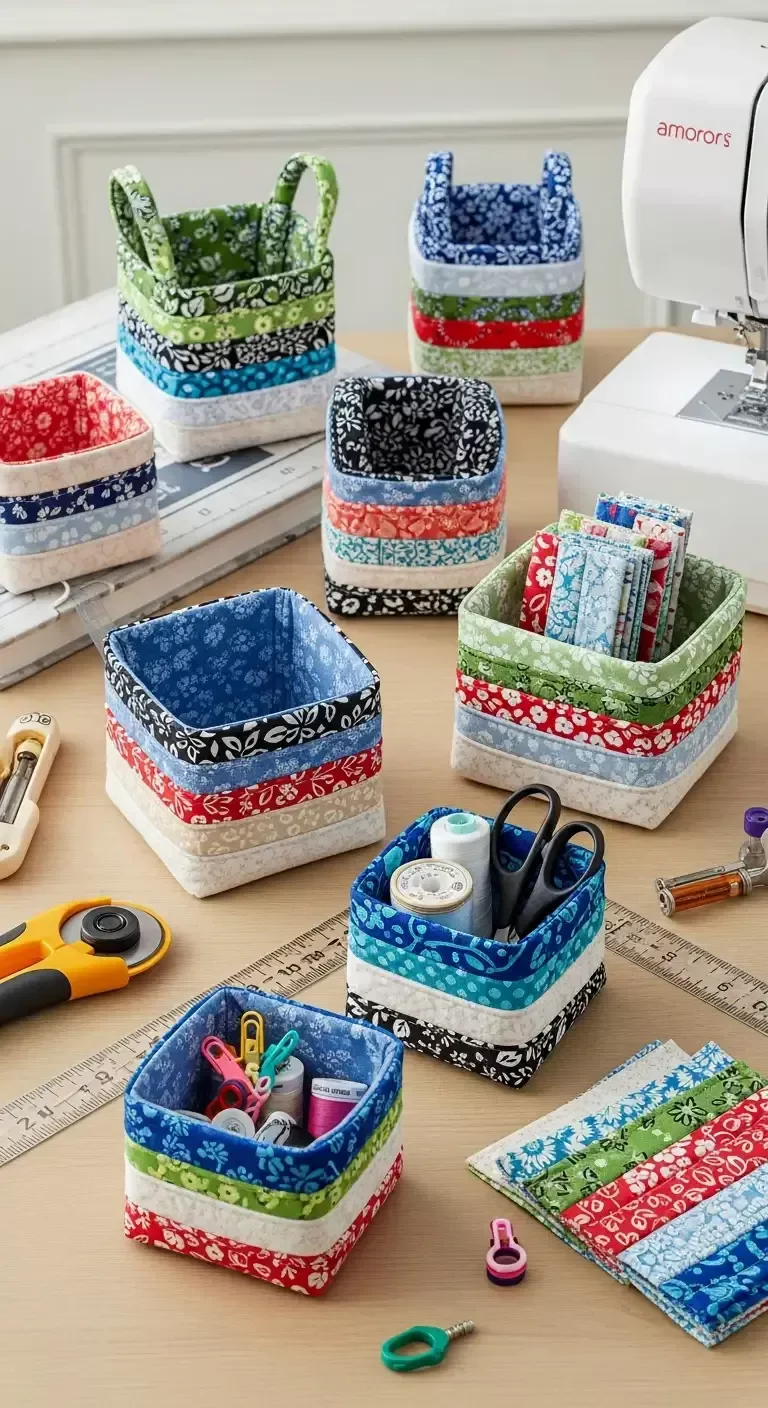
Fabric storage baskets are soft, structured containers made from fabric that help you organize small kitchen items like fruits, towels, utensils, or snacks. Instead of hard plastic bins, they give you a flexible, lightweight way to keep things in place.
Why It Actually Makes Sense In Daily Kitchen Use
- Helps you control kitchen clutter by giving every small item a defined space
- Works well for items that don’t need airtight storage, like towels, onions, or packaged snacks
- Easy to move around, fold, or reposition depending on your kitchen needs
How It Helps You Save Money
- Reduces the need to constantly buy plastic containers for storage
- One handmade basket can replace multiple small storage purchases over time
- Turns leftover fabric into something functional instead of buying new storage solutions
Waste Reduction Benefit
- Encourages reuse of fabric instead of adding more plastic storage items
- Reduces packaging clutter in kitchens by giving things a proper place
- Helps you avoid disposable or short-life storage alternatives
Use Tip
- Make different sizes: small for utensils, medium for towels, large for produce
- Use thicker fabric or interfacing if you want the basket to stand upright
- Place them in open shelves or counters where organization is needed most
Gift Value
- Feels thoughtful because it solves a visible problem, mess and clutter
- Useful in almost any home, not just kitchens
- Works perfectly as part of a set of practical kitchen sewing projects.
Before investing in equipment, it helps to understand what actually fits your needs—this breakdown of Industrial vs Domestic Sewing Machines: Which One Should You Buy as a Beginner can save you from costly mistakes.
9. Placemats / Table Mats
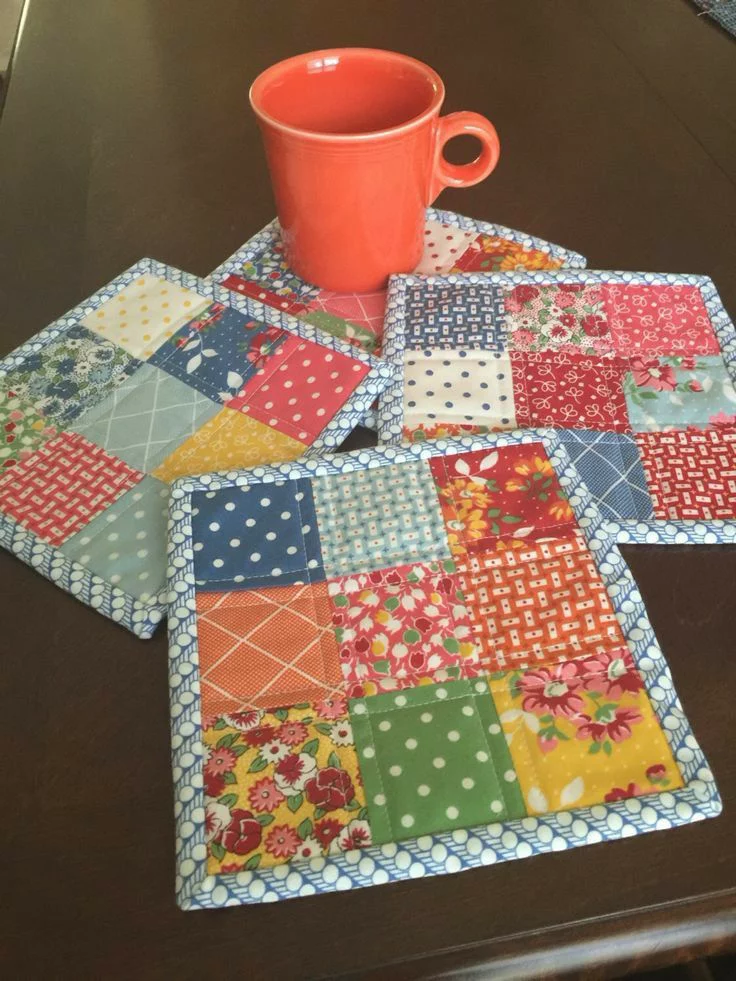
Placemats are flat fabric pieces placed under plates and bowls during meals to protect your table surface and make dining feel more organized.
Why It Works In Real Kitchen Use
- Protects your table from heat marks, spills, and scratches during meals
- Gives each dining setup a clean, defined space without needing full table covers
- Makes everyday meals feel a bit more structured without extra effort
How It Helps You Save Money
- Reduces the need to buy disposable table covers or paper-based dining liners
- One set can be reused for years instead of constantly replacing temporary covers
- Lowers small but repeated spending on dining-related disposables
Waste Reduction Benefit
- Replaces single-use table coverings used during meals or gatherings
- Encourages reuse instead of throwing away paper or plastic dining materials
- Reduces overall household waste from everyday eating routines
Use Tip
- Use washable cotton fabric for easy cleaning
- Make a few sets so you can rotate them during washing
- Choose darker or patterned fabric to hide stains and extend usability
Gift Value
- Practical and easy to appreciate because everyone eats daily
- Works well for households, guests, or simple home upgrades
- Can be paired with other handmade kitchen items for a complete set.
Turning sewing into income starts with the right direction, and this guide on Struggling to Make Money From Home Sewing? Launch a Profitable Sewing Side Hustle shows practical ways to begin.
10. Bread Bags / Food Storage Bags
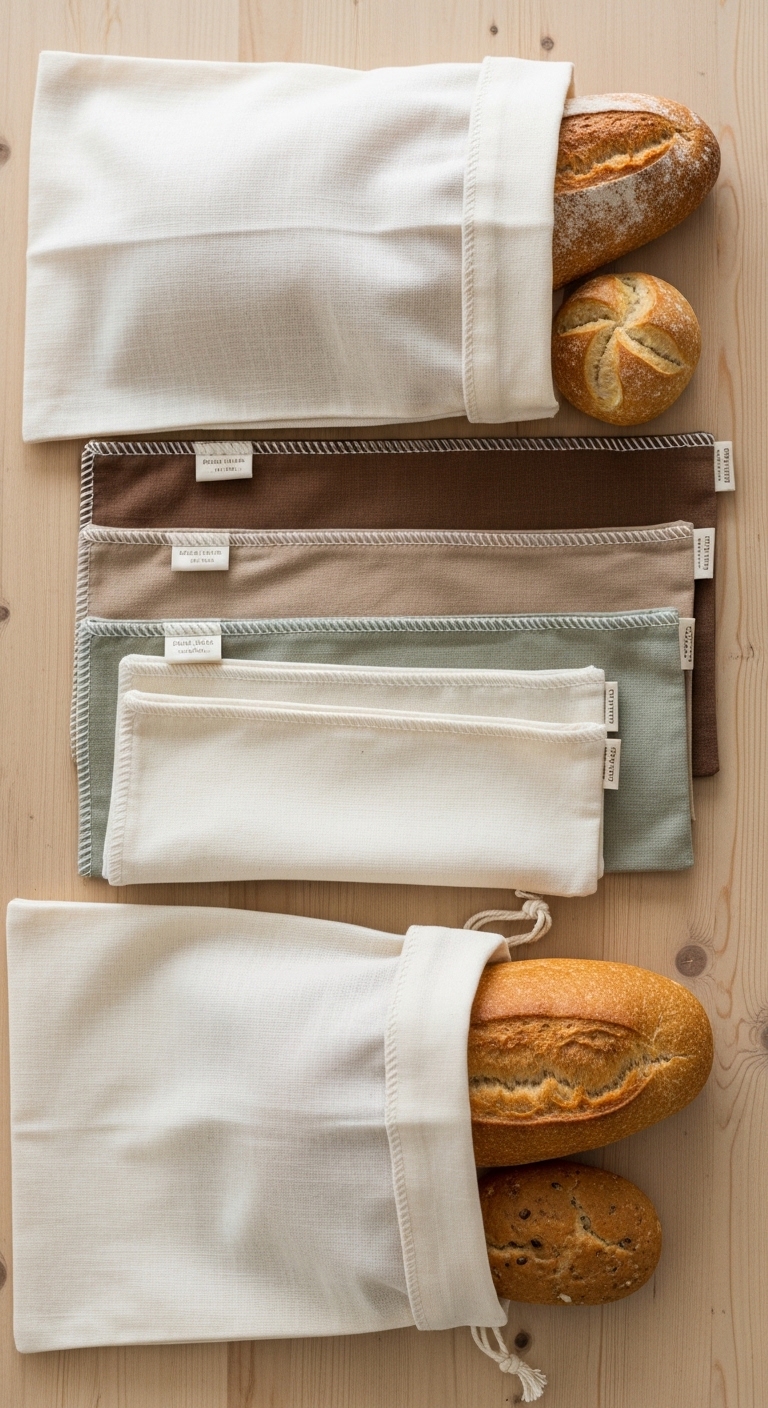
A reusable fabric bag designed to store bread, pastries, or other baked goods instead of using plastic bags or cling wrap. It helps keep food covered while still allowing the right amount of airflow.
Why It Actually Makes Sense In Daily Kitchen Use
- Replaces plastic food storage bags used for bread and baked items
- Helps keep baked goods fresh for everyday use at home
- Works especially well for home bakers who store bread regularly
How It Helps You Save Money
- Reduces how often you buy disposable storage bags or wraps
- One handmade bag can be reused for a long time instead of repeated replacements
- Turns a common kitchen expense into a one-time sewing effort through simple kitchen sewing projects
Waste Reduction Benefit
- Cuts down on plastic and disposable packaging used for food storage
- Encourages reusable food storage habits in daily kitchen routines
- Reduces waste from single-use bread and snack packaging
Use Tip
- Use breathable cotton or linen fabric to help maintain freshness
- Make different sizes for bread loaves, rolls, or snacks
- Keep it in your pantry or bread box for easy access
Gift Value
- Very practical for anyone who bakes or buys fresh bread often
- Feels thoughtful because it replaces something people use frequently
- Works well as part of a set of useful kitchen sewing projects for home or gifting.
If you often waste time searching for beginner-friendly designs, knowing how to filter properly through How to Find Sewing Patterns That Are Easy to Follow and Beginner-Friendly (Save Hours of Frustration) can make your projects much smoother.
Why This Actually Saves Money
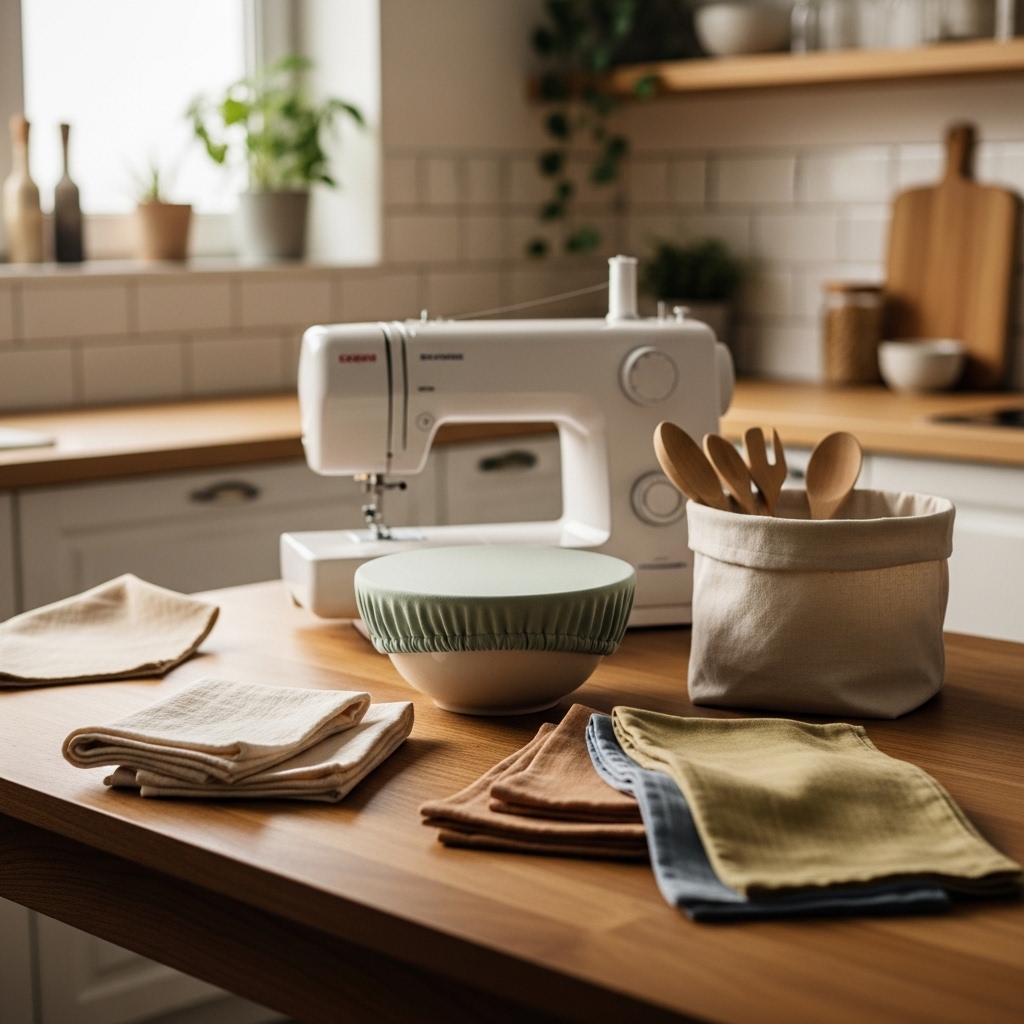
If you look closely at your kitchen spending, it’s not the big things that drain your money, it’s the small ones you keep replacing without even thinking about it.
- Paper towels finish… so you buy more.
- Plastic wrap runs out… so you replace it.
- Sponges wear out… and you buy new ones again.
None of these feel like big expenses, but they keep coming back again and again. That’s where the real money quietly goes.
Now compare that with reusable alternatives.
Instead of throwing things away after a few uses, you switch to items you can wash and use again, like cloth towels instead of paper towels, fabric covers instead of cling film, or reusable cleaning cloths instead of sponges you keep rebuying.
And here’s what happens:
- You stop buying the same things every few days or weeks
- What you already have lasts longer because it’s reused
- Those small, repeated purchases slowly reduce over time
It’s not about saving a huge amount overnight. It’s more subtle than that. You just start noticing you’re not constantly replacing the same kitchen items anymore, and that’s where the savings quietly build up.
Instead of letting leftover fabric pile up, you can transform it into something meaningful using ideas from What to Do With Fabric Scraps: Sewing Hacks That Turn Leftovers Into Keep-Worthy Gifts.
How To Choose The Right Project
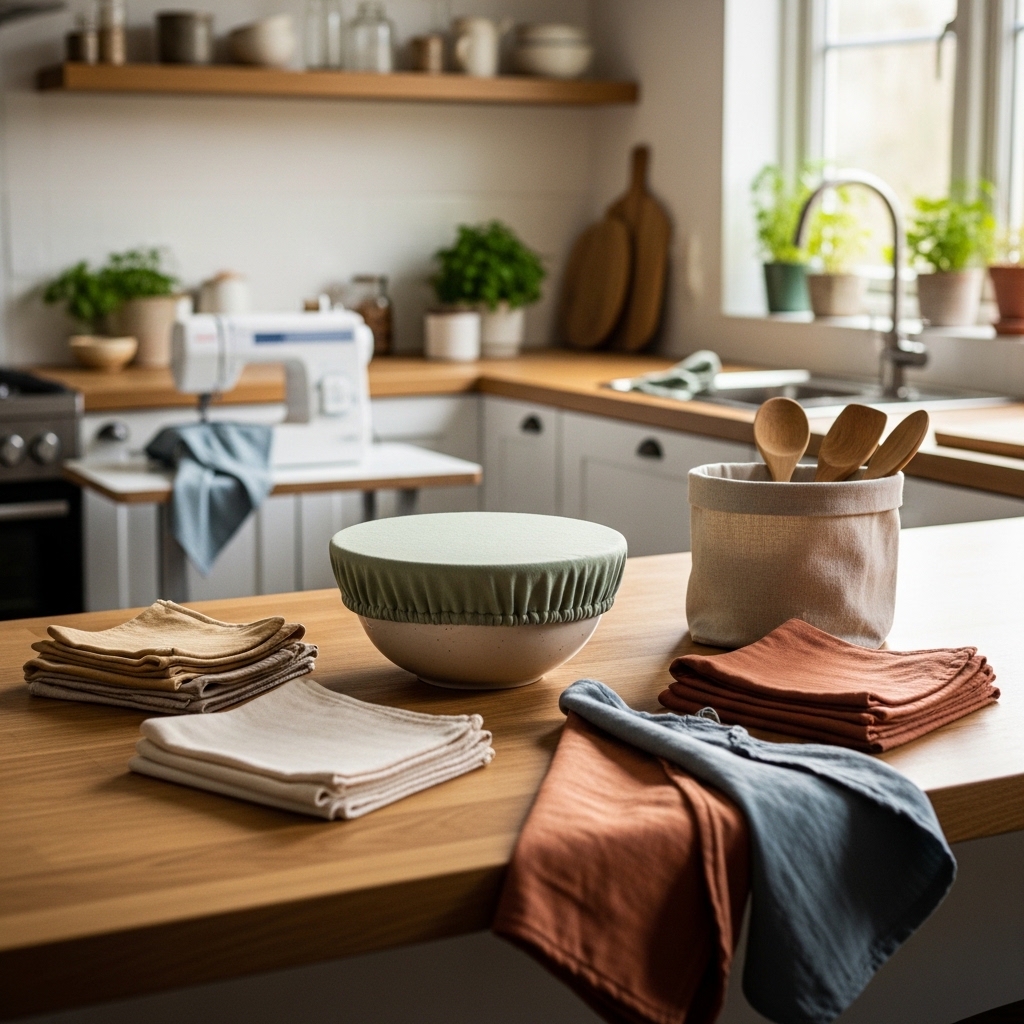
If you’re looking at all these ideas and wondering where to even start, that’s normal.
The easiest way to get value from these kitchen sewing projects is not to do everything at once, but to match the project to your real daily habits.
If You Want To Save Money Fast
- Start with reusable cloth towels
- They replace something you already use every single day
- You’ll notice the difference quickly because paper towels run out often
If You Want To Reduce Plastic Use
- Go for bowl covers and produce bags
- These directly replace cling film and plastic shopping bags
- Best for building more eco-friendly kitchen habits over time
If You Want Quick Wins
- Choose cloth napkins or reusable sponges
- These are small, simple projects you can start using immediately
- Great for building consistency without feeling overwhelmed
If You Want Gift Ideas
- Fabric storage baskets and aprons are the best options
- They are practical, useful, and appreciated in real homes
- People are more likely to use them regularly compared to decorative items
Start with what you use daily, not what looks nice.
If you enjoy refreshing old clothes instead of buying new ones, you’ll appreciate the creative approach in 15 Genius Ways to Upcycle Old Clothes Into Trendy New Outfits that turn forgotten pieces into wearable fashion.