Thrift finds not giving that expensive look? These old money outfit ideas from thrift flips show you how to turn basic pieces into polished, rich-looking outfits on a budget.
There’s something you should know before you spend another coin trying to look expensive.
Most people get this completely wrong.
They think the old money look comes from buying expensive clothes… designer labels… or owning things that cost more than their rent. And honestly, that belief is what keeps so many people spending more, but still not looking the part.
But here’s what you hould know, and I want you to really sit with this:
Looking expensive has very little to do with how much you spend.
It has everything to do with fit, fabric, and how you put things together.
That’s it.
The reason some outfits quietly look rich, even when they’re simple, is because they follow certain rules.
Clean lines. Structured pieces. Neutral tones. Clothes that fit like they were made for you.
That’s what people call old money style. And no, it’s not solely about logos.
Now here’s the part that might surprise you…
You don’t need a luxury budget to achieve that look.
You just need to know what to look for, and what to fix.
A well-chosen thrift piece, with the right adjustments, can look more refined than something brand new. Not because it’s expensive, but because it’s intentional.
And that’s exactly what I’m going to walk you through.
In this post, I’ll show you:
- what actually makes an outfit look expensive.
- how to thrift flip the right way,so it looks polished, not DIY
- and real old money outfit ideas you can recreate without spending much
By the end of this, you won’t just have ideas, you’ll understand why they work. And once you understand that, you can recreate the look again and again… no matter your budget.
Building a profitable thrift fashion brand becomes easier when you understand fabric quality and resale value early, and insights like Thrift Flip Sewing Projects Ideas For People Who Want Expensive Style on a Budget help you turn low-cost pieces into high-value outfits.
The 5 Things That Make Any Outfit Look Expensive
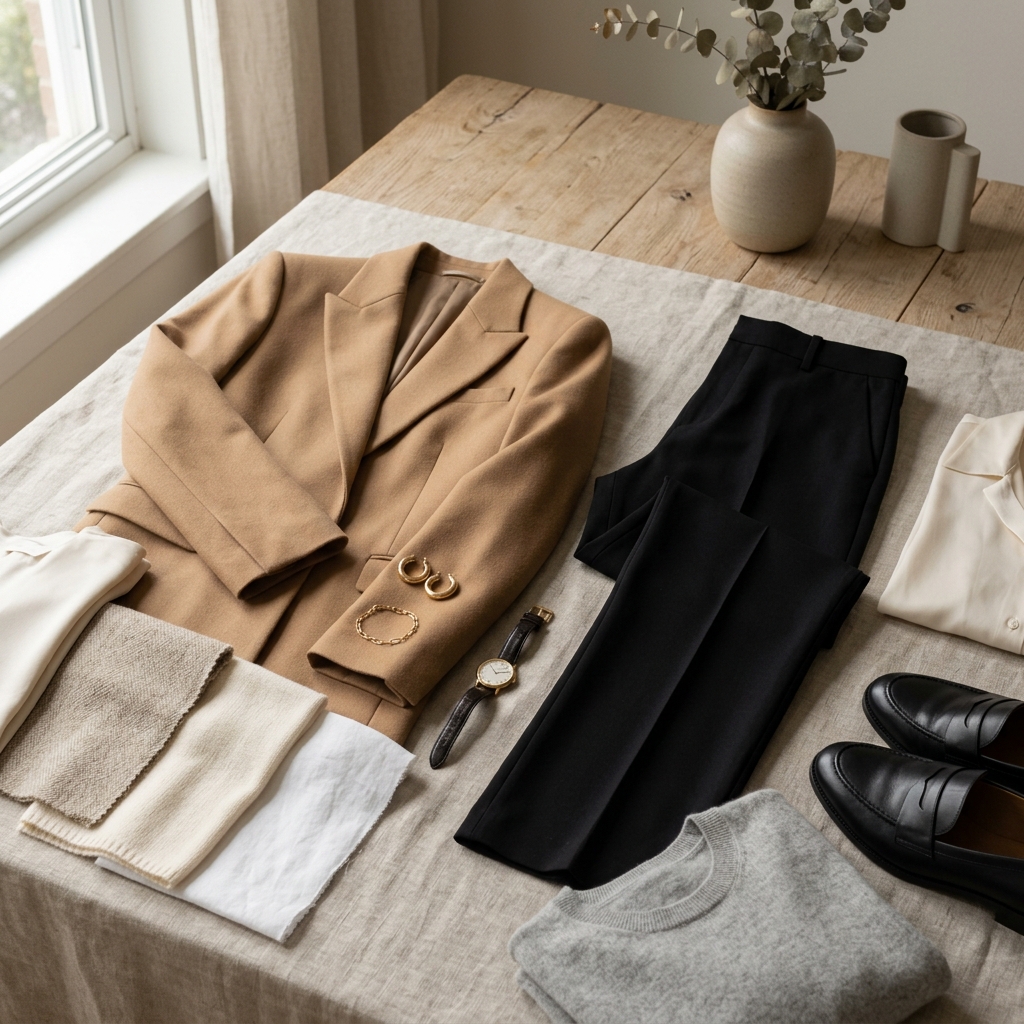
Before you focus on trends, before you even think about buying anything new, I want you to understand this clearly:
If you truly want to recreate old money outfit ideas from thrift flips , you have to master a few quiet details most people overlook.
This is where the real transformation happens.
Let find out together:
1. Tailoring
If there’s only one thing you take seriously after reading this, let it be this one.
Clothes that fit well will always look more expensive than clothes that don’t, no matter how cheap they were.
You can pick up a blazer from a thrift store, but if the shoulders are slightly off, the sleeves too long, or the waist too loose, it immediately loses that polished feel. The moment you adjust those small areas, everything sharpens.
Shorten the sleeves.
Take in the waist.
Fix the length.
Now it starts to look like it was made for you.
That’s the difference between wearing clothes and owning your look.
And this is exactly why tailoring sits at the center of old money outfit ideas from thrift flips, because it quietly does the heavy lifting.
2. Fabric Choice
You may not always consciously think about fabric, but your eyes pick it up instantly.
Some fabrics just look expensive. Others don’t.
When you’re thrifting, train yourself to feel before you even look at the label.
Go for:
- cotton (structured and breathable)
- linen (relaxed but refined)
- wool (especially for blazers and trousers)
Be cautious with:
- thin, clingy polyester
- overly shiny materials that catch light in a harsh way
Natural fabrics fall better on the body. They move with a certain quiet elegance. Even when they’re simple, they don’t look cheap.
And once you start noticing this, you won’t be able to unsee it.
3. Neutral Color Palette
If you’ve ever wondered why some outfits just feel calm, polished, and expensive… this is a big reason why.
Colors like:
- cream
- black
- navy
- beige
- soft browns
…create a sense of balance and ease.
They don’t fight for attention, OR overwhelm.hey just work.
Louder colors aren’t “bad,” but they’re harder to style in a way that feels refined. Neutrals, on the other hand, make everything look intentional—even when it’s simple.
When you’re building old money outfit ideas from thrift flips, sticking to a neutral base makes your outfits look cohesive without trying too hard.
4. Structure
There’s a reason blazers, tailored trousers, and coats show up again and again in polished outfits.
Structure creates shape.
Shape creates presence.
Even the simplest outfit—a plain top and trousers—can look elevated when one structured piece is added.
Think:
- a well-fitted blazer
- high-waisted trousers that hold their form
- a coat that sits properly on the shoulders
Structure gives your outfit direction. It makes everything look more intentional, more refined… more expensive.
When you’re thrifting, don’t just look for “cute” pieces. Look for pieces that hold shape.
That’s where the real upgrade is.
Want more buyers to click, trust, and purchase your listings? How to Write Thrifted Clothing Descriptions That Build Buyer Trust and Boost Sales explains how to create clear, persuasive descriptions that help secondhand items sell faster.
5. Simplicity (Where Most People Get It Wrong)
This is the part people struggle with the most.
There’s always the urge to add more, more accessories, more layers, more details. But the truth is, the more you add, the easier it is to lose that clean, expensive feel.
Old money style leans into restraint.
It understands that:
- one good blazer is enough
- one simple necklace is enough
- one well-put-together outfit doesn’t need extra noise
When everything is clean and intentional, the outfit speaks for itself.
And that’s the quiet power behind old money outfit ideas from thrift flips, nothing is trying too hard, yet everything looks considered.
Strong buying decisions in the thrift market start with spotting quality before purchase, which is why knowing How to Identify Grade A vs Grade B Thrift Clothes Before Buying a Bale (Beginner Guide) can save money and reduce poor inventory choices.
Old Money Outfit Ideas from Thrift Flips
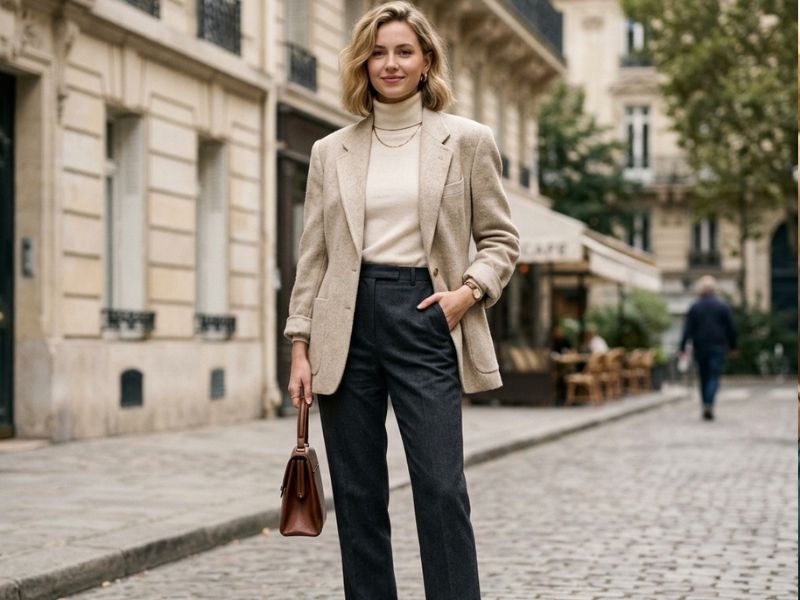
1. Tailored Blazer + Straight-Leg Trousers
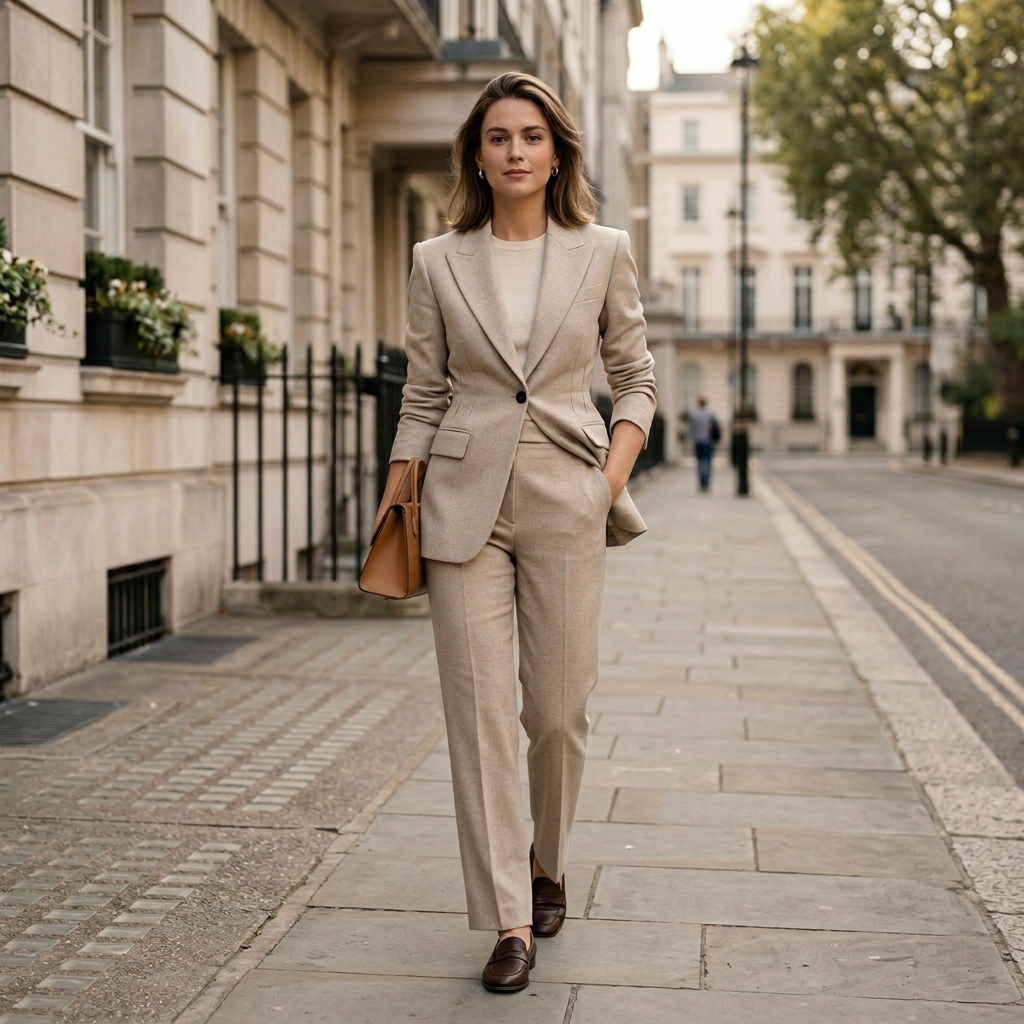
This is one of those outfits that quietly does a lot for you.
No trend-chasing. Just clean, structured, and effortlessly put-together.
If you’re trying to recreate old money outfit ideas from thrift flips, start here. This combination is a foundation, once you get it right, everything else becomes easier.
What to Thrift (and what to look for)
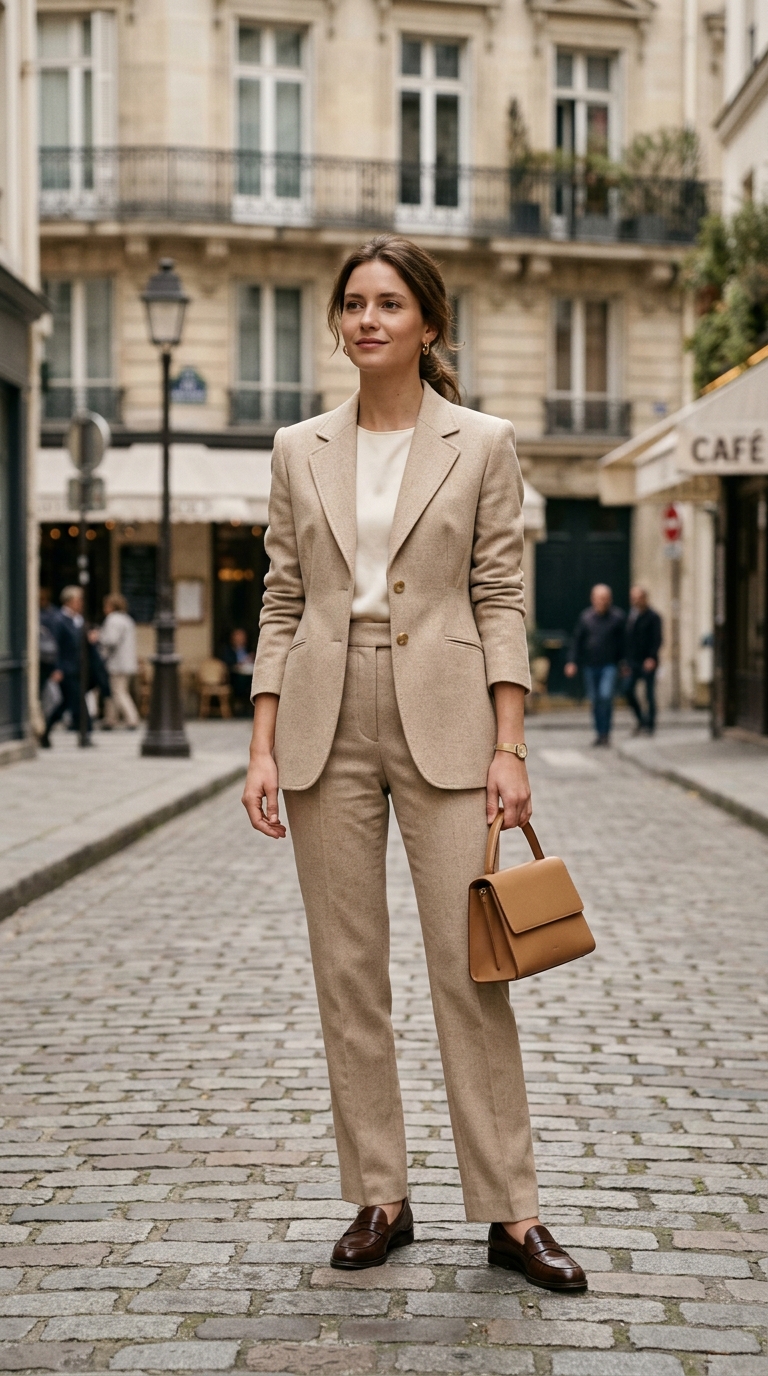
When you’re at the thrift store, don’t look for a “perfect” blazer. Look for potential.
Pick up:
- an oversized blazer (slightly big is better than too small)
- wide-leg or straight-leg trousers with a clean fall
Now, here’s what matters:
For the blazer:
- check the shoulders first (they should sit close to your natural shoulder line)
- ignore the sleeve length, you can fix that
- don’t worry if it looks boxy, that’s what tailoring is for
For the trousers:
- focus on the fabric and drape
- avoid anything too clingy or shiny
- make sure the waist and length can be adjusted
You’re not buying the outfit as it is, you’re buying what it can become.
The Flip
This is where most people either get it right… or completely miss the mark.
Start with the blazer:
- tailor the waist slightly so it follows your shape without being tight
- shorten the sleeves so they stop right at your wrist
- replace the buttons with something simple and polished (matte gold, tortoiseshell, or dark neutral)
These small changes take the blazer from “thrifted” to intentional.
Then the trousers:
- adjust the waist for a clean fit
- hem the length so it just grazes your shoes
- aim for a straight, uninterrupted line from hip to ankle
No bunching. No dragging. Just clean movement.
Why This Works (and why it always looks expensive)
Structure and clean lines.
That’s really it.
The blazer adds authority, it frames your body and sharpens your overall look.
The trousers balance it out with length and flow.
Together, they create a silhouette that feels:
- calm
- controlled
- and quietly confident
Nothing is competing. Nothing feels forced.
And that’s the core of old money outfit ideas from thrift flips, you’re not trying to look expensive… you just do, because everything fits, flows, and makes sense.
How to Wear It So It Actually Feels Complete
Keep the rest simple:
- a plain white or cream shirt underneath
- loafers, low heels, or clean flats
- minimal jewelry (think small gold pieces or nothing at all)
If you add too much, you lose the effect.
If you keep it clean, the outfit carries itself.
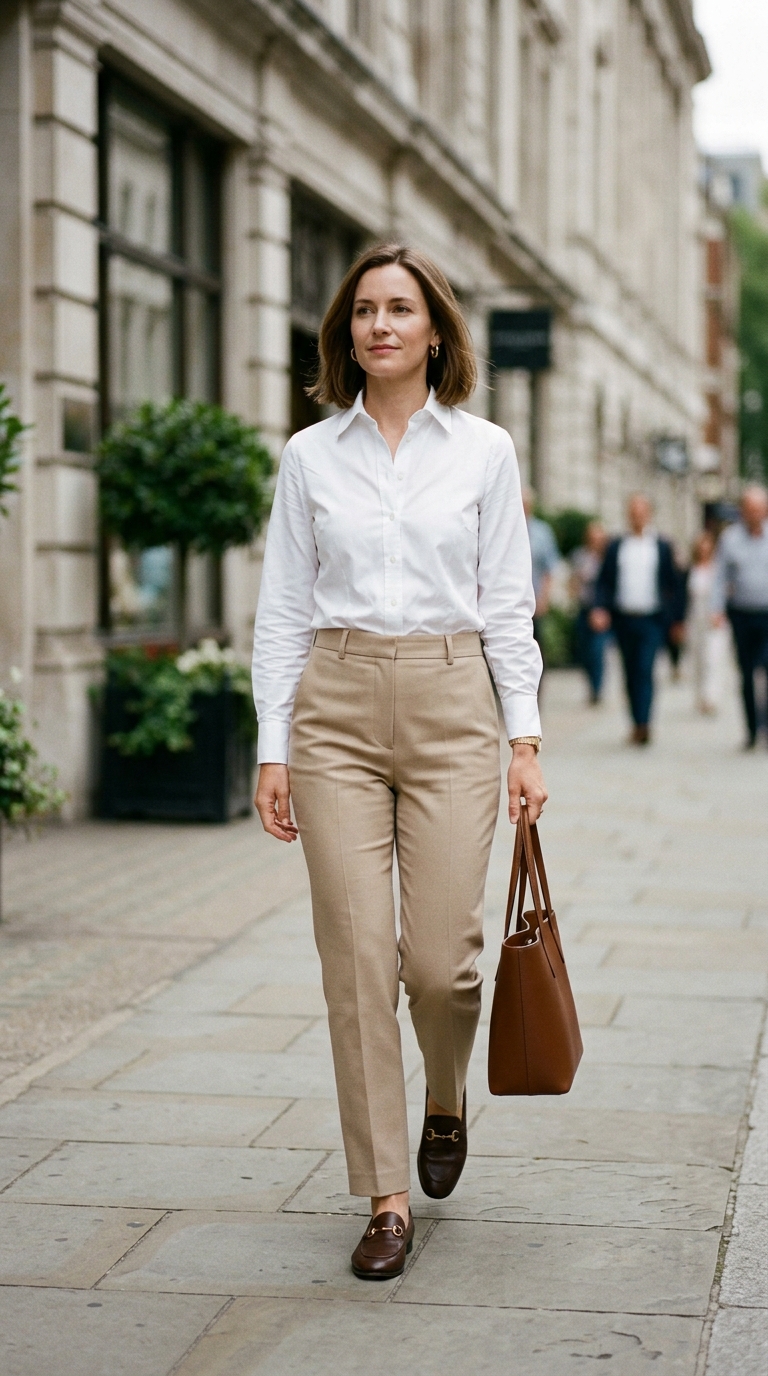
2. White Button-Down + High-Waist Trousers
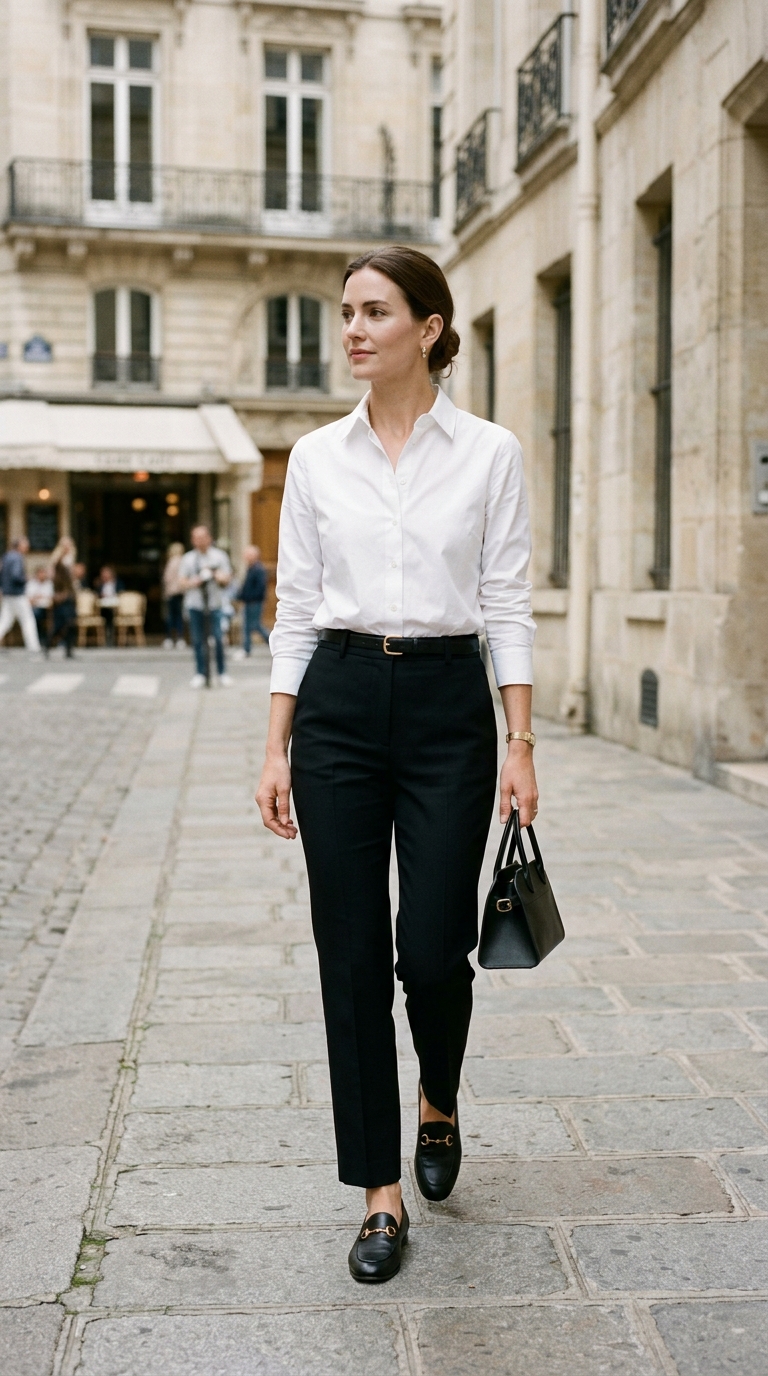
This is one of those outfits that looks simple on the surface… but quietly carries a lot of presence when done right.
It’s the kind of combination that doesn’t need attention to stand out. It just looks right, clean, balanced, and effortlessly put together.
What to Thrift (and what to pay attention to)
Start with two very basic pieces, but don’t rush this part:
- a white button-down shirt
- high-waist trousers (straight or slightly wide-leg works best)
For the shirt:
- choose one with a crisp structure, not too soft or flimsy
- check the collar—it should sit neatly, not collapse
- avoid anything overly sheer unless you plan to layer it
For the trousers:
- focus on fit at the waist first (this matters most)
- look for a fabric that holds shape without stiffness
- neutral tones like beige, black, navy, or soft grey work best
You’re not looking for perfection. You’re looking for pieces that can be shaped into something better.
The Flip
This is where everything shifts from “basic thrift find” to something that feels intentional.
For the shirt:
- slightly tailor the waist if it feels too boxy
- press or steam it properly so it holds a clean structure
- optionally replace buttons with subtle, refined ones for a more polished finish
For the trousers:
- adjust the waist so it sits perfectly, no pulling, no slipping
- hem the length so it falls cleanly over your shoes
- ensure the leg line stays straight and uninterrupted
The goal here is not to overwork the pieces. It’s to refine them until they feel like they belong to you.
Why This Works
There’s a reason this combination keeps showing up in elevated everyday style—it relies on balance.
The button-down brings structure and simplicity.
The high-waist trousers lengthen the silhouette and create clean lines.
Together, they create an outfit that feels:
- neat without being stiff
- polished without being loud
- intentional without trying too hard
It’s the kind of look that feels expensive not because it’s complicated, but because it’s controlled.
And when you understand that, thrift flipping stops being random—it becomes about shaping basics into something that feels refined, calm, and put together.
How to Wear It So It Actually Feels Complete
Let everything else stay intentional and understated:
- a crisp white button-down tucked neatly into high-waist trousers
- loafers, low heels, or clean pointed flats
- minimal jewelry (think small gold studs, a thin bracelet, or nothing at all)
If you over-layer or add too many accessories, the outfit starts to lose its clean structure.
If you keep it intentional and uncluttered, the outfit does all the work for you—it feels polished, balanced, and quietly expensive without trying too hard.
3. Knit Sweater + Pleated Skirt
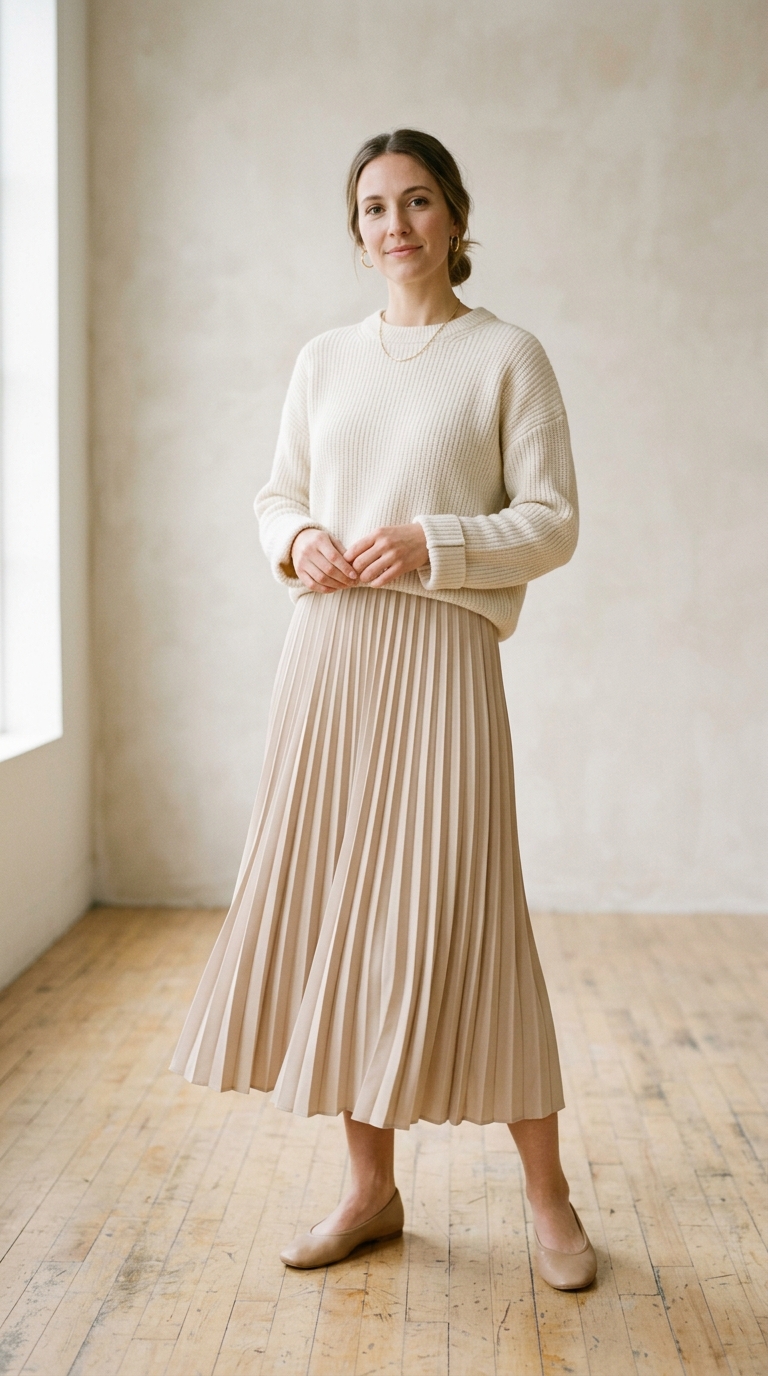
This is one of those outfits that feels calm the moment you put it on.
No pressure to perform. No loud styling. Just soft structure, clean movement, and an effortless sense of balance.
If you’re building old money outfit ideas from thrift flips , this combination is one of the most reliable places to start because it’s built on tone and texture, not price.
What to Thrift (and what to look for)
When you’re thrifting for this look, don’t focus on “matching sets.” Focus on cohesion.
Pick up:
- a knit sweater (soft, neutral, and well-fitted or slightly relaxed)
- a pleated skirt (mid-length with visible structure and movement)
- pieces in similar tones for a monochrome feel
Now, here’s what matters:
For the knit sweater:
- go for soft knits that fall naturally on the body
- avoid stiff, scratchy, or overly chunky textures
- neutral shades like cream, beige, grey, or muted brown work best
For the pleated skirt:
- ensure the pleats still hold shape and don’t look collapsed
- choose fabric that moves cleanly when you walk
- avoid overly shiny or thin materials that look cheap under light
You’re not just picking two items, you’re building visual harmony.
The Flip
This is where thrift pieces stop looking random and start looking styled.
Start with the sweater:
- lightly tuck or half-tuck it to define the waist
- steam it so the knit looks smooth and refined
- if needed, adjust the hem slightly so it sits better on your frame
Then the skirt:
- tailor the waist so it sits perfectly without folding
- press or steam the pleats so they fall in clean, even lines
- ensure the length feels balanced with your height and shoes
No bulk. No distortion. Just clean flow.
Why This Works
It’s the contrast that makes it work.
The knit sweater adds softness and ease.
The pleated skirt adds structure and movement.
Together, they create a silhouette that feels:
- balanced
- quiet
- naturally elegant
Nothing is trying too hard, yet everything feels considered.
And that’s the core of old money outfit ideas from thrift flips, you’re not building outfits around trends, you’re building them around proportion, texture, and restraint.
How to Wear It So It Actually Feels Complete
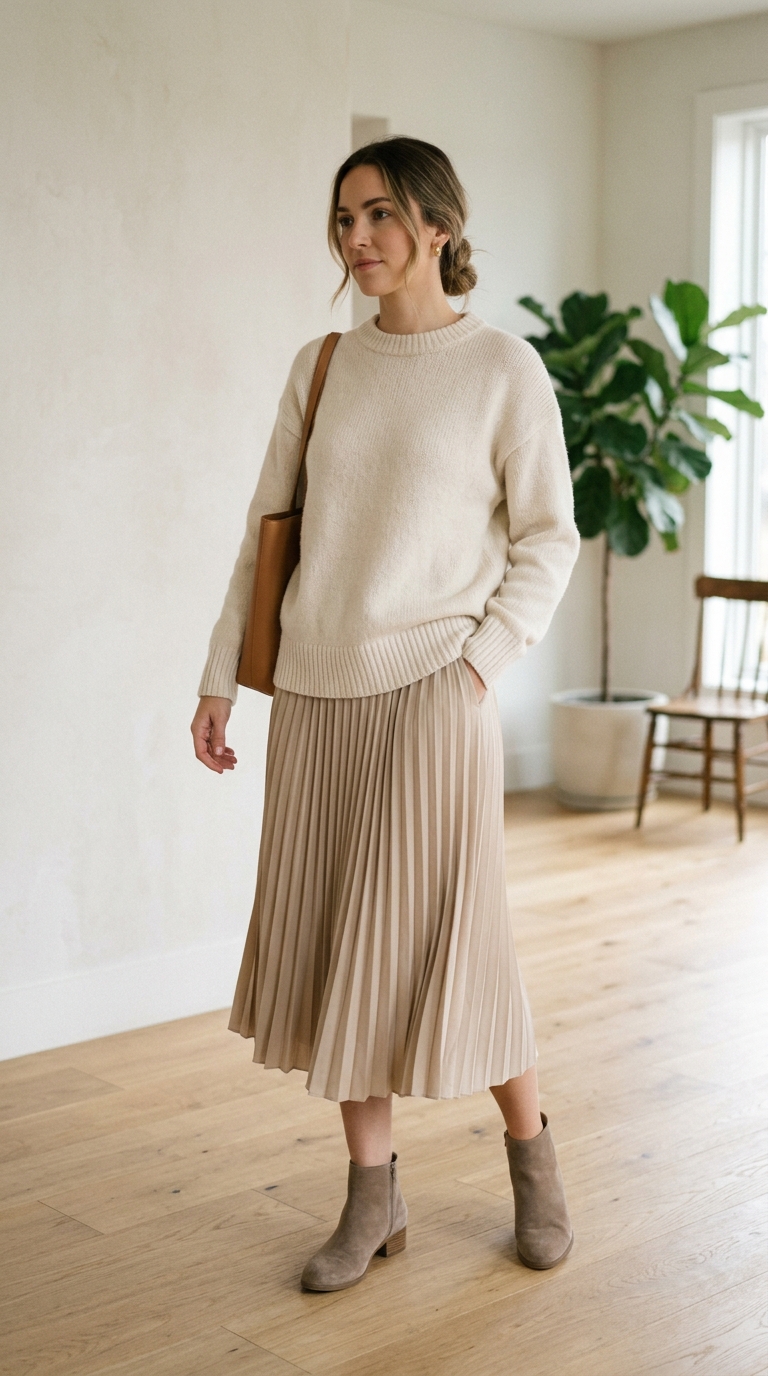
Let the styling stay soft and intentional:
- keep both pieces in the same color family for a neutral monochrome outfit (cream-on-cream, beige-on-beige, soft grey tones)
- pair with loafers, ballet flats, or low heels
- keep jewelry minimal (small gold studs, a fine chain, or nothing at all)
If you add too much, the softness disappears.
If you keep it simple and cohesive, the outfit naturally feels refined, expensive, and effortlessly put together.
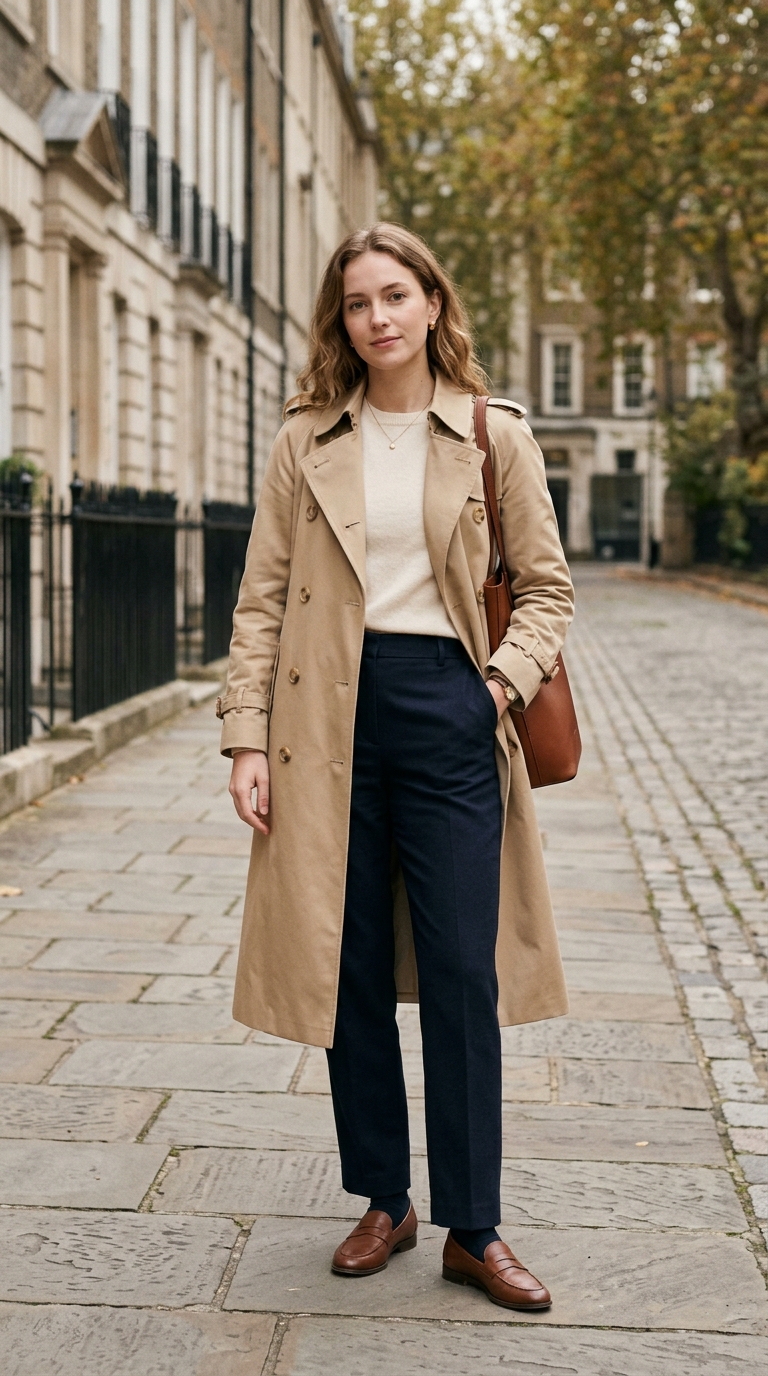
4. Trench Coat + Simple Base Outfit
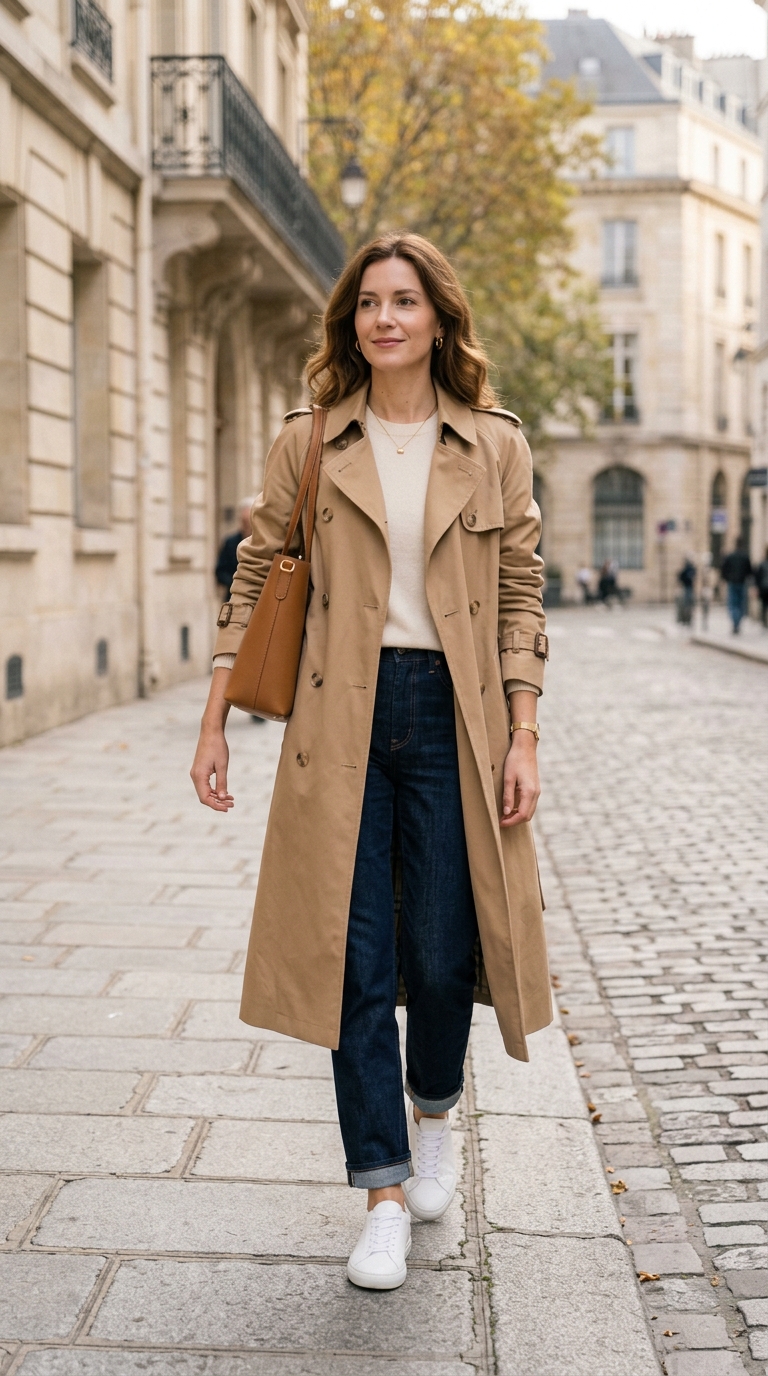
This is one of those outfits that instantly makes you look more put-together, even when everything underneath is very simple.
There’s something about a trench coat, it carries structure, movement, and quiet confidence without needing anything extra.
What to Thrift (and what to look for)
When you’re thrifting for this look, focus on the coat first. Everything else is just support.
Pick up:
- a trench coat in beige, camel, black, or soft khaki
- a simple base outfit (plain top + straight trousers or fitted jeans)
Now, here’s what matters:
For the trench coat:
- check the shoulders—it should sit cleanly without collapsing
- look for a length that falls below the hips or mid-calf
- avoid overly shiny or thin fabric that doesn’t hold structure
- belts and buttons don’t need to be perfect—you can adjust those
For the base outfit:
- keep it plain and fitted or straight-cut
- avoid loud prints or heavy layering underneath
- focus on clean, neutral tones
You’re building a foundation that lets the coat do the work.
The Flip
Start with the trench coat:
- adjust the sleeves so they fall neatly at the wrist or slightly above
- tighten or reposition the belt so it defines the waist properly
- steam it well so the fabric holds a smooth, structured fall
Then the base outfit:
- keep it tucked or fitted so there’s no bulk underneath
- ensure the proportions stay clean and balanced
- avoid unnecessary layering that adds visual noise
Everything should feel light, controlled, and effortless.
Why This Works (and why it always looks expensive)
The trench coat brings structure and presence.
The simple base keeps everything grounded and clean.
Together, they create a look that feels:
- sharp
- minimal
- naturally elevated
Nothing is competing. Nothing feels forced. The coat becomes the statement without needing any extra effort.
How to Wear It So It Actually Feels Complete
Let the styling stay minimal:
- neutral base outfit (white, black, beige, or grey)
- loafers, low heels, or clean sneakers depending on the vibe
- minimal jewelry (small studs, a simple watch, or nothing at all)
If you add too much, the coat loses its impact.
If you keep it simple, the outfit naturally feels polished, structured, and complete.
5. Midi Dress + Structured Blazer
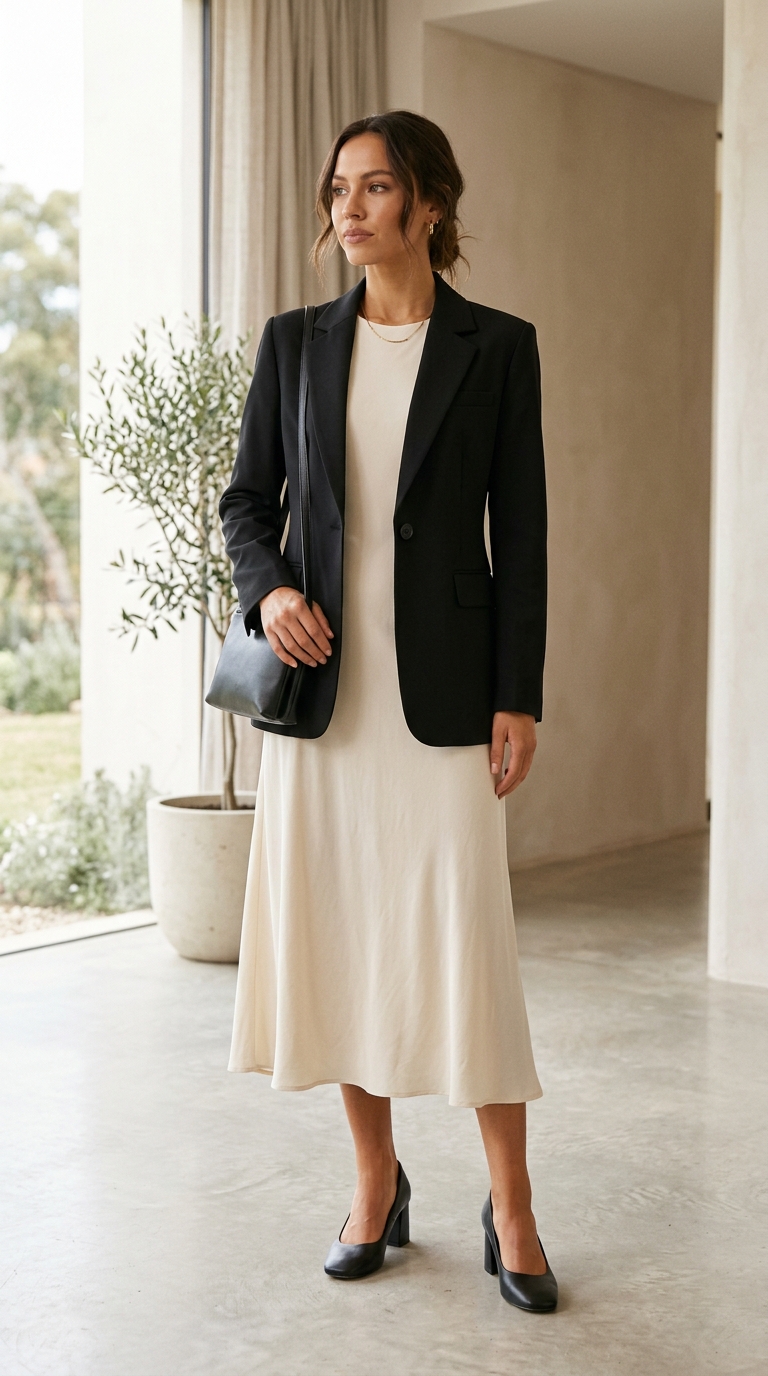
This is one of those combinations that feels soft and feminine, but still grounded and intentional at the same time.
It works because it balances flow with structure, two elements that naturally elevate each other when done right.
What to Thrift (and what to look for)
Start with two separate pieces that can work together without trying too hard.
Pick up:
- a midi dress (simple, solid color, or subtle print)
- a structured blazer (slightly fitted or gently oversized)
Now, here’s what matters:
For the midi dress:
- choose fabrics that drape well without clinging
- avoid overly busy patterns or thin materials
- neutral or soft tones work best for a refined feel
For the blazer:
- look for clean shoulder lines and a structured shape
- avoid overly stretchy or unstructured fabric
- neutral tones like black, beige, navy, or grey are ideal
You’re pairing softness with structure, not competing elements.
The Flip (where it comes together)
Start with the dress:
- ensure the length sits mid-calf or just below the knee for balance
- steam it so the fabric falls smoothly without wrinkles
- keep the silhouette clean without unnecessary layering
Then the blazer:
- tailor the waist slightly if it feels too boxy
- roll or adjust sleeves for a more intentional finish
- keep buttons simple or replace them for a more refined look
The goal is harmony, nothing should overpower the other.
Why This Works (and why it always looks expensive)
The midi dress brings movement and softness.
The structured blazer brings definition and control.
Together, they create a silhouette that feels:
- balanced
- elegant
- quietly confident
It’s the kind of outfit that looks styled without feeling overdone.
Expanding a thrift business beyond local sales becomes easier when logistics are handled right, and Thrift Delivery for Beginners: How to Safely Ship Thrift Clothes Across States or Countries breaks down how to safely send items without losses or damage.
How to Wear It So It Actually Feels Complete
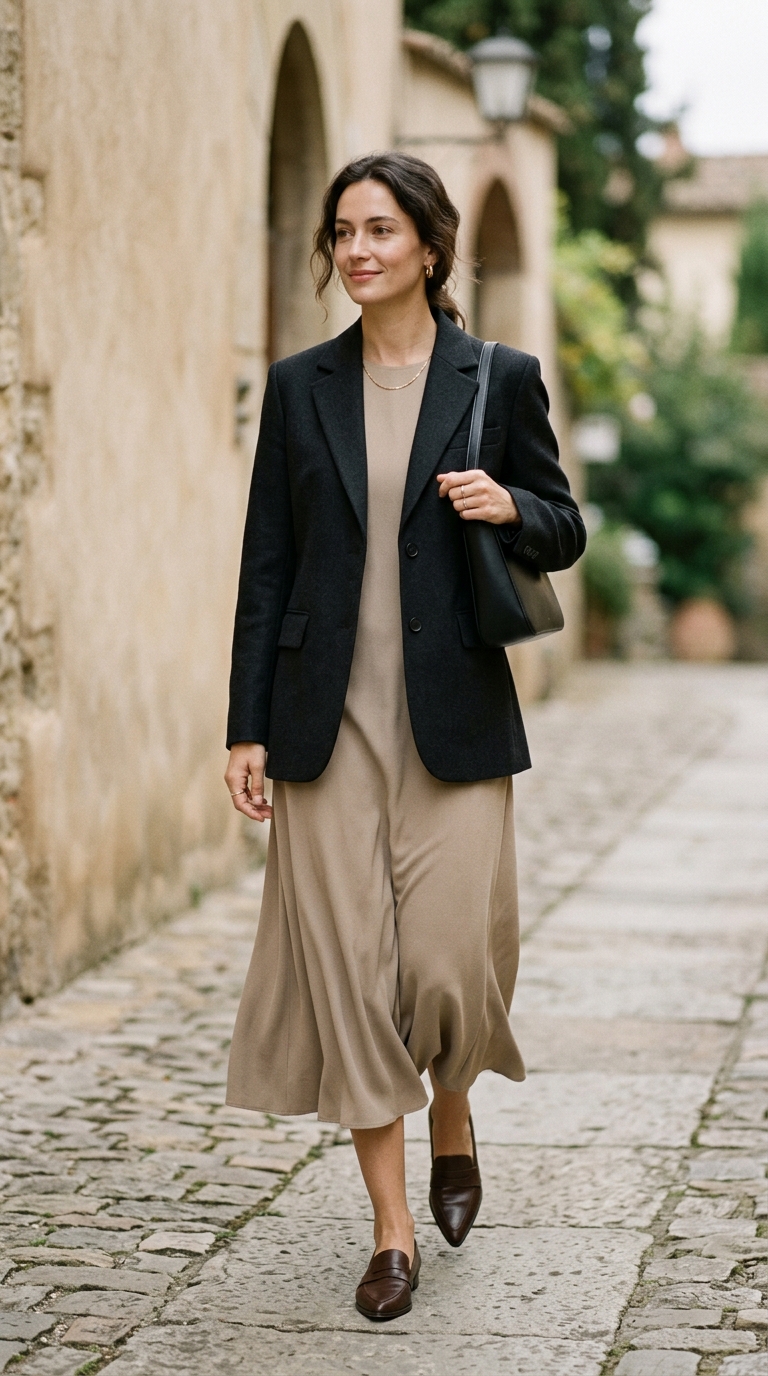
Let the styling stay soft but intentional:
- stick to neutral or muted tones for both pieces
- pair with loafers, low heels, or simple ballet flats
- keep jewelry minimal (delicate gold pieces or nothing at all)
If you overcomplicate it, the softness disappears.
If you keep it clean and balanced, the outfit naturally feels refined and complete.
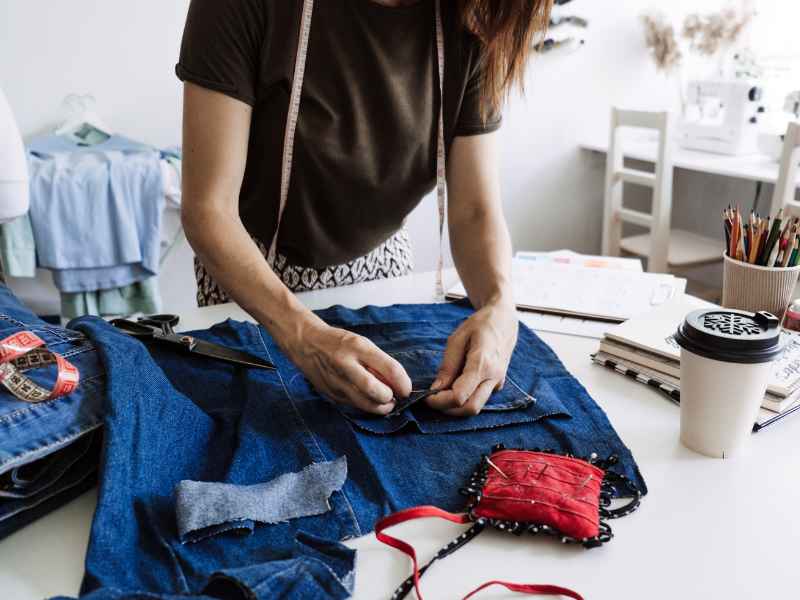
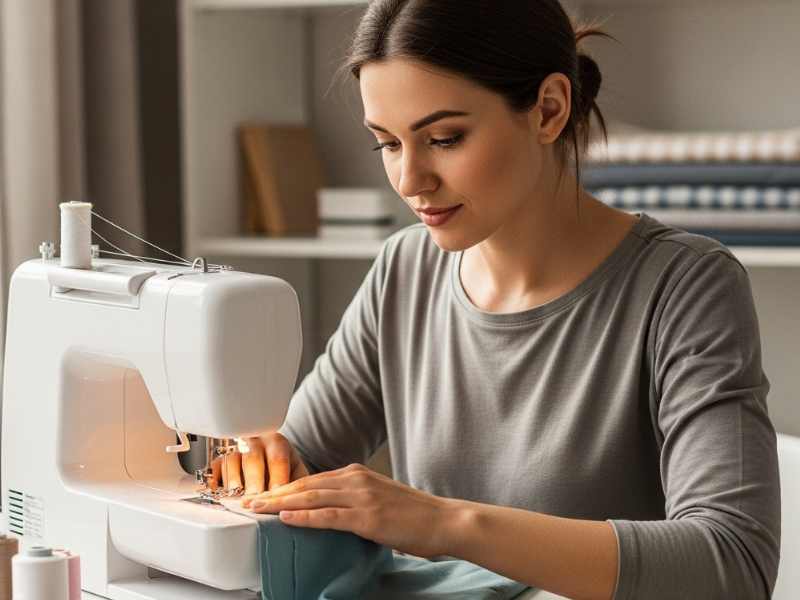
How to Thrift Flip the RIGHT Way
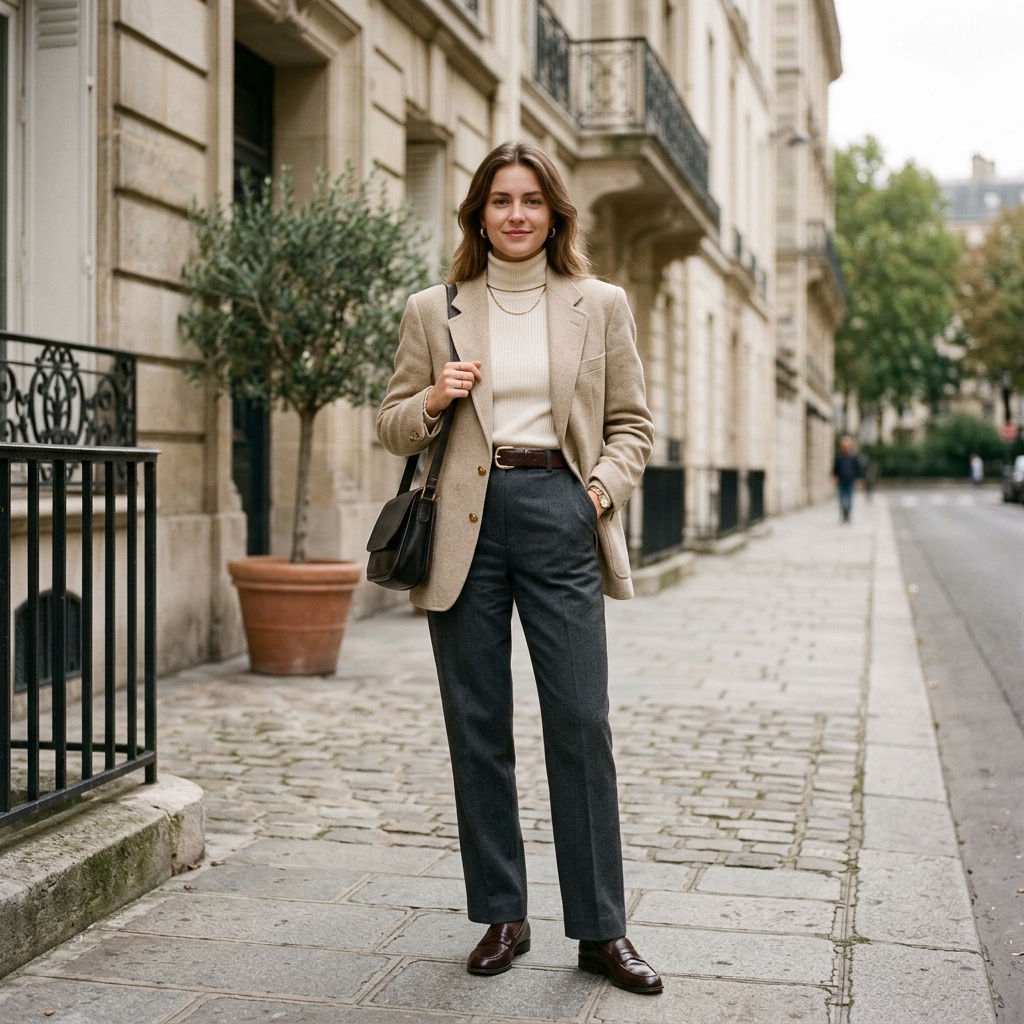
This is where everything starts to make sense, not just for styling, but for actually building old money outfit ideas from thrift flips in a consistent, repeatable way.
Most people don’t struggle with finding clothes. They struggle with knowing what to do with them after. This is the system that fixes that.
Step 1: Shop for structure, not style
When you’re in a thrift store, don’t get distracted by how something looks on the hanger.
Look instead for shape and structure.
Focus on:
- blazers
- trousers
- long coats
These are the pieces that carry an outfit. Everything else is secondary. If the structure is right, the styling becomes easier later.
Step 2: Ignore size—focus on potential
One of the biggest mistakes is dismissing pieces because they don’t fit perfectly.
Don’t do that.
A slightly bigger piece is often better than something tight or limited. You can always tailor it.
What matters is:
- good fabric
- clean structure
- strong silhouette potential
If it can be reshaped, it can be upgraded.
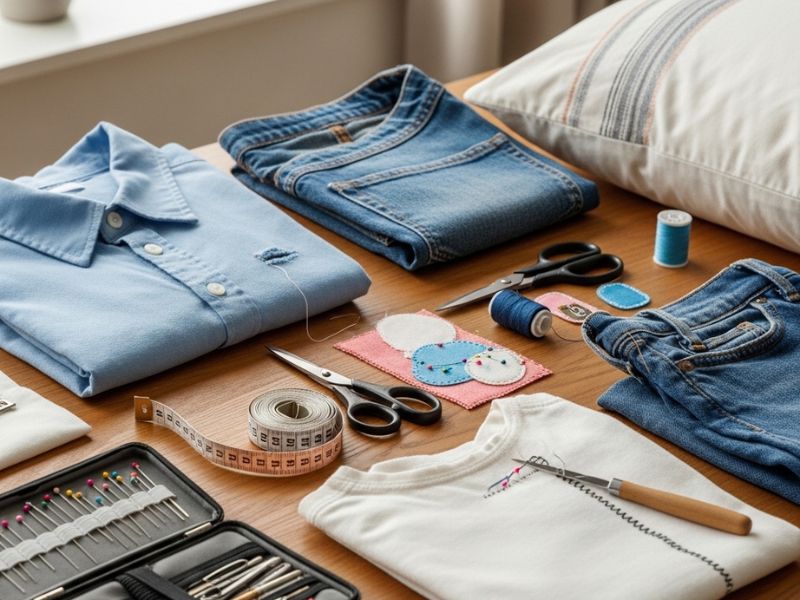
Step 3: Upgrade small details
This is where thrift pieces quietly transform.
You don’t need to rebuild the item—you just refine it.
Start with:
- changing buttons to something simple and clean
- fixing hems so they fall properly
- adjusting sleeves for a sharper fit
These are small changes, but they completely change perception. The piece stops feeling secondhand and starts feeling intentional.
Step 4: Keep it minimal
This is where most people overdo it.
The goal is not to redesign the clothing. It’s to refine it.
Avoid:
- unnecessary embellishments
- extra layers of “DIY creativity”
- anything that distracts from the clean silhouette
Remove what doesn’t need to be there.
Let the piece speak for itself.