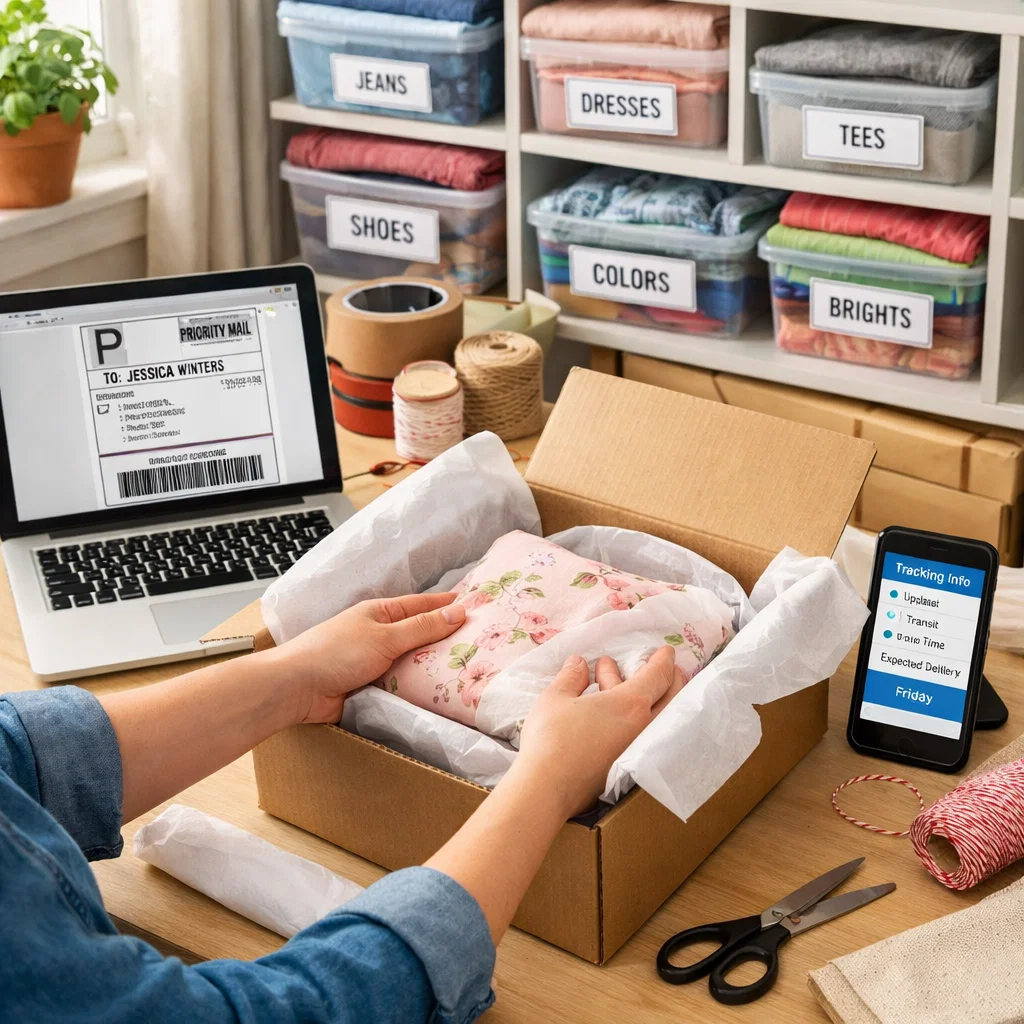
Ensure every order arrives safe and on time. Thrift Delivery for Beginners: How to Safely Ship Thrift Clothes Across States or Countries, shows beginners how to ship efficiently and professionally.
Even the best thrift inventory can lose value if it doesn’t reach buyers safely and on time. For beginners, delays, damaged items, lost packages, and unhappy customers are all too common, and they can quickly turn a promising sale into frustration.
Buying and shipping thrift clothes might seem like a shortcut to profit, but without careful preparation, many sellers lose money or struggle with dissatisfied buyers.
In this guide, you’ll learn how to ship thrift clothes efficiently across states or countries, communicate clearly with clients, and avoid costly mistakes. With the right strategies, you can ensure your items arrive safe, fresh, and professionally presented, turning your thrift business into a reliable income stream.
If you’re new to thrift selling, reading Thrift Business in Nigeria: How to Start a Profitable Thrift Clothing Business gives you a step‑by‑step guide to sourcing and grading thrift bales before you begin shipping them.
Understanding the Delivery Challenges
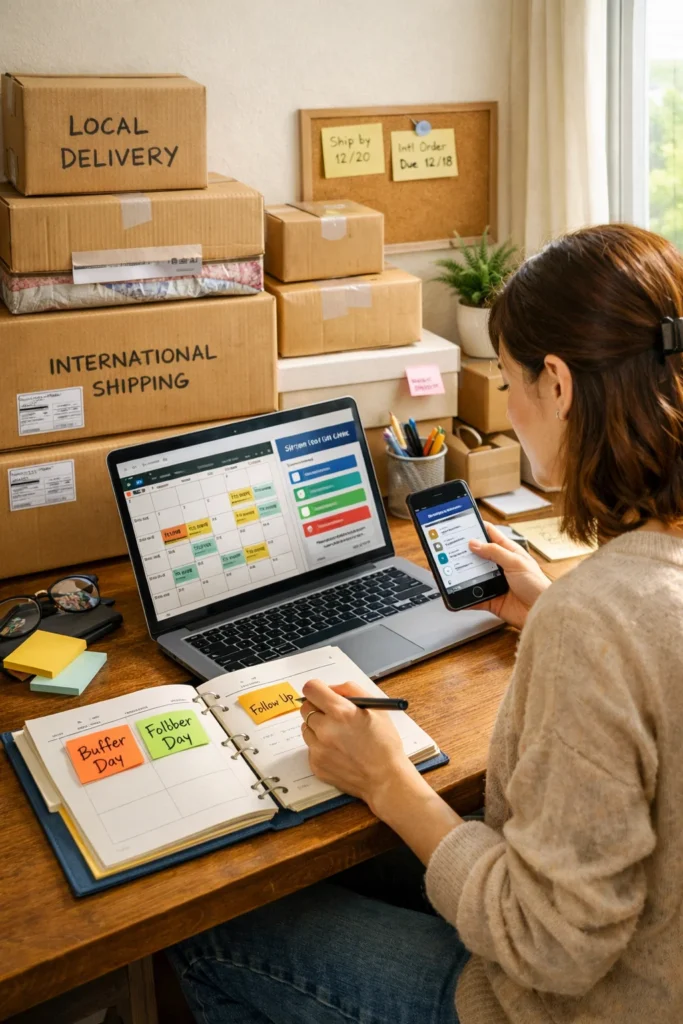
Shipping thrift clothes comes with different challenges depending on whether you’re sending items locally or internationally. As a beginners you might often underestimate the risks, which can lead to delays, and unhappy buyers.
Key Differences:
-
Local delivery: Typically faster and cheaper, but still subject to courier delays or mishandling.
-
International delivery: Slower, costlier, and may involve customs inspections, taxes, or additional fees.
Hidden Pain Points:
-
Packages getting damaged in transit.
-
Delays from courier services, especially during peak seasons.
-
Customs issues when shipping abroad that can hold your items for days or even weeks.
Knowing which items sell fastest helps you pack and ship inventory that moves quickly — check out Top-Selling Clothes for Thrift Business in Nigeria (What Moves Fast) to tailor your shipments for demand.
Build Buffer Time into Delivery Estimates
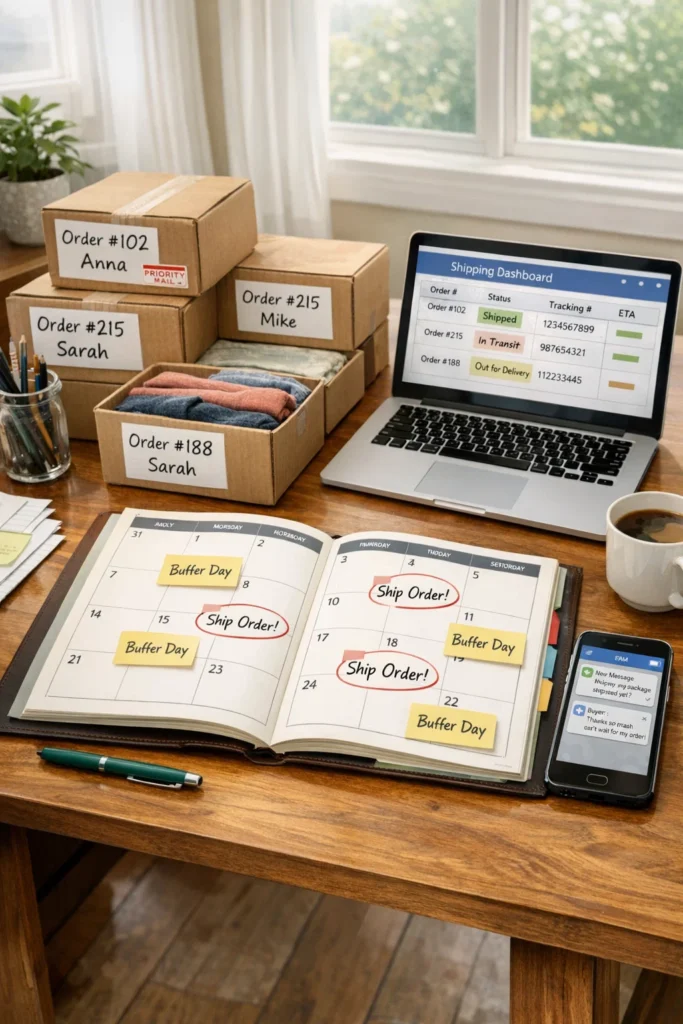
When you give buyers an estimated delivery date, you’re setting an expectation. Because if the package arrives late, even by a day, it can lead to complaints, negative reviews, or requests for refunds, especially for online thrift sales.
Beginners often underestimate shipping delays, thinking local deliveries are always fast or that international shipments will arrive exactly as the courier promises.
How to Build Buffer Time:
-
Check typical courier times: Look at average delivery durations for your route.
-
Local: 2–5 business days depending on distance.
-
International: 7–21 business days depending on country and customs.
-
-
Add extra days:
-
Local: +1–2 days.
-
International: +3–7 days, depending on country and holidays.
-
-
Communicate clearly with buyers: Let them know, e.g., “Estimated delivery: 7–14 business days.” Buyers appreciate transparency and are less likely to complain if it’s slightly later.
Why It Matters:
-
Prevents buyer frustration and negative reviews.
-
Gives you room to handle unexpected delays like courier errors, weather, or customs holdups.
-
Shows professionalism, buyers trust sellers who set realistic expectations.
NOTE: Use the longest reasonable time in your estimate, then if it arrives earlier, buyers feel pleasantly surprised, boosting your reputation.
If you want to avoid wasting money on low-quality clothes, this guide on How to Identify Grade A vs Grade B Thrift Clothes Before Buying a Bale (Beginner Guide) will help you make smarter choices.
Packaging for Safe Delivery
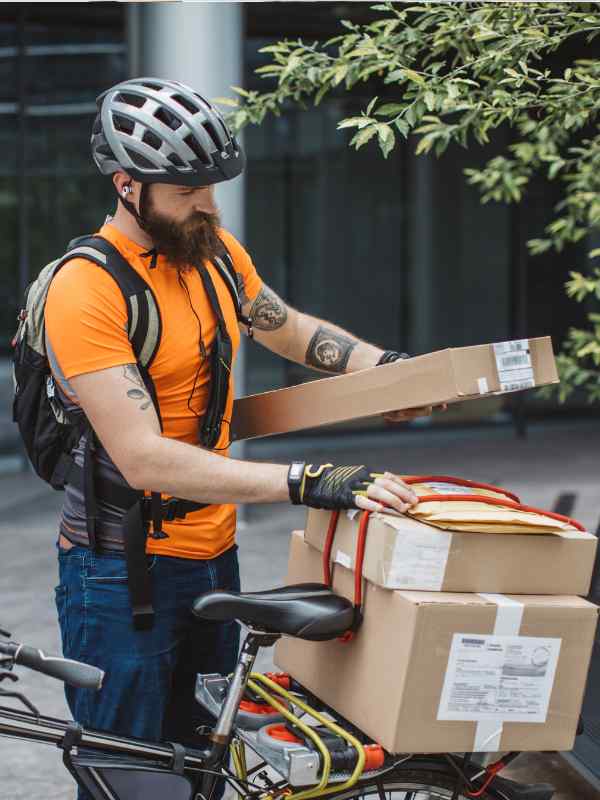
One of the most important steps in how to safely ship thrift clothes across states or countries is protective and organized packaging. Neat packaging not only keeps your items safe but also builds trust with buyers.
Local Delivery Tips:
-
Use sturdy boxes, padded envelopes, or sealed bags for bales or loose clothes.
-
Protect delicate items with tissue paper or bubble wrap to prevent damage during transit.
-
Clearly label packages to avoid mix-ups and ensure smooth delivery.
International Delivery Tips:
-
Vacuum-seal clothing to save space and protect fabrics.
-
Add tissue paper for delicate items and avoid crushing folds.
-
Label packages clearly, including contents and care instructions, to reduce customs delays.
Include a mini “care card” or thank-you note with instructions on handling the clothes. This small touch improves buyer experience, makes your packages feel professional, and increases repeat sales.
For ideas on turning leftover materials from thrift clothes into useful add‑ons or gifts, see What to Do With Fabric Scraps: Sewing Hacks That Turn Leftovers Into Keep-Worthy Gifts.
Choosing the Right Courier and Transport Company

Picking the right courier can make or break your thrift delivery, in a situation where you’re shipping across states or internationally. As a beginner, it’s easy to focus only on price, but speed, reliability, and tracking matter just as much.
Local Delivery Tips:
-
Compare couriers in your area for speed, reliability, and cost. Some routes may have faster or cheaper options depending on the city or state.
-
Know the popular transport companies in each state — so you know the right company to use, bear in mind better networks and delay tendency.
-
Always use tracking so you and your buyer/ customer can monitor the package.
International Shipping Tips:
-
Choose experienced global couriers like DHL, FedEx, or UPS that specialize in shipping clothes and handling customs efficiently.
-
Track performance over time — some countries or cities consistently take longer, and knowing this helps you set realistic delivery expectations.
NOTE: Keep a small spreadsheet of couriers you’ve used, their average delivery times, and reliability ratings. Over time, you’ll know which ones consistently deliver fastest and safest for each route.
Building credibility as a reseller starts with honest, detailed listings. How to Write Thrifted Clothing Descriptions That Build Buyer Trust and Boost Sales teaches simple techniques that help shoppers feel comfortable buying from you.
Preventing Losses and Returns

One of the biggest challenges for beginners in thrift business is avoiding losses or returns when shipping thrift clothes.
Even a small mistake, a damaged item, delayed delivery, or poor packaging , can hurt your sales, brand, reputation, and buyer trust.
Learning how to safely ship thrift clothes across states or countries helps protect your inventory and keeps customers happy.
Actionable Steps:
-
Track every shipment: Use courier tracking and take photos of packages before sending them. This helps resolve disputes quickly if anything goes wrong.
-
Protect fragile or delicate items: Wrap delicate fabrics individually and use padding or tissue paper to prevent damage.
-
Avoid mixing new and old stock: Keep recently cleaned items separate from unwashed inventory to prevent odors or contamination.
NOTE: Professional packaging not only prevents damage but can justify higher prices and make your items look premium, especially for international buyers. Thoughtful presentation builds trust and encourages repeat sales.
Before you pack and ship, ensuring each item is spotless is key — read How to Clean and Disinfect Secondhand Clothes Before Selling — Make Every Item Sale-Ready for professional cleaning tips that keep buyers happy.
Communicating With Buyers

Clear communication is just as important as safe shipping when learning how to safely ship thrift clothes across states or countries. Buyers appreciate transparency, and proactive updates can prevent complaints, negative reviews, or refund requests.
Best Practices:
-
Notify clients immediately when their order is shipped and include tracking information so they can follow the package.
-
Update on delays or issues promptly — even a one-day delay can frustrate buyers if they’re not informed.
-
Provide clear instructions for receiving items, such as handling vacuum-sealed bales carefully or unpacking delicate fabrics slowly.
-
Give exact delivery dates for local or interstate shipments, so buyers know exactly when to expect their orders. This reduces repetitive questions and builds trust.
NOTE: Create a template message for shipping notifications. This ensures consistency, saves time, and allows you to maintain a professional tone for every buyer.
Even small styling or presentation choices affect buyer perception — check Outfit Problems Short Women Deal With — Which Ones Are Ruining Your Look? for insights on how clothing appearance can influence satisfaction.
Presentation Matters Even During Delivery
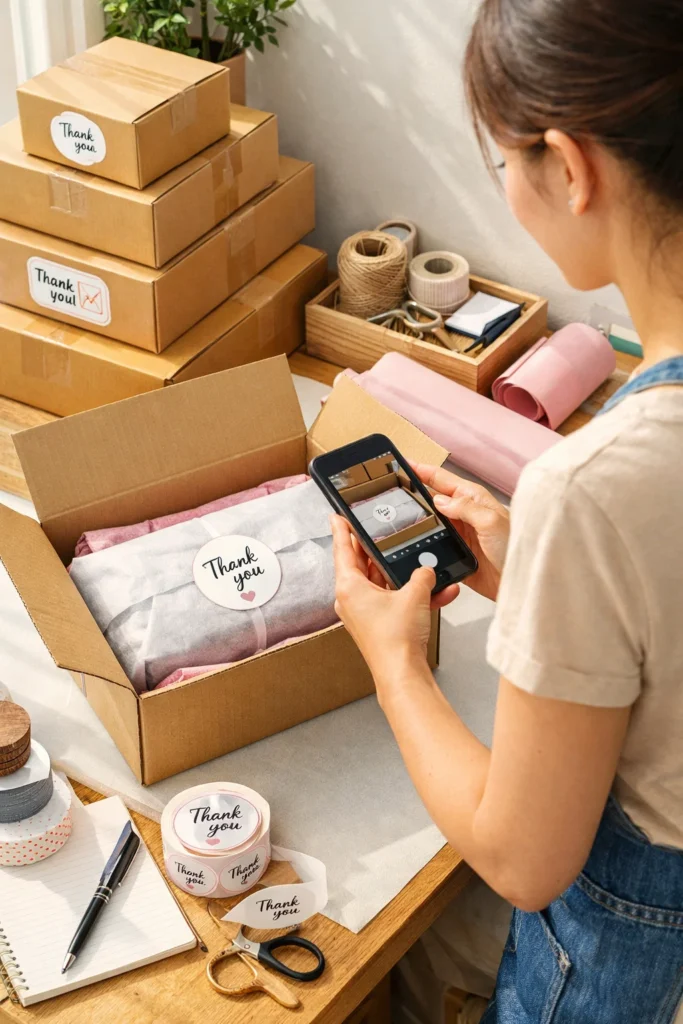
How your thrift clothes arrive can make or break a buyer’s first impression. Even if your items are high-quality, sloppy packaging can make them look cheap, leading to complaints, returns, or negative reviews.
Learning how to safely ship thrift clothes across states or countries means paying attention not just to protection, but also presentation.
Tips for Professional Presentation:
-
Fold neatly to avoid creases or wrinkles during transit.
-
Check for stains or marks before packing, first impressions count and matters.
-
Include branded tissue paper, stickers, or labels to give packages a premium feel.
-
Take photos of each packed bale for your records, this can help quickly resolve disputes if an item is damaged or lost.
You should know that: Thoughtful presentation can justify higher prices, make buyers feel valued, and encourage repeat sales, especially for international shipments.
Knowing fabric types helps prevent damage during transit —Understanding Fabrics for Sewing: Choosing the Right Material for Every Project guides you on handling different materials safely.
How You as a Beginner Can Save Money While Shipping Thrift Clothes

Shipping thrift clothes safely doesn’t have to drain your profits, but as a beginner, it’s easy to overspend if you’re not careful.
Here’s how you can keep costs low while making sure every package arrives safely and professionally:
1. Plan Ahead — Avoid Last-Minute Express Shipping
Rushing to send a package often means paying extra for speed. By planning ahead, you can use standard shipping services that are reliable and cost-effective without sacrificing safety.
2. Compare Courier Prices for Bulk Shipments
Don’t settle for the first option you find. Check several local and international couriers to see which offers the best price for the routes you ship most often. Sometimes a small difference in cost per package adds up to big savings over time.
3. Batch Orders to Save Time and Money
If possible, send multiple orders together. This reduces both shipping fees and handling time. Just be careful to keep each buyer’s items separate so nothing gets mixed up.
4. Track Your Costs and Performance
Keep a simple log of shipping costs, courier performance, and delivery times. Over time, this gives you a clear picture of which couriers are reliable and cost-effective, helping you make smarter shipping decisions.
Small changes like planning, batching, and tracking can save beginners hundreds of naira or dollars over time, while maintaining a professional buyer experience.
Turn overlooked thrift store gems into stylish staples by following the step-by-step guidance in Thrift flip Sewing Projects Ideas For People Who want Expensive Style on A Budget.
Conclusion
Learning how to safely ship thrift clothes across states or countries is essential for protecting your inventory, building buyer trust, and maintaining profits. Proper handling, from safe packaging to choosing reliable couriers, setting realistic delivery timelines, and communicating clearly with clients, ensures your thrift business runs smoothly and professionally.
Like we earlier discusseed:
-
Communicate proactively with buyers about shipping dates and tracking information.
-
Pack items professionally, using protective materials and attention to presentation.
-
Choose dependable couriers for both local and international deliveries.
-
Plan realistic delivery timelines to prevent delays and complaints.
Following these steps, even beginners can ship like an expert, which is what i want for you, you get to reduce returns, and make their thrift business more profitable while keeping customers satisfied.
I am rooting for you.
FAQs:
1. How do I handle a package if the courier loses it?
Even the safest couriers can occasionally misplace a shipment. So, always take photos of packed items before shipping and use tracked delivery services. Keep all receipts and tracking numbers, this helps you file claims and recover costs quickly.
2. Can I ship thrift clothes internationally without paying huge customs fees?
Yes! Label your packages accurately with contents and value, and research customs rules for your buyer’s country. Some couriers offer prepaid customs options to prevent surprises. Properly preparing paperwork can save you money and delays.
3. What if buyers receive wrinkled or folded clothes that look messy?
Wrinkles are common, but you can minimize them by rolling delicate items, using tissue paper between folds, or vacuum-sealing larger bales. Sending a care card with instructions also helps buyers handle items properly and reduces complaints.
4. How can I manage multiple shipments at the same time without errors?
Batch shipments carefully and label each package clearly with the buyer’s name, address, and tracking number. Maintaining a simple spreadsheet or checklist for each order helps prevent mix-ups and ensures every package reaches the right person safely.
5. What should I do if a courier delays delivery for several days?
Delays happen, especially for interstate or international shipping. Notify your buyer immediately, explain the situation, and provide updated tracking info. Planning buffer days into your delivery estimates keeps expectations realistic and protects your reputation.


This guide really hits on the essentials for anyone starting out with thrift delivery—especially the part about preparing items safely and communicating clearly with buyers. I’ve run into a few hiccups with damaged items and delays in the past, so it’s reassuring to see a focus on avoiding those common pitfalls. It’s great to see a beginner-friendly breakdown of how to make shipping thrift clothes both efficient and stress-free.
As a co- business owner, to an extent, i know thw ups and down of delivery items to different customers with different mindset, reason i wrote this guicde for my new thrift beginners. I wouldnt want anyone to go through what i went through as a novice.
Thank you so much for reading and dropping your thoughts.
This is such a timely guide; many beginners underestimate how much the unboxing experience impacts building trust with repeat buyers. I’ve found that using sustainable packaging goes a long way in adding that professional touch without inflating shipping costs too much. Thanks for breaking down the logistics so clearly for those of us just starting out!
This is such a helpful breakdown for anyone starting out. I have found that adding a couple of buffer days to delivery estimates and rolling instead of folding delicate pieces has saved me so many buyer messages. A simple care card inside the package also goes a long way for first-time thrift buyers, especially with international orders. Thanks for putting the customs and tracking tips together in one place.