How to style cultural prints in 2026, know fabric history, modern outfit formulas & styling confidence all in one guide.
There’s a shift happening in fashion, and it’s not a trend cycle. It’s a movement.
Cultural prints are showing up everywhere: on international runways, in street style, on corporate Zoom calls, and at weddings that refuse to be boring. But this isn’t fashion borrowing from culture. This is culture, finally taking its rightful place at the centre of global style.
The Afro-Deco movement alone tells you everything. Designers from Ghana to Lagos are remixing Kente, Aso Oke, and Adire with sharp modern tailoring, metallic embroidery, and architectural silhouettes. The message is clear, made in Africa is no longer niche. It’s premium.
And it’s not just Africa. From India’s Kalamkari block prints landing on co-ord sets and swimwear, to China’s “New Chinese Style” weaving dynasty-era embroidery into everyday dressing, cultures around the world are reclaiming their visual language and wearing it boldly.
But here’s the problem most people face:
How do you wear a cultural print and look current, not costumed? Intentional, not confused?
That’s exactly what this post answers. No fluff. Just the real styling knowledge you need to wear cultural prints with confidence, respect, and a very modern edge.
If you love finding fresh outfit inspiration, you’ll enjoy seeing how Cultural Fashion: 10 Stunning Traditional Attire from Around the World You Need to See for Style Inspiration showcases beautiful styles that continue to influence modern fashion.
Know What You’re Wearing (The Fabric Facts)
Before you style a cultural print, know what you’re wearing. Not because fashion requires a history lesson, but because understanding the story behind a fabric changes how you carry it. Confidence comes from knowledge. And knowledge starts here.
✔️Ankara — West Africa’s Most Recognisable Print
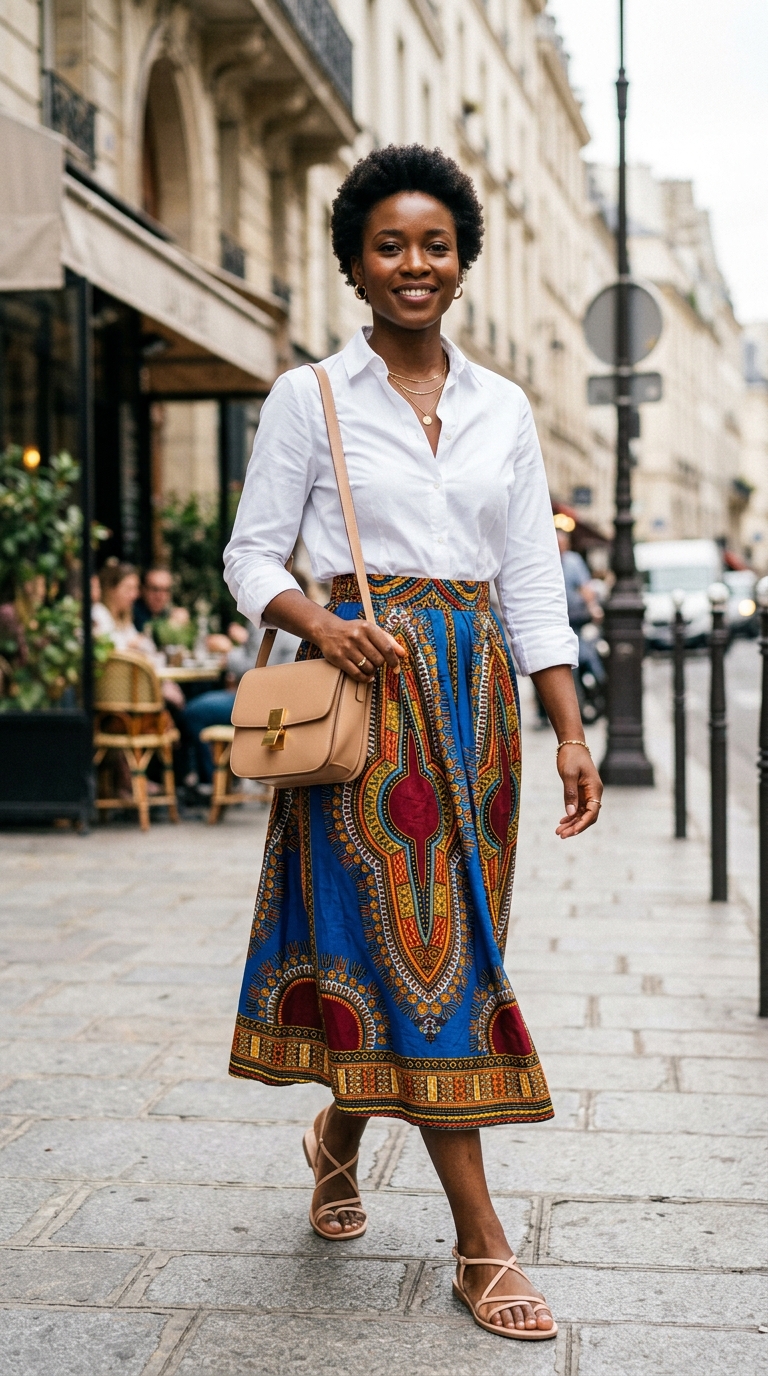
Ankara is bold, colourful, and unmistakable. But its origin story is more layered than most people realise. The wax-resist dyeing technique that creates Ankara was originally inspired by Indonesian batik. Dutch traders brought the method to West Africa in the 19th century, and Africans made it entirely their own. The patterns evolved to reflect local identity, proverbs, politics, and pride. Today, Ankara isn’t just fabric. It’s a canvas for storytelling, a symbol of creativity, and one of the most versatile textiles in global fashion. Designs range from classic cultural motifs to contemporary abstract graphics — and some carry specific names and meanings, like patterns that symbolise prosperity, love, or protection.
✔️ Kente — Ghana’s Royal Cloth
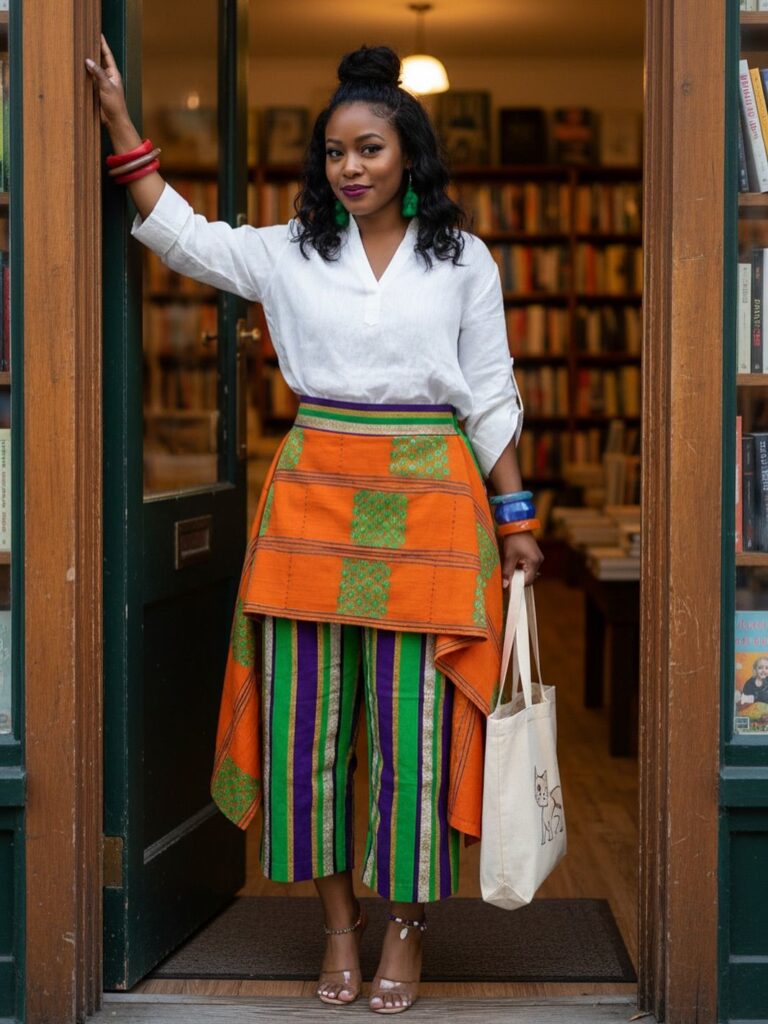
Photo credit: @ Afro boho Fashion
Kente is not a print. This is one of the most common misconceptions worth correcting. Kente is a handwoven cloth, originating among the Akan people of Ghana as far back as the 12th century. It was woven exclusively for royalty — kings and queens wore it as a statement of power and status. Every colour and pattern in authentic Kente carries meaning. Gold represents wealth and royalty. Green represents growth and renewal. The geometric patterns encode Akan proverbs and cultural philosophy. Traditionally, Kente is reserved for major life ceremonies — weddings, graduations, funerals, and festivals. When you wear Kente, you’re wearing centuries of cultural intelligence, not just a pattern.
✔️ Indian Block Prints — Kalamkari and Rajasthani
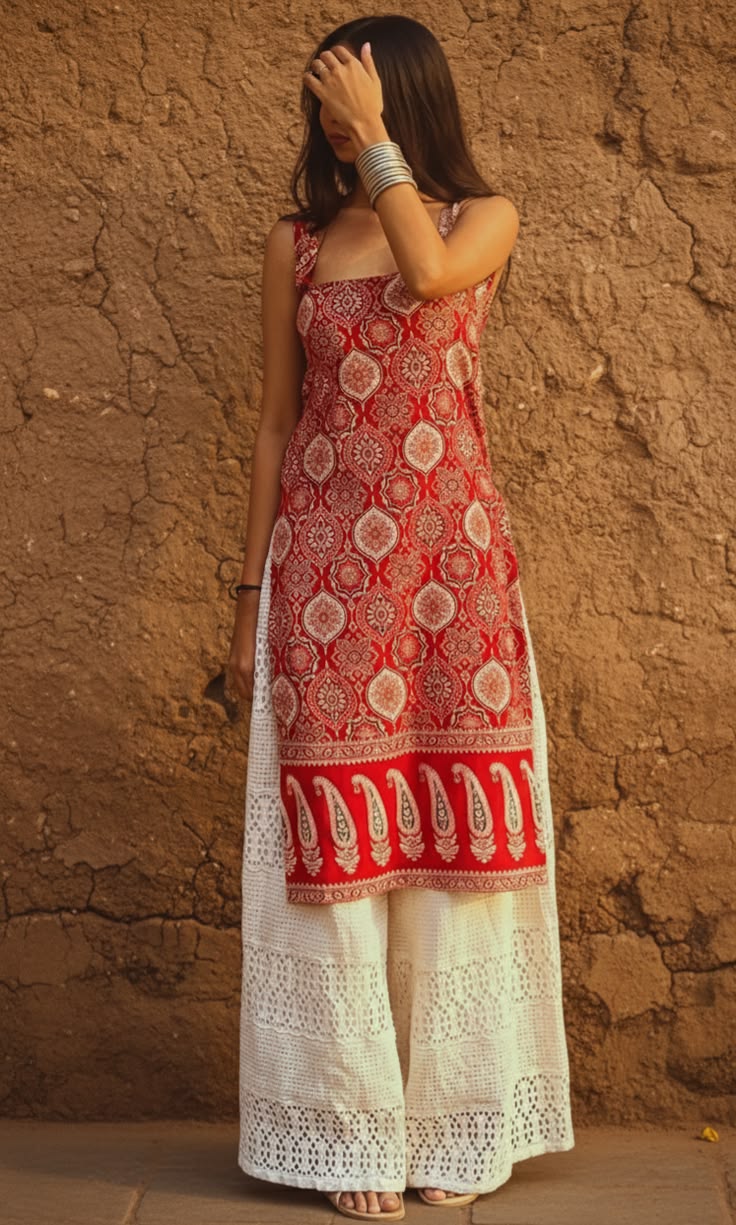
India’s textile heritage is one of the oldest and most intricate in the world. Kalamkari, which originates from Andhra Pradesh, uses hand-painted or block-stamped designs rooted in mythology, nature, and devotion. The word itself means “pen work” in Persian. Rajasthani block printing, from the desert state of Rajasthan, uses carved wooden blocks dipped in natural dyes to create repeat patterns on fabric — a craft passed down through generations of artisan families. Today both are showing up in very modern contexts: co-ord sets, structured blouses, beachwear, and tailored jackets. The craft is ancient. The application is entirely now.
Why Its Important You Know This:
Wearing a cultural print without knowing its origin is like quoting someone without knowing who said it. The look might land, but the depth is missing. When you know what you’re wearing, you style it differently. You carry it with intention. And that intention is exactly what separates an outfit that turns heads from one that simply turns up.
Looking festive without dressing in stars and stripes is easier than you think, and 4th of July Outfit Ideas for Women Who Don’t Want to Wear Flag Prints proves it with stylish alternatives you’ll actually want to wear.
Why Cultural Prints Can Look Old-Fashioned (And How to Fix It)
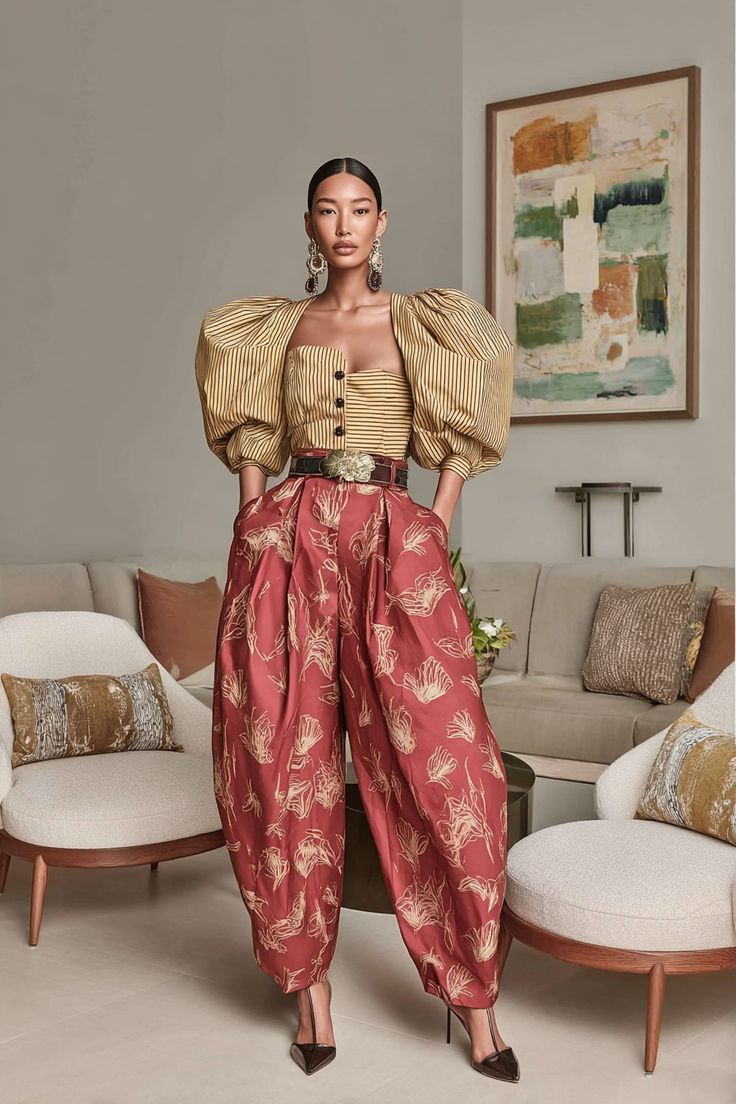
Let’s be honest. We’ve all seen it, and some of us have worn it. A beautiful fabric, a rich print, but something about the overall look feels stuck in another decade.
It’s rarely the print’s fault. It’s almost always one of these three styling mistakes:
1. Head-to-Toe Print With Nothing to Ground It
Cultural prints are bold by nature. When you wear them from neck to ankle with no break, the outfit wears you, not the other way around.
The fix is simple: use a solid colour as your anchor. A coral off-shoulder top against a busy Ankara midi skirt.
A white fitted tee tucked into a Kitenge wrap skirt. One solid, one print, the contrast is what creates the modern tension that makes an outfit look intentional rather than overwhelming. It also means your pieces become mix-and-match, not just one-occasion looks.
2. Too Many Prints Competing for Attention
Print mixing can be done well, but there’s a very thin line between bold and chaotic. The mistake most people make is throwing two or three unrelated prints together and hoping the energy carries it.
It doesn’t.
The rule: stick to two prints maximum, and make sure they share at least one common colour. That shared colour is what creates harmony. When in doubt, let one print dominate and use a solid as the bridge. Your outfit should feel curated, not accidental.
3. The Silhouette Is Doing Too Much of the Talking
A traditional print in an outdated cut, oversized, shapeless, or overly structured in the wrong places, is what dates an outfit most. The fabric can be stunning but if the shape doesn’t fit modern dressing, it pulls the whole look backwards.
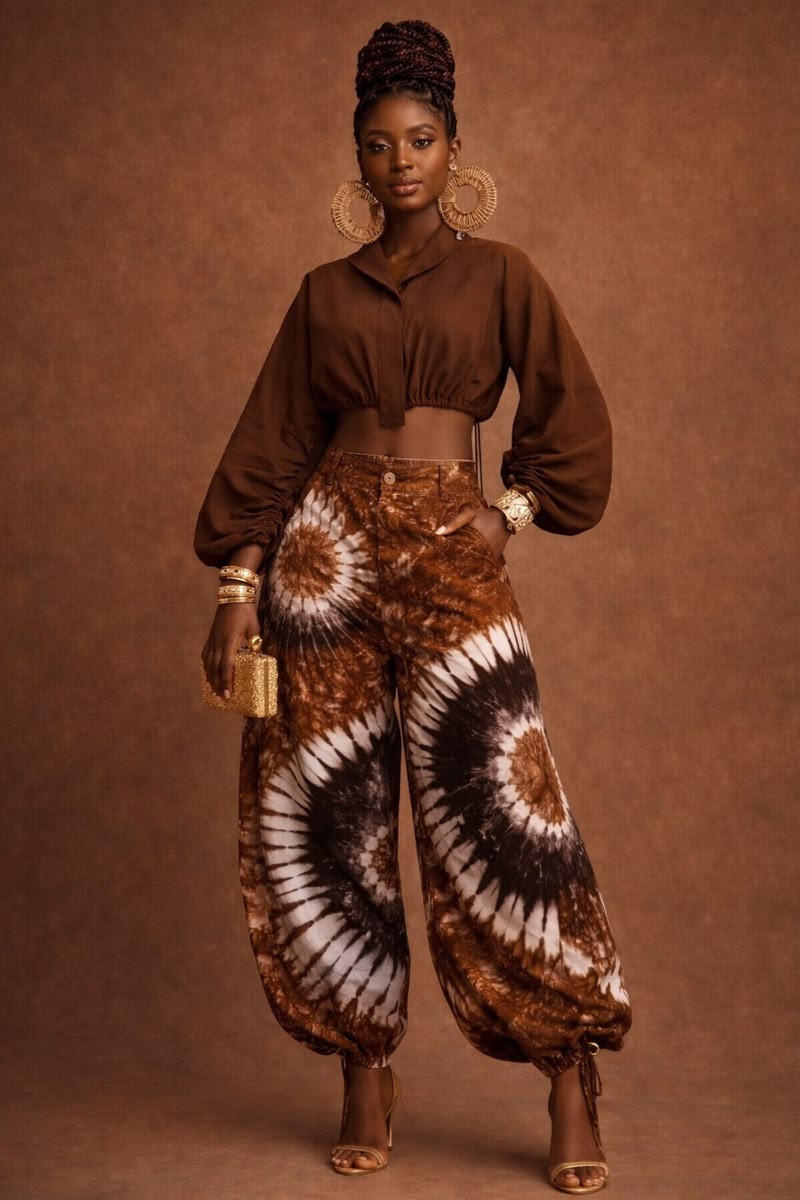
The solution isn’t to abandon tradition, it’s to update the shape. A cropped top in Ankara fabric with high-waisted trousers.
A Kalamkari blouse with tailored wide-leg pants. A Kente-trimmed blazer over a simple slip dress. The print stays cultural. The silhouette stays current. That combination is exactly where modern styling lives.
Many women relate to the frustration explained in Why You Feel Like You Have Clothes but Still Nothing to Wear (Even With a Full Wardrobe) And How to Fix It, especially after discovering what’s really causing the problem.
The Modern Styling Formula
This is where the post gets practical. Knowing the history of a fabric is powerful. But knowing how to wear it in a way that feels current, confident, and effortlessly stylish, that’s what you came here for.
Four moves. Master these and you’ll never look dated in a cultural print again.
1. Mix Heritage Fabric with Modern Materials
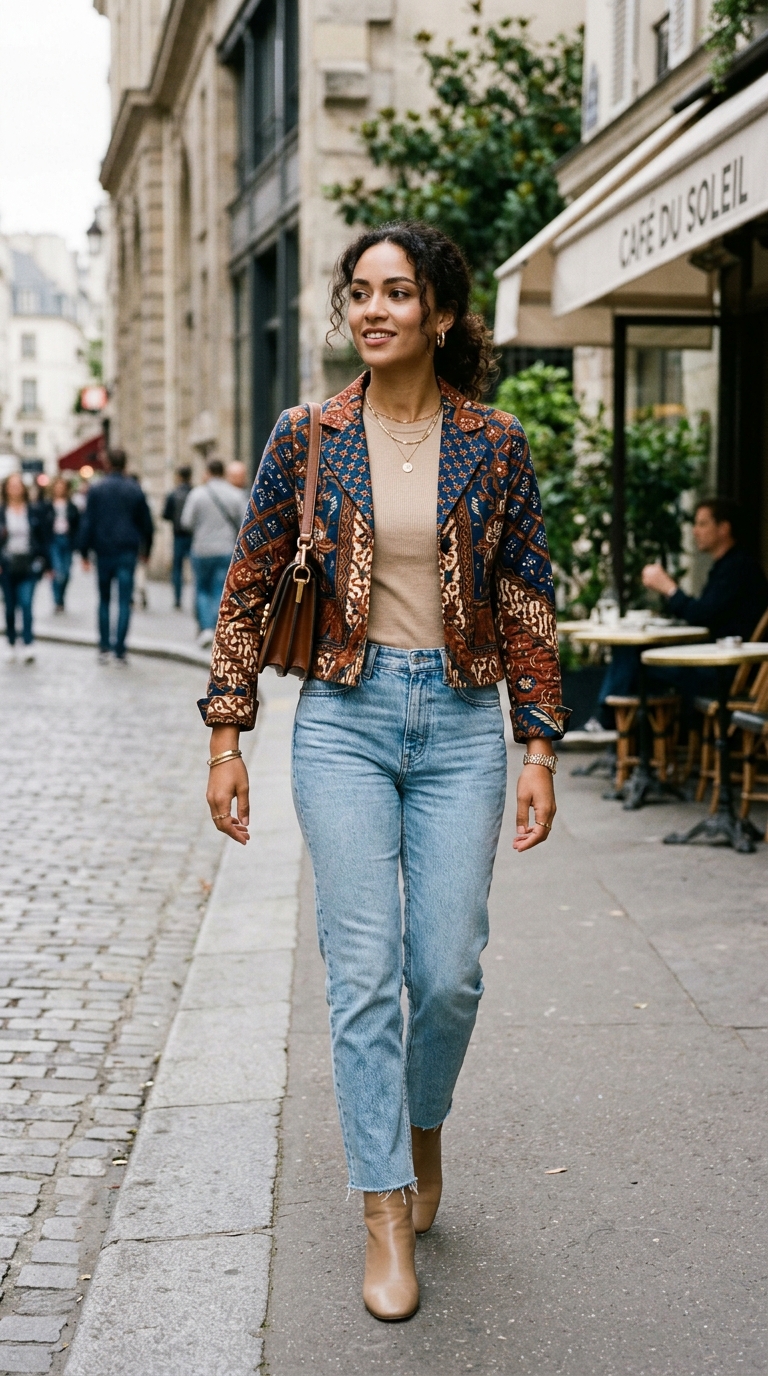
One of the fastest ways to make a cultural print look current is to pair it with a fabric it has never traditionally lived next to.
Think about it this way — Ankara cotton is structured and bold. Now imagine it as a tailored skirt paired with a sheer organza blouse. The contrast between the weight of the print and the lightness of the organza immediately creates something that feels fresh and intentional. The cultural fabric stays central. The modern material elevates it.
Here’s how this works in practice:
- A Kente-trimmed jacket over a stretch jersey bodysuit — heritage detail, modern fit
- An Ankara structured skirt with a mesh or chiffon top — bold print, soft contrast
- A Kalamkari block print blouse paired with tailored stretch trousers — artisan fabric, contemporary cut
- A silk Ankara wrap layered over a fitted ribbed dress — traditional drape, modern base
The principle behind all of these is simple: when a cultural fabric meets a modern material, neither one overpowers the other. Instead they create balance, and balance is exactly what makes an outfit look intentional rather than accidental.
What to avoid: pairing two heavy, structured fabrics together. If your print fabric is thick and bold, your second fabric should breathe. Let one ground the look. Let the other lift it.
The cultural essence stays completely intact. What changes is the conversation the outfit is having, and in 2025, that conversation is speaking fluent modern.
2. Use the Print as Your One Statement Piece
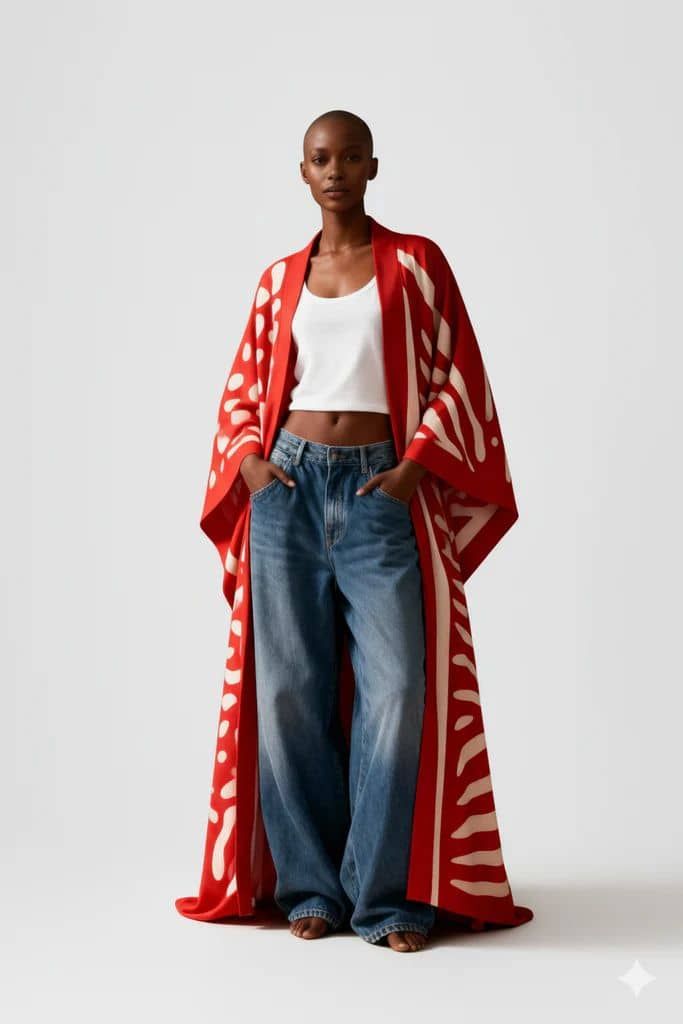
One of the most searched questions in fashion right now is how to style cultural prints without going overboard. And the answer is simple..
Pick one. Let it lead. Build everything else around it.
Cultural prints are designed to command attention — that’s their nature, their history, their purpose. So when you make a cultural print the single statement piece in your outfit, you’re not playing it safe. You’re playing it smart.
Here’s what that looks like in real life:
The Skirt Formula:
An African print skirt, whether it’s a flared midi, a mini, a full maxi, or a structured skater style, paired with a plain fitted tee or a classic button-down shirt is one of the most versatile cultural print outfit ideas you can build. It works for brunch, for church, and it works for a date. The print carries the personality of the outfit. The solid top gives it room to breathe.
The Trousers Formula:
African print trousers or wide-leg Ankara pants styled with a plain white tee, a fitted ribbed top, or a simple black bodysuit create everyday cultural print outfits that feel effortlessly sophisticated. No occasion needed. This is how cultural print styling becomes part of your regular wardrobe rotation, not just reserved for events and celebrations.
The Blazer Formula:
A Kente-trimmed or Ankara blazer over a monochrome outfit — black trousers, a neutral dress, or straight-leg jeans, is one of the cleanest ways to wear traditional African prints in modern style. One piece. Maximum impact. Zero confusion.
The Dress Formula:
A cultural print dress on its own, styled with simple accessories and clean footwear, is already a complete outfit. Resist the urge to add more print. A minimalist sandal, a pair of hoop earrings, a structured bag in a neutral tone, that’s all it needs. The dress is the statement. Everything else is just support.
The Rule Across All Four:
When you’re learning how to style cultural prints for everyday wear, this is the principle that never fails, one print, solid everything else. Your Ankara, Kente, Kalamkari, or Kitenge piece becomes the focal point. Your solid pieces become the frame. Together they create an outfit that looks considered, current, and culturally confident.
The goal isn’t to wear less culture. It’s to let the culture you’re wearing speak clearly, without anything competing for the mic.
You might be surprised by how polished affordable fashion can look after reading Old Money Outfit Ideas from Thrift Flips That Look Rich (But Cost Almost Nothing) and seeing these clever transformations.
3. Let Your Accessories Echo, Not Shout
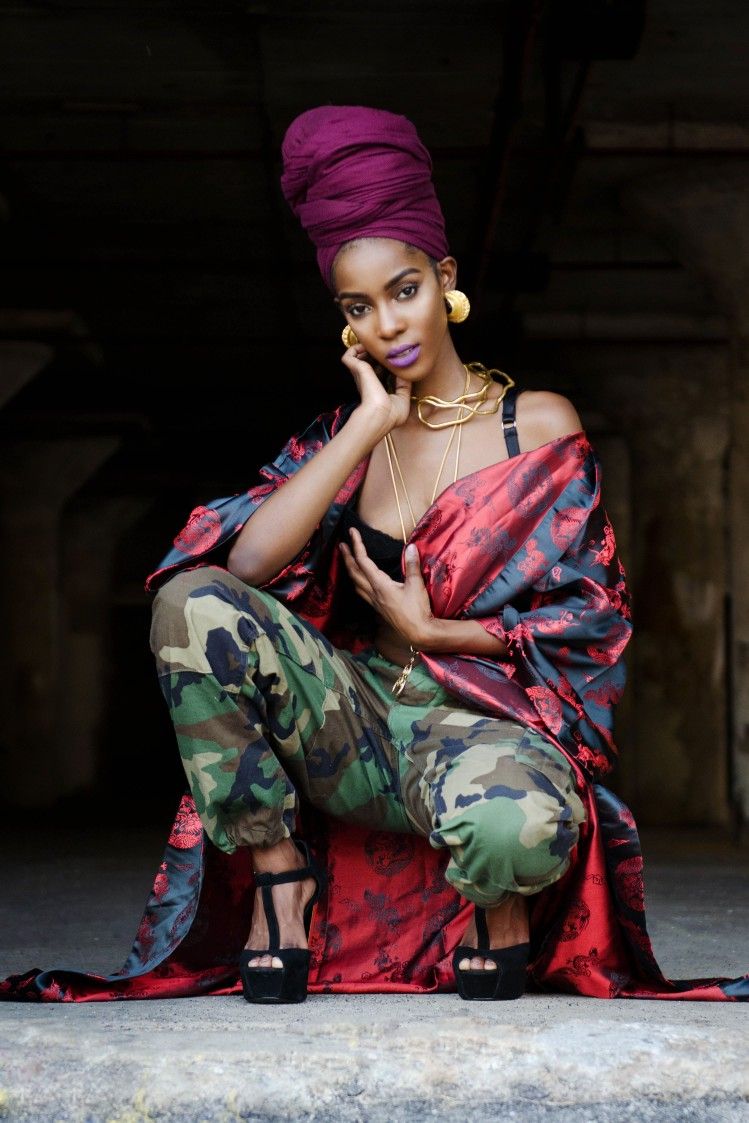
When you’re wearing a cultural print, your accessories have one job: to echo the energy, not duplicate it.
Think of it like music. The print is the lead vocalist. Your accessories are the backing instruments. They’re essential — but the moment they get louder than the lead, the whole song falls apart.
Here’s how to get it right:
Go Subtle with Jewellery
Cultural prints already carry visual weight. So your jewellery should be intentional and light. Thin gold hoops. A single delicate chain. Small beaded earrings in one of the colours already living inside your print. Bamboo hoops are a particularly strong choice with Ankara and Kitenge — they echo the organic, earthy heritage of the fabric without drawing attention away from it.
The question to ask before putting on any piece of jewellery: does this add to the outfit or compete with it? If you hesitate, take it off.
Match Your Bag to the Solid, Not the Print
This is one of the most underused styling tips for how to style cultural prints cleanly. If your outfit has a solid anchor piece, a white top, black trousers, a nude shoe, let your bag live in that same neutral world. A structured black clutch, a tan leather tote, a simple woven basket bag. These ground the look and let the print remain the centre of attention.
Avoid printed bags with printed outfits unless you are very deliberately and skilfully print mixing. Even then, the bags print should be significantly quieter than the fabric.
Footwear — Simple Wins Every Time
Clean footwear elevates a cultural print outfit in ways that elaborate shoes never will. A pair of simple strappy sandals. Classic white trainers with an Ankara midi skirt. Block-heeled mules in a neutral tone. Pointed-toe flats in black or tan.
The simpler the shoe, the more intentional the overall outfit reads. Ornate footwear with a bold print creates visual noise. Simple footwear creates visual clarity, and clarity is always more stylish.
The Headwrap — When You Want to Go Full Cultural
If you choose to style your cultural print outfit with a headwrap, own it completely. A headwrap in a coordinating print or a complementary solid colour is one of the most powerful style statements in cultural fashion. It is both a style choice and a cultural one. When worn intentionally, it elevates an entire look from stylish to striking.
The key word here is intentional. A carelessly tied wrap reads unfinished. A deliberately styled one reads like fashion authority.
The Overarching Rule
Every accessory you add to a cultural print outfit should earn its place. Ask yourself: is this echoing the outfit or competing with it? Echo stays. Competition goes.
Less is genuinely more here — not because cultural prints need to be toned down, but because they are already doing so much beautifully that your accessories simply need to honour that, not override it.
4. Wear It With Identity, Not Just Aesthetics
China’s fashion scene offers one of the most instructive lessons in how to modernise cultural dressing without losing its soul.
The “New Chinese Style” movement, which has been growing steadily among younger Chinese consumers, doesn’t simply borrow traditional elements for decoration. It integrates them with purpose.
Dynasty-era embroidery on contemporary blazers. Traditional ink-wash prints on minimalist silhouettes. Symbolic colours and patterns worn not because they’re trending, but because they mean something to the person wearing them.
The result is fashion that feels both current and deeply rooted. It doesn’t look costume-y because it isn’t being treated as a costume. It looks modern because the person wearing it understands what they’re wearing and why.
That distinction matters more than any styling rule in this post.
What This Means for You
Whether you’re wearing Ankara, Kente, Kalamkari, Adire, or any other cultural print — the question worth asking before you get dressed is not just does this look good? It’s do I know what this is?
Not in an academic way. Just enough to respect it. Enough to wear it with awareness rather than just aesthetics.
That awareness changes your posture. It changes how you put the outfit together. It changes how you carry yourself in it. And other people feel that difference even if they can’t name it.
Cultural prints worn with genuine understanding have an energy that styled-for-the-gram outfits simply don’t. One looks borrowed. The other looks owned.
The Bigger Picture
Every culture covered in this post, West African, Ghanaian, Indian, Chinese, arrived at the same conclusion through their own path: tradition doesn’t need to be abandoned to be relevant. It needs to be understood, respected, and then styled with a modern hand.
That’s the formula. Not just for cultural prints. For any fashion that carries history.
Wear it like you know where it came from. That’s what makes it timeless.
If you’re planning your next sewing project, 2026 Sewing Fashion Trends: Sew Classic Pieces with a Modern Update to Refresh Your Wardrobe reveals timeless pieces that feel current without chasing fast fashion.
How to Choose Modern Fabrics to Pair with Cultural Prints
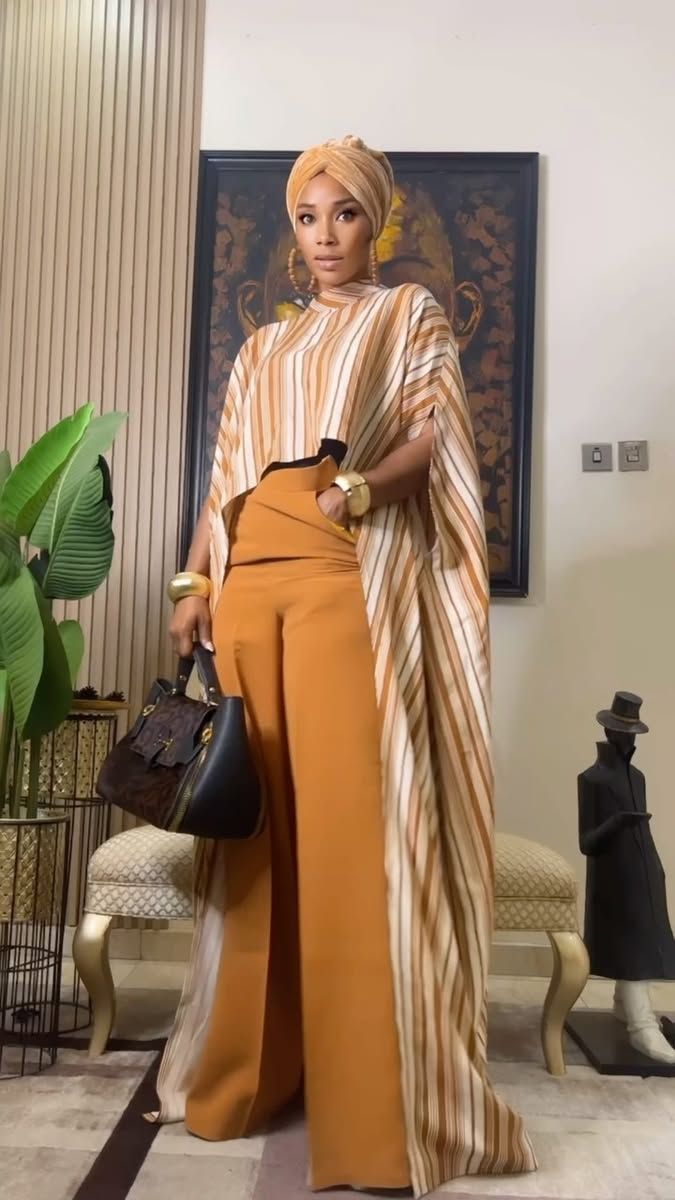
When learning how to style cultural prints, fabric choice is just as important as the print itself. The right fabric pairing helps shift cultural prints from traditional styling to a more modern, wearable fashion look.
Denim: The Instant Modernizer
Denim is one of the easiest ways to tone down bold prints and make them feel everyday-ready.
- Softens strong cultural patterns instantly
- Works well as jackets, jeans, or skirts
- Adds a casual, global street-style feel
- Keeps outfits from feeling overly traditional
Cotton Basics: The Balancing Foundation
Neutral cotton pieces are essential for grounding cultural prints.
- White, beige, black, and cream work best
- Helps reduce visual heaviness of prints
- Keeps focus on the cultural fabric
- Creates a clean, minimal contrast
Linen: The Effortless Modern Feel
Linen adds a relaxed and contemporary touch to printed outfits.
- Lightweight and breathable texture
- Works perfectly for warm-weather styling
- Makes cultural prints feel less formal
- Adds a soft, international aesthetic
Leather (or Faux Leather): The Structure Contrast
Structured fabrics like leather elevate cultural prints into a fashion-forward look.
- Adds edge and structure to soft prints
- Works as jackets, bags, or skirts
- Creates strong contrast against busy patterns
- Helps outfits feel more editorial and styled
Knitwear: The Soft Modern Layer
Knit fabrics tone down prints while keeping the outfit current and wearable.
- Adds softness and comfort to bold prints
- Works well as cardigans or fitted tops
- Makes outfits feel more everyday and approachable
- Balances visual intensity of cultural patterns.
Small styling changes can make a big difference, and 13 Flattering Outfit Ideas That Hide Belly Fat and Make Your Waist Look Smaller shares some of the easiest ways to create a more flattering look.
Color Strategy: How to Avoid a Costume Look
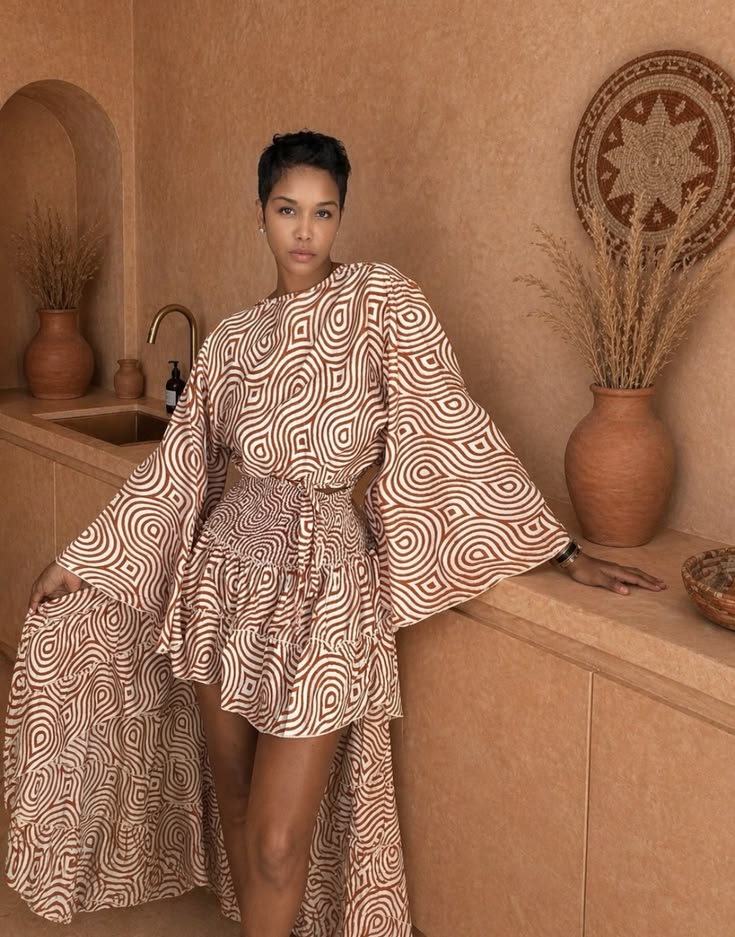
One of the biggest reasons cultural prints can sometimes feel “too traditional” or overwhelming in modern outfits is not the print itself, but how the colors are styled together. Cultural fabrics are usually rich, multi-toned, and visually loud, which means color control becomes the key to making them look modern instead of costume-like.
A simple and reliable styling rule is to pull one dominant color from the print and repeat it subtly elsewhere in your outfit. This could be in your shoes, bag, scarf, or even makeup tones. The idea is not to match everything perfectly, but to create a sense of connection without overdoing it.
Another important principle is to avoid matching every color in the print exactly. When every shade in the fabric is repeated in accessories or styling, the outfit can start to feel overly coordinated and less contemporary. Modern styling works best when there is intentional restraint, letting the print stand out while everything else supports it quietly.
To balance bold cultural patterns, neutral tones are your strongest tool. Colors like white, beige, black, cream, and soft browns help “calm” the visual intensity of prints. These neutrals give the eye space to rest and instantly make the outfit feel more wearable for everyday settings.
A more advanced styling approach is monochrome balancing, where you build the rest of the outfit around a single neutral or soft tone while allowing the cultural print to act as the focal point. This is a common technique in contemporary fashion because it keeps the outfit cohesive without competing elements.
Example Styling Approach
- Blue Ankara print skirt + white shirt + nude sandals
- (Instead of repeating blue shoes, blue bag, and blue accessories all together)
This kind of styling keeps the cultural print as the hero piece, while the rest of the outfit feels intentional, modern, and effortless rather than overly matched or traditional.
Dressing for confidence becomes much easier when you see how Plus Size Outfits for Women Who Want to Feel Confident and Express Their Personality combines flattering styling with looks that feel authentic and fun to wear.
Now It’s Your Turn
You’ve got everything you need. The history, the styling rules, the mistakes to avoid, and the confidence to wear cultural prints the way they were always meant to be worn, with intention.
So here’s your challenge: pick one cultural print you own or love. Style it with one solid piece, one modern cut, and one meaningful accessory.
That’s not old-fashioned. That’s intentional.
Learning how to style cultural prints is really just learning how to wear your culture without apology, and now you know exactly how to do that.
Which cultural print is your favourite to style? Drop it below, I’d love to know.