Wondering what to do with leftover pumpkins after Halloween? Try easy, creative, eco-friendly ideas instead of throwing them away.
Every Halloween, Americans throw away an estimated 1.3 billion pounds of pumpkins.
When those pumpkins end up in landfills, they break down without much oxygen. According to the U.S. Department of Energy, that process releases methane, a greenhouse gas that traps significantly more heat in the atmosphere than carbon dioxide over the short term.
The UK faces a similar challenge on a smaller scale. Depending on the source, people throw away between 8 million and more than 20 million pumpkins each year.
The pumpkin on your porch doesn’t have to become part of those statistics. Instead of sending it to the curb, you can give it another purpose. The key is knowing its condition. Whether it’s carved, painted, or still whole will determine which reuse ideas are safe, practical, and worth trying.
Keep your seasonal creativity simple with Halloween Craft Ideas for Adults Who Don’t Want a Big Mess or Anything That Takes All Day, featuring easy projects that are festive, fun, and realistic to finish in one sitting.
How Long You Actually Have
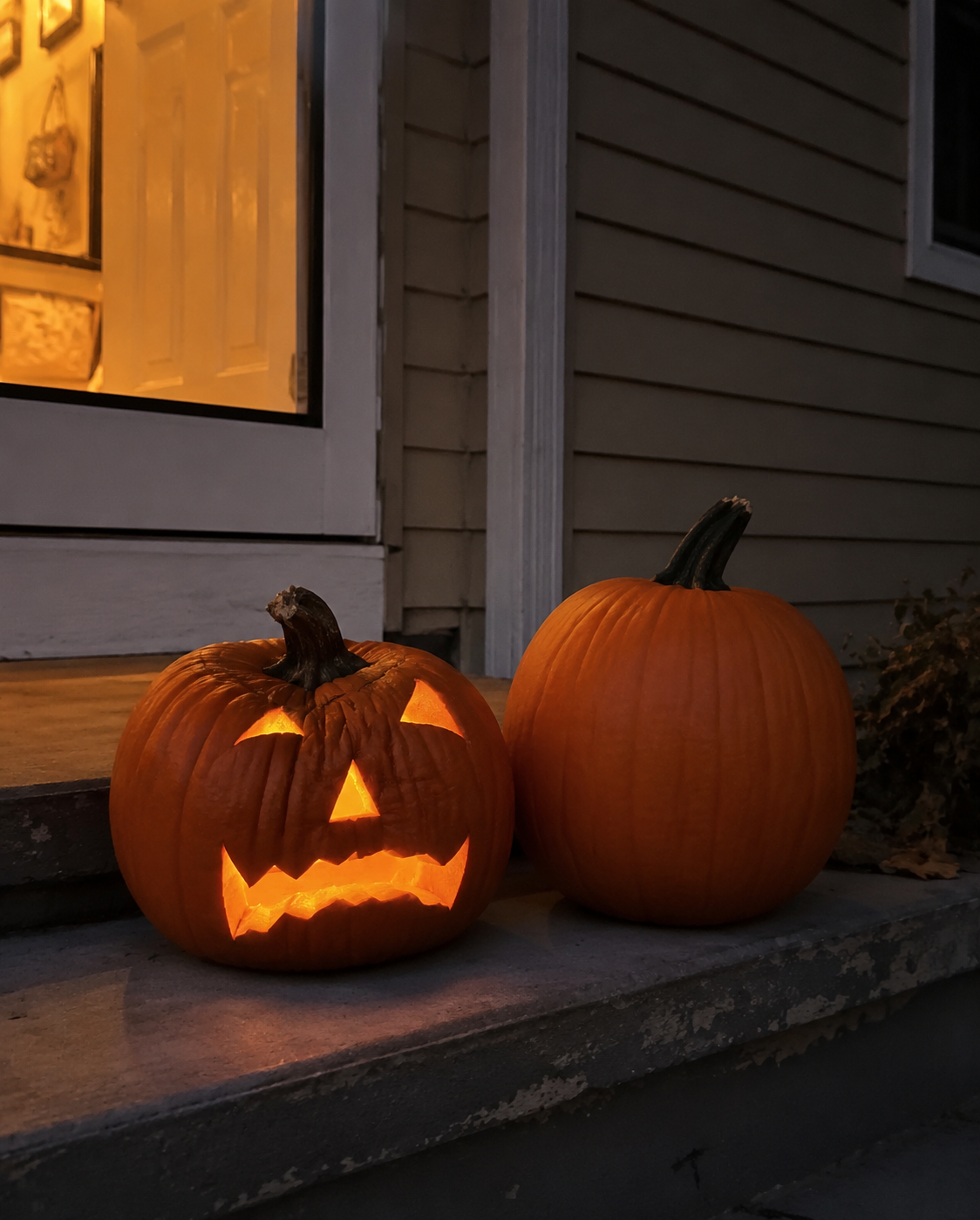
Before choosing a reuse idea, check the condition of your pumpkin. Its condition determines which options are still safe and practical.
A whole, uncarved pumpkin lasts much longer than many people realize. Store it in a cool, dry place, and it can stay in good condition for 8 to 12 weeks before natural decay begins.
That means a pumpkin you displayed throughout October may still have plenty of life left after Halloween.
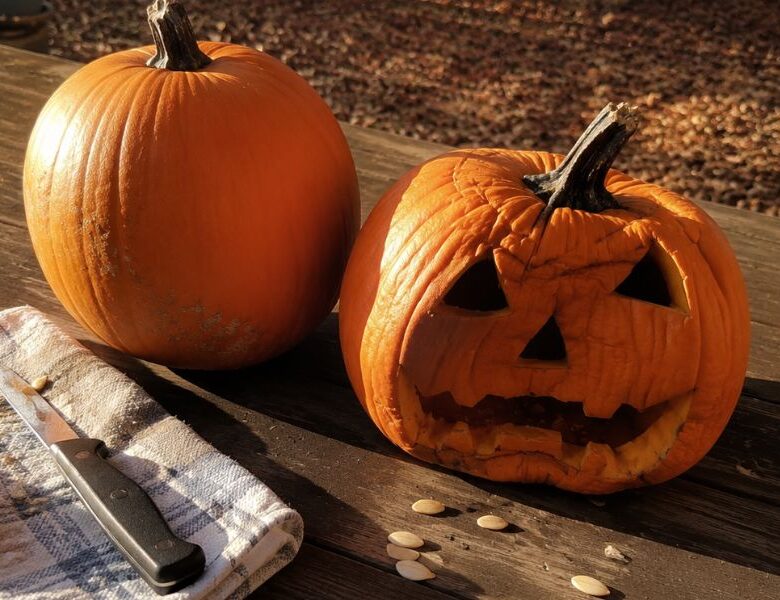
A carved pumpkin doesn’t last nearly as long. Once you cut into it, air, moisture, and bacteria reach the flesh, speeding up the breakdown process.
Many carved pumpkins start developing mold or soft spots within just a few days, sometimes by the third day, especially during warm or damp weather.
Knowing which type you have helps you make the right choice. An uncarved pumpkin may still work well for cooking, roasting, or making pumpkin purée. A carved pumpkin that’s already turning soft is better suited for composting or feeding wildlife than trying to save it for food.
What to Do With Leftover Pumpkins After Halloween
1. Save and Roast the Seeds First
Of everything on this list of leftover pumpkins after Halloween, this is the one with the shortest window, so it’s worth doing before anything else. Even once the flesh has started to soften, the seeds inside are usually still fine to eat.
Here’s what most people get wrong: they either toss the seeds with the pulp, or they roast them straight away without drying them first, which is why homemade pumpkin seeds often turn out chewy instead of crisp.
- Rinse the seeds clean of pulp, then let them air-dry for a few hours (or pat them dry) before roasting — this is the step that actually gets you crunch instead of a soggy bite
- Toss with a little oil and salt
- Roast at around 300°F (150°C), stirring once or twice, until golden
If you’re not planning to eat them right away, set a handful aside. You’ll use them again in a couple of steps, for a natural bird feeder.
2. Turn Firm, Uncarved Flesh Into Puree
This is where knowing your pumpkin’s condition really matters. A puree only works if the pumpkin was never carved, never painted, and hasn’t been sitting outside for days , in other words, it needs to still be food-grade.
Once a pumpkin has been carved and left out, bacteria gets into the exposed flesh fast, even if it still looks okay from the outside. That’s the part people often miss: a carved pumpkin can look fine and still not be safe to cook with.
If yours qualifies, though, it’s a genuinely useful way to avoid waste from your leftover pumpkins after Halloween:
- Peel and cube the firm flesh
- Roast or steam until soft
- Puree it, then use it in soup, muffins, or bread — or freeze it in portions for later.
3. Feed It to Wildlife — With the Real Caveats
This is one of the most searched uses for leftover pumpkins after Halloween, and also the one where people get the details wrong most often.
Plain, unpainted pumpkin is genuinely fine for animals like deer, squirrels, birds, and foxes to eat.
But a painted or waxed pumpkin is a different story, wildlife agencies are specific about this: paint can be toxic if an animal eats it, so a painted pumpkin needs to be scrubbed completely clean first, or skipped for this use entirely and composted instead.
One more thing worth knowing before you set pumpkins out for animals:
- Some areas treat feeding wildlife, even with something as ordinary as pumpkin, as a regulated activity rather than a harmless habit — so it’s worth a quick check on local guidance, especially if deer or larger animals are common where you live
- Cut the pumpkin into smaller pieces rather than leaving it whole — this makes it easier and safer for smaller animals to actually get into
4. Build a Natural Bird Feeder
This is a good next step if you saved seeds in step 1, since it puts them to use instead of just eating them all yourself.
Cut the pumpkin in half and clean out the inside so you’re left with a bowl-shaped shell. Fill it with the seeds you set aside earlier, ideally unsalted and roasted plain, since added salt or seasoning isn’t something birds benefit from the way we do.
Set the shell somewhere birds already tend to visit, like near an existing feeder or a quiet corner of the yard.
- Cardinals, mockingbirds, and catbirds are commonly drawn to pumpkin seed left out this way
- The shell itself will start to break down over time, so this works best as a short-term feeder rather than a permanent fixture.
5. Bury Small Chunks Directly in a Garden Bed
This one is less commonly known, but it’s a simple way to get some benefit out of a pumpkin without a full compost setup.
Cut the pumpkin into pieces roughly the size of your hand, then bury them near the root zones of plants in a garden bed. As the pieces slowly break down underground, they release nutrients directly into the surrounding soil.
This is especially useful if your soil is sandy, since sandy soil tends to struggle holding onto nutrients on its own, and a slow release like this helps more than a single fertilizer application would.
6. Compost It — But Cut It Small First
This is the most broadly useful option on this list, since it works whether the pumpkin was carved or not, as long as it isn’t covered in paint, glitter, or wax.
The size of the pieces matters more than most people expect:
- Left whole, a pumpkin can take 8 to 12 weeks just to start breaking down
- Cut into hand-sized pieces, that same pumpkin can fully compost in as little as 8 weeks, and pieces can start visibly breaking down in as little as 5 to 10 days
Before adding it to the pile, scoop out the seeds unless you don’t mind pumpkin vines sprouting in your compost next spring. It also helps to spread the pieces through the pile rather than dropping them in one wet clump, since a single dense clump tends to turn slimy instead of breaking down evenly.
7. Look for a Community Composting Event
If a backyard compost pile isn’t something you have, this is worth checking before assuming the trash is the only option.
A lot of cities now run seasonal pumpkin collection programs in the weeks right after Halloween, specifically because so many pumpkins get thrown out in that same short window every year.
A quick search for “pumpkin composting drop-off” or “pumpkin smash” along with your city name will usually turn up a local option if one exists. Some of these events divert a genuinely large amount of waste from landfill in a single day, so it’s worth the two minutes it takes to check.
8. Repurpose an Uncarved Pumpkin as Fall Decor
An intact, uncarved pumpkin isn’t really part of the leftover pumpkins after Halloween problem yet, since it hasn’t started breaking down and still has weeks of use left in it.
Moving it into a broader fall display, alongside mini gourds, dried corn, or mums, stretches its life straight through Thanksgiving instead of letting it sit untouched on a porch step. A pumpkin used this way often outlasts the ones that got carved by a full month or more.
9. Use Finished Compost as Spring Topdressing
The pumpkins you added to your compost pile in Step 6 will reward you a few months later with rich, dark compost. Spread that finished compost over garden beds or your lawn as a nutrient-rich top dressing to improve soil structure and nourish next season’s plants.
When you handle leftover pumpkins after Halloween this way, you turn what could have become landfill waste into valuable compost that supports a healthier, more productive garden in the spring.
Spread a little Halloween kindness with Halloween Treat Bags for Neighbors: What to Put Inside for a Thoughtful Halloween Surprise, where you’ll find creative gift ideas, boo bag inspiration, and thoughtful treats that neighbors of all ages will appreciate.
Signs Your Pumpkin Has Gone Past the Point of Any Use
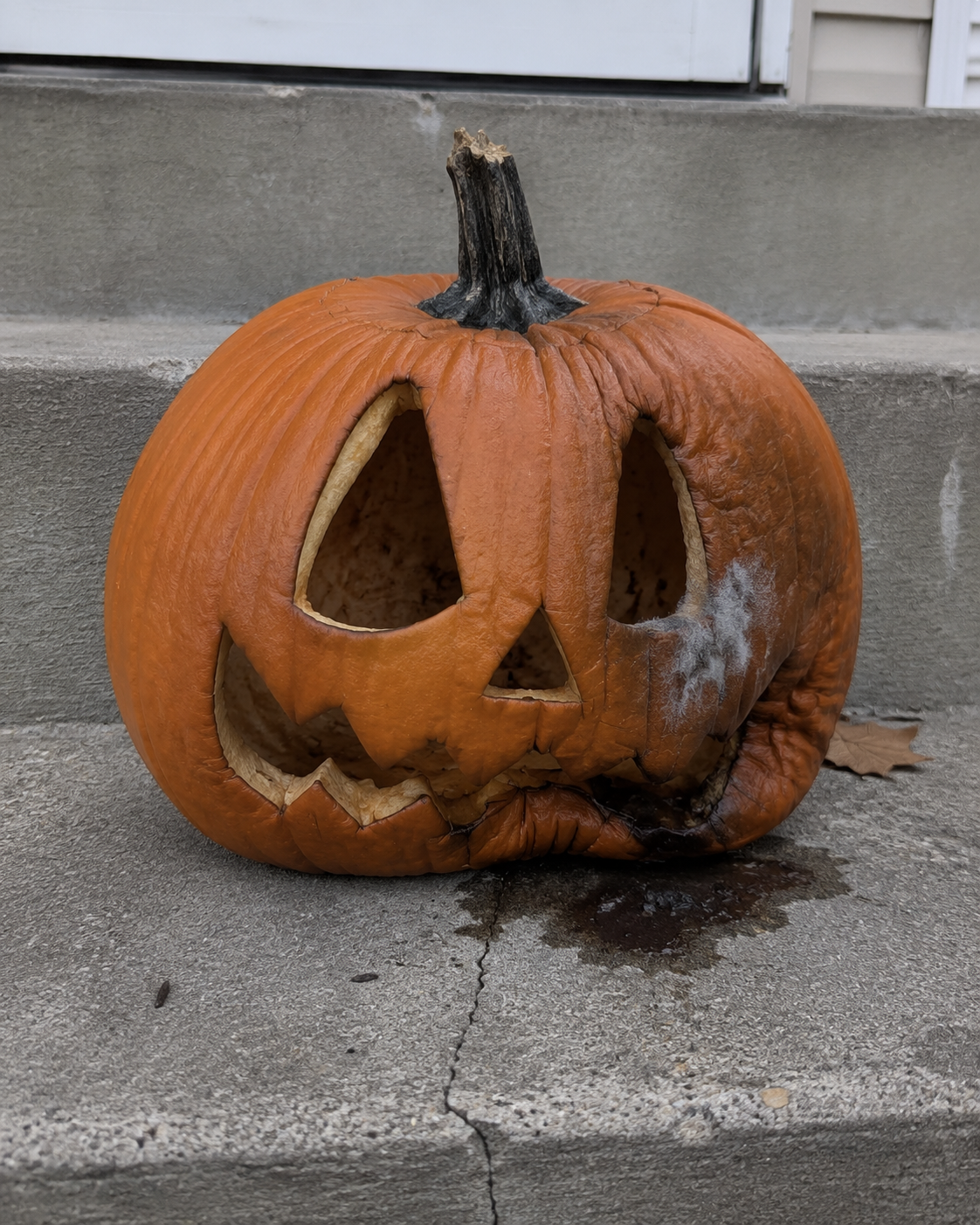
Not every pumpkin stays usable long enough for every reuse idea. Once decomposition takes over, your options become much more limited, so it’s helpful to recognize the signs instead of guessing.
- The color has changed from bright orange to dark brown. This is often one of the first signs that the pumpkin has started to rot, even if it still looks intact from a distance.
- It feels soft or mushy. A healthy pumpkin stays firm. If it gives under gentle pressure, decay has already started inside.
- Liquid is leaking from the bottom. Internal decay usually causes this. The moisture can also attract insects if it collects on your porch, deck, or walkway.
- It has a strong sour odor. Fresh pumpkins have little scent, and recently carved ones may smell slightly sweet. A sour or fermented smell signals active decomposition.
- The stem has turned black or moldy. The stem is often the first place where moisture and bacteria cause visible damage.
- Mold has spread across several areas. A tiny patch of surface mold may stay contained, but widespread mold usually means the pumpkin has reached the end of its useful life.
Once your pumpkin reaches this stage, don’t cook or eat any part of it.
Instead, add it to your compost pile if possible. Mix the pumpkin with plenty of dry materials, such as leaves, straw, or shredded cardboard, to help balance moisture and reduce odors as it breaks down.
The Bottom Line on Leftover Pumpkins After Halloween
Every year, the same thing happens: pumpkins appear on porches in early October, disappear a few weeks later, and end up in the trash without a second thought.
But your pumpkin doesn’t lose its value just because Halloween is over.
Whether you carved it, painted it, or left it untouched, you can almost always give it a second purpose instead of sending it to the curb.
The key isn’t putting in more effort, it’s knowing when to act. The best way to reuse a pumpkin depends on its condition, so you only need to choose the option that matches what you have.
A firm pumpkin can still serve many purposes, while a soft or decaying one works better for composting or wildlife. Knowing the difference helps you get the most out of it instead of throwing it away too soon.
Before you toss your pumpkin, take a couple of minutes to check its condition.
Is it carved or uncarved? Still firm or starting to soften? Once you know that, choose the reuse idea that fits best and give your pumpkin one more purpose before saying goodbye.
FAQ
-
Can you compost a carved or painted pumpkin?
A carved pumpkin, yes, cut it small and it composts like any other food scrap. A painted one needs the paint and any wax residue fully removed first, since those materials aren’t compostable and can be harmful to the soil life doing the actual decomposing.
-
Is it safe to feed pumpkins to squirrels and deer?
Yes, as long as the pumpkin is plain, unpainted, and free of wax or candle residue. Painted pumpkins are a genuine risk to wildlife and shouldn’t be left out.
-
How long does a pumpkin actually take to decompose?
A whole, uncarved pumpkin can last 8 to 12 weeks before it starts breaking down on its own. Once carved, that timeline drops fast — expect visible mold or softening within 3 to 7 days. Cut into pieces for composting, it can fully break down in as little as 8 weeks, sometimes showing signs of decomposition in just 5 to 10 days.