If you’ve learned sewing or you’re just starting out, there’s something important you should understand early: many people learn how to sew, but still struggle to actually make money from it. And it’s not because they are not talented or creative enough.
The real issue usually comes down to focus. A lot of people spend time on creative sewing, making beautiful pieces, trying new designs, or following tutorials, but the kind of sewing that actually brings in money works a bit differently.
In most cases, people don’t pay just for creativity. They pay when a sewing skill solves a real problem in their life. It could be clothes that don’t fit properly, items that need repair, or outfits needed for an important event. The value is in solving something practical, not just making something decorative.
Once you understand this shift, everything becomes clearer. Making money from sewing is less about doing “advanced” projects and more about offering solutions people already need every day.
In this post, you’ll see which sewing skills actually get paid for, why they are in demand, and how you can start with even basic skills and turn them into real income over time.
WHY SOME SEWING SKILLS MAKE MONEY (AND OTHERS DON’T)
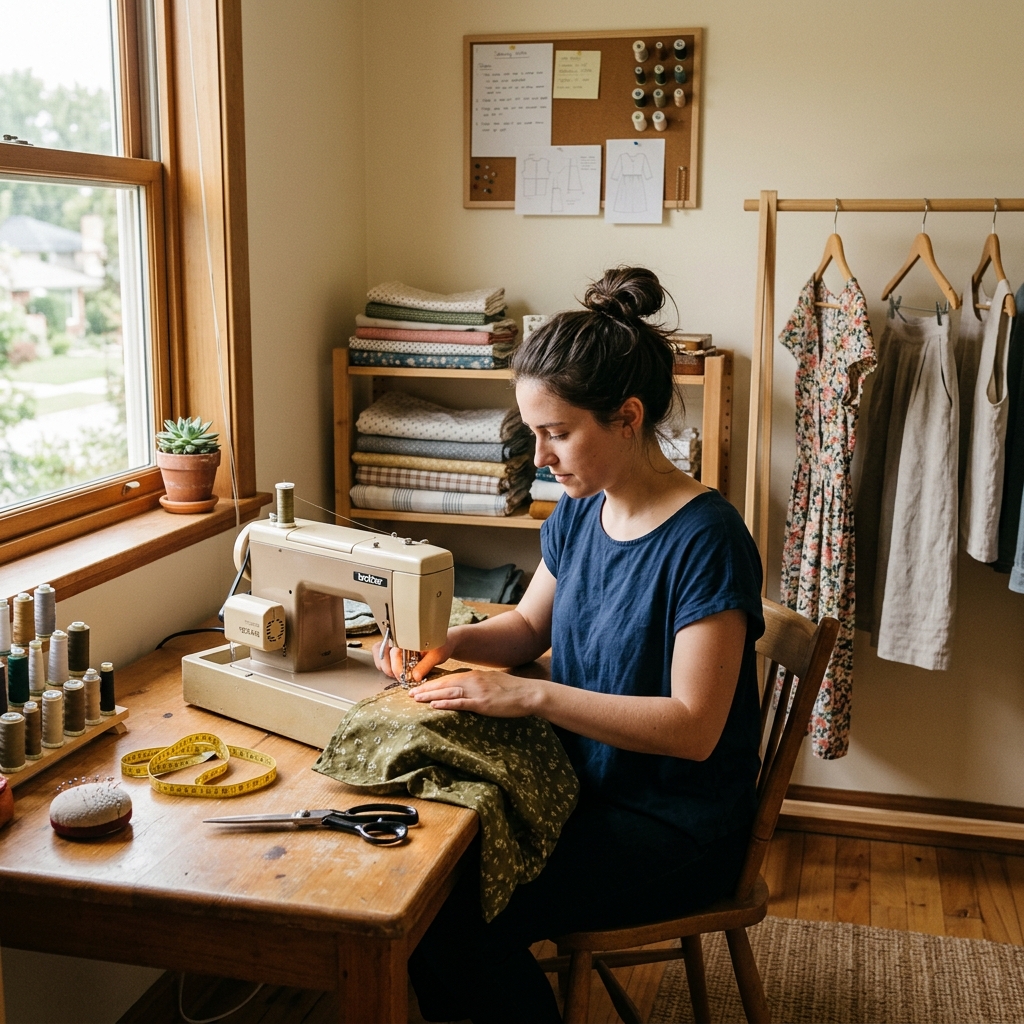
When you look closely at sewing as a way to earn income, one thing becomes very clear: not all sewing skills are valued in the same way. Some skills naturally attract paying clients, while others stay more like personal hobbies. The difference is not about talent, it is about demand and usefulness in real life.
What’s Actually Happening
In practical terms, sewing skills that make money are usually the ones that solve immediate, everyday problems. These are issues people cannot easily ignore, such as clothes that don’t fit properly, garments that are damaged and need repair, or outfits needed urgently for events or special occasions.
On the other hand, there are sewing skills that are more decorative or optional. These include projects that are mainly creative, artistic, or based on personal interest. While they can be beautiful and satisfying to make, they are not always things people feel the need to pay for regularly.
Skills That Make Money vs Skills That Don’t
The key difference is demand. Skills that make money are tied to problems people already have and are actively trying to solve. Skills that don’t generate income as easily are usually not urgent or necessary for everyday life.
For example, alterations and repairs consistently fall into the high-demand category because clothing fit and damage are common problems. People constantly need adjustments, fixes, and improvements to what they already own, which creates steady demand for these services.
Real Insight (Based on Demand)
In the world of tailoring and sewing businesses, alterations and repair services make up a large portion of regular income. In fact, they can account for a significant share of earnings, often around 60–70% in many small sewing businesses, because they are needed frequently and repeatedly.
This shows a clear pattern: the most profitable sewing work is not always the most creative, but the most practical.
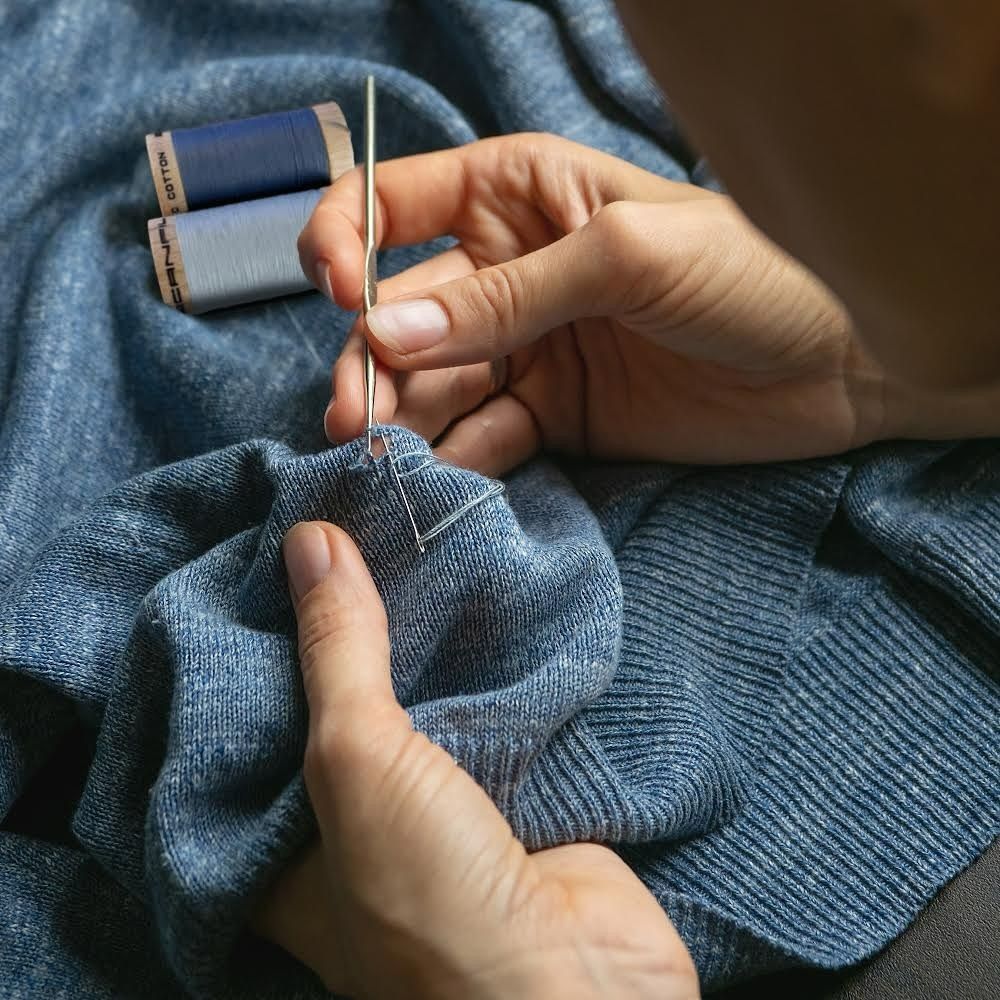
Clothes that seem ruined don’t always need replacing, and these 15 smart and easy sewing fixes for clothes and fabrics you keep throwing away can help you turn everyday problems into quick, practical solutions.
THE MOST PROFITABLE SEWING SKILLS (THAT PEOPLE PAY FOR)
When you start looking at sewing from a money-making perspective, it becomes less about complicated designs and more about simple, everyday needs. The skills that actually bring in consistent income are usually the ones that solve common clothing problems people face regularly.
1. Clothing Alterations
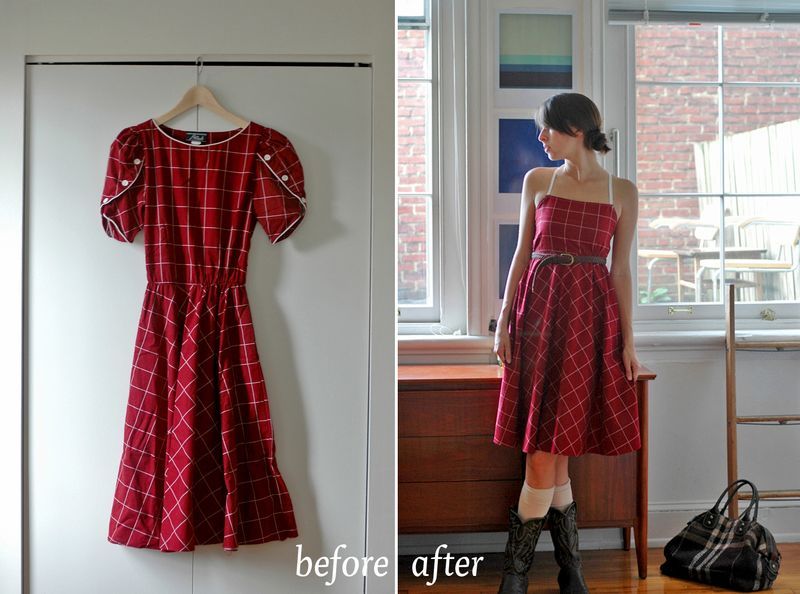
One of the most reliable ways to start making money from sewing is through clothing alterations. This simply means adjusting clothes so they fit better or function properly for the person wearing them.
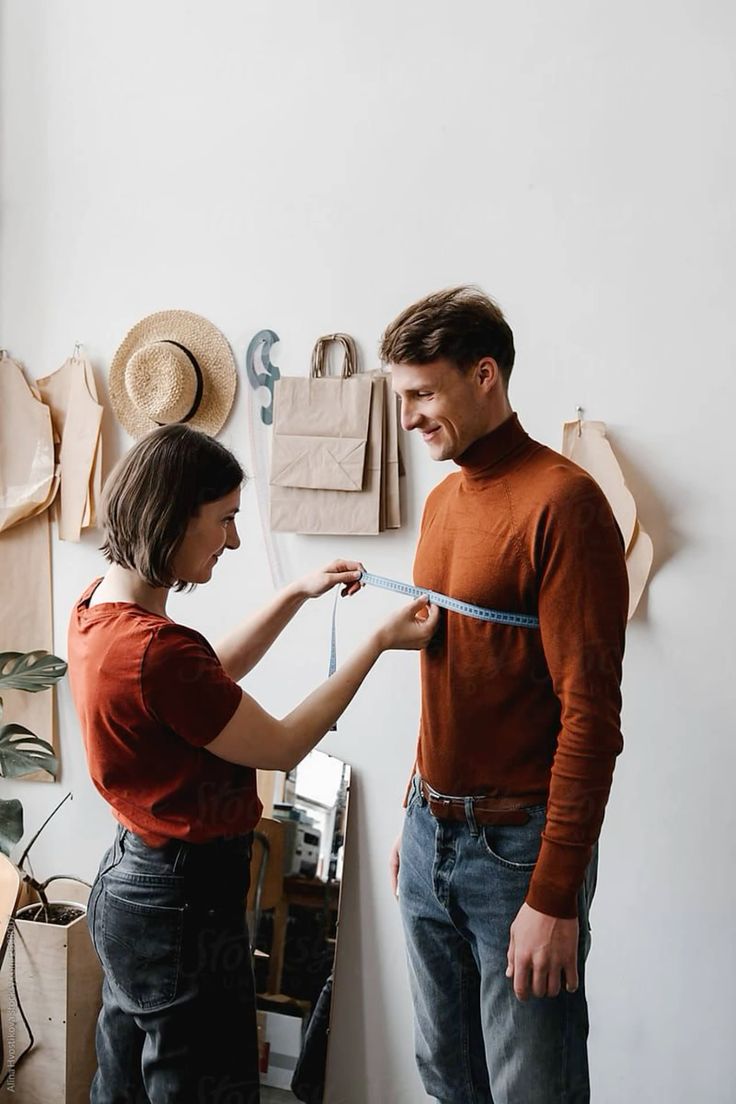
This includes things like hemming trousers or skirts, resizing clothes that are too big or too small, and making general adjustments to improve fit. It also covers fixing one of the most common clothing issues people face, poor fit. Many people own clothes they like, but they don’t fit quite right, which creates a constant need for alteration services.
Why This Skill Makes Money
Clothing alterations are always in demand because people constantly need better-fitting clothes. Bodies change, styles change, and not every ready-made item fits perfectly off the rack. This creates a steady flow of work for anyone who can fix or adjust clothing.
Another important advantage is speed. Many alteration jobs are small and can be completed quickly, which means you can handle more clients in less time. Even simple tasks like hemming trousers or shortening sleeves may not take long, but they are still valued services that people are willing to pay for.
Know This
For beginners, this is often the easiest and most practical entry point into making money with sewing. You don’t need advanced design skills or complex projects to start. You simply need the ability to improve fit and fix common clothing issues—and that alone can already create earning opportunities.
Getting clean, accurate results becomes much easier when you’re using the right setup, which is why these 11 essential sewing tools for sewists that help improve accuracy and are budget-friendly are worth knowing early.