Always feel like you have nothing to wear despite a full wardrobe? Learn why it happens and how to fix your outfit choices for easier daily dressing.
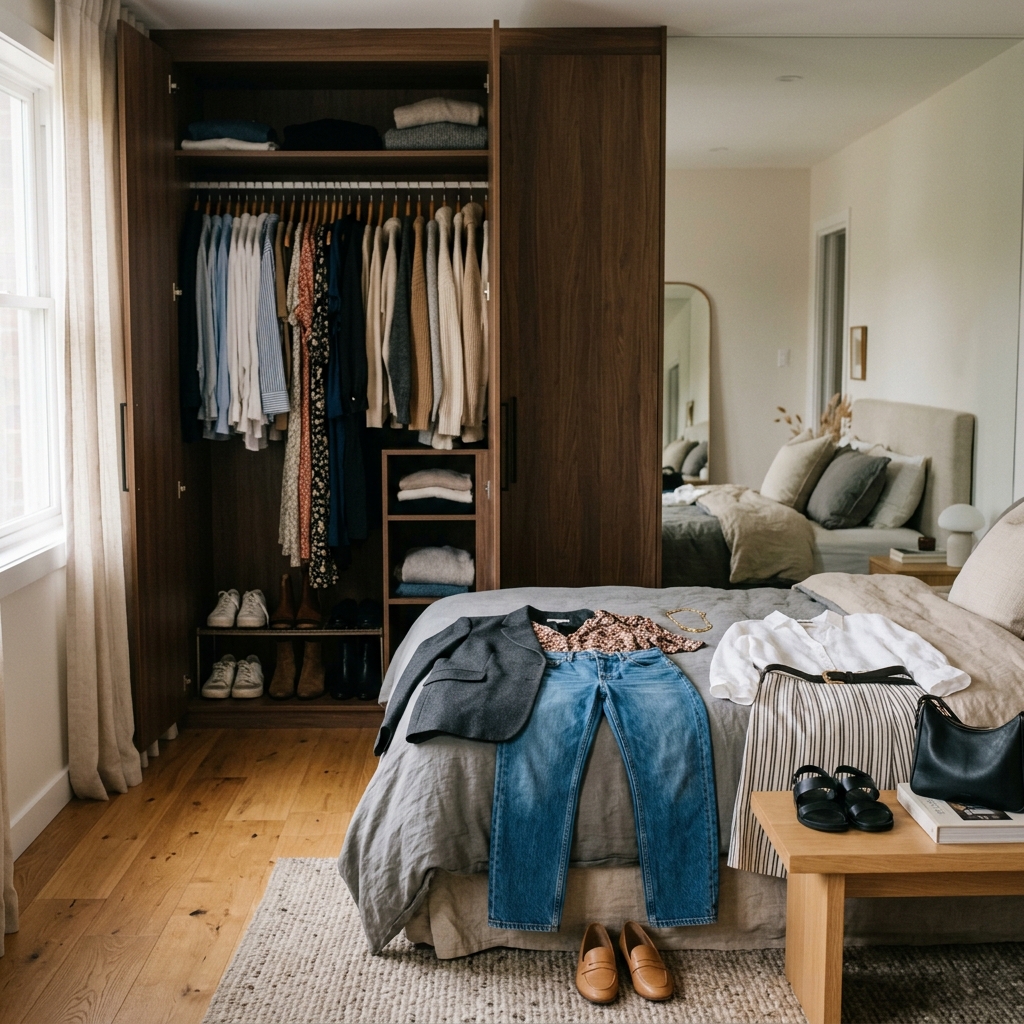
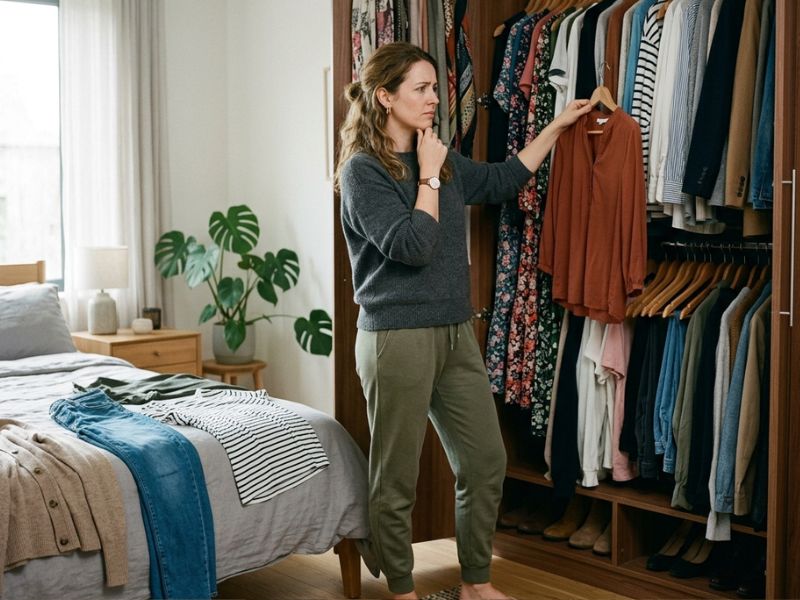
There’s a moment that feels frustratingly familiar, you stand in front of a wardrobe that is clearly full. Clothes are hanging neatly, folded stacks are in place, and on the surface, everything looks like you should have plenty of options.
But when it’s time to actually get dressed, nothing feels right. You try one outfit, then another, and somehow everything ends up back on the bed with the same thought: “I still have nothing to wear.”
This is the strange contradiction many people experience, ownership doesn’t always translate into usability. Having more clothes doesn’t automatically mean getting dressed becomes easier. In fact, for many wardrobes today, the opposite happens: the more pieces you own, the harder it becomes to see clear outfit choices.
The real issue isn’t a lack of clothes or a need to shop for more. It’s a wardrobe system problem, not a shopping problem. The clothes are there, but they are not working together in a way that makes daily outfit decisions simple, fast, and satisfying.
In this article, you’ll understand exactly why this nothing to wear feeling happens even with a full wardrobe, and more importantly, how to fix it in a practical, lasting way so getting dressed stops feeling like a daily struggle and starts feeling effortless again.
Dressing struggles don’t always come from body type, and these 13 flattering outfit ideas that hide belly fat and make your waist look smaller show how simple styling choices can change overall proportions.
WHAT THIS PHENOMENON IS CALLED (AND WHY IT’S COMMON)
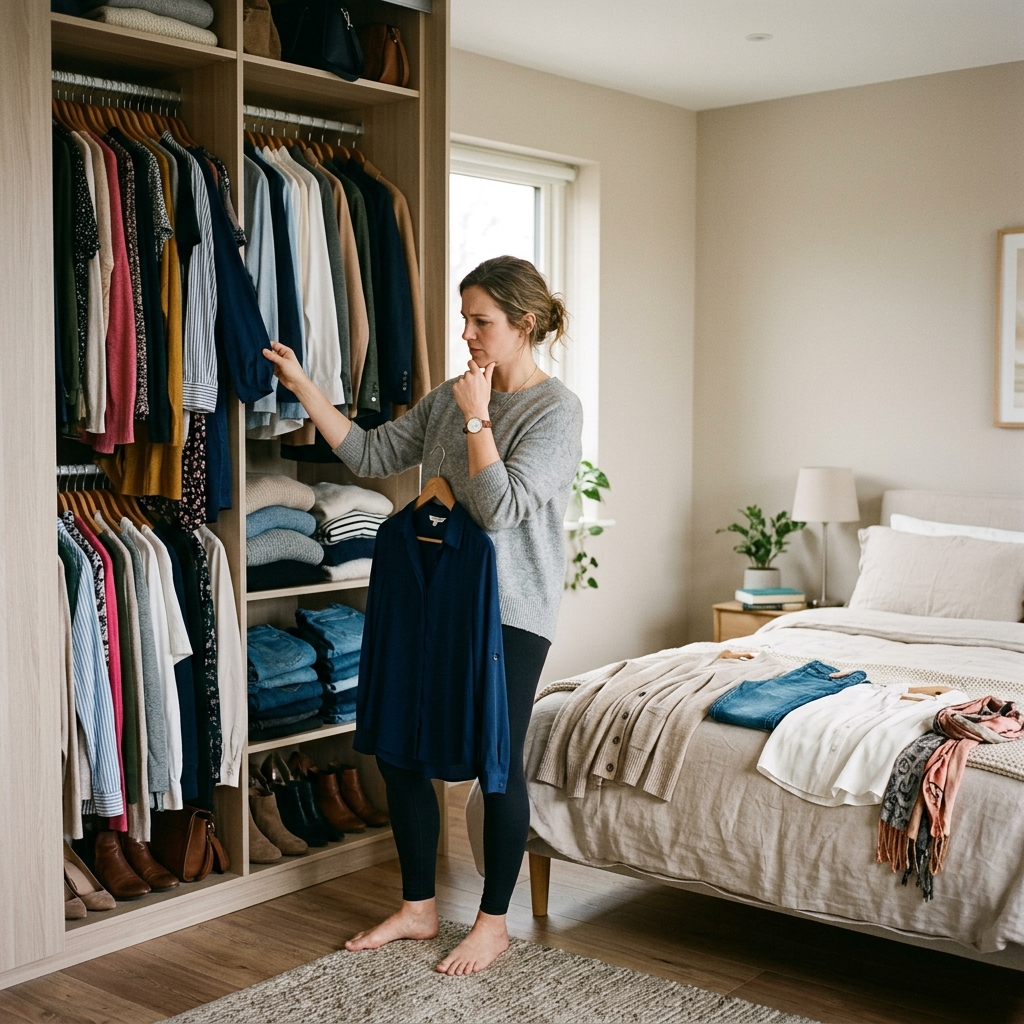
This full wardrobe but nothing to wear feeling is very common, and it is not a personal failure or lack of style. It is usually the result of how the brain reacts to too many clothing choices that are not clearly organized into easy outfit decisions.
One way to understand it is through:
Wardrobe Paralysis
This is when you have plenty of clothes, but still feel stuck when trying to get dressed. Instead of quickly choosing an outfit, you overthink your options and nothing feels instantly right.
Decision Fatigue
This happens when your brain becomes tired from making too many choices.
- A full wardrobe = more options to process
- More options = more mental effort
- More mental effort = harder decisions
So instead of making dressing easier, too many clothes can actually slow you down and create stress.
Choice Overload Effect
This explains what happens when too many options make decision-making harder instead of easier.
- Too many outfits to choose from
- No clear “best” option stands out
- You feel unsure even when you like your clothes
The result is often frustration or giving up and wearing the same safe outfit repeatedly.
Height can affect styling confidence more than people admit, especially with outfit problems short women deal with—these insights reveal what might be quietly throwing off your look.
What Research and Wardrobe Behavior Shows
Studies and real-life wardrobe patterns suggest that most people only wear a small part of what they own.
- On average, people wear about 20–30% of their wardrobe regularly
- The rest stays unused or rarely touched
- This is not because the clothes are bad, but because they are not easy to combine into everyday outfits
This does not mean the rest of the clothes are bad, but rather that people naturally gravitate toward a smaller group of outfits that feel easy and reliable.
Why Modern Wardrobes Make It Worse
Today’s wardrobes are often built through emotional and trend-based shopping rather than system-based planning.
- Clothes are bought as individual pieces, not as outfits
- Styles and colors often don’t match each other easily
- Many items don’t have “partners” in the wardrobe
This creates a closet full of options that don’t naturally work together, which leads to confusion when getting dressed.
So in simple terms, this feeling does not come from not having enough clothes. It comes from having too many disconnected options, which removes clarity and makes getting dressed feel more complicated than it should be.
Better sewing results often start with fabric choice, and understanding fabrics for sewing helps you choose the right material for every project instead of guessing and wasting effort.
REASONS YOU HAVE THESE FEELING OF NOTHING TO WEAR
1. YOU HAVE CLOTHES, NOT OUTFITS
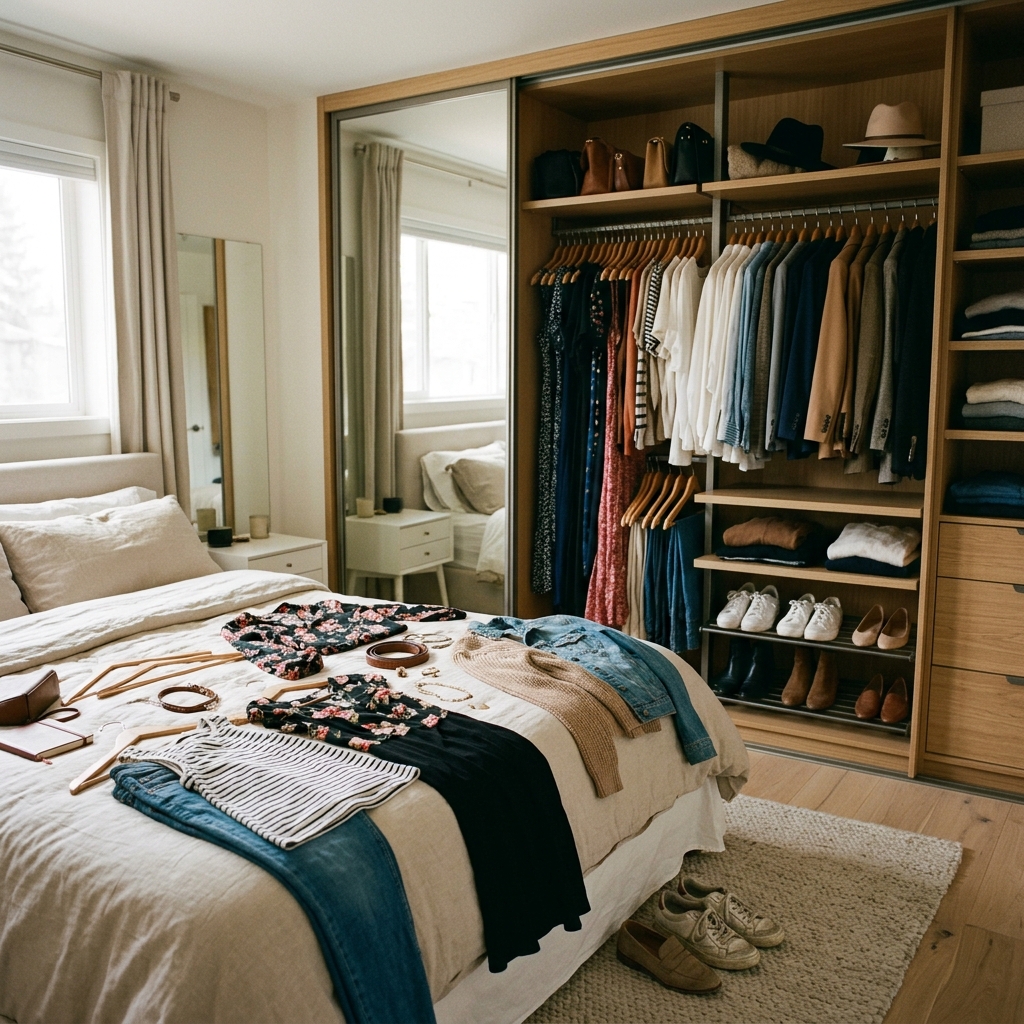
This is one of the biggest reasons you/people feel like they have nothing to wear even when their wardrobe is full. The core issue is simple: most wardrobes are built as collections of individual items, not as a connected system of outfits that work together.
Items Were Bought Individually, Not as Combinations
Most clothes are purchased one by one, because they looked nice in the moment, were trending, or felt like a good deal. Very rarely are they bought with specific outfit combinations already in mind.
So what happens is that your wardrobe slowly becomes a mix of separate pieces that were never planned to work together in a clear way. When it’s time to get dressed, you are not picking from ready-made outfits, you are trying to build one from scratch every time.
Clothes Don’t Naturally “Talk” to Each Other
A functional wardrobe is one where pieces connect easily in terms of color, style, and purpose. But when items are unrelated, they don’t “connect” visually or stylistically.
For example, a very dressy top might not naturally pair with your everyday jeans, or a trendy statement piece might not match your simple basics. This lack of connection makes outfit-building slower and more frustrating because nothing feels like an obvious match.
What This Creates in Your Wardrobe
When clothes are not built as a system, two common problems appear:
Orphan pieces: These are items that look good on their own but are hard to style with anything else you own. They often stay in your wardrobe unused because they don’t fit into clear outfit combinations.
Repetitive outfits: Since only a few combinations feel easy and reliable, you end up wearing the same few outfits over and over again, even though you technically own many clothes.
What This Shows
In most cases, you are not lacking clothes, you are lacking complete outfit combinations.
A simple way to understand this is that even if you own around 50 clothing items, only a small number of them may actually form reliable full outfits. Often, people discover that only about 5 to 7 strong outfit combinations feel consistently easy, comfortable, and wearable in real life.
Old clothes don’t always need to be replaced—15 genius ways to upcycle old clothes into trendy new outfits show how to turn forgotten pieces into wearable, modern styles.
2. YOUR CLOSET DOESN’T MATCH YOUR CURRENT LIFE

Photo credit: @ Anuschka Rees
This is another major reason people feel like they have nothing to wear even when their wardrobe is full.
The issue is not the amount of clothes you own, but whether those clothes still match your current lifestyle. Over time, life changes, but wardrobes often stay the same.
Lifestyle Changes Over Time
Your daily life is not static—it evolves. What you needed to wear a few years ago may not reflect what you need today.
These changes can include shifts like moving from school to work, changes in your daily routine, changes in body shape over time, or even climate and environment differences that affect what feels comfortable or practical.
When these shifts happen, your wardrobe does not always update with them. So you end up with clothes that no longer fit your current reality.
Clothes From a “Past Version” of You
A common pattern is holding on to clothing that belongs to a different stage of your life. These are pieces that once made sense but no longer match how you live day-to-day.
You might also have clothes you bought for an “ideal version” of yourself—outfits you imagined wearing for a different lifestyle or routine, but in reality, they rarely get used.
Over time, your closet becomes a mix of your past lifestyle and your imagined lifestyle, instead of your current one.
What This Creates in Your Wardrobe
When your wardrobe no longer reflects your real life, two common issues start to show up:
Unused clothes: Items that still look fine but don’t fit your current routine or daily needs, so they stay untouched for long periods.
Impractical outfits: Clothes that look good in theory but don’t work for your actual day-to-day activities, so they never become your “go-to” choices.
What This Shows
In most cases, the problem is not that you don’t have the right clothes, but that your wardrobe is no longer aligned with your present lifestyle.
A wardrobe only becomes truly useful when it reflects what you actually do on a daily basis, not who you used to be or who you hope to be someday. When that alignment is missing, even a full closet will still feel like it has nothing to offer.
Paying for alterations adds up quickly, so these 5 clothing alterations I stopped paying a tailor for (DIY made easy) can help you save money while still getting better-fitting clothes.
3. DECISION FATIGUE & TOO MANY OPTIONS

This is one of the most overlooked reasons people feel like they have nothing to wear even when their wardrobe is full. It is not about missing clothes, but about how the brain reacts when there are too many options to choose from at once.
Too Many Choices = Harder Decisions
When your wardrobe has a lot of different outfits, styles, and combinations, your brain has to process all of them every time you get dressed. Instead of making the decision easier, this actually increases mental effort.
The more options you have, the harder it becomes to quickly decide what to wear. This is because your brain starts comparing too many possibilities at the same time, which slows down decision-making instead of improving it.
Your Brain Defaults to “Safe Outfits”
When faced with too many choices, the brain naturally tries to reduce stress by choosing what feels easiest and most familiar. This is where “safe outfits” come in.
These are the few combinations you already know well and don’t need to think about. Even if you own many clothes, you often find yourself repeating the same outfits because they require no extra effort or decision-making.
What Readers Will Recognize
Many people experience this in very real, everyday ways.
Standing in front of a full wardrobe and still feeling stuck is one of the most common signs. You see options, but nothing feels immediately right, so you pause, overthink, and sometimes end up feeling frustrated or late.
Another familiar pattern is repeating the same outfits again and again, even though there are plenty of clothes in your closet. It is not because you don’t like your clothes, but because your brain prefers the simplest and least stressful choice.
Core Idea
This is where the real shift in understanding happens: more clothes does not automatically mean easier dressing. In many cases, having too many options actually makes getting dressed more complicated, not less.
So when people say they have a “nothing to wear” feeling, it is often not about quantity. It is about decision overload, where too many choices reduce clarity instead of creating it.
Poor fitting clothes can be frustrating, especially when DIY clothes that never fit become a pattern, but simple tailoring hacks can completely change how your garments turn out.
Photo credit: @ Jeje
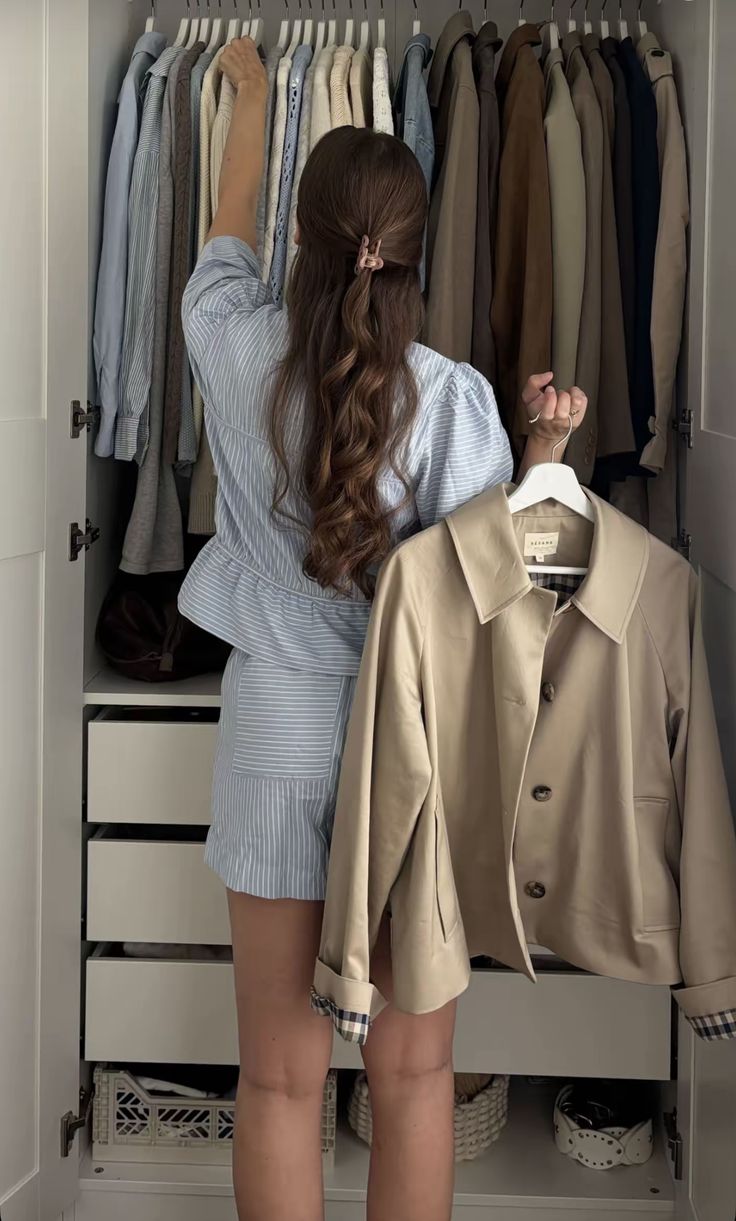
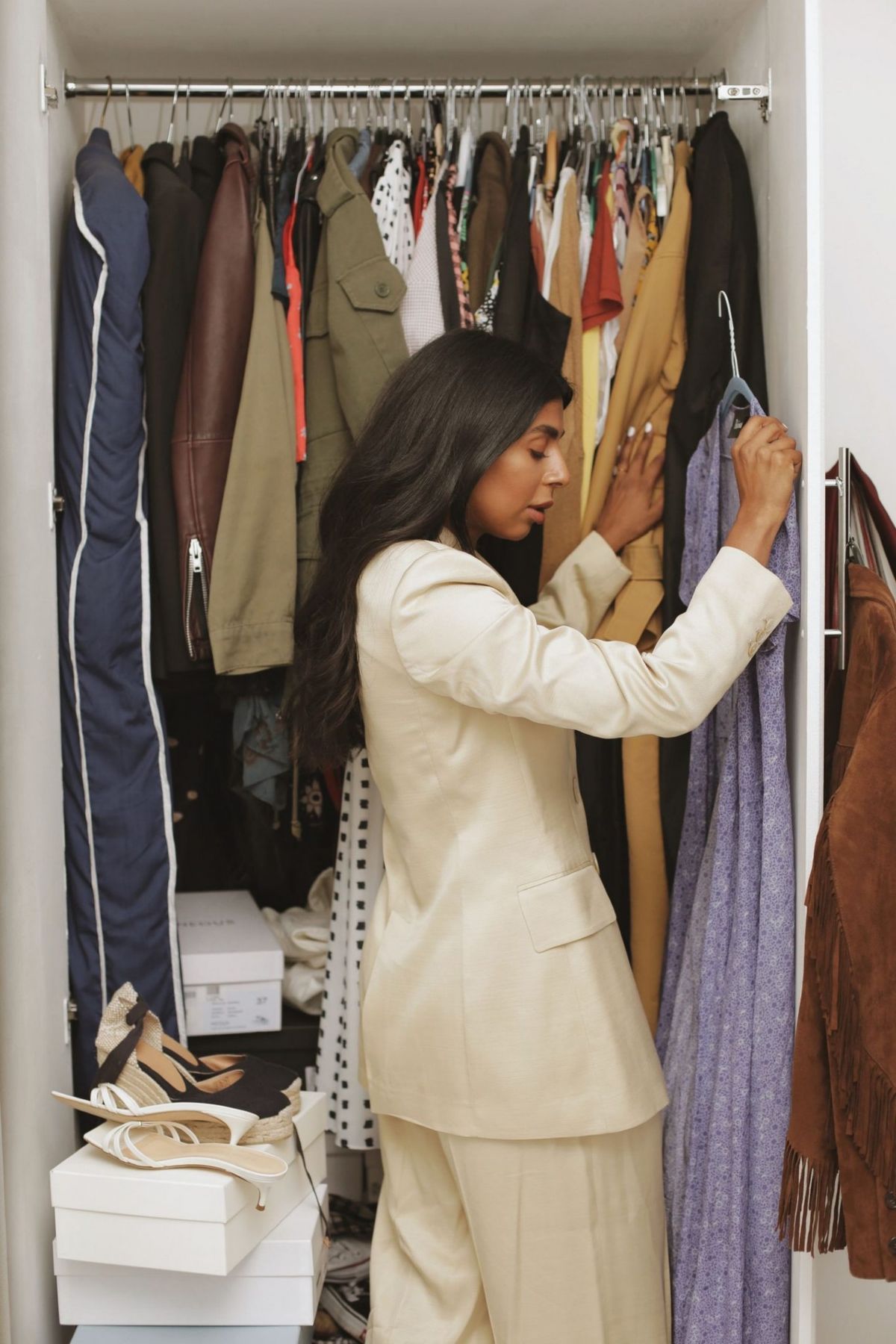
Photo credit: @ Maria
Struggling with pieces that look good alone but never come together into outfits, these old money outfit ideas from thrift flips that look rich (but cost almost nothing) show how to turn random finds into cohesive looks without overspending.