Your clothes aren’t bad, they just need the right updates. 2026 sewing fashion trends break down how to fix fit, fabric, and small details that make outfits feel modern again.
I recently pulled an old blazer out of my closet. It was a classic piece, but the fit was boxy and dated. So, instead of throwing it away, I adjusted the sleeves, added a small belt, and changed the hem slightly.
And, it felt modern and wearable again. That’s what 2026 sewing trends are all about, which is updating timeless pieces so they fit today’s style and lifestyle.
Classic sewing techniques are coming back because people want sustainable and long-lasting wardrobes. Instead of buying fast fashion, we’re learning how to refresh what we already own.
In this guide, you’ll learn how to turn classic pieces into modern wardrobe staples, so your clothes feel fresh, wearable, and en vogue.
If you’re looking for ways to turn secondhand finds into pieces that look designer-made, check out Thrift flip Sewing Projects Ideas For People Who want Expensive Style on A Budget to see practical examples you can try at home.
Trend 1 – Timeless Tailoring with a Modern Update
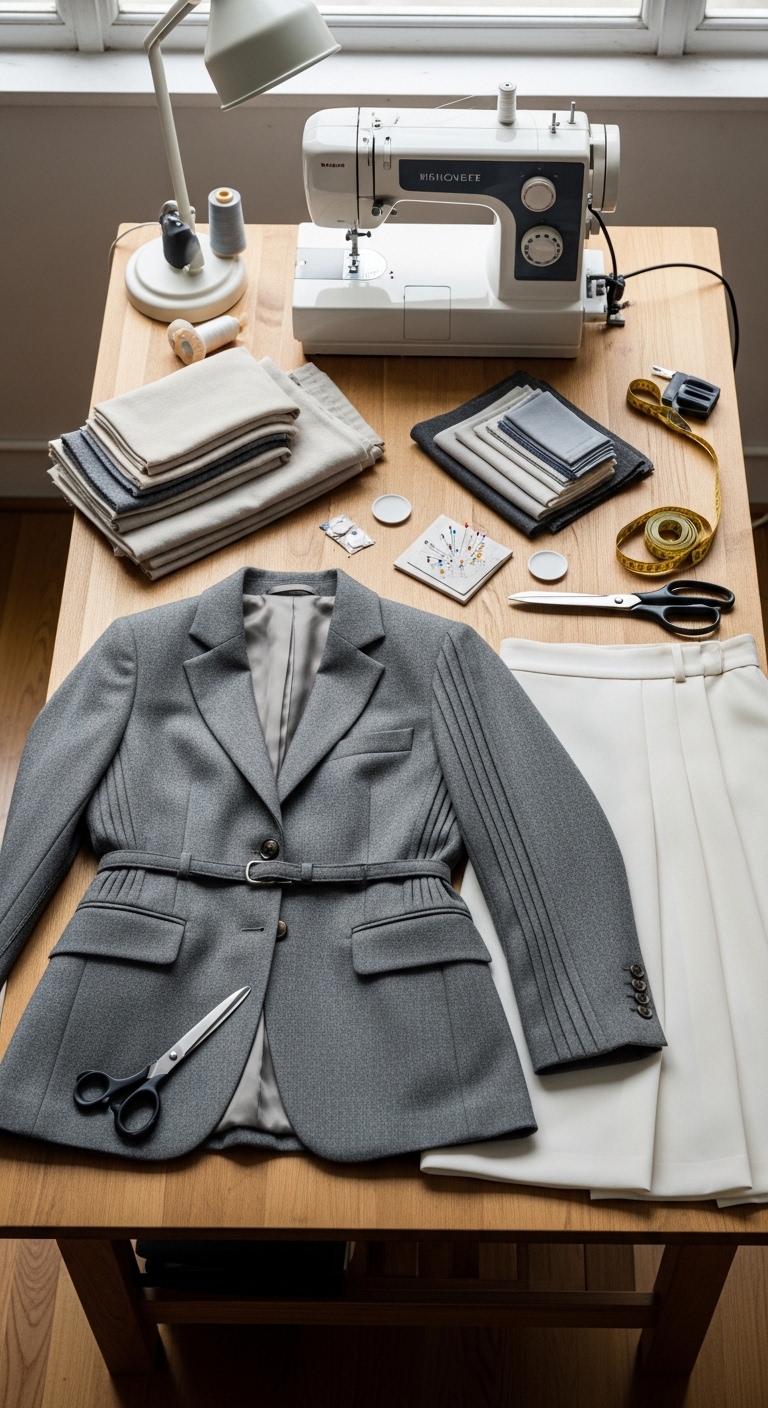
This trend is about taking classic pieces, blazers, skirts, trousers, dresses, and making small updates so they feel modern. You don’t need a completely new pattern.
A few thoughtful changes, like adjusting the cut, adding subtle layers, or swapping fabric details, can make a piece look fresh while keeping the classic style you love.
Techniques You Can Try
There are a few tricks that most people don’t talk about but make a real difference:
- Side darts: These slim the waist and make a boxy blazer or dress fit better.
- Sleeve pleats: Add shape to sleeves without changing the shoulder line.
- Belt loops or a small belt: Gives structure to dresses or jackets and makes the silhouette more flattering.
- Layered panels: Adding a small piece of fabric in a skirt or dress can change its movement and feel more modern.
How to Do It
Here’s a simple way to start:
- Try the garment on and pin where it feels loose or shapeless.
- Test one small change at a time, like a side dart or sleeve pleat.
- Sew it in carefully and move around in it to check comfort and fit.
- Adjust as needed. Even a small tweak can make the piece look and feel much more modern.
When sewing feels frustrating because of some mistakes, this should be your go to guide in resolving them 15 Sewing Hacks for Beginners Who Want Neater, More Professional Results.
Example You Can Picture
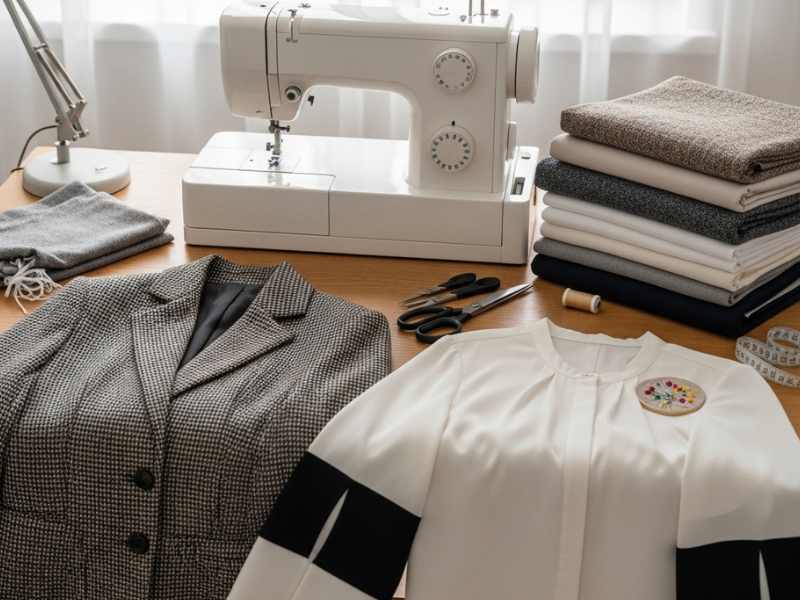
Think of a straight, boxy blazer. Adding a belt, a side dart, and a small pleat in the sleeves changes everything. It hugs the waist a little, the sleeves look intentional, and the overall fit feels current.
Or a simple A-line skirt. A hidden side pleat or a panel at the hem adds subtle movement. It’s still wearable for everyday life, but it doesn’t look like something off the rack from five years ago.
These are small changes, but they make a big difference. And yunno, you can try them at home on pieces you already have.
Creating gifts that feel personal and handmade can be easier than you think—these 11 Unique and Handmade Wedding Gift Sewing Projects That Will Impress Newlyweds are both thoughtful and beginner-friendly.
Trend 2 – Statement Sleeves
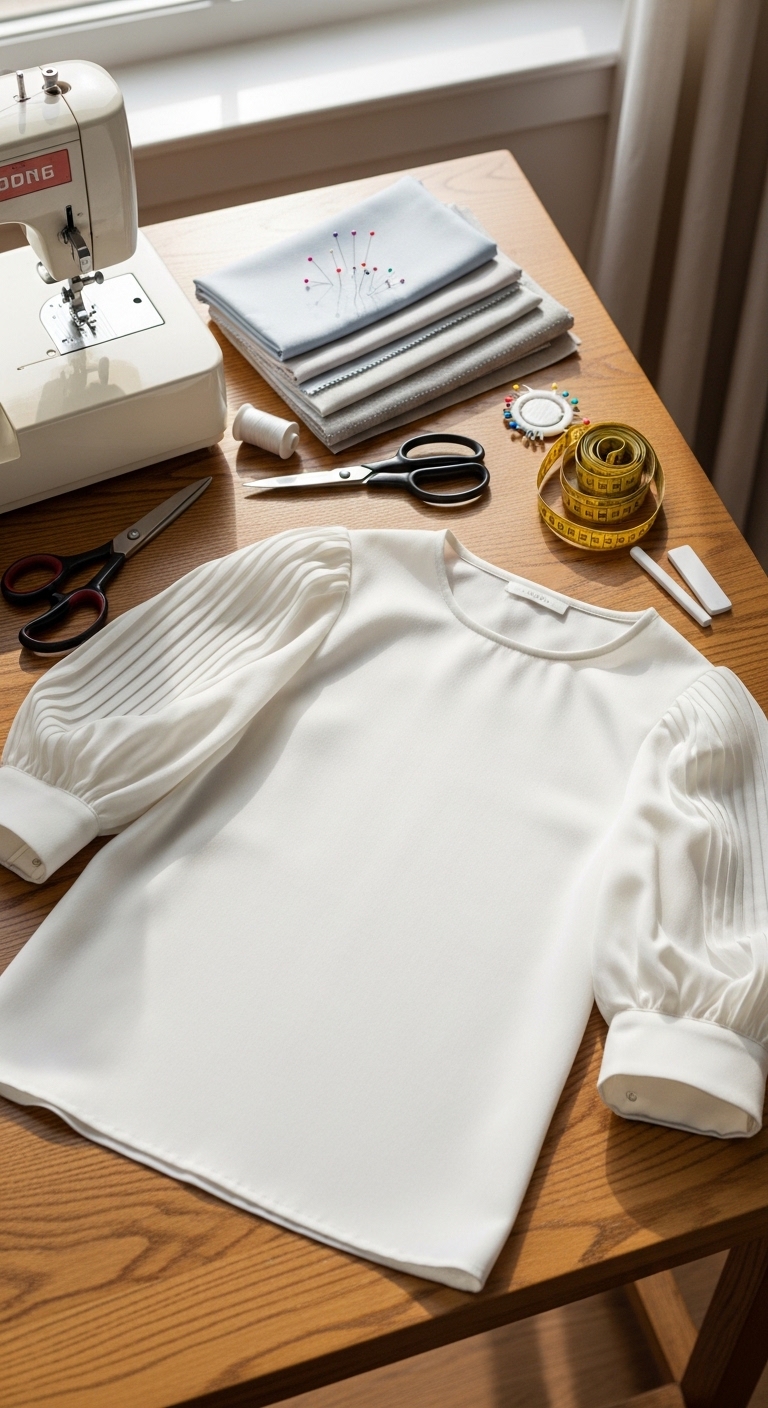
One of the biggest things coming up in 2026 sewing fashion trends is statement sleeves. These are sleeves that add personality and shape to even simple tops or dresses. Think puffed, balloon, bishop, or tiered sleeves. They make a piece feel modern and special, even if the rest of the garment is plain.
What This Does to the Fit
Statement sleeves draw the eye and can completely change how a garment looks. A plain blouse with a subtle puff sleeve suddenly feels more stylish, and a simple dress with tiered sleeves looks like it belongs on a boutique rack. These sleeves don’t just add volume, they add intention to your outfit.
Simple Techniques You Can Try
Here are some ways to try statement sleeves at home:
- Add gentle gathers at the shoulder: Gives the sleeve a soft puff without overdoing it.
- Slightly widen the sleeve at the cuff: Creates a modern, relaxed shape.
- Tiered or layered sleeves: Add fabric strips or pleats for subtle movement.
- Adjust fabric type: Lightweight cotton or linen works well for small puffs; silk or chiffon works for flowy statement sleeves.
How to Update Existing Garments
You don’t have to start from scratch. You can:
- Pick a shirt or dress with simple sleeves.
- Mark where you want extra volume or layers.
- Add a small panel, pleat, or gather.
- Try it on, adjust for comfort, and sew in place.
Even a tiny change can make your sleeves stand out and elevate the whole garment.
Visual Example
Imagine a straight-cut blouse. Adding a small puff at the shoulder and widening the cuff just a little instantly gives it a 2026-ready look. You didn’t need a new pattern, just a few adjustments.
Statement sleeves are one of the easiest ways to make classic pieces feel fresh, and they’re a fun way to experiment with current sewing fashion trends without committing to a full redesign.
Wondering which machine will make your sewing smoother and faster? This guide on Industrial vs Domestic Sewing Machines: Which One Should You Buy as a Beginner breaks it down simply.
Trend 3 – Sustainable Sewing: From Thrifted to Trendy
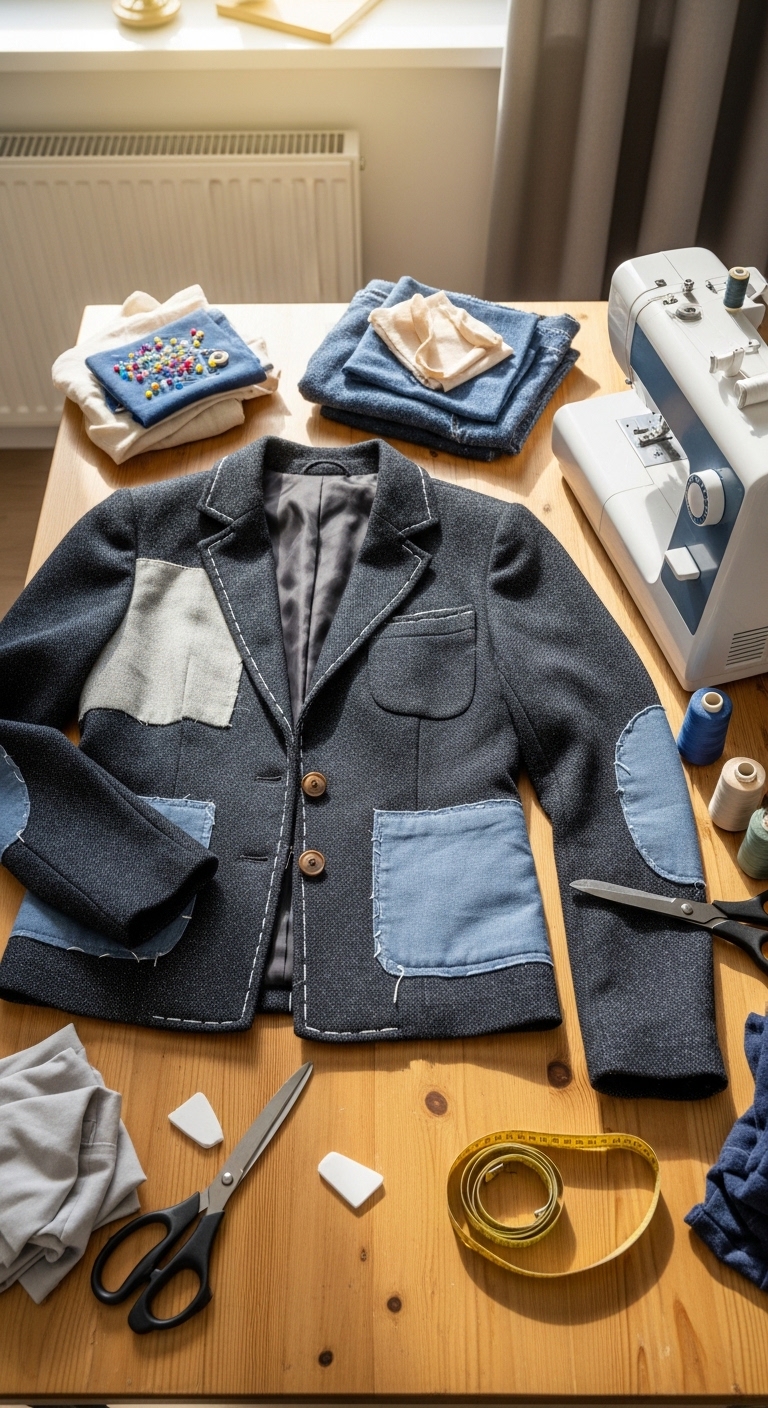
Sustainable sewing is becoming a big part of sewing fashion trends. It’s all about taking garments or fabrics you already have, or thrifted finds, and updating them so they feel modern and stylish. Instead of buying new clothes, you can reuse, repurpose, or tweak existing pieces to create something unique.
What This Does for Your Outfit
This trend isn’t just about being eco-friendly. It’s also a chance to learn more about garment construction, fit, and design. When you work with something old or thrifted, you notice how it was made and where small changes can make a big impact.
Plus, you end up with clothes no one else has, giving your wardrobe a personal, high-style touch.
Old clothes don’t have to be boring—these 15 Genius Ways to Upcycle Old Clothes Into Trendy New Outfits will inspire you to give your wardrobe a fresh twist.
Simple Ways to Try It
Here are some ideas to get started:
- Upcycle old shirts or blouses: Turn a men’s dress shirt into a relaxed-fit dress or a button-up blouse into a peplum top.
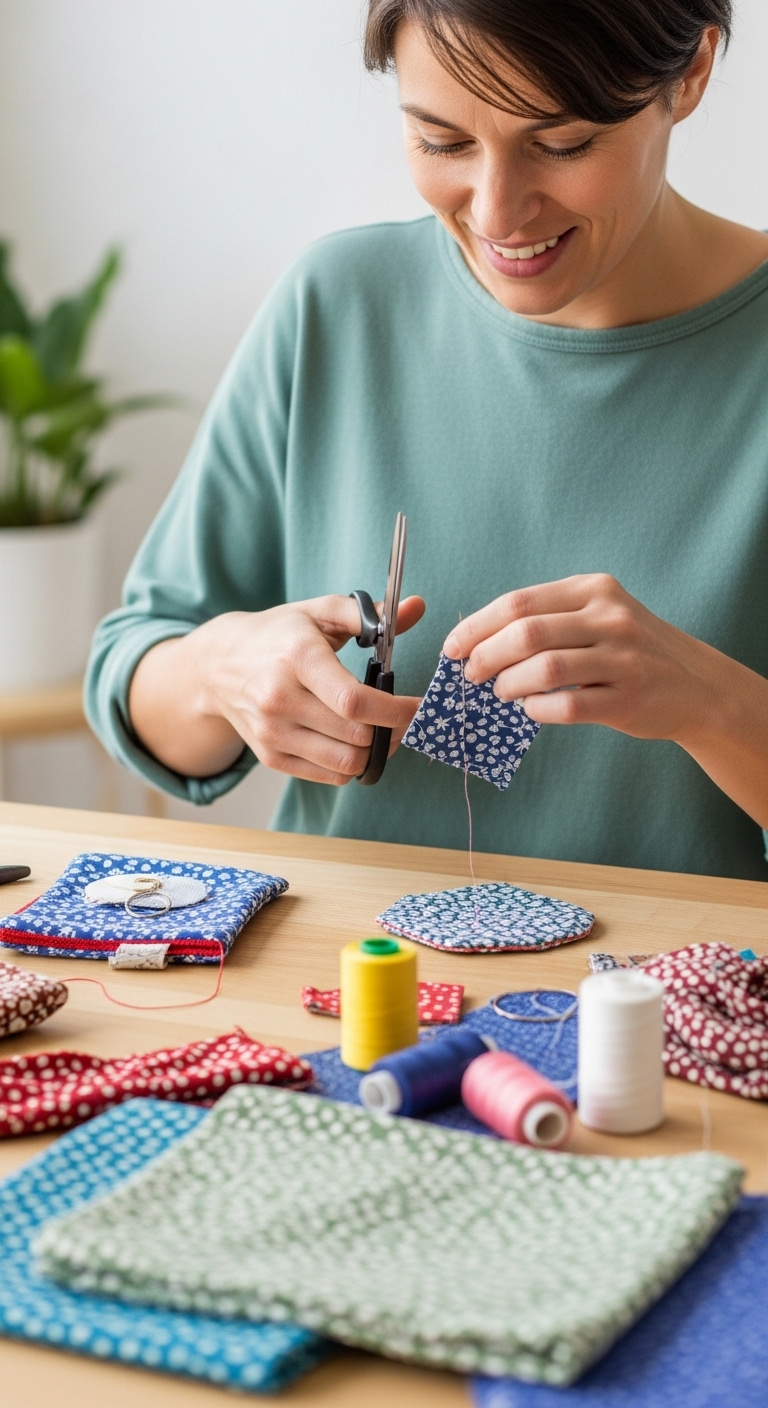
- Patchwork skirts or pants: Combine small pieces of fabric from different thrifted garments to create a unique pattern.
- Layered or inset panels: Add a different fabric to sleeves, skirts, or the hem of a plain dress for movement and modern appeal.
- Replace details: Swap buttons, zippers, or add a belt to make a garment look new.
Practical Steps
- Pick a thrifted piece that fits well in some areas but needs updates.
- Identify where you can add volume, structure, or style details.
- Pin and test changes before sewing. Small adjustments, like darts or added panels, make a huge difference.
- Finish with subtle details like topstitching or new buttons to complete the modern look.
Example You Can Try
A plain thrifted blazer can feel dated. Adding a small pleat in the back, slimming the sleeves slightly, and swapping the buttons can turn it into a modern staple. Or an oversized thrifted skirt can become a tiered, layered skirt by adding fabric panels from other garments.
Sustainable sewing lets you experiment, learn, and create pieces that are truly one-of-a-kind, all while staying on trend with the latest sewing fashion trends.
Feeling stuck getting clients even though your skills are solid? Discover why in Why You’re Probably Not Getting Clients for Your Sewing Business — Even Though You’re Skilled and how to fix it.
Trend 4 – Modern Loungewear & Work-from-Home Chic
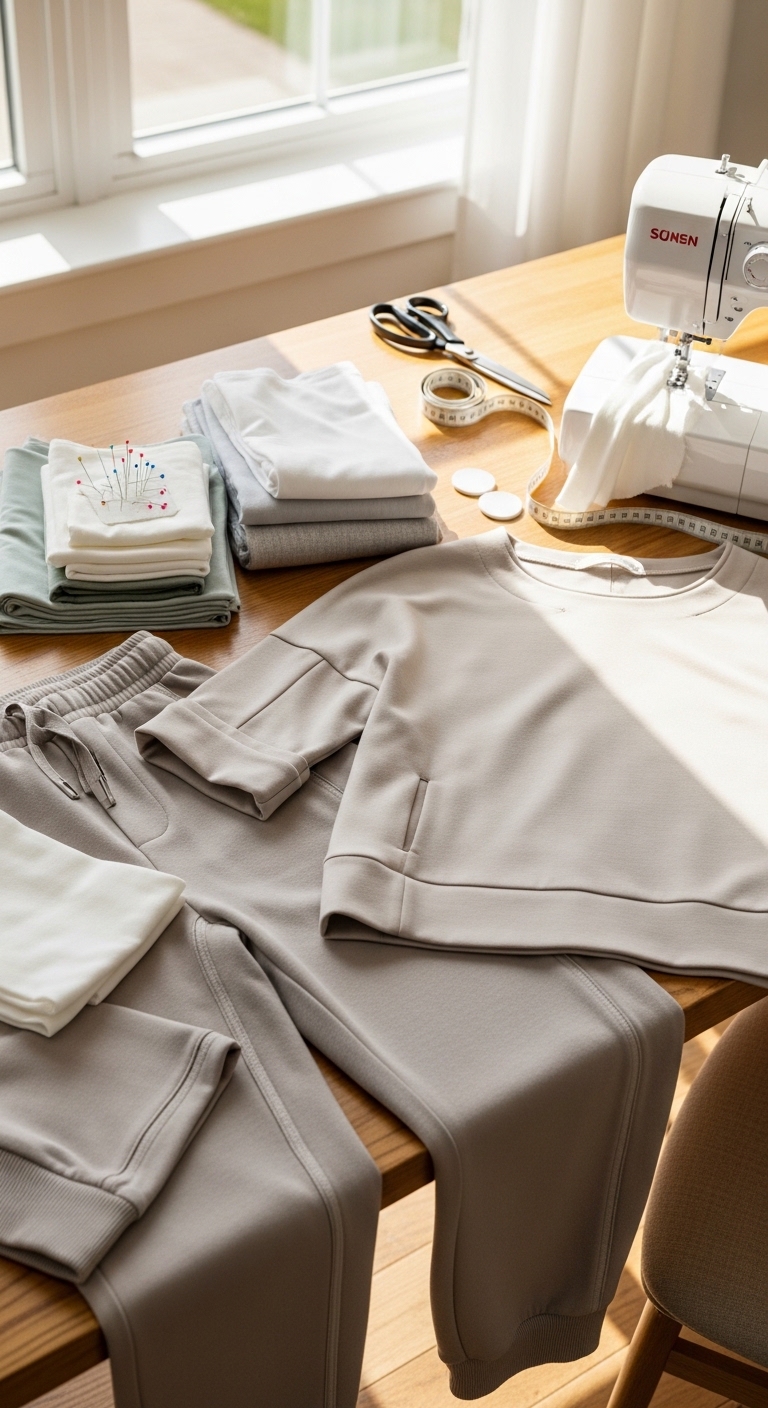
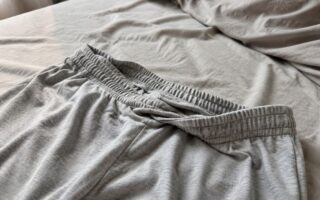
Loungewear isn’t just for staying at home anymore. The focus now is on pieces that are comfortable but still look put together. Think soft trousers, relaxed tops, and simple sets that you can wear at home and still step out in without feeling underdressed.
What Makes It Feel Modern
The difference is in the details. Instead of basic sweats, these pieces have:
- Cleaner cuts that follow your shape without being tight
- Better fabric choices like linen blends, soft cotton, or knit fabrics that hold structure
- Small finishing touches like neat seams, simple necklines, or slightly tailored waists
It still feels easy to wear, but it doesn’t look lazy.
Simple Ways to Sew It
You don’t need complicated patterns to get this right:
- Wide-leg trousers with an elastic waist: Comfortable but looks polished if the fit is right
- Matching sets: Same fabric for top and bottom instantly makes it look intentional
- Relaxed tops with structure: Slightly dropped shoulders, but keep the neckline clean
- Add pockets: Practical and makes the piece feel complete
What to Pay Attention To (This Part Matters)
This is where most people get it wrong:
- Fabric weight: Too thin looks cheap, too thick feels bulky, aim for something in between
- Stretch: Make sure the fabric stretches enough for comfort but doesn’t lose shape
- Fit balance: If the top is loose, keep the bottom a bit structured (or the other way around)
You Can Picture
A basic jogger set can look like sleepwear. But if you switch to a soft, structured fabric, widen the legs slightly, and clean up the seams, it starts to look like something you can wear out.
Or take a simple oversized top, adjust the neckline, shorten the length slightly, and pair it with well-fitted lounge pants. It still feels comfortable, but now it looks styled.
Skipping stitches can ruin a project fast, but these Why Your Sewing Machine Keeps Skipping Stitches (And 7 Easy Fixes That Work Fast) will save your time and frustration.
Trend 5 – Modern Patterns and Color Play
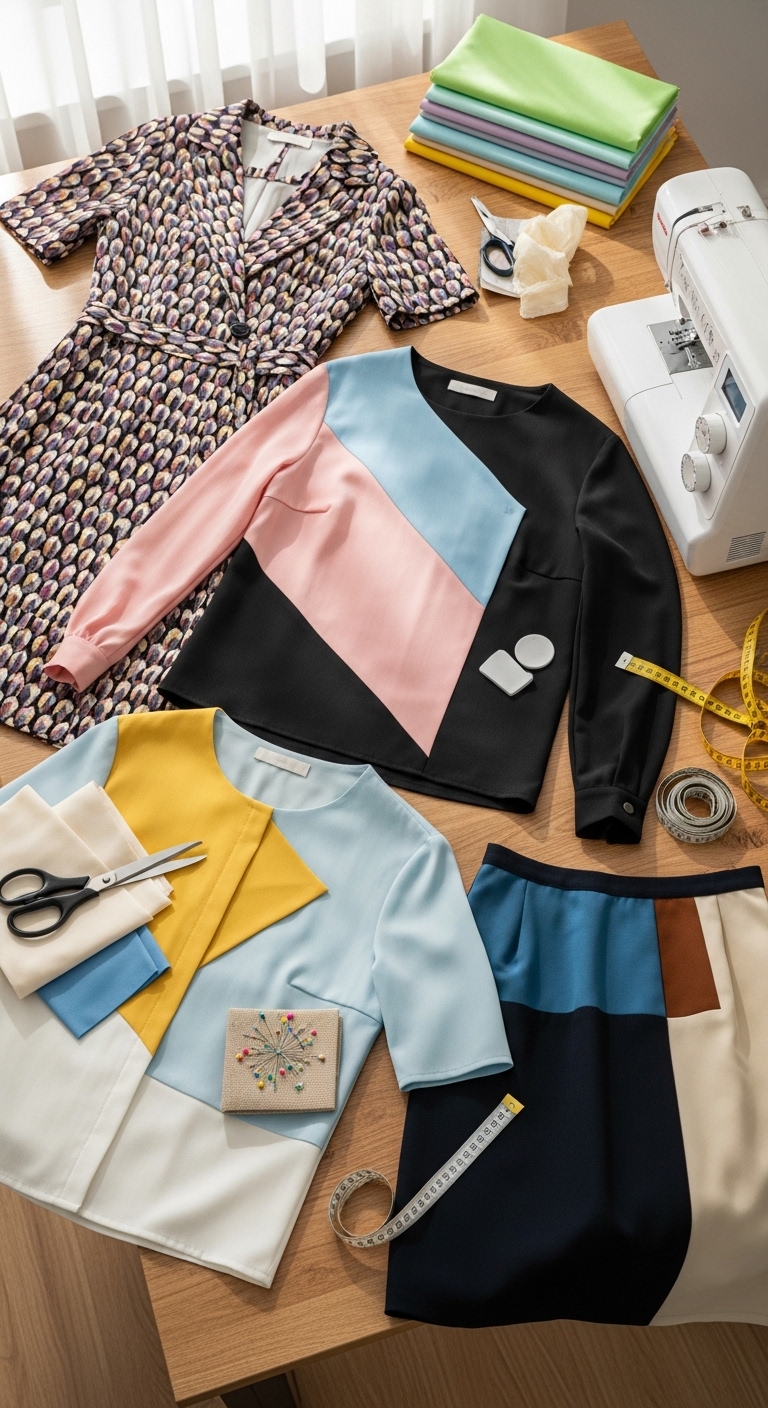
A big shift in 2026 sewing fashion trends is how patterns and colors are being used. It’s no longer about playing it safe with one print or one color. The focus now is on mixing patterns, combining colors, and using contrast to make simple pieces stand out.
You can take a basic skirt, blouse, or dress and change the whole look just by how you handle fabric choice and color pairing.
What’s Changing in 2026
Instead of loud, random mixing, the approach is more controlled:
- Pairing two prints in the same color family (like stripes + florals in similar tones)
- Using one bold fabric and one calm fabric to balance the look
- Monochrome outfits with different shades of the same color
- Classic prints like plaid or polka dots used in more modern cuts
This keeps the outfit interesting without looking messy.
How to Work With Patterns (Without Ruining Your Fabric)
This part matters, especially if you’re sewing at home:
- Start small, use patterns on sleeves, hems, or panels instead of the whole outfit
- If mixing prints, make sure one is smaller and the other is larger
- Pay attention to fabric direction (stripes and checks need proper alignment)
- Test your fabric combinations side by side before cutting
Color Combinations That Work Right Now
Some easy combinations you can try:
- Neutrals (beige, white, black) + one bold color
- Soft pastels mixed with deeper tones
- Earth tones paired with light fabrics like linen
- Denim with unexpected colors like soft pink or olive
These combinations are simple but feel current and wearable.
Example You Can Picture
A plain dress can feel basic, but adding a contrasting fabric panel at the hem or sleeves changes everything.
Or take a simple shirt, using striped fabric for the body and a soft floral for the cuffs gives it a modern look without doing too much.
If making money from home sewing feels impossible, this step-by-step advice in Struggling to Make Money From Home Sewing? Launch a Profitable Sewing Side Hustlecan get you moving.
Trend 6 – Statement Collars & Necklines
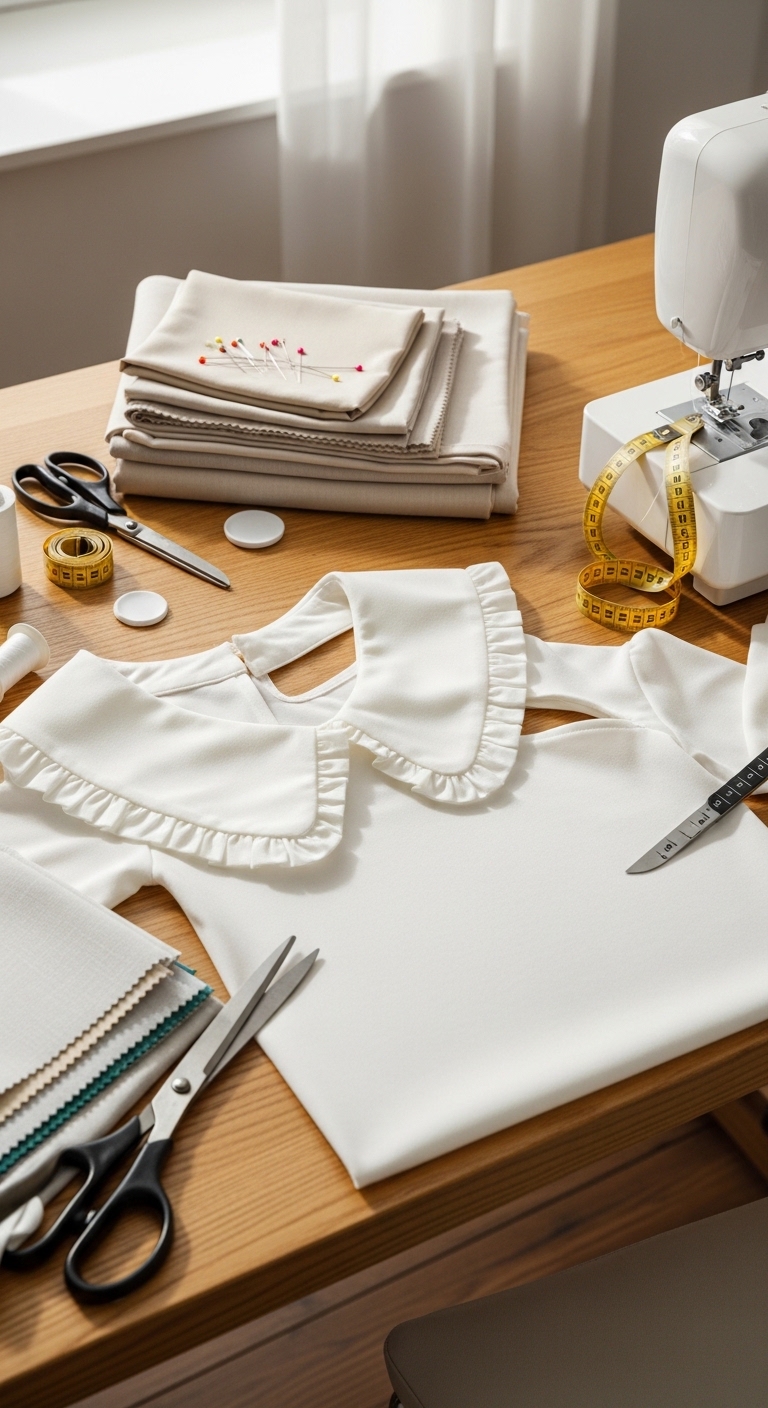
This trend focuses on changing the top part of your garment the collar or neckline, to make a simple piece stand out. You don’t need to redesign the whole outfit. Just adjusting the neckline can make a blouse, dress, or top feel completely different.
How It Improves the Look
The neckline is one of the first things people notice. A plain top can look basic, but once you change the collar or shape of the neckline, it starts to look more styled and intentional.
Simple Styles You Can Try
- Oversized collars: Adds a soft, bold look to blouses and dresses
- Square necklines: Clean and modern, works well on dresses and tops
- Soft ruffles around the neck: Adds detail without being too much
- Slightly deeper or wider necklines: Makes a basic piece feel updated
How to Update What You Already Have
You don’t always need a new pattern:
- Take a top or dress you already have.
- Decide if you want to open up the neckline, add a collar, or reshape it.
- Mark the new shape carefully before cutting.
- Finish the edges neatly so it still looks clean and wearable.
If you’re not ready to cut into your garment, you can also make a detachable collar and wear it over different outfits.
What to Watch Out For
- Don’t go too wide or too deep at once, test small changes first
- Make sure the neckline still sits well on your shoulders
- Use the right fabric so the collar or neckline holds its shape
Picture
A plain round-neck blouse can feel very basic. But if you reshape it into a square neckline or add a soft oversized collar, it immediately looks more styled.
Or take a simple dress, opening the neckline slightly and adding a clean finish can make it feel lighter and more modern without doing too much.
Choosing the right pattern can make or break your project—this guide on How to Find Sewing Patterns That Are Easy to Follow and Beginner-Friendly (Save Hours of Frustration) is a lifesaver.
Trend 7 – Accessories That Modernize Every Piece
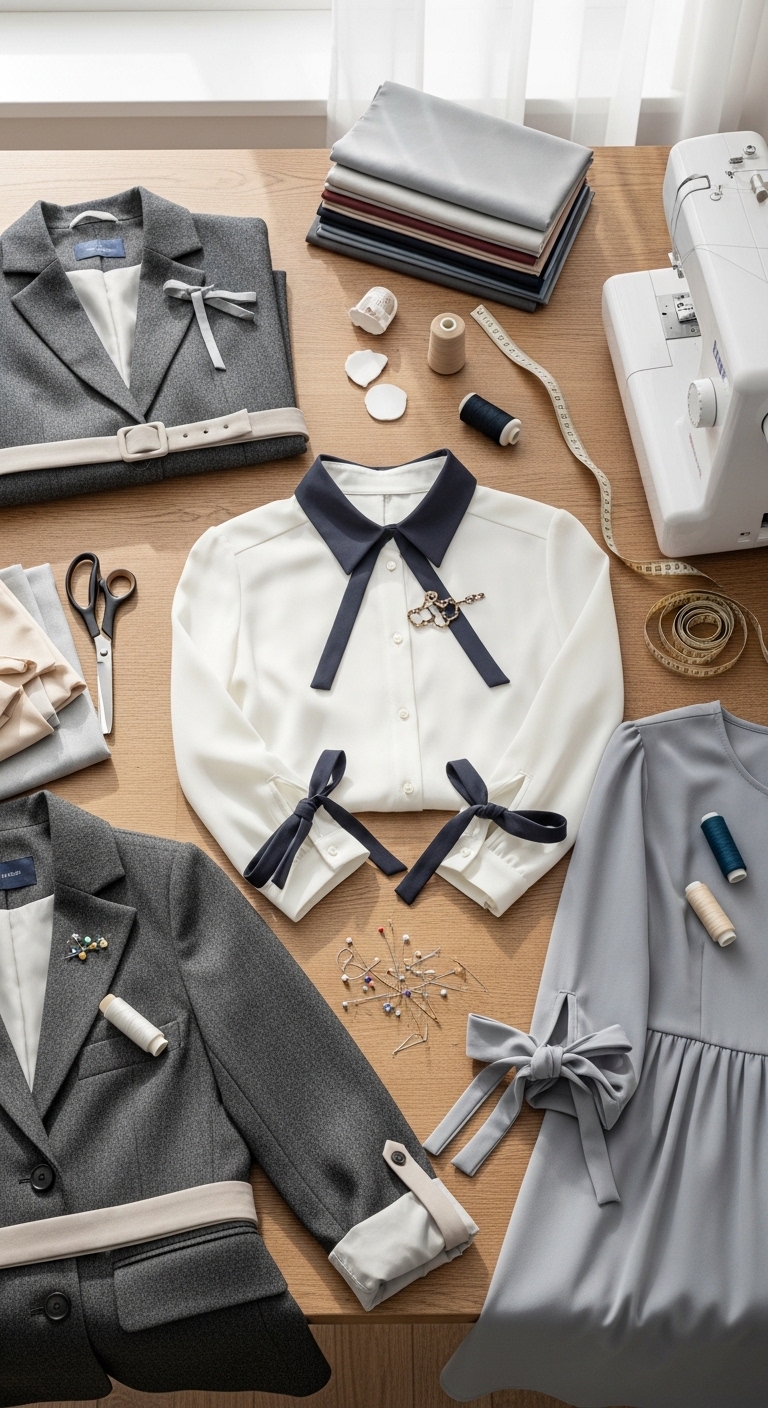
One thing that stands out in this current sewing fashion trends is how small accessories can completely change a garment. You don’t always need to alter the whole outfit. Adding or sewing simple accessories can make even a basic piece look updated and styled.
What This Changes
Sometimes the garment is fine, it just looks plain. Accessories help you add structure, shape, or detail without starting over. This is useful if you don’t want to cut into your fabric or redo a full project.
Accessories You Can Sew and Use
These are simple but effective:
- Fabric belts or tie belts: Helps define the waist on dresses, blazers, or tops
- Detachable collars: You can switch them between outfits
- Cuffs or sleeve bands: Adds contrast to plain sleeves
- Fabric bows or ties: Works on blouses, dresses, or even skirts
- Simple scarves: Made from leftover fabric to match your outfit
How to Use Them Well
This is where many people miss it:
- Keep it balanced—if your outfit is simple, you can add one strong accessory
- If your fabric already has prints, go for plain accessories
- Use matching or slightly contrasting fabric so it looks intentional
- Don’t overload—one or two details is enough
Simple Sewing Ideas You Can Try
- Turn leftover fabric into a matching belt for a loose dress
- Make a detachable collar and use it on different tops
- Add contrast cuffs to a plain shirt using a different fabric
- Sew a long tie and attach it to a blouse neckline for a soft detail
See It This Way
A plain shift dress can look very basic. But once you add a fabric belt and maybe a small neck tie, it starts to look styled and put together.
Or take a simple blouse, adding contrast cuffs and a detachable collar can make it feel like a completely different piece without sewing a new garment.
Want outfits that flatter your figure effortlessly? These 13 Flattering Outfit Ideas That Hide Belly Fat and Make Your Waist Look Smaller give practical style hacks anyone can try.
Trend 8 – Fabric Choices
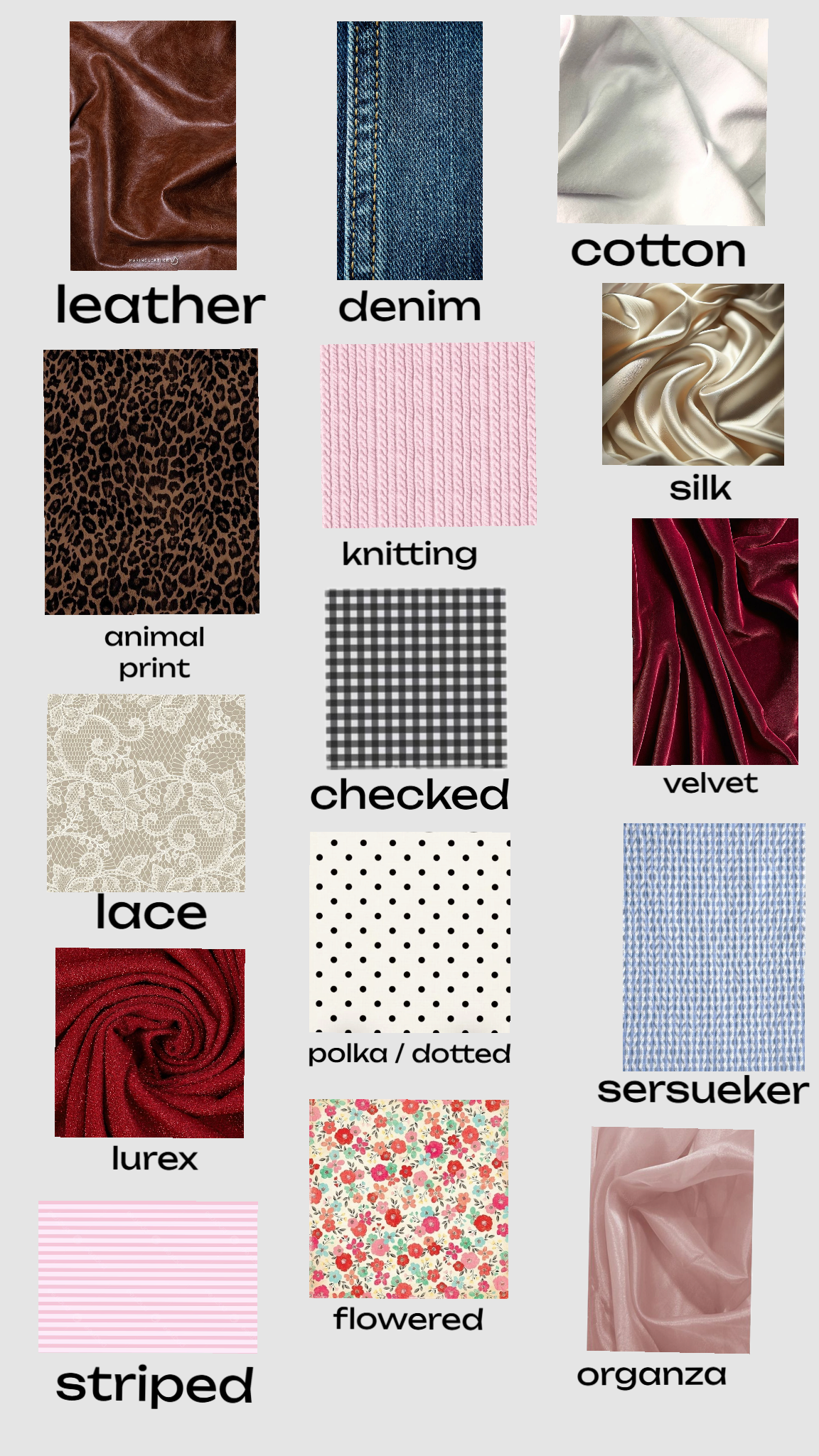
Fabric choice can make or break your project. You can use a good pattern, but if the fabric is off, the final piece won’t sit right or look the way you expect. Choosing the right fabric is what makes a garment look clean, modern, and wearable.
Understanding fabrics is essential if you want clothes that fit and hang well—this guide on Understanding Fabrics for Sewing: Choosing the Right Material for Every Project explains what to look for.
What to Pay Attention To
1. Fabric weight
This affects how the garment hangs.
- Light fabrics (like chiffon) flow more
- Medium fabrics (like cotton or linen) hold shape but still move
- Heavy fabrics (like denim) give structure
If your fabric is too light, the piece may look weak. Too heavy, and it can feel stiff.
2. Drape
Drape is how fabric falls on the body.
- Soft drape works well for dresses and relaxed tops
- Firm drape is better for structured pieces like blazers or skirts
Always match the drape to the style you’re sewing.
3. Stretch
Check if your fabric stretches or not.
- Stretch fabrics are good for comfort and fitted pieces
- Non-stretch fabrics need proper fitting and shaping
If you ignore stretch, the fit can feel tight or awkward.
4. Texture
Mixing textures can make a simple outfit look more interesting.
- Smooth + slightly rough (like cotton + linen)
- Soft + structured (like knit + denim)
You don’t need too many textures, just one mix is enough.
How to Choose Fabric for Your Project
- Hold the fabric up and see how it falls
- Ask yourself: Does this match the shape I want?
- If you’re unsure, go for medium-weight fabrics, they’re easier to work with
- Wash your fabric before sewing so it doesn’t shrink later
Common Mistakes to Avoid
- Choosing fabric just because it looks nice, not because it fits the design
- Ignoring how thick or thin it is
- Mixing fabrics that don’t sit well together
- Skipping fabric testing before cutting
You Can Picture This:
If you sew a structured blazer with very soft fabric, it won’t hold its shape. But if you use a medium to slightly heavy fabric, it sits better and looks more put together.
Or if you make a flowy dress with stiff fabric, it won’t move well. A softer fabric will give you that natural movement.
Don’t throw fabric scraps away—these Sewing Hacks That Turn Leftovers Into Keep-Worthy Gifts show how small pieces can become charming, usable projects.
Conclusion
You don’t need to try everything at once. Start with one or two updates that feel easy for you. Small changes are enough to see a difference.
The goal here is not perfection. It’s learning what works for you and getting comfortable making changes to your clothes instead of leaving them as they are.
If you try any of these, share what you make. It could be a before-and-after of a piece you updated or a small detail you added. Post on the comment, you might even inspire someone else to try.
And don’t stop here. 2027 is already leaning toward even bolder fabric mixes and combinations, so this is a good time to start experimenting and building confidence with your sewing.
This post talked on: 2026 Sewing Fashion Trends You Cna Try At Home.