Tired of guessing what sells? These fall craft fair project ideas show what to make, and why some booths sell out faster than others.
Most vendors assume summer is the biggest season for craft fairs, more events, more foot traffic, more sunshine. The numbers tell a different story.
Fall and holiday markets consistently bring in the highest sales volumes of the year, even though fewer fairs run compared to peak summer months.
The reason comes down to timing: by September, shoppers aren’t just browsing for something cute to put on a shelf, they’re already thinking ahead to Halloween, Thanksgiving tablescapes, and holiday gifts. That shift in mindset means wallets open faster and easier than they do in July.
This list isn’t a random grab bag of “fall-themed” ideas thrown together because pumpkins are trending.
Each category below earns its spot because of why it sells during this specific window, whether that’s low-commitment impulse buys, higher-ticket décor pieces, or gifts people are already hunting for before the holiday rush hits.
Pick based on what fits your skill level and your booth setup, not just what looks good in a photo.
Keep your handmade business thriving beyond one season with 30 Summer Crafts to Make and Sell at Craft Fairs This Year, featuring warm-weather products that shoppers love at markets and festivals.
Why the Same Fall Craft Sells Out at One Fair and Sits Untouched at Another
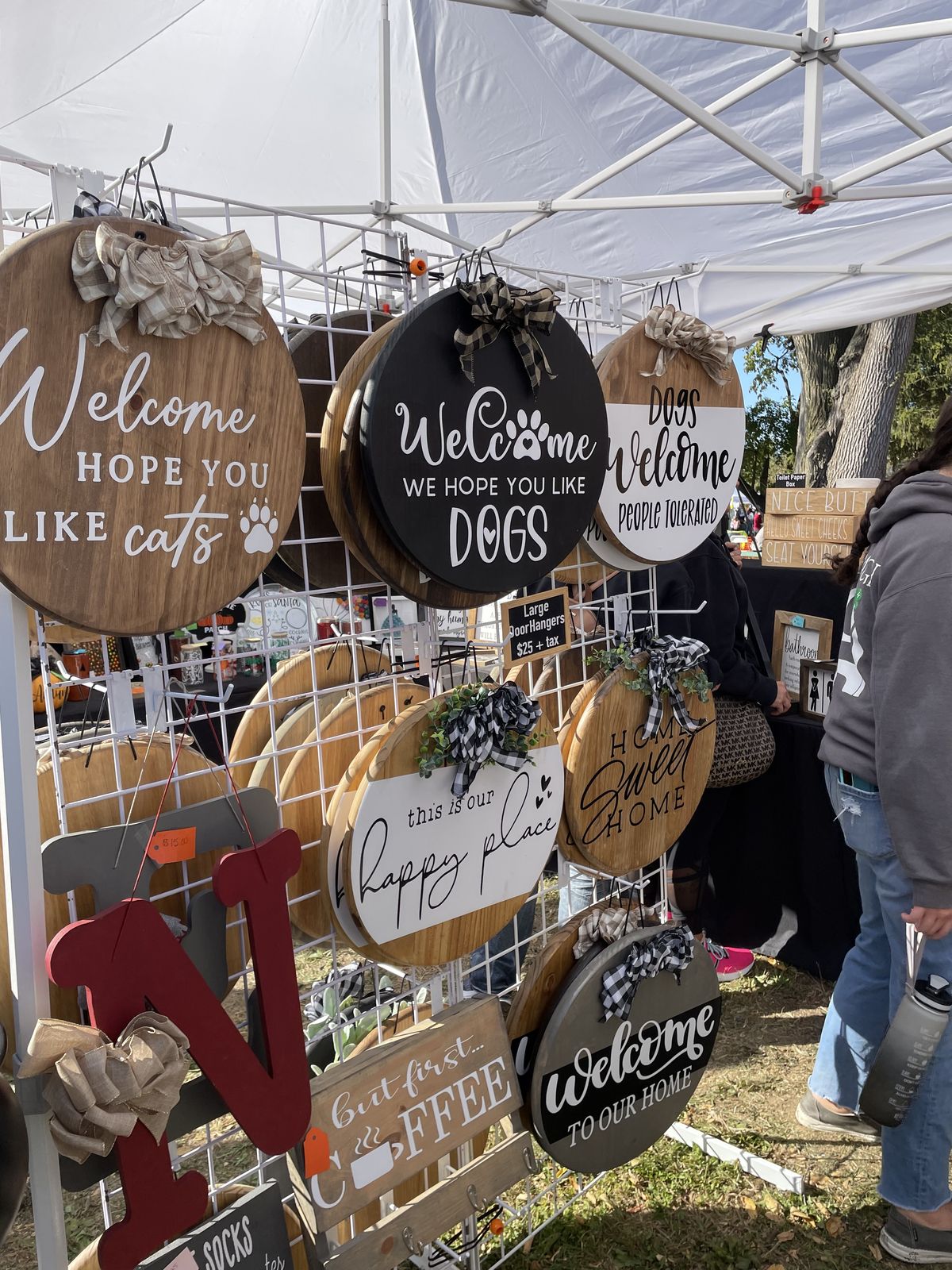
You can make the exact same fall wreath, take it to two different fairs, and get two completely different results. One weekend it sells out by noon. The next weekend, it barely gets picked up. The wreath didn’t change, the crowd did.
- A church craft fair, a farmers market, and a juried art show each attract a different kind of shopper, even in the same town, in the same month.
- Cheaper, giftable items move fast at family-friendly community fairs. Higher-priced, detailed pieces do better at fairs where shoppers came specifically to spend more on one standout item.
- Fall makes this gap wider, not smaller. A fair leaning into Halloween and family traffic wants low-cost, fun items. A fair leaning into holiday shopping wants gift-ready pieces people can hand over as-is.
- Before picking what to make, it helps to know which kind of fair you’re walking into, not just what fall items exist.
That’s why the list below isn’t sorted by “cutest” or “most popular.” It’s grouped by the kind of fair and shopper each category is built for, so it’s easier to match what gets made to where it’s actually going to sell.
Ordinary sewing supplies become thoughtful handmade creations in 20 Genius Ways to Turn Cloth Buttons Into Beautiful Crafts You Can Use or Give as Gifts, proving that even the smallest materials can become best-selling items.
✅ Cozy & Consumable: The Category That Fills Table Fast
Fall brings a shopper who’s wandering in looking for something warm and familiar, the kind of thing that’s easy to pick up without much thought.
This category exists because it answers that impulse directly. Low price points mean low hesitation, and scent does something a photo online can’t. It stops someone mid-walk.
1. Pumpkin Spice Soy Candles
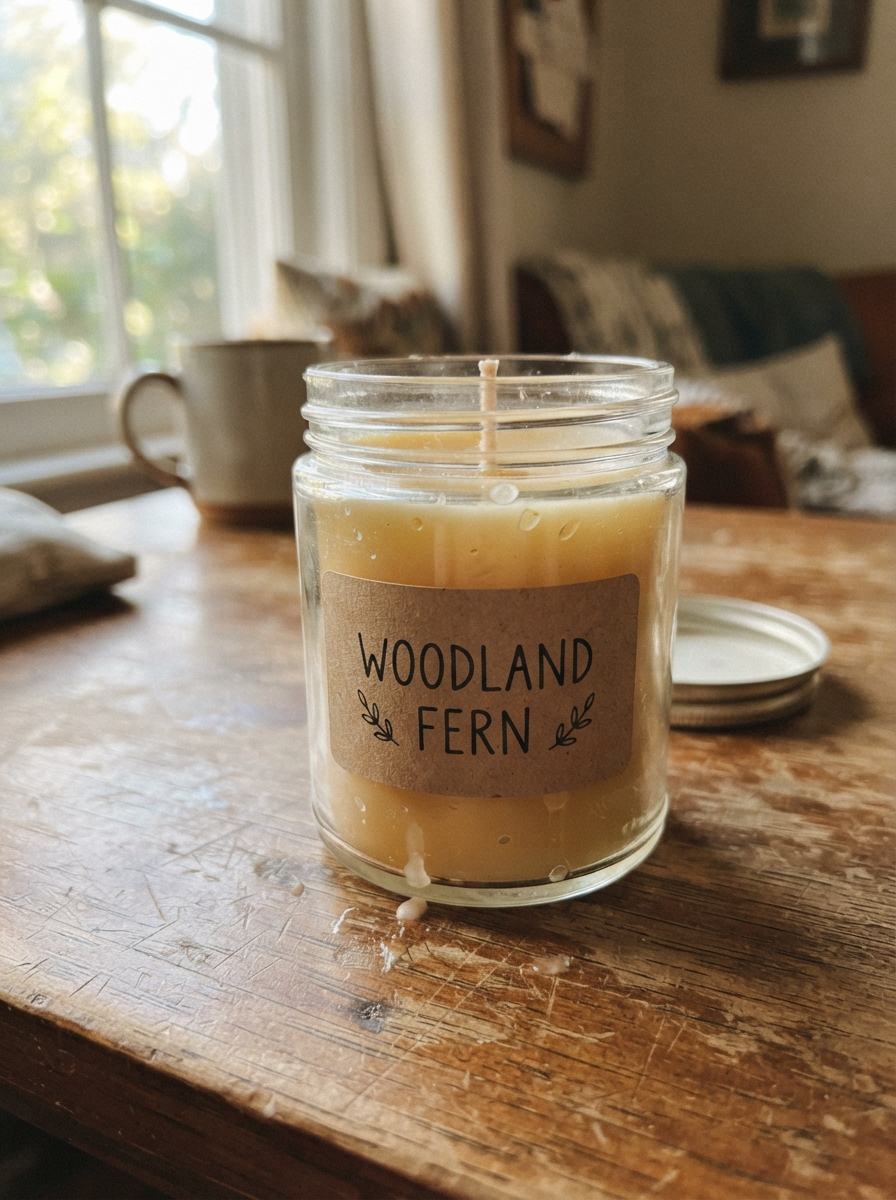
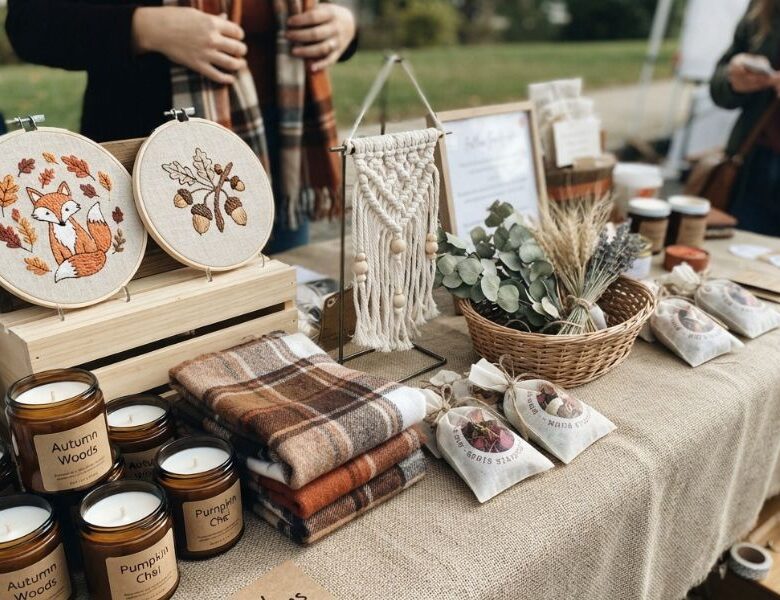
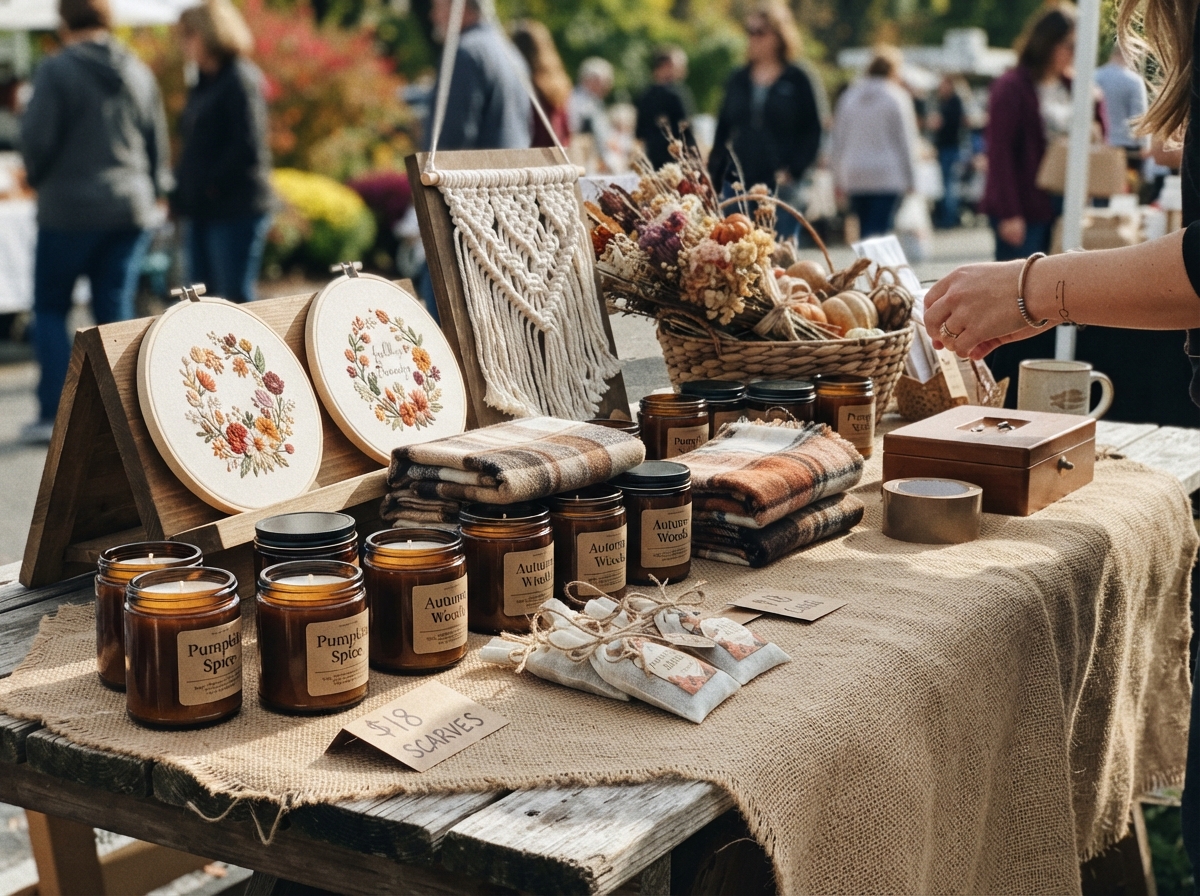
Candles are one of the most reliable sellers at any craft fair, and fall is where they earn that reputation. A hand-poured soy candle in a simple glass jar, scented with something like pumpkin spice or baked apple, gives shoppers a small, low-commitment way to bring the season home.
Soy candles remain the most popular choice at craft fairs, and part of what makes them work is that customers can smell them in person before buying, something no online listing can offer.
Materials run roughly $3-5 per candle, and most sell in the $12-18 range. A clean label and a jar that doesn’t look mass-produced go a long way toward setting yours apart from the dozen other candle booths at the same fair.
2. Fall-Scented Wax Melts
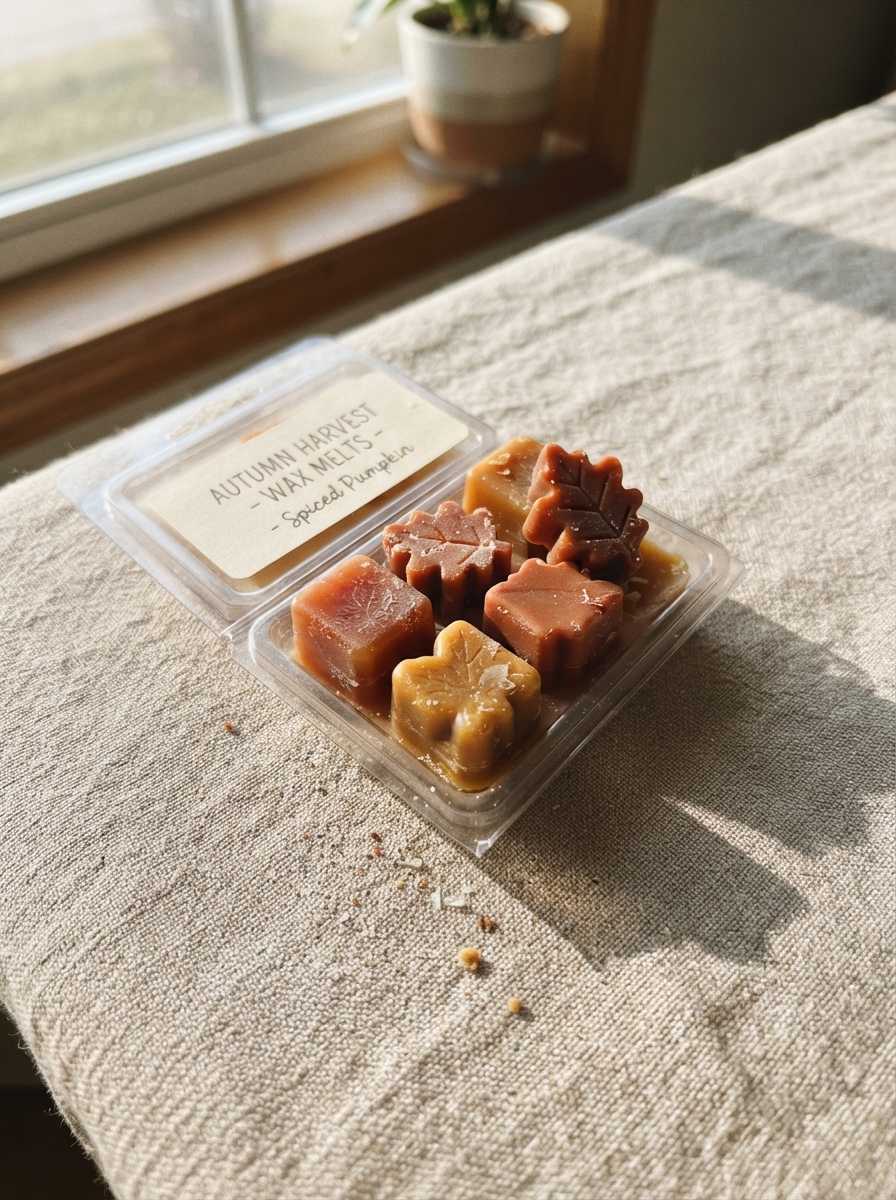
Wax melts sit right below candles on the price ladder, which is exactly why they work. They’re a perfect impulse-buy item, letting customers try a new scent without committing to a full candle.
Made in the same fall scents as your candles, they cost under a dollar each to produce and typically sell for $3-8 a set. Placed next to your candles rather than off on their own, they tend to pull in the shopper who wasn’t ready to commit, and often walk away buying both.
3. Cinnamon & Clove Sachets
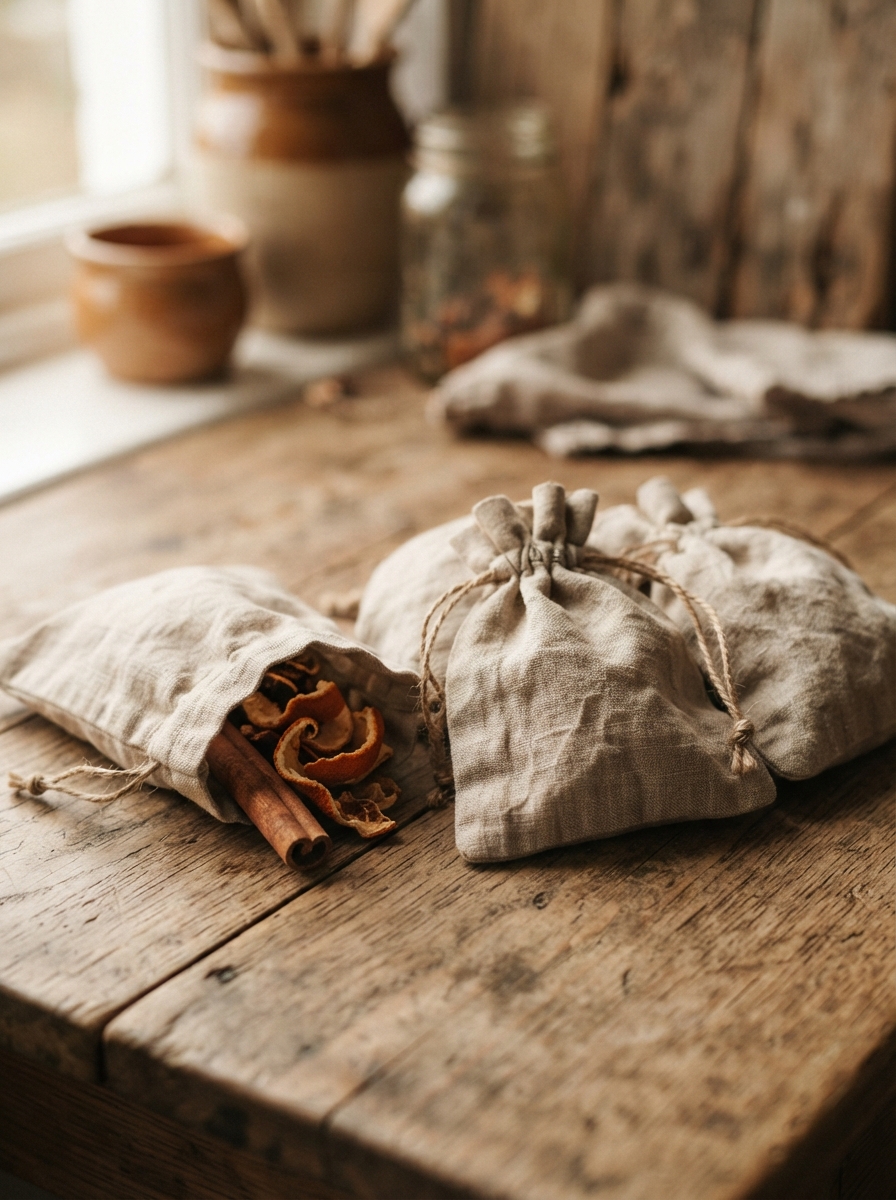
Not every fall shopper wants an open flame in their home, whether that’s a personal preference or a building policy. A small linen pouch filled with whole cinnamon sticks, cloves, and dried orange peel gives that shopper a way in without needing wax or heat.
It costs under $2 to make and usually sells for $5-10. It’s a smaller, quieter seller than the candles, but worth having on the table, it picks up sales the wax-based products simply can’t.
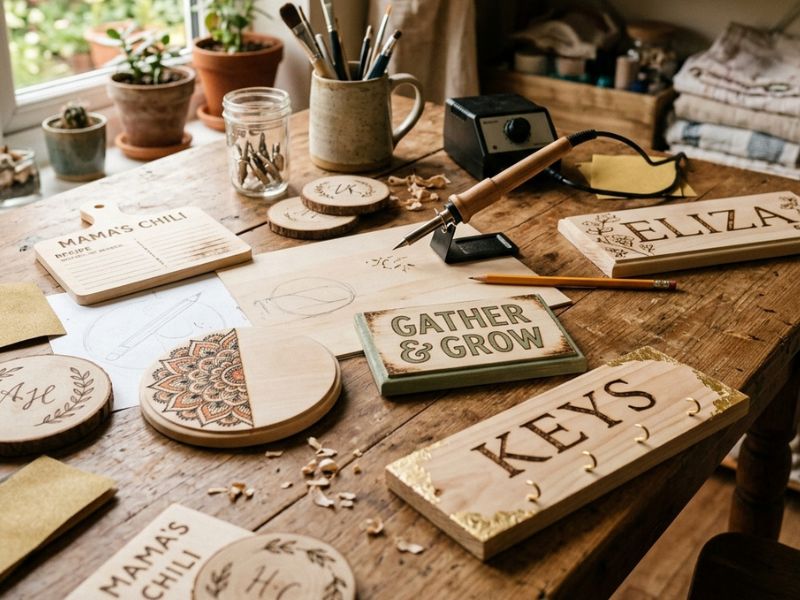
Looking to work with wood? 11 Wood Burning Crafts You Can Make at Home with Basic Tools That Turn into Income shares beginner-friendly projects that combine creativity with earning potential.
✅ Wearable Fall: Something Shoppers Can Put On and Walk Away In
Among fall craft fair project ideas, wearable pieces work differently than décor or scented goods, they don’t sit on a shelf, they go straight into someone’s closet or onto their dog. That immediacy is the appeal. A shopper doesn’t need to picture where it’ll go in their home; they can just put it on.
4. Hand-Sewn Flannel Scarves
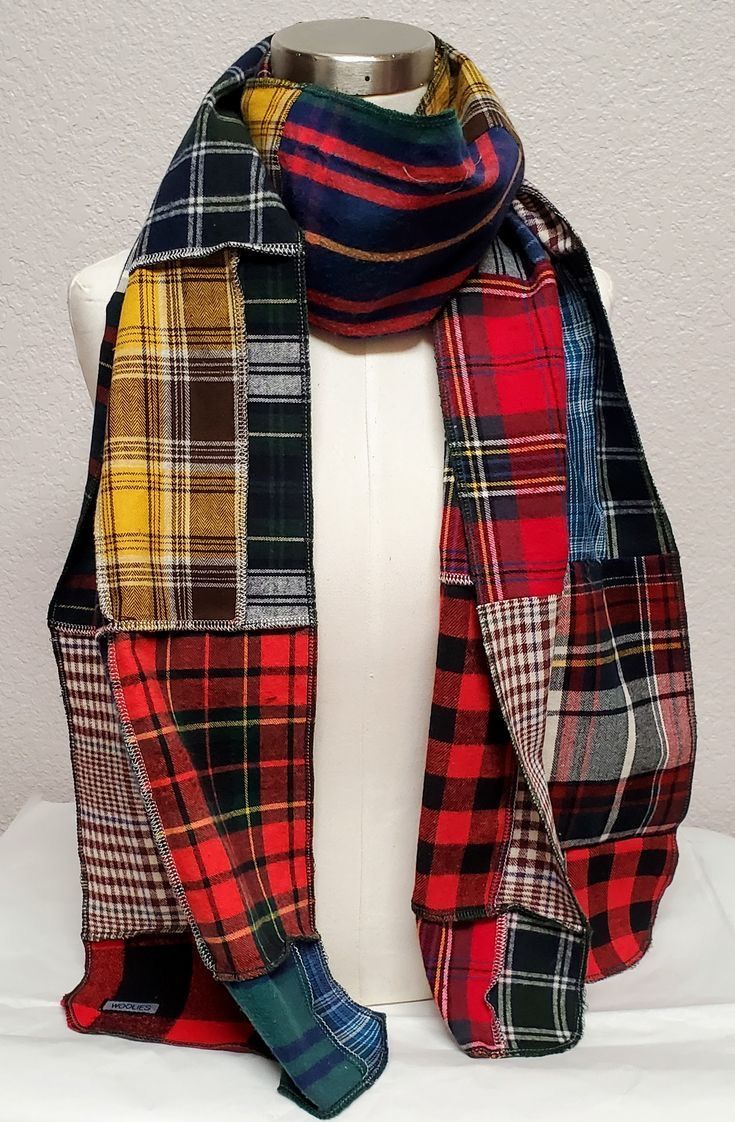
A flannel scarf is one of the simplest sewing projects to turn into a real fall seller, a few yards of plaid or solid flannel, hemmed edges or a simple fringe finish, and you have something a shopper can wear the same day they buy it.
Flannel reads as “fall” instantly, which means it doesn’t need much explanation at your table.
Materials run around $4-6 per scarf depending on fabric quality, and they typically sell in the $18-25 range. A double-sided design, using two different flannel patterns stitched together, gives shoppers two looks in one scarf and helps justify the higher end of that price.
5. Embroidered Hoop Art
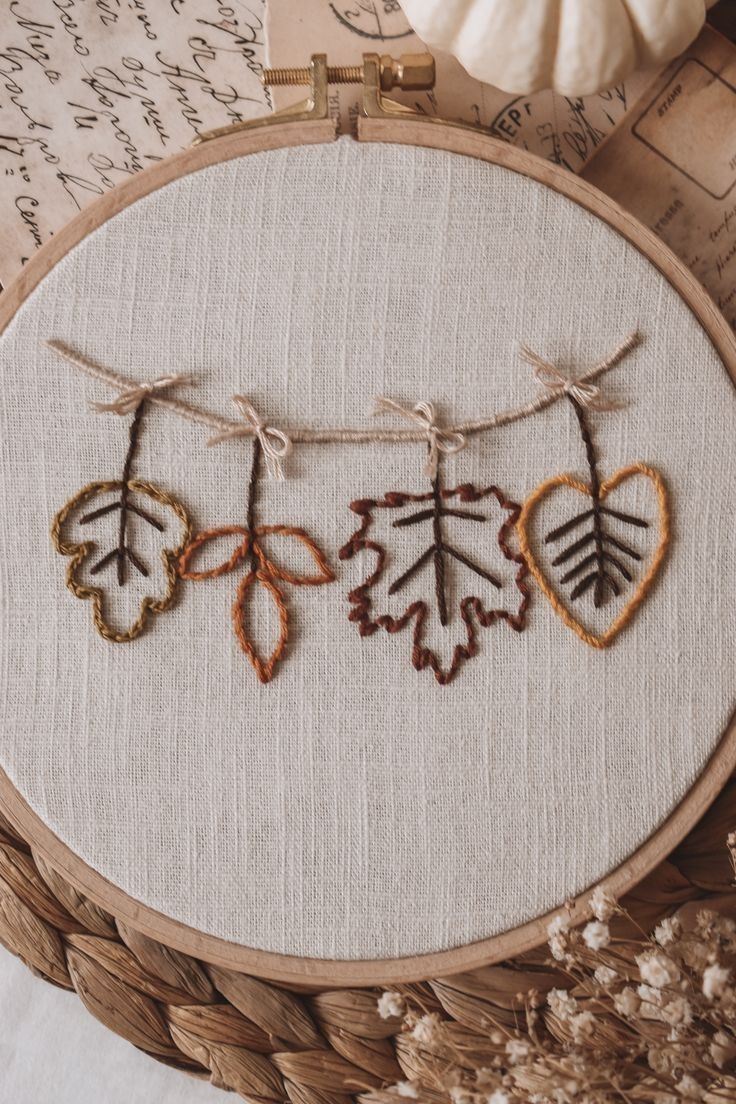
Hoop art has stayed popular at craft fairs because it’s small, giftable, and shows off skill in a way that’s easy for a shopper to appreciate at a glance.
A fall-themed design, a simple pumpkin, a line of trees, a short seasonal phrase, worked in embroidery floss inside a wooden hoop costs very little in materials, usually $2-4, and sells for $15-30 depending on size and detail.
Because it’s lightweight and easy to ship, it also holds up well if you sell the same design online after the fair.
6. Personalized Pet Bandanas

Pet bandanas with seasonal designs sell well because dog owners love buying for their pets as much as themselves, sometimes more.
A simple triangle bandana in a fall print, with the option to add a pet’s name, costs under $2 in fabric and thread and typically sells for $8-15.
The personalization is what pushes people from browsing to buying, a name stitched or written on adds only a couple minutes of work but gives the shopper a reason to choose yours over a plain one.
No cutting machine? No problem. 10 Beginner-Friendly Vinyl Crafts to Make and Sell Without a Cricut at Home shows how to create attractive handmade products using simple tools and affordable materials.
✅ Harvest Home Décor: Fewer Sales, Bigger Price Tags
Home décor works differently from the first two categories. Home décor items tend to be higher-ticket, which means fewer sales but better revenue per transaction.
A shopper isn’t grabbing this on impulse, they’re picturing it on a specific wall or table before they buy. That’s why this category rewards a little more craftsmanship and a little more patience at the booth.
7. Wooden Harvest Signs
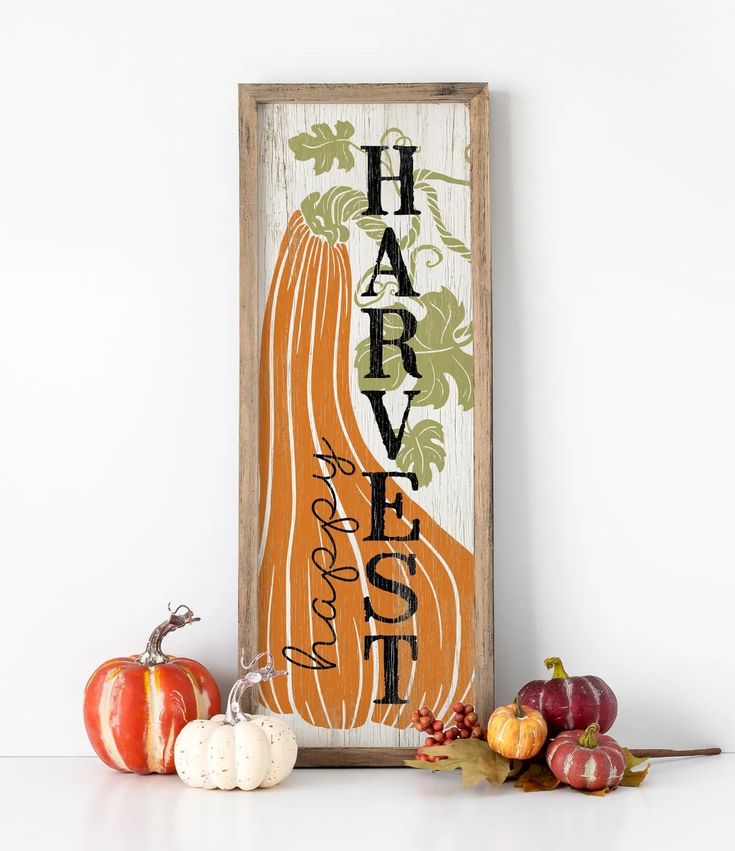
Photo credit: @ n
A hand-painted or wood-burned sign with a simple phrase, a family name, gather, a date, speaks to shoppers looking for something that feels personal rather than mass-produced.
Wood, paint, and stain run roughly $5-8 per sign depending on size, and these typically sell for $25-45. Having a few blank signs on hand for on-the-spot personalization (a name added while the shopper waits) can turn a browser into a buyer who might have otherwise walked past.
8. Dried Flower Arrangements
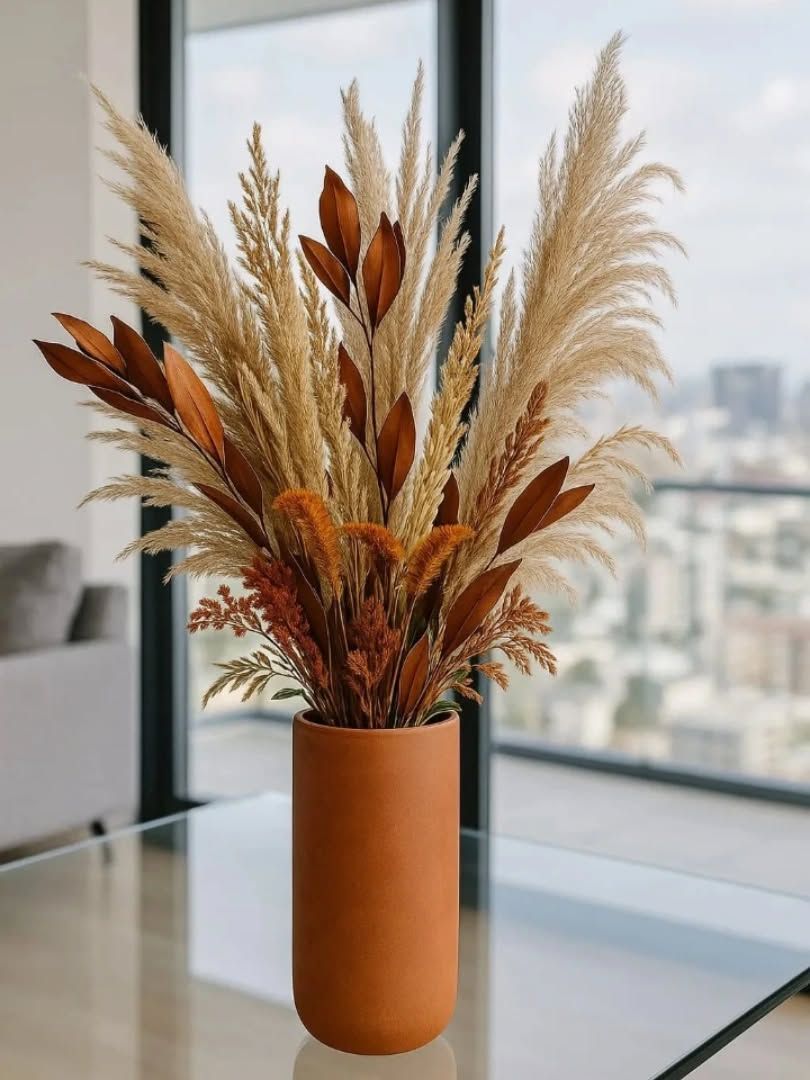
Dried florals solve a real problem for shoppers: they want something that looks like fall but don’t want to deal with a plant that wilts in a week.
Wheat stalks, dried hydrangea, and preserved eucalyptus arranged in a simple vase or tied bundle cost around $6-10 in materials and sell for $20-35. Because nothing here needs water or sunlight, it’s also an easy sell to shoppers who’ve admitted they “kill every plant” they own.
9. Macramé Wall Hangings
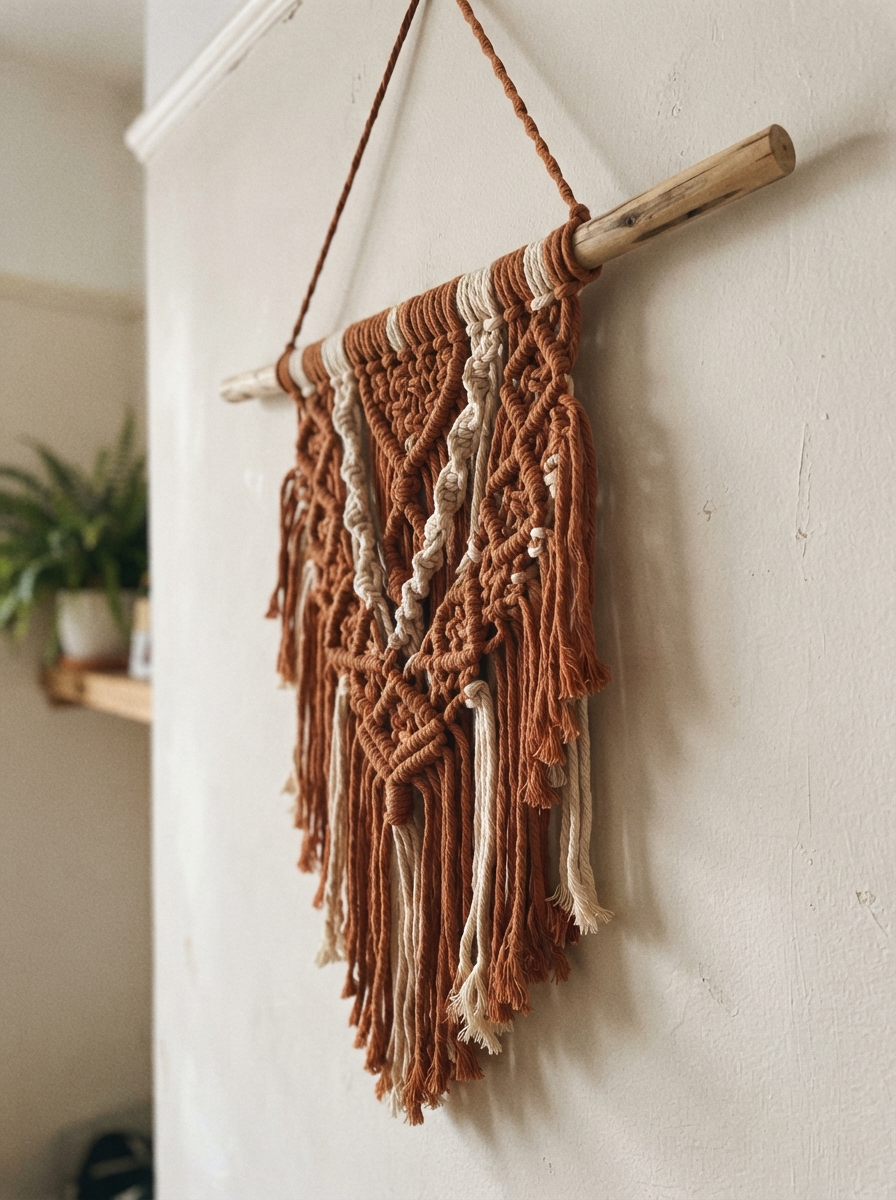
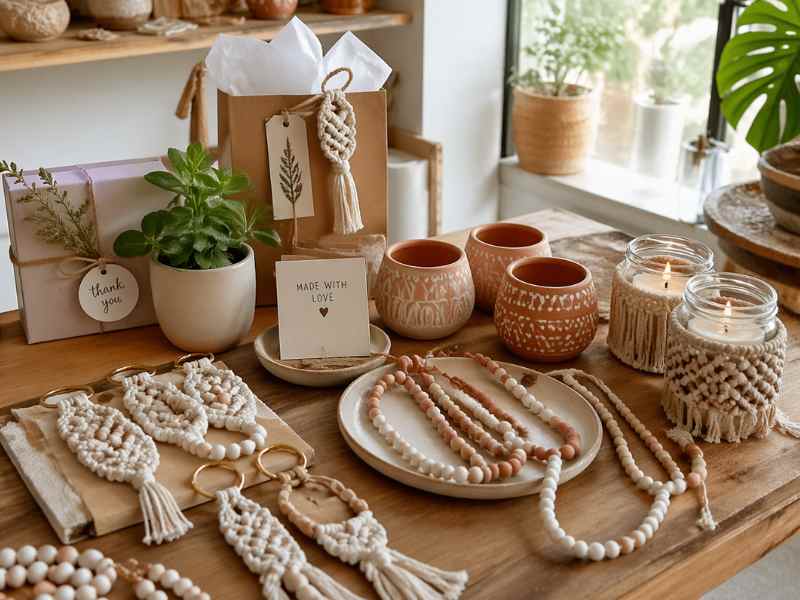
Macramé wall hangings are still trending strong, and fall gives them a natural boost when made with warm, autumn-toned cord instead of the usual neutral white. A mid-sized piece costs about $8-12 in cord and a dowel, and typically sells in the $30-50 range.
Offering a couple of size options , one small enough for an apartment wall, one large enough to anchor a living room, lets shoppers self-select based on their space instead of walking away because the only option didn’t fit
Handmade gifts with a relaxed, natural aesthetic are always in demand, and 10 Handmade Boho-Inspired Gift Ideas You Can Make and Sell From Home offers creative projects that customers love to buy.
✅ Gift-Lead Items: Selling to Shoppers Already Thinking About the Holidays
Not every fall shopper is buying for themselves. By October, a good number are already thinking ahead to holiday gifts, which is exactly why this group of fall craft fair project ideas leans into things that work as much as a gift as a purchase for home.
10. Early Holiday Ornaments
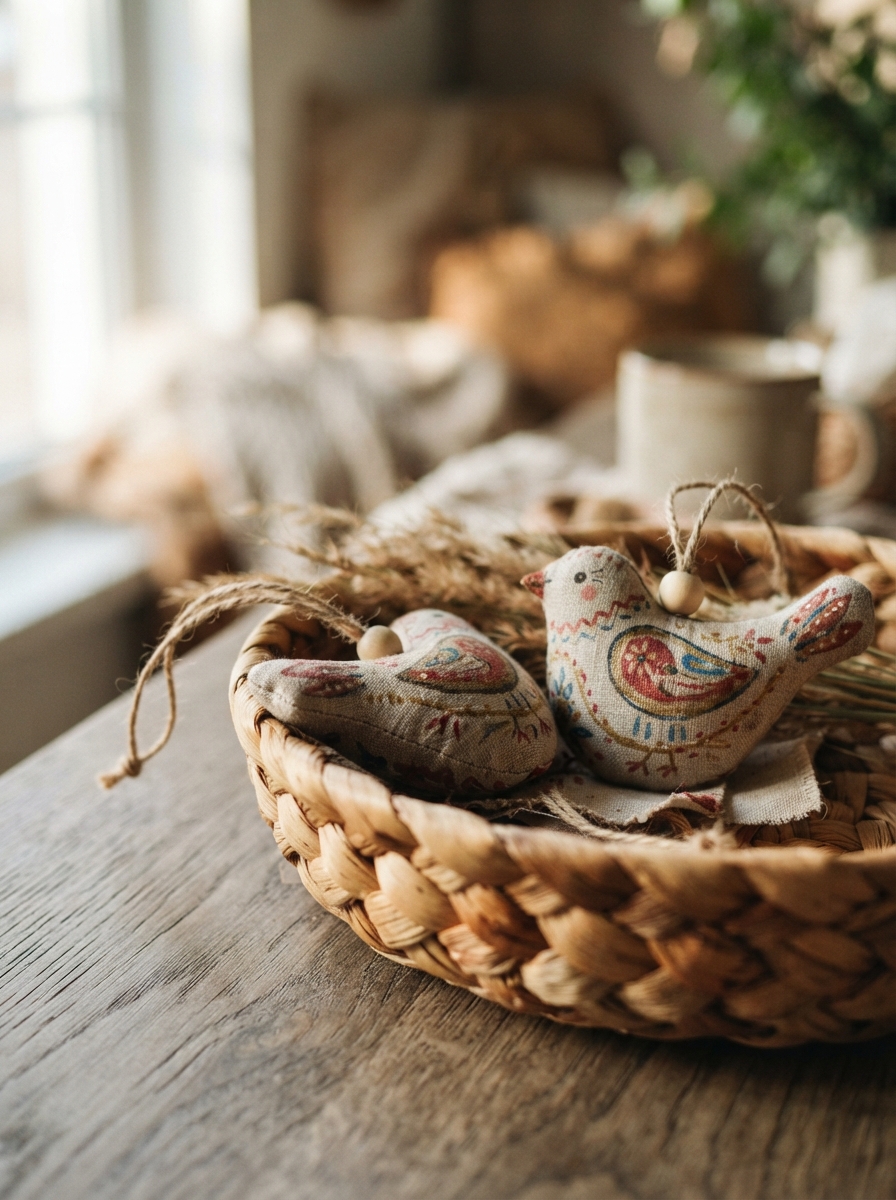
Shoppers browsing fall fairs in September and October are often the ones who like to get ahead of the holiday rush rather than scramble in December.
A simple hand-painted or fabric ornament, a name, a year, a small seasonal motif, costs around $2-4 in materials and typically sells for $8-15. Having a small selection ready this early gives these shoppers a reason to buy from you now instead of waiting for a holiday market where they’ll have more booths to choose from.
11. Personalized Stocking-Stuffer Items
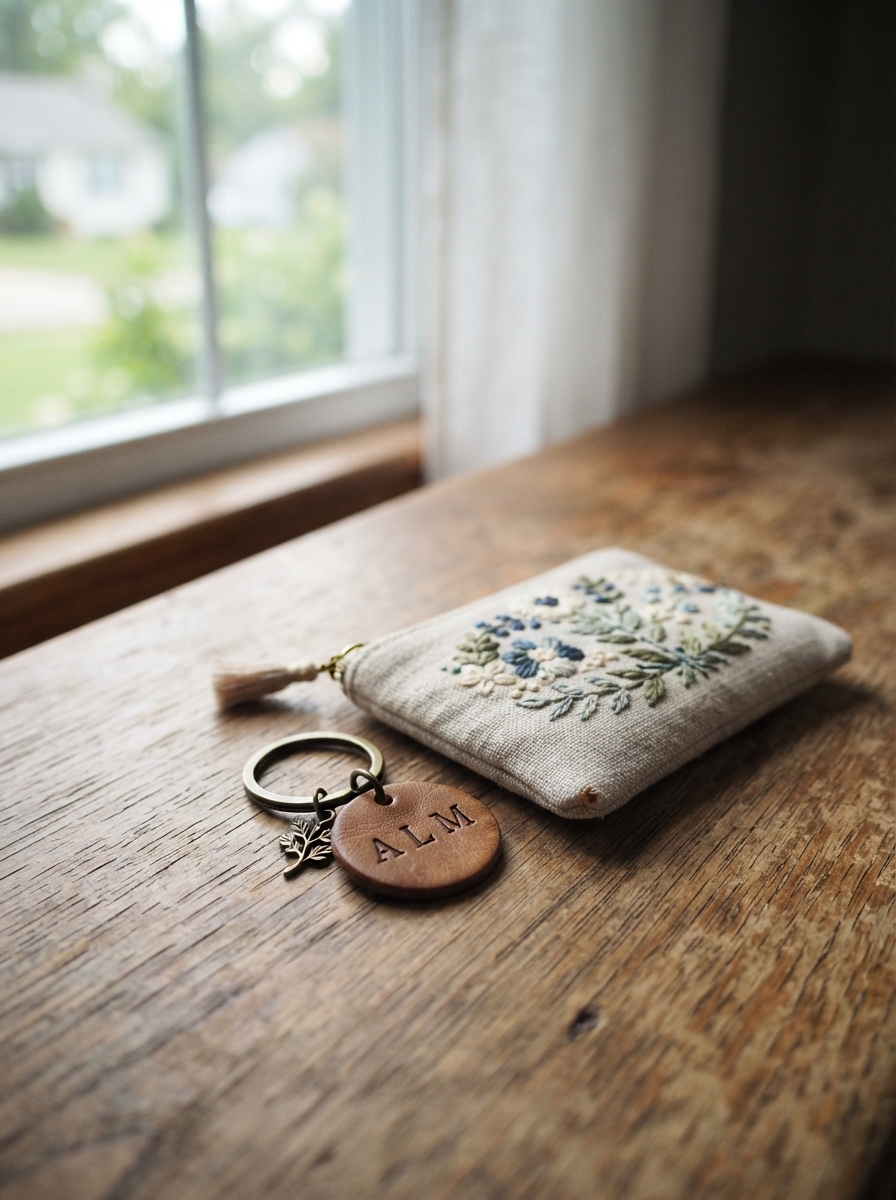
Small, personalizable items, a monogrammed keychain, a tiny embroidered pouch, a hand-stamped bookmark, solve a specific gift problem: something to fill a stocking without overspending.
These usually cost $1-3 in materials and sell for $6-12. Because they’re inexpensive and quick to personalize on the spot, they also work well as an add-on sale next to a larger purchase.
12. Custom Name Signs
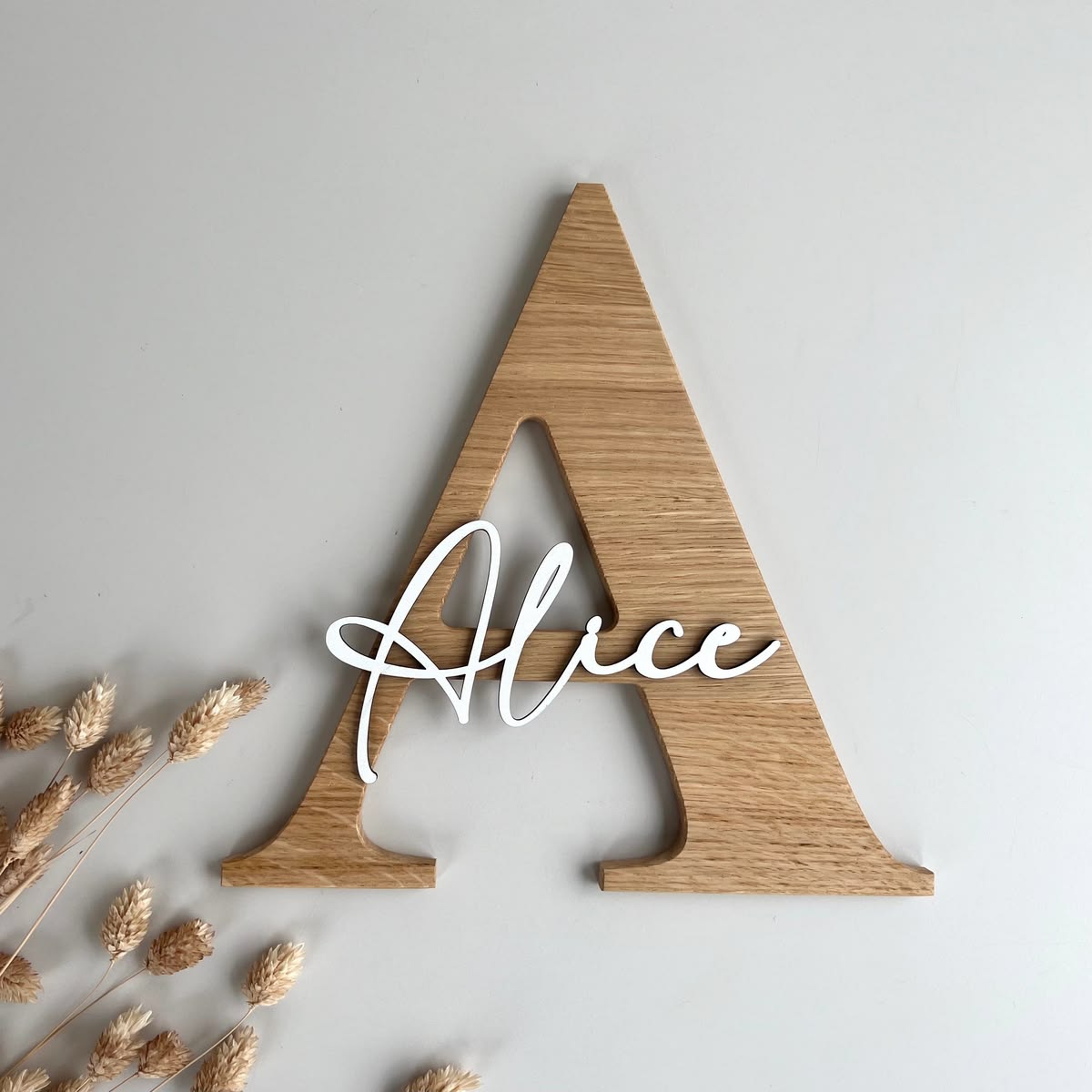
A name sign scaled down from the harvest décor version above, a child’s name for a bedroom door, a family name for a holiday gift, taps into the same personalization instinct that drives holiday shopping.
Materials run about $4-7, with these typically selling for $18-30. Keeping a few common names or letters pre-cut ahead of the fair cuts down on wait time when a shopper wants theirs made right there at the table.
Polymer clay is a versatile material for beginners, and 12 Polymer Clay Crafts You Can Make and Sell from Home for Beginners is filled with easy projects that can grow into profitable products.
✅ Kid & Family-Friendly Fall Makes: Selling to the Whole Family, Not Just One Shopper
Family-friendly fairs bring a different kind of foot traffic, parents and grandparents shopping with kids in tow, often buying for the child right in front of them rather than planning a purchase in advance.
This group of fall craft fair project ideas is built for that moment, not for a shopper carefully weighing options.
13. Simple Sensory-Friendly Crafts
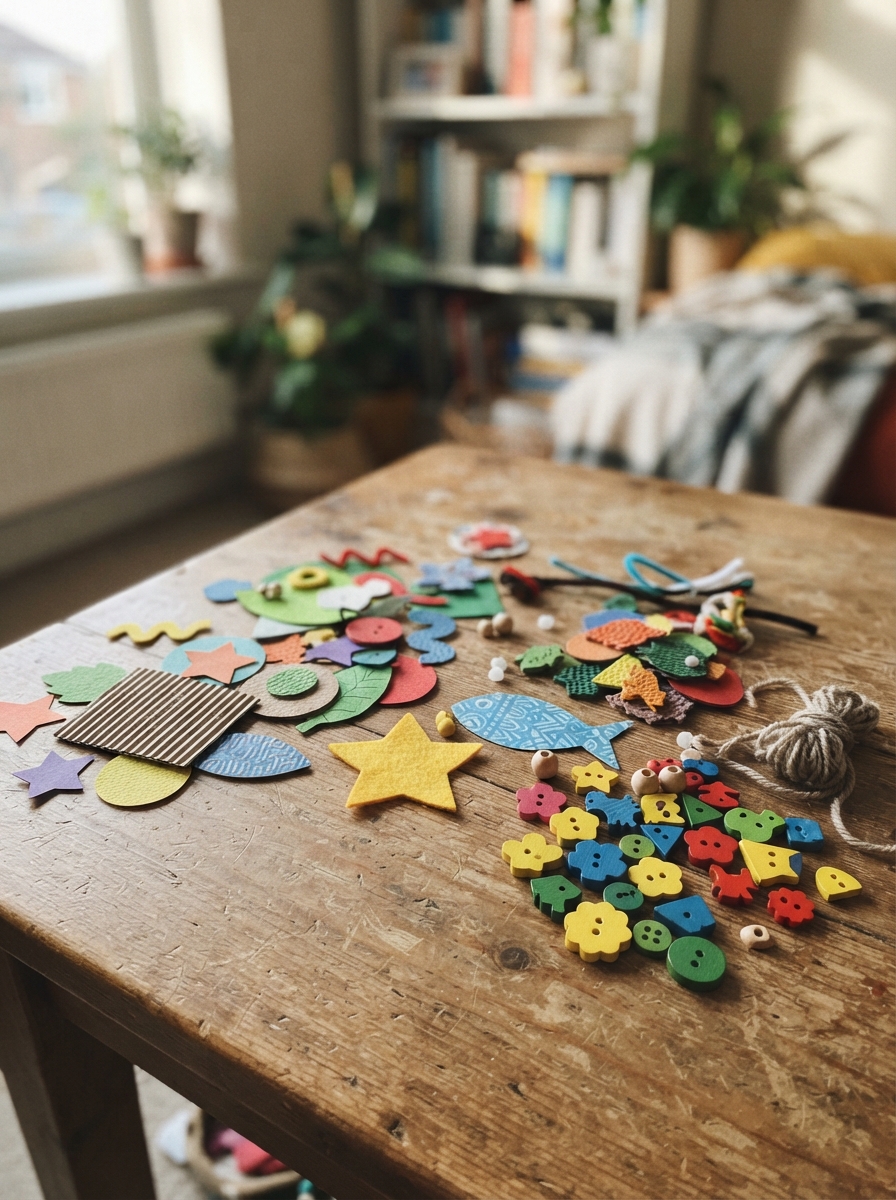
A small fidget-style item, a fabric busy bag, a textured sensory pouch, a quiet book page , appeals to parents looking for something screen-free to occupy a child during car rides or long errands.
These cost around $2-4 in fabric and filling and typically sell for $10-18. Keeping the design simple and durable matters more here than making it elaborate; parents are buying for function first.
14. Handmade Small Toys
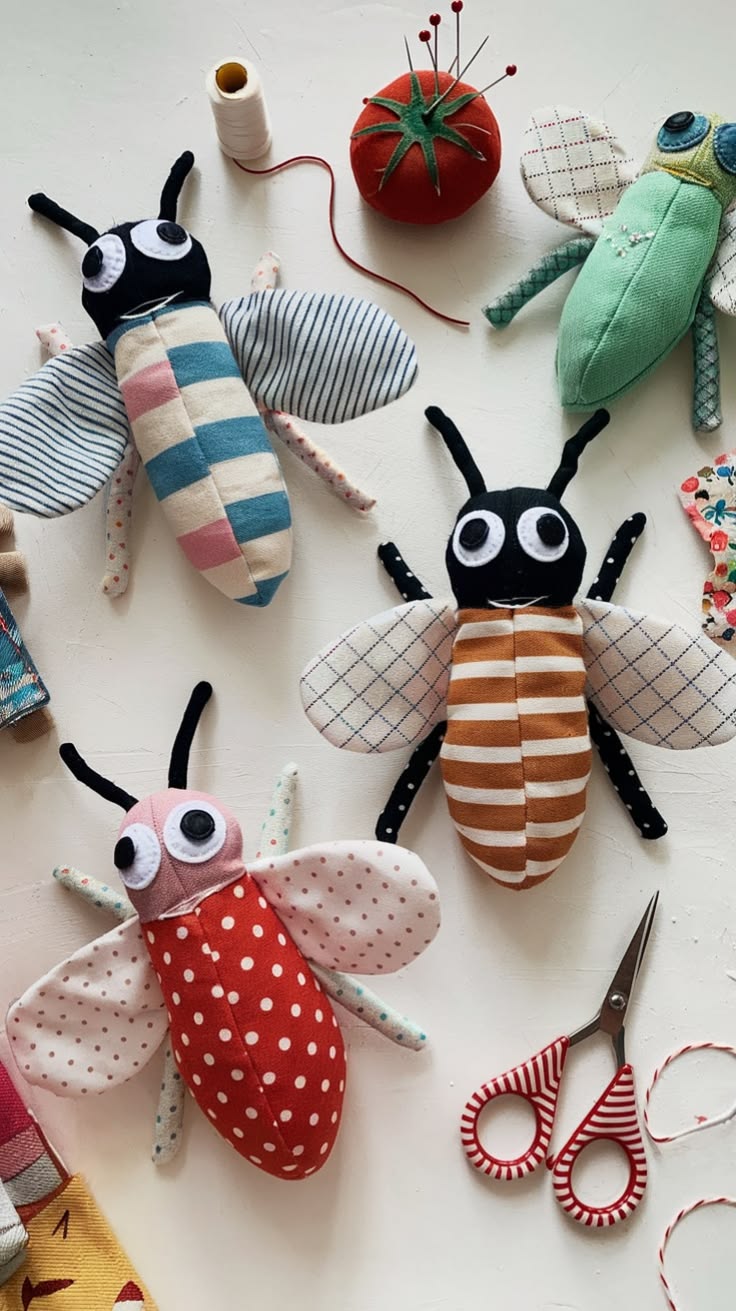
Soft stuffed animals, simple wooden push toys, or a beanbag-style toy in a fall print give grandparents especially something they can hand over without worrying about safety recalls or complicated parts.
Materials usually run $3-6 depending on size, with these selling for $12-25. A toy that can double as a fall-themed nursery decoration tends to appeal to buyers shopping for a new baby, not just an older child.
15. Seasonal Hair Bows and Clips
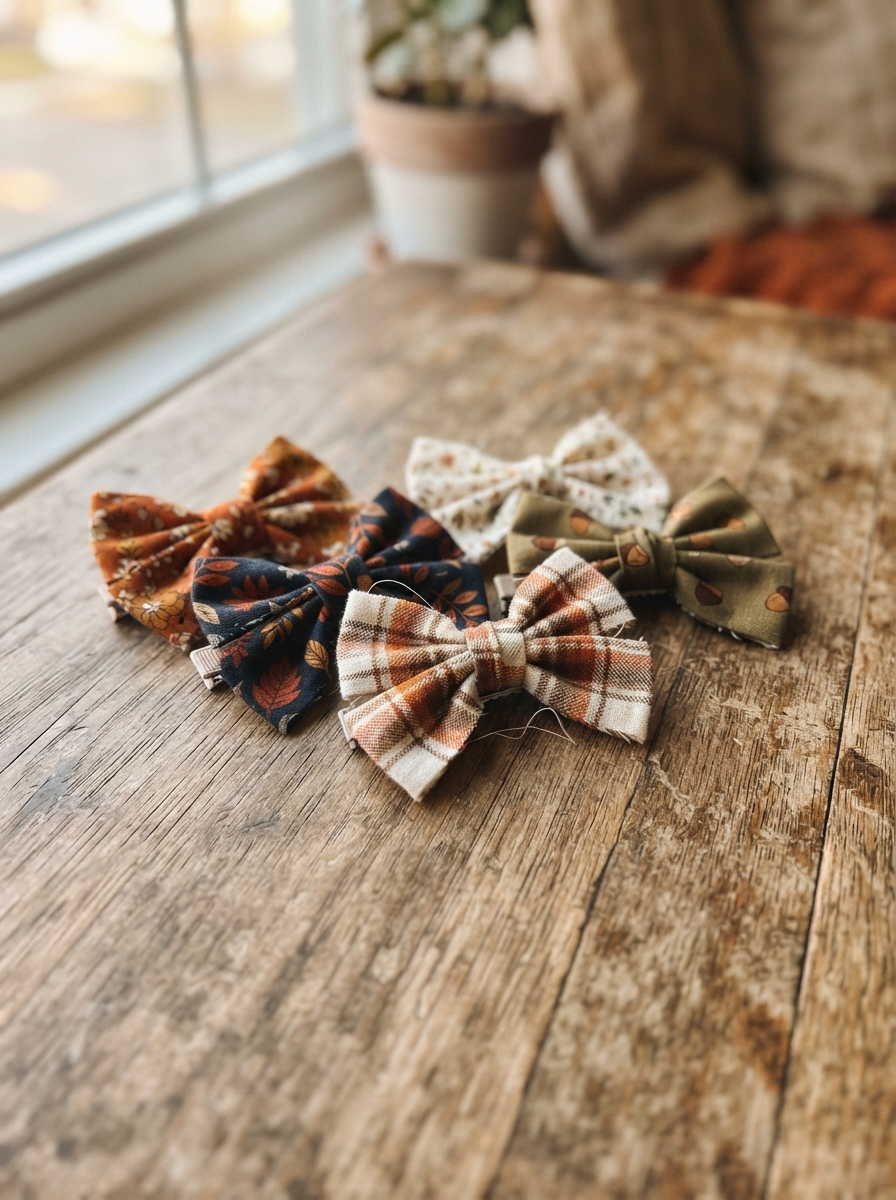
A quick-to-make hair bow in fall colors or prints is one of the fastest-selling kid items at a family fair, largely because it’s an easy yes for a parent standing at the table with a child already asking for one.
These cost under $1 in materials and typically sell for $5-8 each, or $12-15 for a set. Selling them in small multi-packs by color family, rather than one at a time, tends to encourage a slightly bigger purchase without needing to raise the price of any single bow.
Starting a craft business doesn’t have to require a large investment, and 10 Low-Cost DIY Crafts to Make and Sell From Home highlights affordable ideas with excellent selling potential.
The Fall Craft Fair Mistake That Costs Vendors
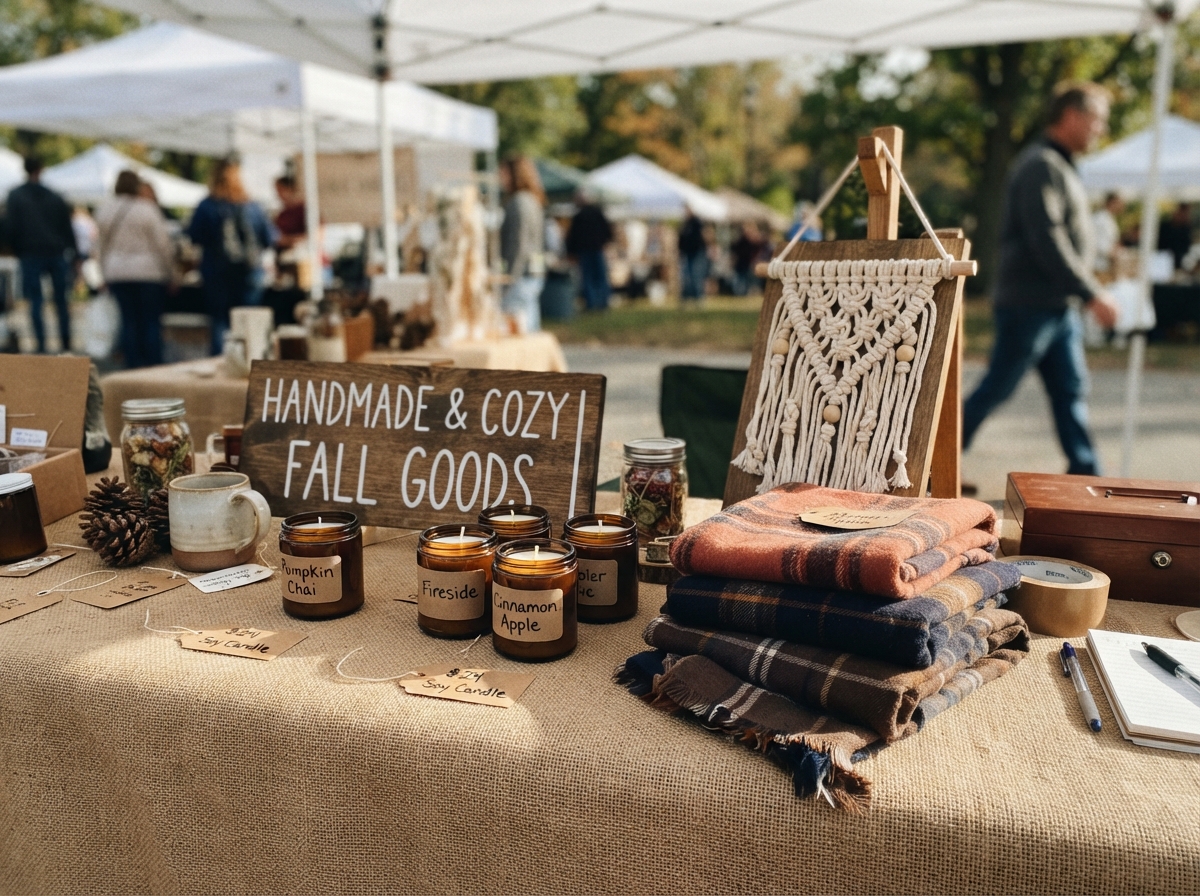
Summer ends, fall fairs start, and a lot of vendors just… keep selling what worked in July. Same candles, same jewelry, same décor, nothing wrong with any of it, except the shopper standing in front of the table has changed.
- By September, shoppers aren’t just picking up something pretty for themselves anymore. They’re already thinking about Halloween costumes, Thanksgiving tables, and holiday gifts, even if the actual holidays are still weeks away.
- A booth stocked the same way it was in June misses that shift entirely. The products aren’t wrong, but they’re answering a question the shopper isn’t asking anymore.
- Fall shoppers respond to two things summer shoppers don’t prioritize as much: seasonal relevance (something that feels like this specific time of year) and gift-readiness (something they can hand over as-is, no extra wrapping or thinking required).
- The vendors who sell out aren’t necessarily more talented, they’ve just re-thought their table for who’s actually walking up to it this season.
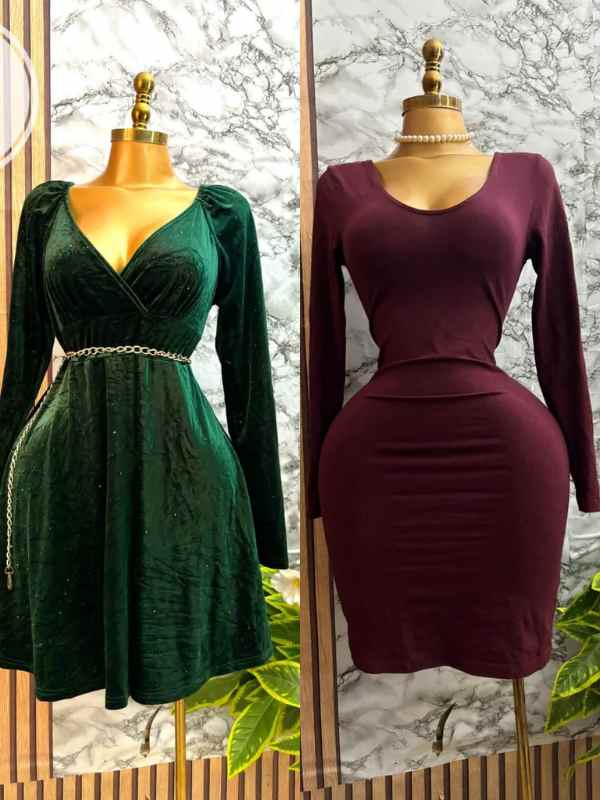
Expanding into fashion resale? Top-Selling Clothes for Thrift Business in Nigeria (What Moves Fast) helps you understand which clothing items consistently attract buyers and generate steady sales.
Pricing & Realistic Expectations
Before any of the projects above make it onto your table, they need a price that actually covers what they cost to make, not just materials, but the time behind them too. This is where a lot of vendors lose money without realizing it.
A 2024 survey of craft fair vendors found that over 60% weren’t factoring in their labor costs when setting prices, which means a candle that looks profitable on paper can quietly cost more to make and sell than it brings in.
A simple way to check your pricing: add up materials, a fair hourly rate for your time, a share of your overhead (booth fee, travel, packaging), and then a profit margin on top. If a project doesn’t leave room for all four once you do the math, the price needs to go up, not the corners you cut.
A few honest expectations worth setting before your first fall fair:
- Higher-ticket items like the harvest décor pieces above will sell less often than the candles or hair bows, and that’s normal. Fewer sales at a higher price can still add up to more revenue than a table full of $8 impulse buys.
- Not every project will perform the same at every fair. A family-friendly community market and a smaller juried show will respond differently to the same inventory, so it’s worth paying attention to what actually sells at your specific events rather than assuming last year’s bestseller will repeat.
- A reasonable goal is selling through roughly half to two-thirds of what you bring, not everything. Selling out completely at every fair usually means the price was too low for what the piece was worth.
None of this needs to be perfect on the first attempt. Tracking what sells, at what price, at which fair gives a clearer answer over a season or two than any general guide can.
Turning your free time into extra income is easier than you might think with 7 Surprising Hobbies That Could Actually Make You Cash, where you’ll discover creative skills that have real earning potential.
Conclusion
Fall doesn’t ask for more effort than any other season, it asks for better timing. The vendors who do well aren’t necessarily the most skilled; they’re the ones who matched their table to what shoppers actually want this time of year.
That’s the whole point behind these fall craft fair project ideas: not a random list, but a set of projects picked for a reason.
Pick two or three from the categories above, run the numbers on what they’ll actually cost you to make, and test them at your next fair. You might be surprised which one sells out first.
This guide talked on: What to Make and Sell This Fall: 25 Fall Craft Fair Project Ideas Shoppers Buy on Impulse.