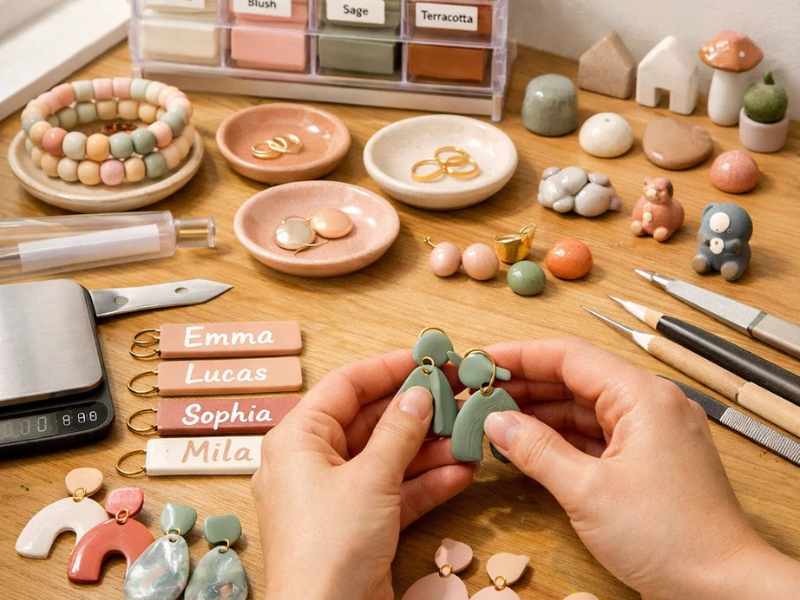
Not sure what sells? Learn polymer clay crafts to make and sell from home with simple beginner projects that turn creativity into real income.
Most people come across polymer clay crafts and think, this looks cute… but can I actually make something like this and sell it?
That question is usually where everything stops.
Not because it’s hard to start, but because it’s hard to know what is actually worth making. There are so many ideas online, yunno, tiny figurines, detailed sculptures, random DIY projects, but not all of them are beginner-friendly, and more importantly, not all of them are things people are willing to pay for.
I remember getting interested in polymer clay and feeling stuck in that exact place. Everything looked beautiful, but I couldn’t tell what was realistic to start with or what would actually sell if I took the time to make it. It felt like I needed more skill, more tools, or more experience than I had.
But the truth is, you don’t need all of that to begin.
What you do need is clarity, knowing which polymer clay crafts are simple enough to make as a beginner and still valuable enough that someone would want to buy them.
This post focuses on exactly that. Not just ideas, but 12 polymer clay crafts you can make and sell from home that are practical, beginner-friendly, and based on what people actually buy, not just what looks good online.
By the end, you’ll have a clear starting point and a better sense of what’s worth your time, so you’re not just creating randomly, you’re creating with purpose.
If you want a beginner-friendly project that teaches you how to create clean, professional results at home, this guide on How to Make Scented Candles at Home That Look and Smell Professional– Step-by-Step Guide is a great place to start.
What Is Polymer Clay (And Why It’s Beginner-Friendly)?
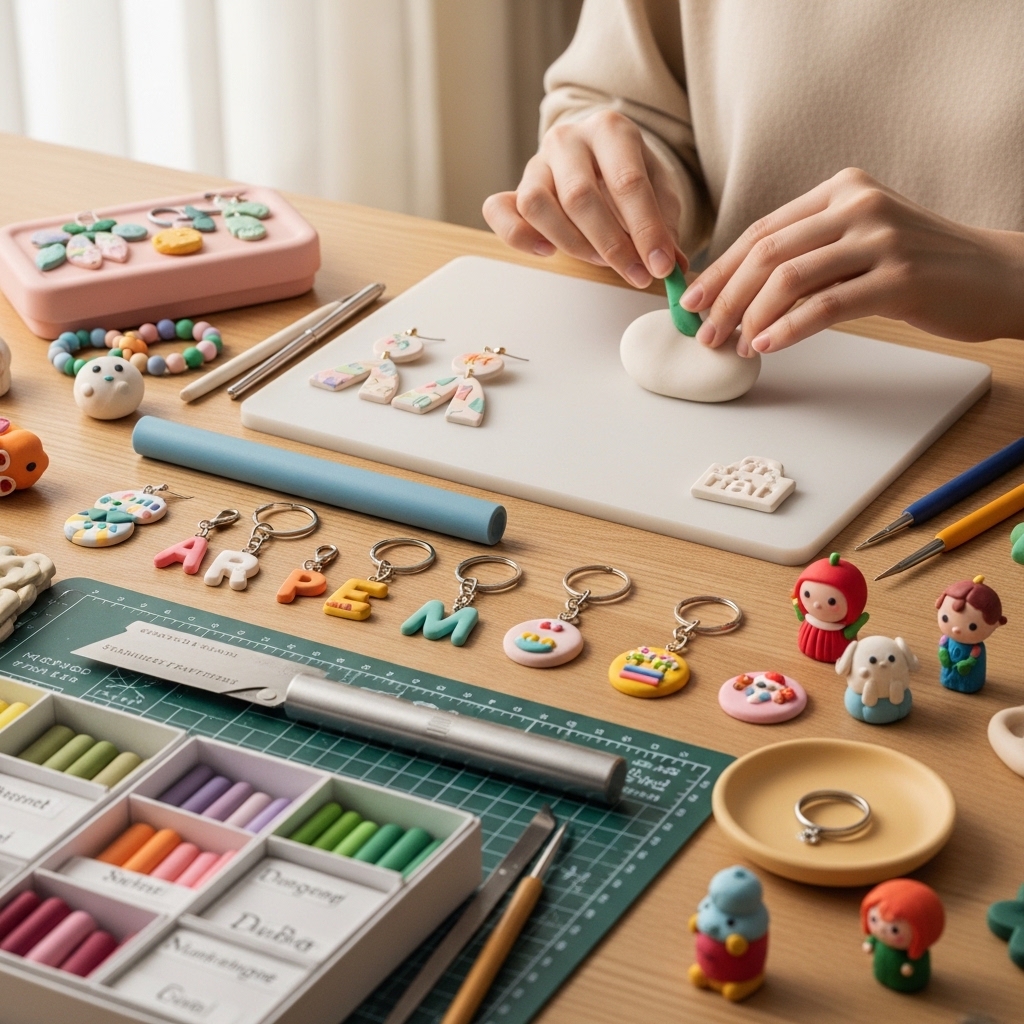
Polymer clay is a soft, moldable material that you can shape with your hands and then harden by baking it in a regular oven.
It’s not like natural clay that needs a kiln. Once baked, it becomes firm, slightly flexible, and durable enough for everyday items like jewelry, keychains, and small decor pieces.
That’s one of the reasons it’s ideal for beginners, because you don’t need expensive equipment to get started. With just a few basic tools and an oven, you can start making polymer clay crafts to make and sell right from home.
Anyone starting from scratch will find it easier to build confidence with this simple breakdown on How to Start Embroidery as a Beginner -Step-by-Step Guide for Complete Beginners.
What Actually Sells (Before You Start Making Anything)
Before you start creating anything, it helps to understand one simple truth: not everything that looks cute will sell.
A lot of beginners spend time making random designs they like, only to realize later that there’s no real demand for them.
That’s why knowing what works before you start makes a big difference, especially if your goal is to create polymer clay crafts to make and sell, not just for fun.
What Actually Sells (and why)
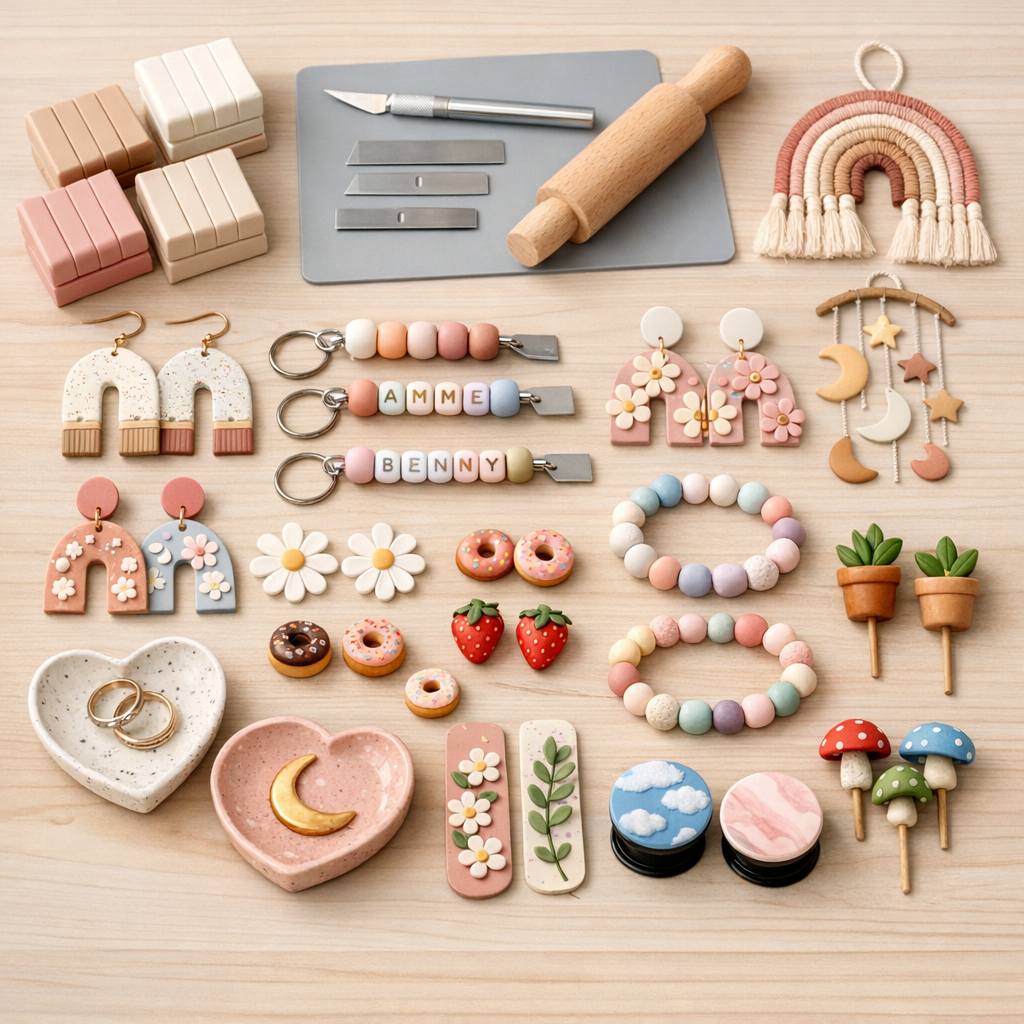
When it comes to polymer clay crafts to make and sell, the pieces that do well usually fall into three simple categories:
- Everyday Use Items
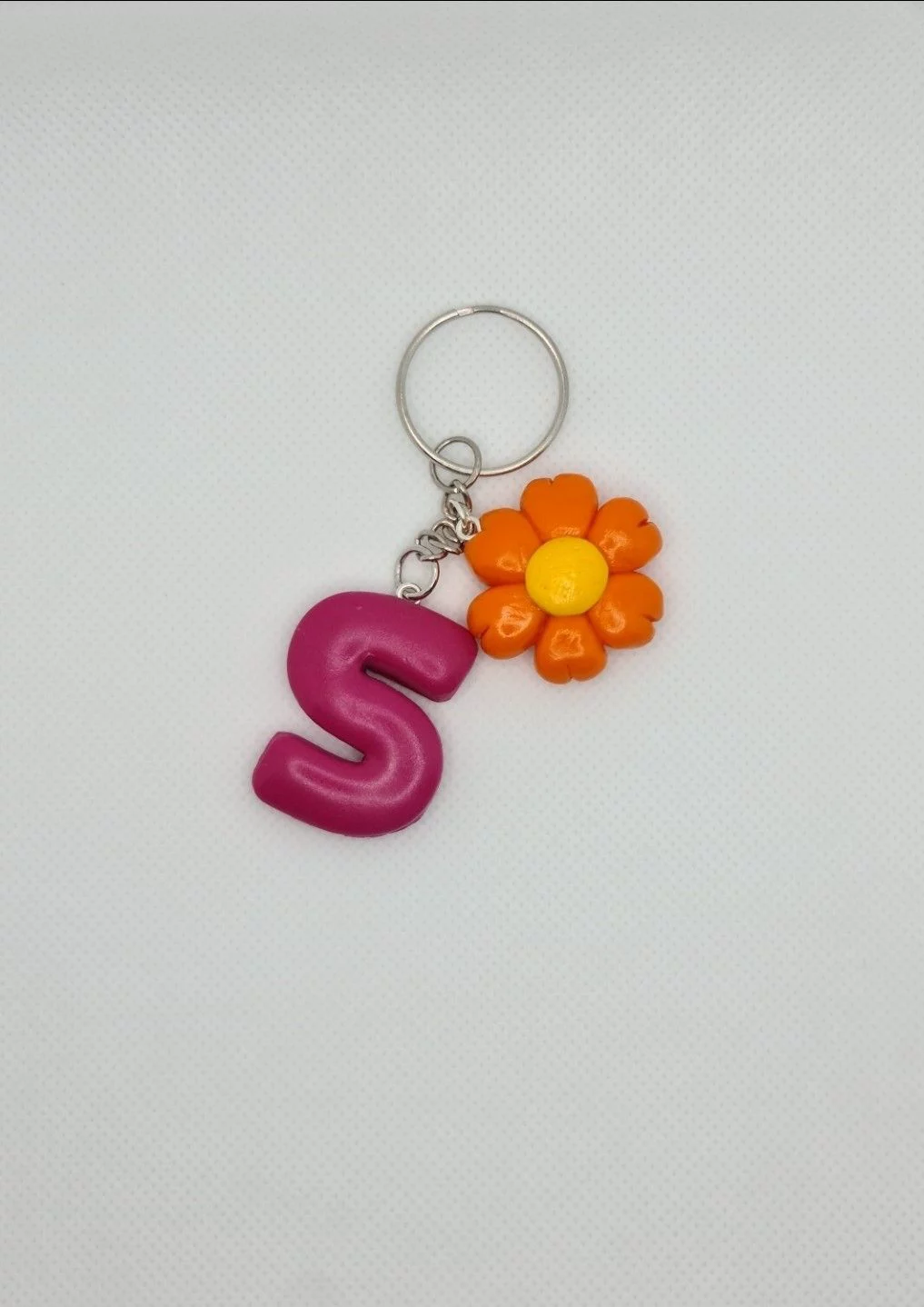
People are more likely to buy something they can use regularly, not just admire. - Personalized Products
Items that feel custom (names, initials, colors) naturally have higher value. - Trend-Based Designs
Styles that match what people are already wearing or using tend to sell faster.
Easy Polymer Clay Crafts That Actually Sell
These are some of the most reliable polymer clay crafts to make and sell because they combine simplicity with demand:
- Jewelry (especially earrings)
Lightweight, trendy, and easy to produce in batches - Keychains
Simple to make, highly customizable, and great for gifting - Mini charms
Popular for accessories like bags, phones, and planners - Functional items (ring dishes, bookmarks)
Practical pieces people can use daily
For fun and mess-free creative activities that kids can enjoy without stress, these 13+ Pipe Cleaner Crafts for Kids That Are Simple, Fun, and Completely Mess-Free are perfect.
Polymer Clay Crafts You Can Make and Sell from Home
1. Clay Bead Bracelets and Necklaces
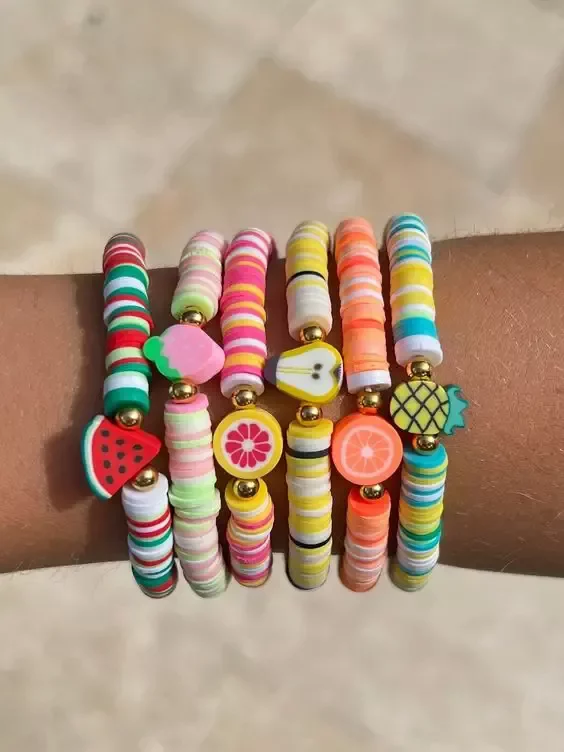
Clay bead bracelets and necklaces are one of the easiest polymer clay crafts to make and sell because they don’t require complex shaping—just simple rolling, forming, and assembling.
What makes this craft beginner-friendly is how repetitive and simple the process is. You roll small beads from polymer clay, create consistent shapes, bake them, and then string them into bracelets or necklaces. Even with basic skills, the results can still look polished when done neatly.
Another advantage is how much room there is for variation. You can mix colors, experiment with patterns, or create themed sets like neutrals, pastels, or bold color blocks. This makes it easy to create unique designs without needing advanced techniques.
They also work especially well as sets and bundles, which increases their value when selling. For example, matching bracelet sets or coordinated necklace collections feel more complete to buyers and often sell better than single pieces.
Why It Sells:
People love lightweight, customizable jewelry they can stack, gift, or match with outfits.
Because of their simplicity and flexibility, clay bead jewelry remains one of the most consistent polymer clay crafts to make and sell from home, especially for beginners building their first product line.
Before starting any DIY project, it helps to know the essentials—this guide on 15 Must-Have Crafting Tools Beginners Often Forget – That Make DIY Projects Easier covers exactly that.
2. Statement Earrings
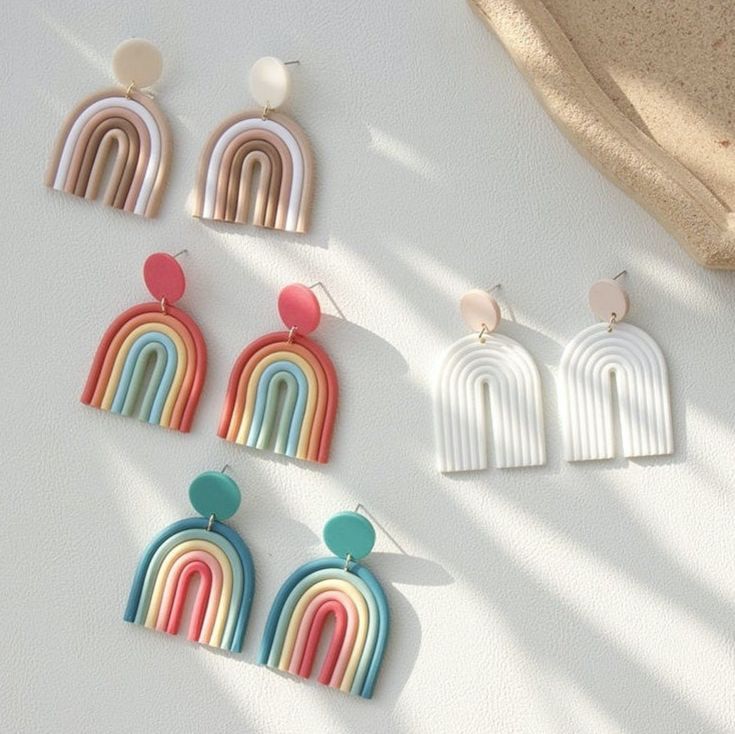
Statement earrings are one of the easiest and most popular polymer clay crafts to start with. They’re lightweight, easy to shape, and don’t require overly complex skills to get a clean, polished result.
What makes them stand out is how flexible the designs can be. You can create simple shapes like arches and circles, or explore more detailed styles like florals and abstract patterns without needing advanced techniques.
They’re also ideal if you want to make multiple pieces at once. You can cut several shapes from the same clay slab, bake them together, and turn them into a full collection in one go. This makes them practical for selling, not just creating.
Why It Sells:
People are always looking for unique, handmade accessories they can wear daily or pair with outfits. Statement earrings feel personal, stylish, and different from mass-produced jewelry, which makes them one of the most reliable polymer clay crafts you can make and sell from home.
4. Miniature Food Charms
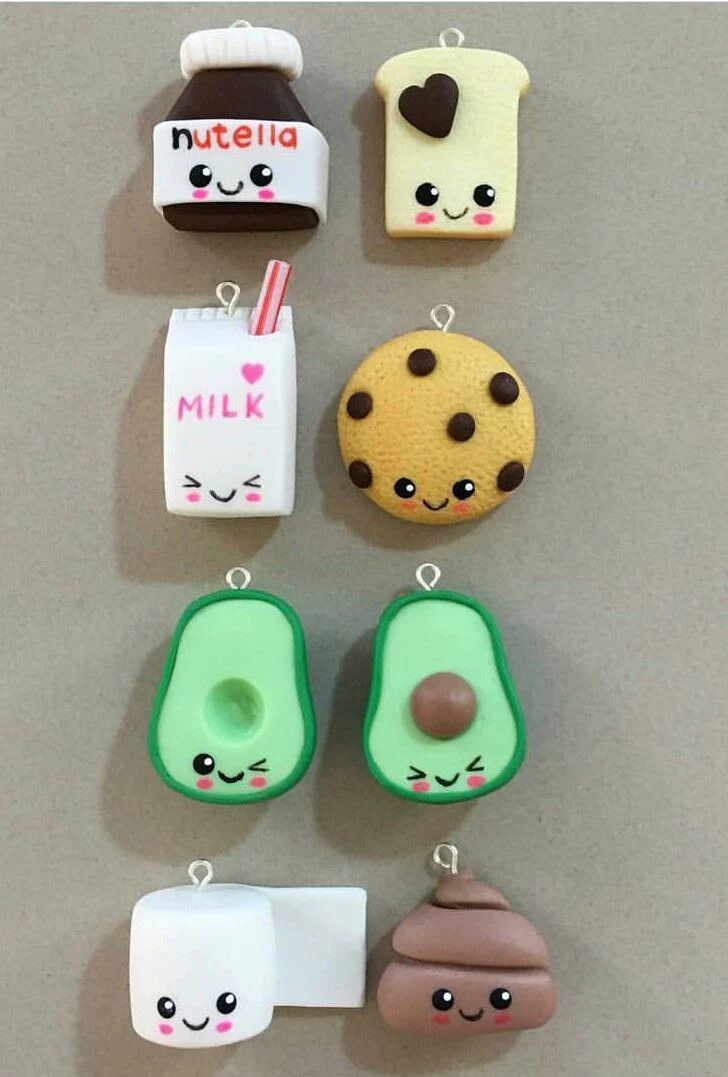
Miniature food charms are small clay pieces shaped like tiny snacks, fruits, desserts, or meals. They are designed to be cute, detailed, and visually appealing, which makes them stand out immediately.
They are very versatile because they can be attached to different products like keychains, phone charms, zipper pulls, or even bag accessories. This gives you multiple ways to sell the same design without changing much in production.
Even as a beginner, you can start with simple shapes like strawberries, cookies, or donuts before moving into more detailed designs. The key is keeping them neat, colorful, and consistent in size so they look intentional and well-made.
Why It Sells:
People are drawn to miniature food charms because they are fun, nostalgic, and highly collectible. They also perform well on social media because of their cute appearance, which increases interest and engagement when selling handmade products.
5. Ring Dishes (Trinket Trays)
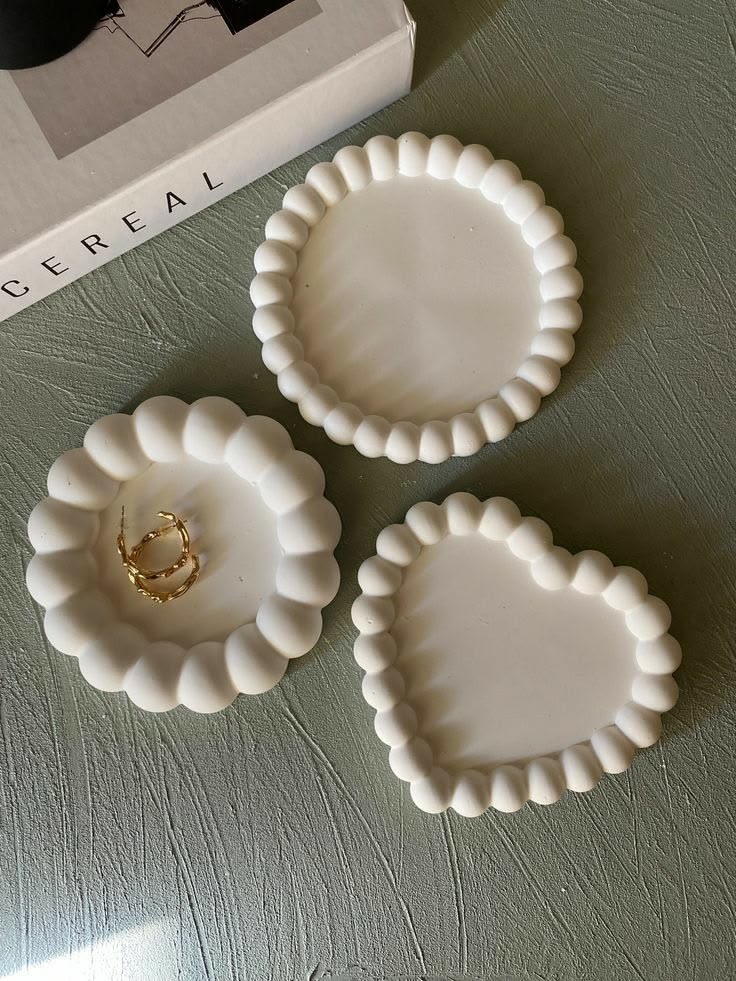
Ring dishes, also known as trinket trays, are one of those simple clay items that feel both useful and decorative at the same time. They are small dishes designed to hold rings, earrings, keys, or other tiny accessories people often misplace.
What makes them appealing is how easy they are to make. You typically start with a basic shape like a circle, oval, or organic wavy edge, then smooth and decorate the surface with colors, patterns, or subtle textures.
Even beginners can create clean, polished-looking pieces with minimal effort.
They also fit perfectly into home decor and gift categories, which increases their value. A well-made trinket tray can easily be styled on a bedside table, vanity, or desk, making it both practical and visually pleasing.
Why It Sells:
People buy ring dishes because they are functional and aesthetic at the same time. They feel thoughtful as gifts and useful in everyday life, which makes them one of the more consistent small products people look for when shopping for handmade clay items.
7. Fridge Magnets
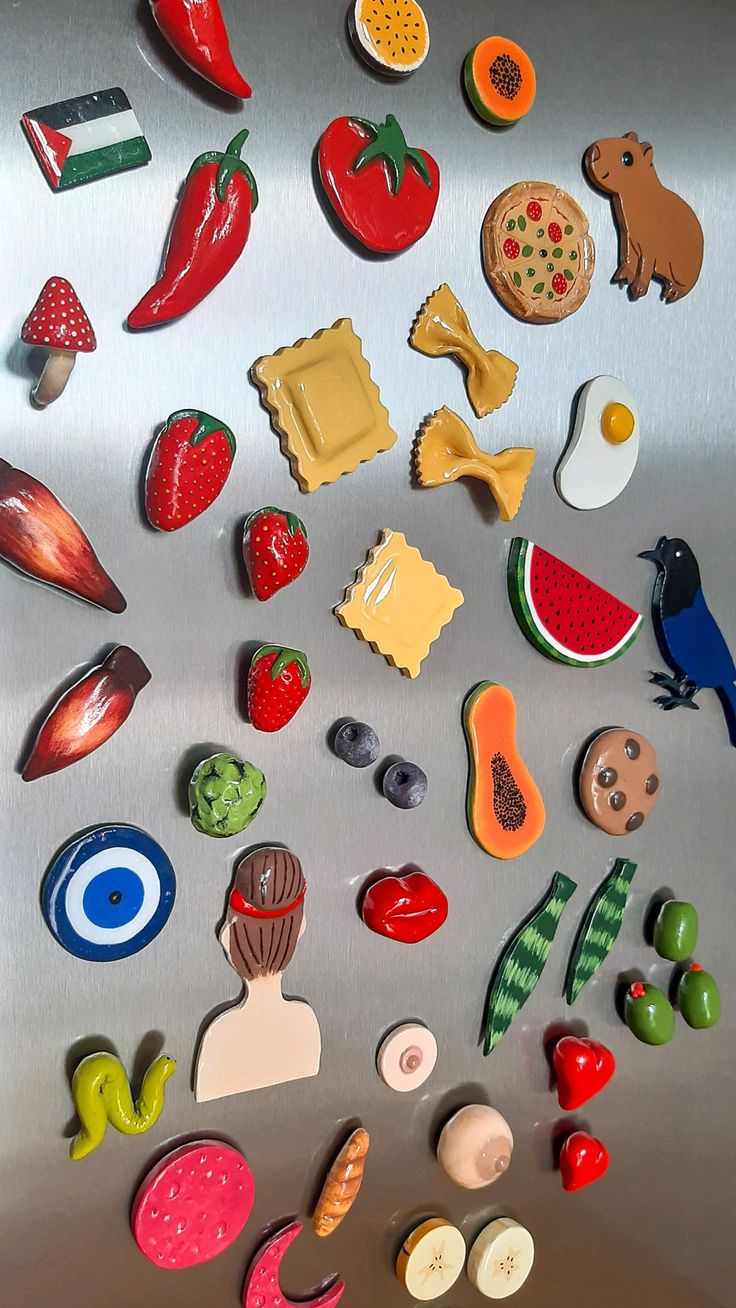
Fridge magnets are one of the simplest and most practical polymer clay crafts to make and sell from home because they don’t require complex shaping or long production time. They are small, easy to handle, and perfect for beginners who want to start making products quickly.
What makes them even more appealing is how flexible the designs can be. You can create seasonal themes like Christmas, Easter, or Valentine’s Day, or go with everyday designs like flowers, fruits, or tiny characters. This makes it easy to keep your products fresh and relevant throughout the year.
They are also ideal for bulk production. Once you create a design you like, you can replicate it several times in one sitting, which helps you build stock faster without adding extra difficulty.
Why it sells:
People enjoy small decorative items that add personality to everyday spaces like kitchens or offices. Fridge magnets are affordable, giftable, and easy to collect, which makes them a steady option when exploring polymer clay crafts to make and sell from home.
If sustainability matters to you, these Eco-Friendly DIY Projects for Sustainable Living at Home That Save Money and Time combine creativity with practical living.
9. Plant Pot Decorations
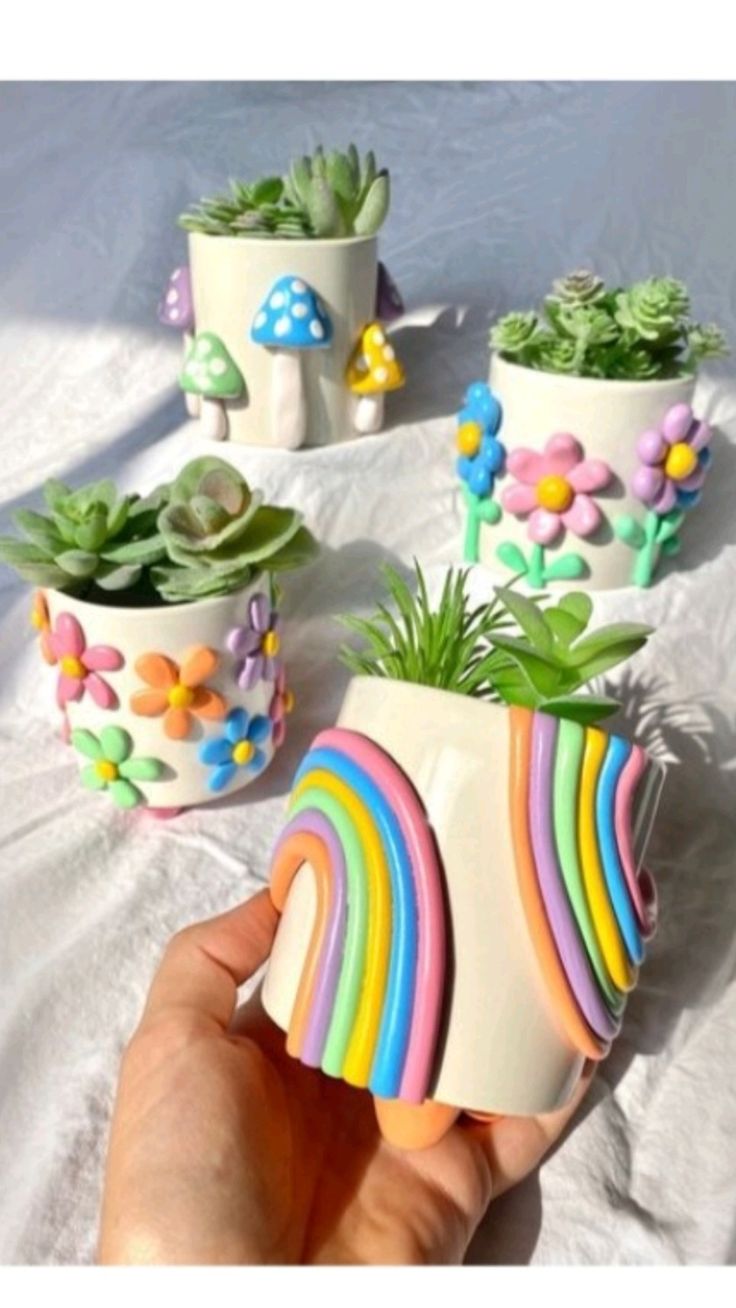
Plant pot decorations are small polymer clay pieces designed to sit on or around plant pots, adding a playful or aesthetic touch to indoor plants. They are part of a growing niche that connects handmade crafts with home decor and plant styling.
These decorations are usually simple to make and don’t require advanced sculpting skills. Beginners often start with basic shapes like mushrooms, tiny animals, flowers, or abstract figures that can be easily attached or placed into soil or pot edges.
You can also experiment with color themes that match popular home decor styles like earthy tones, pastel sets, or minimal neutrals. This helps your pieces blend naturally into modern indoor plant setups.
Why It Sells:
Plant lovers enjoy adding personality to their pots, and small decorative pieces make their plants feel more unique and styled. Because indoor gardening is becoming more popular, these items continue to gain attention as creative and affordable decor pieces.
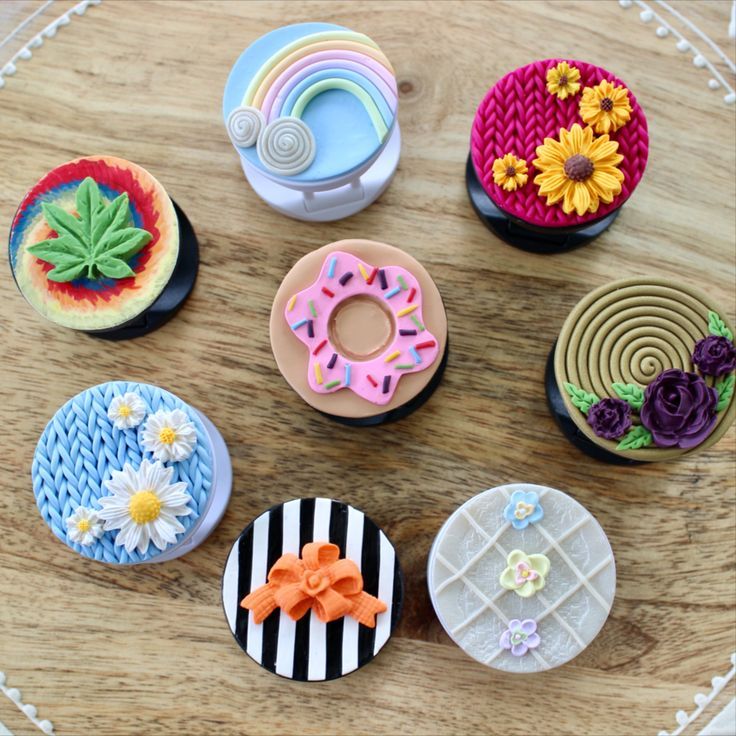
Photo credit: @ tinyforestdecor
Video credit: @ sweetlifediy
Materials You Need for Polymer Clay Crafts
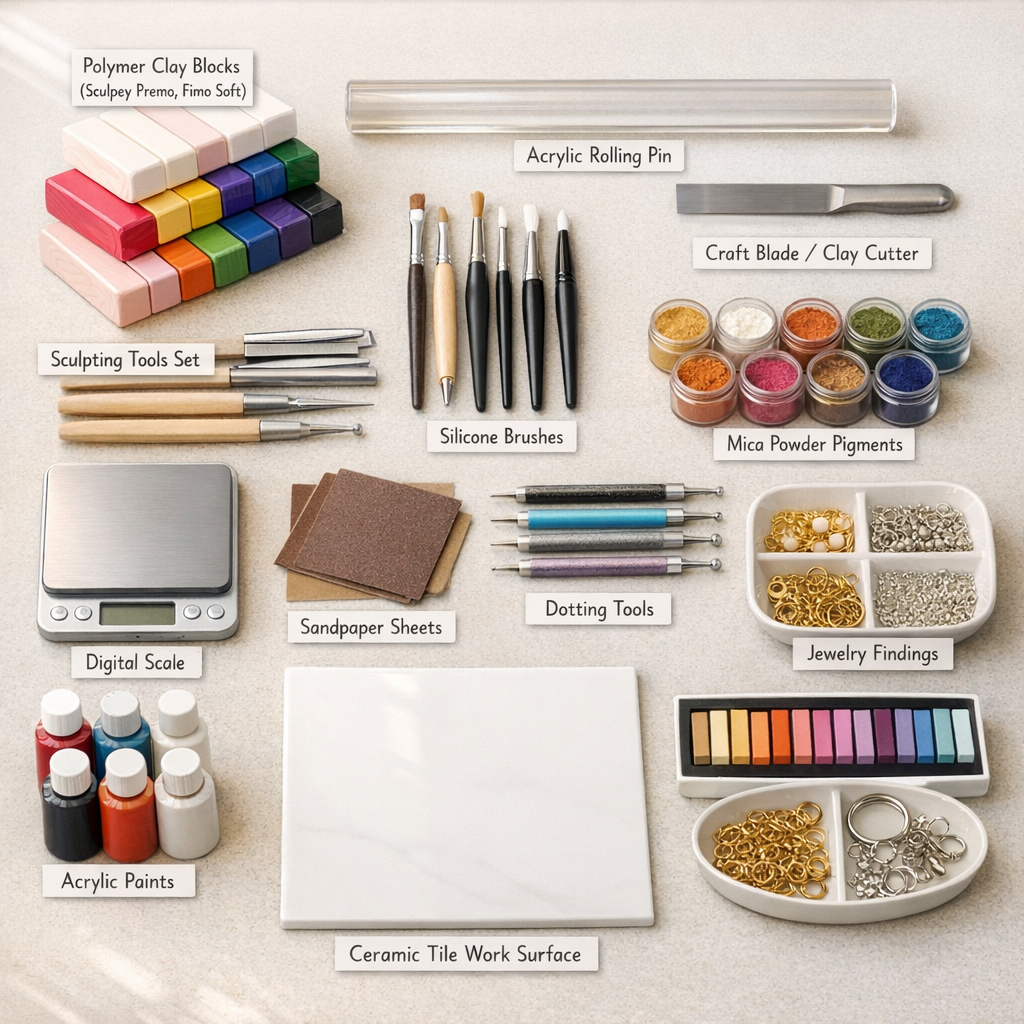
Starting polymer clay crafts doesn’t require a long list of expensive tools. You only need a few basic materials that help you shape, bake, and finish your pieces properly.
1. Polymer Clay (Main Material)
This is the base material used to create all your designs. It is a soft, moldable clay that hardens when baked in an oven.
- Best types: Sculpey Premo, Fimo Soft, Cernit
- Used for: earrings, keychains, charms, figurines, home décor pieces
2. Coloring Materials
These are used to create or adjust colors in your designs:
- Pre-coloured polymer clay (easiest for beginners)
- Acrylic paint (for mixing or adding details after baking)
- Mica powders / pigments (for shimmer, metallic, or luxury finishes)
- Soft pastels (for subtle, blended color effects)
3. Craft Blade / Clay Cutter
A sharp tool used to cut clean shapes and edges from rolled clay. It helps you create precise designs like earrings, geometric shapes, and keychain bases.
4. Acrylic Rolling Pin
Used to flatten clay evenly before shaping. It ensures your pieces have consistent thickness and smooth surfaces.
5. Sculpting Tools (Detailing Tools)
Small tools used to add texture, curves, patterns, and fine details to your designs. They help make your work look more polished and professional.
6. Silicone Brushes / Dotting Tools
Used for smoothing surfaces, blending edges, or adding small decorative dots and details.
7. Home Oven (Oven-Bake Clay Only)
Used to harden polymer clay permanently. A regular kitchen oven works perfectly—no kiln needed.
8. Digital Scale (Optional but Helpful)
Used to measure equal portions of clay, especially when making matching sets like earrings or bracelet beads.
9. Sandpaper or Nail Buffers
Used after baking to smooth rough edges and improve the final finish of your pieces.
10. Jewelry Findings (for selling products)
If you’re making wearable items, you’ll need:
- Earring hooks
- Jump rings
- Eye pins
- Necklace chains
- Keychain rings
11. Work Surface
A smooth, clean surface like:
- Ceramic tile
- Glass board
- Silicone mat
This prevents clay from sticking and helps with clean shaping.
What Makes a Polymer Clay Product Actually Sell
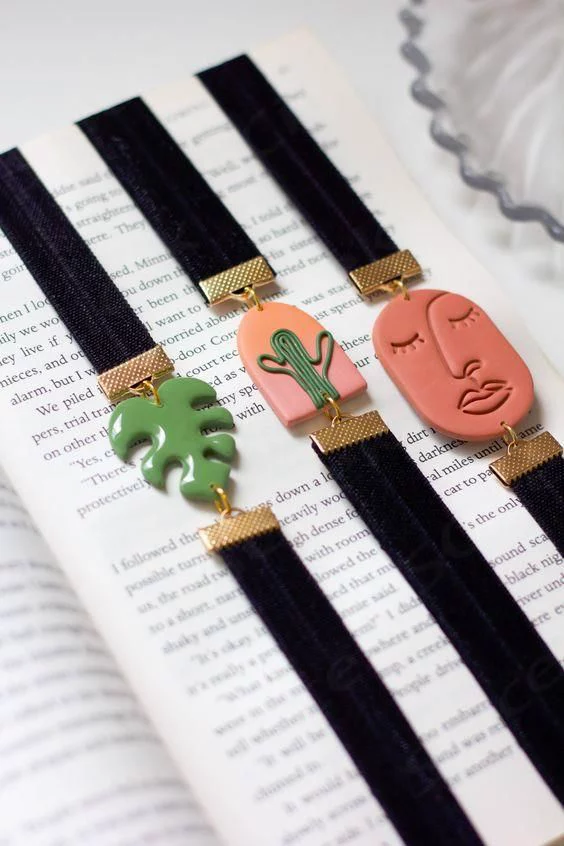
If you want your work to sell, it’s not just about making something cute, it’s about how finished and intentional it looks in the end. Buyers can immediately tell the difference between something rushed and something that feels polished and ready to use or gift.
✔ Clean Finishing matters most
This is one of the first things people notice.
- No fingerprints on the surface
- Smooth edges with no rough cuts
- Clean joins where pieces are attached
Even simple designs look more valuable when they are neat and well-finished.
✔ Color Combinations make a big difference
Color choice can completely change how your product is perceived.
- Well-matched colors look intentional and stylish
- Random mixing can make even good designs look messy
- Simple palettes often sell better than overly complicated ones
It’s not about using many colors, it’s about using the right ones together.
✔ Consistency builds trust
When someone is thinking of buying, they want to see reliability.
- Products should look similar if they are part of the same set
- Sizes should be consistent
- Shapes should feel uniform and intentional
Consistency makes your work feel more professional, even if it’s handmade.
When you want to create something thoughtful without breaking the bank, these DIY Gift Ideas for Friends When You Have No Money That Still Feel Special show how simple materials can still feel meaningful.
Conclusion
You don’t need to master everything at once, what matters most is starting with just one simple polymer clay crafts to make and sell product and building from there.
Each batch you make teaches you something new, whether it’s better shaping, cleaner finishing, or more consistent designs. Over time, those small improvements add up.
The truth is, selling isn’t about being perfect from the beginning. It comes from showing up consistently, refining your work, and getting better with practice.
If this helped you, save this post, share it, or start with your first polymer clay craft today.
Frequently Asked Questions
1. Why do my polymer clay pieces crack after baking?
This usually happens when the clay is either overbaked, underbaked, or rolled too thin in certain areas. Uneven thickness causes stress during baking, which leads to cracks even if the design looked fine before going into the oven.
2. How do I stop fingerprints and dust from showing on polymer clay?
Fingerprints and dust are very common, especially for beginners. They appear when the clay is overhandled or worked in a dusty environment. Even small pressure from fingers can leave marks that become visible after baking.
3. Why is my polymer clay still soft after baking?
If your clay stays soft, it usually means it wasn’t baked long enough or at the correct temperature. Each brand has specific baking instructions, and even a slight temperature difference can affect how fully the clay hardens.
4. How do I prevent polymer clay from breaking when I attach small parts?
Breakage often happens when pieces are joined without proper bonding techniques. If small parts aren’t securely attached before baking or reinforced correctly, they can separate easily after cooling.
5. What causes polymer clay to look dull after baking instead of smooth?
A dull finish usually comes from improper surface smoothing before baking or not conditioning the clay properly. The texture of the clay before baking directly affects how polished it looks afterward.