Find out why you’re probably not getting clients for your sewing business — even though you’re skilled and how to fix it with simple steps to attract and convert paying clients.
You’ve made pieces you’re genuinely proud of.
The finishing is neat, the fit is right, and every new project shows how much you’ve improved.
People notice it too.
They compliment your work. They admire your designs. Sometimes they even ask questions.
But when it comes to actually getting clients?
The conversations don’t go anywhere.
People ask for your price… then disappear.
You’re left wondering why it feels so hard to turn interest into real bookings.
And at some point, the doubt creeps in quietly.
Maybe it’s your prices.
>Maybe your work isn’t as good as you thought.
>Maybe you’re doing something wrong, you just can’t see it yet.
Well
What if the problem isn’t your skill… and not even the obvious things you’ve been trying to fix?
Because the truth is, a lot of skilled sewists stay stuck not because they’re untalented, but because of a few hidden gaps that quietly push clients away without them realizing it.
And once you see them, you can’t unsee them.
In this post, we’re breaking down those less obvious blockers, the ones that make the difference between being admired… and actually getting paid.
Many talented sewists struggle to earn consistently at home —Struggling to Make Money From Home Sewing? Launch a Profitable Sewing Side Hustle shows exactly how to turn your skills into paying clients.
Why You’re Probably Not Getting Clients for Your Sewing Business — Even Though You’re Good
1. You Built a Skill… But Not a Client Path
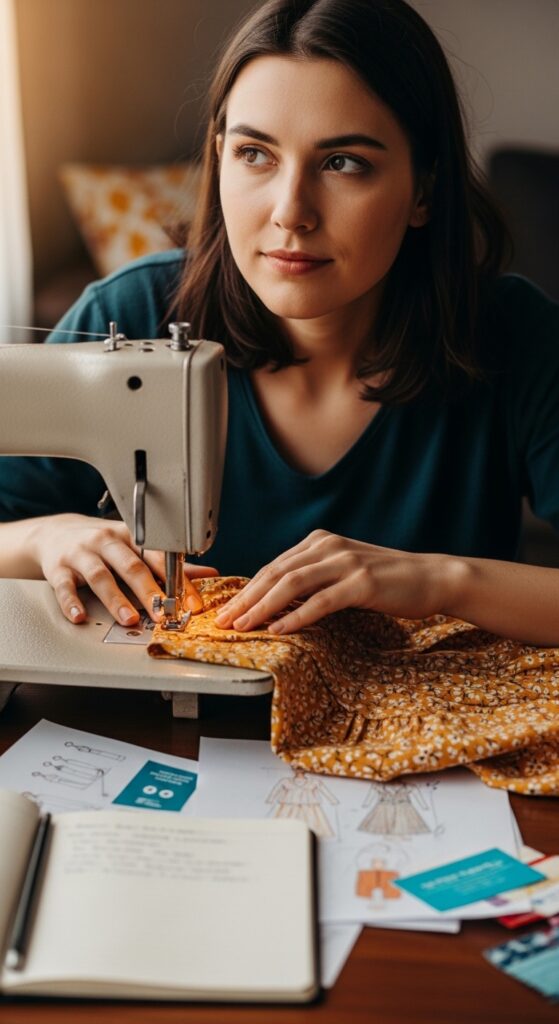
Most sewists spend months, even years, getting better at the craft.
You learn how to cut cleaner.
>You improve your finishing.
>You fix mistakes faster than you used to.
And naturally, you expect that as your skill improves… clients should follow.
But that’s not how it works.
Because while you were learning how to sew, you were never really shown how people buy sewing.
You built a skill.
But you didn’t build a path that leads someone from discovering you… to confidently paying you.
Right now, your process probably looks like this:
Someone sees your work.
They like it.
Maybe they even send a message.
And then everything slows down.
They ask a few questions.
You respond.
There’s a bit of back and forth…
…and then nothing.
Not because they didn’t like your work.
But because there was no clear movement forward.
Here’s the thing:
Clients don’t just pay for skill.
They pay for clarity, confidence, and ease.
- Clarity: What exactly am I getting?
- Confidence: Can I trust this person to deliver?
- Ease: Is this going to be simple or stressful?
When any of these are missing — even slightly — people hesitate.
And hesitation is where most sales quietly die.
What this looks like in real life:
- Your prices are not clearly structured
- Your process isn’t explained
- Clients don’t know what happens after they say “I’m interested”
- You’re answering questions… but not leading them anywhere
So instead of feeling guided, they feel like they have to figure things out themselves.
And most people won’t.
They’ll either:
- delay the decision
- keep “looking around”
- or go with someone who feels easier to work with
—even if that person isn’t more skilled than you.
The shift that changes everything:
You don’t need to become better at sewing right now.
You need to become easier to buy from.
That means creating a simple, clear path:
“If you want to work with me, here’s exactly what to do.”
Not in a complicated or overly polished way —
just in a way that removes confusion and builds trust.
Because when people feel guided, they move forward.
And when they move forward… that’s when skill finally turns into paid work.
Spending hours on confusing patterns? How to Find Sewing Patterns That Are Easy to Follow and Beginner-Friendly (Save Hours of Frustration) teaches you to pick the right ones so every project is smooth and enjoyable.
2. You’re Invisible in the Moments That Matter
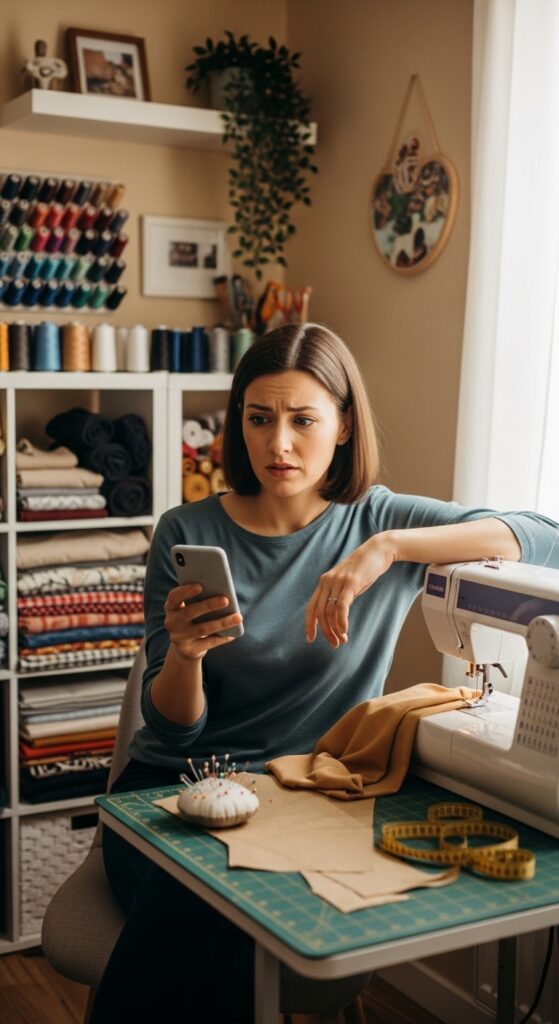
One of the biggest reasons behind why you’re not getting clients for your sewing business has nothing to do with how often you post.
It’s about when and how you show up.
Because here’s something we often don’t realize:
Clients don’t decide they need a sewist gradually.
They decide in a moment.
An event comes up.
An outfit idea clicks.
Something doesn’t fit right anymore.
And suddenly, they’re ready.
Now the real question is:
In that exact moment… where are you?
Are you:
- easy to find?
- top of mind?
- someone they’ve seen enough to trust?
Or are you someone they vaguely remember seeing once… but can’t quite place?
This is where most skilled sewists get it wrong
You’re showing your work — yes.
But you’re not showing up in the ways that make people choose you.
Because most content focuses on the final result:
A finished dress.
A clean outfit.
A polished look.
And while that gets attention… it doesn’t always build decision-making trust.
Here’s what actually influences a client’s choice:
Not just what you make — but how you work.
- The process: What happens from start to finish?
- The personality: What is it like to work with you?
- The trust signals: Have other people trusted you before? Did it go well?
These are the things people quietly look for before they commit.
And this is where invisibility happens
If people only see your finished work, they may admire you…
…but they don’t fully know you.
And when it’s time to choose someone, they go with:
- the person who feels familiar
- the one they’ve seen consistently
- the one who seems easiest to approach
Not necessarily the most skilled.
The uncomfortable truth:
You’re not being ignored.
You’re just not present in the decision moment.
That’s the gap.
And it explains a big part of why you’re not getting clients for your sewing business, even when your work is genuinely good.
The shift you need to make:
Stop focusing only on being seen.
Start focusing on being remembered and trusted at the right time.
That means:
- showing more of your process
- letting people see how you interact and think
- giving them enough familiarity to feel comfortable choosing you
Because when someone is ready to book, they don’t start from scratch.
They choose from who’s already in their mind.
And the goal is simple:
Make sure that person is you.
If your projects keep failing because of skipped stitches, check out Why Your Sewing Machine Keeps Skipping Stitches (And 7 Easy Fixes That Work Fast) to fix them quickly and save hours of frustration.
3. You’re Waiting for Clients to Decide — Instead of Guiding Them
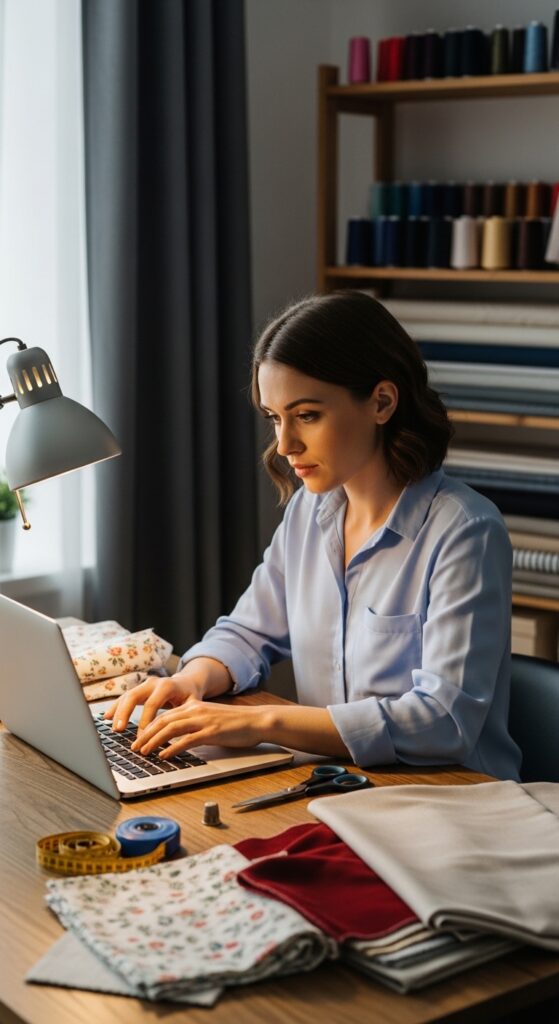
A subtle but powerful reason behind why you’re not getting clients for your sewing business is this:
You’re stepping back at the exact moment you should be stepping in.
Most sewists are polite, responsive, and helpful.
>You answer questions. You explain your prices. You reply on time.
But after that?
You wait.
You wait for the client to decide.
>You wait for them to confirm.
>You wait for them to come back.
And many times… they don’t.
Not because they’re not interested —
but because no one helped them move forward.
What’s really happening on the client’s side
When someone reaches out, they’re rarely 100% sure.
They’re thinking things like:
- “Is this the right person for me?”
- “What if it doesn’t come out well?”
- “Should I check other options first?”
So they ask a few questions to feel things out.
But here’s the problem:
If all they get are answers… without direction,
they’re left exactly where they started — unsure.
And when people feel unsure, they delay.
Or disappear.
Why being “just responsive” isn’t enough
Answering questions keeps the conversation going.
But it doesn’t close the gap between interest and action.
Clients don’t always know:
- what step to take next
- how to commit
- or what decision is best for them
So if you don’t guide them… they default to hesitation.
When clients care about fit, these ideas are gold —13 Flattering Outfit Ideas That Hide Belly Fat and Make Your Waist Look Smaller gives you practical inspiration for garments that impress.
The shift: from answering → guiding
Instead of stopping at information, start leading the conversation.
Not in a pushy way — but in a clear and confident way.
Here’s what that looks like in practice:
✔ Give them a clear next step
Don’t end with:
“Let me know if you’re interested.”
End with:
“If you’d like to go ahead, I can book your slot for this week and we’ll start with your measurements.”
This removes the mental work of “what do I do next?”
✔ Help them choose, not just decide
If they’re unsure, guide them:
“Based on what you described, I’d recommend this style — it will suit your body shape better and be more comfortable for your event.”
This builds trust and positions you as the expert
✔ Reduce their fear of getting it wrong
Say things like:
“I’ll guide you through each step, so you don’t have to worry about getting anything wrong.”
Reassurance = confidence to move forward
✔ Set gentle direction instead of open-ended replies
Instead of:
“What would you like?”
Try:
“We can either go with this option or this — I’d suggest this one for what you need.”
People respond better to guided choices than open questions
The real difference this makes
When you guide:
- conversations feel easier
- decisions happen faster
- clients feel taken care of
And most importantly…
They don’t feel like they’re figuring things out alone.
The truth most people don’t realize
Clients are not just looking for someone who can sew.
They’re looking for someone who can lead them through the process with confidence.
And when you become that person, you stop chasing clients…
and start converting the ones already coming to you.
Picking the wrong fabric can ruin even the best sewing project — Understanding Fabrics for Sewing: Choosing the Right Material for Every Project helps you choose materials like an expert.
4. Your Value Is Clear to You — But Not Obvious to Them
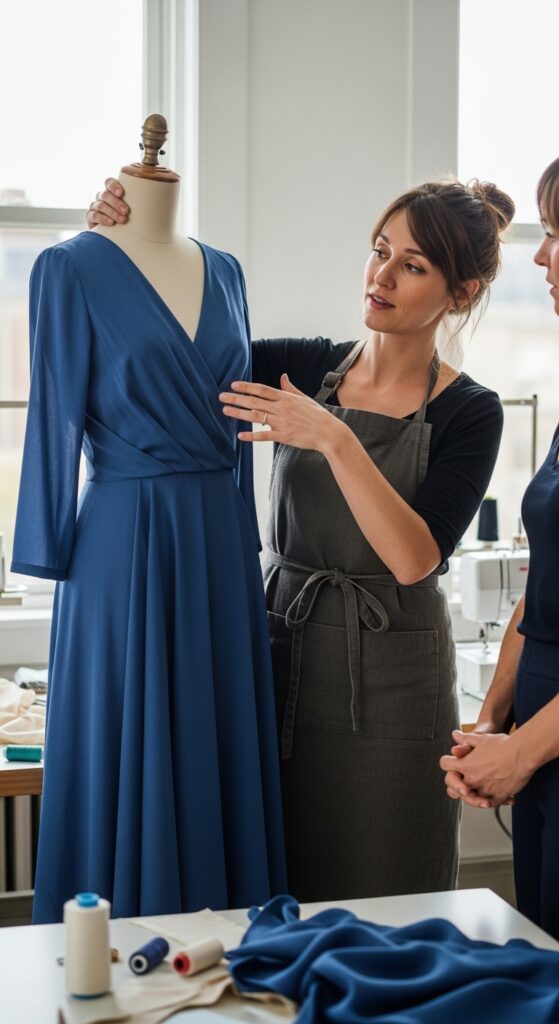
One of the most overlooked gaps in a sewing business is this:
You understand your value deeply…
but your clients don’t see it the same way.
And not because they don’t care —
but because no one has shown them what to look for.
Here’s the disconnect
When you look at your work, you see:
- clean, professional finishing
- a well-balanced fit
- thoughtful fabric choices
- attention to detail that took time to master
But when a client looks at that same piece?
They often just see… a dress.
Not the process.
>Not the precision.
>Not the decisions behind it.
Just the final result.
Why this matters more than you think
People can only value what they understand.
If the difference between your work and someone else’s isn’t obvious to them, they won’t assume it exists.
So when it’s time to choose, they fall back on the easiest comparison they know:
price
Not because they want the cheapest option —
but because it’s the only clear factor they can measure.
The silent mistake
Many sewists assume:
“If my work is good, people will see it.”
But skill doesn’t speak for itself.
It needs to be translated.
Stocking the right items can make or break your thrift business — Top-Selling Clothes for Thrift Business in Nigeria (What Moves Fast) reveals what really sells and attracts buyers quickly.
The shift: make your value visible
Instead of just showing what you made, start showing what went into it.
Let people see the difference they can’t naturally spot.
✔ Break down your work in simple terms
Instead of only posting the final outfit, explain things like:
- why you chose that fabric
- how you adjusted the fit for comfort
- what you did to make it last longer
This helps clients see what they’re paying for
✔ Highlight the details they would normally miss
Point out things like:
- inner finishing
- stitching quality
- how the outfit sits on the body
These are your competitive advantages — don’t leave them hidden
✔ Connect your skill to their real-life benefit
Don’t just show what you did — show why it matters:
- “This fit means you’ll be comfortable all day”
- “This structure helps the outfit hold its shape after multiple wears”
Now it becomes relevant, not technical
The difference this creates
When your value becomes clear:
- clients stop guessing
- trust increases naturally
- price becomes easier to justify
And instead of comparing you to everyone else…
they start seeing you as different
The truth to hold onto
You’re not overpriced.
You’re just not fully understood yet.
And once people understand the value behind your work,
they stop asking, “Why is it this much?”
They start asking, “How do I get this?”
Leftover fabric doesn’t have to go to waste — What to Do With Fabric Scraps: Sewing Hacks That Turn Leftovers Into Keep-Worthy Gifts shows how to create charming, useful pieces that wow clients.
5. You Don’t Have a Memory System — So People Forget You

There’s a quiet reason many skilled sewists struggle to get consistent clients.
It’s not lack of talent.
>It’s not even lack of interest.
It’s this:
You’re not being remembered.
Here’s how it usually plays out
Someone sees your work today.
They like it.
They might even think, “I’ll come back to this.”
Then life moves on.
Days pass.
Weeks go by.
And then suddenly, they need a tailor.
An event comes up.
An outfit idea comes to mind.
Something needs fixing.
And in that moment, they don’t start searching from scratch.
They go with whoever comes to mind first.
The hard truth
It’s not always the most skilled person that gets chosen.
It’s the most mentally available one.
The person they’ve seen recently.
The one that feels familiar.
The one that’s easy to recall without effort.
What this means for you
You’re not losing clients because they didn’t like your work.
You’re losing them because you didn’t stay in their mental space long enough.
And in a world where people are constantly seeing new things every day…
Being seen once is rarely enough.
The shift: from being seen → to being remembered
You don’t need to be everywhere.
But you do need to show up in a way that keeps you mentally present.
✔ Stay lightly visible (without overwhelming yourself)
This isn’t about posting constantly.
It’s about consistency in a way that feels natural:
- sharing your work regularly (even simple updates)
- showing small behind-the-scenes moments
- reminding people you’re still active
Familiarity builds memory
Stop paying for small fixes and do them yourself — 5 Clothing Alterations I Stopped Paying a Tailor For (DIY Made Easy) teaches simple alterations that save time and money.
✔ Give people a reason to come back to you
Don’t let the interaction end at admiration.
Create small touchpoints:
- “Save this for your next outfit idea”
- “Reach out when you’re ready — I’ll guide you through it”
You’re planting a future connection
✔ Keep past inquiries warm
Someone who asked once is already interested.
Don’t let that disappear.
A simple follow-up like:
“Hi, just checking in — are you still interested in getting this made?”
can bring conversations back to life.
Many people don’t say no — they just get distracted
✔ Make it easy to remember you
Clarity helps memory.
- a consistent style
- a clear focus (what you’re known for)
- a simple way to contact you
The easier you are to recall, the more likely you are to be chosen
The deeper truth
Getting clients isn’t always about convincing new people.
Sometimes it’s about not being forgotten by the ones who already noticed you.
What changes when you understand this
You stop relying on luck.
You stop hoping people will “come back.”
And you start building quiet, consistent presence — the kind that keeps you in people’s minds when it actually matters.
Because when the moment comes…
they won’t have to think twice about who to choose.
Ever struggle with DIY clothes that never fit right? DIY Clothes That Never Fit? My Brother Ruined His Clothes—Until He Tried These 7 Tailoring Hacks shares hacks that ensure perfect fit every time.
6. You’re Not Showing Enough of the “In-Between”
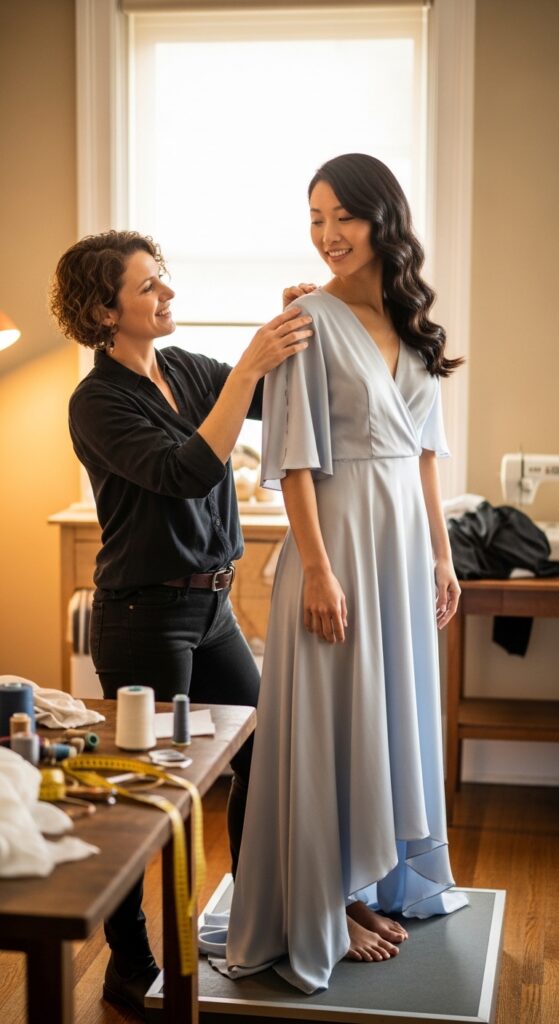
Another hidden reason behind why you’re not getting clients for your sewing business is this:
You’re only showing the final result…
and skipping everything that actually builds trust.
What your audience sees
A finished outfit.
Clean. Polished. Beautiful.
And while that gets attention, it leaves important questions unanswered.
Because in their mind, they’re thinking:
- Will it actually fit me the way I want?
- What if something goes wrong during the process?
- How do I even start working with you?
These are not small concerns.
They are the exact doubts that stop people from moving forward.
The missing piece: the “in-between”
Clients don’t just need proof that you can sew.
They need reassurance that the process is safe, clear, and handled.
And that reassurance comes from the parts most sewists don’t show:
- fittings
- adjustments
- corrections
- how you handle mistakes
- how you guide clients step by step
These “in-between” moments quietly answer the fears clients won’t always say out loud.
Why this matters more than the final result
A beautiful outfit creates admiration.
But a visible process creates trust.
And trust is what turns interest into bookings.
Without it, people hesitate — even if they love your work.
The shift: show what happens between start and finish
You don’t need to overcomplicate this.
Just start letting people see what working with you actually looks like.
✔ Share your process in simple, real ways
- short clips or photos of fittings
- before-and-after adjustments
- how you take measurements
- fabric selection moments
This makes your work feel real, not mysterious
✔ Talk through what you’re doing
Don’t just show — explain:
- “Here, I’m adjusting this so it fits better at the waist”
- “We had to fix this part to make it more comfortable”
This builds understanding and confidence
✔ Show how you handle issues
Perfection is not what builds trust — handling problems well does
- mention small challenges and how you solved them
- show corrections without fear
This reassures clients that they’re in safe hands
✔ Make your process feel easy and guided
Let clients know:
- what happens after they book
- how many fittings to expect
- how you support them throughout
Clarity removes hesitation
What changes when you do this
When people can see the “in-between”:
- their fears reduce
- their confidence increases
- they feel more comfortable choosing you
And suddenly, you’re no longer just someone who makes nice outfits…
you’re someone they can trust with their money and expectations
Know This
Clients don’t avoid booking because they doubt your talent.
They hesitate because they can’t see what happens around your talent.
And once you make that visible,
you remove one of the biggest hidden reasons why you’re not getting clients for your sewing business.
Old clothes don’t have to sit in a drawer — 15 Genius Ways to Upcycle Old Clothes Into Trendy New Outfits gives creative ideas to refresh garments and delight clients.
7. You’re Treating Every Inquiry Like a One-Time Chance

One subtle reason why you’re not getting clients for your sewing business is that you treat every inquiry as a “one-off”, a single shot at a sale.
The reality? Most potential clients don’t vanish because they don’t like your work.
They just get distracted.
How it usually happens
Someone reaches out.
You answer.
They ask a few questions.
And then… silence.
No reply. No confirmation. No follow-up.
You assume they’re gone for good.
End of story.
The hidden truth
Clients often get busy. Life happens. Decisions get postponed.
A large portion of inquiries that go quiet aren’t rejections — they’re delays in decision-making.
If you don’t create a system to keep the conversation alive, you quietly lose them to whoever reminds them first.
The shift: treat inquiries as a continuum, not a one-time chance
Instead of letting a lead disappear, implement small, thoughtful touchpoints that keep you top-of-mind without being pushy.
✔ Practical ways to build continuity
- Gentle follow-ups
-
Example:
“Hi [Name], just checking if you’re still considering your outfit. I have a few slots this week if you want to get started!”
-
- Provide extra value in follow-ups
- Share helpful tips, inspiration, or styling ideas related to their inquiry
-
Example:
“I thought you might like this fabric option — it works beautifully for the style you mentioned.”
- Remind them of process + reassurance
-
Example:
“I’ll guide you through each step so you don’t have to worry about fitting or adjustments — it’s simple and stress-free.”
-
- Set a subtle next step
-
Suggest a clear, easy action:
“We can schedule your first fitting for next week — just let me know what day works best!”
-
The result of continuity
When you follow up thoughtfully:
- Clients feel remembered and valued
- Conversations stay alive instead of dying in their inbox
- Your chances of converting inquiries into bookings increase dramatically
Instead of wondering why people “disappear,” you create a system that keeps them moving toward yes.
The key insight
You’re not losing clients because your work isn’t good.
You’re losing them because you’re not guiding them along the journey.
When you start seeing every inquiry as the beginning of a relationship, not a one-time chance, you turn passive leads into paying clients — consistently.
If you’re thinking about expanding your sewing income or selling handmade items, Thrift Business in Nigeria: How to Start a Profitable Thrift Clothing Business shows exactly how to set up a thriving thrift business and make your skills pay.
What Actually Changes Things (Practical Reset)
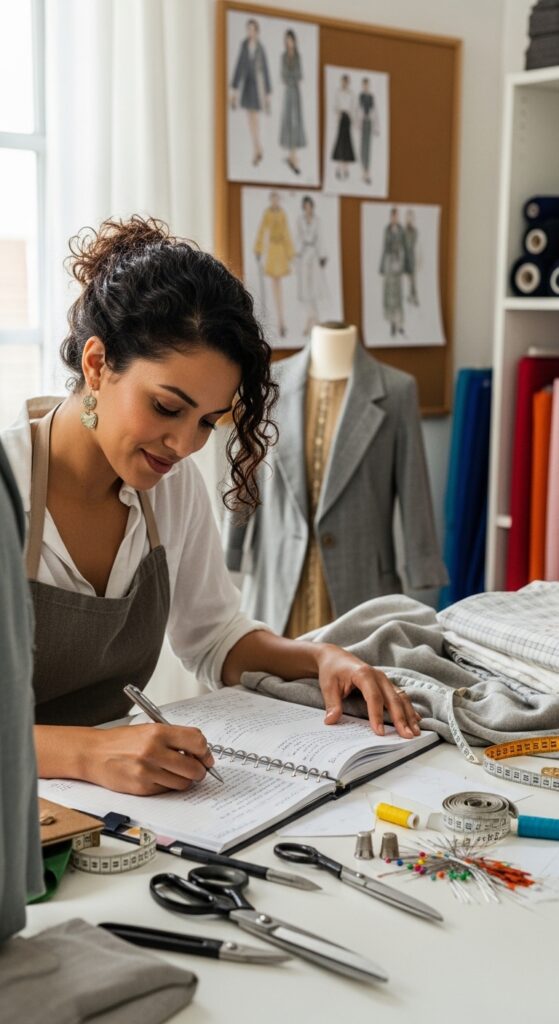
All the insight in the world won’t matter unless you take deliberate action.
Here’s a simple, practical reset plan to start converting your skill into paying clients, without feeling overwhelmed or salesy.
1️⃣ Define Your Lane
Before you can attract the right clients, you need clarity:
- What type of sewing work do you want to be known for?
- Is it custom dresses, alterations, bridal, or creative fashion pieces?
- Who is your ideal client?
When you know this, everything else becomes easier: your messaging, your pricing, and your client journey.
2️⃣ Create a Simple Client Journey
Think of this as the roadmap someone follows to become a paying client:
- Find you – Where are they seeing your work? Instagram, Pinterest, word-of-mouth?
- Trust you – What signals make them confident you’ll deliver? (Process, testimonials, small wins)
- Book you – Make it clear and simple how to move forward. Don’t leave them guessing.
A clear journey removes hesitation and uncertainty — and hesitation is where most potential clients get lost.
3️⃣ Show More Than Finished Work
Stop only posting final outfits.
Clients need to see the in-between moments:
- Process: fittings, measurements, adjustments
- Behind-the-scenes: fabric selection, crafting details
- Client experience: how you guide and support them
Showing the journey builds trust, relatability, and confidence, which makes people more likely to book.
4️⃣ Fix Your Positioning
It’s not just about being skilled, it’s about being seen as a service provider, not a hobbyist:
- Speak like someone offering a service: “I guide you step by step” vs. “Here’s what I made.”
- Emphasize the benefits for the client, not just your talent
- Make it obvious why they should work with you instead of someone else
Positioning is what separates admiration from actual bookings.
5️⃣ Build One Small System
Don’t try to overhaul everything at once — start small, but consistently:
- Follow-ups – Check in with leads who haven’t booked yet
- Repeat clients – Keep previous clients in the loop for new projects
- Referrals – Encourage happy clients to spread the word
A small system ensures you stay in people’s minds and continuously generate bookings without relying on luck.
Conclusion:
If you’ve been wondering why you’re not getting clients for your sewing business, it’s not because your talent isn’t enough. The truth is, your skill only gets admiration, it doesn’t automatically create bookings.
The real difference comes from showing your process, making your value obvious, guiding clients confidently, and building simple systems to stay top-of-mind.
When you define your niche, create a clear client journey, and consistently demonstrate both skill and professionalism, you move from hoping people will notice you to having clients actively choose you.
So today: pick one step, maybe show more of your “in-between” moments or send a thoughtful follow-up, and implement it this week. Small, consistent action compounds into steady clients.
Your sewing isn’t just a hobby, it’s also a business. Treat it that way, and clients will follow.
This post talked on: Why You’re Probably Not Getting Clients for Your Sewing Business — Even Though You’re Skilled.