Turn your sewing hobby into real income! Learn how beginners build a profitable sewing side hustle, test products smartly, and avoid common mistakes.
Sewing is fun, right? But making money from it… that’s a whole different story. You might’ve spent hours on a project, only to realize no one’s buying it, or worse, you wasted fabric and time trying something that just didn’t sell. It can feel frustrating, even discouraging, if you ask me.
The good news is, you can turn your sewing hobby into a profitable side hustle from home.
I’ll show you how to pick products that actually sell, avoid wasting materials, and start making real income. Little strategies like finding micro-niches, testing your first items, and pricing them smart, make all the difference. You know why, because i have a tailor in my hime (my brother actually)
By the time you’re done reading, you’ll have a clear, actionable plan to see your sewing skills start earning money, and confidence in taking your first steps toward a home-based sewing business.
Learning how to select materials that behave well and match project purpose, as explained in Understanding Fabrics for Sewing: Choosing the Right Material for Every Project, helps ensure your handmade products feel high‑quality and sell better.
Why Many Home Sewing Side Hustles Struggle — And How Yours Can Succeed
Starting a profitable sewing side hustle sounds simple: sew something beautiful, list it online, and wait for buyers. But many home sewing businesses struggle because of a few common mistakes that are easy to overlook.
Here are the key issues that often slow beginners down.
1. Following Trends Without Checking Demand
Many beginner sewers copy items that look popular on Pinterest or Instagram. The product might be trending visually, but that doesn’t always mean people are actively buying it.
When several pieces are made without testing demand first, it often leads to unsold items and wasted fabric. Before producing multiple pieces, test one product and see how buyers respond.
2. Pricing Too Low or Too High
Pricing is one of the biggest home sewing business mistakes.
-
Pricing too low may attract attention, but it can make the product look less valuable and leaves little room for profit.
-
Pricing too high without checking the market can push buyers toward similar items that cost less.
A simple rule is to calculate material cost + time spent + a reasonable profit margin. This helps maintain a sustainable profitable sewing side hustle.
3. Mistaking Social Media Attention for Sales
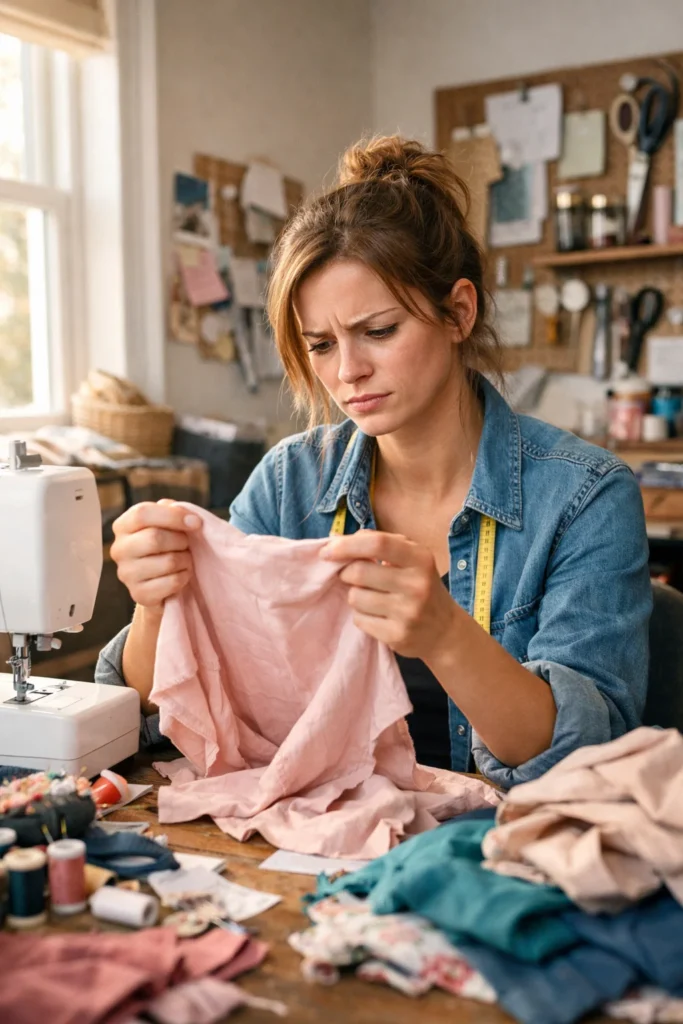
A sewing project might receive many likes, comments, or saves online. While that attention feels encouraging, it does not always translate into real purchases.
Many people admire handmade products online without planning to buy them. Sales usually depend on practical value, price, and buyer need, not just visual appeal.
Even with beginner-friendly patterns, skipped stitches can happen — if you want to know how to fix them quickly, check out Why Your Sewing Machine Keeps Skipping Stitches (And 7 Easy Fixes That Work Fast) for practical solutions.
4. Study What Buyers Are Actually Purchasing
One of the smartest beginner sewing business tips is to observe real sales patterns before launching a product.
For example:
-
Etsy “sold” listings reveal what people are actively buying.
-
Pinterest saves show which ideas people want to revisit later.
-
Local marketplaces help identify items buyers request frequently.
Studying these patterns helps you focus your sewing time on products that already have demand.
Choosing beginner-friendly patterns, as explained in How to Find Sewing Patterns That Are Easy to Follow and Beginner-Friendly (Save Hours of Frustration), ensures your first products are stress-free and high-quality.
Launching a Profitable Sewing Side Hustle

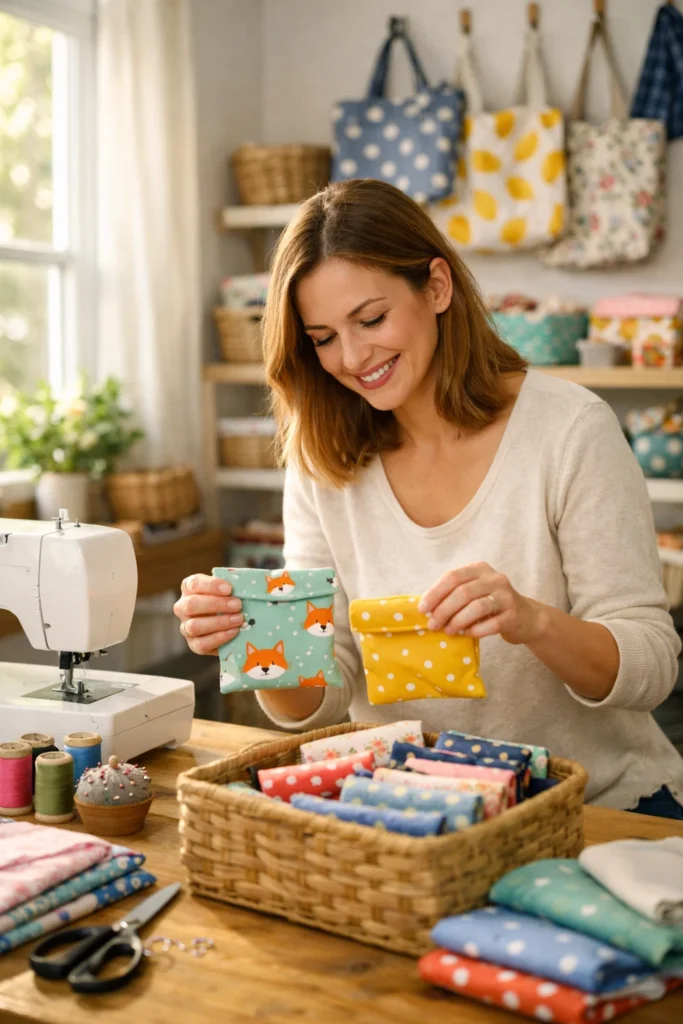
Step 2 — Test Before You Invest
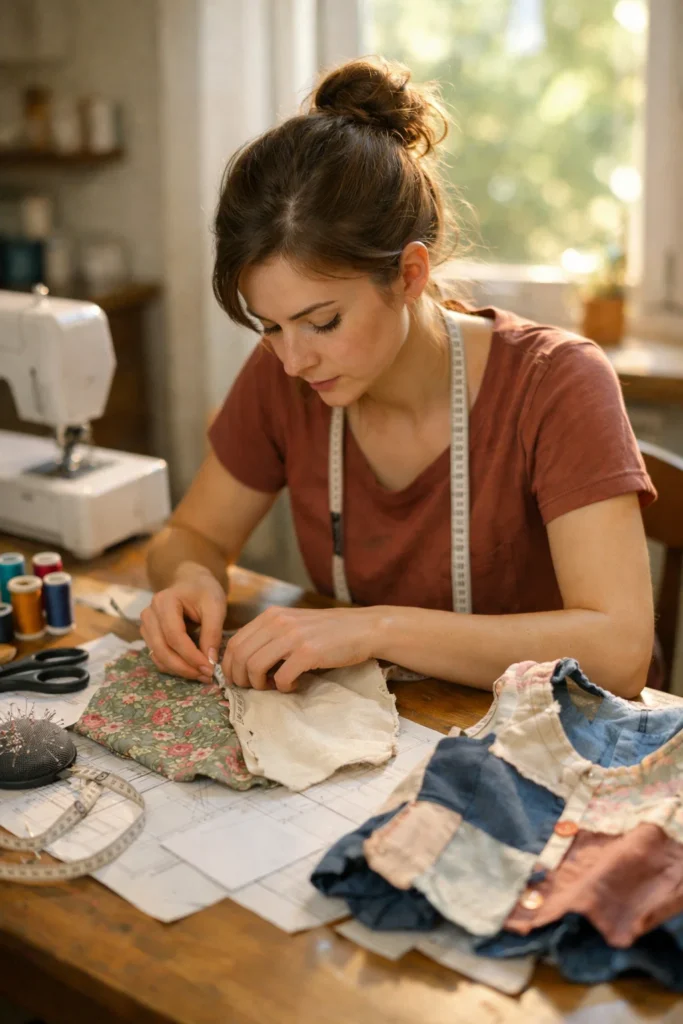
One practical step many new sellers overlook is testing a product before producing many pieces. When you’re building a profitable sewing side hustle, making several items without knowing if people want them can quickly waste time, fabric, and energy.
Testing helps you understand what buyers actually respond to before you invest more resources.
1. Start With One Sample
Instead of producing multiple items immediately, begin by sewing one well-finished sample. Take clear, natural photos and share the product on places where potential buyers are already active.
You can post it on:
-
Local online marketplaces
-
Instagram or Pinterest
-
Community selling groups
Pay attention to real signals such as questions from buyers, requests for price details, or direct purchase inquiries. These responses give a better idea of whether you’ve found one of the home sewing products that sell.
2. Watch Buyer Reactions Carefully
Testing helps you notice small details that matter to customers, such as:
-
Color preferences
-
Size or functionality
-
Price expectations
These insights help refine the product before you create more pieces, which is one of the smartest sewing side hustle tips for beginners.
Insights from Top-Selling Clothes for Thrift Business in Nigeria (What Moves Fast) can guide which product types are likely to sell quickly in your own sewing side hustle.
3. Use Scrap Fabric for Early Prototypes
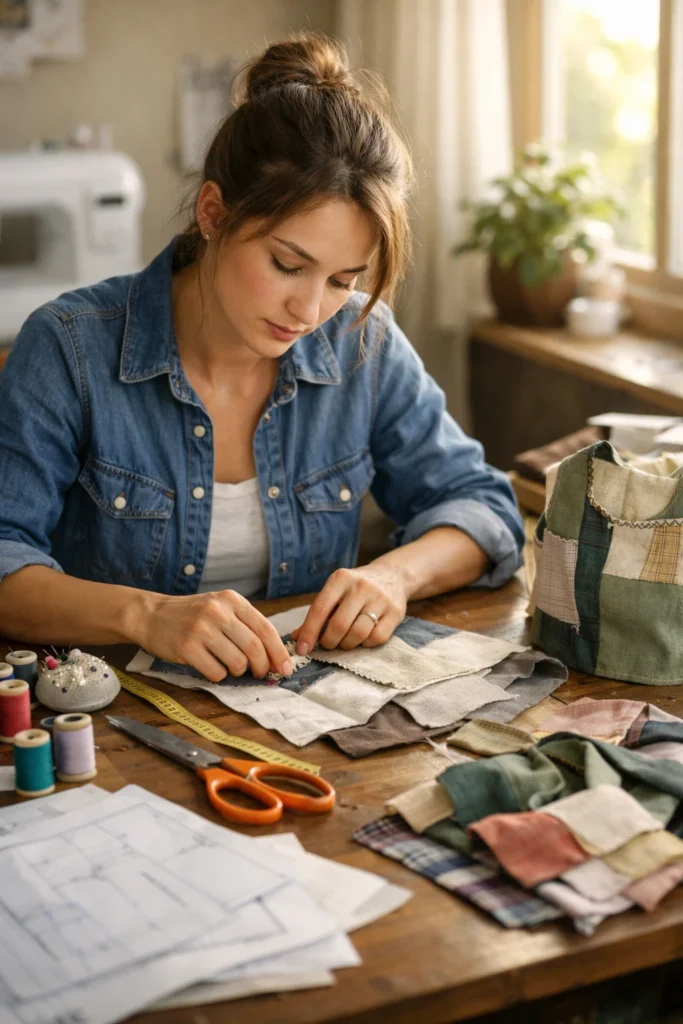
An easy way to reduce risk is to make your first prototype using scrap fabric or leftover materials. This allows you to test the design, shape, and practicality of the item without spending extra money.
If the product attracts interest, you can then create a polished version using your preferred materials.
Why Testing Matters
Testing products early helps you avoid producing items that buyers may not want. Instead of guessing, you begin to test sewing products and learn directly from buyer reactions, which is an important step toward building a steady and profitable sewing side hustle.
Step 3 — Price Like an Expert Without Scaring Buyers
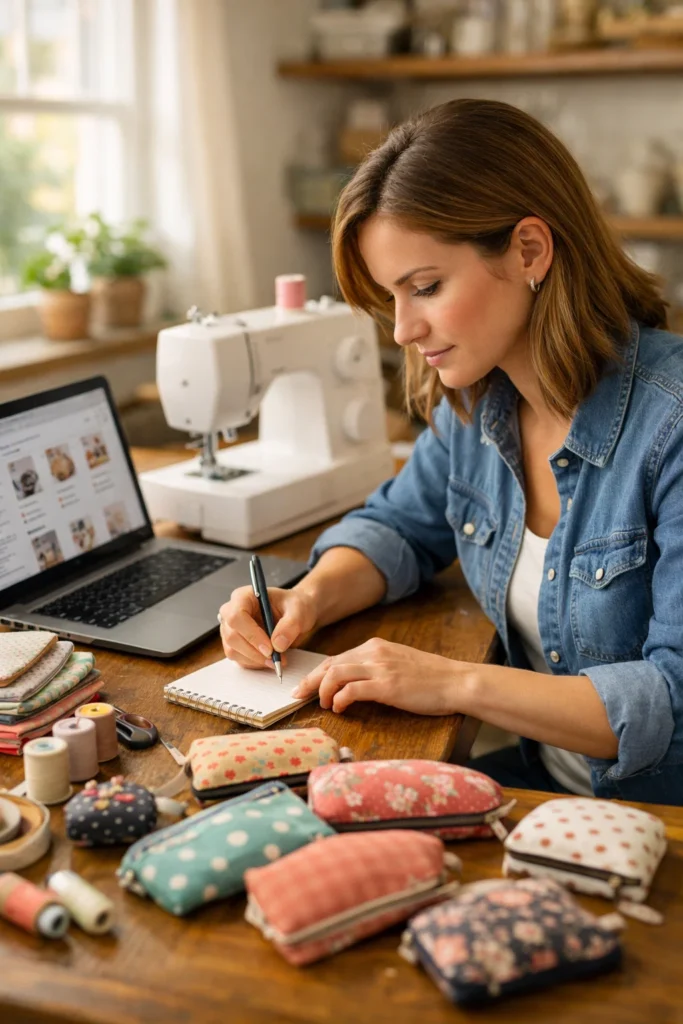
Pricing is one of the hardest parts of building a profitable sewing side hustle. Many new sellers either price too low because they feel unsure, or too high without checking what buyers are already willing to pay.
A smarter approach is to price your work using real numbers and buyer behavior, not guesswork.
1. Look at the Full Cost of Your Product
Before setting a price, calculate the true cost of making the item. This usually includes:
-
Material cost (fabric, thread, buttons, zippers)
-
Time spent sewing
-
Packaging or finishing touches
-
Marketplace fees if you sell online
When these factors are clear, you can price your item in a way that supports a sustainable sewing business.
2. Study Market Prices Before Setting Yours
Another helpful step is checking what similar handmade items are already selling for. Platforms like Etsy or local craft marketplaces can show the typical price range for similar products.
A practical strategy many sellers use is pricing slightly below well-selling competitors. Buyers often notice the small difference, and the product may sell faster while still keeping a reasonable profit margin.
Learning simple DIY alterations can save money and expand your product offerings, inspired by 5 Clothing Alterations I Stopped Paying a Tailor For (DIY Made Easy).
3. Use Bundles to Increase Value
Small bundles can make your products feel more valuable without dramatically increasing your costs.
For example:
-
A decorative pillow cover paired with a small tote bag
-
Matching fabric napkins and a table runner
-
Coordinated kitchen accessories
Bundles encourage buyers to purchase more at once, which can increase your overall earnings from each order.
Know Why Smart Pricing Matters
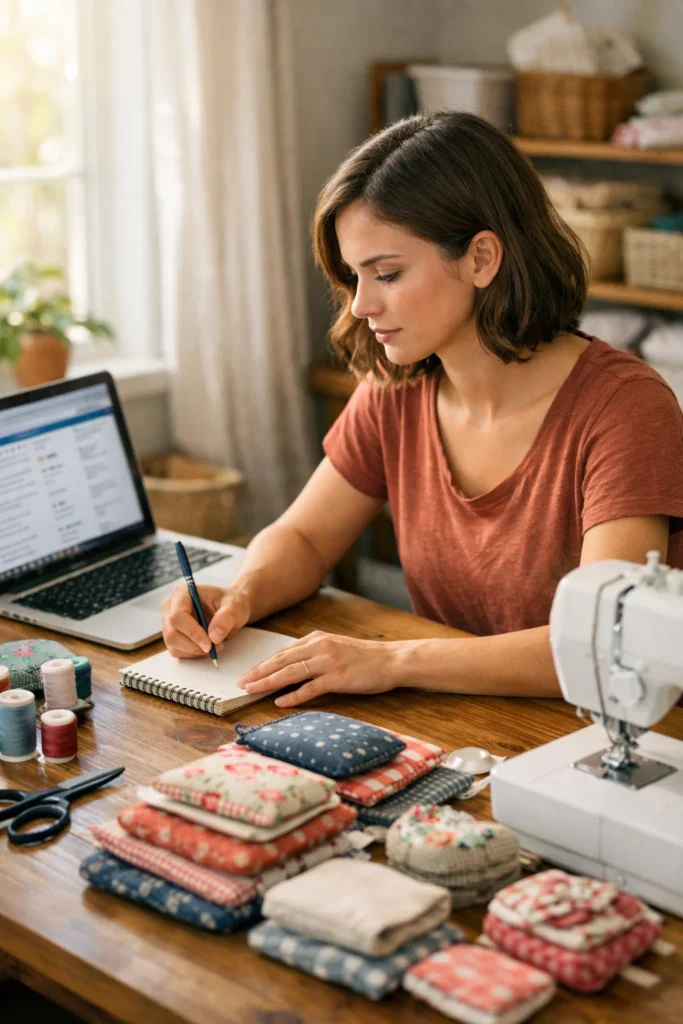
When pricing reflects real costs, market demand, and buyer expectations, your products feel both fair and professional. This balance helps attract buyers while still supporting a profitable sewing side hustle that can grow over time.
Creative ideas from 15 Genius Ways to Upcycle Old Clothes Into Trendy New Outfits an inspire unique products that attract buyers looking for sustainability and style.
FAQs
2. How do I manage time when balancing sewing with a full-time job?
Plan short, focused sessions (1–2 hours) during evenings or weekends. Use batch production for similar items, outsource simple tasks like cutting or packaging, and track results to maximize efficiency without burning out.
3. How can I make my handmade items stand out in a crowded market?
Focus on unique personalization, small design tweaks, or niche-specific themes. For example, add embroidery, color variations, or functional upgrades that solve a specific problem your target buyer has.
4. How do I handle customer objections about price for handmade sewing products?
Show value through clear product descriptions, material quality, and finished photos. Bundle related items or offer small free add-ons to justify the cost and increase perceived value without lowering your profit.
5. What’s the best way to track expenses and profits for a small home sewing business?
Create a simple spreadsheet tracking materials, labor time, shipping, and listing fees. Update it with each sale to see which products are most profitable and avoid unknowingly running at a loss.
6. How can I safely sell my sewing products to buyers internationally?
Start by understanding shipping costs, customs regulations, and packaging standards. Use lightweight packaging, offer tracked shipping, and clearly communicate delivery times to maintain credibility and protect your profit margins.