Not sure which sewing machine to buy? Our guide to industrial vs domestic sewing machines helps beginners make the right choice and avoid mistakes.
One of the biggest mistakes beginners make is assuming that a bigger, faster sewing machine automatically means better results.
It sounds logical, right?
If industrial machines are what professionals use, then starting with one should give you an advantage… or at least make you look more serious.
But know this; that decision alone has left a lot of beginners overwhelmed, struggling to control their machine, or even regretting the money they spent.
And then the confusion sets in.
You watch one video, and someone says, “Go industrial if you’re serious.”
You read another post, and it tells you, “Start small with a domestic machine.”
Now you’re stuck in between — not sure what actually applies to you.
The truth is, choosing between an industrial and a domestic sewing machine isn’t about picking the better option. It’s about understanding what each machine is built for, and more importantly, what you actually need right now.
Because the wrong choice doesn’t just waste money… it can slow down your learning, frustrate your progress, and make sewing feel harder than it should be.
Well, this guide breaks everything down in a way you will understand, something clear to help you choose the right sewing machine as a beginner and feel confident about it.
Looking to start a sewing side hustle but not sure where to begin? Check out Struggling to Make Money From Home Sewing? Launch a Profitable Sewing Side Hustle for actionable tips.
What Is a Domestic Sewing Machine?
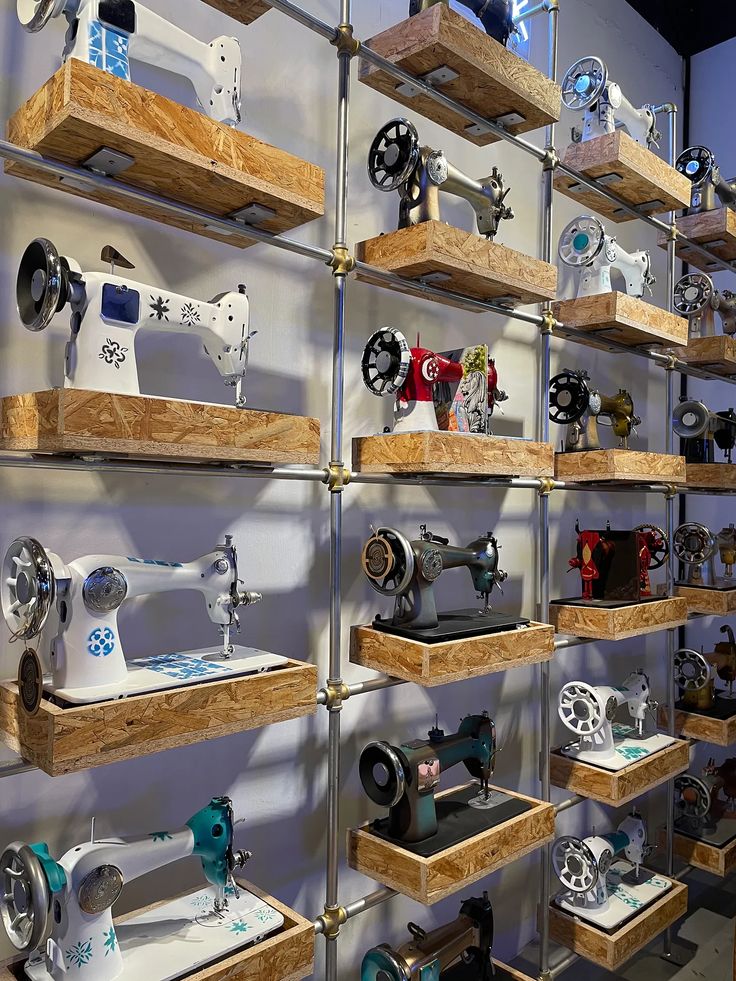
Photo credit: @ Kalpana Mohan
A domestic sewing machine is the type of machine designed specifically for home use. It’s what most people start with when they’re learning how to sew, whether that’s making simple clothes, trying out DIY projects, or fixing everyday wear.
Unlike industrial machines that are built for speed and repetition, a domestic sewing machine is made to handle a variety of tasks at a comfortable pace. It gives you the flexibility to experiment, make mistakes, and actually enjoy the learning process without feeling rushed or overwhelmed.
Key Features
One of the biggest reasons beginners are drawn to domestic machines is how approachable they feel from the start.
They are typically lightweight and portable, which means you can easily move them around your space or store them away when you’re not using them. This is especially helpful if you don’t have a dedicated sewing area.
Another major advantage is the variety of stitch options. Most domestic machines come with multiple built-in stitches like straight stitch, zigzag, decorative patterns, and buttonholes. This allows you to work on different types of projects without needing multiple machines.
Ease of use is where domestic machines truly shine. They are designed with beginners in mind, from simpler controls to guided threading systems — so you can focus more on learning how to sew rather than struggling to understand the machine itself.
Figuring out which sewing patterns are easy to follow is tricky — avoid hours of frustration with our post How to Find Sewing Patterns That Are Easy to Follow and Beginner-Friendly (Save Hours of Frustration)
Best For
Domestic sewing machines are a great fit if you’re just starting out and still figuring out your sewing style.
They work well for beginners who want to build confidence step by step, DIY lovers who enjoy creating different types of projects, and anyone who sews occasionally rather than every single day.
If your goal is to explore sewing without pressure — trying out clothes, crafts, or small creative ideas — this type of machine gives you the freedom to do that without limitations.
Clarity
If you want to sew different things without stress, this is your safest starting point. It gives you room to learn, experiment, and grow at your own pace, without feeling like the machine is working against you.
When your sewing machine acts up mid-project, it can be frustrating — that’s why this post on Why Your Sewing Machine Keeps Skipping Stitches (And 7 Easy Fixes That Work Fast) is a lifesaver for beginners.
What Is an Industrial Sewing Machine?
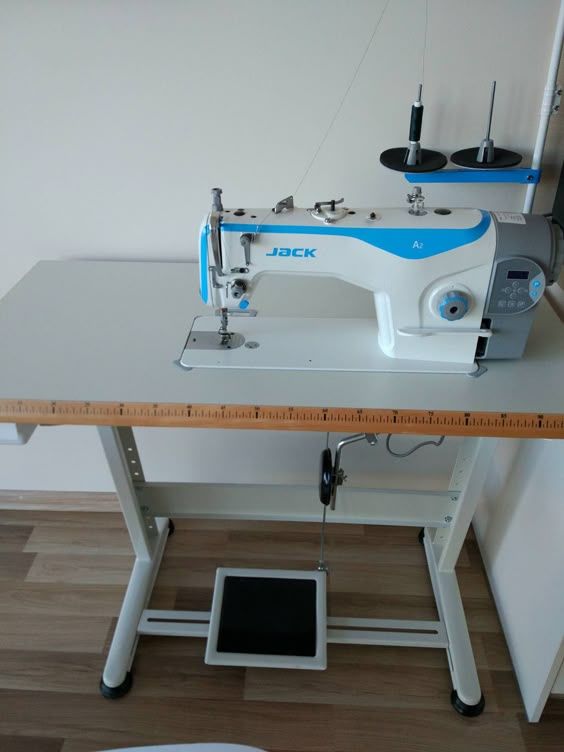
Photo credit: @ Ismail bouba
An industrial sewing machine is built for serious, high-volume work. It’s the type of machine you’ll find in tailoring shops, fashion production spaces, and factories where sewing isn’t occasional, it’s constant and repetitive.
Unlike domestic machines that are designed for flexibility, industrial machines are made to do one job and do it extremely well, over and over again, without slowing down. They’re not focused on variety, they’re focused on performance.
Key Features
The first thing you’ll notice about an industrial sewing machine is its speed. These machines are incredibly fast, often running at thousands of stitches per minute. That speed is what allows professionals to complete large orders efficiently, but it can feel overwhelming if you’re not used to it.
They also come with a much stronger motor and a solid metal build. This gives them the power to handle thick, heavy fabrics like denim, leather, and multiple fabric layers without struggling or breaking down easily.
Another key difference is endurance. Industrial machines are designed to run for long hours without overheating or losing performance. This makes them reliable for business use where consistency matters every single day.
But here’s something many beginners don’t realize — most industrial machines are built for a single function. That means instead of having multiple stitch options, they usually specialize in just one type of stitch, done perfectly.
Best For
Industrial sewing machines are ideal for people who sew with purpose and consistency.
They work best for tailoring businesses that handle regular client orders, production environments where the same item is made repeatedly, and anyone working with thick or heavy-duty fabrics that require extra power.
If your sewing is focused on speed, volume, and durability, this machine delivers exactly that — without compromise.
Clarity
This machine is built for speed and repetition, not learning. It’s powerful and efficient, but without the flexibility and ease that beginners usually need when they’re still figuring things out.
If you’re trying to grow your sewing business and wonder why clients aren’t reaching out, this post Why You’re Probably Not Getting Clients for Your Sewing Business — Even Though You’re Skilled will help you identify the gaps and fix them.
Industrial vs Domestic Sewing Machines
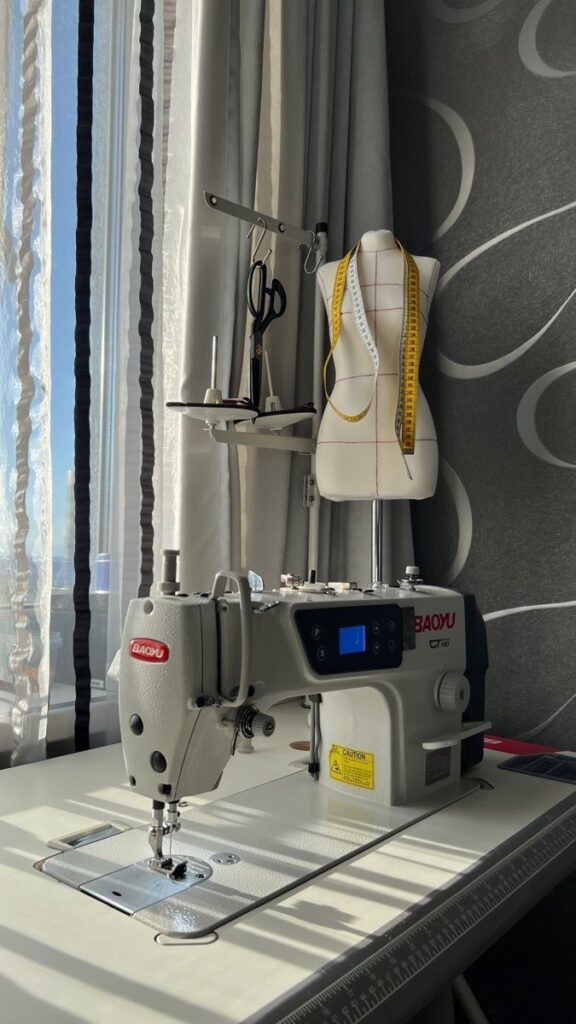
When choosing a machine, understanding the key differences between Industrial vs Domestic Sewing Machines is crucial. Each type has its strengths, but knowing how they compare helps beginners make the right decision without wasting time or money. Let’s break it down.
1. Speed
One of the most obvious differences between Industrial vs Domestic Sewing Machines is speed.
- Industrial machines are built for high-volume work, capable of stitching at speeds ranging from 3,000 to 5,500 stitches per minute. This is perfect for professionals who need to complete large batches quickly.
- Domestic machines, on the other hand, run at a more manageable 600 to 1,500 stitches per minute, giving beginners the control they need while learning.
Note: Faster is not always better for beginners. A machine that stitches too quickly can be hard to control, leading to mistakes and frustration. In this case, the slower, more versatile domestic machine often provides a better learning experience.
2. Ease of Use
When it comes to getting started, ease of use is a huge factor. Domestic machines are designed with beginners in mind — their controls are intuitive, threading is simple, and features are easy to navigate. This means you can spend more time learning to sew and less time figuring out the machine.
Industrial machines, however, have a steeper learning curve. They are built for speed and precision, not flexibility, and beginners often struggle with controlling the foot pedal or adjusting the machine for different fabrics. Without guidance, it’s easy to make mistakes that can be frustrating and costly.
Tip: If you’re just starting out, prioritize control and comfort over speed. A machine that’s easy to use will help you build confidence faster.
If you’ve ever bought a thrifted piece and wondered how to make it wearable, Thrift flip Sewing Projects Ideas For People Who want Expensive Style on A Budgetshows exactly what to do.
3. Stitch Options
One of the biggest differences you’ll notice is in stitch variety. Domestic machines typically come with multiple stitch options — straight, zigzag, decorative patterns, and even automatic buttonholes. This allows you to experiment with different sewing techniques and create a wide range of projects without needing extra equipment.
Industrial machines, by contrast, usually perform one function exceptionally well. They’re specialized for efficiency, like straight stitching or heavy-duty topstitching, which is perfect for production but limits creativity for a beginner learning multiple techniques.
Heads-up: If you want flexibility and the ability to try different projects, a domestic machine gives you the room to explore without feeling restricted.
If you’re learning the basics of sewing and wondering how fabric quality affects your projects, our guide on Understanding Fabrics for Sewing: Choosing the Right Material for Every Projectwill save you hours of trial and error.
4. Fabric Capability
Understanding what fabrics your machine can handle is essential. Industrial machines shine when it comes to heavy fabrics — think denim, leather, canvas, or multiple layers at once. They have the power and durability to handle demanding materials without skipping stitches.
Domestic machines are better suited for light to medium fabrics, such as cotton, linen, or lightweight polyester. While some higher-end domestic machines can handle thicker fabrics, they often require adjustments and slower stitching to maintain control.
Tip: Start with a domestic machine for most beginner projects, and only consider industrial models if you plan to work with heavy fabrics regularly.
5. Durability
Durability isn’t just about build quality; it’s about how much work the machine can handle consistently. Industrial machines are built for all-day, continuous use, perfect for businesses that sew multiple items every day. Their metal construction and robust motors make them almost indestructible in the right environment.
Domestic machines are designed for occasional use, typically a few hours at a time. Overworking a domestic machine can lead to overheating, skipped stitches, or parts wearing out faster.
Connection Point: For beginners, a domestic machine’s durability is usually sufficient. You’re learning, experimenting, and gradually increasing your projects, not running a factory line.
Wondering what to do with leftover fabrics after a project? What to Do With Fabric Scraps: Sewing Hacks That Turn Leftovers Into Keep-Worthy Gifts will inspire your creativity.
6. Cost
Cost is often the deciding factor for amost everyone. Industrial machines can be expensive, and that doesn’t include maintenance or the space you’ll need to accommodate them.
Domestic machines are more affordable, with a wide range of options for beginners and hobbyists. You can start with a solid, reliable model for a fraction of the price, learn the basics, and upgrade later when your sewing skills and needs grow.
Suggestion: Invest in a quality domestic machine rather than overspending on an industrial model you’re not ready to use. It’s a smarter, more sustainable choice for learning and building skills.
Want to save money by doing your own clothing fixes? 5 Clothing Alterations I Stopped Paying a Tailor For (DIY Made Easy) shows simple hacks anyone can do at home.
Which Sewing Machine Should You Choose as a Beginner?
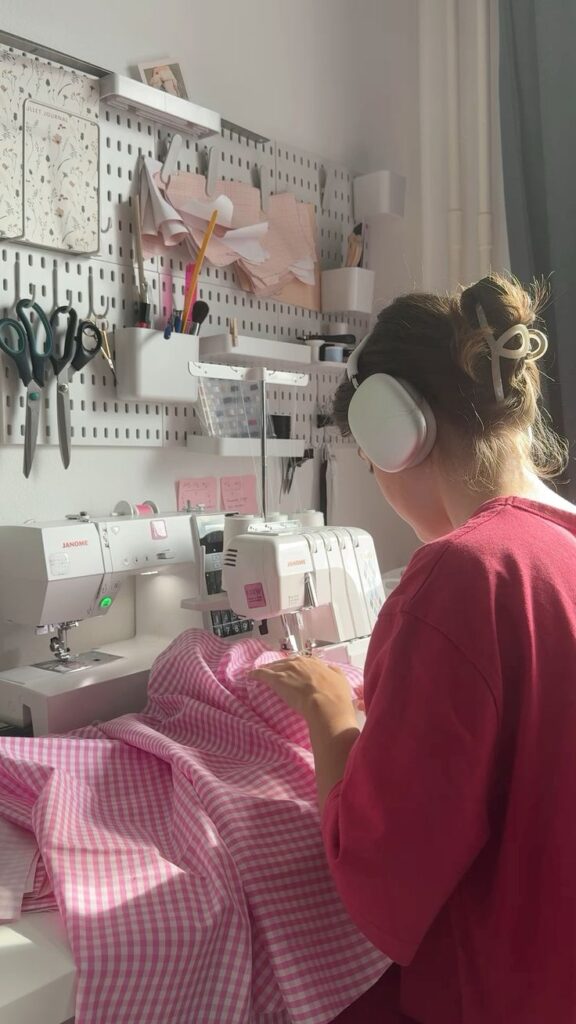
Choosing the right sewing machine as a beginner can feel overwhelming, but it doesn’t have to be. The key is understanding your needs, your goals, and how often you plan to sew. Here’s a clear guide to help you decide.
✔️ Choose a Domestic Machine If:
- You’re just starting out: Domestic machines are designed to be beginner-friendly. You can learn at your own pace without feeling rushed or overwhelmed.
- You want to explore different projects: With multiple stitch options and flexible settings, domestic machines allow you to try a variety of crafts, clothes, and small DIY projects.
- You don’t sew daily: If sewing is a hobby or something you do occasionally, a domestic machine gives you everything you need without unnecessary expense or complexity.
Tip: Starting with a domestic machine lets you focus on learning the skills first. You’ll gain confidence and experience, which makes upgrading later much easier if you need more power or speed.
✔️ Choose an Industrial Machine If:
- You run a sewing business: Industrial machines are built for long hours and consistent use. If you plan to sew professionally, speed and durability become important.
- You sew the same item repeatedly: These machines are specialized for efficiency. They’re perfect for production or making multiple copies of the same item.
- You work with heavy fabrics: Industrial machines can handle thick materials like denim, leather, and canvas without straining, making them ideal for professional-grade projects.
Observation: Industrial machines are amazing tools — but they’re not beginner-friendly. They require skill, space, and commitment to use properly.
Upcycling old clothes can be a game-changer for both style and sustainability — check out 15 Genius Ways to Upcycle Old Clothes Into Trendy New Outfits.
My Recommendation
If you’re just starting out, the safest and smartest choice is a good domestic sewing machine. It gives you control, variety, and room to learn. Once you gain experience and understand the kind of projects you want to pursue, you can always consider upgrading to an industrial machine.
Starting simple doesn’t mean limiting yourself, it means building a solid foundation so your sewing skills grow naturally, without frustration or wasted money.
If thrift shopping is your hobby or business, knowing how to pick quality pieces is key — see How to Identify Grade A vs Grade B Thrift Clothes Before Buying a Bale (Beginner Guide).
Can You Start With an Industrial Machine as a Beginner?
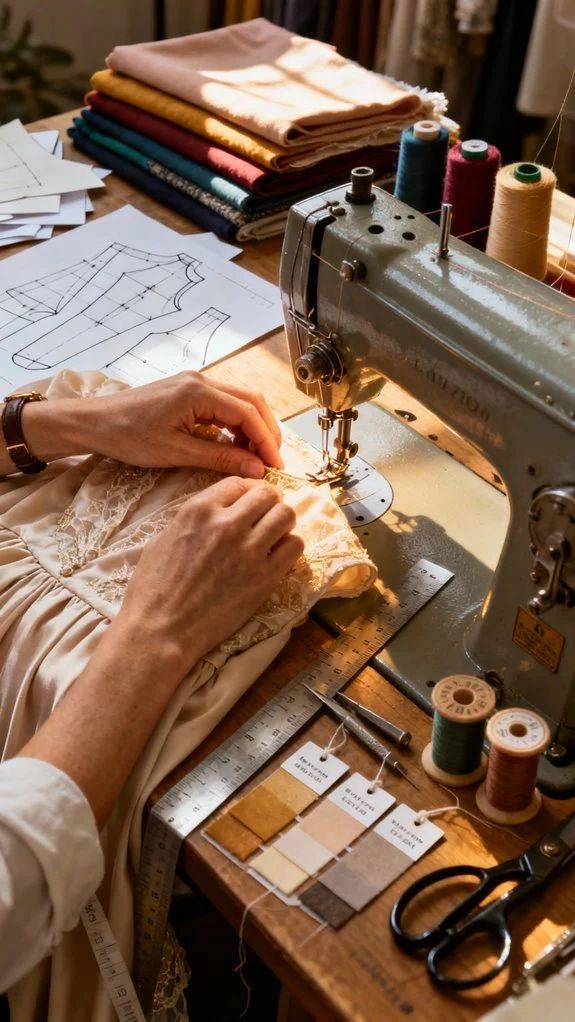
You might be thinking, “Why not just start with an industrial machine? It’s faster and more powerful, right?”
Well… yes, you can, but here’s the thing, it’s not really the easiest way to get started. Industrial machines are built for heavy-duty work and speed, not for learning or experimenting. They have limited stitch options, require more control, and mistakes can feel frustrating.
This is exactly why understanding Industrial vs Domestic Sewing Machines matters. A domestic machine is designed to give you freedom to learn, explore different projects, and actually enjoy the process. An industrial machine, on the other hand, demands focus and precision from the start.
Think of it this way:
Using an industrial machine right now is like learning to drive in a truck instead of a car. Sure, you can do it, but it’s harder to handle, mistakes feel bigger, and it can make the whole experience more stressful.
If your goal is to grow your skills without overwhelming yourself, starting with a domestic machine will give you the control and confidence you need. Once you feel comfortable, moving on to an industrial machine will make a lot more sense, and you’ll appreciate just how powerful it really is.
Need a quick, thoughtful gift for someone special? Quick and Soft Valentine’s Gifts You Can Sew in a Few Hours That Melt Hearts has easy, heartwarming ideas.
Conclusion
By now, you’ve seen the clear differences between Industrial vs Domestic Sewing Machines, but the real lesson isn’t just about features, it’s about understanding your own needs.
Starting with the right machine isn’t about looking professional. It’s about giving yourself the space to learn, experiment, and enjoy sewing. A domestic machine lets you do that, teaching you control and technique before you take on heavier, faster machines.
Think of it this way: trying to start with an industrial machine is like trying to have a complex conversation in a language you barely know, it’ll feel overwhelming. Start with what fits your pace and projects, master the basics, then upgrade when your skills and goals grow.
This post talked on: Industrial vs Domestic Sewing Machines for Beginners: Which One Is Right for You?
FAQs
1: Can a domestic machine sew denim or leather?
Yes! but only up to a point. Most domestic machines can handle light to medium‑weight denim and soft leather, especially with the right needle and slower speed. However, thick layers of denim or heavy leather will strain a domestic machine and can cause skipped stitches or damaged parts. If you plan to sew heavy fabrics often, consider a special heavy‑duty domestic model or eventually an industrial machine designed for thick materials.
2: How do I know if a sewing machine needle is the right one for my fabric?
Needle choice matters more than most beginners realize. A general rule:
- Sharp or universal needles for cotton and everyday fabrics
- Ballpoint needles for knit/stretchy fabrics
- Denim or leather needles for heavier materials
Your fabric type should always dictate your needle. Using the wrong one leads to skipped stitches, broken threads, or puckered seams, problems many beginners struggle with early on.
3: Will using an industrial machine help me learn faster?
Surprisingly, no. While an industrial machine is faster, it doesn’t make learning easier. Its speed and single‑function design can actually make mistakes feel worse and slow down your progress. Learning on a domestic machine builds your foundational skills more effectively because you have more control and variety while you’re still figuring things out.
4: What’s the minimum cost I should expect for a good beginner sewing machine?
Expect to spend enough to avoid frustration. Super‑cheap machines under budget brands can cause more problems than they solve. Like, frequent tension issues, thread jams, and skipped stitches. A reliable beginner‑friendly domestic sewing machine generally falls into the mid‑range price bracket, giving you a smoother learning experience and more features that matter.
5: How often should I clean or oil my sewing machine?
Even if you’re not sewing every day, regular maintenance matters. After every few projects:
- Brush out lint and dust around the bobbin area
- Oil according to your machine manual
This keeps your machine running smoothly and prevents skipped stitches or tension problems. Neglecting maintenance is one of the biggest reasons machines start acting up — something almost every beginner deals with sooner or later.
6: Will an industrial machine make my finished results look better?
Not necessarily. A beautiful finished product depends on your skill, fabric choice, and technique, not just the machine. Many successful sewists use domestic machines to create professional‑looking garments and products. An industrial machine helps with speed and handling heavy materials, but it won’t automatically improve your technique.
7: Do I need special accessories when switching from domestic to industrial sewing?
Yes! industrial sewing often requires:
- a dedicated table or stand
- larger thread cones
- specialized feet or attachments
Unlike portable domestic machines, industrial models are meant to be stationary. Thinking you can just plug it in and sew like before leads to frustration — many beginners underestimate what’s involved.
8: Can a domestic machine last for years if I sew often?
Absolutely! if you maintain it properly. Many domestic machines run reliably for years with regular cleaning, occasional oiling, and correct usage. Longevity comes from care and using the right needle, thread, and settings for your fabric.