Stop guessing when buying thrift bales. Discover how to identify Grade A vs Grade B thrift clothes.
Buying a thrift bale can be exciting—but it can also cost you money if you don’t know what to look for. Some clothes will sell quickly, while others… just sit there. As beginners, my partner and I made the mistake of buying everything without checking quality, and we ended up stuck with pieces we couldn’t sell.
The key is knowing the difference between Grade A and Grade B thrift clothes. Once you know what to spot, it’s much easier to make smart purchases, save money, and focus on items that will actually sell.
In this guide, I’ll show you exactly what to look for in a bale, how to tell which clothes are worth buying, and how to avoid the mistakes most beginners, like us, make. By the end, you’ll feel confident inspecting thrift clothes before spending a single naira.
If you’re serious about starting, Thrift Business in Nigeria: How to Start a Profitable Thrift Clothing Business walks you through everything step by step.
What Does “Grade” Mean in Thrift Clothing?
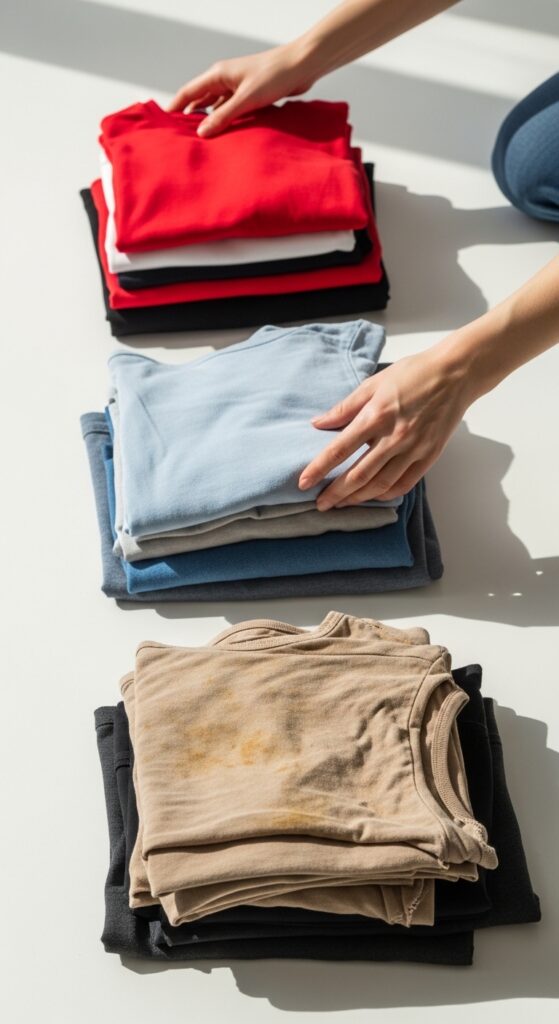
When people talk about “grades” in thrift clothes, they’re basically talking about how good or sellable the clothes are. It’s a way to separate the pieces that will sell easily from the ones that might be harder to sell, or even unsellable.
Most thrift suppliers use a few common categories:
- Grade A – These are the best pieces. They’re clean, in great condition, and usually from brands or styles that people want to buy. You can sell them almost immediately without fixing anything.
- Grade B – These are decent pieces, but they may have small issues like minor stains, fading, or loose buttons. They might need some repairs or extra care before selling.
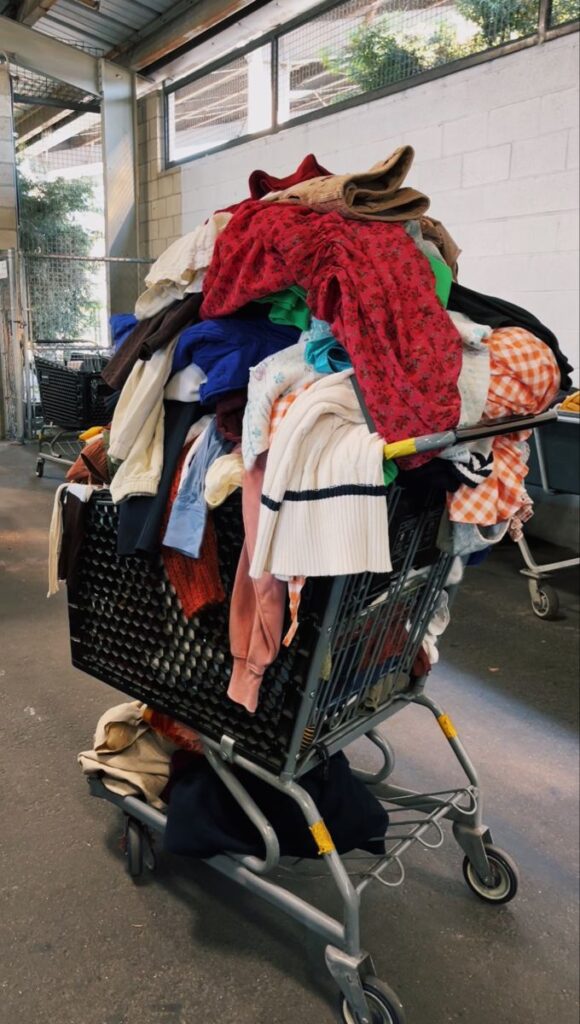
- Grade C / Mixed – These are the lowest quality or “mixed” bales. They often include items that are worn out, torn, or outdated. You usually have to sort through a lot to find anything sellable.
Understanding these grades is crucial if you want to make money from thrift clothes. Buying Grade A items helps you sell faster and make more profit, while not knowing the difference can leave you stuck with clothes that might not sell at all.
In short, grading is your guide to smart buying. Once you learn what to look for, you’ll start spotting the good pieces from a mile away, and avoid wasting money on ones that won’t sell.
Not all clothes sell fast, and this breakdown of Top-Selling Clothes for Thrift Business in Nigeria (What Moves Fast) will help you focus on what actually brings profit.
What Is Grade A Thrift Clothing?
When we talk about Grade A vs Grade B thrift clothes, Grade A is the top-tier stuff, the pieces you actually want in your bales because they sell quickly and make you money. These are the items that need little to no work before hitting the market.
Key Characteristics
Here’s how you can spot Grade A thrift clothes:
- Minimal wear and tear – The fabric is strong, the seams are intact, and it looks well taken care of.
- No stains, tears, or fading – You shouldn’t see obvious damage or discoloration. A clean, fresh-looking item is usually Grade A.
- Recognizable or trendy brands – Clothes from popular brands or styles that are currently in demand tend to be Grade A.
- Can be sold immediately without repair – If it’s ready to sell as-is, that’s a solid sign it’s Grade A.
Think of Grade A as the “money-making” part of your bale—the pieces people actually want to buy right away.
Why Grade A Matters
Understanding Grade A vs Grade B thrift clothes is key because it affects your profit and speed of sales.
- Faster sales – Grade A items are easier to sell, so you won’t be stuck with them for months.
- Higher profit potential – Because they’re desirable, you can sell them for a better price.
- Better customer satisfaction – Buyers are happier with quality clothes, and happy customers come back for more.
The more Grade A items you can pick out, the better your chances of turning a profit with every bale you buy.
Before selling any thrift item, make sure it’s properly cleaned using this guide: How to Clean and Disinfect Secondhand Clothes Before Selling — Make Every Item Sale-Ready
.
What Is Grade B Thrift Clothing?
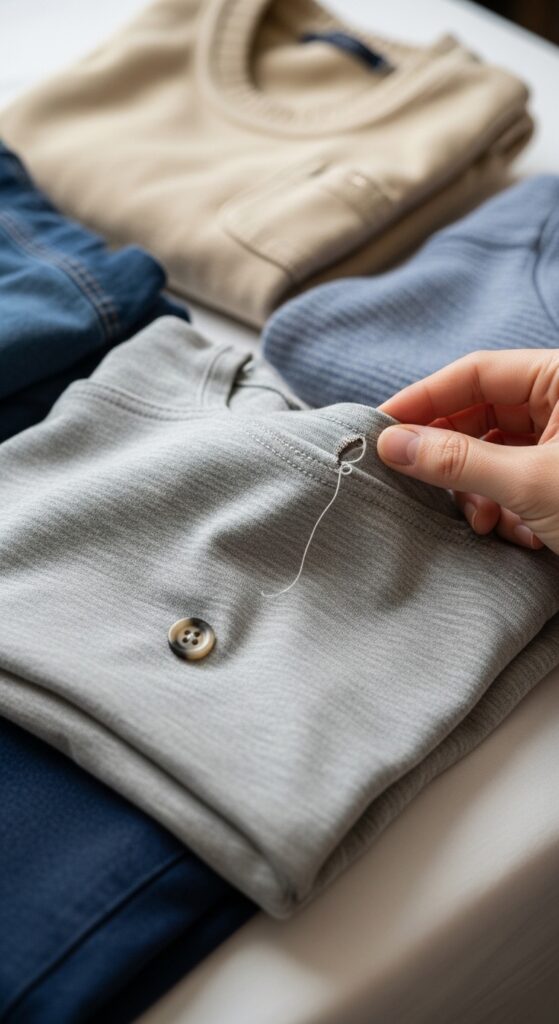
When we talk about Grade A vs Grade B thrift clothes, Grade B refers to items that are still usable but aren’t as clean or ready-to-sell as Grade A. These clothes often need extra care before they can make a profit.
Key Characteristics
Here’s what to look for in Grade B thrift clothes:
- Visible stains or minor damage – Small marks, tears, or loose threads are common.
- Faded or worn fabric – The material might look tired or thinner in some areas.
- Outdated styles – Fashion trends matter, and some pieces might not appeal to buyers right away.
- May require repairs – Buttons, zippers, or seams may need fixing before resale.
Grade B isn’t useless, it’s just not as ready-to-go as Grade A. Knowing the difference is part of mastering Grade A vs Grade B thrift clothes.
When Grade B Can Still Be Profitable
Grade B items can still make you money if you approach them strategically:
- For thrift flips/upcycling – A little creativity can turn a Grade B piece into a desirable item.
- Buying at a lower cost per bale – You can get more clothes for less, even if some need repairs.
- Knowing repair and resale potential – The better you get at spotting what can be fixed and sold, the more profit you can squeeze out of Grade B items.
Understanding the difference is one of the most important skills for anyone serious about thrift business profits.
Choosing the wrong fabric can ruin a project, so this guide on Understanding Fabrics for Sewing: Choosing the Right Material for Every Project is worth reading.
Grade C / Mixed Thrift Clothes
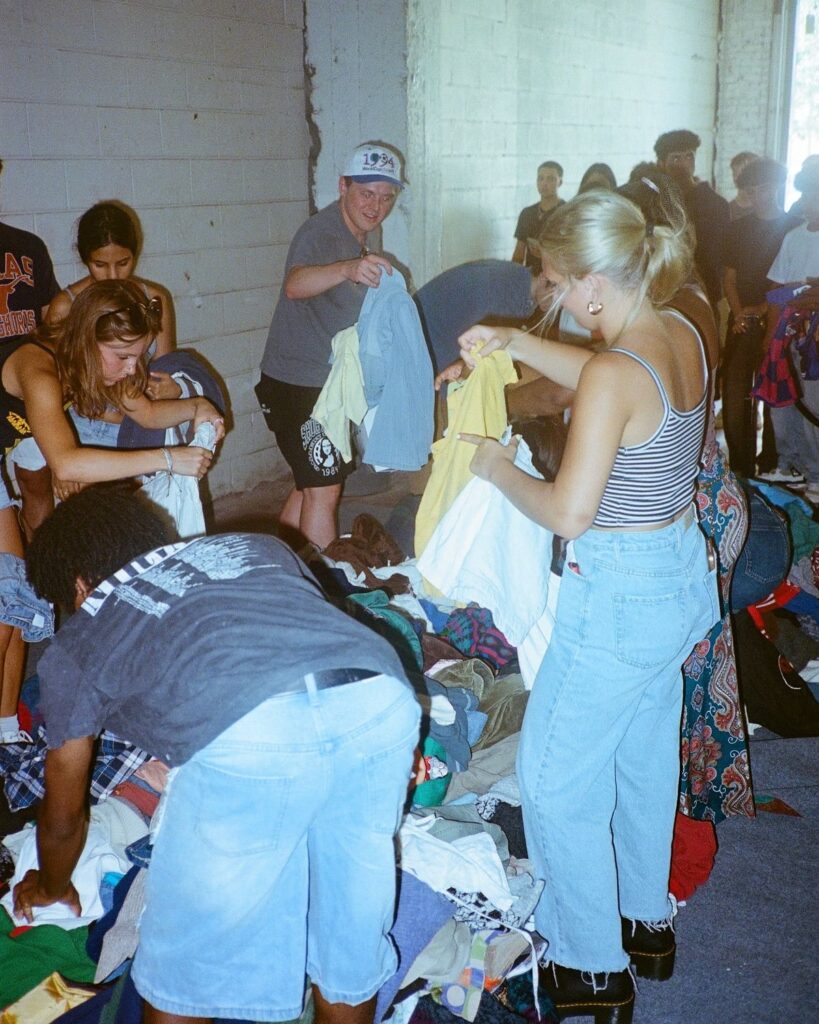
In the world of thrift bales, not every bale is neatly divided into Grade A or Grade B. Sometimes, you’ll come across Grade C or mixed bales. These are the bales where the quality is all over the place, some pieces might be okay, but a lot of them will need serious work, or might not sell at all.
Key Characteristics
Here’s what you’ll usually see in Grade C or mixed bales:
- Worn-out or damaged clothes – Holes, heavy stains, broken zippers, or ripped seams.
- Faded or old fabric – The clothes may look tired, very thin, or overly faded.
- Outdated styles or unpopular brands – Pieces that buyers are unlikely to want immediately.
- Mixed quality – You might find a Grade A or B item here and there, but most of it is low quality.
When Grade C / Mixed Can Be Useful
Even though these bales are low quality, they’re not completely useless:
- Upcycling or creative flips – Some items can be repaired, altered, or turned into something trendy.
- Bulk bargains – Buying at a low price can give you enough salvageable pieces to make some profit.
- Learning experience – For beginners, inspecting mixed bales helps you train your eye for quality.
The key with Grade C or mixed bales is sorting carefully. Buying without checking, leads to wasted money. Once you can spot what’s worth salvaging, you can still make these bales work—but it takes patience and skill.
From plain shirts to shapeless skirts, you can elevate your wardrobe on a budget by following the methods in Thrift flip Sewing Projects Ideas For People Who want Expensive Style on A Budget.
Grade A vs Grade B Thrift Clothes – Key Differences
Here’s a simple breakdown:
| Feature | Grade A | Grade B |
|---|---|---|
| Condition | Excellent, minimal wear | Worn, faded, minor damage |
| Repairs Needed | None or very little | Often requires sewing, fixing buttons, or minor cleaning |
| Selling Speed | Quick, easy to sell | Slower, may need prep or flipping |
| Profit Potential | High | Lower unless repaired or upcycled |
| Customer Appeal | High – buyers love them | Moderate – depends on repair or style |
Trying to earn from your skills? Struggling to Make Money From Home Sewing? Launch a Profitable Sewing Side Hustle shows you how to turn sewing into steady income.
How to Identify Grade A vs Grade B Before Buying a Bale
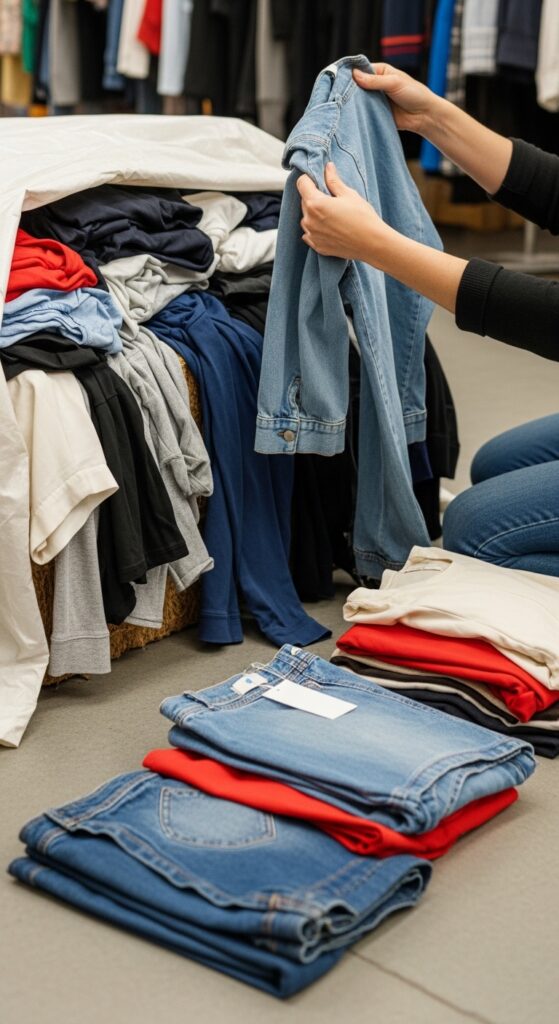
Knowing the difference between Grade A vs Grade B thrift clothes is one thing, but being able to spot it before you buy a bale is what saves you money and headaches.
Here’s an approach you can actually use:
a. Inspect Sample Pieces
Before buying, always look at a few pieces from the bale:
- Check for stains, holes, or fading. Even small issues can tell you whether most of the bale is Grade A or B.
- Look at brand tags. Recognizable or trendy brands are usually Grade A, while unknown or cheap brands often fall into Grade B.
The goal here is simple: get a feel for the overall quality before spending money. One or two sample pieces can give you a pretty good idea of the entire bale.
b. Check Fabric Quality
Feel the clothes. Fabric tells you a lot:
- Is it strong or weak?
- Does it feel thin or worn out?
- How soft or stiff is it?
Grade A items usually have good weight and strong stitching, while Grade B items may feel fragile or overused. This step helps you avoid bales that will cost more in repairs than you can make in profit.
c. Evaluate Style and Trend Value
Even if a piece is in perfect condition, it might still be hard to sell if it’s outdated:
- Look for styles and colors that are currently in demand.
- Avoid pieces that are clearly old-fashioned or seasonal.
By combining condition and style, you can quickly separate the Grade A pieces from the Grade B ones.
d. Ask Questions to Suppliers
Never rely only on assumptions:
- Ask directly: “Is this a Grade A bale?”
- If buying remotely, request photos or sample pieces to check quality.
Good suppliers will be transparent, and asking questions ensures you don’t get stuck with mostly Grade B items by accident.
Before assuming your machine is faulty, check out Why Your Sewing Machine Keeps Skipping Stitches (And 7 Easy Fixes That Work Fast) to fix the issue quickly.
How to Save Time Sorting Through a Bale
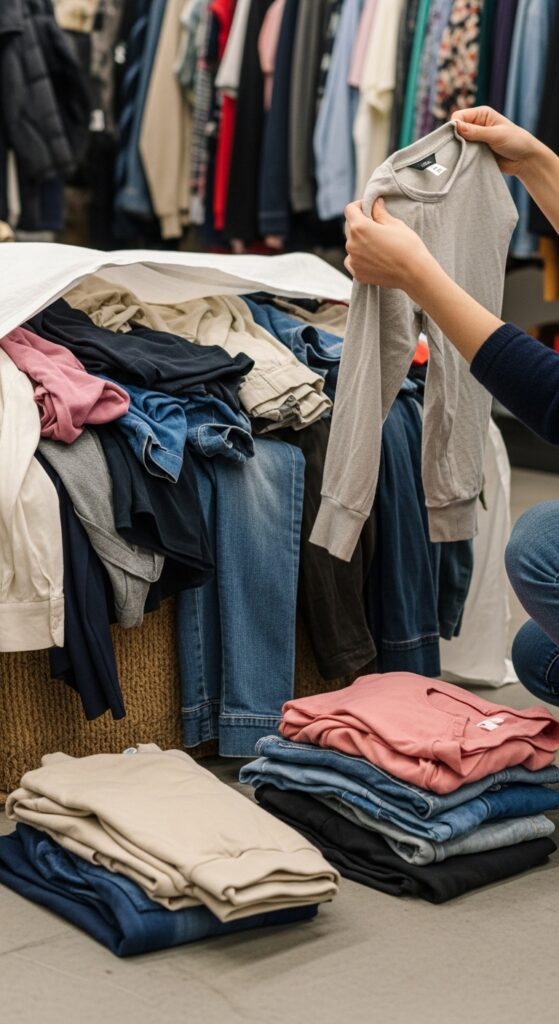
Sorting a thrift bale can feel overwhelming, especially when you’re just starting out. Some beginners spend hours sifting through clothes, only to realize most of it isn’t sellable. The trick isn’t working harder, it’s knowing exactly what to check first.
Here’s a smart approach:
1. Start with Fabric Quality
Run your fingers over the material. Thick, sturdy fabrics usually indicate Grade A items, while thin, fraying, or overly worn fabrics are often Grade B. This quick tactile check saves you from wasting time on pieces that won’t sell.
2. Spot the Brands
Instead of examining every label, scan for recognizable brands or popular styles. Brand names often indicate higher quality and better resale potential. Unknown or low-demand brands are usually slower sellers, so you can set them aside for upcycling or discard.
3. Check the Condition at a Glance
You don’t need to inspect every seam in detail at first. Look for obvious issues like stains, holes, or fading. If it fails the visual check, move on—focus your energy on items that show real potential.
4. Evaluate Trend and Style
Even in perfect condition, some clothes won’t sell if they’re out of style. Pay attention to current trends, colors, and patterns. Items that are classic or in demand are your Grade A winners.
Following this system, you can sort through a bale quickly while still identifying the high-quality pieces. Over time, your eye will train itself to spot Grade A vs Grade B thrift clothes almost immediately, letting you make smart buying decisions with confidence.
If you have the skills but clients still aren’t coming, this guide on Why You’re Probably Not Getting Clients for Your Sewing Business — Even Though You’re Skilled breaks down what might be holding you back.
Turning a Grade B Bale Into Profit
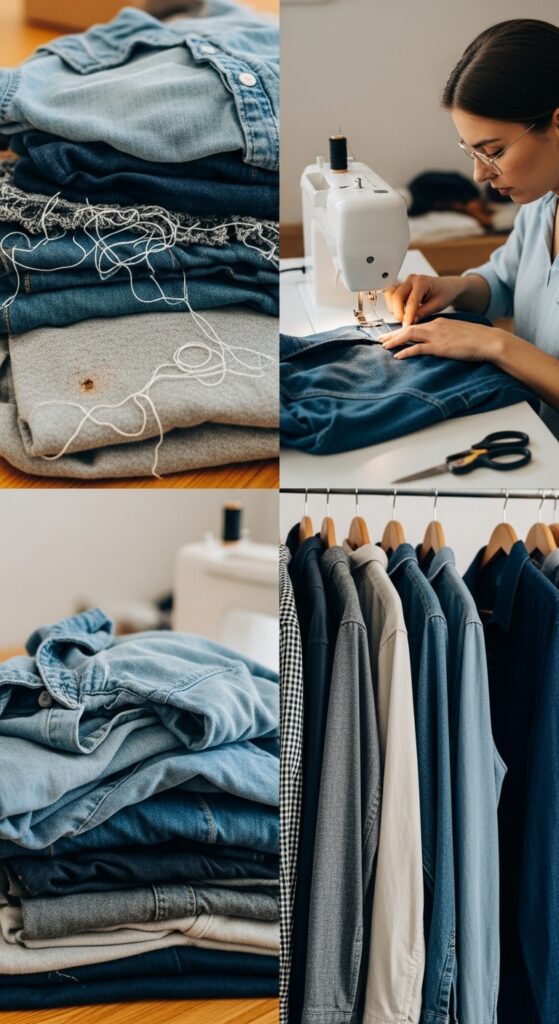
A lot of beginners make the mistake of looking at a Grade B bale and thinking it’s worthless. I’ve been there myself, buying a whole bale only to toss most of it because I didn’t know how to use it. The truth is, Grade B bales can make you money, but you need a system. Here’s exactly how to approach it:
1. Sort the Bale Carefully
Start by taking everything out of the bale and laying it in front of you. Don’t just grab random pieces. Check each item for:
- Small stains – Some can be removed with washing or spot treatment.
- Loose buttons or minor tears – Quick sewing fixes can make them sellable.
- Faded areas – Some fading is fine if the item is a trendy style or can be dyed.
The goal is to separate the fixable pieces from the completely unsellable ones. Don’t throw away the entire bale—Grade B means there’s value if you inspect carefully.
2. Decide on Repair or Upcycling
Not every Grade B item should be sold as-is. Look at each piece and ask yourself:
- Can this be repaired easily?
- Can I make it trendy or unique with minor changes?
- Will it appeal to my target customers once fixed?
Some simple examples:
- A torn shirt becomes a crop top.
- A faded pair of jeans can be patched creatively or turned into shorts.
- A plain, outdated dress can get embroidery or buttons to make it unique.
By adding value, you turn what seems low-quality into a desirable product.
3. Keep Costs in Mind
Because Grade B bales are cheaper, your investment risk is lower—but don’t ignore costs:
- Factor in time and materials for repairs or alterations.
- Only work on pieces that will make you enough profit after fixing.
- Track which types of repairs give the best return so you don’t waste effort.
This is where many beginners fail—they spend hours fixing pieces that won’t sell. Planning first prevents that.
4. Know Where to Sell
Some pieces will do better in different markets:
- Local thrift stores or markets may love repaired or upcycled items.
- Online marketplaces like Jumia, Instagram, or Facebook Marketplace are great for trendy flips.
- Highlight the fixes or creative upgrades in your listing—people pay for something unique.
By matching your Grade B items to the right buyers, you maximize your profit without leaving money on the table.
5. Learn from Each Bale
Every Grade B bale teaches you something:
- Which repairs are worth your time
- Which types of clothes sell best after fixing
- How to spot potential before buying
After doing this a few times, you’ll start seeing Grade B pieces differently. What seemed like trash at first will become a source of consistent profit.
If you want something quick and meaningful, these Quick and Soft Valentine’s Gifts You Can Sew in a Few Hours That Melt Hearts are simple but thoughtful.
Conclusion
When it comes to thrift bales, knowing the difference between Grade A vs Grade B thrift clothes can be the difference between making a profit and losing money. It’s not just about spotting stains or holes—it’s about understanding value, demand, and potential before you spend a single naira.
The best buyers don’t just open a bale and hope for the best—they inspect, evaluate, and plan. If you start doing the same, you’ll begin to spot Grade A pieces immediately, know which Grade B items are worth repairing, and avoid wasting money on the rest.
Here’s the thing: every bale tells a story. Learn to read it, and you turn what others see as messy or mixed into real opportunities. Start inspecting smart, think like a pro, and watch your thrift business grow.
Curious to take it further? Check out our other guides on thrift business strategies and tips for buying bales to sharpen your skills and maximize every purchase.