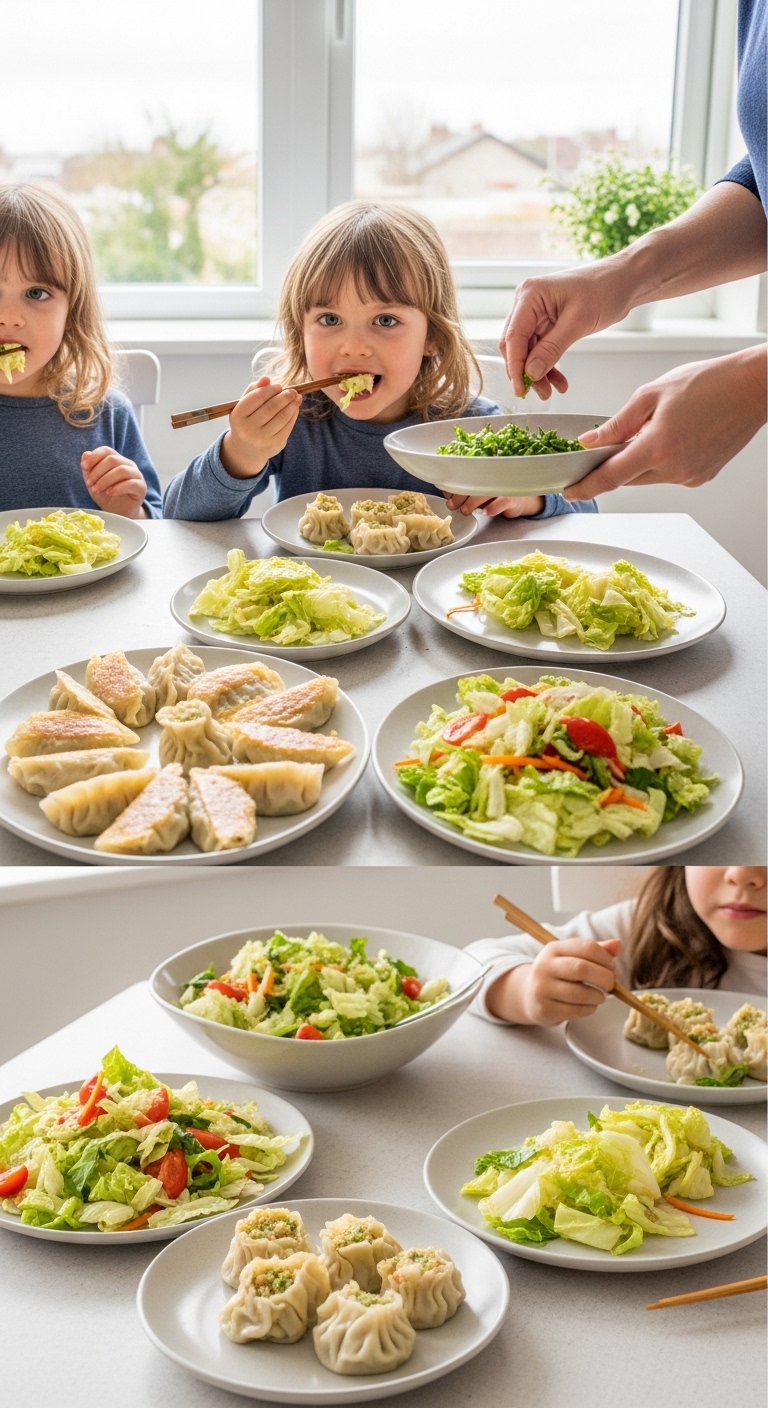
Easy Cabbage Recipes That Get Kids Eating Their Veggies — Dumplings, Salads & More
Can cabbage really win with kids? These easy cabbage recipes that get kids eating their veggies — dumplings, salads & more prove it’s possible.
Do your kids push aside cabbage no matter how you cook it? It can feel impossible to get them to eat it, whether it’s in salads, stir-fries, or dumplings. Half-eaten plates, wasted food, and mealtime battles can leave you frustrated and wondering if cabbage will ever be a kid-friendly meal.
This post is written to help you know some information. I’m sharing easy cabbage recipes that actually get kids eating their veggies, from soft dumplings and crunchy slaws to wraps and mini quiches.
These recipes focus on flavor, texture, and presentation idea, so you can serve cabbage confidently without fights at the table.
You’ll also find simple preparation tips, seasoning tricks, and presentation ideas to make cabbage appealing, reduce wasted food, and turn this often-overlooked vegetable into dishes your kids will genuinely enjoy.
Common Challenges Parents Face with Cabbage
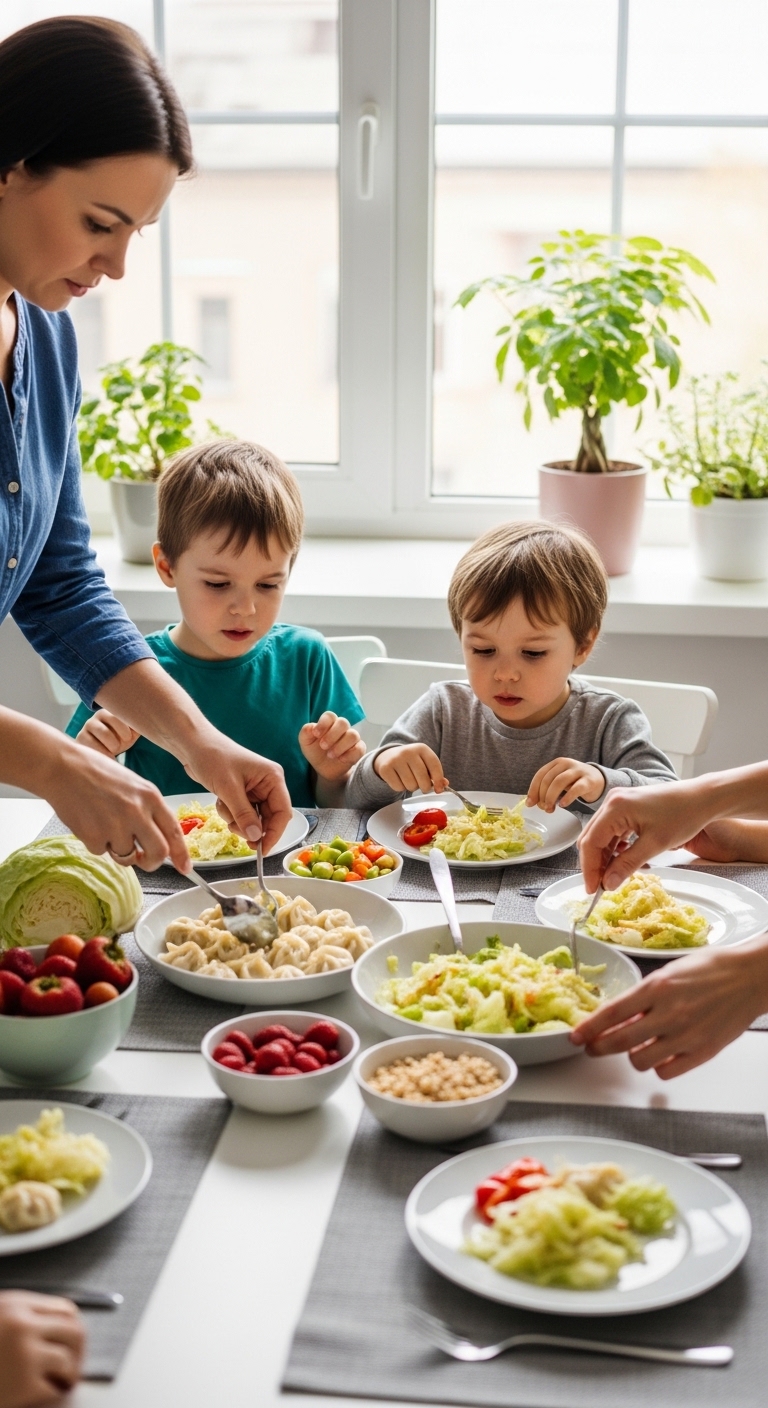
Before we dive into why cabbage is amazing, let’s talk about the real struggles most parents encounter:
- Texture Troubles: Kids can be sensitive to crunchiness or chewiness, whether cabbage is raw, sautéed, or lightly steamed.
- Strong Flavors: Even mild cabbage can taste “off” to little palates, making it hard to get them to take more than a bite.
- Visual Appeal: Plain green leaves can feel boring or uninviting on a plate, especially when compared to bright-colored veggies.
- Portion Missteps: Too much cabbage at once can overwhelm kids; too little leaves them hungry.
- Repetition Fatigue: Serving cabbage the same way repeatedly can create resistance, even if it’s well-seasoned or tasty.
- Digestive Worries: Parents may hesitate to serve too much raw cabbage due to bloating or discomfort, limiting creative meal options.
When you’re tired and want a meal that’s both easy and comforting, pairing your cabbage dishes with ideas from What to Make for Dinner When You’re Too Tired to Cook but Still Hungry can take the stress out of mealtime
Reason(s) Cabbage is a Super Veggie for Kids
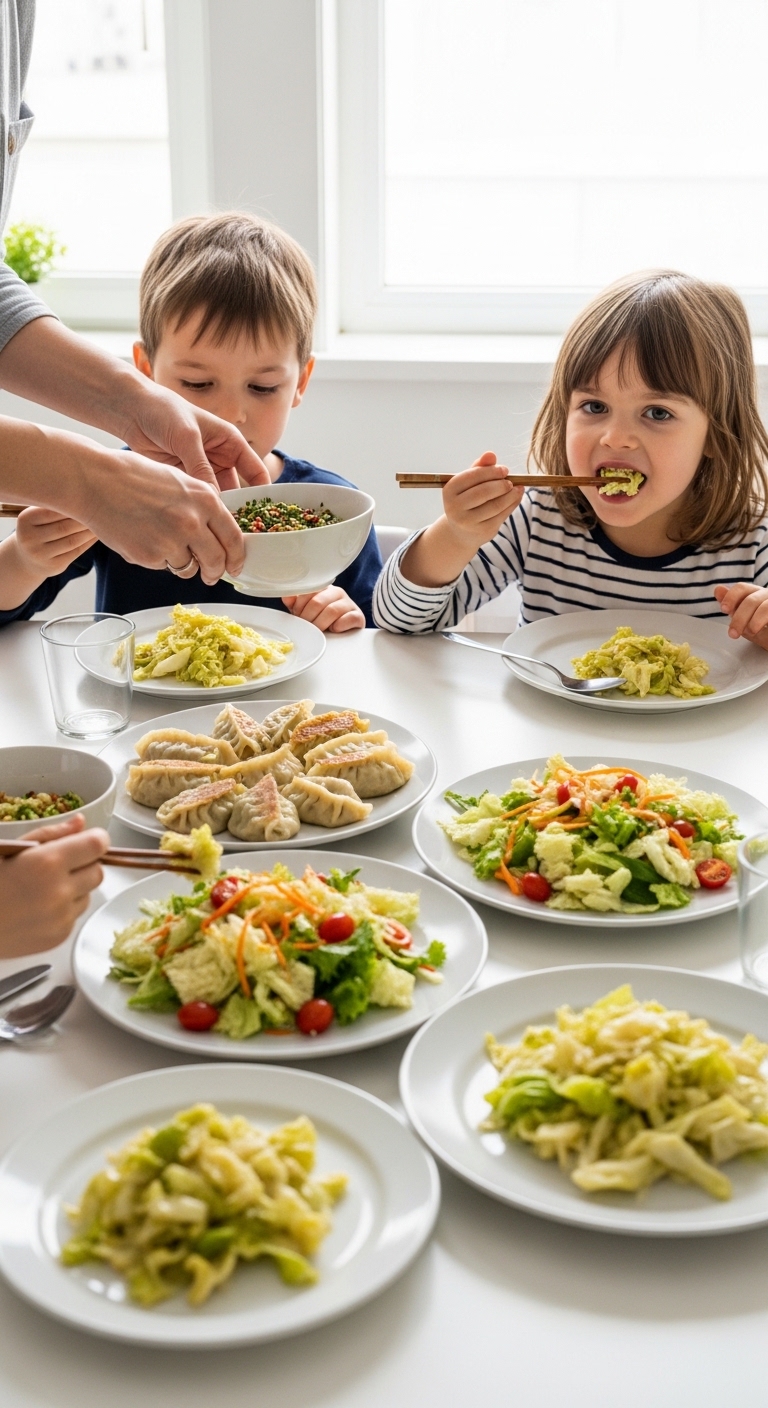
Cabbage is often overlooked, but it’s packed with nutrients that make it a powerhouse for growing kids, and it can be delicious when served right.
Here’s why it deserves a spot in your weekly meals:
- Fiber for Digestion and Fullness: The natural fiber in cabbage helps kids feel full and supports healthy digestion, making it easier to avoid mid-morning or afternoon snack battles.
- Vitamins and Antioxidants: Cabbage is rich in vitamin C, vitamin K, and antioxidants, which contribute to overall health, energy, and immunity, so your child is not just eating veggies, but actually benefiting from them.
- Supports Immunity and Energy: Regularly including cabbage in meals can help maintain energy levels and strengthen immune function, which is especially important during busy school weeks.
- As a Parent: You can sneak cabbage into meals without overwhelming little taste buds, shred it finely into slaws, add it to dumplings, or lightly sauté with familiar flavors.
By understanding these benefits, you’ll see why cabbage recipes that get kids eating their veggies is less about nutrition and more about making meals appealing, and stress-free for parents and kids alike.
Getting your kids involved with food often works best when they’re already in a playful mindset, after homework or a bit of creativity, like in 10 Super Fun After‑School & Homework‑Friendly Crafts Kids Can Make in 20 Minutes, you’ll notice they’re more curious and willing to try new meals.
Cabbage Varieties
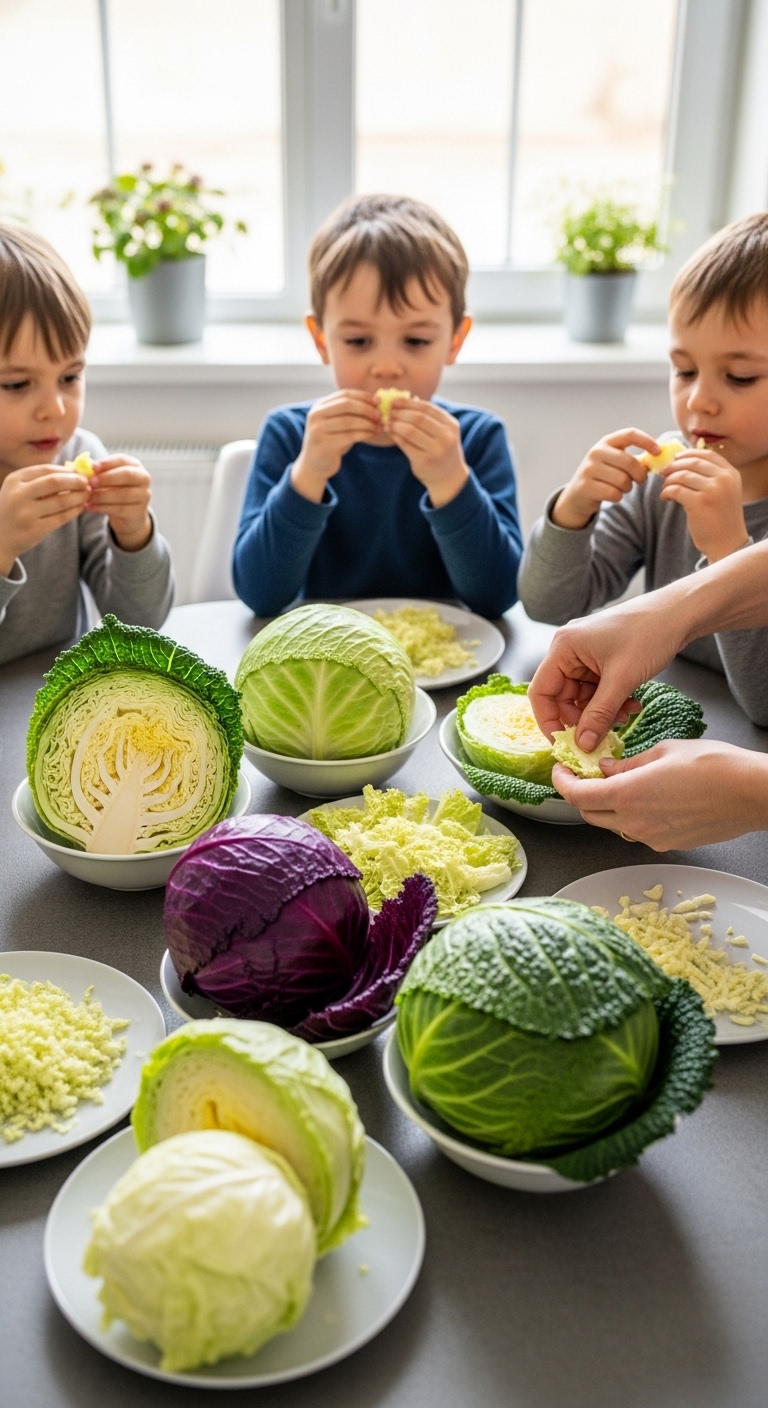
Using the right cabbage and prep methods can make all the difference in whether your kids actually eat their veggies.
Here’s what works best:
- Choose the Right Spring Cabbage: Green, red, or savoy cabbage each have slightly different textures and flavors. Red is sweeter, savoy is tender, and green is classic, picking the right type can help picky eaters enjoy it more.
- Pair with Seasonal Produce: Combine cabbage with carrots, bell peppers, peas, apples, or citrus for color, sweetness, and extra nutrients. Kids are more likely to try veggies when plates look vibrant and appealing.
- Flavor Boost with Herbs & Spices: Mild additions like ginger, parsley, or a touch of garlic can enhance taste without overpowering little palates. Avoid strong spices that can turn kids off.
- Parent Prep Hack: Pre-chop, blanch, or roast cabbage to reduce bitterness and make it easier for kids to chew. Having prepped cabbage on hand makes lunch or dinner assembly quick, stress-free, and more likely to be eaten.
- Mix & Match for Engagement: Rotating cabbage types, colors, and prep methods prevents boredom and keeps kids curious., and more willing, to try each meal.
Raw vs Cooked Cabbage: What Parents Should Know Before Serving It to Kids
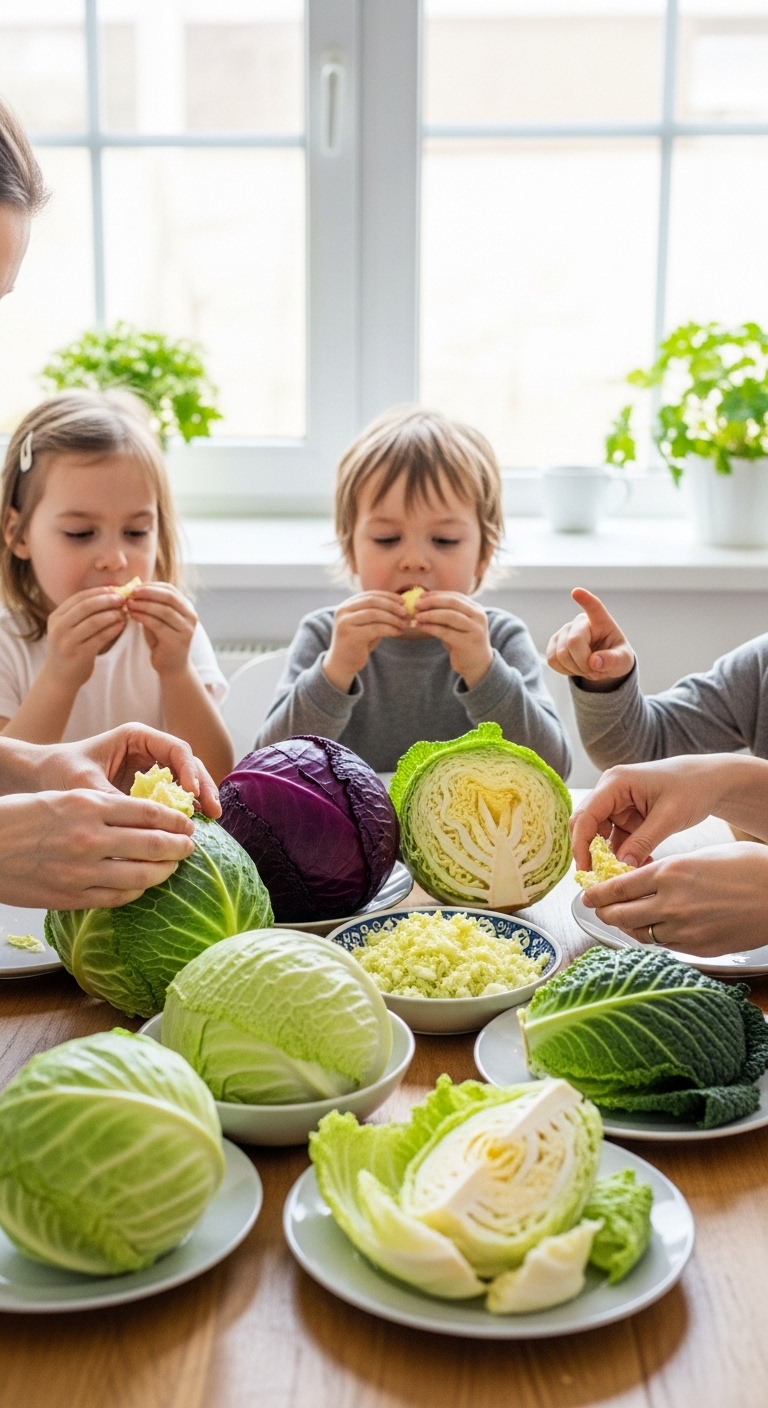
Cabbage can be eaten raw or cooked, but the way it’s served makes a big difference, especially for children.
Many parents offer cabbage once, get a bad reaction, and rule it out completely. Most times, the issue isn’t cabbage itself. It’s whether the cabbage was raw or cooked, and how the child experienced it.
Raw Cabbage: Crunchy, Fresh, but Not Always Kid-Friendly
Raw cabbage is firm and crunchy. For adults, that crunch can be refreshing. For kids, it can be overwhelming.
Why raw cabbage is hard for kids:
- It takes more effort to chew
- The taste is sharper and slightly bitter
- It can feel tough or scratchy in the mouth
- Young kids may struggle to digest it comfortably
This is why many children push aside coleslaw or raw cabbage salads without even tasting much of it.
Raw cabbage isn’t bad, it’s just not the easiest starting point for kids.
Cooked Cabbage: Softer, Milder, and Easier to Accept
When cabbage is cooked lightly, everything changes.
Cooking breaks down the tough fibers, softens the texture, and reduces the strong smell and sharp taste that children dislike.
Why cooked cabbage works better for kids:
- Softer texture is easier to chew
- Taste becomes mild and slightly sweet
- Blends well with other foods
- Easier on young stomachs
This is why cabbage soups, dumplings, wraps, and bakes are often more successful than raw salads.
Does Cooking Destroy the Nutrients?
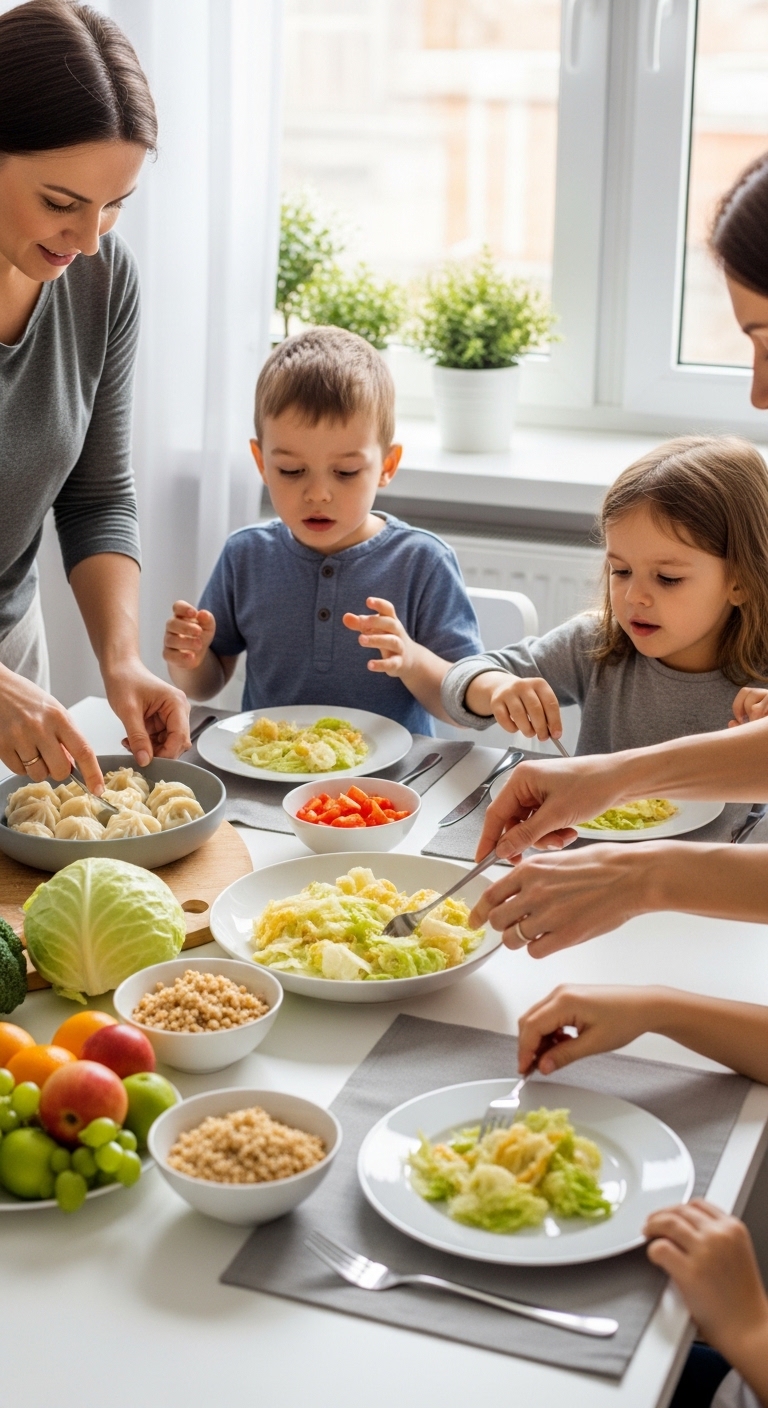
This is a common worry for parents.
Cooking does reduce some nutrients, but it also makes cabbage easier to digest and easier to eat, which matters more if your child refuses it raw.
A child eating cooked cabbage regularly is better than a child avoiding cabbage completely because it was served raw once and rejected.
If you find oven timing tricky or worry about dishes burning while you multitask, the techniques in Spring Bakes That Don’t Spread or Burn Even If You’re Distracted can help you manage cabbage and other oven recipes without stress.
Which Should Come First for Kids?
For most children, cooked cabbage should come first.
Once a child is comfortable with the taste and texture of cooked cabbage, you can slowly introduce small amounts of raw cabbage later, finely shredded, lightly dressed, and mixed with familiar foods.
Think of it as building trust with food, not rushing nutrition.
Kid-Friendly Cabbage Recipes
I know how frustrating it can be when you try to serve something healthy and your child just pushes it aside. The thing is, cabbage isn’t hard to like, it’s just about how it’s prepared. Little changes, like how you chop it, cook it, or season it, can make all the difference.
In this section, I’m sharing simple cabbage recipes to serve so your child actually eats it, enjoys it, and even asks for more.
1️⃣ Crunchy Apple & Cabbage Slaw
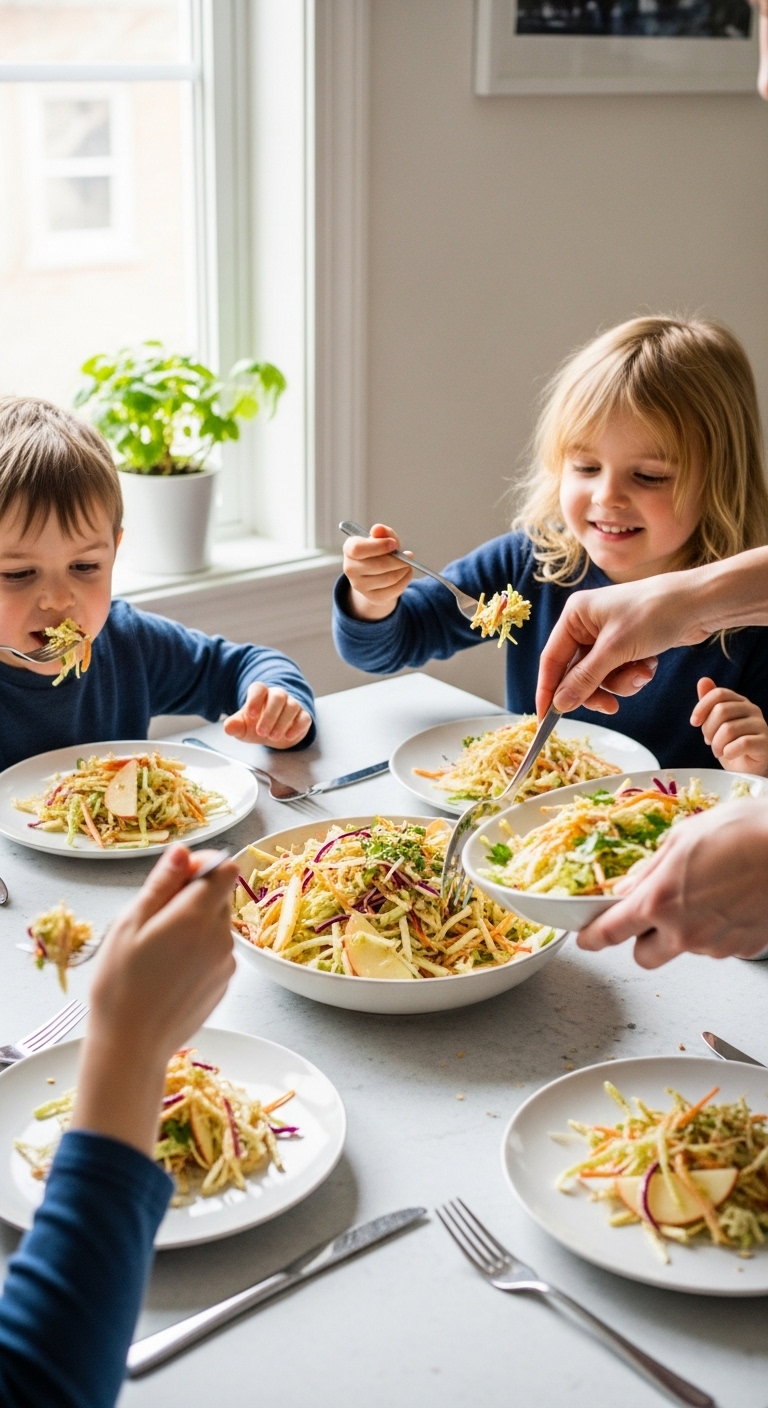
Most kids don’t hate cabbage.
They hate how it’s usually served.
Raw cabbage is often too hard, too sour, or mixed with strong dressings. One bite feels like work, not food, so they stop eating it.
This slaw fixes that.
The cabbage is sliced thin so it’s easier to chew. Apples add natural sweetness, so the first taste isn’t bitter. Carrots soften the crunch and make the bowl look friendly, not “too green.”
Nothing is sharp. Nothing is overpowering.
Why This Works for Kids
Kids decide fast. If the first bite feels rough or strange, they’re done.
This combo works because:
- The cabbage is soft enough, not tough
- The apple makes it taste slightly sweet
- The colors make it look less like a vegetable dish
It feels more like a snack than a salad, and that’s what that matters.
How to Prepare It So Kids Don’t Reject It
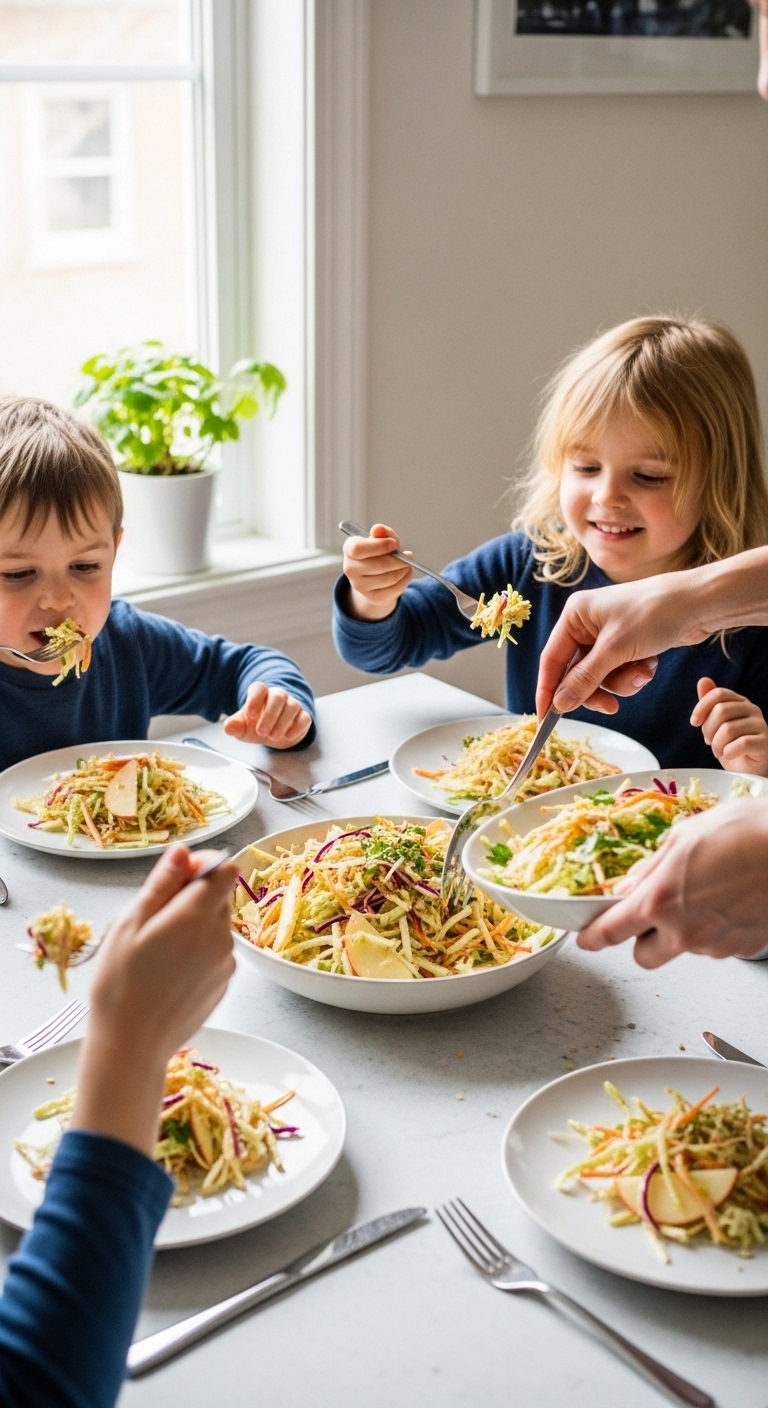
One mistake parents make is packing cabbage immediately after mixing it.
Freshly mixed cabbage is still stiff.
What to do instead:
- Slice the cabbage early
- Mix it and let it sit for 15–20 minutes
- Then pack or serve
That short rest makes the cabbage softer and easier to eat. Small step, big difference.
How to Serve It Without Stress
Don’t serve this as “salad.”
Serve it:
- Inside wraps
- Next to dumplings or chicken
- In a small bowl, not a full plate
Kids eat cabbage better when it feels like part of something, not the main thing.
If Your Child Still Says No
That doesn’t mean it failed.
Try:
- Making the pieces smaller
- Serving it warm (quickly sautéed for 2 minutes)
- Letting your child help mix it
Sometimes kids need to see food before they trust it.
This is how cabbage recipes that get kids eating their veggies actually work, not by forcing health benefits, but by changing texture, taste, and how the food shows up on the plate.
2️⃣ Cabbage & Chicken Dumplings
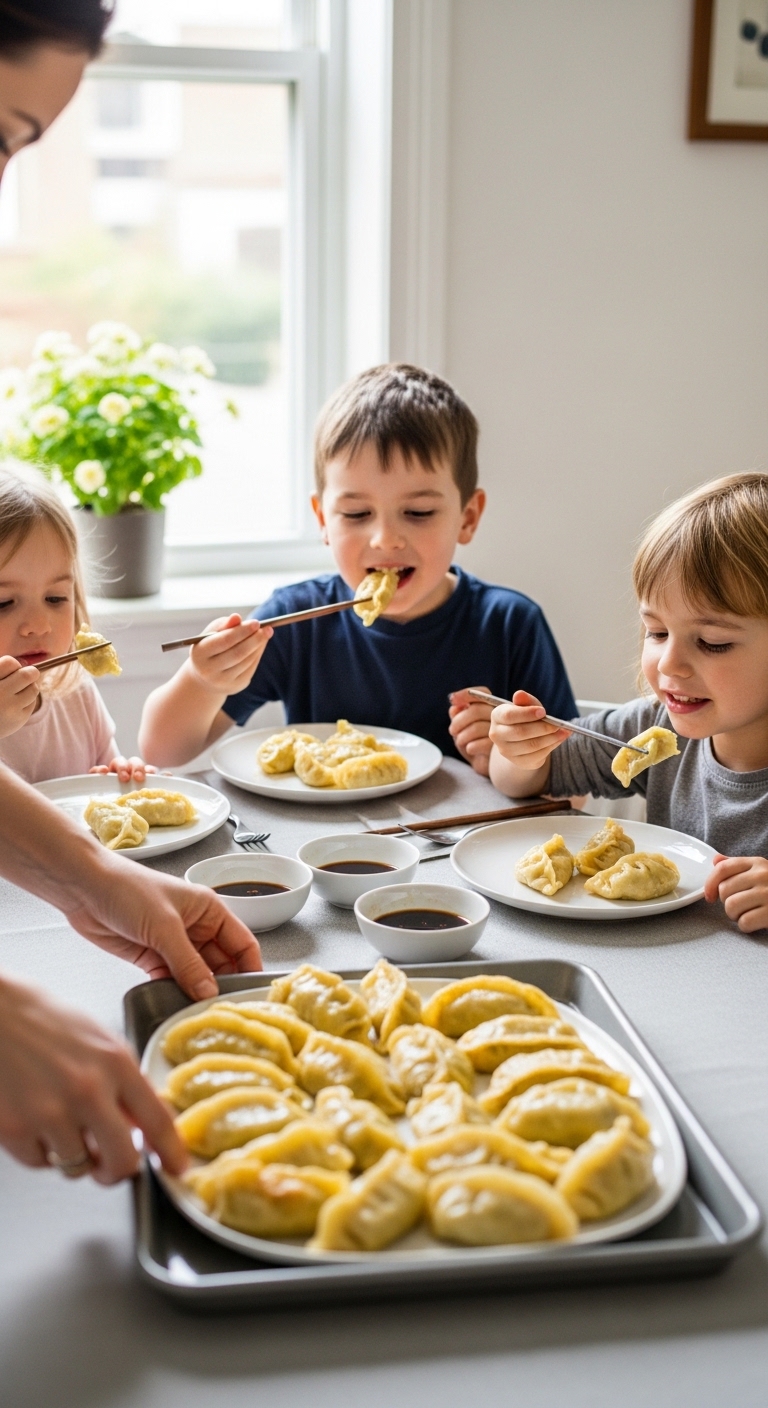
If you’re searching for cabbage recipes that get kids eating their veggies, dumplings are one of the easiest places to start. Many kids refuse cabbage when it’s served in salads or stir-fries, but when it’s mixed into a soft, familiar dumpling filling, the resistance usually disappears.
In this recipe, finely chopped cabbage is combined with ground chicken and gently cooked until tender. The cabbage softens, loses its sharp taste, and blends into the filling, so kids focus on the texture and flavor, not the vegetable itself. This makes these cabbage dumplings for kids a practical option for parents dealing with picky eaters.
Why this cabbage recipe works for kids
- The cabbage is chopped very small, so it doesn’t feel crunchy or overpowering
- Ground chicken keeps the dumplings soft and easy to chew
- Dumplings are hand-held and familiar, which helps kids try them without hesitation
- Small portions make this a low-pressure way to introduce vegetables
How cabbage fits into this meal
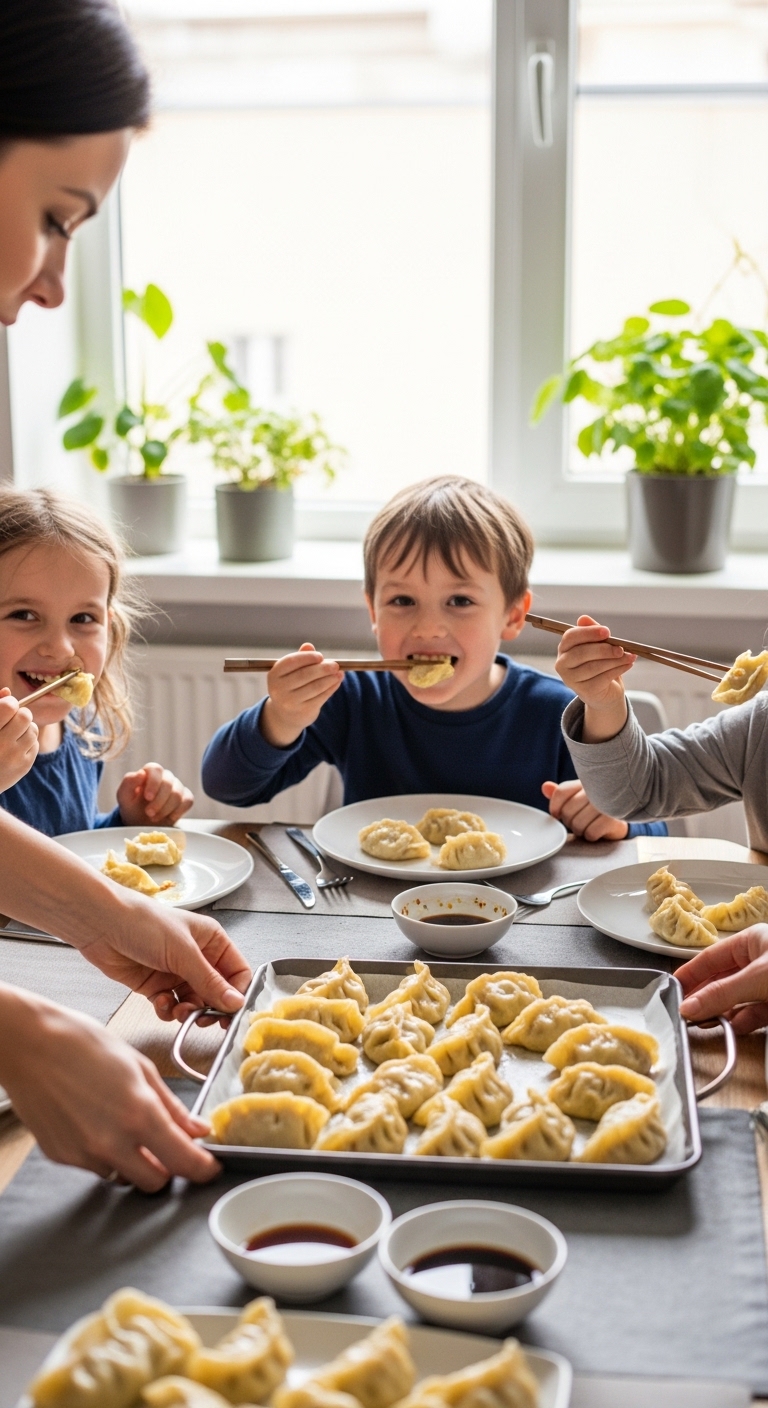
- Adds natural moisture so the filling stays juicy
- Provides fiber, helping kids feel full after eating
- Supports digestion without changing the taste of the dish
Time-saving prep tips for parents
- Use a knife or food processor to finely shred the cabbage
- Lightly squeeze out extra water before mixing
- Freeze uncooked dumplings in batches for quick, kid-friendly meals on busy days
How to make dumplings more appealing to kids
- Keep flavors mild, skip spicy sauces or strong seasonings
- Let kids help fold or seal the dumplings so they feel involved
- Serve with a simple dipping sauce so they can control the taste
Easy swaps
- Ground turkey works just as well if you don’t have chicken
- Turn the filling into small patties if wrappers aren’t available
- Use gluten-free wrappers or pan-cook the filling for allergy-friendly options
This is the kind of easy cabbage recipe for kids that actually gets eaten, not pushed around the plate. It fits into real family routines and helps parents serve vegetables without stress or mealtime battles.
3️⃣ Cabbage & Veggie Wraps
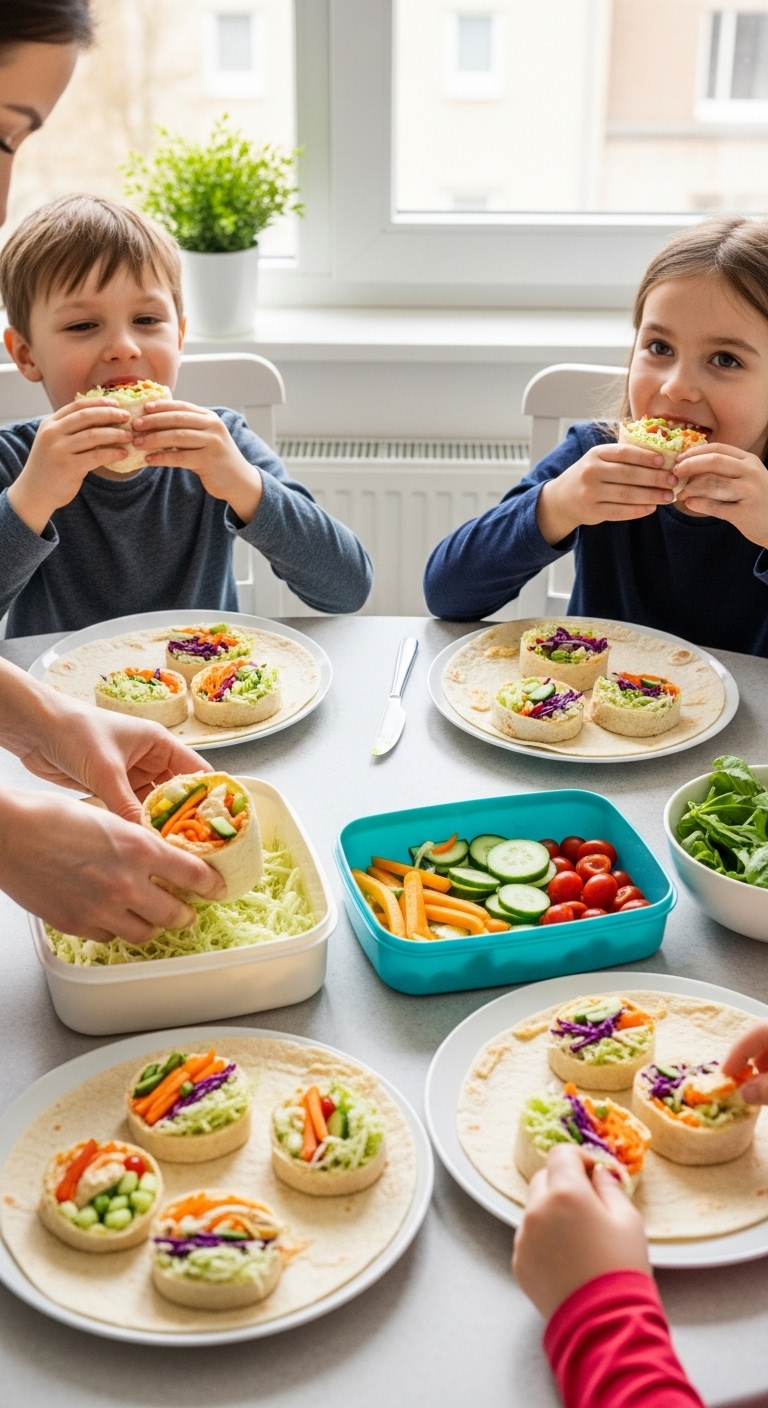
If your kids won’t touch cabbage in a bowl but will happily eat wraps, this is one of the simplest cabbage recipes . Wraps feel familiar and “safe” to kids, which makes them a smart way to introduce vegetables without turning lunch into a negotiation.
In this recipe, cabbage is thinly sliced and lightly softened so it’s not crunchy or bitter. Paired with colorful veggies and wrapped in a soft tortilla or flatbread, cabbage becomes part of the meal instead of the main focus.
Many parents find this works better than salads because everything stays together and feels less vegetable-heavy.
Why this cabbage wrap works for kids
- Soft wraps are easier to bite than raw cabbage salads
- Thinly sliced cabbage blends in with other veggies
- Kids like meals they can hold and eat on their own
- Mild flavors make it easier for picky eaters to accept
How cabbage helps without kids noticing
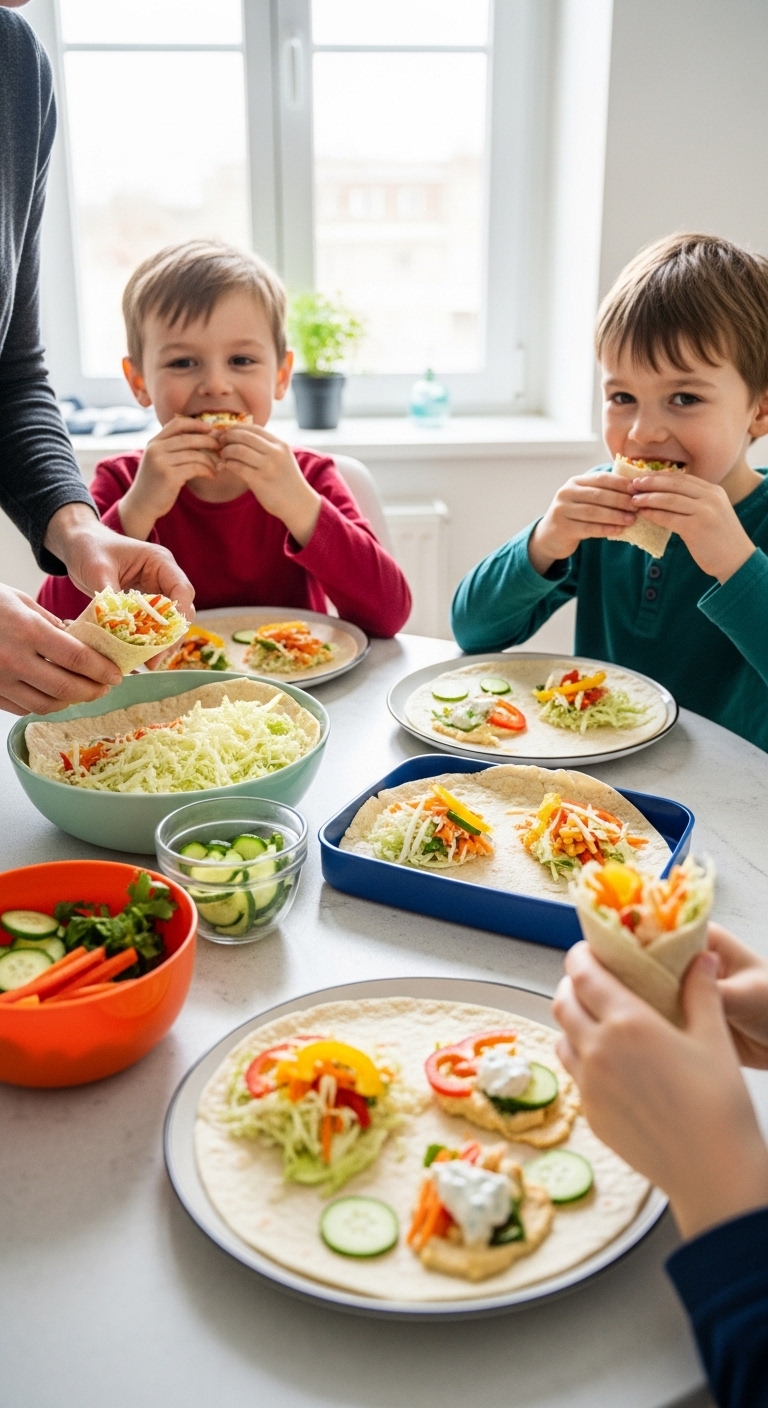
- Adds fiber that helps kids feel full longer
- Keeps the wrap crunchy-soft without needing heavy sauces
- Works well with sweet veggies like carrots or peppers
Simple prep tips for busy parents
- Toss sliced cabbage with a little lemon or olive oil to soften it
- Prep the filling ahead and store it in the fridge for quick lunches
- Use leftover roasted veggies to save time during the week
Ways to make wraps more appealing
- Let kids build their own wraps so they choose what goes inside
- Cut wraps into halves or pinwheels to make them less overwhelming
- Add a mild dip or spread so kids can control the taste
Easy swaps if needed
- Use lettuce cups if you’re avoiding tortillas
- Add hummus or yogurt sauce for extra flavor without overpowering
- Turn the filling into a warm wrap for kids who prefer cooked veggies
These cabbage wraps for kids are flexible, helping parents serve cabbage in a way kids actually enjoy.
4️⃣ Roasted Cabbage Steaks with Parmesan
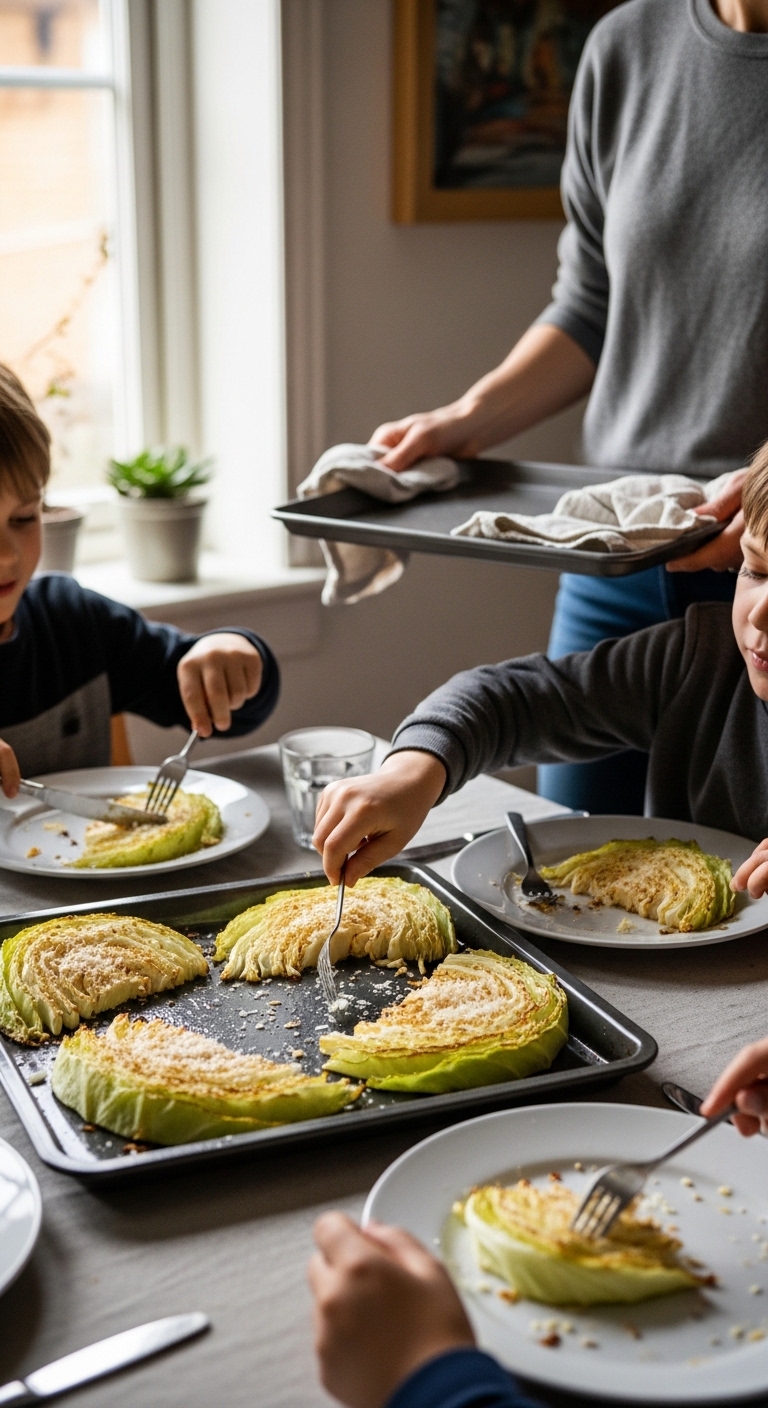
Roasting changes cabbage completely, and that’s why this recipe works. Instead of smelling strong or tasting watery, cabbage becomes slightly sweet, soft in the middle, and crispy around the edges. For many parents, this is the first time their kids stop pushing cabbage aside and actually take a bite.
Cutting cabbage into thick steaks also helps. It looks more like a main food than a pile of vegetables, which makes it less intimidating for kids. A light sprinkle of Parmesan adds familiar flavor and reduces that “this tastes healthy” reaction kids often have.
Why roasted cabbage works better than boiled or sautéed
- Roasting removes bitterness and brings out natural sweetness
- Crispy edges make the texture more appealing to kids
- Parmesan adds flavor without needing heavy sauces
How this helps kids eat more veggies
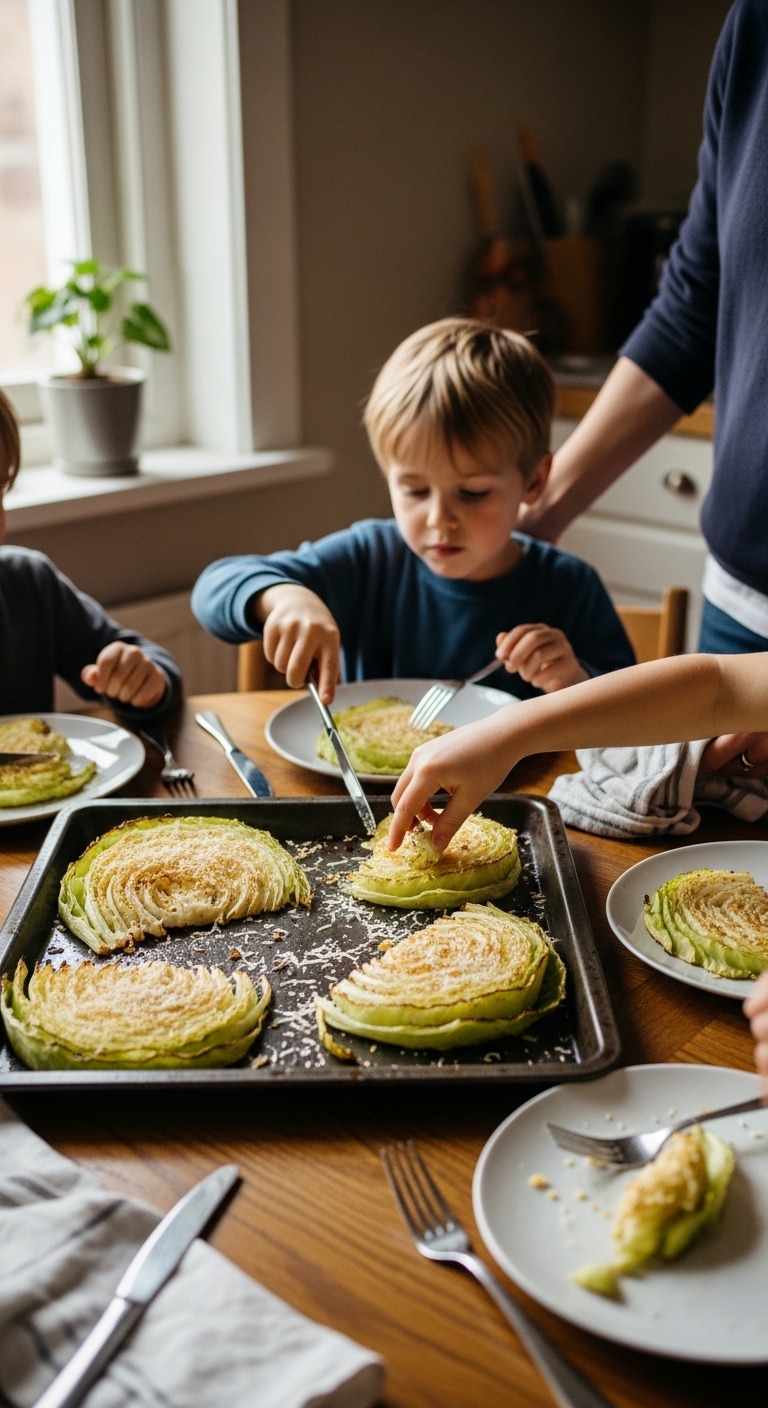
- Feels like a side dish, not “forced vegetables”
- Easy to chew and not stringy when sliced thick
- Smells inviting instead of strong while cooking
Parent prep tips that actually help
- Slice cabbage into thick rounds so it doesn’t fall apart
- Roast on high heat to get golden edges
- Line the pan with parchment for quick cleanup
Ways to serve it so kids don’t complain
- Cut steaks into smaller wedges for little hands
- Serve with ketchup, yogurt dip, or mild ranch on the side
- Pair with familiar foods like chicken or pasta
Simple variations
- Add a light garlic butter instead of oil
- Use shredded Parmesan or mild cheese for younger kids
- Finish with a squeeze of lemon to brighten the flavor
This is one of those easy cabbage recipes that get kids eating their veggies without hiding anything. The texture, flavor, and presentation do the work.
5️⃣ Mini Cabbage Quiches
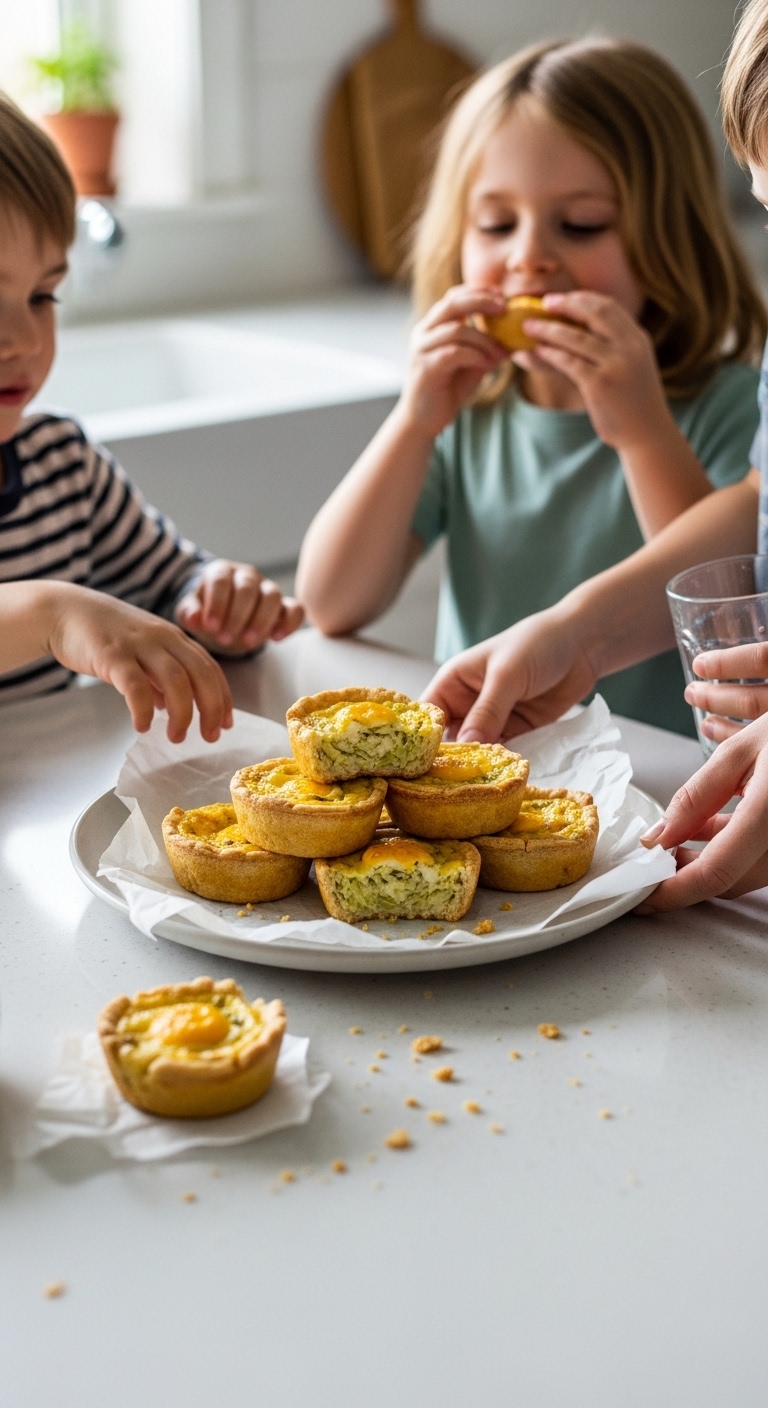
These mini cabbage quiches work because they don’t feel like vegetables. The cabbage is finely chopped, cooked until soft, and mixed into eggs and cheese, so kids taste a warm, savory bite instead of “cabbage.” For many parents, this is the first cabbage meal that gets eaten without negotiation.
The small size matters too. Mini quiches feel like snacks, not meals, which lowers resistance —, especially for picky eaters who avoid anything piled high on a plate.
Parents love it because:
- Great way to use leftover cabbage without waste
- Bakes all at once, no standing over the stove
- Works for lunchboxes, breakfast, or quick dinners
Why this recipe gets better results with kids
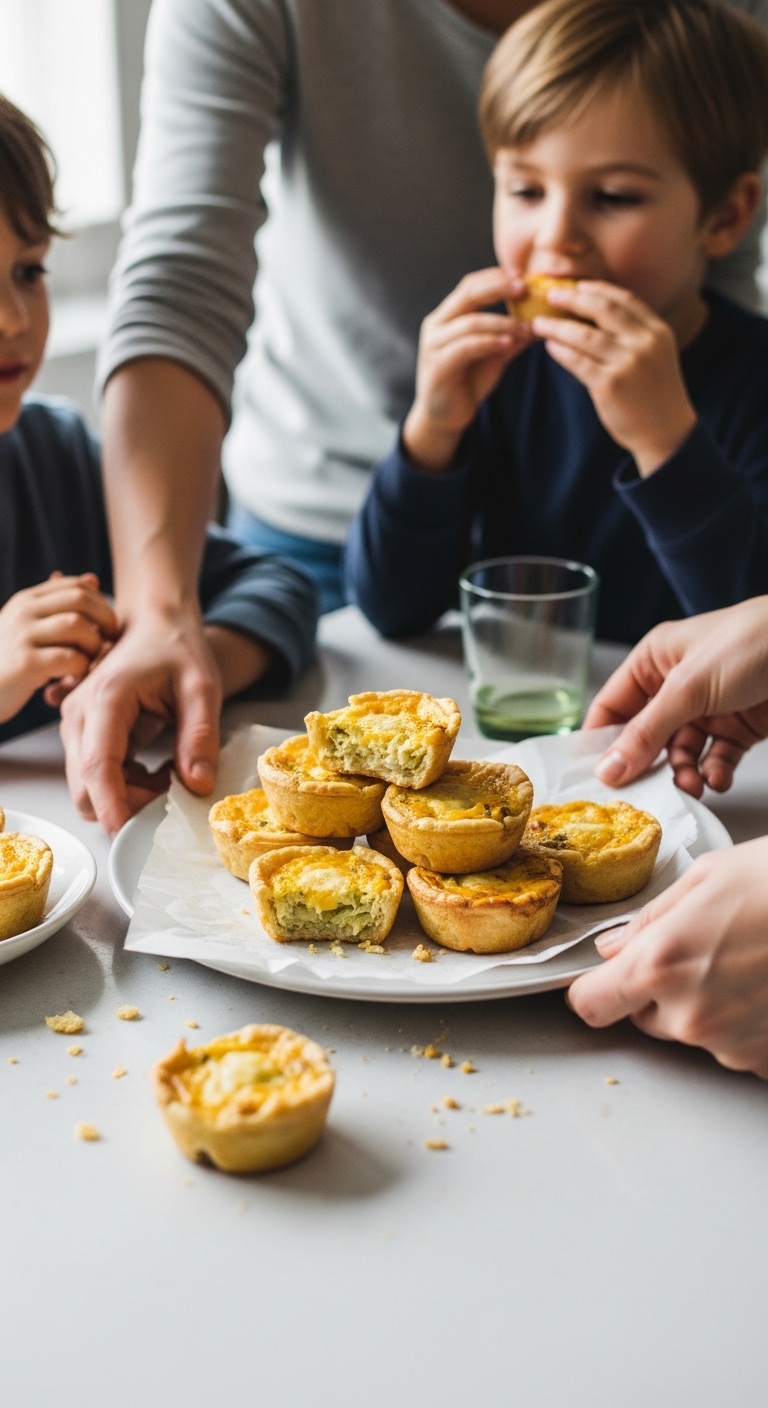
- Finely chopped cabbage blends into the egg mixture
- Soft texture makes it easy to chew
- Cheese adds familiarity and comfort
Prep tips that actually reduce stress
- Sauté cabbage briefly before baking to remove bitterness
- Use muffin tins for even portions
- Bake once, refrigerate or freeze, and reheat as needed
How to serve without complaints
- Let kids eat it with their hands
- Pair with fruit or a mild dip
- Serve warm or room-temperature — no texture change
Simple swaps that still work
- Add shredded chicken for extra protein
- Use mild cheddar or mozzarella for sensitive eaters
- Mix in carrots or zucchini for extra veggies
This recipe fits perfectly into easy cabbage recipes that help kids eat more vegetables without forcing, hiding, or arguing
6️⃣ Cabbage & Lentil Soup
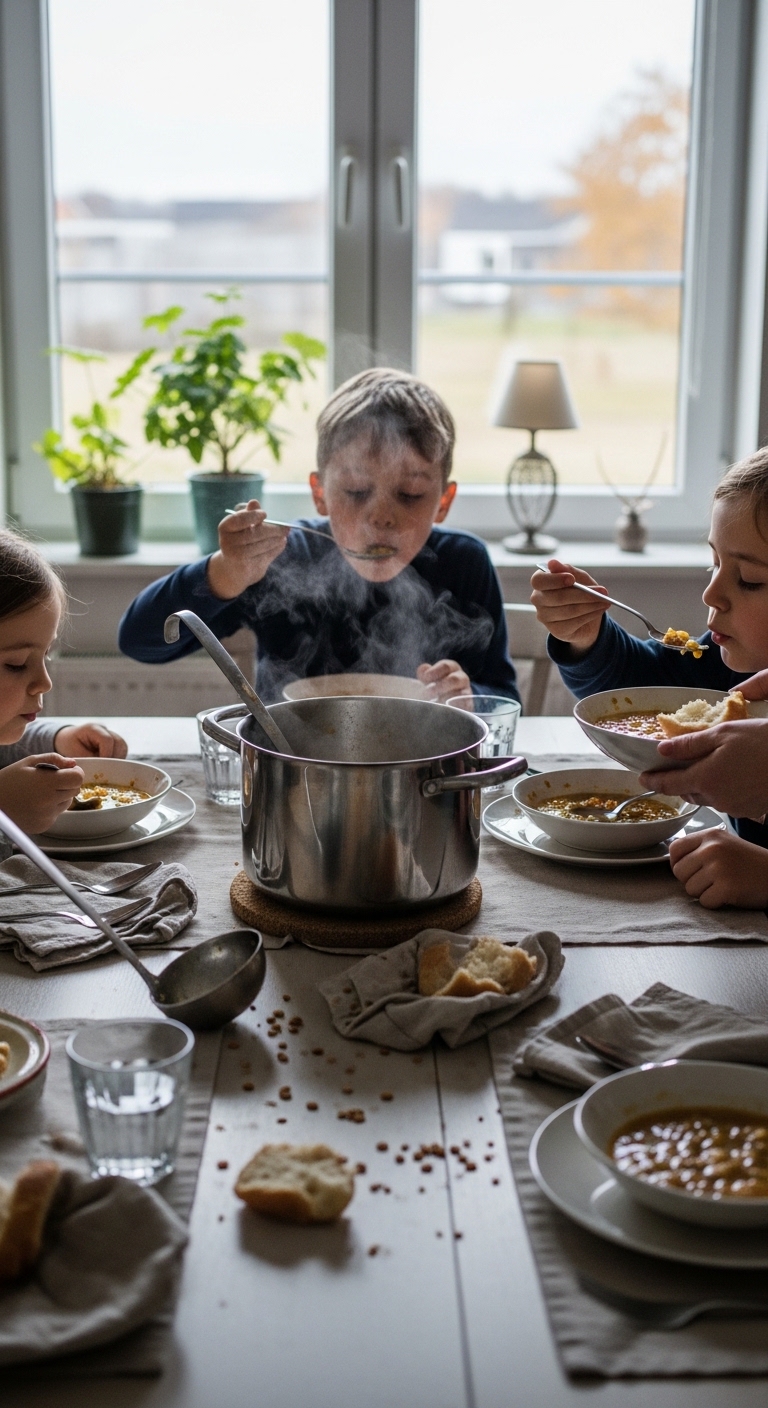
This soup works well for kids because everything cooks down soft. There’s no crunch, no sharp smell, and no strong cabbage taste. When cabbage is simmered slowly, it becomes mild and slightly sweet, which makes it much easier for children to accept.
Lentils are important here because they turn the soup into a real meal, not just vegetable water. They make it filling, so kids don’t get hungry again an hour later. Many parents worry that soups won’t satisfy children, this one usually does.
Why this soup is easier for kids than other veggie soups
- The texture is soft and uniform
- The flavors blend together instead of standing out
- No bitter taste when cabbage is cooked properly
A common mistake parents make
Adding cabbage too late. Raw or undercooked cabbage can smell strong and feel crunchy. Cooking it early and slowly removes that problem and makes the soup gentle on the stomach.
How to make it kid-friendly without hiding food
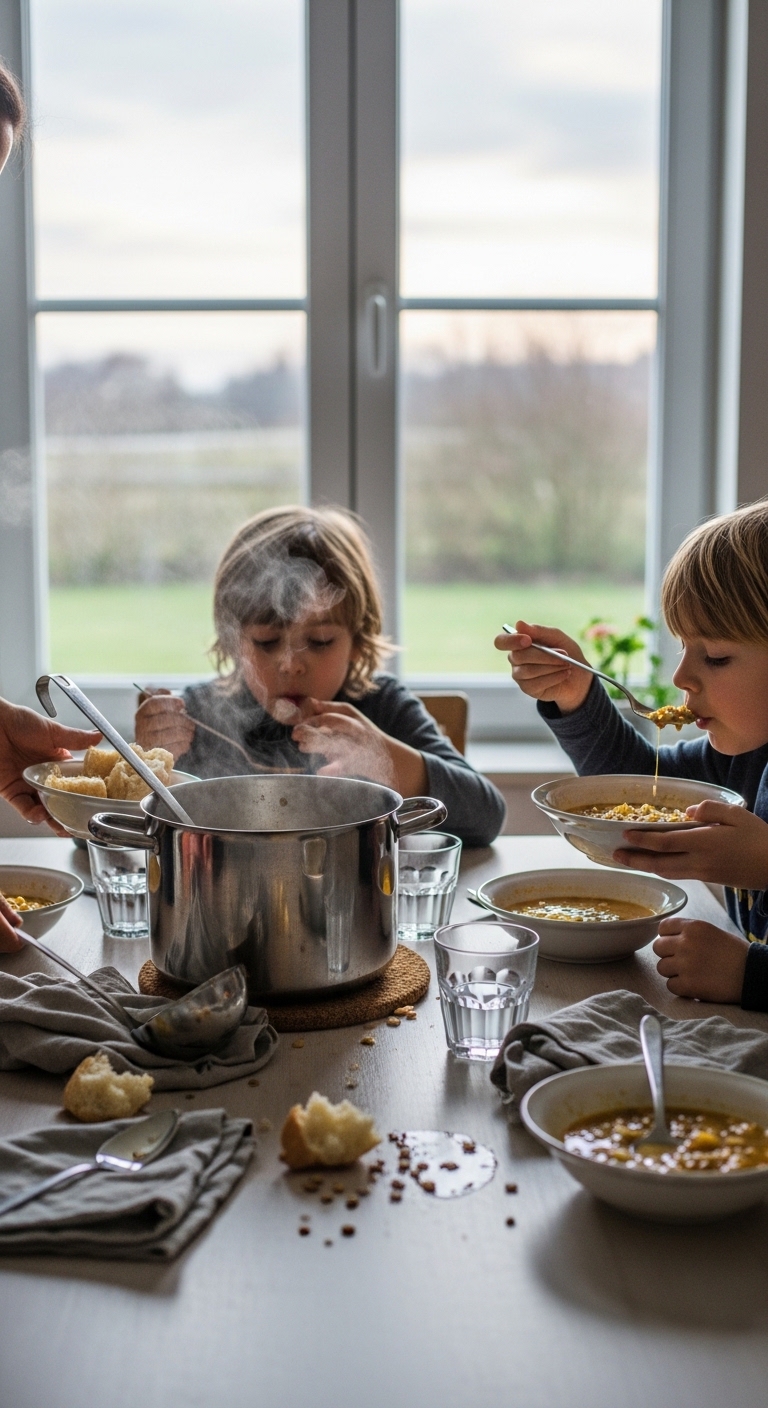
- Chop cabbage into small pieces so it blends naturally
- Use red lentils if possible — they cook faster and turn soft
- Keep spices mild; salt, onion, and a little garlic are enough
When this soup works best
- After school, when kids want something warm and calming
- On days they don’t feel like chewing much
- When you want a one-pot meal that doesn’t cause complaints
How to serve it
- With bread or toast fingers for dipping
- In smaller bowls first, then offer more
- Let kids help stir, it makes them more willing to try
This soup isn’t about forcing cabbage. It’s about changing how cabbage shows up, softer, warmer, and part of something comforting. That’s usually when kids stop resisting and just eat.
When Cabbage Works Best in the Day
Even the best cabbage recipes that get kids eating their veggies can fail if served at the wrong time. Timing affects taste acceptance, digestion, and comfort, which as parents we often overlook.
1. Lunch vs Dinner Acceptance
-
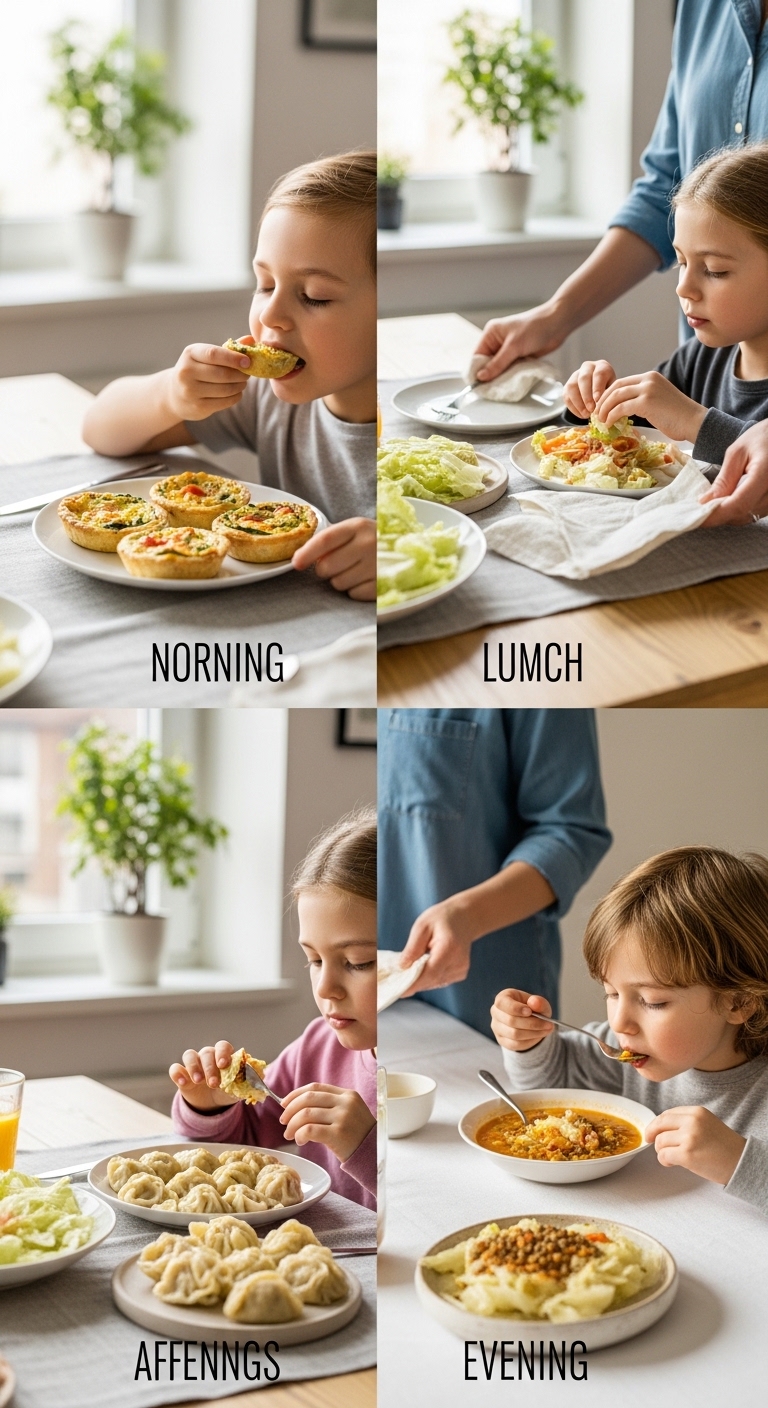
Kids are usually more willing to eat vegetables at lunch because they’re alert, not tired, and less hungry.
-
Serving cabbage at lunch, in wraps, dumplings, or salads, increases the chance they’ll actually eat it.
-
Evening meals can feel heavier, and fatigue or hunger can make children reject vegetables even if they liked them earlier in the day.
Serving cabbage at lunch in wraps, dumplings, or salads — increases the chance they’ll actually eat it, and if you’re looking for more ideas that picky kids really enjoy, check out Kid-Friendly Dinners for Picky Eaters — Beyond Nuggets, Fries, and Pizza
2. Why Cabbage Works Better Earlier in the Day
-
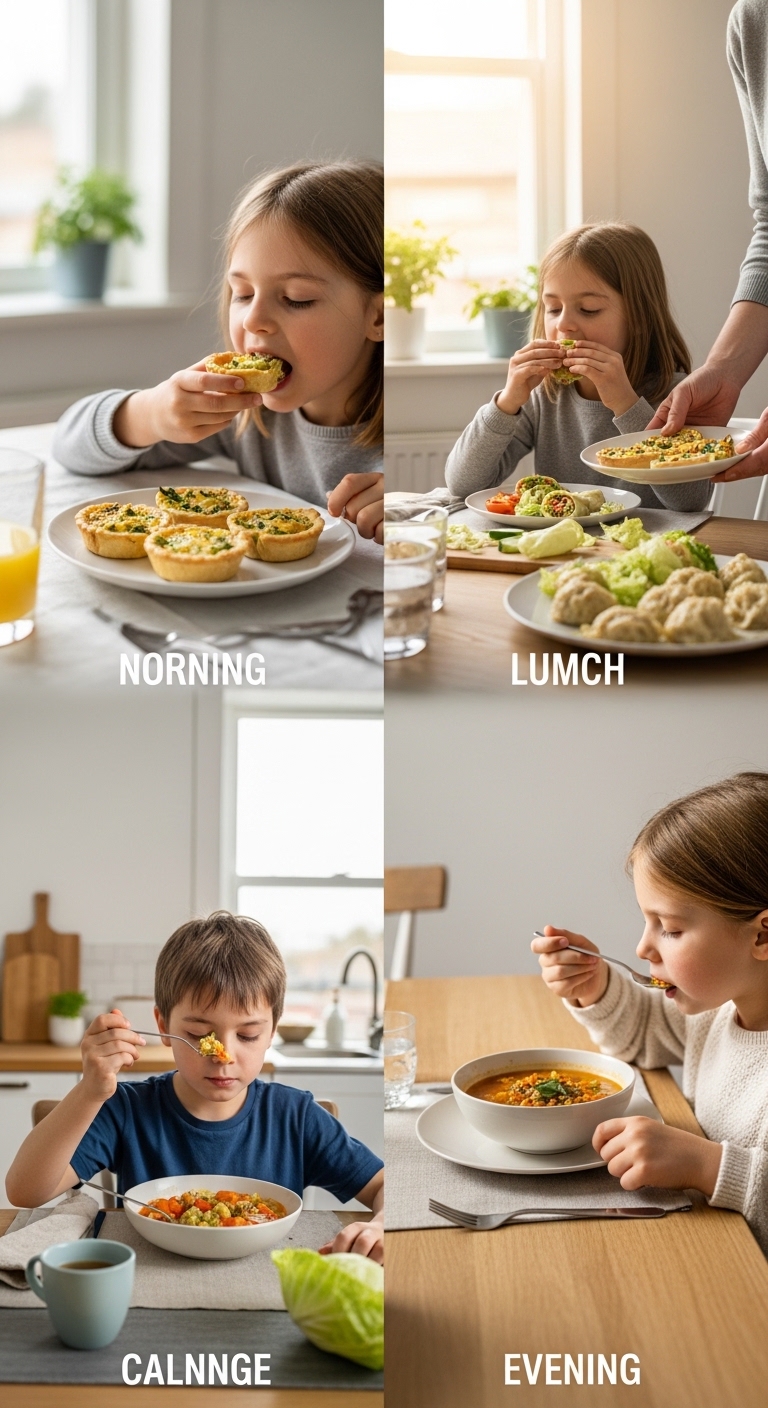
Children’s taste buds are more sensitive in the morning and early afternoon, making milder flavors easier to accept.
-
Lightly cooked or raw cabbage at lunch keeps the natural sweetness and crunch, which kids respond to positively.
-
Fiber-rich cabbage eaten earlier allows the digestive system time to process it comfortably, reducing gas, bloating, or tummy upset.
3. When to Avoid Serving Cabbage
-
Avoid serving heavy or raw cabbage right before bed, as it can be harder to digest and may cause gas or discomfort.
-
If your child has a sensitive stomach, offer lightly cooked cabbage in the evening, mixed into soups, dumplings, or quiches instead of raw slaws.
Parent Advice: Pair cabbage timing with preparation style: raw or lightly tossed cabbage works best at lunch, while cooked, softer cabbage is easier to digest in the evening.
This small adjustment can make your cabbage recipes more successful, reduce mealtime battles, and keep your child comfortable.
If your child has a sensitive stomach, offer lightly cooked cabbage in the evening, mixed into soups, dumplings, or quiches instead of raw slaws, and while you’re at it, you could get them involved in a hands-on project like 7 DIY Spring Wreaths Using Garden Finds or Everyday Items— Simple Ideas for When You Don’t Know Where to Start to make mealtime and creativity part of the same fun routine.
Conclusion
Getting kids to enjoy cabbage isn’t instant, and that’s okay. Start small, keep the flavors mild, and celebrate little wins. With patience and the right approach, your child can learn to enjoy cabbage, and you’ll save time, reduce stress, and feel confident serving healthy, satisfying meals.
Once the cabbage meal is finished and the kids are satisfied, you can round things off with something sweet from Vegan & Plant‑Based Desserts: Easy and Delicious Recipes… a treat even picky eaters enjoy.
This post talked on: Easy Cabbage Recipes That Get Kids Eating Their Veggies — Dumplings, Salads & More.
