
Kids refusing dinner again? Read kid-friendly dinners for picky eaters — beyond nuggets, fries, and pizza.
Some nights, you find yourself staring at the kitchen, drained, wondering what your kids will actually eat. You’ve served nuggets, fries, and pizza so many times that even thinking about dinner feels exhausting. You want them to eat, but you don’t want the fights, the refusals, or another evening of stress.
The truth is, feeding picky eaters doesn’t have to feel impossible. You don’t need complicated recipes or hours of prep. With a few simple, thoughtful meals, you can give them food they’ll actually enjoy, and give yourself a little peace at the same time.
In this post, we’ll look at kid-friendly dinners that go beyond the usual staples. You’ll learn why picky eaters act the way they do, what makes a meal truly “kid-friendly,” and discover easy, filling dishes that help your kids enjoy dinner, without arguments or stress at the table.
You might find this helpful: What to Make for Dinner When You’re Too Tired to Cook but Still Hungry
Why Picky Eaters Do What They Do

1. Taste Buds and Food Preferences
Kids’ taste buds are more sensitive than adults’. That’s why some flavors that seem mild to us, like slightly bitter greens or strong spices, can feel overwhelming to them. Their preference for sweet or salty foods isn’t laziness; it’s a natural response to their developing senses. Understanding this helps you approach new foods with patience, rather than frustration. Offering small portions of new flavors alongside familiar favorites can gradually expand what they’ll eat without turning mealtime into a battle.
2. Texture Issues and Sensory Sensitivities
Sometimes, it’s not the taste but the texture that turns kids off. Crunchy, slimy, mushy, or sticky textures can feel unpleasant, or even overwhelming, to children with heightened sensory awareness. Recognizing texture sensitivity can change how you serve food. For example, lightly steaming vegetables instead of serving them raw or mixing soft ingredients with firmer ones can make meals more acceptable, and reduce stress for both you and your child.
3. How Routine and Habits Affect Eating
Kids thrive on routine, and their eating habits often reflect it. Serving meals in unpredictable ways, introducing too many new foods at once, or changing schedules can lead to refusals or picky behavior. Creating simple, consistent routines, like eating at the same time each day or introducing one new food per meal, helps kids feel safe and more willing to try things. Over time, these small habits build a foundation for more adventurous eating without pressure or arguments.
Here’s what to read next: What to Make for Valentine’s Day When You’re Vegan and Short on Time
What Makes a Dinner Truly Kid-Friendly

1. Simple Ingredients Kids Recognize
Kids are more likely to eat meals when the ingredients feel familiar. Introducing too many new foods at once can overwhelm them and trigger refusals. Stick to items they already know and like, and slowly mix in new flavors over time.
For example, pairing a new veggie with their favorite pasta or protein makes the change soft and less intimidating. Simple, recognizable ingredients build confidence at the table, for both the child and the parent.
2. Fun Presentation and Colors
We eat with our eyes first, and this is especially true for kids. A plate that looks visually appealing can make a huge difference in whether they take a bite. Bright vegetables, colorful fruits, or arranging food in fun shapes can turn even a simple dinner into something exciting. Presentation isn’t about fancy plating; it’s about making food inviting and playful.
3. Balanced Nutrition Without Battles
The goal is to feed your kids well without turning every meal into a negotiation. Combining protein, healthy carbs, and vegetables in ways that don’t look intimidating helps children get nutrients naturally.
For instance, adding finely chopped vegetables to sauces, soups, or casseroles can sneak in nutrition without confrontation. Balanced meals don’t have to be perfect, they just need to be consistent and stress-free.
Another interesting post, worth reading: Why Valentine’s Day Meals Fail at Home-And How to Plan One That Actually Feels Romantic
Why Kids Reject Foods You Love

One of the biggest surprises for parents is that picky eaters don’t always refuse food because of flavor, often, texture matters even more. Understanding this can make a huge difference when planning kid-friendly dinners for picky eaters.
For example, your child might happily eat breaded chicken strips but refuse shredded or plain chicken in a stir-fry. Similarly, they may finish a bowl of plain rice, yet push aside fried rice that has vegetables or sauces mixed in. Although the taste might be similar, the texture feels completely different to them.
This is why some meals you lovingly prepare fail, even though they’re delicious to adults. It’s not that your child is “difficult”, rather, their sensory preferences are just more sensitive at this stage.
By paying attention to textures, you can adjust meals without completely changing flavors. For instance, cut veggies into smaller pieces, keep proteins soft or breaded, and introduce new textures gradually. These small adjustments can transform a meal that would normally be rejected into a kid-friendly dinner for picky eaters that your child is willing to try, and even enjoy.
While you are here, read: Vegan & Plant-Based Desserts: Easy and Delicious Recipes for Every Sweet Tooth
10 Kid-Friendly Dinners That Aren’t Nuggets, Fries, or Pizza
1. Toast + Eggs (Fried, Scrambled, or Boiled)

This is a classic for a reason: it’s fast, filling, and almost always accepted by kids. Eggs are a great protein source, and toast keeps it familiar and easy to eat. If your child is hesitant, try cutting the toast into fun shapes, or adding a small slice of cheese or avocado on top. Even adding a little sprinkle of cinnamon or a drizzle of honey can make it feel new without introducing stress.
2. Instant Noodles with Egg or Veggies

Instant noodles get a bad rap, but they can be a quick and flexible meal. Adding an egg or a handful of frozen vegetables turns a plain pack into a proper dinner. The key is familiarity, don’t overwhelm with too many new ingredients at once. Even a simple mix of noodles + egg + a small amount of carrot or peas gives nutrients and keeps the meal approachable for picky eaters.
3. Rice with Canned Beans, Sardines, or Stew

Leftover rice doesn’t have to be boring. Pair it with protein like beans, sardines, or a ready-made stew for a quick, filling meal. You can add mild seasonings or a drizzle of olive oil to make it tastier without turning off sensitive taste buds. This is a great way to sneak in nutrients while keeping flavors familiar and comforting.
If this helped, try this next: 7 Quick Anti‑Inflammatory Spring Lunches That Keep Kids Happy and Full
4. Bread with Peanut Butter, Spread, or Leftovers

Bread is one of those “failsafe” items that works when energy is low. Peanut butter, hummus, or leftover chicken or veggies make a simple sandwich. Even adding thin slices of fruit or a small sprinkle of seeds can make it more interesting for kids. The key is letting them hold or assemble their own sandwich, which often makes them more willing to eat it.
Next up: Desserts to Make This Holiday Season
5. Reheated Soup or Stew from Fridge/Freezer

Soup and stew are life-savers on low-energy nights. No chopping and minimal preparation, you just warm and serve. A hearty soup can cover vegetables, protein, and carbs all in one bowl. If your kids are hesitant, try serving it in a fun mug or cup, or letting them pick a topping like croutons or shredded cheese. Presentation counts, even for picky eaters.
6. One-Pan Pasta with Sauce and Protein
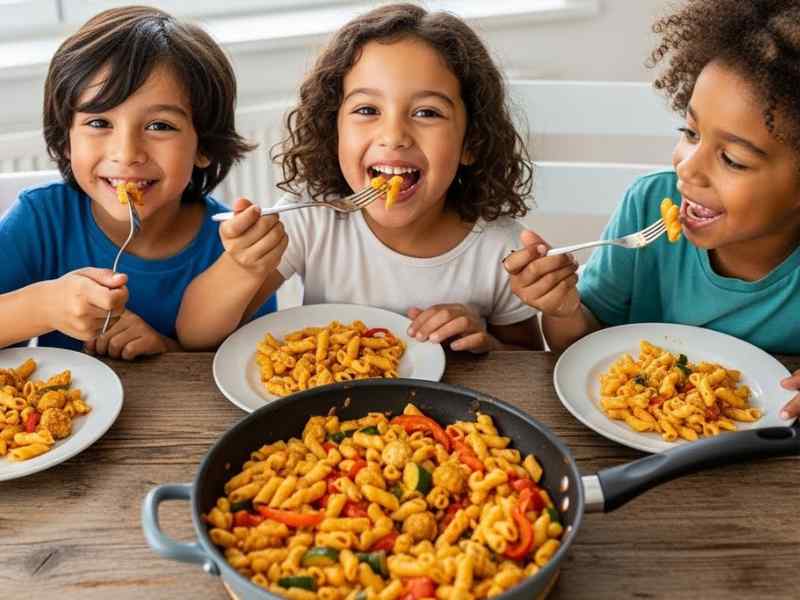
Pasta doesn’t have to be complicated to be nutritious. Cook your pasta, add a simple tomato or cream-based sauce, and go in with protein, beans, shredded chicken, or tofu. The one-pan method keeps cleanup minimal, which matters when you’re tired. You can also mix in finely chopped vegetables that blend into the sauce, so picky eaters barely notice, but still get added nutrition.
7. Cereal or Yogurt

Some nights, energy is just gone. That’s okay. A bowl of cereal or yogurt can be a proper dinner if you make small tweaks: add fruit, a few nuts, or a sprinkle of oats. This gives your kids a little fiber, protein, and vitamins without turning dinner into a stressful chore. Even on “low-effort” nights, they get a meal that fills and nourishes them.
While you’re here, check this out: Easy Cabbage Recipes That Get Kids Eating Their Veggies — Dumplings, Salads & More
8. Mini Quesadillas or Wraps

Tortillas or flatbreads are incredibly flexible and fun for kids. Fill them with cheese, beans, or leftover veggies, then lightly toast them for a warm, crispy meal. Letting kids help assemble their quesadilla gives them ownership and makes them more likely to eat it. Plus, it’s a sneaky way to introduce new flavors without pressure.
9. DIY Veggie Pizzas on English Muffins or Tortillas

Mini pizzas are a hands-on way to make veggies exciting. Spread a little sauce, sprinkle cheese, and let kids choose toppings like bell peppers, mushrooms, or even pineapple. They’re building the meal themselves, which increases willingness to eat. You can also toast them quickly in the oven or microwave for a fuss-free dinner that feels like a treat.
10. Smoothie Bowls with Fruit and Oats
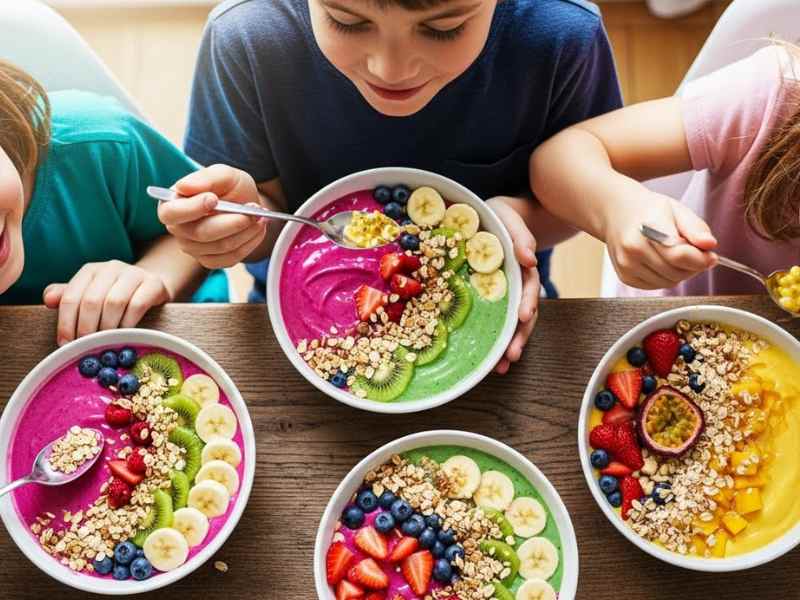
Smoothie bowls are fast, refreshing, and easy to customize. Blend fruit with milk or yogurt, pour it into a bowl, and top with oats, granola, or tiny fruit pieces. This is a great way to sneak in fruit and even some veggies like spinach, without your kids realizing it. The visual appeal, bright colors and textures, makes it feel like a special treat, not “forced nutrition.”
Drinks you Can Make At Home:
How to Make Homemade Tiger Nut Drink Without Preservatives
Greek Yoghurt Recipe: How to Make It Naturally from Scratch
Common Myths About Feeding Picky Eaters

Many parents feel guilty or frustrated when their child refuses meals, but some of the most common assumptions are simply not true, and understanding them can make preparing Kid-Friendly Dinners for Picky Eaters much easier.
1: “If they’re hungry, they’ll eat.” Not always. Kids can be perfectly full on small snacks or drinks and still refuse dinner. Hunger alone doesn’t override texture or flavor preferences, which is why familiar elements and predictable textures are so important.
2: “You’re spoiling them.” False. Offering balanced, approachable meals teaches kids healthy eating habits without pressure. Serving a new food alongside something they already enjoy is not spoiling, it’s smart parenting.
3: “Healthy meals must be boring.” Also false. You can make meals fun, colorful, and tasty while keeping them nutritious. Learning how to combine flavors, textures, and presentation is part of creating successful kid-friendly dinners for picky eaters.
By debunking these myths, parents can approach mealtime with more confidence and less stress.
Understanding the real reasons behind picky eating empowers you to plan dinners your child is more likely to enjoy, without the guilt or frustration that often comes with it.
Here i shared: Super Fun After-School & Homework-Friendly Crafts Kids Can Make in 20 Minutes
How to Get Kids Excited About Dinner

1. Involve Them in Preparation Process
Kids are more likely to eat something they helped make. Even small tasks, stirring sauce, sprinkling cheese, or arranging veggies, give them a sense of ownership. When they feel involved, mealtime becomes exciting instead of a battle, and picky eaters often surprise you by trying foods they made themselves.
2. Make Meals Visually Fun
Presentation matters more than you think. Bright colors, fun shapes, or arranging food into smiley faces or patterns can make even simple meals appealing. Visual appeal doesn’t replace nutrition, but it makes kids curious and more willing to taste, especially if the textures are familiar and approachable.
3. Give Choices Without Overwhelming
Offering options helps kids feel in control, but too many choices can backfire. Instead of asking, “What do you want for dinner?” give 2–3 simple options. Example: “Do you want carrots or cucumber with your rice?” This encourages independence while keeping the meal stress-free and still aligned with what you want them to eat.
How to Make Kid-Friendly Dinners Stress-Free

Dinner time can feel overwhelming, especially after a long day. Planning and small habits can make preparing Kid-Friendly Dinners for Picky Eaters much easier, and less stressful.
- Plan a One-Week Rotation
Take a little time at the start of the week to map out dinners. Even a simple plan, “Monday: pasta, Tuesday: mini patties, Wednesday: taco bowls”, prevents the last-minute scramble and reduces the temptation to fall back on nuggets, fries, or pizza. - Batch Prep Ingredients Ahead of Time
Chop vegetables, cook proteins, or prepare sauces in advance. When everything is ready to go, assembling meals is faster and less stressful. Kids are more likely to eat when meals are served promptly and look fresh. - Introduce One New Food at a Time
Don’t overwhelm your child with too many new flavors or textures at once. Pair one unfamiliar item with a familiar favorite. This small adjustment makes it more likely your child will try, and eventually enjoy, new foods. - Keep Meals Balanced, Simple, and Familiar
A plate with one familiar element, one new ingredient, and a predictable texture hits the sweet spot. Simple meals reduce stress for both you and your child while still giving them exposure to new flavors.
Conclusion
Picky eating is a normal part of childhood, and it doesn’t mean they are abnormal or you’re failing as a parent.
Every family has nights when dinner feels impossible, and that’s okay.
Use the tips, meal ideas, and strategies in this guide as a toolkit, a resource you can return to whenever mealtime feels stressful. Know that even small changes, like involving your kids in preparation, offering a choice, or adding a hidden veggie, can make a big difference over time.
Bookmark or save this guide so it’s ready on evenings when energy is low and patience is even lower.