See 10 traditional attires and learn their history, symbolism, and modern fashion tips. Your guide to cultural fashion from around the world.
Every piece of clothing has a story. Traditional attire doesn’t just cover the body, it tells history, reflects identity, and carries cultural meaning. The colors, patterns, and even the way it’s worn can speak of social status, rituals, celebrations, or family heritage.
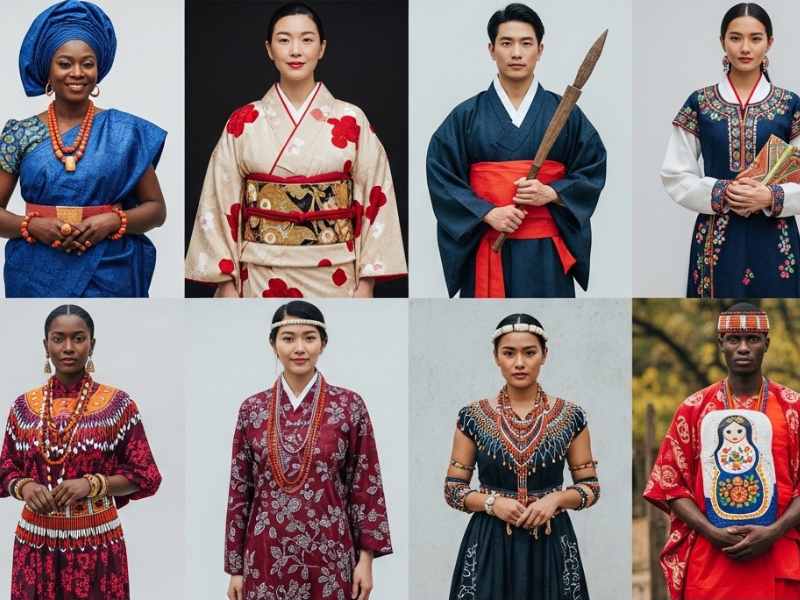
In this post, I’ll guide you through 10 stunning traditional outfits from around the world. You’ll learn not only what makes them beautiful but also the reasons behind their designs, the occasions they’re worn, and how these timeless styles can inspire your modern wardrobe, that is to say and finding inspiration for your own style along the way.
Styles are changing fast, and knowing what to sew next matters—2026 Sewing Fashion Trends: Sew Classic Pieces with a Modern Update to Refresh Your Wardrobe shows exactly how to stay current without starting from scratch.
1. Isi Agu Igbo Attire (Nigeria)
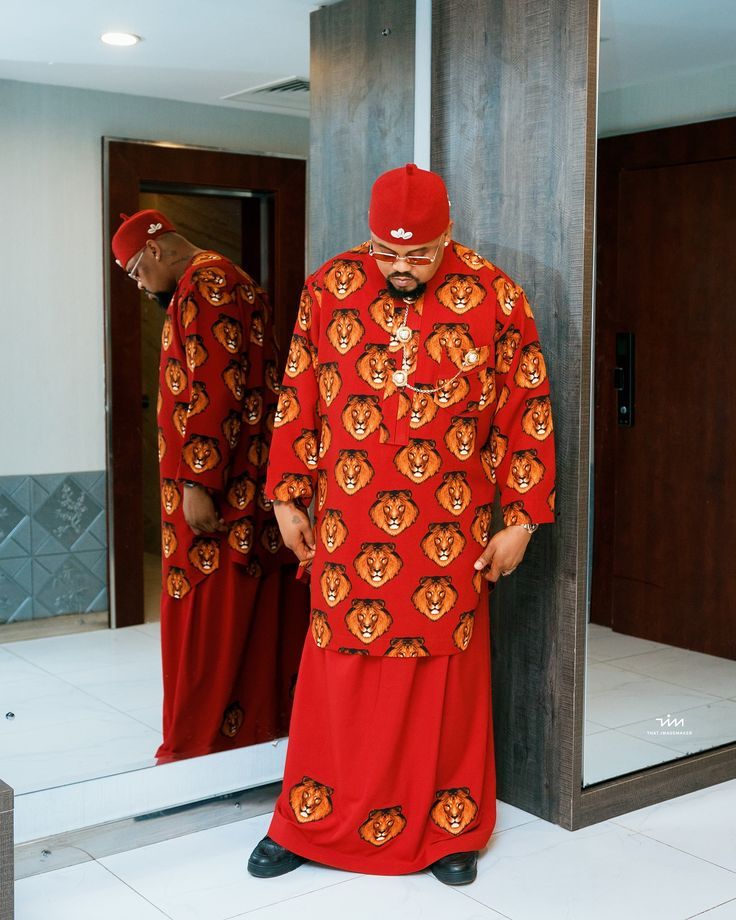
Take a moment and picture a celebration in southeastern Nigeria. What catches your eye first? It’s not just the colors, it’s the meaning behind them.
The Isi Agu, which means “Lion’s Head,” is more than a patterned top worn by Igbo men. The lion motifs embroidered into the fabric symbolize strength, respect, and status. It’s often paired with trousers or wrappers, completing a look that’s both traditional and commanding.
For women, the visual story continues with George wrappers, matching blouses, and gele headwraps. Each piece isn’t random; the colors, textures, and folds express elegance, cultural identity, and personal style. These outfits are central at weddings, naming ceremonies, festivals, and other celebrations that mark important life moments.
Occasions Worn
These attires are central at weddings, naming ceremonies, festivals, and other celebrations that mark important life moments. Every choice, from the pattern to the way the headwrap is tied, is intentional, reflecting tradition and cultural pride.
Why It’s Admired Today
The Igbo people’s craftsmanship combines bold colors, intricate embroidery, and symbolic patterns. Each outfit becomes a piece of living art, admired not just for its beauty but for the story it carries.
Even if you’re not attending a Nigerian festival, there’s something to learn from this style. You can bring that boldness and storytelling into your wardrobe.
Modern Inspiration
- Blazers or tops with bold prints inspired by Isi Agu can add instant cultural flair.
- Vibrant wrappers or headwraps make striking statement pieces for casual or formal settings.
- Mixing textures and patterns in accessories, scarves, or belts nods to traditional embroidery while keeping it modern.
Understanding Igbo attire is more than admiring the look, it’s about connecting with the culture, the story, and the meaning behind every pattern. It’s a reminder that fashion can educate and inspire.
Struggling to get clean, neat results from your stitches? 15 Sewing Hacks for Beginners Who Want Neater, More Professional Results breaks down the small fixes that actually change how your sewing turns out.
2. Japanese Kimono (Japan)
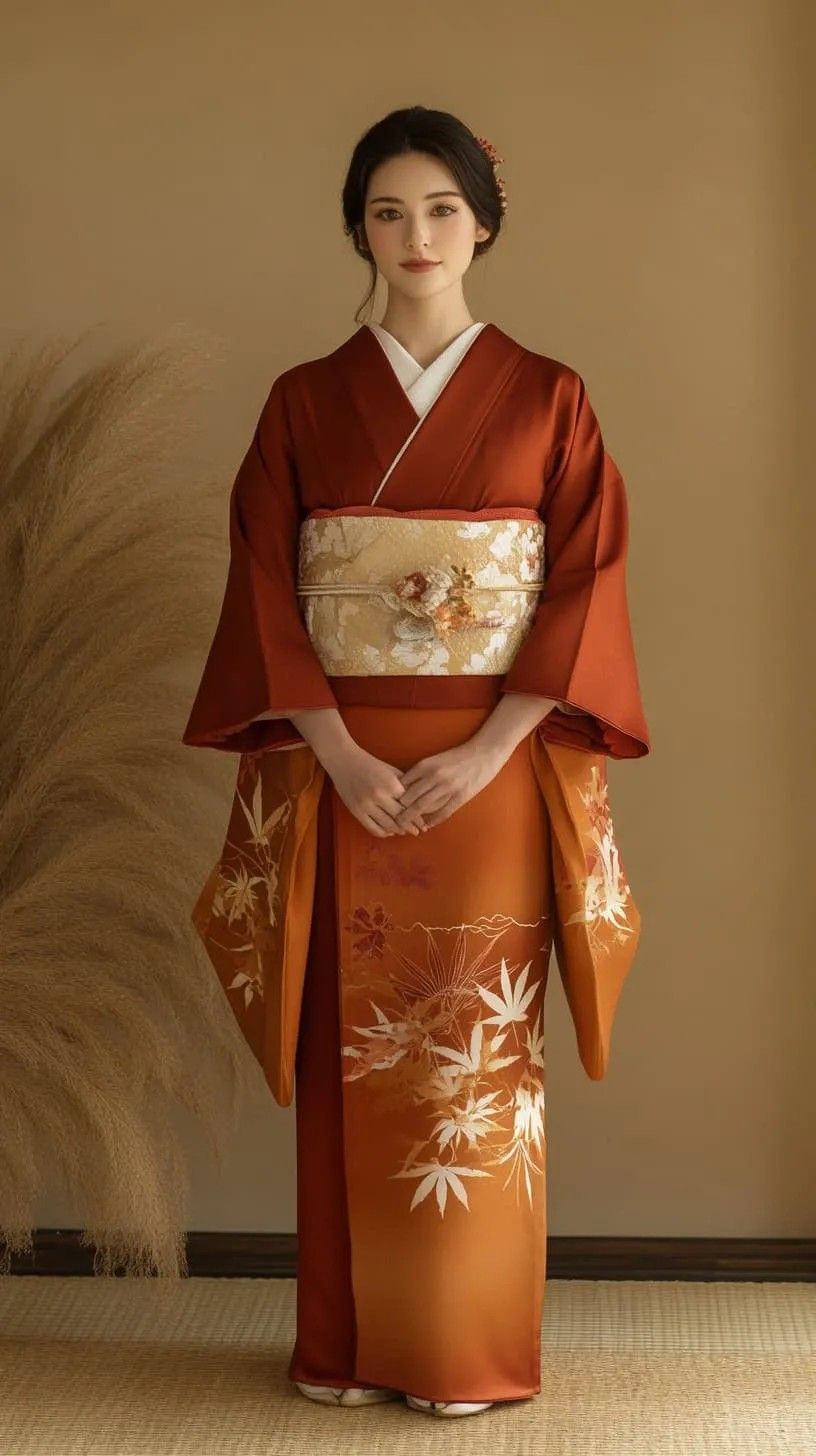
The Kimono is a traditional Japanese robe that carries centuries of cultural meaning. Long sleeves, an obi belt, and carefully chosen fabrics and patterns make each piece unique.
Every color and design reflects season, status, and occasion, soft floral motifs for spring, deep tones for formal events, and intricate embroidery for celebrations.
Women often choose vibrant kimonos for weddings, festivals, or coming-of-age ceremonies, while men may wear simpler, more subdued versions for formal gatherings. Seasonal patterns connect the wearer to nature and the cultural calendar, reminding everyone that clothing can be a story, not just a style.
Occasions Worn
Kimonos are worn during weddings, tea ceremonies, festivals, and other milestone celebrations. Each event calls for specific patterns, fabrics, and colors, which show respect for tradition and the significance of the occasion.
Why It’s Admired Today
The Kimono is admired worldwide for its beauty, craftsmanship, and symbolic meaning. Weaving, dyeing, and embroidery turn it into more than a garment, it’s a piece of cultural heritage. It shows how cultural fashion from around the world can combine artistry, storytelling, and personal expression.
Modern Inspiration
- Add kimono-inspired sleeves or belts to modern dresses or tops.
- Use kimono fabrics or patterns in scarves, wraps, or accessories for subtle elegance.
- Layer a kimono jacket over contemporary outfits to fuse tradition with everyday style.
The Kimono teaches more than fashion, it shows how clothing can express identity, history, and culture in a way that feels timeless.
Expensive-looking outfits don’t always need expensive fabric, and Thrift flip Sewing Projects Ideas For People Who want Expensive Style on A Budget shows how simple pieces can be reworked into something that looks high-end.
3. Indian Saree (India)
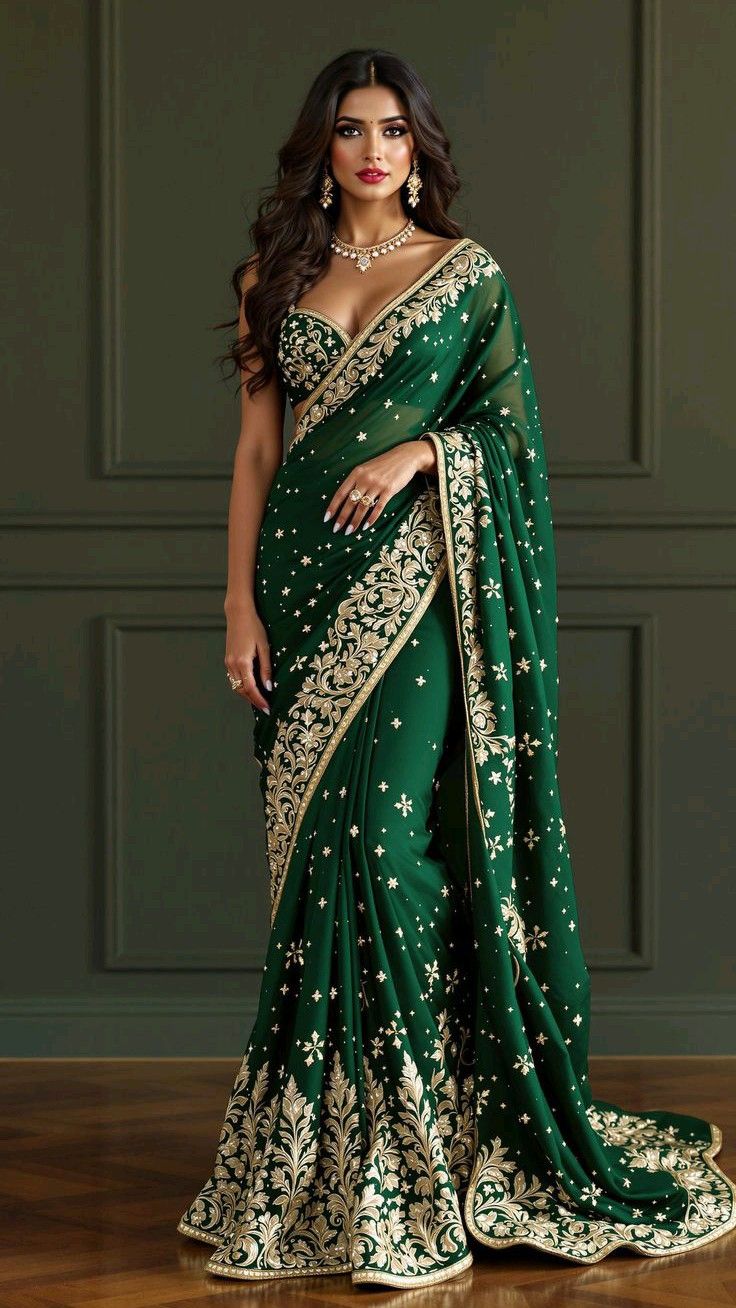
The Saree is one of India’s most iconic garments, worn by women for centuries. It’s essentially a long, unstitched piece of fabric, usually between five and nine yards, draped elegantly around the body.
The fabric, color, and pattern tell a story, sometimes of region, social status, or even marital status. For example, bright reds and golds are often reserved for weddings, while lighter, pastel hues are popular for casual or festive occasions.
Different regions of India bring their own techniques: Banarasi silk from Varanasi, with its rich gold threads, Kanjeevaram silk from Tamil Nadu, known for bold patterns, and Bandhani tie-dye from Gujarat and Rajasthan. Each style reflects local craftsmanship, history, and cultural symbolism.
Occasions Worn
Sarees are worn during weddings, religious festivals, ceremonies, and formal gatherings. Each type and drape has meaning, some indicate celebration, others respect, and a few honor tradition. Wearing a saree is often as much about ritual and identity as it is about fashion.
Why It’s Admired Today
The saree combines artistry, culture, and versatility. Modern designers are inspired by traditional weaving, patterns, and draping styles, incorporating them into contemporary outfits. This shows how cultural fashion from around the world can influence global style while keeping heritage alive.
Modern Inspiration
- Pair a saree blouse with modern skirts or trousers for a fusion look.
- Use saree fabrics as scarves, wraps, or even jackets to nod to traditional craft.
- Experiment with draping techniques over dresses or pants for an innovative, stylish twist.
Wearing or styling a saree today is more than a fashion choice, it’s a way to connect with centuries of culture, craftsmanship, and meaning, keeping tradition alive while inspiring modern style.
Choosing the wrong machine can slow your progress before you even begin, and Industrial vs Domestic Sewing Machines: Which One Should You Buy as a Beginner helps you understand what actually fits your needs.
4. Scottish Highland Dress (Scotland)
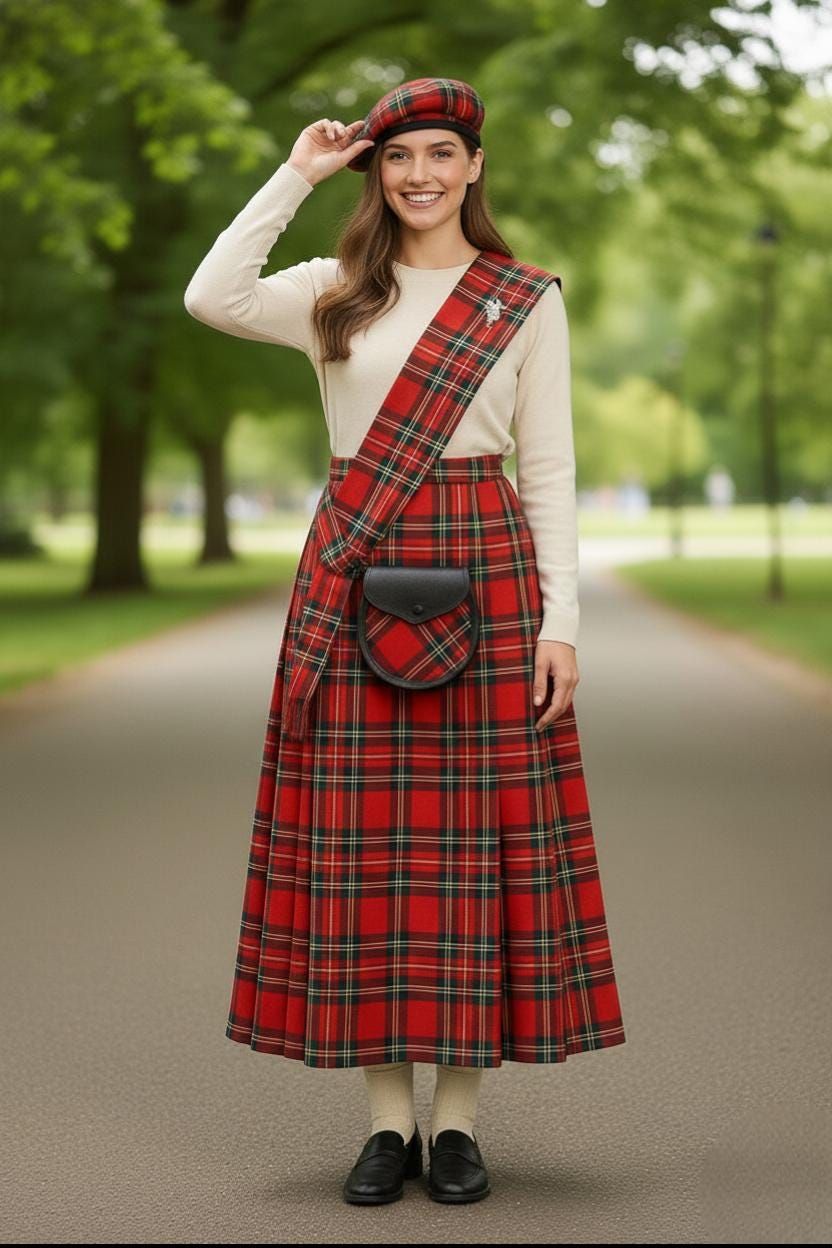
The Kilt is the most recognized piece of Scottish traditional attire, worn by men as a knee-length skirt made from tartan-patterned wool.
Each tartan represents a specific clan, family, or region, carrying a sense of identity, history, and pride. Highland dress also includes a sporran (pouch), sash, and jacket, all of which have functional and ceremonial purposes.
This attire is not just clothing, it’s a symbol of heritage and community, connecting wearers to generations past. The patterns, colors, and accessories are carefully chosen to reflect lineage, status, and occasion.
Occasions Worn
Kilts are worn for weddings, Highland games, ceilidhs (traditional dances), Burns Night celebrations, and other cultural gatherings. Certain tartans are reserved for formal events, while others are everyday clan wear. Wearing the kilt is a statement of respect for Scottish tradition and ancestry.
Why It’s Admired Today
Scottish Highland dress combines craftsmanship, symbolism, and visual impact. The precision of the tartan patterns and quality of the wool make it iconic globally. Studying kilts is a way to see how cultural fashion from around the world communicates identity, history, and pride through clothing.
Modern Inspiration
- Integrate tartan patterns into jackets, skirts, or scarves for a subtle nod to tradition.
- Use kilt-inspired wraps or pleats in modern dresses or skirts for contemporary style.
- Pair tartan accessories like sporrans or belts with casual outfits to blend heritage with everyday fashion.
The Scottish Highland dress reminds us that fashion is storytelling, a way to honor ancestry while inspiring modern, global style.
5. Korean Hanbok (Korea)
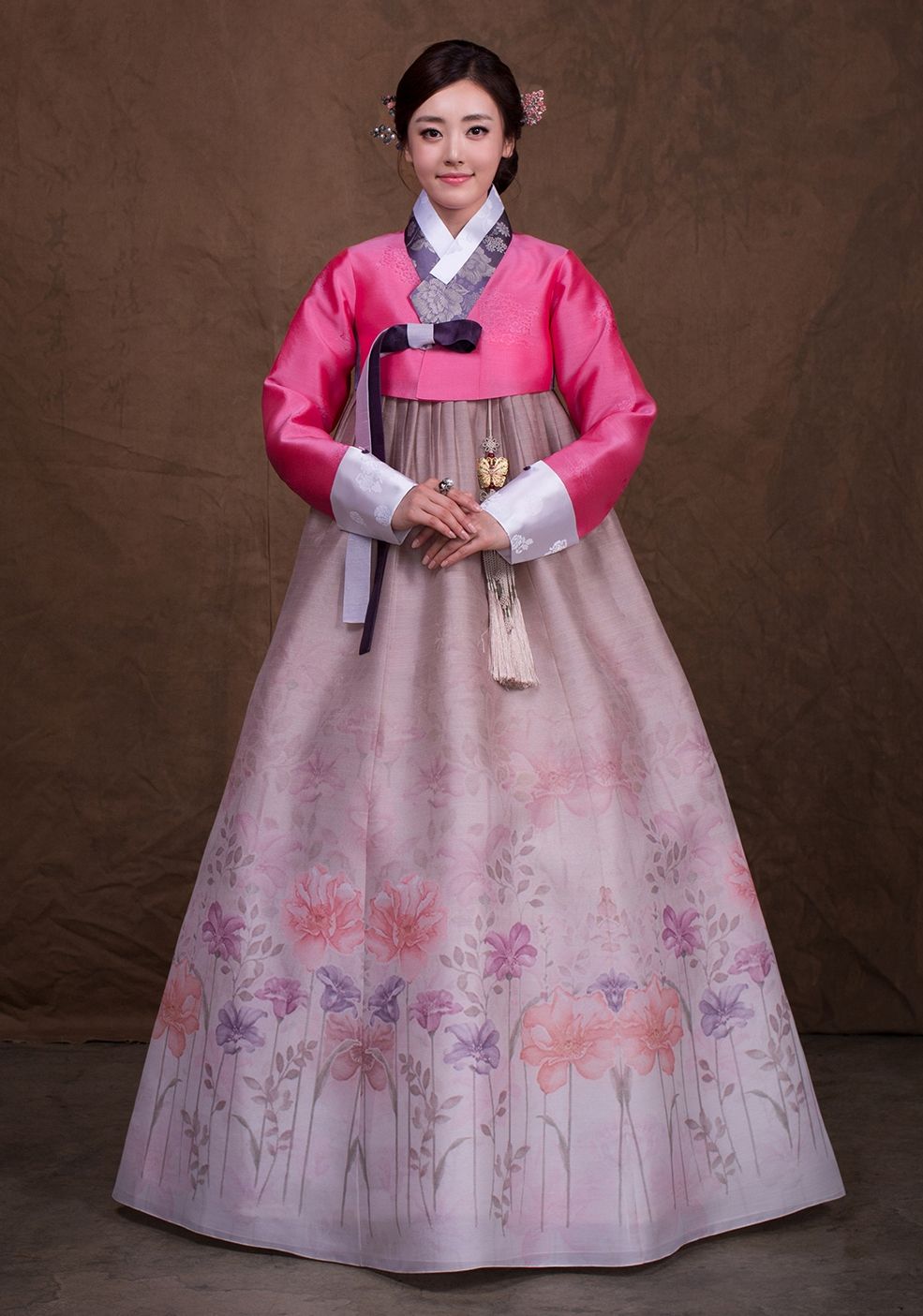
The Hanbok is Korea’s traditional attire, characterized by vibrant colors, simple lines, and flowing silhouettes. Women’s hanbok typically includes a jeogori (jacket) and a chima (skirt), while men wear a jeogori with baji (trousers).
Each color, pattern, and accessory conveys social status, occasion, or seasonal significance.
Hanbok is admired for its elegance and the way it emphasizes movement, giving a sense of grace and ceremonial importance. Unlike everyday modern clothing, it reflects history, philosophy, and cultural symbolism, making it a living piece of Korean heritage.
Occasions Worn
Hanbok is traditionally worn during weddings, festivals (like Chuseok or Lunar New Year), first birthdays (Doljanchi), and other ceremonial events. Specific colors and embroidery details may denote family status, age, or marital status.
Wearing hanbok today is a way to honor tradition while participating in communal celebration.
Why It’s Admired Today
The hanbok’s vibrant colors, flowing structure, and cultural significance have inspired designers worldwide. It’s a perfect example of how cultural fashion from around the world can influence contemporary styling, reminding us that clothing can be both beautiful and meaningful.
Modern Inspiration
- Pair hanbok-inspired skirts or tops with modern blouses or jackets for subtle cultural flair.
- Use hanbok fabrics or colors in scarves, wraps, or statement accessories.
- Adapt the jeogori jacket silhouette over dresses or pants for a chic, contemporary twist.
Learning about the hanbok shows that traditional attire is more than aesthetics, it’s storytelling, identity, and cultural pride, and it offers endless inspiration for modern style.
Making money from sewing can feel confusing at first, but Struggling to Make Money From Home Sewing? Launch a Profitable Sewing Side Hustle explains how to turn your skills into something that pays.
6. Mexican Traditional Dress (Mexico)
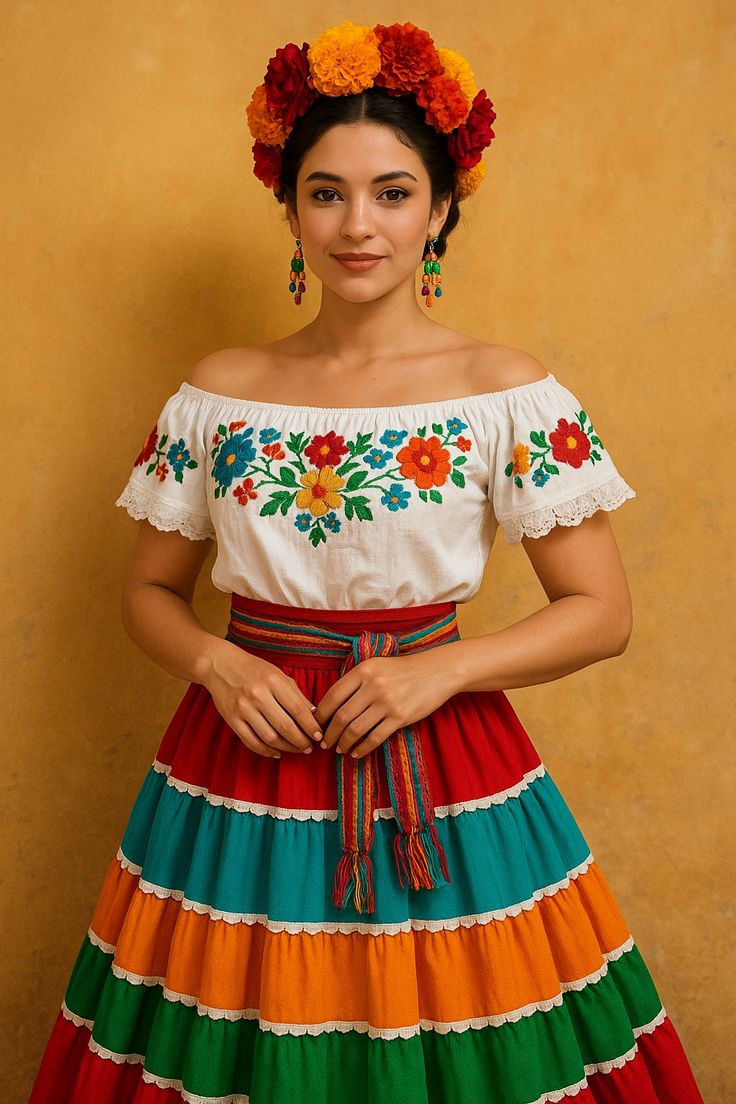
Mexican traditional attire is as vibrant and diverse as the country’s regions. For women, dresses like the Jalisco dress feature wide, colorful skirts with embroidered patterns, ribbons, and lace, designed to sway beautifully during dances.
Men often wear charro suits, detailed with embroidery and silver buttons, originally tied to horsemen and celebrations.
The colors and patterns in these garments are deeply meaningful, often representing regional identity, local culture, and history. Each stitch or motif can tell a story of the community it comes from, making the clothing both artistic and symbolic.
Occasions Worn
These dresses are worn during traditional festivals, folkloric dances, weddings, Independence Day celebrations, and religious holidays. The attire isn’t everyday wear; it is ceremonial, showcasing heritage and pride while also allowing expressive movement, especially in dance performances.
Why It’s Admired Today
Mexican traditional dress is admired for its bold colors, intricate embroidery, and lively patterns. It reflects the country’s festive spirit, artistry, and connection to the land and its people. Designers today draw inspiration from these traditional garments, translating elements into modern fashion pieces.
Modern Inspiration
- Use embroidered patterns from traditional dresses in blouses, jackets, or skirts.
- Add ribbons, lace, or layered skirts into contemporary party or casual wear.
- Mix charro-style embroidery or details into accessories, handbags, or belts for a nod to Mexican heritage.
Mexican traditional attire reminds us that clothing is a celebration of culture, movement, and identity, giving timeless inspiration for modern style.
7. Guatemalan Huipil (Guatemala)
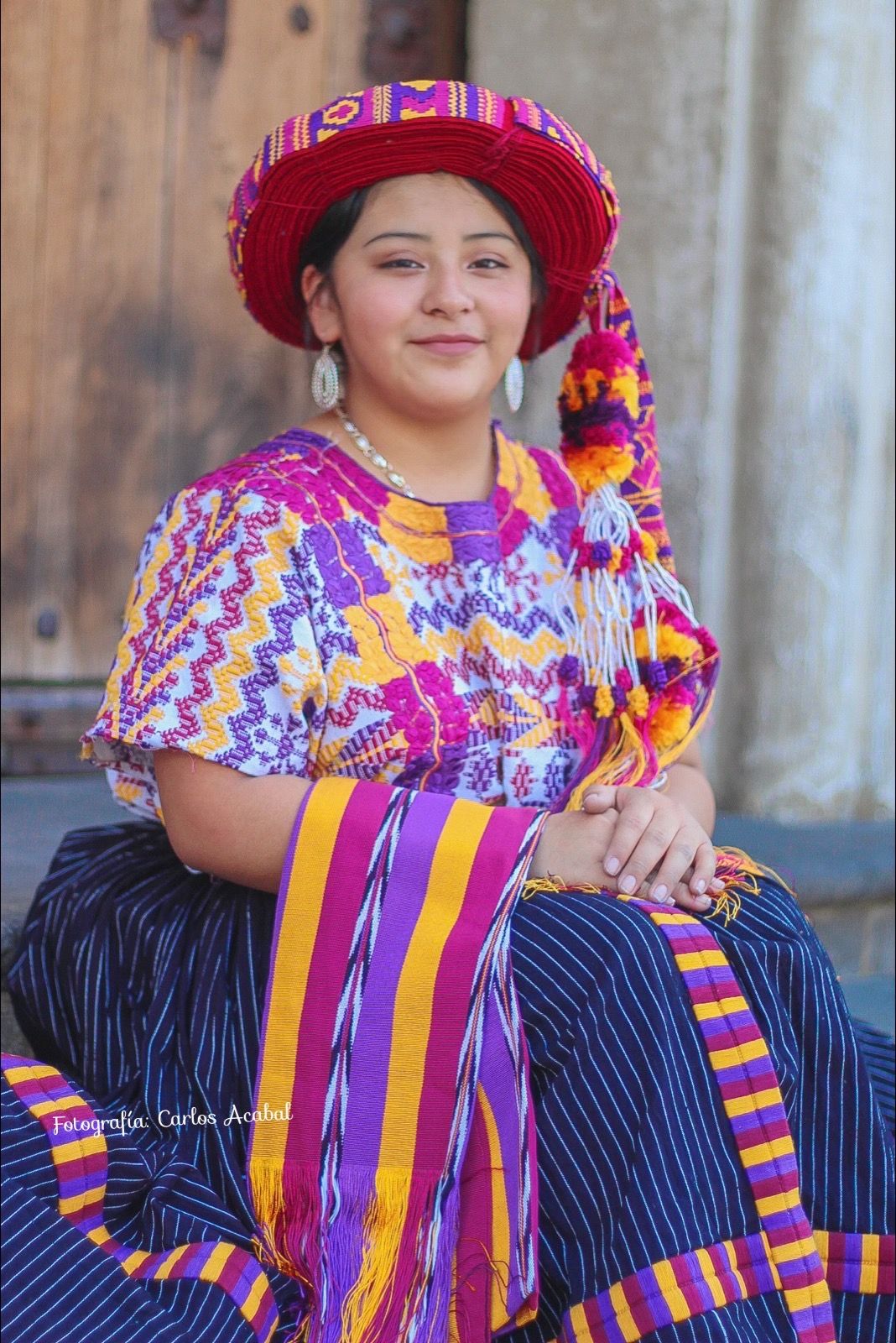
The Huipil is a traditional blouse worn by women in Guatemala, handwoven on backstrap looms. Each huipil features bright colors, intricate patterns, and symbolic embroidery, often representing the wearer’s village, social status, or family lineage.
The designs are unique to specific regions, making every piece a living map of local heritage and culture.
Huipils are made from cotton or wool, and the weaving techniques have been passed down through generations, preserving both skill and storytelling. The patterns may include birds, flowers, or geometric shapes, each carrying symbolic meaning.
Occasions Worn
Huipils are worn during festivals, religious ceremonies, weddings, and community gatherings. In many communities, the style and decoration of the huipil indicate the wearer’s village of origin or social role, making it both ceremonial and informative.
Why It’s Admired Today
Guatemalan huipils are celebrated for their vibrant colors, meticulous craftsmanship, and cultural significance. They are more than garments, they are artworks that convey identity, history, and pride. Fashion designers and artisans worldwide often draw inspiration from these woven pieces.
Modern Inspiration
- Pair a huipil-inspired embroidered blouse with jeans or skirts for a casual, global style.
- Incorporate woven patterns into scarves, bags, or belts to add cultural flair to outfits.
- Use huipil fabrics for home décor accents like cushion covers or table runners to celebrate artistry in everyday life.
The Guatemalan huipil is a perfect example of how traditional clothing tells a story, connects people to heritage, and inspires contemporary style in subtle but meaningful ways.
Hours can be wasted on patterns that don’t make sense, and How to Find Sewing Patterns That Are Easy to Follow and Beginner-Friendly (Save Hours of Frustration) shows how to choose ones that actually guide you properly.
8. Polynesian Lava-Lava & Shell Accessories (Oceania)
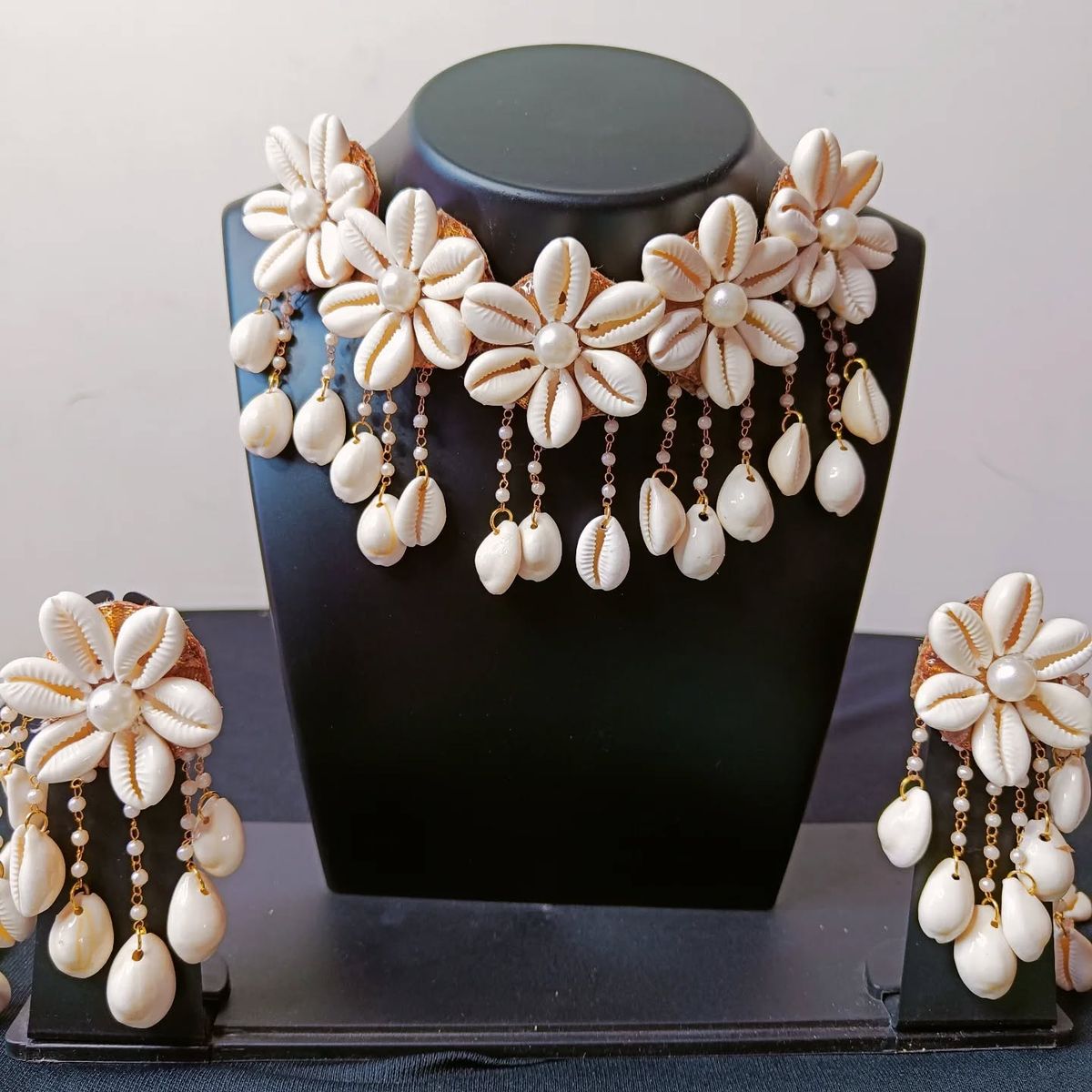
The Lava-Lava is a traditional wraparound skirt worn in Polynesian islands like Samoa, Tonga, and Fiji. Men and women wear lava-lavas in bright, bold patterns, often complemented with shell necklaces, bracelets, or headpieces made from locally sourced shells.
These garments and accessories reflect community identity, status, and island artistry.
The patterns and colors are not random, they carry cultural meaning, sometimes representing family lineage, rank, or even achievements. Shell accessories are handcrafted, celebrating the connection between the people and the ocean. This attire is a vibrant expression of heritage and lifestyle.
Occasions Worn
Lava-lavas and shell accessories are worn during traditional ceremonies, weddings, festivals, dances, and important communal gatherings. They are also used for performances and cultural demonstrations, preserving Polynesian traditions while showcasing the islands’ beauty.
Why It’s Admired Today
The combination of lightweight, colorful fabrics and handcrafted shell accessories makes this attire visually striking and deeply symbolic. Designers and cultural enthusiasts often study these garments for inspiration in modern tropical resort wear and global fashion collections, demonstrating the influence of cultural fashion from around the world.
Modern Inspiration
- Use lava-lava prints for wrap skirts, maxi dresses, or beach cover-ups.
- Put shell necklaces or bracelets into everyday outfits for subtle cultural flair.
- Mix tropical patterns and textures from lava-lava fabrics into scarves, bags, or belts for a global fashion twist.
Polynesian lava-lavas and shell accessories show that traditional attire is both practical and symbolic, teaching us how clothing connects culture, community, and personal expression.
9. Vietnamese Áo Dài (Vietnam)
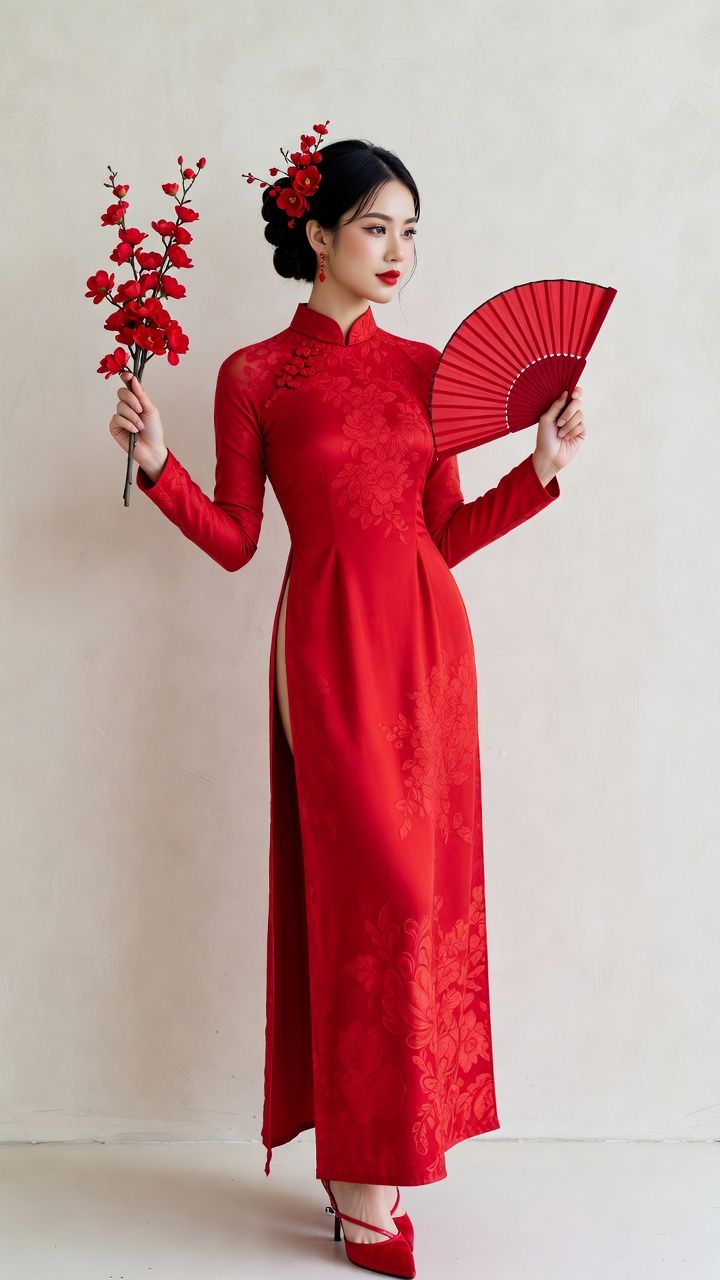
The Áo Dài is a long, fitted tunic with side slits, worn over pants, known for its graceful silhouette and elegant flow. Traditionally made from silk, the fabric often features embroidered flowers, landscapes, or symbolic motifs.
Both men and women wear variations, though women’s Áo Dài are especially celebrated for their beauty, femininity, and cultural symbolism.
This attire combines artistry, modesty, and national identity, reflecting centuries of Vietnamese history. The colors and patterns often convey meaning, reds and golds for weddings, white for school uniforms or formal occasions, making each outfit intentional and culturally significant.
Occasions Worn
Áo Dài are worn during weddings, Tet (Lunar New Year) celebrations, festivals, graduations, and official ceremonies. They are a symbol of pride and respect, and wearing one connects the individual to Vietnamese heritage while presenting elegance and tradition.
Why It’s Admired Today
The Áo Dài is admired for its timeless elegance, delicate embroidery, and cultural storytelling through clothing. Its silhouette has inspired contemporary designers worldwide, proving that cultural fashion from around the world can blend tradition with modern style effortlessly.
Modern Inspiration
- Go with Áo Dài-inspired flowing tunics or high-slit dresses into everyday or formal wear.
- Use embroidered motifs from the Áo Dài on scarves, blouses, or accessories for subtle cultural influence.
- Mix traditional silk patterns into modern fashion pieces like maxi skirts or layered outfits to add a touch of elegance and heritage.
The Vietnamese Áo Dài shows how clothing can embody history, identity, and artistry, offering inspiration for modern wardrobes while honoring tradition.
The fabric chosen can make or break a project, and Understanding Fabrics for Sewing: Choosing the Right Material for Every Project explains how to pick the right one so your work turns out the way you expect.
10. Maasai Attire (Kenya)
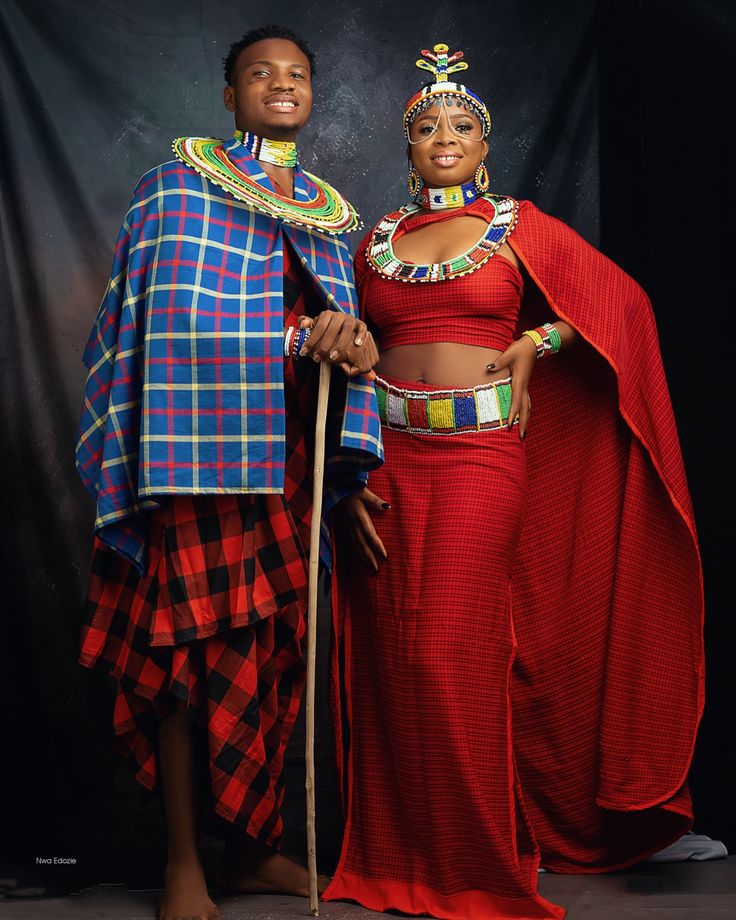
The Maasai Shúkà is a bright red or checkered wrap traditionally worn by Maasai men and women in Kenya and northern Tanzania. Men often pair it with beaded jewelry and walking sticks, while women complement their shúkà with intricate beadwork necklaces, bracelets, and earrings.
The colors, patterns, and bead designs carry symbolic meaning, often indicating age, social status, or life events.
This attire is not just clothing, it’s a living expression of identity, community, and heritage. The Maasai are renowned for their craftsmanship in beadwork, with colors like red for courage, blue for energy, and white for purity.
Occasions Worn
Maasai attire is worn during ceremonial events, weddings, rites of passage, community gatherings, and cultural dances. Each piece, from the shúkà to the beadwork, reflects personal and communal stories, celebrating tradition while marking important milestones.
Why It’s Admired Today
Maasai attire is admired worldwide for its bold colors, striking patterns, and meticulous beadwork. Designers often draw inspiration from the symbolism, texture, and layering techniques. It perfectly illustrates how cultural fashion from around the world can combine tradition, identity, and style.
Modern Inspiration
- Include beadwork patterns into jewelry, handbags, or belts for contemporary outfits.
- Use bold red or checkered fabrics as statement skirts, shawls, or wraps.
- Mix layered textures inspired by shúkà fabrics with modern silhouettes for global fashion flair.
The Maasai attire teaches that clothing can be storytelling, celebration, and artistic expression all at once, offering timeless inspiration for modern wardrobes.
Old clothes don’t have to sit unused when 15 Genius Ways to Upcycle Old Clothes Into Trendy New Outfits shows simple ways to turn them into something fresh and wearable again.
Conclusion
Traditional clothing is more than fabric; it’s a story carried through generations. Every pattern, fold, and color reflects a culture’s values, celebrations, and identity.
By exploring cultural fashion from around the world, you don’t just admire beauty, you learn how people express themselves through clothing, honor tradition, and celebrate life. Let these attires inspire your own wardrobe: try a bold print, a unique drape, or a layered accessory, and let it spark creativity while respecting its roots.
Take a step today, now you have seen some cultural fashion from around the world, blend inspiration into your style, and wear stories that celebrate heritage and craftsmanship.