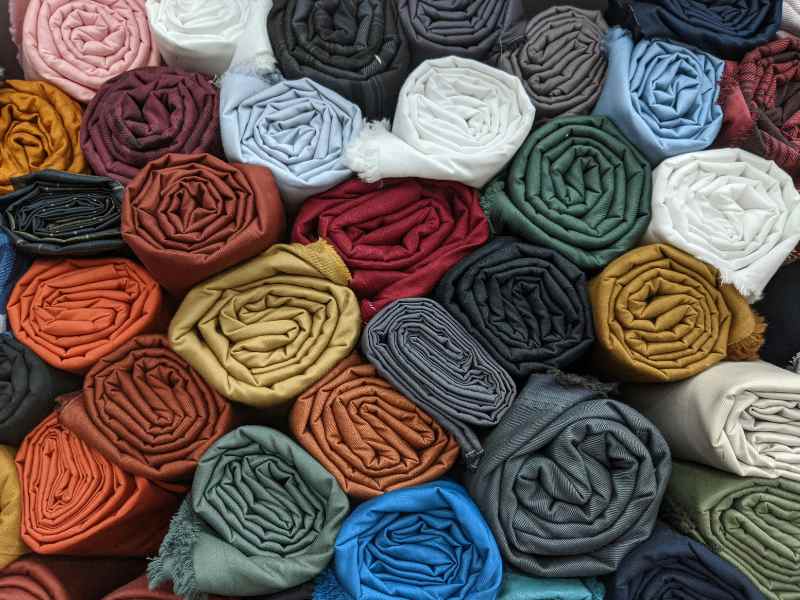
Understanding Fabrics for Sewing: Choosing the Right Material for Every Project
Ever wondered why some sewing projects just don’t turn out right? Choosing the right material for every project could be the missing piece.
Choosing fabric is often the hardest part of sewing. Two materials can look similar on the shelf but behave very differently once you start cutting and stitching. When the fabric doesn’t work, the whole project can feel frustrating, even if your sewing skills are fine.
Understanding fabrics doesn’t mean memorizing technical terms. It means knowing how a fabric feels, how it moves, and what it’s best used for. This guide explains fabric choices in a simple way so you can confidently pick the right material for each sewing project.
In this guide, we’ll break down fabric selection in a clear, practical way. You’ll learn how different fabrics behave, how to match fabric to the purpose of your project, and how to avoid common fabric mistakes that can ruin your hard work.
Even if you’re a beginner or looking to improve your sewing results, this fabric guide will help you choose materials with accuracy and intentionality.
You will find this worth reading: 15 Genius Ways to Upcycle Old Clothes Into Trendy New Outfits
How to Think About Fabric
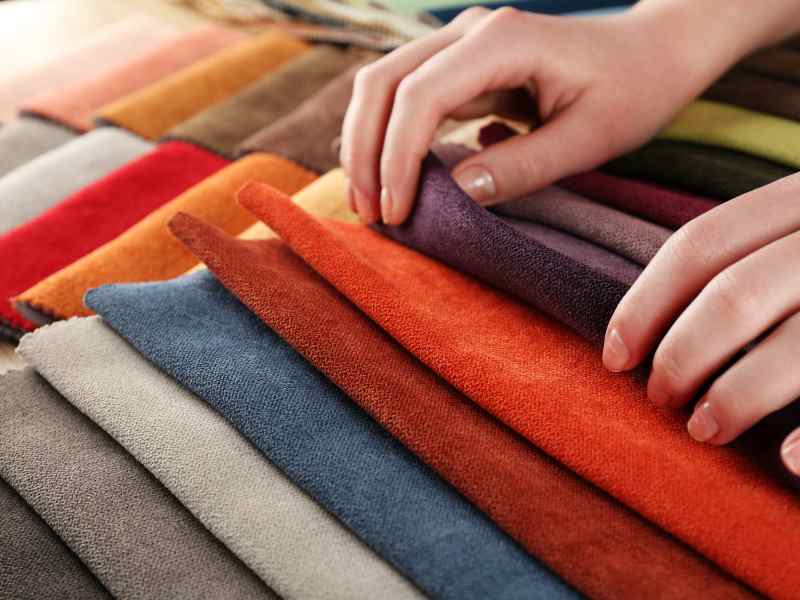
When choosing fabric for sewing, it helps to stop thinking of fabric as just a name and start thinking of it as material plus behavior.
Two fabrics can share the same name and still behave very differently once you cut, sew, and wear them. This is why relying on labels alone often leads to disappointing results.
Fabric behavior describes how a material reacts when it is worn, washed, stretched, or stitched. Some fabrics fall softly and move with the body, while others hold their shape and stay structured. Some stretch and bounce back, while others lose their form over time. Understanding these behaviors is far more useful than memorizing fabric names.
At the heart of good fabric choice is one simple rule: function first, behavior next, and appearance last. Before focusing on color or print, it’s important to ask how the finished piece will be used. Once the purpose is clear, you can decide what kind of fabric behavior is needed, and only then choose a fabric that also looks right.
Fabric behavior directly affects how a project turns out. It determines how the garment drapes on the body, how it fits, how comfortable it feels, and how long it lasts.
A fabric with poor recovery may stretch out after a few wears. A fabric that is too stiff may ruin a design meant to flow. These issues are not sewing mistakes, they are fabric behavior mismatches.
This is why experienced sewists don’t ask, “What fabric is this?” as their first question. Instead, they ask, “What will this fabric do?” Will it move or stay firm? Will it stretch and return to shape? Will it hold up to frequent washing? When you shift your mindset this way, fabric selection becomes clearer, more confident, and far less frustrating.
Read and Bookmark this post: 5 Clothing Alterations I Stopped Paying a Tailor For (DIY Made Easy)
The Five Fabric Behaviors That Decide Success
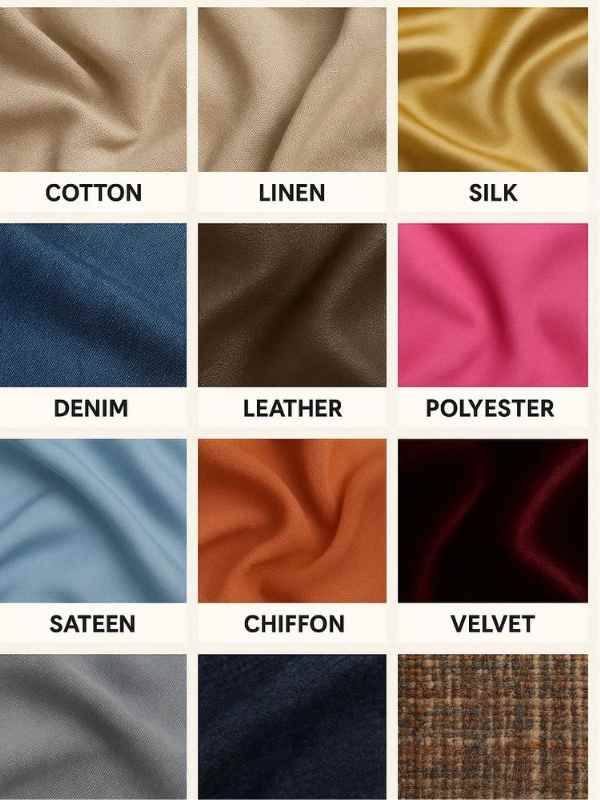
Photo credit: @ Design Masterclass Hub
When it comes to choosing fabric for sewing, success is rarely about the pattern alone. Fabric behavior plays a far bigger role in how a finished piece looks, feels, and lasts. Understanding how a fabric behaves allows you to make confident choices and avoid common sewing disappointments.
Drape refers to how a fabric falls and moves when worn. Some fabrics flow softly and follow the body’s shape, while others remain firm and structured. This behavior is especially important for skirts, dresses, and blouses, where movement defines the overall look.
A flowing dress made with a stiff fabric will appear heavy and awkward, while a structured design made with a fabric that drapes too much can lose its shape. When selecting fabric for garments that rely on movement, drape should guide the decision long before color or print.
Stretch and Recovery determine how a fabric responds to movement and wear. Stretch can occur across the width, along the length, or in both directions, and each affects fit differently. This is why sewing patterns often specify stretch requirements.
A fabric may stretch comfortably but lack recovery, meaning it does not return to its original shape after use. Over time, this leads to sagging seams, loose necklines, and garments that no longer fit well. Understanding fabric stretch for sewing helps ensure comfort without sacrificing structure.
Weight and Body influence how a garment holds its form. Lightweight fabrics create softness and ease, medium-weight fabrics provide balance, and heavier fabrics add structure and durability. Fabric weight affects seam strength, hem behavior, and how a garment sits on the body.
A design meant to look tailored will not succeed with a fabric that is too light, just as a delicate style can feel bulky when paired with heavy material. Choosing the right fabric weight for sewing projects ensures the design behaves as intended.
Don’t miss reading this guide: Quick and Soft Valentine’s Gifts You Can Sew in a Few Hours That Melt Hearts
Hand and Surface Texture describe how a fabric feels and how it interacts with the skin. Smooth fabrics glide easily and feel cool, while textured or napped fabrics add warmth and grip. Slubbed or textured fabrics create visual interest but may feel rough or restrictive in certain garments.
Fabric texture also affects how smoothly the material moves through the sewing machine and how comfortable it feels during wear. Paying attention to fabric hand helps avoid garments that look appealing but feel uncomfortable.
Sheerness and Opacity determine how much of the body or garment structure shows through the fabric. Sheer fabrics often require lining, underlining, or careful interfacing to maintain coverage and shape. Opacity also influences pattern suitability, as some designs rely on clean lines that do not translate well with transparent materials.
Ignoring sheerness can result in visible seams, unwanted transparency, or a finished piece that feels incomplete. Understanding fabric opacity allows for better construction planning from the start.
When these fabric behaviors are considered together, fabric selection becomes intentional rather than emotional. Instead of choosing material based on appearance alone, the focus shifts to performance. This approach leads to sewing projects that fit properly, feel comfortable, and maintain their quality over time.
Read about: Thrift Business in Nigeria: How to Start a Profitable Thrift Clothing Business in 2025
Hands-On Fabric Tests You Can Do in 5–10 Minutes
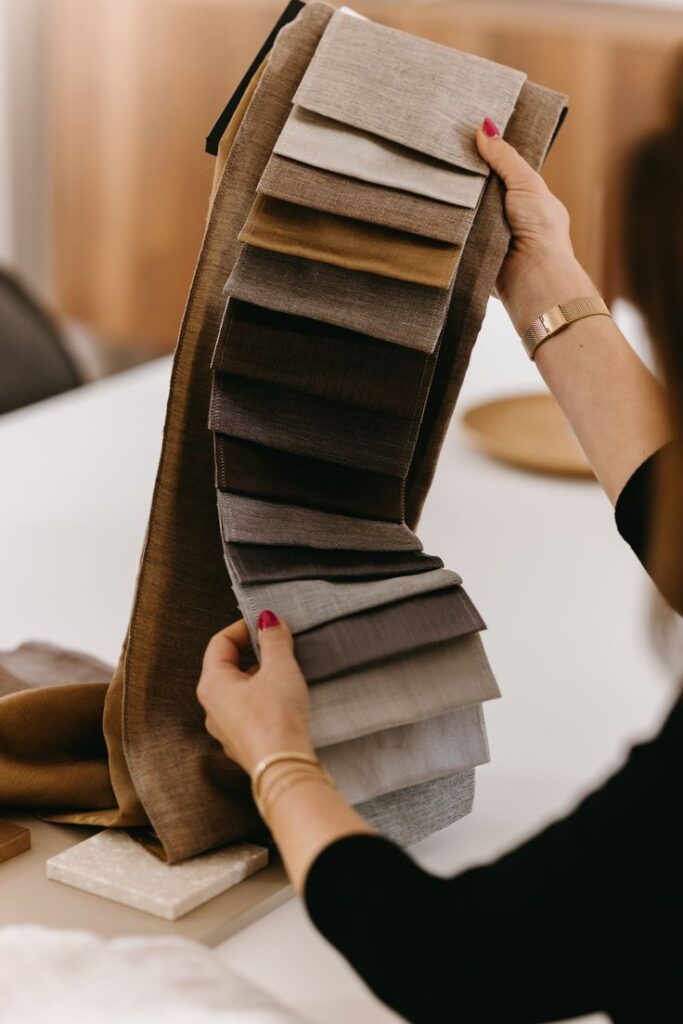
Photo credit: @ Instagram Templates Interior Design
Before cutting into any fabric, a few quick tests can save hours of frustration and prevent wasted material. These fabric tests help reveal how a fabric will behave during sewing and wear, not just how it looks on the bolt. Even some experienced sewists rely on these steps to confirm fabric choice before committing to a project.
Pre-Wash Test: What the Fabric Will Do After Its First Wash
Pre-washing fabric is not optional if the finished piece will ever be washed. This step reveals shrinkage, color bleeding, texture changes, and overall durability. Different fibers respond differently to water and heat, which is why this test matters.
Wash the fabric the same way the finished garment will be cleaned. For most cottons, linens, and rayon fabrics, use warm water with a mild detergent and a normal wash cycle. For delicate fabrics like silk or wool, use cool water and a gentle detergent, then hand wash or select a delicate cycle. Dry the fabric using the intended method—air-drying for delicate fibers or machine drying for everyday garments.
After drying, check for shrinkage, stiffness, or surface changes. Many fabrics soften after washing, while others lose structure. Pre-washing fabric before sewing ensures the final garment keeps its size, shape, and feel.
Drape Test: How the Fabric Falls and Moves
Drape determines whether a fabric will flow, cling, or hold its shape. To test this, cut a square approximately 20 cm by 20 cm. Hold it at one corner or hang it over the edge of a table or hanger and observe how it falls. Does it collapse softly, form gentle folds, or remain stiff?
To test bias behavior, lightly tape one corner of the square and let the opposite edge hang freely. This shows how the fabric behaves when cut on the bias, which is especially important for skirts and dresses. A fabric with good drape will curve naturally, while a rigid fabric will resist movement.
Understanding fabric drape for sewing helps match material to patterns that rely on movement and flow.
Stretch and Recovery Test: What Happens During Wear
Stretch affects comfort, fit, and longevity. To test stretch, mark a 10 cm section along the width of the fabric. Gently stretch it until resistance is felt, then measure the new length. The difference shows the stretch percentage.
After stretching, release the fabric and observe recovery. Does it return to its original length, or does it stay distorted? Poor recovery leads to sagging elbows, loose waistlines, and misshapen garments. This test is essential when choosing fabric for sewing patterns that require stretch.
Rub Test: Surface Strength and Pilling
Fabric pilling and surface wear often show up only after use, but a simple rub test gives early clues. Rub the fabric firmly against itself or another piece of the same fabric for about 15–20 seconds. Then inspect the surface.
“If loose fibers, pills, or rough patches appear, quickly, the fabric may not hold up well for frequently worn garments. This test is especially important when evaluating fabric texture for sewing projects that involve friction, such as pants, sleeves, or everyday tops.
Seam Test: How the Fabric Behaves Under the Needle
A fabric can feel perfect but behave poorly when sewn. Cut a small swatch and sew a 1-inch straight seam using your intended needle and stitch length. Observe how the fabric feeds through the machine.
Look for puckering, skipped stitches, fraying edges, or tension issues. This test shows whether the fabric is compatible with your needle choice and stitch settings. It also reveals whether seam finishes will be needed to prevent fraying. Testing seams before sewing prevents unpleasant surprises during construction.
Recording Results: Build a Fabric Swatch Card
Keeping notes turns fabric testing into a long-term skill. For each fabric, record your observations on a simple swatch card and attach a small fabric piece. This creates a personal fabric reference library you can return to again and again.
You can copy and paste this template:
Fabric Swatch Card
Fabric name or description:
Fiber content (if known):
Source/store:
Pre-wash result (shrinkage, texture change):
Drape observation:
Stretch % and recovery:
Surface test result (pilling, smoothness):
Seam test notes (needle, stitch behavior):
Best use ideas:
Care notes:
Recording fabric behavior for sewing projects builds confidence over time and makes future fabric choices faster and more accurate.
See our guide on:What to Wear on Valentine’s Day Based on Your Plans — Dinner, Staying In, or Galentine’s
Choosing Fabric Based on the Purpose of the Project
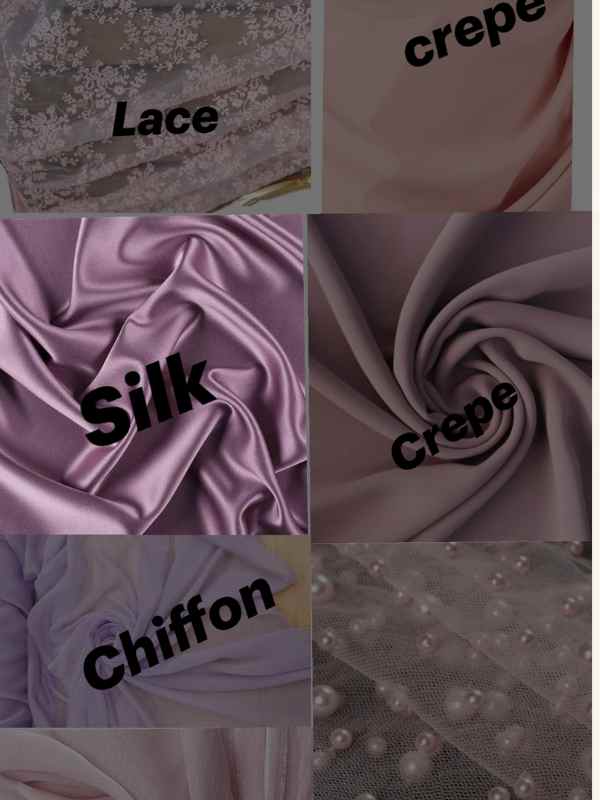
Photo credit: @ Taghreed Hijazi
Successful sewing starts with understanding the purpose of the garment. When choosing the right material for every project, function must always come before appearance. A fabric may look beautiful when you first see it, but if it does not suit the intended use, the finished piece will disappoint.
Considering how often the garment will be worn, the climate it will be used in, and the type of movement required is essential. Fabrics that feel comfortable in one season may be unsuitable in another, and materials that stretch too much or too little can compromise fit and durability.
The balance between structure and flow also guides fabric selection. Structured fabrics hold their shape and are ideal for tailored garments, jackets, or collars, while fluid fabrics enhance drape and movement, making them perfect for dresses, skirts, or blouses. The same pattern can produce entirely different results depending on the fabric chosen; a flowing dress pattern may look elegant in a soft silk but stiff and heavy in a medium-weight cotton.
Choosing the right material for every project becomes a deliberate, confident process rather than a guess. This approach ensures that the final garment not only looks appealing but performs exactly as intended, season after season.
You might want to read this too:DIY Clothes That Never Fit? My Brother Ruined His Clothes—Until He Tried These 7 Tailoring Hacks
Machine, Needle & Notions: Practical Pairings
When choosing the right material for every project, it’s important to understand how fabric behavior works with your sewing machine, needles, thread, and other sewing tools. The right combination ensures your garments fit well, look professional, and last longer.
Needle and Thread: Matching Tools to Fabric
Different fabrics need different needles and threads:
- Lightweight fabrics like chiffon or silk → Use fine needles (60/8 or 70/10), short stitch lengths, and low presser foot pressure. These fabrics are delicate, so a fine thread keeps stitches smooth and even.
- Medium-weight fabrics like cotton or linen → Standard needles (80/12) and regular stitch settings work best. These fabrics handle normal tension without puckering.
- Heavy fabrics like denim, canvas, or upholstery fabrics → Use larger needles (100/16 or 110/18) and stronger thread. Longer stitches prevent skipped stitches and needle breakage.
Always match thread strength and needle size to the fabric’s weight and texture. Using the wrong needle can cause skipped stitches, fraying, or damage.
Interfacing and Stabilizers
The behavior of your fabric also determines whether you need interfacing or stabilizers:
- Structured fabrics → Use lightweight or medium fusible interfacing for collars, cuffs, and waistbands.
- Soft or drapey fabrics → Minimal interfacing or a soft stabilizer keeps the fabric flowing naturally.
- Using the wrong interfacing can make the fabric stiff, ruin drape, and change how the garment hangs.
Adjusting Machine Settings
Simple machine adjustments can fix common sewing problems:
- Puckered seams on lightweight fabrics → Reduce stitch length or lower tension.
- Skipped stitches on heavy fabrics → Switch to a larger needle and stronger thread.
- Wavy hems on stretchy fabrics → Use a walking foot, stretch needle, or stay tape stabilizer.
Paying attention to fabric behavior, needle choice, thread type, and interfacing, you can avoid mistakes and ensure your garment looks polished and professional.
Buying Fabric In-Store and Online With Confidence
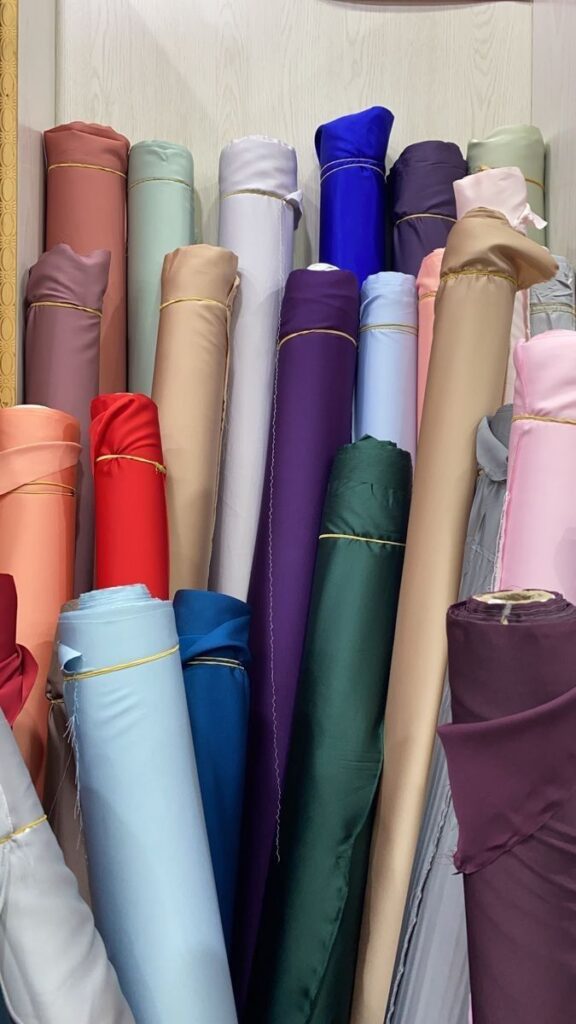
Photo credit: @ 𝑶𝒛𝒐𝒅𝒃𝒆𝒌𝒐𝒗𝒏𝒂’𝒔 𝒑𝒂𝒈𝒆
When choosing the right material for every project, knowing how to evaluate fabric before purchase is essential. Whether shopping in person or online, careful selection ensures the finished garment looks and performs as intended.
In stores, start by feeling the fabric. Check for consistent texture, smoothness, and weight. Hold it up to see how it drapes naturally and observe how light interacts with the surface. Inspect both sides, noting any irregularities, snags, or color inconsistencies.
A quick stretch and recovery test in your hands can reveal whether the fabric will maintain its shape over time. Also, take note of fiber content and care instructions, which affect both durability and suitability for your project.
Shopping online requires a slightly different approach. Examine photos closely, looking for detailed shots of texture, weave, and pattern. Read product descriptions carefully to understand fiber composition, weight, width, and stretch. If possible, request fabric swatches before committing to larger quantities. Reviews from other buyers can also provide insight into color accuracy, drape, and overall quality.
Smart purchasing prevents wasted material and frustration. Avoid choosing fabrics solely on appearance; consider purpose, function, and expected wear.
By combining in-store observation with careful online evaluation, choosing the right material for every project becomes a confident and informed process. The right fabric ensures your finished garment fits beautifully, moves comfortably, and maintains its quality over time.
Why Fabric Mistakes Happen (And How to Avoid Them)
Choosing Fabric for Looks Instead of Performance
It’s easy to fall in love with a fabric’s color or print in the store. The problem is that appearance alone doesn’t reveal how a fabric will behave once it’s cut, sewn, and worn.
How to fix this
-
Handle the fabric fully: scrunch it, let it hang, and stretch it gently
-
Observe how it falls and how quickly it wrinkles
-
Think about movement, not just visual appeal
Learning to evaluate behavior first is the foundation of choosing the right material for every project, especially garments meant to be worn often.
Overlooking Pattern Fabric Guidelines
Pattern instructions exist for a reason. Ignoring fabric recommendations—especially stretch requirements—often leads to poor fit, restricted movement, or distorted seams.
How to avoid this
-
Treat the recommended fabric list as a performance guide, not a suggestion
-
Match stretch percentage and fabric weight as closely as possible
-
Experiment only after understanding why the pattern was designed that way
Respecting pattern guidance removes much of the guesswork from fabric selection.
Misjudging Fabric Weight and Care Needs
Fabric weight affects structure, comfort, and how a garment holds its shape. Care requirements determine whether the finished piece will realistically fit into your lifestyle.
How to overcome this
-
Use lighter fabrics for designs that need flow and softness
-
Choose structured or heavier fabrics for tailored silhouettes
-
Select easy-care materials for everyday clothing and frequent wear
Good fabric choices consider the full life of the garment, not just the sewing stage.
Treating Fabric Mistakes as Failure
Every sewist has made fabric mistakes, often more than once. The difference between frustration and progress is how those mistakes are handled.
How to move forward
-
Keep notes on fabric behavior after washing and wearing
-
Save labeled swatches from past projects
-
Use each result as reference for future decisions
Experience, not perfection, is what builds confidence in fabric selection and long-term sewing success.
Fabric Care, Longevity, and Sustainability
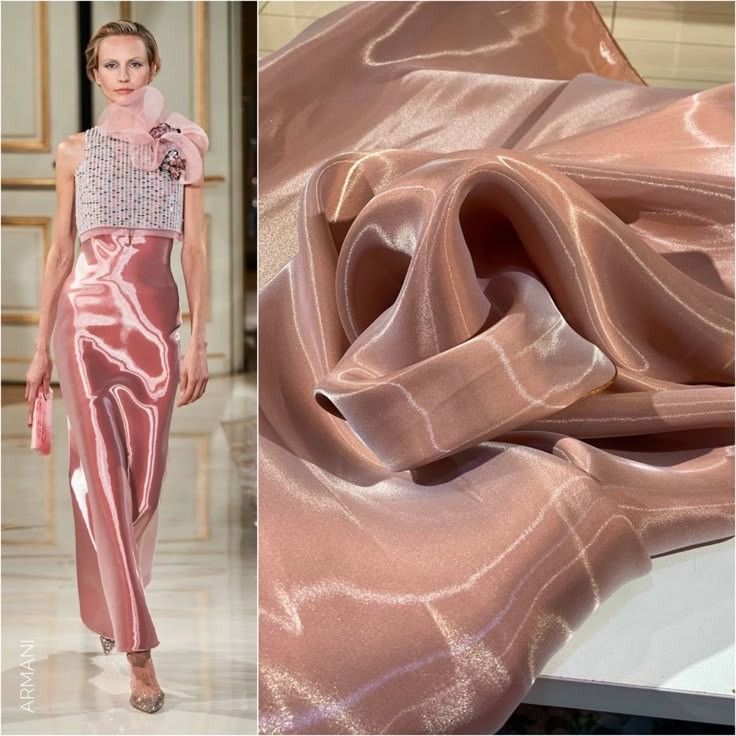
Photo credit: @ DERA’S COUTURE
Why Fabric Care Matters
When choosing the right material for every project, fabric care is just as important as evaluating drape, weight, or stretch. Different fabrics respond differently to washing, drying, and everyday wear, and understanding these differences can dramatically extend the life of a garment.
Natural fibers like cotton, linen, and wool may shrink, soften, or pill if washed improperly, while delicate fabrics such as silk or chiffon require gentle handling to maintain their shape and appearance. Synthetic fabrics like polyester or nylon are often easier to care for but can lose elasticity or degrade over time if exposed to high heat.
Care Should Guide Project Decisions
Care requirements should directly inform project decisions. Fabrics that need hand washing or dry cleaning may not be practical for casual, frequently worn garments. Conversely, selecting durable, easy-care fabrics for everyday use ensures longevity, comfort, and reliability. Considering care upfront prevents frustration, wasted time, and disappointment once the project is completed.
Sustainable Fabric Choices
Mindful fabric selection also contributes to sustainability. Choosing fabrics that last longer, withstand repeated washing, and retain their structure reduces waste and promotes thoughtful sewing practices. Investing in high-quality fabrics over impulse buys may cost more initially, but it ensures garments remain wearable and attractive for years, making every project more purposeful and responsible.
The Big Picture: Care, Quality, and Longevity
By evaluating care, durability, and sustainability alongside aesthetics, choosing the right material for every project becomes a deliberate and informed process. This approach not only improves the performance of each garment but also fosters a more mindful, quality-focused sewing practice that pays off over time.
Concluding Advice
Understanding fabrics is the key to sewing garments that fit well, feel comfortable, and last. By considering drape, weight, stretch, texture, and care, choosing the right material for every project becomes a confident, informed process rather than guesswork.
Apply these principles to each new project, and your sewing results will improve consistently. Keep this guide as a reference for quick decisions and testing, and revisit it whenever you select fabric.
As my brother, one of the 3Niters and a professional craft and fashion designer, often emphasizes, fabric behavior is just as important as the pattern itself, paying attention to it transforms a simple project into a polished, lasting garment. With this knowledge, sewists can approach every project with clarity, confidence, and creative control.
