
Hate it when your bakes spread or burn? these spring bakes that don’t spread or burn even if you’re distracted save the day.
Some days, you’re juggling too many things in the kitchen. You’re probably trying to bake, and as usual, a kid calls for help, or your phone rings for the third time.
It’s easy to get frustrated when a cookie spreads too much or a cake browns too fast while you weren’t watching. Every parent knows this feeling, baking while distracted can quickly turn from fun to stressful.
Spring baking can be especially tricky. Butter softens faster, doughs are lighter, and warmer kitchen temperatures make cookies and cakes behave unpredictably. Even small changes in the environment can make a recipe feel less forgiving than it should.
But it doesn’t have to be that way. With a few reliable recipes and simple techniques, you can create cookies, muffins, or cakes that hold their shape, bake evenly, and taste great , even if you get pulled away for a minute or two.
These are spring bakes designed for real life: forgiving, simple, and consistent, so you can enjoy baking without stress, frustration, or burnt treats.
Take a look at this guide: Vegan & Plant-Based Desserts: Easy and Delicious Recipes for Every Sweet Tooth
Reason(s) Spring Bakes Can Go Wrong

Even the simplest spring bake can go sideways, especially when life keeps pulling you in a hundred directions. A cookie spreading across the tray or a muffin browning too fast usually isn’t your fault, it’s often the little details your recipe doesn’t warn you about.
Butter and sugar ratios are a big culprit. Too much butter or sugar can make cookies flatten or cakes spread more than you expect, especially if the dough sits out while you answer a call or help a kid.
Oven temperature fluctuations are another tricky factor. Spring kitchens warm up quickly with sunshine streaming in, and ovens don’t always heat evenly. That means your bake might brown too fast on the edges while staying soft in the middle.
Even overmixing or underchilling dough can make a difference. A few extra stirs while distracted, or not letting dough rest in the fridge, can turn a soft, forgiving recipe into a tray of cookies that spread like crazy.
Know that these are quick fixes you can implement in the middle of baking.
Also worth a look: What to Make for Valentine’s Day When You’re Vegan and Short on Time
Key Techniques to Keep Bakes Stable
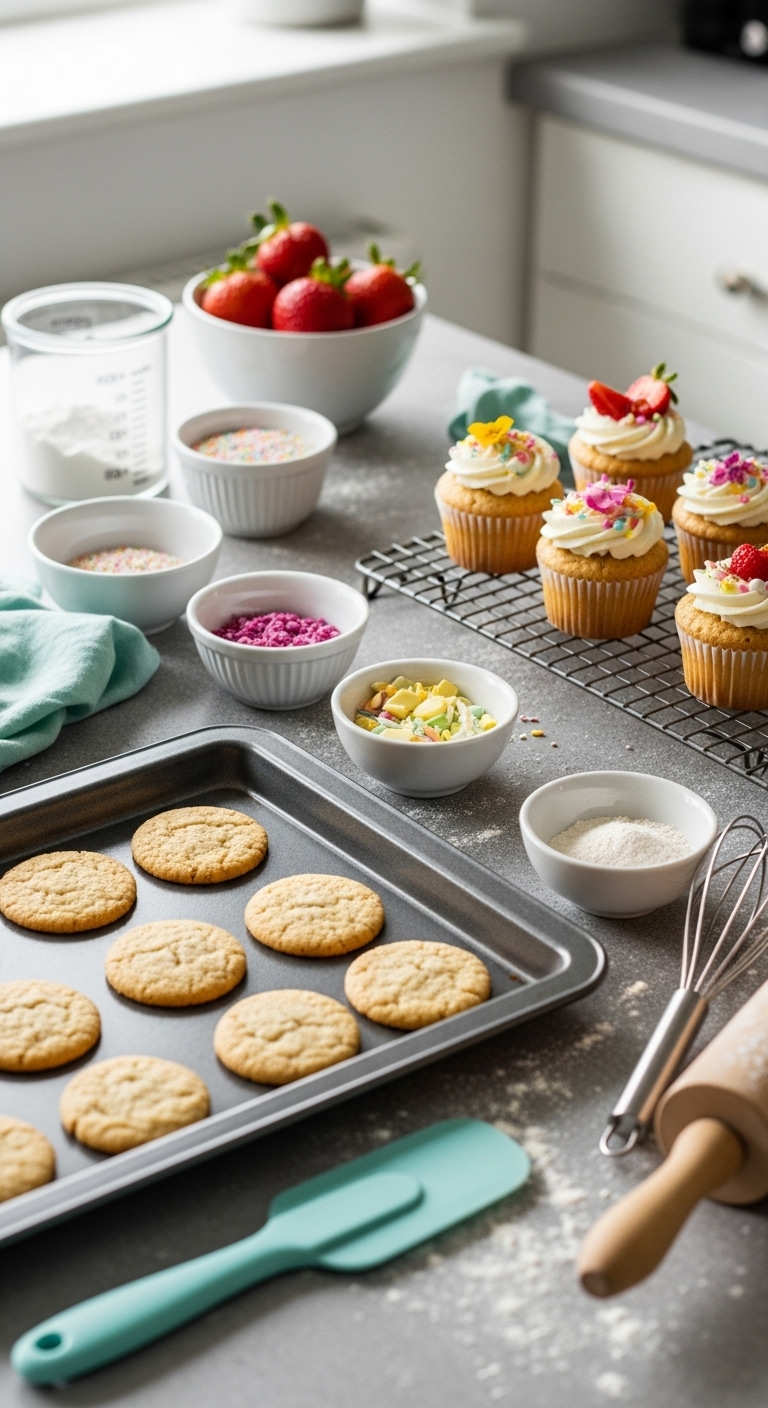
Even with bakes that hold their shape, a few small techniques can make a big difference in keeping your spring bakes from spreading or browning too fast. These are the simple tricks that save recipes, especially on busy or distracted mornings.
What to do:
Chill your dough. For cookies, tart shells, or anything soft, a few minutes in the fridge can prevent spreading. Even a quick 10–15 minutes makes the dough firmer and easier to handle, which gives you more control when life interrupts you mid-bake.
Use parchment paper or silicone mats. They’re lifesavers. Not only do they prevent sticking, but they also help your bake brown evenly without burning the edges. This is especially useful if you step away for a minute to answer a call or help a kid.
Portion dough evenly. Cookies or muffins that are all the same size bake more consistently. A simple scoop or measuring spoon helps avoid some going flat while others stay soft. It’s a tiny step that prevents a lot of frustration.
Check doneness without overbaking. Ovens can be unpredictable, and it’s easy to let a bake go a few minutes too long when multitasking. Keep an eye on edges and lightly press the center; if it springs back, it’s ready. You don’t need perfection, just consistency.
These simple techniques help your bakes stay stable, even when the kitchen feels a little chaotic. Small habits like these make spring baking enjoyable instead of stressful.
Here’s something else you might like: What to Make for Dinner When You’re Too Tired to Cook but Still Hungry
Spring Bake Recipes
Below, you’ll find spring bakes that taste great and can handle life distractions, like busy mornings, quick interruptions, and all. These are the kinds of recipes you can rely on, even when you’re doing more than one thing at once.
Follow along!
1. Soft Sugar Cookies

These soft sugar cookies are forgiving, easy to shape, and stay tender even if your attention gets pulled elsewhere. They’re perfect for mornings when life is busy, but you still want a sweet treat that works.
Ingredients:
- 1 cup butter, softened
- 1 cup sugar
- 1 egg
- 1 tsp vanilla extract
- 2 ½ cups all-purpose flour
- ½ tsp baking powder
- Pinch of salt
Step-by-step guidance:
- Preheat oven to 350°F (175°C).
- Cream butter and sugar until smooth.
- Add egg and vanilla; mix gently.
- Gradually fold in flour, baking powder, and salt until combined.
- Scoop dough onto a lined baking tray; chill 10–15 minutes.
- Bake 10–12 minutes until edges are lightly golden.
Tips to avoid it from spreading, burning, or collapsing:
- Chill dough before baking to prevent spreading.
- Use parchment or silicone mats for even heat and no sticking.
- Place tray in the center of the oven; rotate if necessary.
You might like this too: 7 Quick Anti‑Inflammatory Spring Lunches That Keep Kids Happy and Full
-
Mini Loaf Cakes (Citrus, Berry)

These mini loaves are ideal for spring breakfasts or snack time. They stay moist, even if you get called away mid-bake. Citrus or berries add bright flavor without complicating the process.
Ingredients:
- 1 ½ cups flour
- 1 tsp baking powder
- ½ tsp salt
- ½ cup butter, softened
- ¾ cup sugar
- 2 eggs
- ¼ cup milk
- Zest of 1 lemon or ½ cup berries
Step-by-step guidance:
- Preheat oven to 350°F (175°C). Grease mini loaf pans.
- Beat butter and sugar until fluffy.
- Add eggs one at a time, mixing gently.
- Fold in flour, baking powder, and salt. Add milk gradually.
- Fold in zest or berries carefully.
- Divide batter evenly into pans; smooth tops.
- Bake 25–30 minutes until a toothpick comes out clean.
Tips to prevent it spreading, burning, or collapsing:
- Mix gently to prevent cracks and doming.
- If tops brown too quickly, cover loosely with foil.
- Cool in pan for a few minutes, then transfer to a rack.
-
Muffins That Rise Evenly
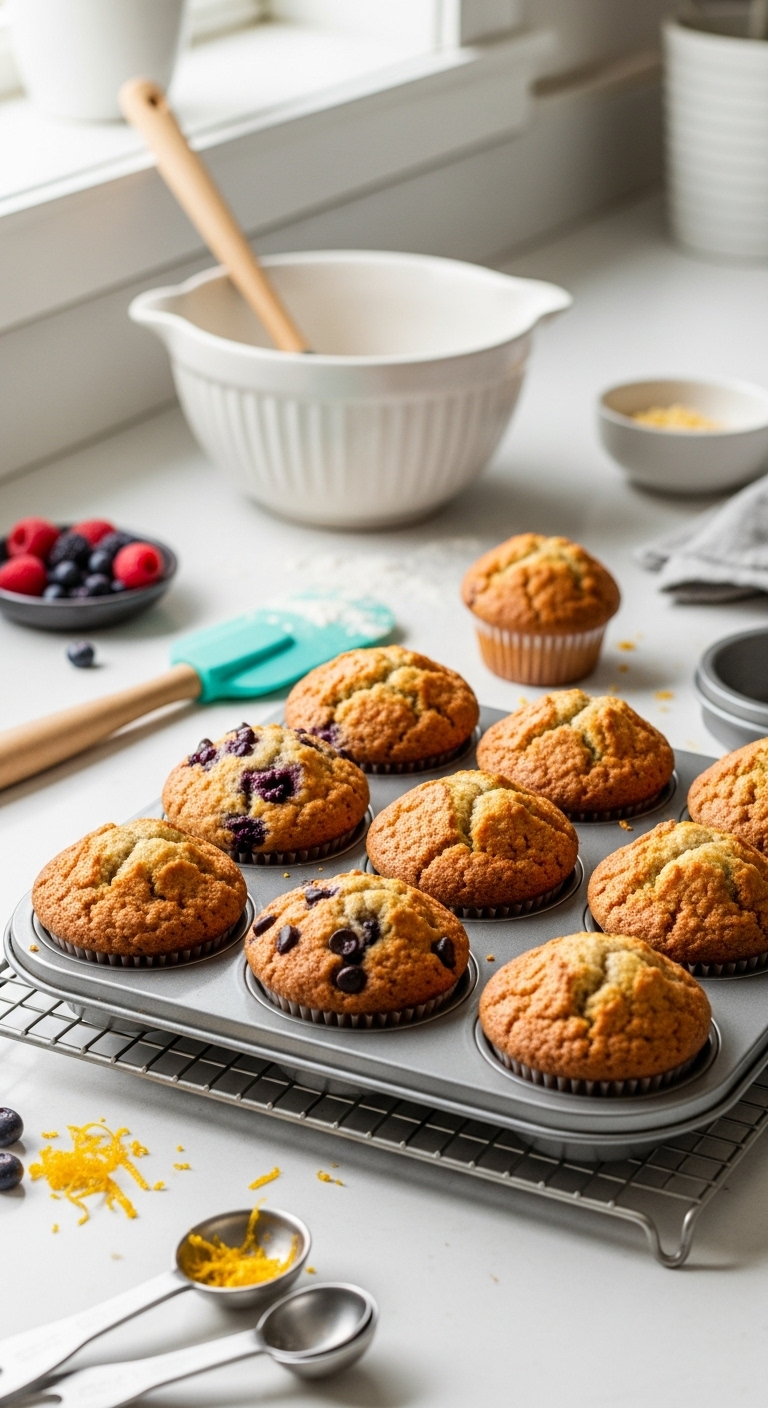
Muffins are perfect for busy mornings because they’re easy to portion, rise evenly, and stay soft inside. No matter what the situation maybe, they still turn out well.
Ingredients:
- 2 cups flour
- ½ cup sugar
- 1 tbsp baking powder
- ½ tsp salt
- ½ cup melted butter or oil
- 1 cup milk
- 2 eggs
- 1 tsp vanilla
Step-by-step guidance:
- Preheat oven to 375°F (190°C). Line muffin tin.
- Whisk dry ingredients in one bowl.
- Mix wet ingredients in another bowl.
- Fold wet into dry until just combined.
- Scoop evenly into muffin cups.
- Bake 18–20 minutes until tops spring back.
Tips to avoid spreading, burning, or collapsing:
- Try not to overmix, lumps are fine.
- Use a scoop for even portions.
- Rotate tray halfway for even baking.
-
Shortbread or Biscuit Cookies
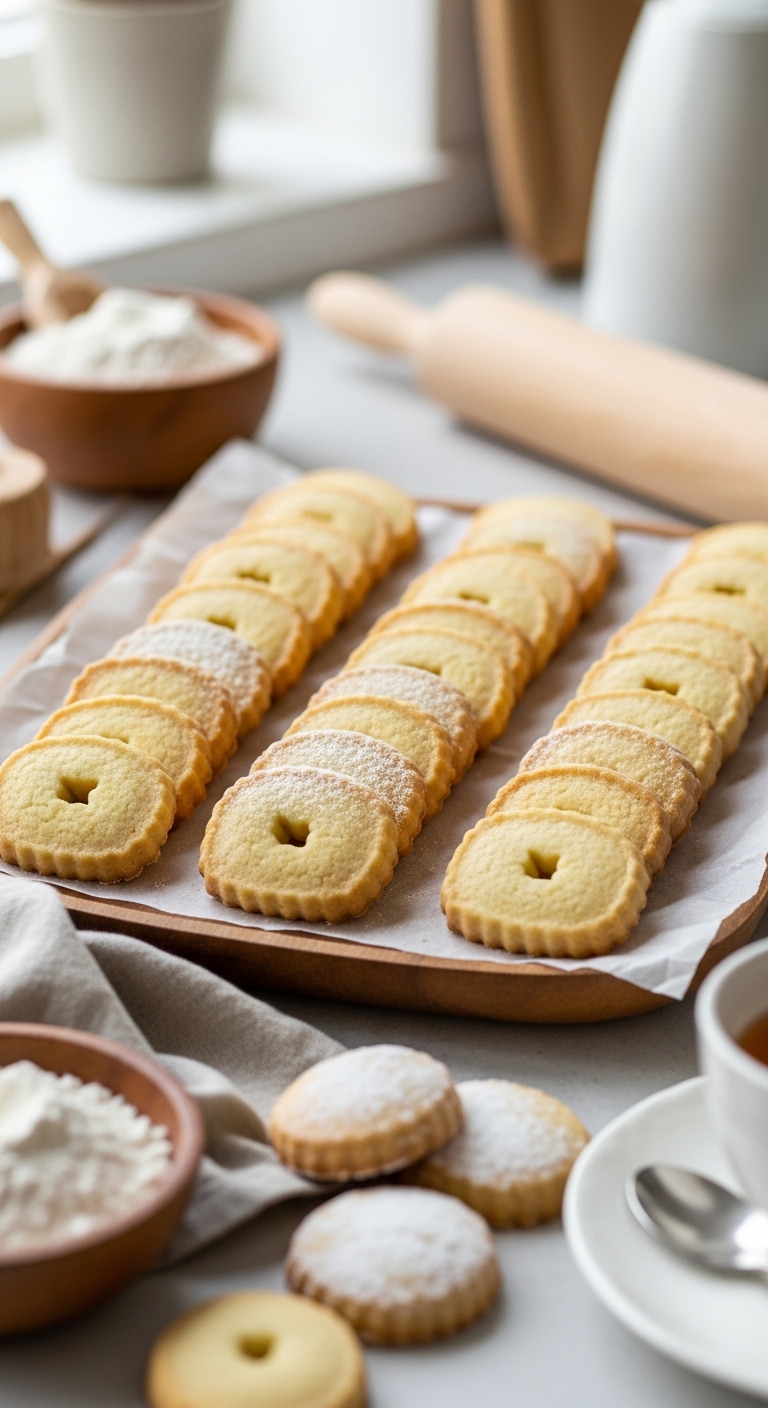
Buttery shortbreads are simple, stable, and keep their shape, making them ideal if you have a busy morning and need reliable results.
Ingredients:
- 1 cup butter, softened
- ½ cup sugar
- 2 cups flour
- ½ tsp salt
- 1 tsp vanilla (optional)
Step-by-step guidance:
- Preheat oven to 325°F (160°C).
- Cream butter and sugar.
- Add flour and salt; mix gently.
- Roll dough to ½-inch thickness; cut shapes.
- Place on parchment-lined tray.
- Bake 12–15 minutes until edges lightly golden.
Tips to avoid spreading, burning, or collapsing:
- Keep dough cool while shaping to retain edges.
- Bake on middle rack.
- Remove when edges are lightly golden, cookies firm as they cool.
While you’re here, see this: Why Valentine’s Day Meals Fail at Home-And How to Plan One That Actually Feels Romantic
Baking With Kids

Baking with kids can be fun and manageable when the setup is right. Choosing the right recipes matters, especially spring bakes that don’t spread or burn, which are ideal when little hands want to join in.
They are more predictable, even if attention wanders or steps take longer than planned.
Steps kids can safely help with
- Measuring dry ingredients
- Stirring batter or dough
- Lining baking trays with parchment
- Decorating after the bakes have fully cooled
These tasks keep kids involved without placing them near heat or sharp tools.
How to keep the kitchen calm
- Prep ingredients before kids join in
- Assign one simple task at a time
- Create clear work zones to avoid crowding
- Build in short breaks to prevent overwhelm
A slower pace works best with spring baking recipes meant for real life.
Encouraging engagement without stress
- Focus on effort, not perfect results
- Praise participation, not appearance
- Let small mistakes go, they’re part of the memory
When the atmosphere stays relaxed, baking becomes a shared experience instead of a stressful chore, and everyone enjoys the results.
If this helped, try this next: Homemade Greek Yoghurt Recipe: How to Make It Naturally from Scratch and How to Make Homemade Tiger Nut Drink Without Preservatives
Common Baking Problems and Quick Fixes
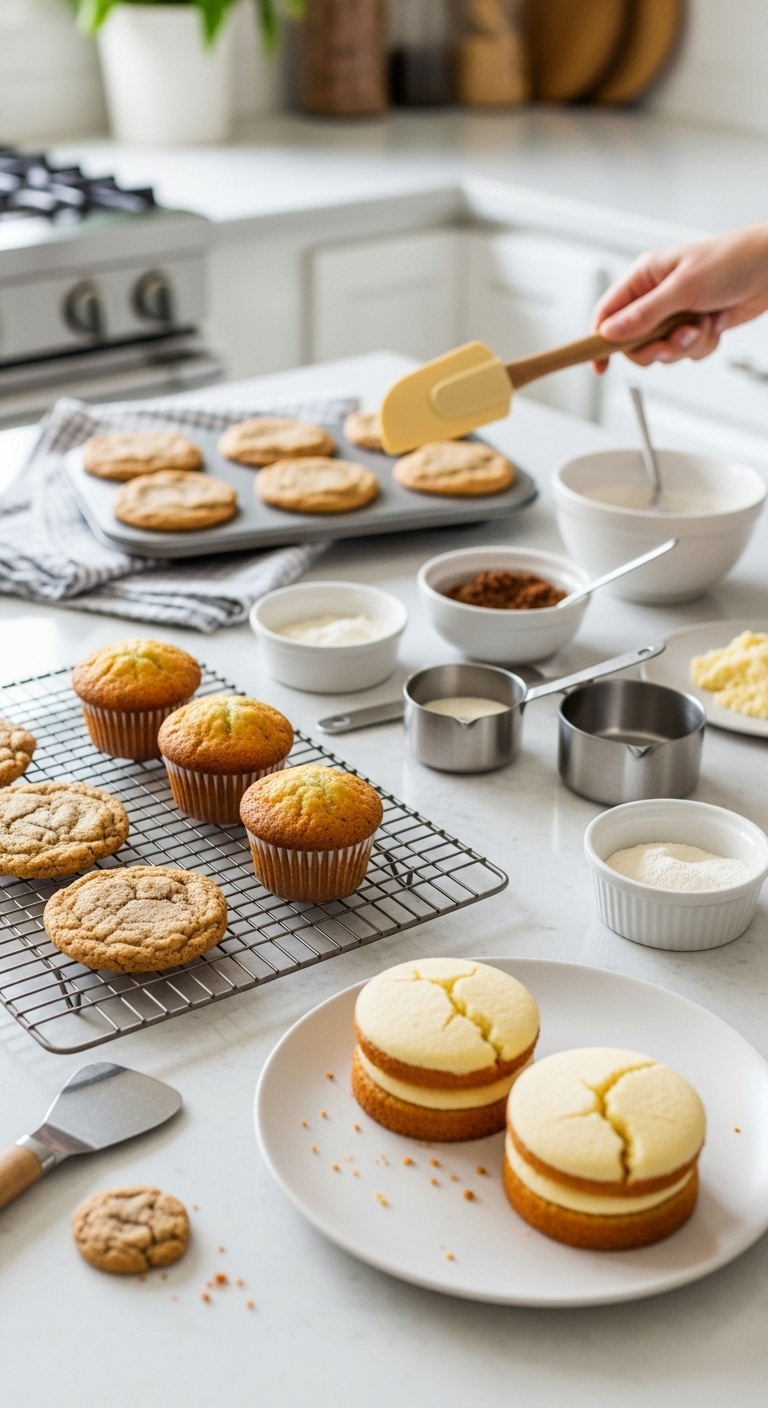
Spring baking can still go wrong even when you follow a recipe closely. Most issues come from temperature, timing, or small mixing habits, not from doing something wrong.
These quick fixes help you correct problems without you having to start over.
Cookies spreading too much
- Chill dough for 20–30 minutes to firm the fat before baking
- Shape dough slightly taller rather than flat to control spread
- Always use a cooled baking sheet between batches
Cakes doming or cracking
- Bake at a consistent, moderate temperature to prevent rapid rise
- Stop mixing as soon as the flour disappears to avoid excess structure
- Position cake pans on the center rack for even heat circulation
Muffins overflowing
- Fill liners no more than three-quarters full for controlled rise
- Portion batter evenly using a scoop or measuring cup
- Mix gently to avoid overdeveloping the batter, which causes overflow
Each of these adjustments keeps your bakes stable, even if you step away, answer questions, or manage distractions during baking.
Also worth a look: Quick No-Bake Desserts You Can Make Without Turning on the Oven — Kids Will Love Them
Storage and Serving Tips
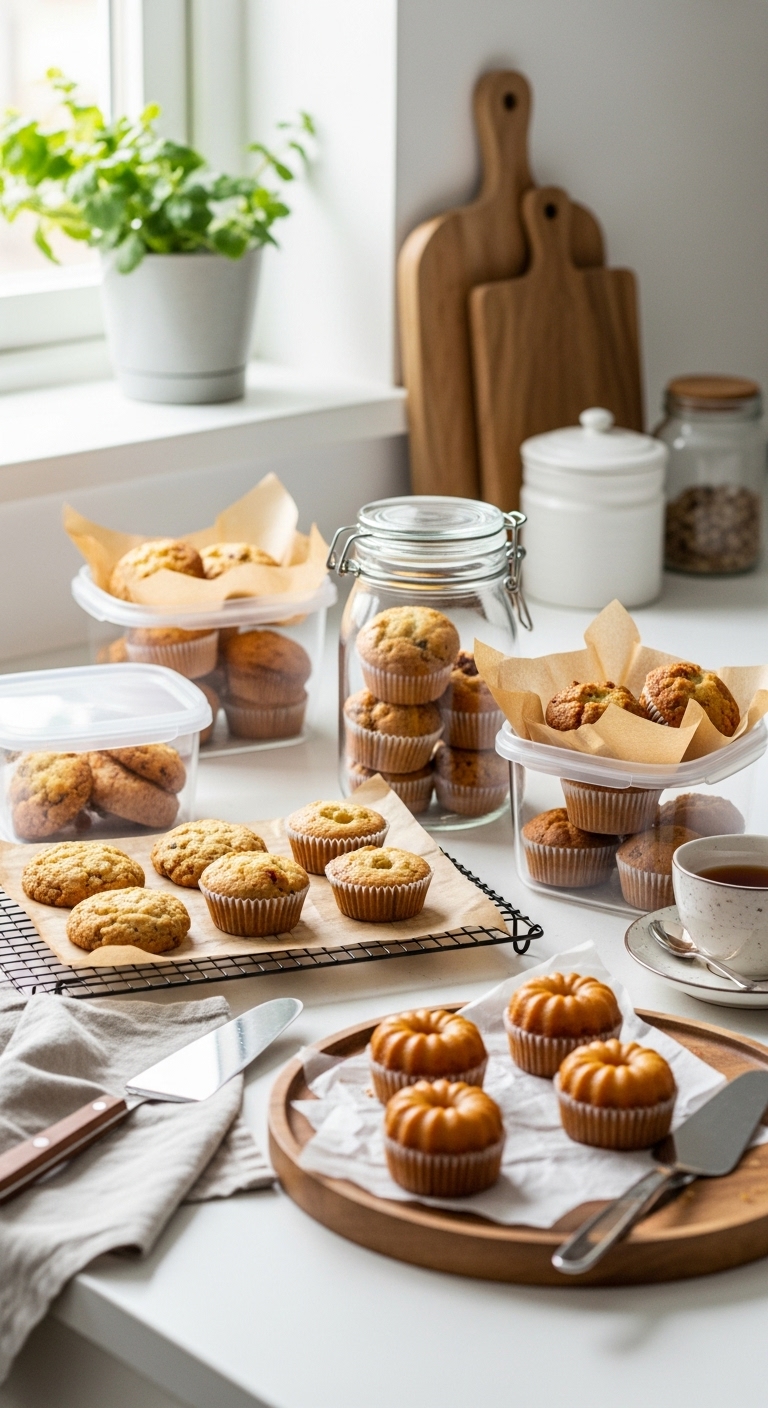
Knowing how to store your baked goods properly is just as important as baking them well. These simple tips help spring bakes that don’t spread or burn stay fresh, hold their texture, and taste good even hours, or days later.
✅ Keeping bakes soft or crisp
- Store soft cookies, muffins, and loaf cakes in airtight containers to prevent drying out
- Add a paper towel to absorb excess moisture and maintain texture
- Keep crisp cookies uncovered or loosely covered once fully cooled to avoid softening
✅ Freezing for later use
- Freeze cookies and muffins in single layers before transferring to freezer bags
- Wrap loaf cakes tightly in plastic wrap, then foil, to prevent freezer burn
- Label with dates and thaw at room temperature for best texture
🟢 Easy serving or gifting ideas
- Serve baked goods at room temperature to bring out flavor and softness
- Package treats in parchment paper or simple boxes for stress-free gifting
- Choose sturdy bakes that travel well, especially when sharing with friends, school events, or neighbors
These storage habits make sure your bakes stay reliable and enjoyable—whether you’re serving them the same day or saving them for later.
Other posts you’ll enjoy: How to Make and Maintain a Sourdough Starter — The No-Fail Routine for First-Time Bakers and How to Bake Sourdough Bread for the First Time
FAQ
- Do these recipes still work if I’m baking at night or early morning?
Yes. Oven behavior can change slightly at different times of day, but these recipes are built with temperature tolerance. Just avoid placing trays too close to the top heating element.
- Can I prep the dough earlier in the day and bake later?
Yes, and it often helps. Most doughs can rest in the fridge for a few hours without affecting texture. Let chilled dough sit briefly before baking so it doesn’t bake unevenly.
- What if I don’t have time to preheat the oven fully?
This matters more for cakes than cookies. If you’re short on time, choose cookies or muffins first, they’re more forgiving than loaves.
- Is it okay if my bake doesn’t look “perfect” but tastes fine?
Absolutely. This post is about spring bakes that don’t spread or burn, not Instagram perfection. Texture and flavor matter more than sharp edges or flawless tops.
- Can I swap ingredients without ruining the structure?
Small swaps are fine (similar fats, same sugar type). Avoid changing both fat and liquid at once, that’s when spreading or collapse happens.
- Why do my bakes succeed one day and fail the next?
Humidity, butter softness, and oven recovery time all play a role. This isn’t inconsistency on your part, it’s normal, especially in spring.
Conclusion
Baking during spring doesn’t require full attention or perfect timing. Distractions happen, especially in busy homes, and that doesn’t mean your baked goods have to fail.
With the right recipes and a few steady techniques, it’s possible to get consistent results even when you’re pulled away now and then.
This guide focused on reliable spring bakes that hold their shape, bake evenly, and don’t punish small mistakes. The goal isn’t perfection, what matters is that your bakes hold up and taste good, even when life keeps calling you away from the kitchen.
If spring baking is something you return to often, this is a guide worth bookmarking. It’swritten to be a dependable reference you can come back to whenever you want simple, low-stress results that still taste good.
This guide covered: Spring Bakes That Don’t Spread or Burn Even If You’re Distracted.



I’m impressed, I have to admit. Rarely do I come across a blog that’s both educative and entertaining, and without a doubt, you have hit the nail on the head.
The problem is an issue that too few folks are speaking intelligently about.
I am very happy that I found this in my hunt for something regarding this.
Thank you so much Jerry for reading.
Your comment has really amde my day