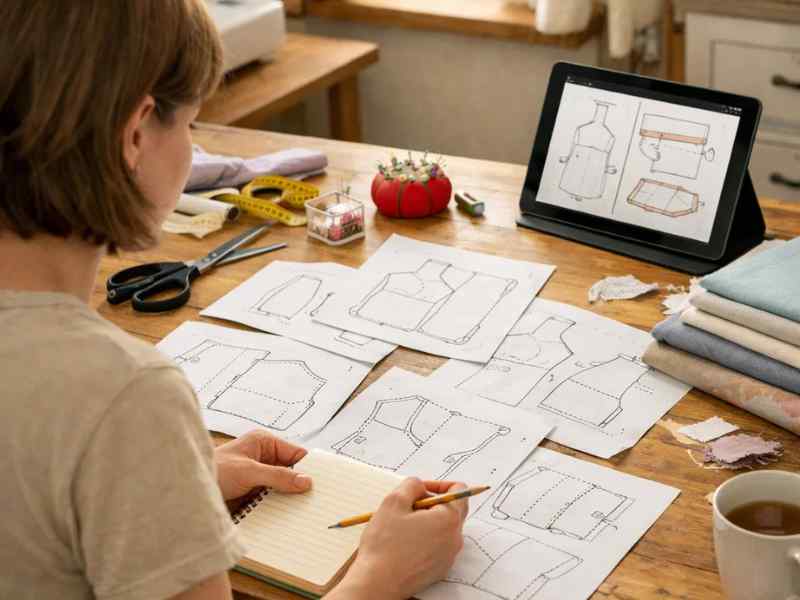
Confused by complicated sewing instructions? Find sewing patterns that are easy to follow and beginner-friendly, so you get to save time, frustration, and customer’s fabric.
Every beginner sewer knows this feeling: you spot a gorgeous blouse, tote bag, or cozy dress in a pattern catalog, and your excitement skyrockets. But then reality hits.
You spend money on a pattern, only to realize the instructions are confusing, incomplete, or written for someone with ten years of experience.
You follow the diagrams, but the lines don’t match your fabric, the sizing feels off, and suddenly what should have been a two-hour project stretches into a full day of frustration.
Maybe you’ve scrolled through or social media, hoping to find a beginner-friendly pattern, only to see designs that look perfect online but leave you scratching your head when it’s time to cut and sew.
If that sounds familiar, keep reading, that’s exactly why this guide exists. Here, you’ll learn how to find sewing patterns that are truly beginner-friendly, easy to follow, and actually reliable.
When you read till the end, you’ll know exactly where to source patterns, how to evaluate them before buying, and clever hacks to avoid common mistakes, so your next sewing project can finally be fun, successful, and frustration-free.
While learning to pick sewing patterns that are easy to follow and beginner-friendly, you can also explore What to Do With Fabric Scraps: Sewing Hacks That Turn Leftovers Into Keep-Worthy Gifts to repurpose leftover materials and save money.
Common Pitfalls That Make Sewing Patterns Hard for Beginners
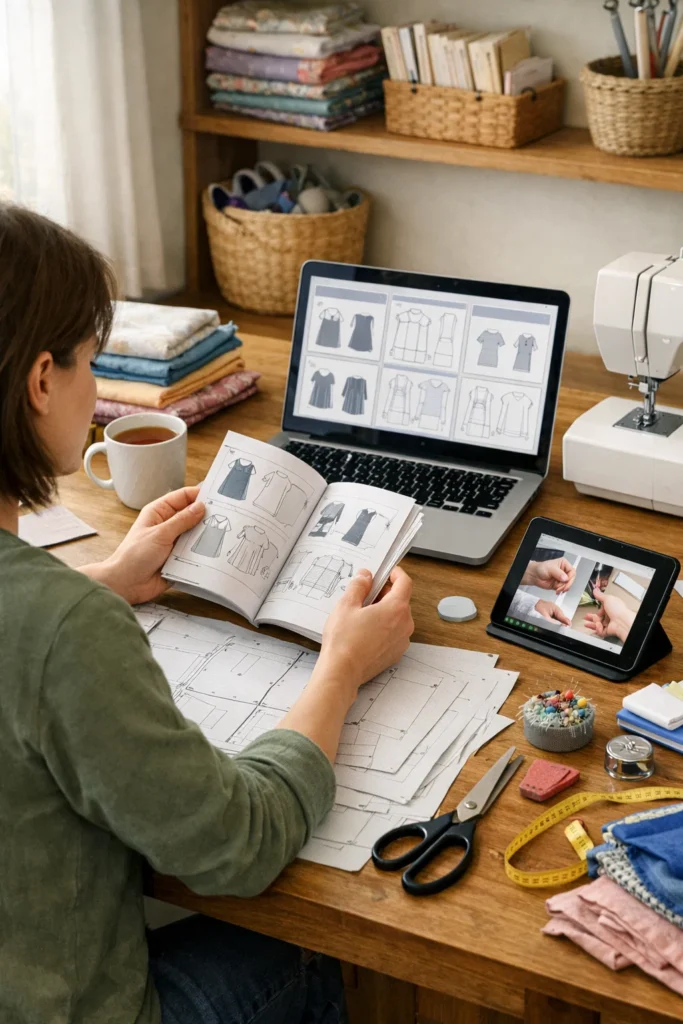
For beginner sewers, finding a pattern that’s easy to follow can feel like navigating a maze. Even the most enthusiastic beginner can hit roadblocks that turn a simple project into hours of frustration.
Here’s a closer look at the most common pitfalls, and little knowledge that can save you time and money.
1. Instructions Assume Experience You Don’t Have
Many patterns are written with the assumption that you already know sewing jargon and techniques. Terms like “backstitch,” “clip corners,” or “press seam” may appear without explanation, leaving beginners guessing. What it results too? Mistakes, wasted fabric, and a lot of frustration.
What to do: Look for patterns that include step-by-step photos, video tutorials, or glossary sections, these save hours of trial and error and make even tricky steps approachable.
2. Diagrams Are Often Missing or Confusing
Even a perfectly written pattern can become a headache if diagrams are unclear. Lines that don’t match the fabric layout or confusing illustrations can turn a simple tote or blouse into a puzzle.
Smaller independent designers often include clear, labeled diagrams with tips for tricky steps, something many large commercial patterns overlook.
Choosing the right fabric is crucial, but sometimes even the best fabric leads to skipped stitches — learn exactly why in Why Your Sewing Machine Keeps Skipping Stitches (And 7 Easy Fixes That Work Fast).
3. Fabric and Sizing Instructions Are Overwhelming
Many beginners struggle with fabric types, yardage, and sizing charts. Using the wrong fabric or misreading measurements can ruin a project before you even start. Beginners also often misjudge layout instructions, leading to wasted materials.
What to do: Pre-test your pattern on inexpensive scrap fabric. This practice is rarely mentioned by bloggers but prevents mistakes and saves money on your main fabric.
4. Online Patterns Sometimes Hide Mistakes
Not all digital patterns are created equal. Some have missing steps, mislabeled pieces, or incorrect seam allowances, which aren’t obvious until you start cutting. This hidden flaw can turn an otherwise fun project into hours of frustration.
What to do: Check reviews, completed project photos, and comments from other beginners. Also, seek patterns with digital tutorials or bonus PDFs, which can prevent mistakes before they happen.
Understanding fabric behavior is equally important, as explained in Understanding Fabrics for Sewing: Choosing the Right Material for Every Project, helping your finished projects turn out just right.
Steps To Finding Sewing Patterns That Are Easy to Follow and Beginner-Friendly
Step 1 — Identify Your Sewing Skill Level
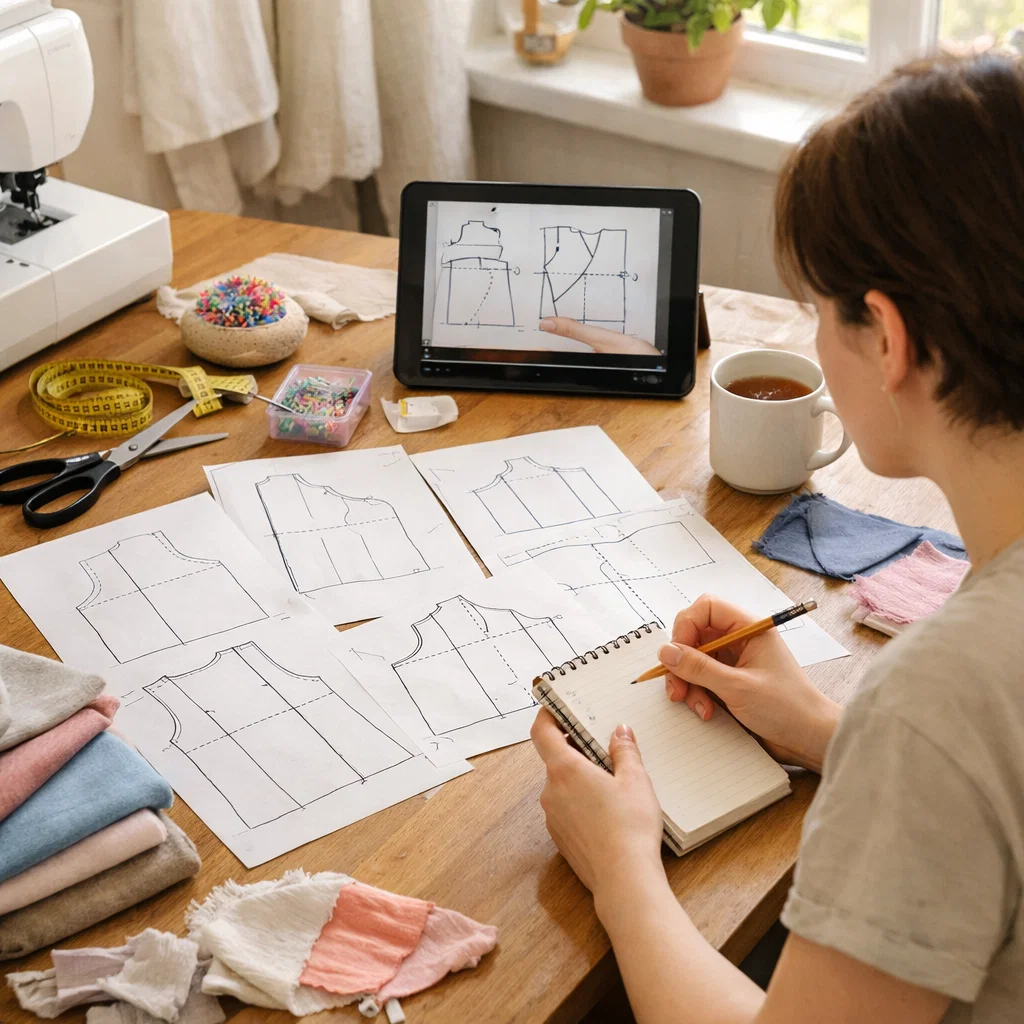
One of the biggest reasons beginners struggle is jumping into patterns that are too advanced. Even a beautifully designed pattern can become frustrating if it assumes skills you haven’t mastered yet.
That’s why knowing your skill level is essential when searching for sewing patterns that are easy to follow and beginner-friendly. Picking the right pattern from the start can save you hours of confusion, mistakes, and wasted fabric.
Tips to Match Patterns to Your Skill Level
-
Look for Beginner Labels
Patterns often include skill-level indicators like “beginner,” “easy,” or “level 1.” When browsing online shops, Etsy, or sewing catalogs, these labels can help you quickly identify sewing patterns that are easy to follow and beginner-friendly without trial and error. -
Test with a Mini Project
Before committing to a complex blouse or dress, try a small, low-stakes project. This could be a pillowcase, simple tote bag, or basic skirt. Mini projects help you understand the logic of the pattern, practice techniques, and boost confidence without risking expensive fabric. -
Start with Simple Accessories
Beginners often overlook small items, but starting with accessories lets you learn the steps, seam allowances, and pattern layout. Once you master these basics, moving to more advanced garments becomes much easier. This approach is a secret many new sewers wish they had learned earlier.
You can also gain hands-on DIY skills from 5 Clothing Alterations I Stopped Paying a Tailor For (DIY Made Easy) to modify garments confidently while practicing sewing techniques that complement beginner-friendly patterns.
Step 2 — Where to Find Reliable Sewing Patterns
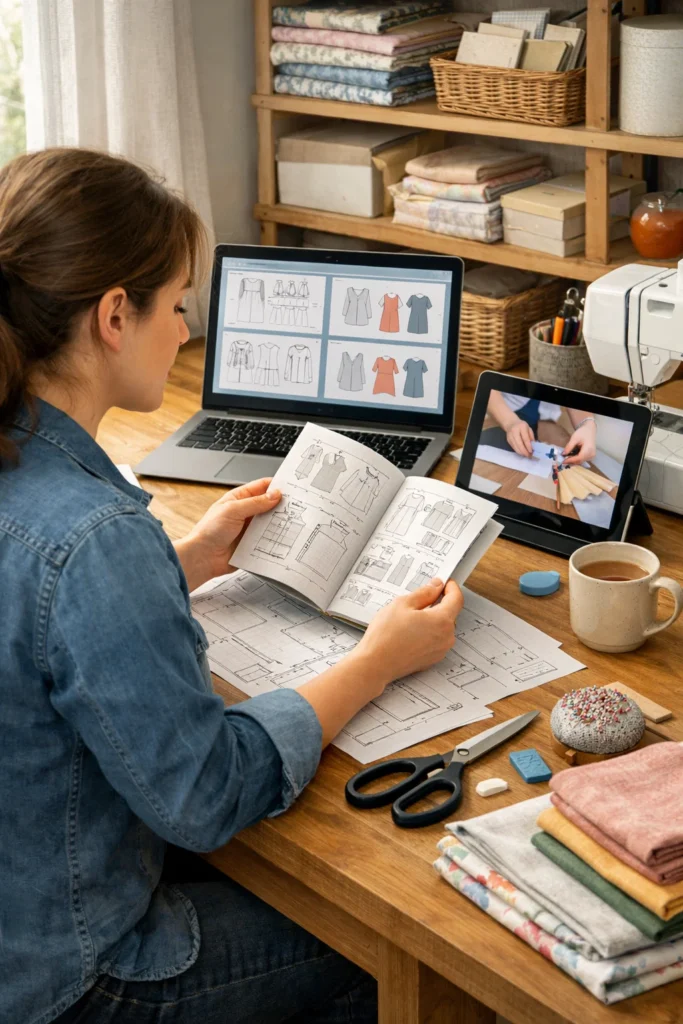
Finding sewing patterns that are easy to follow and beginner-friendly can be overwhelming. Between endless online options, crowded fabric stores, and confusing PDFs, it’s easy to waste time or money on patterns that don’t work.
Knowing where to source patterns that are reliable, clear, and suited to your skill level is key to avoiding frustration.
1. Local Sources
-
Fabric Stores and Craft Shops: Many local stores carry beginner-friendly patterns, often displayed near complementary fabrics. Staff are usually happy to recommend patterns that are easy to follow and beginner-friendly.
-
Sewing Clubs or Community Groups: Joining a local sewing group can give you access to tried-and-tested patterns, peer advice, and hands-on guidance.
When visiting a store, ask for patterns other beginners have successfully used. Sometimes staff know which patterns have the clearest instructions and easiest sizing charts — information you won’t find online.
2. Online Sources
-
Etsy and Independent Pattern Designers: Smaller designers often provide patterns with clear step-by-step instructions, labeled diagrams, and beginner-friendly notes, unlike some big commercial brands.
-
Official Sewing Brand Websites: Brands like Simplicity or McCall’s often have “easy” or “beginner” collections.
Rare Tip: Always check reviews and photos of completed projects, not just the product description. Many patterns look perfect online but may have subtle issues that beginners struggle with. This step alone can save hours of frustration.
3. Free Resources
-
Pinterest, Blogs, and Free PDFs: Many beginner-friendly patterns are available for free online, often with detailed tutorials.
-
Digital Patterns with Diagrams + Tutorial Videos: These are often easier to follow than physical patterns, especially for visual learners. Bonus PDFs or videos can show tricky steps in action, saving time and reducing mistakes.
Even free patterns can be excellent if you review size charts carefully and test on scrap fabric first. Treat the testing phase like a mini-project, it ensures the pattern truly fits your needs before cutting into your main fabric.
Before cutting into new fabric, learning how to properly clean and prepare secondhand clothes, as detailed in How to Clean and Disinfect Secondhand Clothes Before Selling — Make Every Item Sale-Ready, can save hours of frustration.
Step 3 — How to Evaluate a Pattern Before Buying
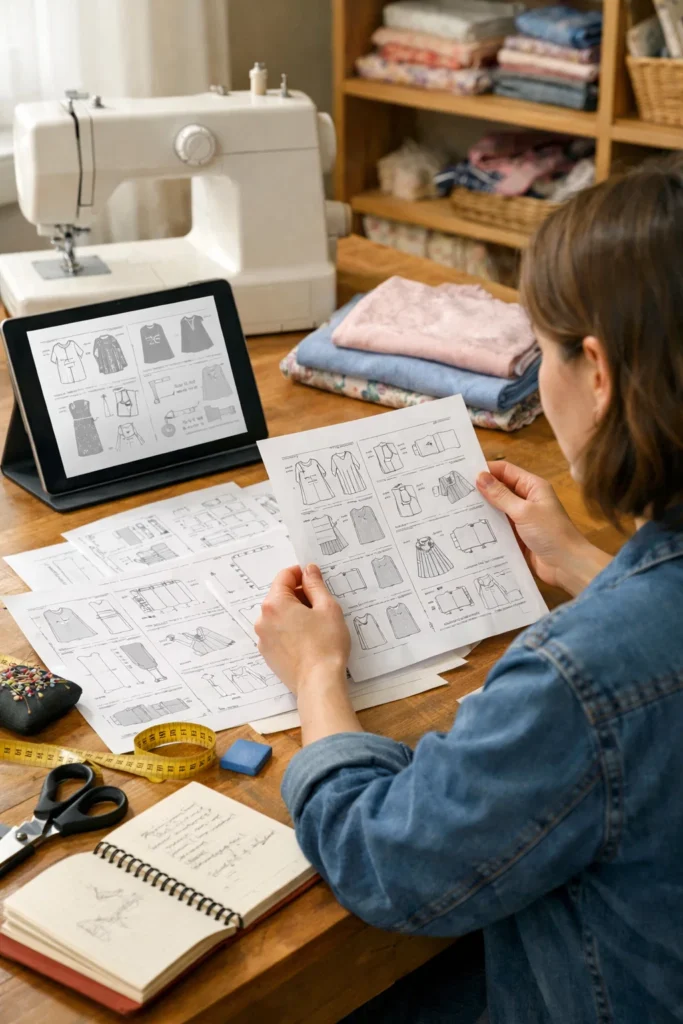
Even when you know your skill level and where to source patterns, not all patterns are created equal. Evaluating a pattern before you buy is crucial if you want to avoid wasted fabric, frustration, and hours of trial and error.
Learning how to spot sewing patterns that are easy to follow and beginner-friendly can make all the difference.
Key Things to Look For
-
Clear Step-by-Step Instructions
Beginners need patterns with instructions that guide you through each stage without assuming prior knowledge. Avoid patterns that skip steps or use jargon without explanation. -
Diagrams or Visual References for Tricky Steps
Even a simple step can become confusing if there’s no visual aid. Good diagrams or labeled illustrations can save you from misaligning seams or cutting the wrong piece. -
Fabric Requirements You Can Actually Get
Check the recommended fabrics before purchasing a pattern. Beginners often buy expensive or specialty fabrics only to find the project doesn’t suit them. -
Reviews From Beginners (Not Just Photos)
Look for reviews from people at your skill level. Photos alone can be misleading — they don’t tell you how clear the instructions were or how easy the pattern was to follow.
What You Can Do
-
Test on Scrap Fabric First
Even highly-rated patterns can fail if your fabric choice behaves differently than expected. Testing on inexpensive scrap fabric helps you spot issues before committing to your main project. -
Avoid Patterns With Too Many “Optional” Steps
Extra optional details or variations can confuse beginners. Stick to patterns that clearly separate required steps from optional ones, so you can complete the project confidently.
Understanding how garments fit, as shown in 13 Flattering Outfit Ideas That Hide Belly Fat and Make Your Waist Look Smaller, helps when choosing patterns that suit body measurements.
Step 4 — Money-Saving and Frustration-Reducing Strategies
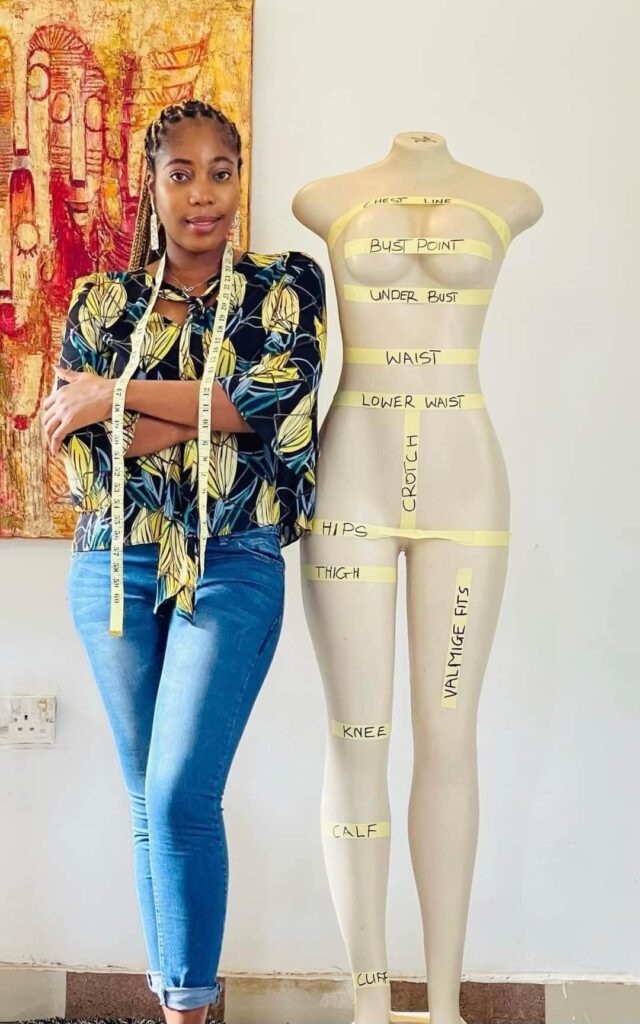
Sewing can quickly become expensive and time-consuming, especially if you buy patterns, fabrics, or tools that don’t work for your skill level. These strategies will help you save money, reduce frustration, and still enjoy successful projects.
1. Buy Digital Patterns Instead of Physical Ones
Digital patterns are often cheaper, immediately accessible, and come with better instructions. Many include extra resources like step-by-step diagrams, bonus PDFs, or tutorial videos that make them easier to follow. You also avoid waiting for shipping and can print only the pieces you need, saving paper and storage space.
2. Repurpose Old Clothes as Practice Patterns
Before investing in a new commercial pattern, try replicating an existing garment. This helps you understand pattern layout, seam allowances, and construction techniques without spending money on new patterns or fabrics. Even a simple t-shirt or skirt can serve as a practice template.
3. Start With Simple Projects Before Expensive Fabrics
Begin with small, inexpensive projects like pillowcases, tote bags, or basic skirts. Once you’ve mastered the steps, you can confidently tackle more advanced patterns and costly fabrics. This approach avoids frustration and protects your materials.
4. Join Online Sewing Communities
Facebook sewing groups, Reddit forums, or Discord sewing servers are hidden goldmines for beginners. Members often share tested patterns, step-by-step tips, and troubleshooting advice that you won’t find in official instructions. Engaging with these communities can save hours of trial and error and connect you with like-minded beginners.
Repurposing materials, as demonstrated in Eco-Friendly Easter Crafts You Can Make and Reuse Year After Year, is a smart way to practice sewing without wasting expensive fabrics.
Step 5 — Alternatives to Buying Patterns
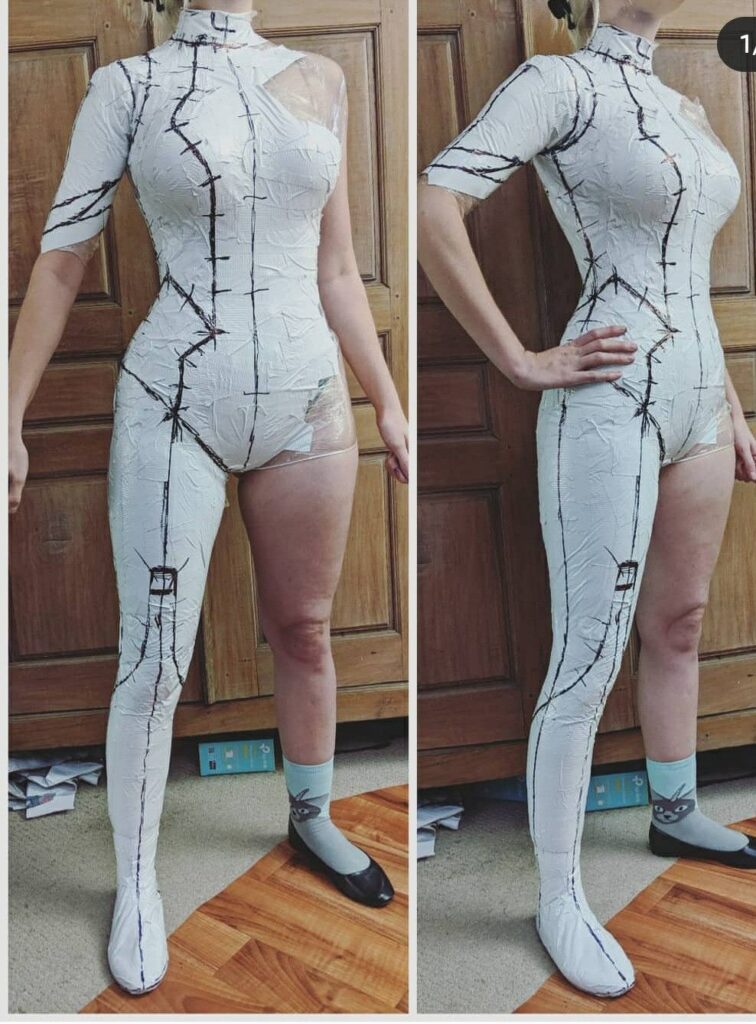
Not every sewing project requires purchasing a new pattern. In fact, many beginners can achieve great results by exploring alternative ways to get sewing patterns that are easy to follow and beginner-friendly. These options can save money, reduce frustration, and give you more creative control.
1. Draft Your Own Patterns From Basic Templates
Starting with a basic template allows you to create patterns tailored to your measurements and skill level. Even beginners can handle simple shapes like tote bags, skirts, or pillowcases. Drafting your own patterns teaches you the logic behind pattern construction and builds confidence for future projects.
2. Use Pattern Books With Multiple Beginner Projects
Pattern books designed for beginners often include multiple easy-to-follow projects, from simple accessories to basic garments. These books provide step-by-step instructions, diagrams, and sizing charts — everything you need to practice sewing patterns that are easy to follow and beginner-friendly.
3. Follow Pinterest Tutorials With Printable Templates
Pinterest is a treasure trove of free, printable patterns paired with tutorials. Many of these are created specifically for beginners and include visual aids, cutting layouts, and clear step-by-step guidance. Using these resources can give you instant access to beginner-friendly patterns without spending money on commercial designs.
Rare Insight Most Beginners Miss
Many beginners assume self-drafting or free templates are too complicated, so they stick only to purchased patterns. The truth is, starting with small, simple projects makes self-drafting completely doable and actually teaches essential skills faster than following pre-made patterns alone.
Starting with small, manageable projects, like the ones in 12 Easy Seasonal Craft Projects to Make All Year Round (One for Every Month), builds confidence before tackling more complex sewing patterns.
Step 6 — Keep Track of Patterns That Work
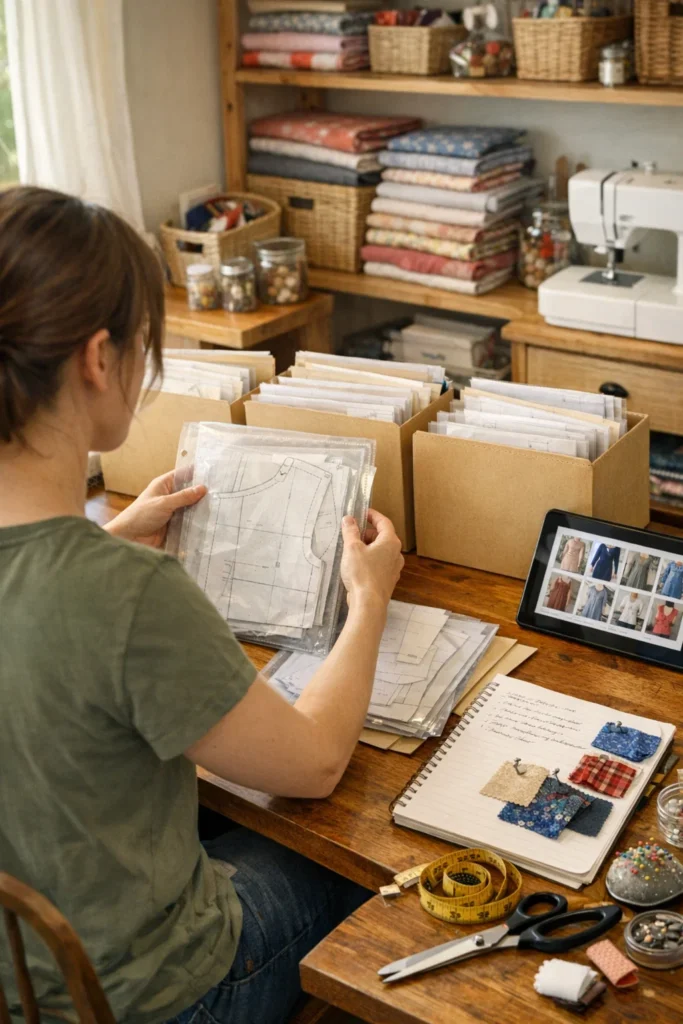
One of the most overlooked secrets to successful sewing is keeping a record of the patterns you’ve tried. Beginners often repeat the same mistakes because they forget what worked and what didn’t.
Creating a simple tracking system can save time, reduce frustration, and make future projects much smoother.
1. Create a Personal Pattern Log
Keep a notebook, spreadsheet, or digital document where you note:
-
Which patterns you tried.
-
What worked well and what didn’t.
-
Fabric type, difficulty level, and any adjustments you made.
Over time, this log becomes an invaluable reference, helping you identify patterns that are truly beginner-friendly, easy to follow, and suited to your style.
2. Organize Digitally for Easy Access
Pinterest boards or Google Drive folders are perfect for saving:
-
Pattern PDFs or links.
-
Photos of completed projects.
-
Notes or tutorials related to each pattern.
This digital organization lets you quickly reference patterns that have worked before, reducing repeated mistakes and wasted effort.
What Most Beginners Miss
Tracking your personal successes is a strategy that accelerates learning. Over time, you’ll build a custom library of go-to patterns that are guaranteed to work for your skill level, saving hours of trial and error.
Conclusion — Take Control of Your Sewing Projects
Finding sewing patterns that are beginner-friendly and easy to follow doesn’t have to be overwhelming. The secret is starting small, testing on scrap fabric, and keeping track of what works.
Even a simple tote bag or pillowcase can teach you the logic behind patterns, saving frustration on bigger projects.
Most beginners overlook the value of pattern logs and community-tested tips. Note what works, tweak what doesn’t, and use forums or social groups to shortcut trial-and-error learning.
Your Turn:
Pick one pattern today, try it on scrap fabric, and see how it goes. Share your favorite finds with me and others in the comments, so we can see the magic you created. Or grab a free checklist to evaluate patterns.


This post hits exactly on the mark for anyone feeling overwhelmed by confusing sewing patterns. I’ve definitely been there—spending hours trying to decipher unclear instructions only to realize the pattern wasn’t beginner-friendly. It’s so helpful to have a guide that breaks down what to look for in easy-to-follow patterns. Thanks for the practical advice that can save new sewers from frustration and wasted time.
That’s the idea.
Thank you
I’ve definitely had that ‘two-hour project’ turn into a weekend of regret after choosing a pattern way above my skill level. I’ve found that looking for indie designers who offer sewalongs or extra visual tutorials makes a huge difference in avoiding that initial frustration.
That’s correct!