Ever wondered why people eat certain foods at different times of the year? See seasonal recipes from around the world and see the reason behind each dish.
Before supermarkets stocked strawberries in winter or global shipping made every ingredient available year-round, people ate what the land and the weather allowed. Meals weren’t planned from convenience, they were shaped by harvest cycles, climate, and survival.
Seasonal eating, in its truest sense, isn’t a modern wellness trend. It’s how cultures around the world adapted, celebrated, and sustained life. What appeared on the table often reflected more than taste, it revealed what was growing, what could be preserved, and what the body needed at that time of year.
This is why certain dishes show up again and again in specific seasons, not by coincidence, but by necessity, tradition, and deep-rooted knowledge passed down over generations.
In this post, together we will see seasonal recipes from around the world, looking closely at what different cultures cook each season — and more importantly, the real reasons behind those choices.
Getting kids to enjoy vegetables can feel like a challenge, but Easy Cabbage Recipes That Get Kids Eating Their Veggies — Dumplings, Salads & More
offers simple, flavorful ideas that make cabbage fun and tasty.
✅ Spring
Spring food is not just about fresh ingredients, it’s about recovery.
During winter, many cultures relied on foods that could last a long time, like grains, dried goods, preserved vegetables, and heavy meals that provide warmth and energy. Fresh produce was limited, so meals were often filling but heavier on the body.
When spring arrives, everything begins to change. New vegetables grow, herbs become available, and meals naturally shift. People start eating foods that feel lighter, fresher, and easier to digest, because the body no longer needs the same heavy support as in winter.
This is why, across different cultures, spring meals often include:
Fresh greens and herbs
Light rice or grain dishes
Mild flavors instead of heavy spices or fats
It’s a quiet reset. After months of preserved and heavy foods, spring brings a return to balance, freshness, and simplicity.
Busy mornings or distracted baking don’t have to ruin your treats — Spring Bakes That Don’t Spread or Burn Even If You’re Distracted shows you how to create perfect baked goods every time.
-
Japan
If you pay attention to how spring is experienced in Japan, you’ll notice it’s not just about warmer weather. It’s about noticing small changes — what’s blooming, what’s fresh, what’s just come into season. That same attention shows up in the food.
Dish:
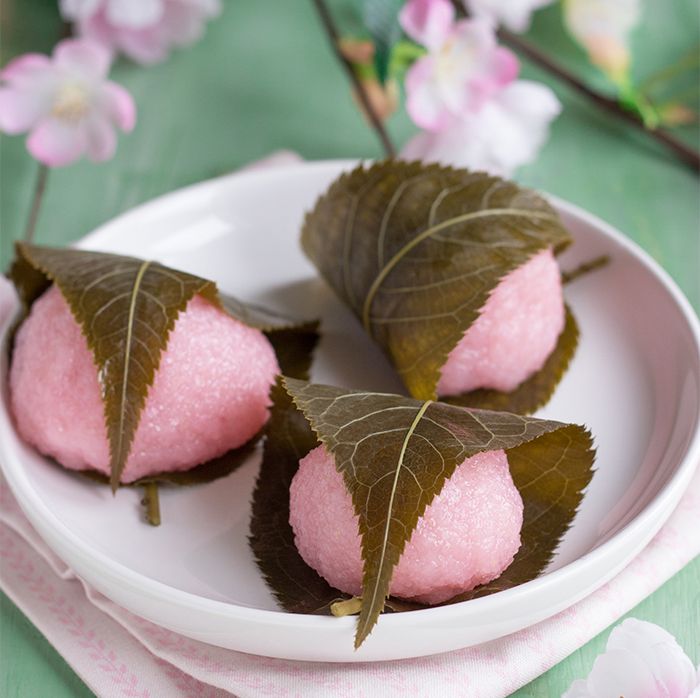
- Sakura mochi (sweet rice wrapped in a lightly salted cherry blossom leaf)
- Seasonal bento with simple rice, fresh vegetables, and light sides.
Why it’s eaten in spring:
Spring in Japan is tied closely to hanami, the tradition of going out to view cherry blossoms. It’s a short season, so people make time to sit, eat, and take it in. The food shared during this time isn’t heavy or complicated, it’s light, fresh, and made to match the moment.
There’s also something deeper that often gets missed. Seasonal eating here isn’t just divided into four parts of the year. It follows smaller shifts — sometimes called micro-seasons, where even the earliest greens or first blossoms influence what ends up in a meal.
Try This Angle:
- Prepare a simple rice dish with fresh herbs
- Add lightly pickled vegetables for balance
- Keep flavors clean and not too heavy
The goal is to let the ingredients feel fresh and balanced, not heavy.
Keep little ones happy and full with lunches that fight inflammation naturally. 7 Quick Anti‑Inflammatory Spring Lunches That Keep Kids Happy and Full makes healthy, seasonal eating simple and approachable.
2. Italy
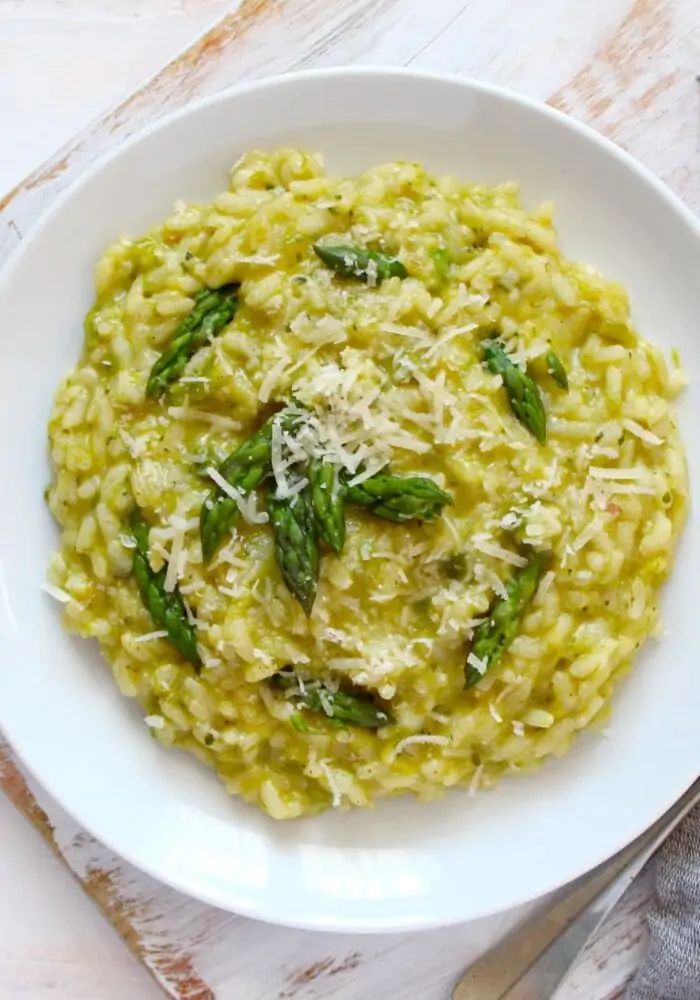
Photo credit: @ Il Club delle Ricette
When spring arrives in Italy, you start to see a quiet shift in the kitchen. After months of heavier, slow-cooked meals, things begin to feel lighter, because fresh ingredients finally return.
Dish:
Risotto with asparagus, peas, or delicate wild herbs
Why it’s eaten in spring:
As the weather warms, fresh vegetables like asparagus and peas come into season, and meals naturally move away from rich, heavy dishes toward something more vibrant and balanced. Risotto becomes a perfect base because it’s simple, comforting, and allows seasonal ingredients to stand out without being overpowered.
Something that often gets overlooked is how many Italian spring dishes are influenced by foraging traditions. In many regions, people have long gathered wild greens, adding them to risottos, soups, and simple meals. So what you see on the plate isn’t just about taste, it reflects a deeper connection to the land and what’s available at that exact time.
This is one of those moments where seasonal recipes from around the world start to feel very real — the ingredients aren’t chosen randomly, they’re shaped by what’s growing nearby and ready to be used.
Try This Angle:
- Use arborio rice or any short-grain rice
- Add fresh vegetables like peas or spinach
- Keep the flavors simple and clean
- Use a little olive oil and garlic for depth
Aim for a soft, creamy texture and let the freshness of the ingredients stand out.
3. India
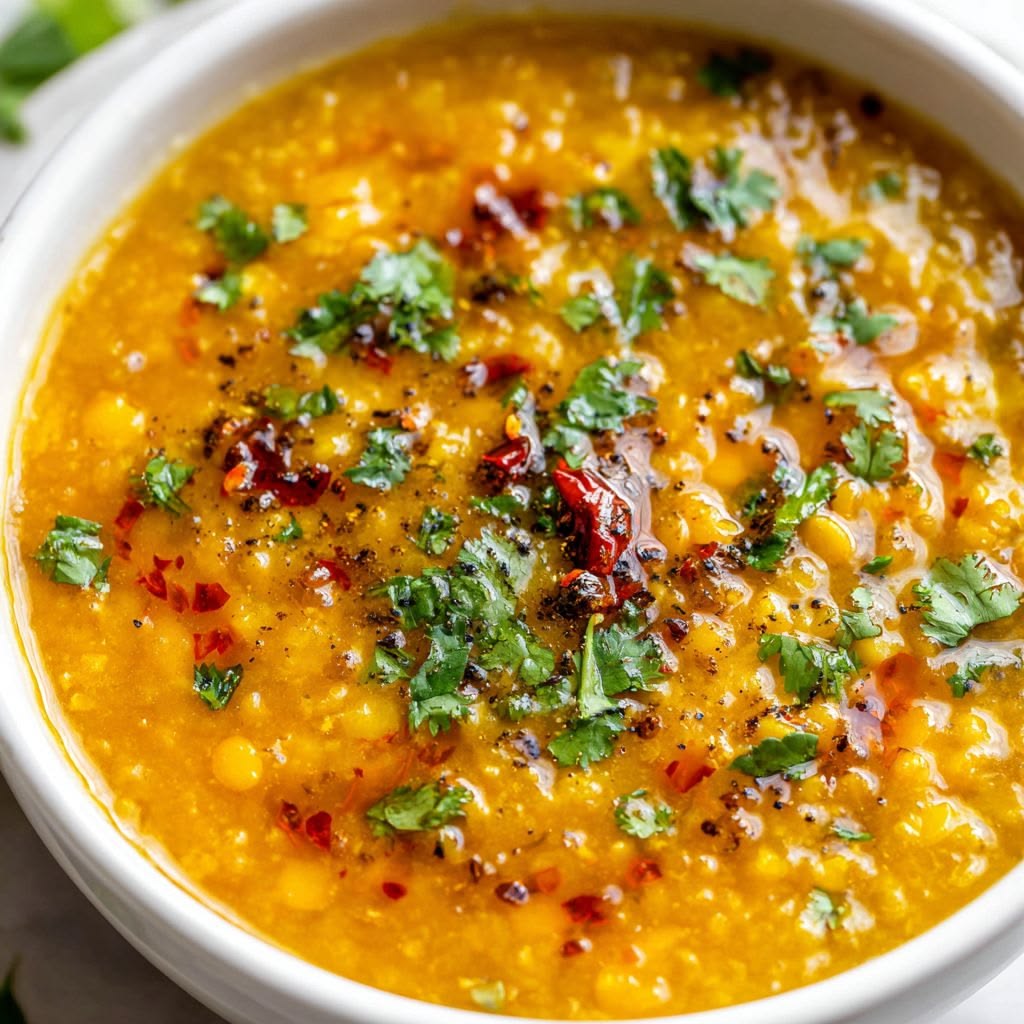
Photo credit: @ Dal Shorba
As the weather starts to warm up in many parts of India, you’ll notice a gentle shift in the kind of food people reach for. It’s not sudden, it’s more of a quiet adjustment to the rising heat.
Dish:
Light lentil dishes (like simple dals)
Fresh chutneys made with herbs or coconut
Early mango use, especially in raw form.
Why it’s eaten in this season:
As temperatures begin to rise, meals start to focus more on cooling the body and supporting digestion. Instead of heavy, rich foods, people turn to lighter dishes that feel easier to eat in warmer weather.
Raw mango, for example, is often used before it fully ripens, not just for its taste, but because it’s believed to help the body handle heat better. Fresh chutneys add brightness and freshness, while light lentil dishes provide nourishment without feeling too heavy.
This shift isn’t random. It reflects a long-standing understanding of how food can balance the body during seasonal changes, especially as the heat begins to build.
Making this Recipe, try This Angle:
- Make a simple lentil dish with minimal spices
- Add a fresh chutney using herbs like mint or coriander
- Use a little raw mango (if available) for a tangy, refreshing touch
Keep the meal light, fresh, and easy to digest.
Refreshing and preservative-free, How to Make Homemade Tiger Nut Drink Without Preservatives: Stays Fresh Longer is a wholesome drink you can make ahead for the whole family.
✅ Summer — Heat, Hydration, and Cooling Foods
When summer arrives, especially in hot regions, the body naturally needs less heavy cooking, more hydration, and foods that help cool down.
People in these climates adjust their meals in subtle but smart ways:
They prepare dishes that don’t require long, heavy cooking.
Ingredients with high water content or natural cooling properties are favored.
Meals are lighter, refreshing, and easy to digest, helping the body cope with heat.
In other words, summer eating isn’t just about taste, it’s a response to temperature, climate, and survival, something almost all cultures naturally consider in their seasonal recipes.
1. Middle East
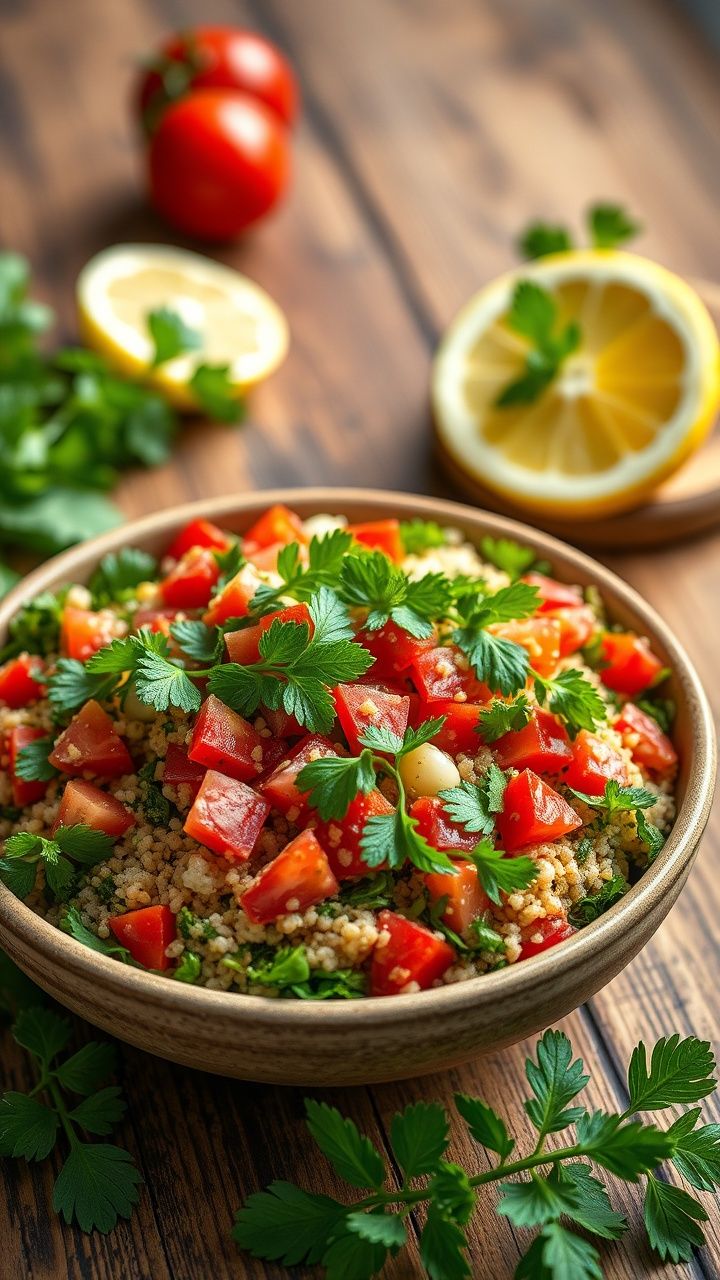
In many Middle Eastern countries, summer can get extremely hot, and the food people eat reflects that. You’ll notice meals are often fresh, light, and naturally cooling, designed to keep the body comfortable in high temperatures.
Dish:
- Tabbouleh (fresh parsley, tomatoes, bulgur, lemon, olive oil)
- Yogurt with cucumber (similar to mast or raita in neighboring regions)
Why it’s eaten in summer:
The main goal is hydration and cooling. Yogurt isn’t just a tasty addition — it’s chosen because it helps regulate body temperature in heat. Pairing it with fresh vegetables adds water content, fiber, and freshness, making the meal feel light but nourishing.
Important nuance:
This isn’t random or purely traditional flair. The combination of ingredients is intentionally functional, helping people stay cool and comfortable while still enjoying satisfying meals.
Try This Angle:
Make a simple tabbouleh with parsley, tomatoes, lemon, and olive oil
Pair it with a yogurt-cucumber salad
Keep the flavors fresh, not heavy, focus on the cooling, hydrating effect.
Satisfy your sweet tooth without guilt by trying Vegan & Plant-Based Desserts: Easy and Delicious Recipes for Every Sweet Tooth, with creative options everyone can enjoy.
2. Mexico

In Mexico, summer isn’t just about the heat, it’s also harvest season for fresh corn, and the streets come alive with outdoor food culture. You’ll see people enjoying quick, fresh meals that are portable, flavorful, and perfectly suited to the season.
Dish:
- Elote (grilled corn on the cob, often with lime, chili, and cheese)
- Pico de gallo (fresh tomato, onion, cilantro salsa)
Why it’s eaten in summer:
Summer foods in Mexico are closely tied to street culture and mobility. Corn is fresh and abundant, making it the ideal base for simple, satisfying dishes that can be eaten on the go. Fresh salsas add brightness, hydration, and flavor without weighing you down in the heat.
This is a great example of how seasonal recipes from around the world aren’t just about what ingredients are available, they also reflect how people live, move, and celebrate the season.
Try This Angle:
- Grill fresh corn and top with a little lime and mild chili powder
- Make a simple pico de gallo with diced tomato, onion, and cilantro
Enjoy it as a light, fresh meal.
3. Korea
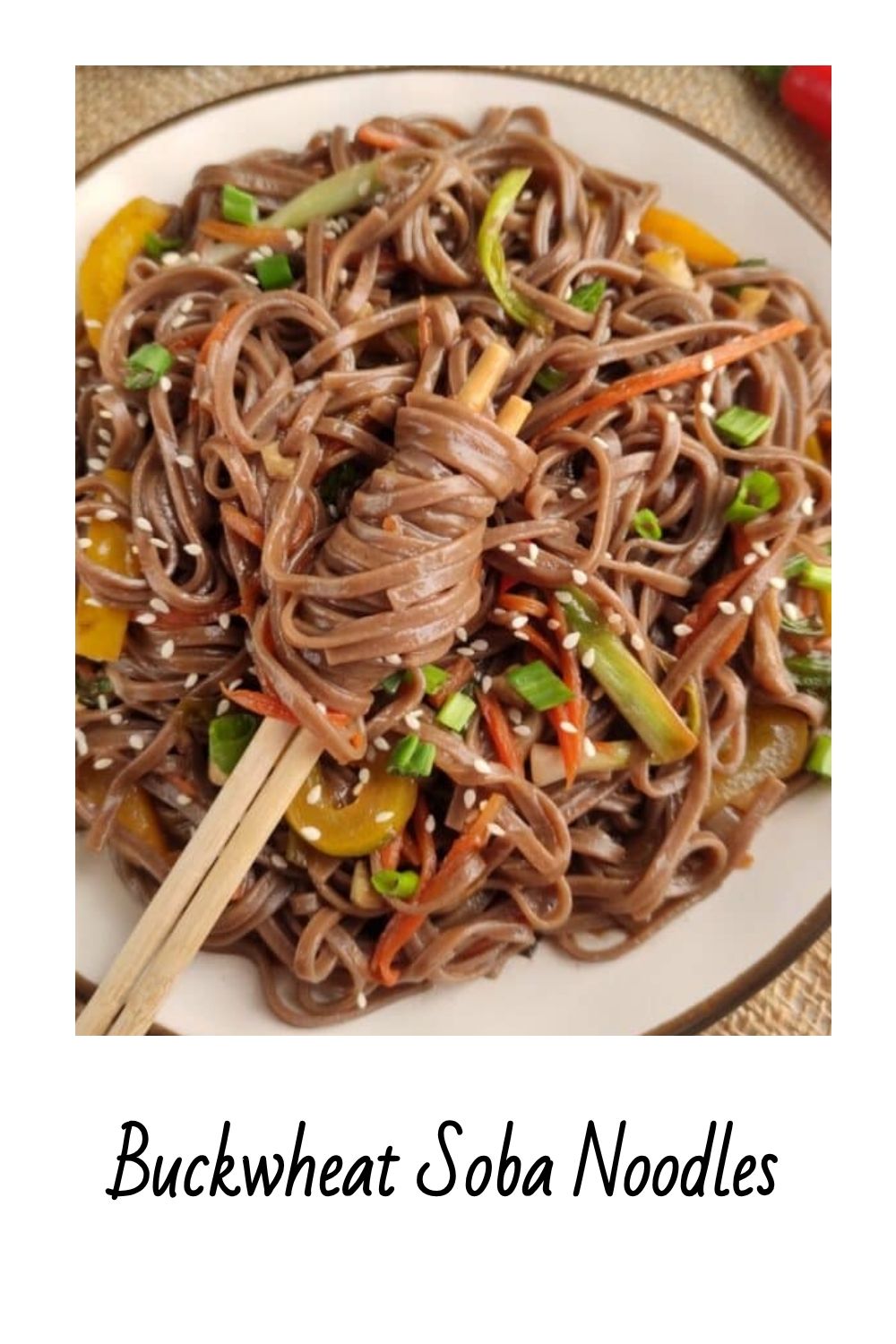
How to make video credit: @ spoonsofmae
When summer hits Korea, the combination of intense heat and humidity shapes exactly what people want to eat. One of the most iconic summer dishes is naengmyeon, or chilled buckwheat noodles.
Dish 1: Naengmyeon (Cold Buckwheat Noodles)
Buckwheat noodles served in a chilled, tangy broth
Topped with cucumber, pear slices, and boiled egg
Purpose: Cools the body, easy to digest, perfect for hot, humid weather
Dish 2: Patbingsu (Shaved Ice with Red Beans and Fruits)
Finely shaved ice topped with sweetened red beans, fresh fruits, and sometimes condensed milk
Purpose: Hydrating, cooling, and light dessert that complements hot summer meals
Why it’s eaten in summer:
This isn’t just a refreshing treat, it’s designed to cool the body and make digestion easy during the hottest months. Cold soups and chilled noodles are a deliberate seasonal choice, not a quirky tradition. People in hot, humid climates have long understood that eating lighter, chilled foods helps maintain comfort and balance in the body.
Try This Angle:
- Cook buckwheat noodles and chill them in cold water
- Prepare a simple broth with mild seasoning, vinegar, and a touch of sweetness
- Top with fresh, crisp vegetables and optional boiled egg for texture
Focus on refreshing, cooling flavors rather than heaviness
This shows how seasonal recipes from around the world often respond directly to climate and lifestyle, not just ingredient availability.
✅ Autumn (Fall)
When autumn arrives, it’s harvest season in many parts of the world, and the food you eat reflects that. People start using what’s freshly gathered from fields, orchards, and gardens.
At the same time, autumn is a time to prepare for the coming winter. Meals gradually become heavier and more grounding, designed to warm the body and provide lasting energy.
Key things to notice about autumn eating:
- Ingredients are often fresh from the harvest, root vegetables, squash, apples, pears, late-season grains
- Meals are hearty and comforting, sometimes slow-cooked or preserved for winter
- Dishes often combine nutrition and flavor, keeping energy steady for cooler days
In short, autumn meals are not random, they reflect the rhythm of the land and the human need to prepare for colder months.
Classic comfort meets simplicity in Homemade Tomato Stew Recipe, giving you a rich, savory stew that warms the heart and celebrates seasonal flavors.
1. United States & Europe
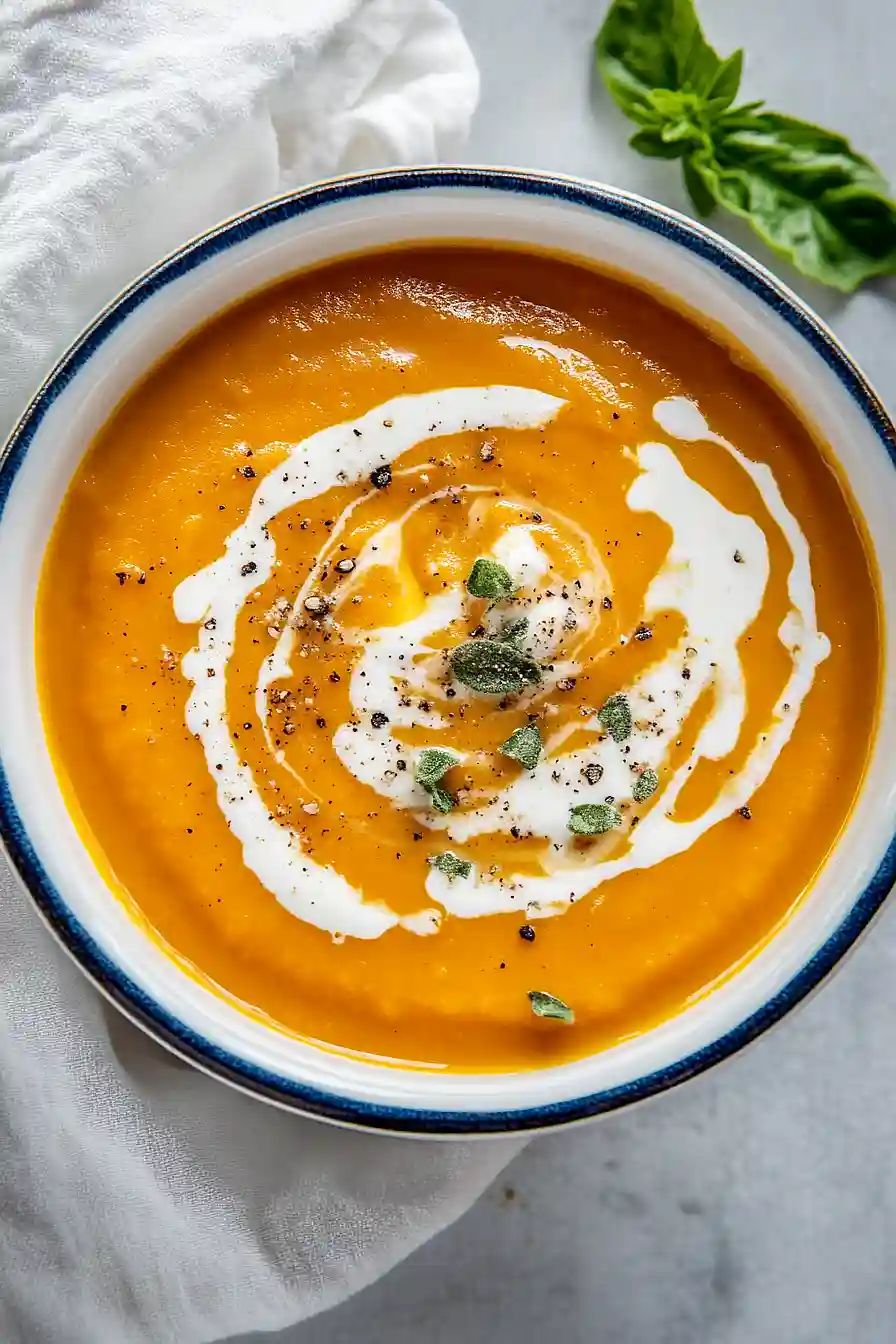
Photo credit: @ Susan Rockett
When autumn arrives in the U.S. and Europe, kitchens start to celebrate the harvest. The shift is subtle but noticeable, meals become heartier, and ingredients are chosen for both flavor and longevity.
Dish 1: Pumpkin Soup
Creamy soups made from fresh or roasted pumpkin
Often lightly spiced with nutmeg, cinnamon, or sage
Purpose: Comforting, warming, and nutrient-rich for cooler days.
Dish 2: Roasted Root Vegetables
Carrots, parsnips, beets, and sweet potatoes, tossed with olive oil and herbs
Easy to roast in large batches and store
Purpose: Hearty, filling, and practical, roots store well through colder months
Why its eaten this season:
Many autumn foods aren’t just about taste, they were historically chosen for storage and survival. Pumpkins and root vegetables keep longer than leafy greens, making them perfect for satisfying, storable meals as the weather cools.
Try This Angle:
Make a simple roasted root vegetable tray with olive oil and herbs
Try a pumpkin soup with seasonal spices, keeping it light but warming.
2. China

Autumn in China is a time for harvest celebrations and family gatherings. Meals aren’t just about flavor, they’re deeply symbolic and reflect the season’s themes of reunion, gratitude, and abundance.
Dish 1: Mooncakes
Round pastries filled with lotus seed paste, red bean, or salted egg yolk
Eaten during the Mid-Autumn Festival.
Note: These aren’t just treats, they carry cultural meaning, connecting generations.
Why it’s eaten in autumn:
Mooncakes are traditionally eaten during the Mid-Autumn Festival, which celebrates the harvest and family unity. The round shape symbolizes togetherness and completeness, reminding people that food carries cultural meaning beyond taste.
Dish 2: Stir-Fried Seasonal Vegetables (e.g., Chinese Cabbage & Mushrooms)
Freshly harvested autumn vegetables, lightly stir-fried with garlic, soy, or sesame oil
Why: Autumn is a peak season for local produce; these dishes highlight the flavors of the harvest while keeping meals light and nourishing
Worth knowing: These dishes show how seasonal eating in China balances nutrition, flavor, and seasonal rhythm
Why it’s eaten in autumn:
Autumn is the peak harvest season in China, so these dishes showcase fresh, local produce. They are lighter than festival foods, nourishing, and reflect how seasonal eating balances flavor and nutrition.
Try This Angle:
For mooncakes: try small, simple fillings at home
For stir-fried veggies: pick whatever is fresh and local, let the seasonal flavors shine
3. West Africa
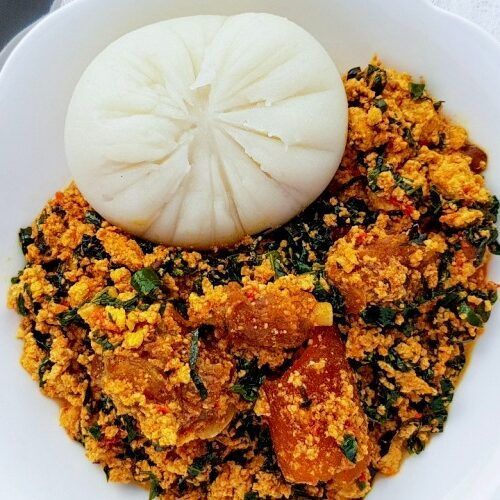
Autumn in West Africa is closely tied to the yam harvest, which is not only a culinary event but also a cultural celebration. Meals during this season honor agriculture, community, and tradition, showing how food connects people to the land.
Dish 1: Pounded Yam
Yam boiled and then pounded into a smooth, stretchy dough-like texture
Often served with soups or stews like egusi or vegetable-based sauces.
Why it’s eaten in autumn:
Pounded yam celebrates the harvest of yams, a staple crop. Autumn is when yams are abundant, so families cook them in ways that are hearty, filling, and perfect for cooler evenings. Festivals and meals around pounded yam honor agricultural success, not just eating.
Dish 2: Yam Porridge (Asaro / Yam Pottage)
Yam chunks cooked with tomatoes, peppers, onions, and sometimes fish or meat
Thick, comforting, and richly flavored.
Why it’s eaten in autumn:
Yam porridge uses the freshly harvested yams in a simple, nutritious dish. It’s grounding, energy-rich, and perfect for the season when people need heavier, nourishing meals after harvest work.
Important note:
Yam dishes and festivals in West Africa are about community, tradition, and seasonal rhythm, showing that seasonal recipes from around the world often reflect culture and climate, not just ingredients.
Try This Angle:
Cook a simple yam porridge with local spices and vegetables
Serve pounded yam with a light vegetable stew to enjoy a taste of West African autumn.
Turn humble ingredients into a comforting dish with Easy Yam and Egg Sauce Recipe with Veggies, a flavorful meal perfect for busy weeknights.
✅ Winter — Survival, Warmth, and Deep Comfort
Winter is a season when cold weather and shorter days directly shape what people eat. Meals focus on:
Heat: Foods are often served hot to warm the body.
Preservation: Ingredients that last longer through cold months are prioritized.
Energy-dense ingredients: Winter meals are hearty, nourishing, and sustaining.
Unlike lighter seasonal dishes, winter recipes prioritize survival, comfort, and energy, while still reflecting local culture and traditions.
Key things to notice:
- Stews, braised meats, root vegetables, and grains dominate in many regions.
- Preservation techniques like curing, smoking, and pickling are common.
1. Eastern Europe
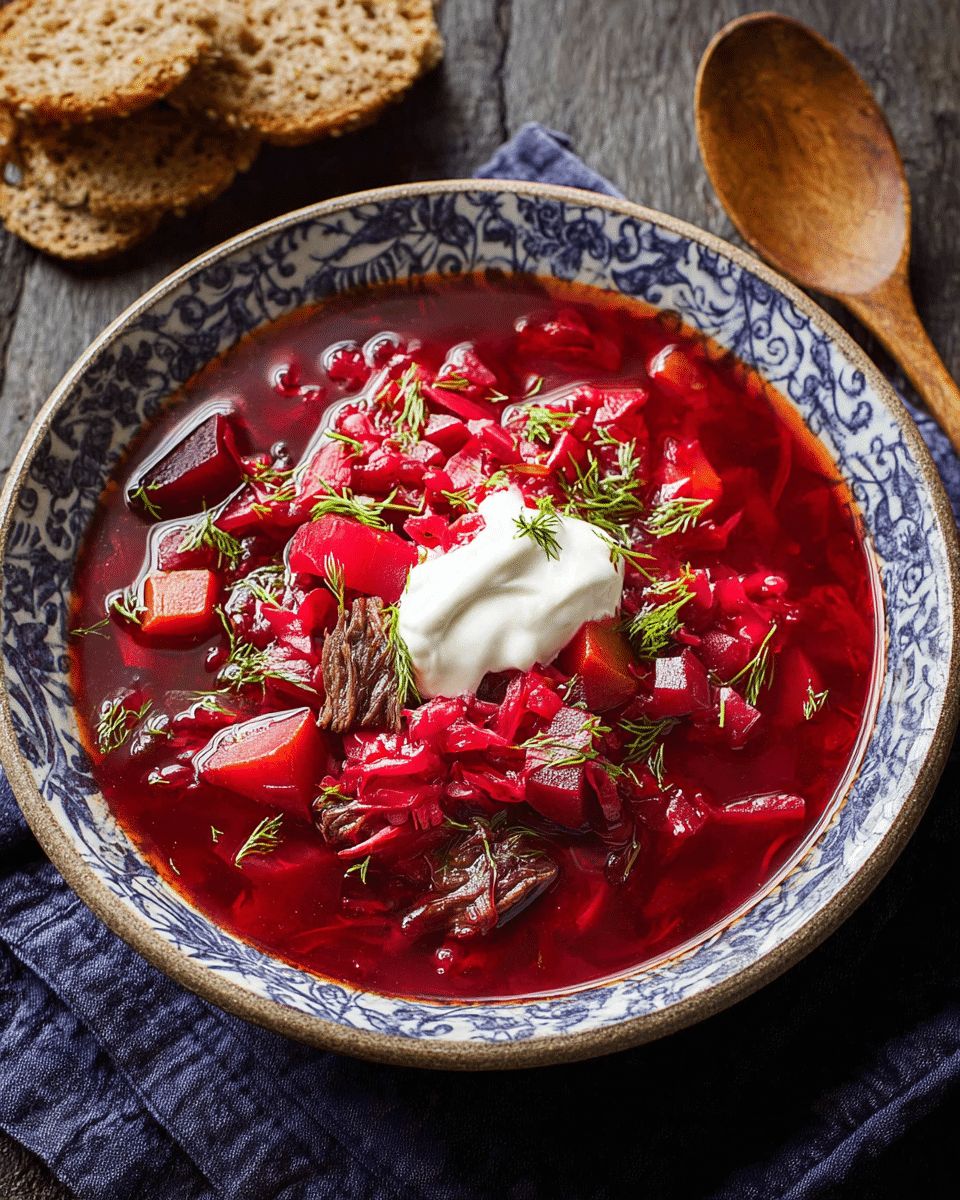
Winter in Eastern Europe is cold, dark, and harsh, so meals focus on warmth, sustenance, and preserved ingredients. Traditional recipes show how people adapted to survive, and thrive, in freezing conditions.
Dish 1: Borscht
Beet-based soup, often enriched with cabbage, potatoes, or meat
Served hot and sometimes topped with sour cream.
Why it’s eaten in winter:
Borscht uses root vegetables that store well through cold months and provides warming, nutrient-rich comfort. Fermented components, like sauerkraut added to some versions, boost nutrition and extend the life of ingredients.
Dish 2: Cabbage Stews (Kapusta / Bigos)
Slow-cooked cabbage with meat, mushrooms, and spices
Hearty, filling, and energy-dense.
Why it’s eaten in winter:
Cabbage is readily preserved through fermentation or pickling, making it ideal for winter survival. Stews combine stored vegetables with meat, delivering warmth, flavor, and long-lasting energy.
Important note:
Fermentation and hearty stews weren’t trends, they were essential survival strategies. These dishes are a perfect example of how seasonal recipes from around the world adapt to climate, availability, and human needs.
Try This Angle:
Make a simple borscht with root vegetables and a hint of vinegar for depth
Try a cabbage stew with mushrooms or beans for a warming, winter-friendly dish.
Bring restaurant flavors home with ease — How to Make Chicken Curry Sauce teaches a rich, aromatic base that transforms any meal.
2. India

Winter in India calls for foods that generate warmth and provide energy. Meals often rely on local spices and hearty ingredients to keep the body cozy during cooler mornings and evenings.
Dish 1: Rich Curries (e.g., Chicken or Lentil Curry)
Slow-cooked with warming spices like ginger, turmeric, cinnamon, and chili
Ingredients vary by region, from legumes in the north to coconut-based sauces in the south.
Why it’s eaten in winter:
These curries are hearty, energy-dense, and warming, helping people stay nourished through the colder months. Spices like ginger and turmeric stimulate circulation and naturally generate heat in the body, making them perfect winter staples.
Dish 2: Masala Chai (Spiced Tea)
Black tea brewed with warming spices: cardamom, cinnamon, ginger, cloves
Often sweetened with milk and sugar.
Why it’s eaten in winter:
Masala chai is more than a beverage, it warms the body, aids digestion, and provides a comforting daily ritual during cooler days. It’s an easy way to incorporate seasonal flavors and health benefits into everyday life.
Important note:
These dishes show how seasonal recipes from around the world are designed not just for flavor but for climate adaptation and wellbeing, reflecting centuries of culinary wisdom.
Try This Angle:
Make a simple lentil curry with warming spices for a cozy winter meal
Brew your own masala chai at home using fresh spices to experience the comfort of Indian winter traditions.
3. Switzerland
Winter in Switzerland is cold and snowy, making warm, hearty, and energy-rich meals essential. Traditional dishes reflect how people used preserved ingredients to survive and enjoy comfort during the season.
Dish 1: Fondue
Melted cheese served with bread, potatoes, or vegetables for dipping
Popular in alpine regions where cheese was stored through winter.
Why it’s eaten in winter:
Fondue makes use of preserved cheese and provides warmth, energy, and communal dining in cold months. It was originally a practical way to consume stored dairy, turning necessity into a beloved tradition.
Dish 2: Rösti (Swiss Potato Pancakes)

How to make video credit: @ GATES OF STYLE
Grated potatoes pan-fried until crispy
Sometimes served with cheese, onions, or smoked meats.
Why it’s eaten in winter:
Potatoes store well through the cold season and provide hearty, filling sustenance. Rösti was historically a winter staple for farmers and mountain dwellers, offering energy-dense comfort in harsh conditions.
Worth noting:
Both dishes illustrate how seasonal recipes from around the world adapt to climate and resource availability. Winter in Switzerland encouraged innovative uses of stored ingredients, creating meals that are both practical and delicious.
Try This Angle:
Make a small cheese fondue at home with local cheese and crusty bread
Try rösti as a side dish or breakfast to experience authentic Swiss winter comfort.
What Seasonal Means in Different Climates
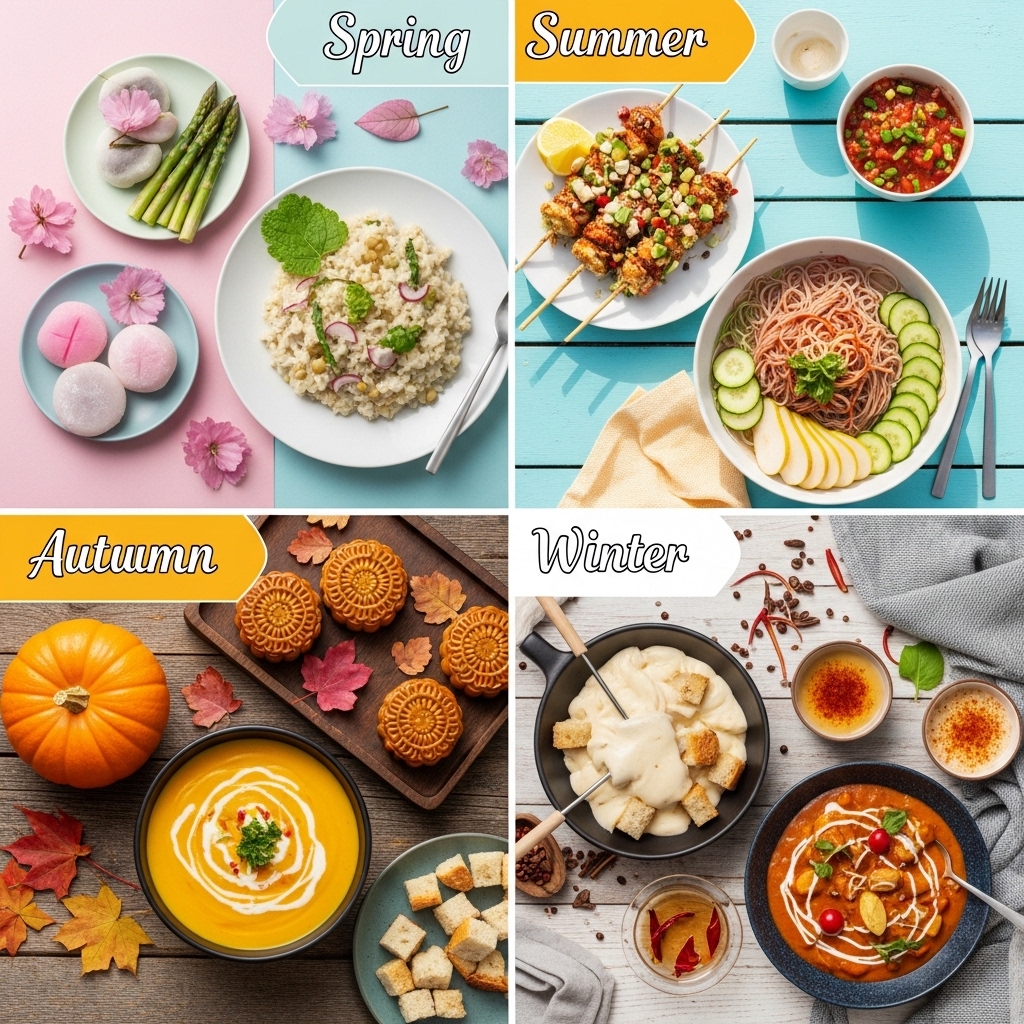
When we talk about seasonal recipes from around the world, it’s important to understand that seasons aren’t the same everywhere. What’s considered spring in one place may not exist in another.
Tropical regions:
- Experience wet and dry seasons instead of four distinct seasons
- Seasonal ingredients depend on rainfall and water availability, not temperature.
Temperate regions:
- Have the familiar four seasons: spring, summer, autumn, and winter
- Seasonal foods follow changes in temperature, daylight, and crop cycles.
Understanding how seasons work globally helps you interpret seasonal recipes accurately. It ensures that when you read about a spring or winter dish from another country, you know it reflects local climate, harvest timing, and cultural practices.
Conclusion — Food as a Reflection of Life, Climate, and Culture
When you look at seasonal recipes from around the world, you start to notice something interesting: nothing on the plate is random. Every dish has a reason. The ingredients, the way it’s cooked, even the timing, it all comes from climate, culture, and survival.
Take a moment next time you cook or eat a seasonal dish. Notice not just the taste, but why it exists in that season, and how people from other parts of the world use food to celebrate, stay nourished, or adapt to their environment.
Here’s something you can try:
Pick one seasonal recipe from a culture you’re curious about. Cook it. Eat it slowly. Feel how it warms you, comforts you, or even surprises you.
Food isn’t just fuel. It’s a way to understand life, the seasons, and people across the world. And once you see it that way, every meal becomes a little lesson in culture, climate, and care.