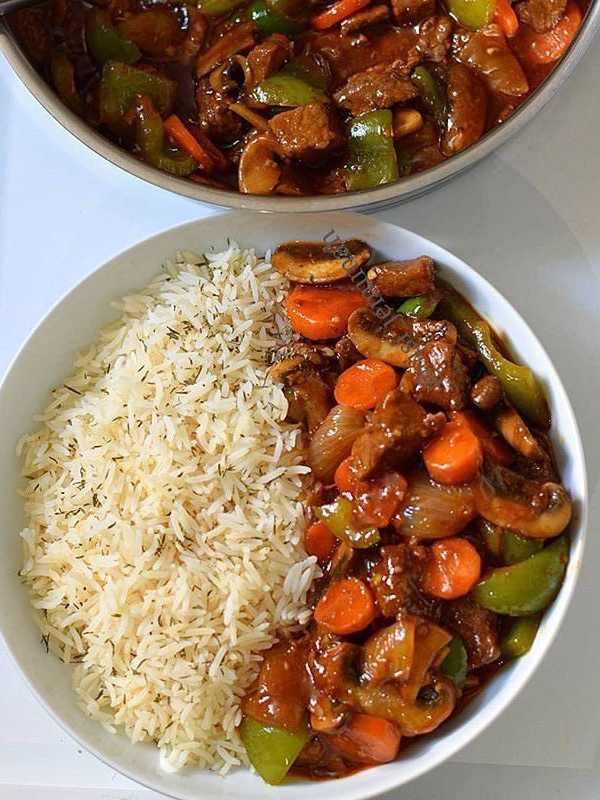
Skip the stress and awkward dinners. Learn why Valentine’s Day meals fail at home, and how to plan one that actually feels romantic.
Valentine’s Day is supposed to feel special, right? A quiet night at home, good food, maybe a little dessert, and just being together. But most of the time, it doesn’t work out that way.
I remember last year, I tried to cook a Valentine’s dinner at home. I had this perfect idea in my head, a meal that would feel romantic without being too fancy. But halfway through, I realized I was juggling too many dishes, the timing was off, and I started feeling stressed instead of excited. By the time my husband and I finally sat down to eat, I was tired, and the moment I imagined? Almost gone.
That’s what happens to so many of us. A Valentine’s Day meal at home can quickly turn from something pleasant and special into a night full of stress, worry, and “did I mess this up?” feelings. But here’s the thing: it doesn’t have to be that way.
A meaningful Valentine’s Day meal at home isn’t about perfection, expensive ingredients, or hours in the kitchen. It’s about planning smart, keeping things simple, and creating space for connection.
In this post, I’ll share why Valentine’s Day meals fail and how to plan one that feels calm, heartfelt, and truly romantic, so the night is about love, not chaos.
Read: Valentine’s Day Date Ideas for Every Type of Couple — 5 You’ve Probably Never Tried
The Real Reason Valentine’s Day Meals Fail
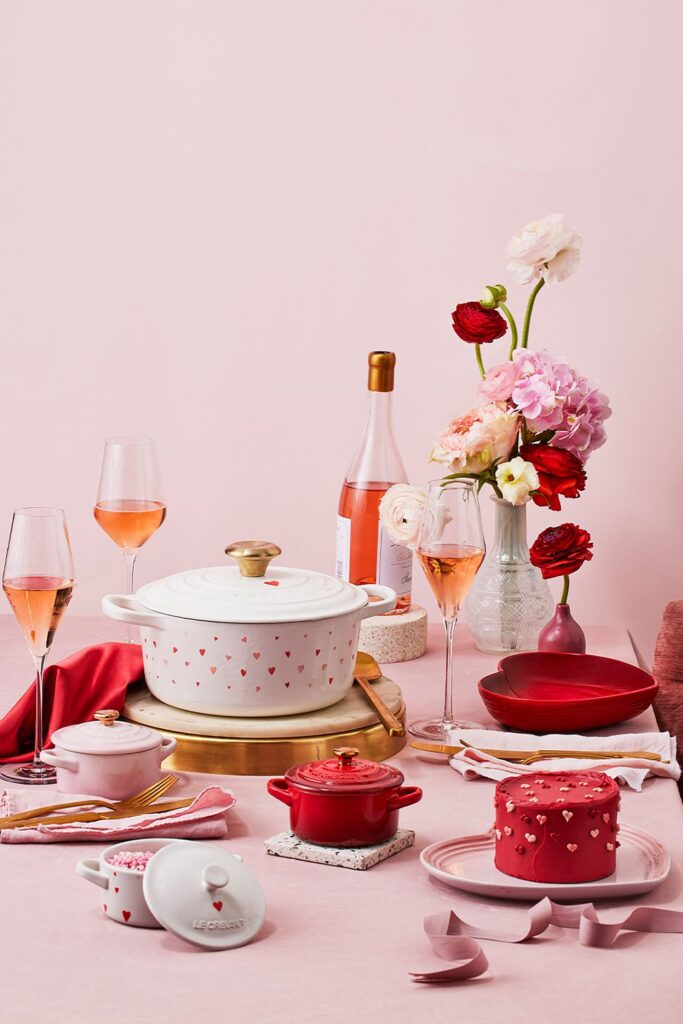
Photo credit: @ Le Creuset Australia & New Zealand
The truth is, most Valentine’s Day meals at home fail not because anyone can’t cook, but because we try to do too much at once. We aim for a “perfect romantic dinner,” overthink the menu, or attempt complicated recipes we’ve never tried before. By the time the main course hits the table, the stress and pressure often outweigh the joy.
I’ve seen it happen over and over, in my own kitchen and in the kitchens of friends. One year, I tried a three-course Valentine’s dinner: a fancy appetizer, a main that required precise timing, and a delicate dessert.
Everything was technically doable, but in reality, I was running back and forth, worried about overcooking or undercooking, and the stress took over. The food ended up fine, but the connection, the relaxed conversation, and the romantic feeling I wanted, mostly gone.
That’s why Valentine’s Day meals at home often feel overwhelming. It’s not about your skill in the kitchen, it’s about planning and timing. Juggling too many dishes, chasing the clock, or trying to impress can turn a night that should feel simple and intimate into a stressful event.
Understanding this problem is the first step toward a stress-free Valentine’s Day dinner. When you approach it with intention, choosing dishes that are achievable, timing them smartly, and thinking about the flow of the evening, you shift from chaos to calm. You get to creat a meal that actually feels romantic, not rushed, and lets the evening’s focus be on connection rather than logistics.
You should read: Vegan & Plant-Based Desserts: Easy and Delicious Recipes for Every Sweet Tooth
Starting With the Wrong Main Dish
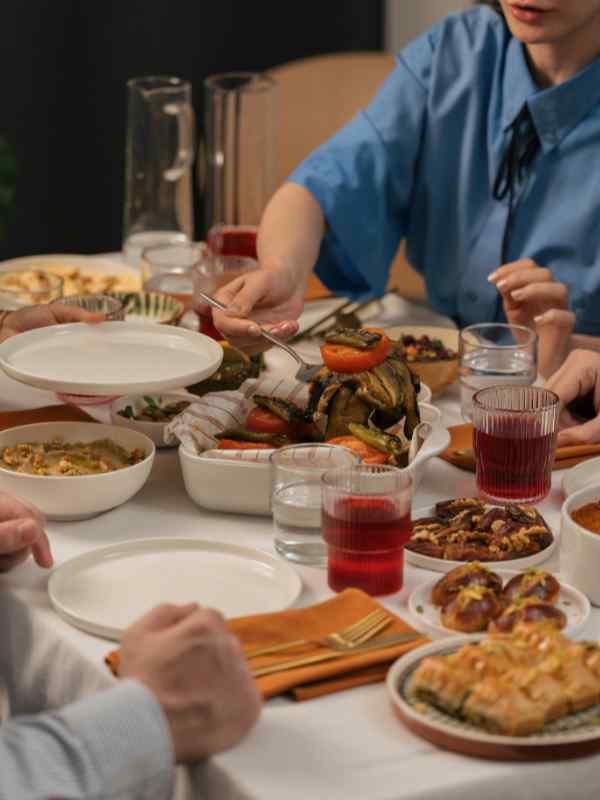
One of the biggest reasons a Valentine’s Day meal at home goes sideways is the main dish. It sounds simple, but the choice of your main can make or break the evening. Pick something that demands constant attention, precise timing, or complicated steps, and suddenly the night is filled with stress instead of connection.
I’ve learned this the hard way. A few years ago, I tried making a roasted chicken with a layered stuffing and a complicated sauce. On paper, it seemed like the perfect centerpiece.
In reality, I was in the kitchen for hours, constantly checking the oven, flipping the chicken, stirring the sauce, and by the time we finally sat down to eat, I felt drained. We barely had a chance to talk, laugh, or just enjoy the moment together. The relaxed, warm evening I had imagined didn’t happen.
The key to a stress-free Valentine’s Day meal at home is choosing a main dish that supports the night, not controls it. See how to make: Easy Yam and Egg Sauce Recipe with Veggies
That could mean:
- Something that can rest after cooking, like slow-roasted meat or a flavorful casserole.
- A dish that’s simple but elevated like pasta with a fresh sauce, a hearty risotto, or a perfectly cooked fish.
- Planning the main around the timing of your other dishes so nothing is rushed or competing for the oven.
When the main dish is manageable, the rest of the evening falls into place naturally. You’re free to enjoy conversation, pour a glass of wine, and savor the moment, without constantly checking the stove or feeling behind schedule.
That’s what makes a Valentine’s Day dinner at home not just edible, but truly memorable.
This might help too: What to Make for Valentine’s Day When You’re Vegan and Short on Time
Poor Timing and Course Overload
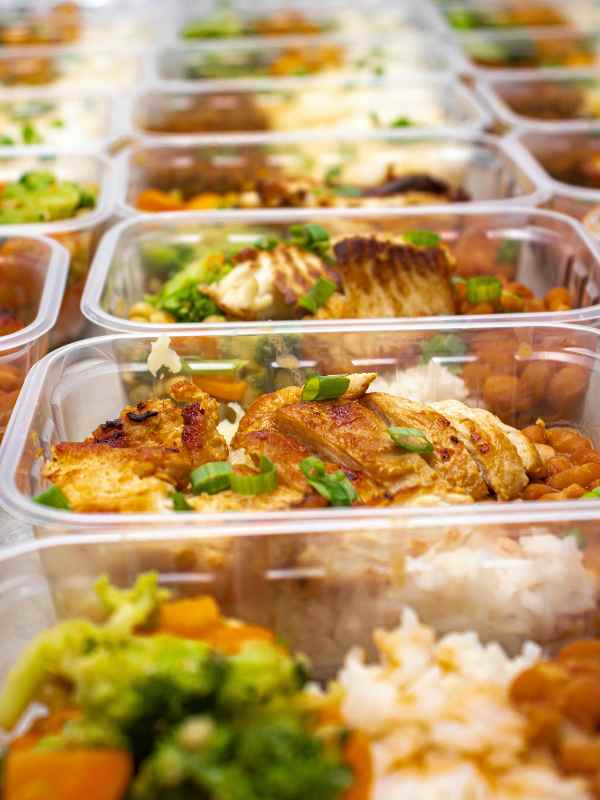
Even with a good main dish, Valentine’s dinners at home can feel stressful if the timing is off or there are too many courses. Trying to do everything perfectly can turn the evening into a rush, leaving little room to relax and enjoy the moment.
Here’s how to make a stress-free Valentine’s meal at home by keeping courses simple and timing manageable:
1. Choose manageable courses
Instead of trying to serve many dishes, focus on a structure that works:
- Starter options: A fresh salad, a simple soup, or a small appetizer like bruschetta.
- Main options: Pasta with sauce, roasted chicken that can rest, or a sheet-pan fish and vegetables.
- Dessert options: Chocolate mousse, a fruit tart, or store-bought dessert upgraded with berries or whipped cream.
The goal is to make each course feel special without overwhelming your kitchen or yourself.
2. Cook in stages so some dishes can wait
The key is planning the cooking order so dishes don’t compete for the oven or stove:
- Start with the dish that takes the longest and can rest without losing quality (e.g., roasted chicken or baked pasta).
- Next, prep the dish that should be served warm but can finish closer to dinner time (e.g., sautéed vegetables or risotto).
- Save the dessert for last or choose one that can be chilled or served cold, so it’s ready without stress.
Example:
- Roast chicken in the oven first. While it cooks, make the salad or appetizer. Once the chicken is done, let it rest while you finish cooking the side or main sauce. Dessert can stay in the fridge until it’s time to serve.
This simple staging approach keeps your kitchen calm and allows you to enjoy a romantic dinner at home without feeling rushed.
3. Focus on the flow
- Serve each course smoothly, don’t feel pressured to clear everything immediately.
- Use the resting time of your main or dessert prep to relax, pour drinks, or have conversation.
When you recognize why Valentine’s Day meals fail at home and prepare your courses with thoughtful timing, your dinner becomes a relaxed, well-organized, and genuinely enjoyable experience.
See our guide on: What to Wear on Valentine’s Day Based on Your Plans — Dinner, Staying In, or Galentine’s
Dessert Mistakes That Make Valentine’s Day Meals Fail at Home

Photo credit: @ Chasety
Dessert is meant to be the sweet ending, the part of the evening that leaves everyone smiling. A big reason why Valentine’s Day meals fail at home is the mistakes we make with dessert,from timing to preparation to presentation
Even a simple dessert can create stress if it’s chosen, prepared, or served the wrong way. Here’s how to avoid common pitfalls and keep your Valentine’s dinner at home calm and memorable.
You should read: 10 Showstopping Christmas Desserts to Make This Holiday Season
1. Choosing Desserts That Demand Perfect Timing
Some desserts, like soufflés or delicate pastries, look impressive but require exact timing. If they’re late, undercooked, or overcooked, the effort can feel wasted, and the stress takes away from the romantic atmosphere.
Solution: Pick desserts that can be made ahead of time or served cold, such as:
- Chocolate mousse or panna cotta
- Fruit tarts or mini cheesecakes
- Store-bought desserts upgraded with fresh berries, whipped cream, or a drizzle of chocolate
These options let you focus on enjoying the evening instead of constantly checking the oven.
2. Making Dessert Decoration Too Complicated
Trying to recreate picture-perfect desserts can easily turn a sweet ending into a stressful task. Instead of enjoying the moment, you spend too much time worrying about how it looks rather than enjoying it.
What to do: Keep decorations simple and thoughtful:
- Light dusting of powdered sugar
- A few fresh berries or mint leaves
- A gentle drizzle of chocolate or caramel
Small, easy touches make desserts feel special without taking the joy out of your Valentine’s Day meal at home.
3. Serving Dessert at the Wrong Time
Even a simple dessert can disrupt the flow if it’s served at the wrong moment. Forcing it right after the main course can feel rushed or interrupt conversation.
Try this: Plan a natural moment for dessert:
- Serve it after the main meal when you’ve had time to relax, pour drinks, and chat.
- Let the dessert be the highlight of the night, more like a sweet, calm ending to your meal
When dessert is timed well, it becomes the perfect ending, leaving space for laughter, connection, and a relaxed, romantic essence.
Also try our: Homemade Moist Banana Bread Cake Recipe with Toasted Coconut Topping
Soft Milky Doughnuts Recipe
How to Plan a Valentine’s Day Meal
Planning a Valentine’s dinner at home can feel overwhelming if you don’t have a clear approach. The key is to structure your evening around the experience you want, rather than letting the meal control the night.
Here’s how to create a stress-free Valentine’s Day meal that feels effortless, romantic, and memorable.
-
Plan Backward From the Moment You Want
Start by imagining the perfect moment, not the dishes. Do you want a calm, intimate evening, a luxurious, indulgent meal, or a fun and playful night? Once you know how you want to feel, plan your cooking and serving around that experience.
- For calm and cozy: Soft lighting, a simple menu, and easy-to-enjoy dishes.
- For indulgent: Rich, flavorful dishes with thoughtful presentation, but nothing overly complicated.
- For playful: Small plates, shared bites, or interactive dishes that are fun to eat together.
Planning backward ensures your Valentine’s dinner at home matches the mood you want, instead of letting the stress of cooking dictate the evening.
2. Choose Foods That Support That Mood
Not every recipe fits every vibe. The food you choose should enhance the experience, not create extra work.
- Comfort mood: Creamy pasta, roasted vegetables, chocolate-based desserts — simple and satisfying.
- Elegant mood: Oven-roasted fish or chicken, lightly dressed salads, chilled desserts like mousse or panna cotta.
- Ease and playfulness: Tapas-style small plates, shared desserts, or a fondue that doubles as entertainment.
When your dishes align with the mood, your stress-free Valentine’s Day meal becomes not just about eating, it becomes an experience you both enjoy.
You can save this guide for later:What to Make for Dinner When You’re Too Tired to Cook but Still Hungry
3. Add Thoughtful, Simple Touches
Romance isn’t in the complexity of the dishes, it’s in the details that feel personal:
- Set the table with candles, simple flowers, or a handwritten note.
- Use small touches in your dessert to make it feel special without added stress.
- Plan music or lighting to create a calm atmosphere.
4. Give Yourself Permission to Be Human
No meal is perfect, and that’s okay. Figuring out why Valentine’s Day meals fail at home helps you zero in on what really matters: savoring the evening, spending quality time, and creating memories that last.”
When you plan with this mindset, even simple dishes can feel like a luxurious, romantic experience, and you get to actually enjoy it too.
While you are still here, read: Kid-Friendly Dinners for Picky Eaters — Beyond Nuggets, Fries, and Pizza
Making This Your Go-To Valentine Meal Every Year

Photo credit: @ Slimming Violet
The goal isn’t to create a new, complicated dinner every year, that’s often why Valentine’s Day meals fail at home. The stress of reinventing the wheel can overshadow the romance. Instead, focus on refining what works and turning it into a tradition that both of you look forward to.
-
Refining Instead of Reinventing
Once you’ve discovered a menu that works, dishes that are manageable, tasty, and stress-free, you don’t need to start from scratch the next year.
- Make small improvements: tweak a sauce, add a new garnish, or swap a side.
- Keep the core dishes that made the meal successful; familiarity doesn’t mean boring.
Refining ensures your stress-free Valentine’s Day meal stays reliable while letting you enjoy the process instead of worrying about failure.
2. Turning a Successful Meal into a Tradition
Repetition can actually make the evening feel more special. When you repeat a menu or style that worked, you create memories and rituals that become part of your couple’s story.
- Serve the same starter, main, or dessert that became a hit the first time.
- Pair it with familiar touches: the same playlist, candle setup, or table arrangement.
Making your meal a tradition, your Valentine’s dinner at home becomes something to anticipate, not stress over.
3. Why Familiarity Often Feels More Romantic
Romance isn’t always about novelty. There’s comfort and connection in doing something familiar together. When your evening runs smoothly, both of you can focus on conversation, laughter, and the little moments, the real ingredients of a romantic night.
The beauty of turning a successful meal into a yearly ritual is that it reduces stress, builds anticipation, and creates memories that last. Understanding why Valentine’s Day meals fail at home helps you focus on what matters most: connection, not perfection.
You might find this post helpful: How to Make Chicken Curry Sauce
Conclusion: A Romantic Valentine’s Dinner Is About Ease, Not Excess

At the end of the day, the secret to a memorable Valentine’s dinner at home isn’t in elaborate dishes or perfect presentation. Understanding why Valentine’s Day meals fail at home shows us that the real ingredients of a romantic evening are ease, connection, and thoughtful planning.
Let go of the pressure to impress or create aperfect meal. Focus on manageable dishes, simple touches, and timing that lets you enjoy the night together. When you do this, even simple meals feel special, and the evening becomes about shared moments, laughter, and intimacy rather than stress.
This post is designed to be your guide, save it, revisit it, and use it as a blueprint for a stress-free Valentine’s Day meal year after year. With a little planning and a focus on what really matters, your Valentine’s dinners at home can become calm, romantic, and unforgettable.
Frequently Asked Questions
1. Why do Valentine’s Day meals at home feel more stressful than regular dinners?
Valentine’s Day often comes with high expectations, romance, perfection, and creating memorable moments. When the focus is on making the meal perfect instead of enjoying the evening together, the pressure can turn even simple dishes into a source of stress.
-
What are easy main dishes for a stress-free Valentine’s dinner at home?
Choose dishes that can be prepared ahead of time, rest after cooking, or don’t require constant attention. Examples include baked pasta, roasted chicken, or a simple risotto. These meals let you focus on the evening and connection rather than rushing in the kitchen.
-
Should dessert be served right after dinner or later?
Serving dessert immediately can sometimes interrupt the flow of the evening. A better approach is to enjoy a natural pause after the main course, maybe while sipping wine or chatting, so dessert feels like a relaxed, sweet ending.
-
Can I prepare a romantic Valentine’s dinner at home without fancy cooking skills?
Absolutely. The key is to pick dishes you’re comfortable making and keep the menu simple. Even easy options like pasta with fresh sauce, baked chicken, or a chilled dessert can feel romantic when served with intention and little personal touches.
-
How far in advance should I plan a Valentine’s dinner at home?
Plan a few days ahead to avoid last-minute stress. Decide on your menu a few days before, shop for ingredients a day or two prior, and prep what you can the night before. This approach keeps the evening relaxed and enjoyable.
-
What if I don’t cook — can I still make the dinner meaningful?
Yes! Meaningful doesn’t have to mean homemade. Order from a favorite restaurant, serve it nicely on plates, add candles, music, or a handwritten note,it’s the atmosphere and connection that make the night special.
-
How do I avoid the dinner feeling rushed?
The biggest cause of a rushed evening is poor timing. Cook dishes that can rest, stagger the prep order, and plan a simple flow so you can enjoy the night without constantly checking the clock.
-
What are good drink pairings for an at-home Valentine’s dinner?
Keep it simple: light white wines for fish or pasta, a Pinot Noir for chicken or richer dishes, or sparkling wine for any course. Non-alcoholic options like sparkling water with fruit also create a celebratory feeling.