Curious about Thrift Business in Nigeria: How to Start a Profitable Thrift Clothing Business in 2025 and what it really takes to get started? Read on.
Starting a thrift business in Nigeria can feel like stepping into a maze without a map. My co-founder and I felt the same way when we started Enchantress Thrifts , just two friends who loved fashion and wanted to create something meaningful yet affordable for people craving style without overspending.
We had all the questions you might be asking: Where do I find quality thrift clothes? How much money do I really need to start? Will people even buy from me?
At its core, a thrift business is about buying pre-loved clothes and reselling them for profit. But it’s more than that — it’s about understanding your customers, spotting trends early, and building trust in a market where reputation matters.
Starting small is possible because it’s low-cost compared to many businesses, flexible, and the demand is real, from students wanting affordable fashion to young professionals hunting for unique, quality pieces without paying too much.
When we first started, we made mistakes. We overbought some bales, underestimated marketing, and struggled with online visibility. But we also discovered the strategies that actually work: sourcing high-quality thrift, presenting clothes professionally, and connecting authentically with customers.
This guide shares everything we learned, the hard lessons and the winning strategies, so you can start your thrift business in Nigeria with confidence.
By the end, you’ll know how to find your niche, start small but scale smart, and build a profitable thrift venture in today’s market.
If you’re serious about turning second-hand fashion into a thriving business, consider this your roadmap.
Add this to your reading list: Understanding Fabrics for Sewing: Choosing the Right Material for Every Project
What Is a Thrift Business in Nigeria?
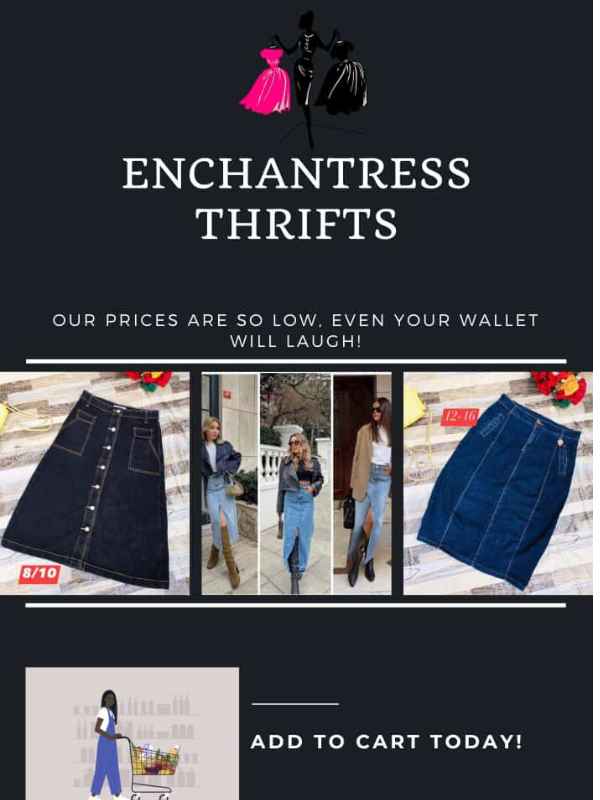
A thrift business in Nigeria, also called okrika business, second-hand clothing business, or thrift fashion resale, is a business where you buy used but good-quality clothes, shoes, or fashion items and resell them for profit.
These clothes are usually imported from countries like the UK, US, Canada, and China. Most sellers buy them in bales, sort them, clean them, and then resell the best pieces at higher prices.
Understanding Bales in Thrift Business
A thrift bale (also called okrika bale) is a tightly packed, sealed package of clothes, usually weighing 45kg–55kg, depending on the category. Each bale contains mixed items, and you don’t know what is inside until it’s opened. This is where experience matters.
Inside every bale, clothes are classified by grades, and the grade you buy determines your profit:
1. First-Grade (Grade A) Thrift Clothes
- These are the best quality items.
- Almost new, no noticeable faults, very fashionable.
- Higher bale cost, but gives faster sales and better profit margins.
- This is what many successful sellers use to build trust and repeat customers.
2. Second-Grade (Grade B)
- Good quality but might have small flaws like tiny stains, slight fading, or minor repairs.
- Cheaper to buy, but requires more effort to sort, wash, and fix.
- Profit is still good, but not as high as Grade A.
3. Third-Grade (Grade C)
- Lowest quality.
- Usually bought by bulk sellers targeting very low-income markets.
- Not recommended for beginners starting a branded thrift business.
Most people searching online for how to start a thrift business in Nigeria usually want Grade A or Grade B, because they generate the best returns and attract and kep returning customers.
You can read and save this for later:DIY Clothes That Never Fit? My Brother Ruined His Clothes—Until He Tried These 7 Tailoring Hacks
Why Thrift Clothes Are Still Very Popular
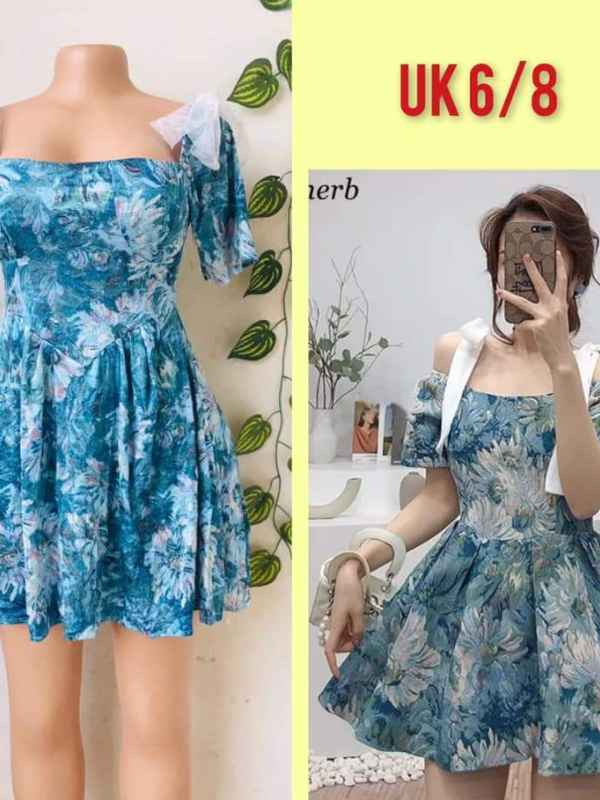
Even with rising online boutiques, the thrift clothing business in Nigeria is growing stronger every year because:
1. Affordability
With the high cost of new clothes, many Nigerians, especially students and career professionals, prefer buying thrift items that allow them to dress well without spending too much. This affordability is one of the biggest reasons people Google:
- cheap thrift clothes in Nigeria
- best okrika markets in Lagos
- where to buy thrift bales in Nigeria
2. Fashion Trends & Unique Pieces
Thrift clothing often comes with rare, vintage, or high-quality brands you won’t easily find in regular stores. Many customers want clothes that stand out, and thrift fashion gives them unique pieces at a great price.
3. High Quality for Less
Thrift clothing can sometimes be better quality than many new fast-fashion items. People know this, and it drives high search interest for:
- first-grade thrift clothes
- okrika Grade A bales
- best thrift categories to sell
4. Sustainability & Reuse
More Nigerians are becoming aware of sustainable fashion. Thrifting reduces waste, supports reuse, and encourages responsible shopping, another reason it continues to gain popularity.
You might also find this helpful: How to Identify Grade A vs Grade B Thrift Clothes Before Buying a Bale (Beginner Guide), especially when choosing between different bale qualities.
The Benefits of Launching a Thrift Venture in Nigeria
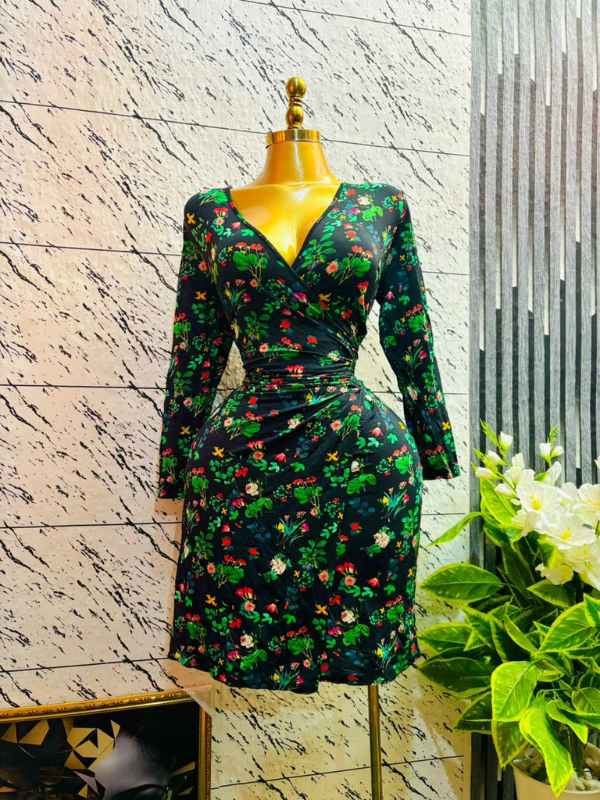
Starting a thrift business in Nigeria has become one of the smartest and most profitable ventures for young entrepreneurs, students, stay-at-home moms, and even working professionals.
The okrika and second-hand clothing market continues to grow because people want to dress well without breaking the bank. If you’ve ever searched for “how to start a thrift business in Nigeria” or “profitable thrift categories to sell,” you’ll notice how much interest Nigerians already have in this business.
Here’s why this business remains a powerful opportunity:
1. Low Startup Capital (₦50,000–₦100,000 Is Enough to Start Small)
One of the most attractive parts of the thrift clothing business is how affordable it is to start. Unlike boutiques where you need hundreds of thousands to buy new stock, you can begin your thrift journey with:
- ₦50,000–₦70,000 for handpicked items
- ₦80,000–₦150,000 for small bales
- ₦150,000–₦300,000 for selected Grade A bales
This means anyone who wants to begin a business without taking big financial risks can start immediately. When people search “business to start with 50k in Nigeria,” thrift business is always on the list, because it works and its doable.
2. High and Steady Demand for Affordable Clothing
Nigeria’s economy is tough, and many people can’t afford expensive new clothes. But everyone still wants to look good, especially students, workers, young moms, and fashion lovers.
This strong demand explains why search terms like:
- cheap thrift clothes in Nigeria
- okrika jackets for sale
- best thrift markets in Nigeria
…rank high on Google.
Thrift fashion gives customers:
- stylish items,
- unique pieces,
- at very affordable prices.
This is why sellers rarely struggle to find buyers, people buy thrift every single day.
3. Flexible Selling Options (Online or Offline)
Another reason the thrift business in Nigeria is booming is that you can sell from anywhere:
- On Instagram or Facebook
- On WhatsApp status
- Through TikTok videos
- From home (walk-in sales)
- At local markets or pop-up stands
You don’t need a shop, and you don’t need a big audience to start. A simple WhatsApp broadcast can bring your first customers. This flexibility makes it perfect for:
- students
- stay-at-home parents
- workers with busy schedules
- side hustlers
To begin, the business adjusts to your lifestyle, not the other way around.
4. Great for a Side Hustle or Full-Time Business
The thrift industry is one of the few sectors where you can choose:
- to run it casually,
- or scale it into a full brand.
You can start as a small seller with handpicked items, then grow into a full-time thrift entrepreneur once you understand:
- how to source bales,
- how to grade items,
- how to build a customer base,
- how to market your products online.
Many successful thrift brands in Nigeria today began as side hustles, and now they sell out bales within hours. Just like Enchantress Thrifts. This growth potential makes the business attractive for both beginners and long-term planners.
This post is of great importance: How to Clean and Disinfect Secondhand Clothes Before Selling — Make Every Item Sale-Ready.
5. Cultural Acceptance
Thrifting is widely accepted in Nigerian society, especially among students and young adults. People appreciate the value and uniqueness of thrifted items, which can help your business grow quickly through word-of-mouth.
While You Are Still Here:
DIY Bridal Feather Hand Fan Tutorial
How to Make DIY Homemade Vaseline for Skin
Types of Thrift Niches You Can Start in Nigeria
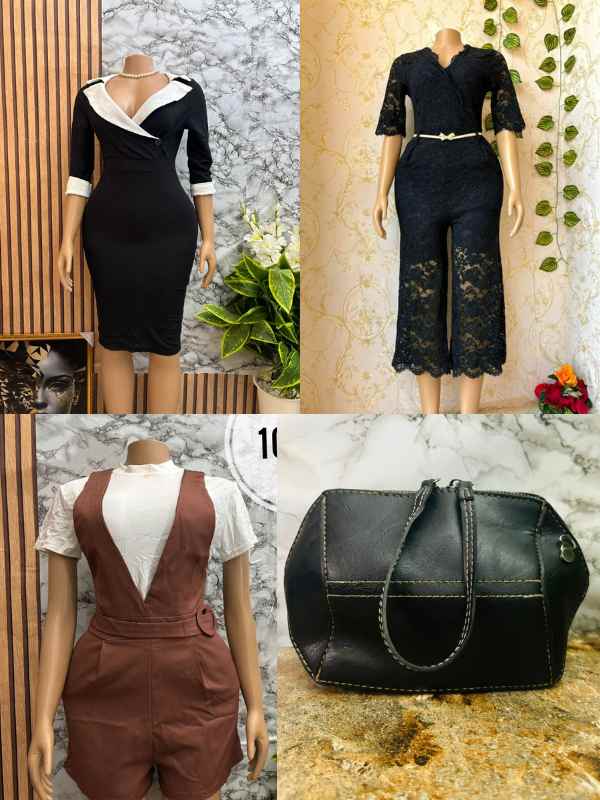
One of the reasons the thrift business in Nigeria is so profitable is that it has many different niches one can go into. You don’t need to sell everything at once. In fact, the most successful thrift sellers in Nigeria usually pick one niche, build trust in that category, and later expand.
Below are the most profitable thrift categories that Nigerians are actively searching for and buying every day:
1. Thrift Tops & Blouses (Women’s Clothing)
This is one of the hottest-selling thrift niches because women shop more frequently for affordable tops, office blouses, casual shirts, and fashionable pieces.
Why it’s profitable:
- Low cost price
- High daily demand
- You can sell pieces from ₦800 – ₦3,500
- Easy to source from Grade A and Grade B bales
2. Thrift Jeans & Trousers
Thrift jeans (especially mom jeans, boyfriend jeans, straight pants, and cargo trousers) sell very fast.
Why this niche is hot:
- Nigerians prefer thrift jeans because they are durable and better quality
- High resale value
- Perfect for online sales
3. Children’s Thrift Clothing
Kids grow fast, and parents don’t want to keep buying expensive new clothes. Children’s thrift is one of the most stable niches.
Why it’s a top seller:
- Parents are always buying
- Clothes for kids (0–10 years) move very quickly
- Small size = more pieces per bale
Searches like “cheap baby clothes in Nigeria” and “okrika children clothes” are very common.
4. Thrift Dresses (Casual, Office, Dinner Dresses)
This niche is great for sellers who want high demand and good profit margins.
Why it works:
- Every woman needs dresses
- Good dresses sell instantly if styled well
- You can price from ₦2,000 – ₦8,000
5. Thrift Bags & Purses
Handbags and crossbody bags are popular because ladies love stylish pieces that are affordable and unique.
Why this niche stands out:
- Durable items = repeat customers
- Great for Instagram and TikTok
- Higher resale value
6. Thrift Shoes & Sneakers (Men & Women)
Footwear is another profitable niche, especially for young adults.
Why it’s profitable:
- Good thrift shoes last long
- Men buy a lot of thrift sneakers and corporate shoes
- Women buy sandals, heels, and flats
7. Men’s Thrift Clothing (Shirts, Polos, Vintage Shirts)
Men’s thrift is highly underrated but brings in loyal customers. Men prefer buying quality thrift shirts instead of expensive new ones.
Why it works:
- Men buy in bulk
- Shirts and polos always sell out
- Vintage shirts trend constantly
8. Winter Jackets & Hoodies (Seasonal but Extremely Profitable)
Even though Nigeria is hot, winter jackets and hoodies sell very well, especially among:
- students
- fashion lovers
- travel customers
Why this niche sells fast:
- Jackets from thrift bales are usually branded (Zara, H&M, Nike, Adidas)
- High selling price
- Good for Instagram thrift stores
9. Vintage Clothing (Men & Women)
Vintage is a cult niche. Many young Nigerians love vintage shirts, oversized fits, retro prints, and Korean-inspired styles.
Why vintage is powerful:
- Unique pieces = fast sales
- Perfect for styling videos
- Niche audience with high buying power
10. Thrift Lingerie & Sleepwear
This niche seems small, but it sells extremely well because women love:
- satin nightwear
- lingerie sets
- robes
- two-piece sleepwear
These items have high resale value and are easy to pack for delivery.
11. Corporate Wear & Office Thrift
This is a niche with consistent, serious buyers. Perfect for targeting working-class ladies and men.
What sells fast:
- blazers
- office shirts
- pencil skirts
- corporate gowns
- trousers
12. Mixed Thrift Bales (For General Sellers)
If you want variety and want to test different items, mixed bales contain everything from tops to gowns to trousers.
Why mixed bales are useful:
- You can reach different types of customers
- Good for beginners
- Helps you discover your strongest-selling niche
Buyers often rely on descriptions when photos don’t tell the full story. How to Write Thrifted Clothing Descriptions That Build Buyer Trust and Boost Sales shows how to communicate product details effectively while building trust with potential customers.
What You Need to Start a Thrift Business

Starting a thrift business in Nigeria doesn’t require expensive equipment or a complicated setup. What you really need are the right basics, a clear niche, and a reliable supplier. Once these are in place, selling becomes easier, whether you plan to run your thrift business online or offline.
Here’s everything you need to get started the right way:
1. Capital / Budget Planning
Your capital depends on the scale you want. Thrift business is flexible, so you can start small or big:
Small Starter Budget (₦50,000–₦100,000)
Best for beginners who want to start with:
- handpicked (cream) thrift items
- curated collections
- selected pieces like tops, dresses, kids’ clothes, or bags
You buy items in small quantities, clean them, style them, and sell with high profit margins.
Medium Budget (₦120,000–₦200,000)
Allows you to buy:
- small bales (e.g., tops, vintage shirts, kids’ gowns)
- bundles of sorted Grade A items
You’ll have more variety and faster turnover.
Full Bale Budget (₦180,000–₦350,000+)
Best if you want to scale quickly. Full bales give you:
- a large number of items
- lower cost per piece
- the chance to sell in bulk or single pieces
2. Sourcing Your Inventory ( Places to Buy Thrift Clothes)
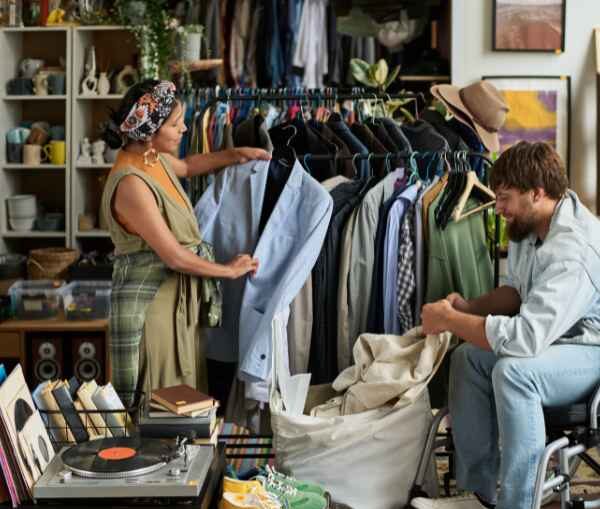
This is one of the most important parts of running a successful thrift business in Nigeria. Where you buy determines your profit, your brand reputation, and the quality of clothes you will sell.
You can source from:
Major Thrift Markets (Physical)
These markets offer the best prices, reliable quality, and authentic thrift pieces. Many successful sellers in Nigeria source their items directly from these locations because the turnover is fast and the profit margin is high.
Balogun Market, Lagos
Best for: branded clothing, shoes, accessories, casual wear
One of Lagos’s largest and most popular thrift markets, Balogun Market is a hotspot for second-hand clothing enthusiasts. Shoppers can find a wide range of Grade A and B clothes, including branded items, casual wear, and stylish accessories at bargain prices. The market is bustling, especially on weekends, offering a treasure trove of fashionable pieces for both men and women.
Yaba, Lagos
Best for: ladies’ tops, gowns, jeans, vintage shirts
One of Nigeria’s busiest thrift hubs, especially for women’s fashion. Yaba is known for affordable Grade A tops and trendy vintage pieces.
Katangua (Kantamanto), Lagos
Best for: full bales, handpick items, children’s clothes
This market is extremely popular among bale buyers and bulk sellers. If you’re looking for kids’ thrift clothing or mixed bales, Katangua is a go-to.
Aba Market
Best for: mixed clothing, children wear, wholesalers
Aba is a major distribution market. Many wholesalers source from here before reselling to smaller thrift vendors across different states.
Kano Markets
Best for: winter jackets, hoodies, branded heavy clothing
Kano is highly rated for cold-weather thrift items and heavy wear from UK, US, and Canadian bales.
Kaduna Central Market
Best for: unisex clothing, Grade A sorted items, everyday wear
Sellers in northern Nigeria rely heavily on this market for high-quality unisex thrift items.
Enchantress Thrift – Enugu
Best for: ladies’ tops, gowns, jeans, kids’ clothing
Based in Enugu, Enchantress Thrift has become a trusted source for clean, carefully curated items. We offer handpicked Grade A pieces, especially tops, gowns, jeans, and kiddies wear. Ideal for new thrift sellers who prefer quality over gambling with full bales. Join the Enchatress Thrifts whatsapp group to see our New Arrivals
This option is especially helpful for beginners who want:
- Trusted pieces
- Affordable start-up stock
- Cleaned and selected items
- Ready-to-sell inventory
✔ Reliable Wholesalers & Bale Dealers
Many sellers buy from bale dealers who specialize in:
- UK bales
- US bales
- China mixed bales
- Canadian bales
They often offer videos, bale labels, and sample pictures before buying.
✔ Online Thrift Suppliers
You can also buy from reputable sellers on:
- WhatsApp communities
- Facebook thrift supplier groups
Always ask for:
- bale label
- sample pieces
- grade confirmation
- return policy (if any)
You should save this post for later: 5 Clothing Alterations I Stopped Paying a Tailor For (DIY Made Easy)
3. Niche Selection (Choose What You Want to Sell)
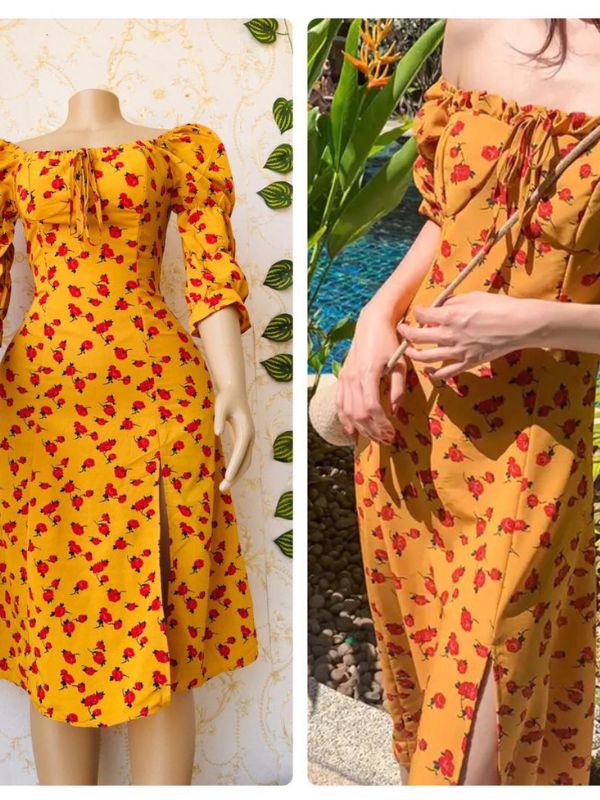
Choosing your niche helps you focus on the right customers and build a recognizable brand. The best thrift businesses in Nigeria always start with one niche before expanding.
Here are the most profitable options:
Women’s Clothing
- tops, casual dresses, gowns, jeans
High demand + fast daily sales
Children’s Clothing
- baby items, girls’ gowns, boys’ shirts
Cheap to buy + high turnover
Men’s Clothing
- polo, shirts, vintage tops
Stable and loyal customers
Accessories
- bags, belts, purses, hats
Small items, high profit margins
Vintage & Y2K Fashion
- oversized shirts, patterned tops
Perfect for Instagram and TikTok sellers
Selecting a niche makes your marketing cleaner and your brand stronger/ Trusthworthy.
-
Basic Tools You Need to Run the Business
You don’t need anything complex. Just a few tools to keep your thrift items clean, organized, and ready for sale.
✔ Scale (Optional)
Useful if you buy clothes by kilogram instead of pieces.
✔ Packaging Bags
For packaging customer orders.
Poly bags or clear nylon are common.
✔ Tags or Labels
To label your items with prices, makes your store look professional.
✔ Hangers & Clothing Racks
Perfect for sorting and taking clean product pictures.
✔ Cleaning Supplies
- mild detergent
- stain remover
- fabric freshener
- small sewing kit (for minor fixes)
Customers value clean, neat, well-presented thrift items.
5. Preparing Your Inventory
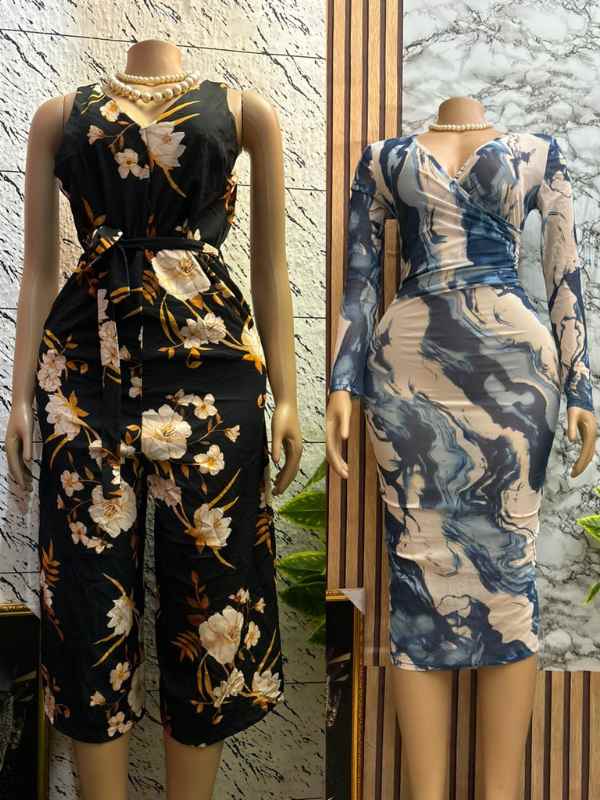
After buying your thrift items, the next step is preparing them for sale. This is where many thrift sellers fail, yet it’s the part that determines whether customers will see your items as clean, valuable, and worth buying.
A well-prepared inventory makes your brand look professional, increases your sales, and sets you apart from regular sellers.
Below is how to prepare your clothes properly before selling:
✔ How to Inspect and Grade Clothes for Quality
Once you open a bale or receive your handpicked items, you need to sort them carefully. Every thrift clothing business in Nigeria uses a grading system to know which clothes deserve higher or lower prices.
Here’s the easiest grading method:
Grade A (Cream / Top Quality)
- Looks almost new
- No stains, no tears, no fading
- Popular brands (Zara, H&M, Next, Marks & Spencer, Gap)
- Very high demand
- Best for premium pricing
These Grade A items should be your highlight when marketing.
Grade B (Very Good Condition)
- Slight signs of use
- Can have tiny stains or loose threads
- Still clean and wearable
- Affordable for customers
These pieces are good for mid-range pricing.
Grade C (Fair Condition)
- Noticeable fading
- Repairs needed
- Lower quality items
- Suitable for clearance sales or “₦500 rack” deals
Sorting your items this way helps you price correctly and maintain customer trust.
✔ Washing, Ironing & Simple Repairs
Customers don’t want clothes that look rough or smell like storage. Preparing your thrift items well can double your sales.
Washing
Use:
- mild detergent
- warm water (for whites)
- fabric softener
- vinegar solution (to remove odour)
Dry items under shade to avoid sun bleaching.
Ironing
Ironing makes the clothes:
- look new
- photograph better
- appear more valuable
Steam irons work best for delicate fabrics.
Repairs
Do very simple fixes:
- tighten loose buttons
- stitch small tears
- trim hanging threads
- fix broken straps
These small efforts increase the selling price instantly.
✔ Pricing Strategy (Based on Quality, Brand & Demand)
Your pricing should depend on the grade, brand, and how trendy the item is.
Here’s the simplest pricing system many successful thrift sellers in Nigeria use:
1. Grade A Items
- High-quality or branded pieces (Zara, H&M, Next, Nike)
- Sell between ₦2,000–₦8,000 depending on the item type
2. Grade B Items
- Very wearable but slightly used
- Sell between ₦800–₦3,000
3. Grade C / Clearance Items
- Items with tiny faults or less demand
- Sell for ₦300–₦700 or bundle sales like “5 for ₦2,000”
4. Brand Premium Pricing
If you find luxury brands (like Adidas, Mango, River Island, Tommy Hilfiger), you can price higher.
5. Trend Pricing
Trending items usually sell faster and cost more:
- baggy jeans
- cargo pants
- satin gowns
- vintage shirts
- kids’ 2-piece sets
Always check what is trending on TikTok or Instagram thrift hashtags.
✔ Organizing Items for Easy Sale
A well-organized inventory makes selling smoother and helps you post more consistently.
Here are simple ways to organize:
1. Sort by Category
Group items into:
- tops
- gowns
- jeans
- kids’ wear
- vintage
- bags
- shoes
This helps you find what you need when posting.
2. Sort by Grade
Keep Grade A, B, and C in different bags or shelves.
3. Use Clothing Racks or Hangers
This keeps items neat and prevents wrinkles.
4. Label or Tag Each Item
Label with:
- size
- grade
- price
- brand
5. Store in Clean, Dry Areas
Avoid damp areas to prevent mold or smell.
6. Selling Channels

Knowing where and how to sell your items determines how fast you make profit. One thing every smart seller learns early in the Thrift Business in Nigeria: How to Start a Profitable Thrift Clothing Business is that you must show up where buyers already spend their time, both offline and online.
Each selling channel has its strengths, so the more intentional you are, the easier it becomes to grow your customer base and sell out your pieces.
Offline Selling Options
These are great if you want quick sales, daily cash flow, and physical customer interaction.
- Local Markets:
You can get a small space or table at local markets where foot traffic is high. Markets like Garki, Ogbete, or Yaba offer a steady stream of buyers looking for affordable clothing. - Small Shops or Pop-Up Corners:
If you have a little more capital, you can set up a small thrift booth inside a salon, laundry shop, or plaza. This gives you visibility without the stress of a full shop rent. - Street Stalls / Open Display:
Many thrift sellers start with umbrellas, racks, and a clean display along busy streets. It’s simple, affordable, and attracts impulse buyers.
Online Selling Channels
Selling online is the fastest-growing method because many Nigerians now prefer to shop from their phones. It’s also where the biggest profit margins come from.
- Instagram
Perfect for building a brand. Use reels, try-ons, styling videos, and clean product photos. Create a consistent theme so buyers can instantly recognize your page. - TikTok
A powerful platform for thrift sellers. Short videos of try-ons, “₦1000 thrift haul,” “new arrivals,” “what I got in the bale,” and transformation videos go viral quickly. - WhatsApp Business
Great for repeat customers. Upload items to your WhatsApp catalog, post statuses daily, and create VIP broadcast lists. - Facebook Marketplace
Reach local buyers fast. People on Facebook are actively searching for affordable fashion, especially moms and young workers. - Jiji
Ideal for bulk buyers, vintage shoppers, and those searching for specific items like jackets, office wear, or baby clothing.
Tips for Online Selling (Very Important)
Use Clear Photos: natural light, plain background, wrinkle-free clothing.
Honest Descriptions: state if something has a tiny flaw, customers appreciate honesty.
Size Charts: Nigerians shop online with caution; measurements increase trust.
Consistent Posting: post daily; the algorithm favors active sellers.
Engage Buyers: reply fast, use interactive stories, run giveaways or “grab sales.”
These tips make your thrift page stand out and help you build a trustworthy brand buyers return to.
7. How to Price Your Items
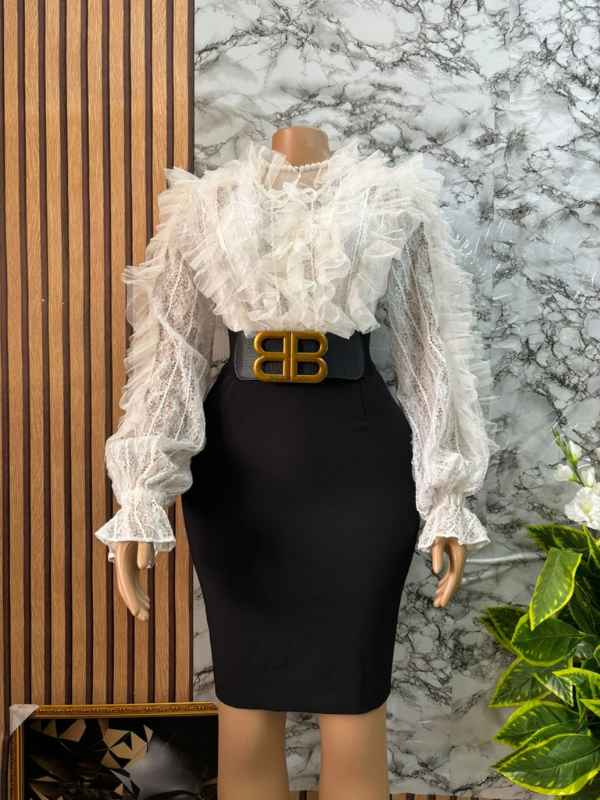
Pricing is one of the most important skills you must master in the Thrift Business in Nigeria: How to Start a Profitable Thrift Clothing Business. If your prices are too high, customers scroll away.
If they’re too low, you lose money. The goal is to price in a way that reflects the grade of the item, covers your costs, and still keeps you competitive.
Understanding First-Grade vs Second-Grade Pricing
First-Grade (Grade A):
These are the cleanest, newest-looking thrift pieces — no stains, no tears, no fading. They often look like boutique items, so they command higher prices. For example:
- Branded tops: ₦2,500–₦5,000
- Vintage tops: ₦3,500–₦7,000
- Jeans: ₦4,000–₦10,000
- Gowns: ₦3,500–₦8,000
Second-Grade (Grade B):
Still good but may have minor signs of wear. These move very fast because they are affordable. Example ranges:
- Tops: ₦800–₦2,500
- Gowns: ₦1,500–₦4,000
- Jeans: ₦2,000–₦5,000
These prices vary depending on your location, suppliers, and what type of customers you serve.
-
How to Mark Up for Profit While Staying Competitive
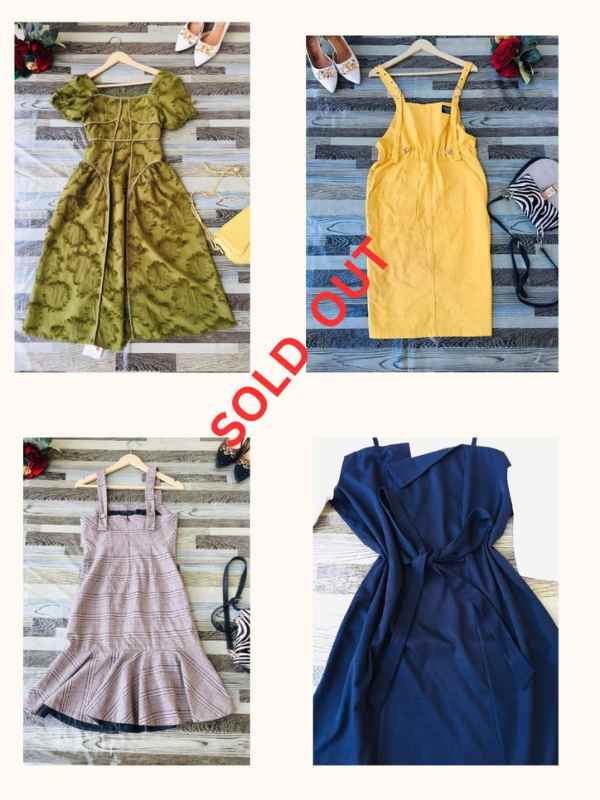
To stay profitable, use this simple formula:
Cost Price + Cleaning + Packaging + Your Profit Margin = Selling Price
A healthy profit margin for thrift items is 40%–70%, and for rare items like vintage jackets or branded jeans, you can go up to 100%+.
To avoid overpricing:
- Check what other thrift sellers in Nigeria charge for similar items.
- Consider your audience: students love affordable prices; working-class buyers pay more for quality.
- Look at item uniqueness: if it’s a rare find, you can price higher.
- Avoid emotional pricing, decide based on demand and grade, not attachment to the item.
This is how successful sellers keep a balance between profit and customer loyalty.
Tips for Sales Promotions and Bundle Deals
Smart promotions help you clear stock fast while still earning well:
- Bundle Deals:
Group items together for a slightly lower price — e.g., “3 tops for ₦2,500” or “Buy 2 jeans, get ₦500 off.” Bundles work extremely well on WhatsApp and Instagram. - Flash Sales:
Run 1-hour or same-day “grab sales” to drive urgency. Announce ahead to warm up your audience. - Clearance Sales:
Use this to clear slow-moving or second-grade items. Offer “everything under ₦1000” to attract traffic. - Loyalty Discounts:
Give returning customers ₦200–₦500 off. This builds trust fast and makes people stick with your brand. - Themed Sales:
Examples:
- “Office Wear Wednesday”
- “Vintage Friday Drop”
- “Jeans Blowout Sale”
These keep your page active and predictable, which customers love.
9. Common Challenges & How to Overcome Them
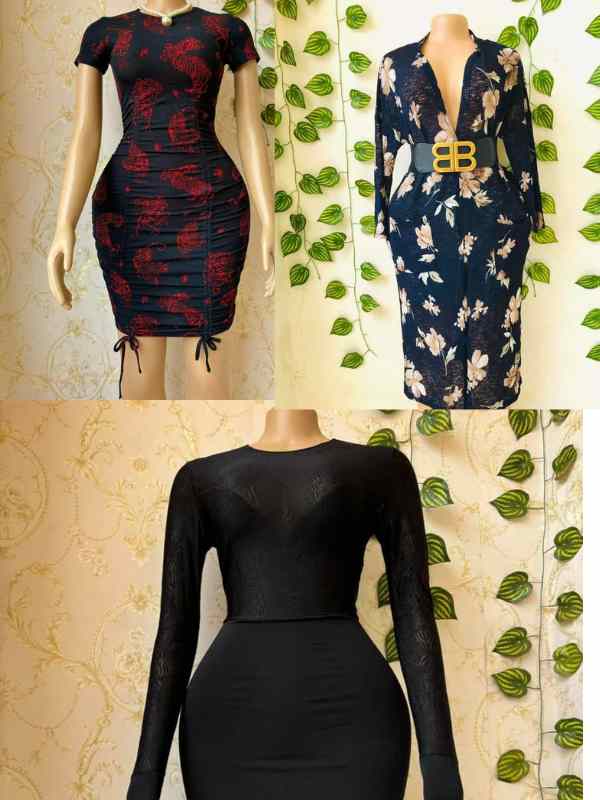
Every business has its struggles, and the thrift industry is no different. In the Thrift Business in Nigeria: How to Start a Profitable Thrift Clothing Business, being aware of these challenges, and knowing how to handle them, is the key to long-term success.
✔ Poor Quality Bales or Damaged Clothes
Not every bale turns out great. Sometimes you get pieces with tears, stains, or outdated designs.
How to overcome it:
- Build relationships with trusted suppliers.
- Start with handpicks to understand quality before buying full bales.
- Learn how to inspect clothes before paying.
- Have a small repair budget for simple fixes like missing buttons or loose seams.
✔ Customer Skepticism or Stigma Around “Okrika”
Some customers still feel second-hand clothing is inferior.
How to overcome it:
- Present your items clean, ironed, and neatly photographed.
- Use words like “preloved,” “vintage,” or “premium thrift” instead of okrika.
- Build trust by offering honest descriptions and quality items.
- Share customer reviews to boost confidence.
✔ High Competition From Other Thrift Sellers
The market is crowded, but demand is also huge.
How to overcome it:
- Create a niche (vintage, plus-size, kiddies, office wear, linen outfits).
- Use branding — consistent colors, logo, packaging, and unique photo style.
- Post consistently on Instagram, WhatsApp, and TikTok.
- Offer better customer service than your competitors.
✔ Economic Fluctuations and Low Purchasing Power
Prices rise, and customers can become selective with spending.
How to overcome it:
- Offer bundle deals (e.g., 3 tops for ₦5,000).
- Bring in affordable categories like tops, skirts, and kiddies wear.
- Focus on timeless pieces that sell year-round (jeans, shirts, gowns, corporate wear).
10. Potential Earnings & Profit
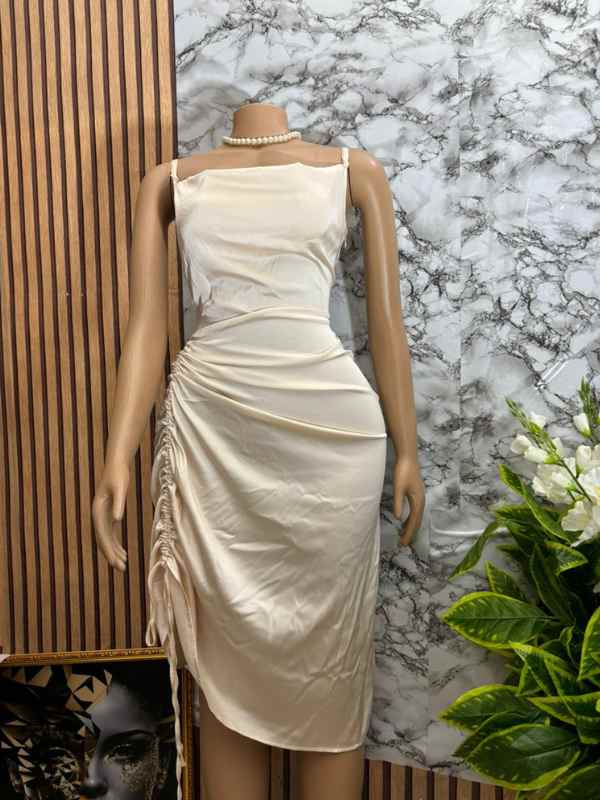
Understanding your earning potential helps you stay realistic and organized. In the Thrift Business in Nigeria: How to Start a Profitable Thrift Clothing Business, profitability depends on your quality, pricing strategy, and customer trust.
✔ Realistic Profit Expectations
- First-grade tops: Buy for ₦500–₦1,000, resell for ₦3,000–₦5,000.
- Vintage gowns: Buy for ₦1,200–₦2,000, resell for ₦5,000–₦10,000.
- Jeans: Buy for ₦1,500–₦2,500, resell for ₦6,000–₦12,000.
Most beginners make ₦20,000–₦50,000 weekly, while established sellers can earn ₦150,000–₦500,000+ per month.
✔ How to Grow From Small Startup to Large Scale
- Start with handpick, scale to half bales, then full bales.
- Build a loyal customer base before expanding.
- Invest in branding and better photography.
- Use paid ads or WhatsApp TVs once your page looks professional.
✔ Factors That Affect Your Income
- Your niche (vintage and kiddies sell fastest).
- Your marketing and consistency.
- Your location (urban areas buy more).
- Quality of your items.
11. Tips for Starting Smart

If you want the Thrift Business in Nigeria: How to Start a Profitable Thrift Clothing Business to work for you, start wisely and avoid rushing the process.
✔ Start Small, Learn the Market
Begin with ₦30,000–₦80,000 handpick collections and observe what sells fastest.
✔ Focus on Quality Before Quantity
Customers don’t return because you have plenty of clothes, they return because you sell good clothes.
✔ Use Social Media Effectively
Instagram, TikTok, WhatsApp Status, and Facebook Marketplace are your biggest tools.
Post consistently. Use clear photos. Tell stories your audience connects with.
✔ Keep Good Records
Track your cost price, selling price, profits, and slow-moving items.
This helps you avoid overspending and shows you which categories to restock.
✔ Continuously Research Your Market
Pay attention to trends like:
- Linen outfits
- Vintage shirts
- Corporate gowns
- Oversized jeans
- Quiet luxury pieces
Selling what people want automatically boosts your income.
12. Thrift Business Marketing Plan for Beginners
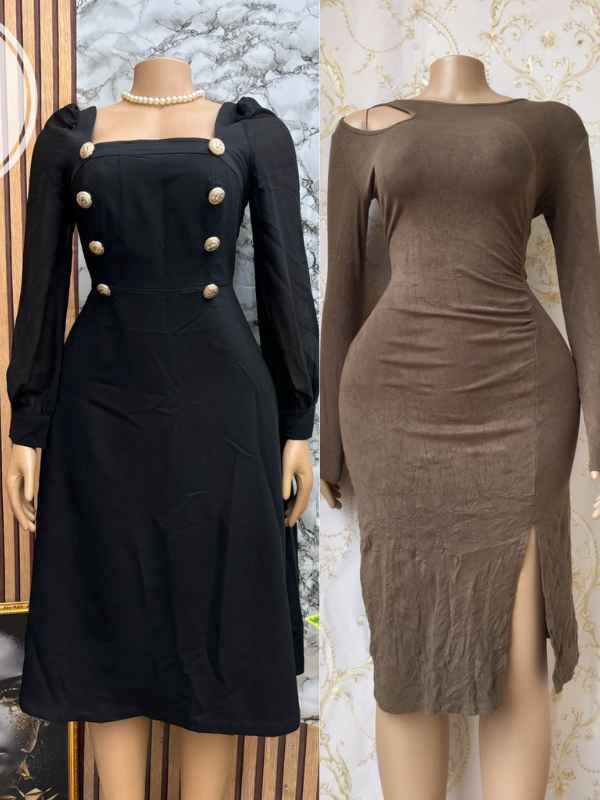
Marketing is what makes your thrift business visible and keeps customers coming back. In the Thrift Business in Nigeria: How to Start a Profitable Thrift Clothing Business, a strong marketing plan helps you sell faster, build a loyal following, and scale profitably. Here’s a simple, step-by-step plan for beginners:
1. Build Your Online Presence
Most buyers look online first, so having a visible, consistent page is critical.
Platforms to use:
- Instagram: Post clean photos, reels, and try-ons. Use trending hashtags like #ThriftNigeria, #PrelovedFashion, #VintageThrift, #NigeriaFashion.
- TikTok: Share short videos showing bales, styling tips, or transformations. TikTok favors engagement, so interact with comments.
- WhatsApp Business: Create a catalog of your items and post daily statuses. Use broadcast lists for VIP or loyal customers.
- Facebook Marketplace & Groups: Reach buyers in your local area quickly. Post full descriptions with photos and measurements.
Tips:
- Keep your branding consistent (colors, fonts, logo).
- Use natural light and uncluttered backgrounds for photos.
- Post regularly (at least 3–5 times per week).
2. Use Customer-Centric Content
Don’t just post clothes—post stories and value. Examples:
- Before & After: Show how a thrift top can be styled professionally or casually.
- Tips & Tricks: Teach followers how to style thrift clothes, fold, or mix-and-match.
- Behind-the-Scenes: Show unboxing bales, cleaning, or sorting items.
- Customer Features: Repost photos of happy buyers wearing your items.
This builds trust and turns followers into loyal customers.
3. Engage With Your Audience
- Reply to every comment and message promptly.
- Ask for feedback on products.
- Run polls or quizzes (“Which gown should we drop next?”).
- Offer giveaways or flash sales to boost engagement.
High engagement also increases visibility on Instagram and TikTok, helping you reach more potential buyers without paid ads.
4. Paid Ads (Optional, for Scaling)
Once your page looks professional and you have good content, consider low-budget ads:
- Instagram & Facebook Ads: Target your city, age group, and fashion interests.
- WhatsApp TV Ads: Pay small fees to local groups to showcase your latest collection.
Start with a small budget (~₦2,000–₦5,000) and track results before scaling.
5. Offline Marketing
Even with online sales, offline marketing still works:
- Distribute flyers or business cards in local areas.
- Set up small pop-up stalls at markets or malls.
- Partner with local salons or boutiques to showcase your pieces.
- Participate in community events or flea markets.
6. Track & Adjust
Marketing is not static. Monitor what works:
- Which posts generate most sales?
- Which hashtags bring in new followers?
- Which types of items sell faster online vs offline?
Adjust your plan based on these insights. Over time, your marketing will become more efficient and profitable.
Conclusion
Starting a thrift business is not complicated; it only requires the right steps, patience, and a willingness to learn. In fact, The Thrift Business in Nigeria: How to Start a Profitable Thrift Clothing Business is achievable, profitable, and flexible enough for students, stay-at-home parents, and working professionals.
Furthermore, if you take action, focus on quality, and stay consistent with marketing, your thrift business can grow faster than you imagine.
We would like to know:
- What niche do you want to start with — women’s wear, kiddies, vintage, or corporate?
- What’s your first step after reading this guide?
You just read: Thrift Business in Nigeria: How to Start a Profitable Thrift Clothing Business in 2025.

Please I want to start the business
Hi Zainab,
If you are looking to start thrift business and you are in Nigeria, please reach out to Enchantress Thrifts on FacEbook. She will put you through.
Thank you
Usually I do not learn post on blogs, but I would like to
say that this write-up very compelled me to try
and do it! Your writing style has been surprised me. Thanks, quite great article.
Thank you so much for reading and dropping a comment. This motivates us to keep writing more pratical and educational blog post.
Pretty great post. I simply stumbled upon your blog and wished to mention that I’ve truly enjoyed surfing around your weblog
posts. In any case I will be subscribing to your feed and I am hoping you write again soon!
I will certainly write again soon.
Thank you for reading and subscribing to my blog.
I truly appreciate
I read this post completely on the topic of the comparison of
most up-to-date and previous technologies, it’s amazing article.
Thank you
This is pure love thank you ma’am because reading from A to Z I clearly understood everything and it’s enough to see if I’m capable or not, I will try my first luck on it, and see the outcome
I ma rooting for you Christiana
Your blog is incredible
How do I sort out delivery as someone who just want to start especially to different states
Thank you Dammy
You can do batch delivery depending on the amount of orders for that particular state.
Also, you can map out problably a day or two in a week for delivery outside of your state of residence. So you notify your customers on time, that delivery to their state is only on tuesdays or saturday and please ensure to keep to that day.
Lastly, look for a way to know the transport company(ies) prominent in each state, so you know which park is convienet for your customer(s)
I hope this helps.
Wish you goodluck