Not sure what crafts will make money? These low-cost craft business ideas show you simple, profitable crafts you can start from home today.
Starting a craft business sounds exciting, but for most beginners, it quickly turns into doubt and hesitation. The biggest challenge is rarely interest, it’s usually the same three barriers: not having enough money, not feeling skilled enough, and the fear of wasting time or failing completely.
Because of that, many people stay stuck at the “idea stage” for months or even years, convinced they need expensive tools, professional training, or advanced experience before they can begin. But in reality, that belief is what often holds beginners back the most.
The truth is, most successful handmade sellers didn’t start with perfect skills or expensive equipment. Many began with simple materials at home, basic tools, small experiments, and very low startup costs. What made the difference wasn’t complexity; it was starting small and staying consistent.
This guide focuses on low-cost handmade business ideas that don’t require expensive tools or advanced training.
Before we begin, it’s important to set expectations clearly: this is not a get-rich-quick approach. Building a small craft business takes patience, testing, and learning what people actually want to buy.
However, the ideas you’ll find here are beginner-friendly, affordable to start, and designed for real selling potential, not just hobbies.
If you’ve been searching for ways to start a crafting business from home or looking for no skill business ideas that don’t feel overwhelming, this guide will help you take the first realistic step forward with confidence.
A strong starting point for any beginner is understanding the Must-Have Crafting Tools Beginners Often Forget – that make crafting easier and reduce mistakes, especially when setting up simple DIY projects at home.
WHY MOST INDIVDUALS FAIL IN CRAFT BUSINESSES
If you’re new to crafts, it’s easy to assume success depends on creativity, but that’s rarely the problem. What usually goes wrong is how people choose, price, and present what they make.
1. Choosing crafts that are too complex
One of the biggest mistakes is starting with crafts that are too advanced.
Many beginners get inspired by Pinterest and try to recreate complicated designs immediately. The problem is, these often require experience, special tools, or patience they don’t yet have.
This leads to frustration, unfinished projects, and eventually giving up.
2. Copying Pinterest trends without checking demand
Just because something looks popular on Pinterest doesn’t mean people are buying it.
A lot of beginners focus on what is pretty instead of what is actually in demand. So they end up making items that get views or likes, but no sales.
3. Poor pricing decisions
Pricing is another major struggle.
Some beginners price too low and make almost no profit after buying materials. Others price too high without understanding their market, which makes it hard to attract buyers.
Both mistakes can stop growth before it even starts.
4. Not understanding what sells online
Selling online is different from just making crafts.
Platforms like Etsy and Pinterest are driven by search behavior. People are looking for specific solutions, not just random creative items.
If your product doesn’t match what people are searching for, it becomes hard to get consistent sales.
5. Weak presentation (photos + packaging)
Even a good product can struggle if it doesn’t look appealing online.
Blurry photos, poor lighting, or plain packaging can make your work look less valuable than it really is.
In online selling, presentation is often what makes someone click or scroll past.
Crafting Across Cultures: Meaningful Gift Ideas Inspired by Traditions Around the World can add meaning and uniqueness to your work, especially when creating thoughtful gifts that stand out in a crowded craft market.
LOW-COST CRAFT BUSINESS IDEAS
1. Paper & Print-Based Crafts
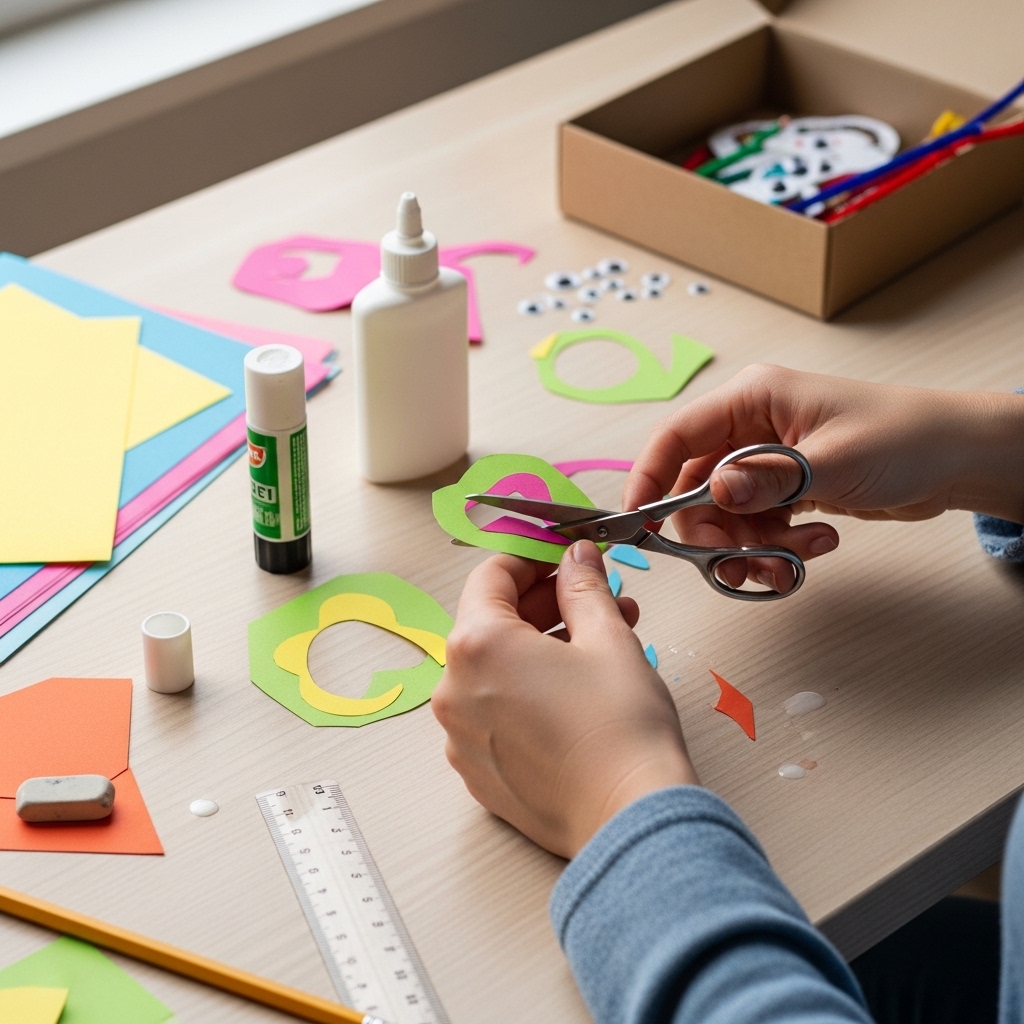
Paper and print-based crafts are one of the easiest ways to start a low-cost craft business from home, especially if you’re a beginner with little or no tools. You don’t need expensive machines or advanced skills, just simple materials like paper, pens, or even a phone or laptop for digital designs.
What you can make
-
Handmade Greeting Cards
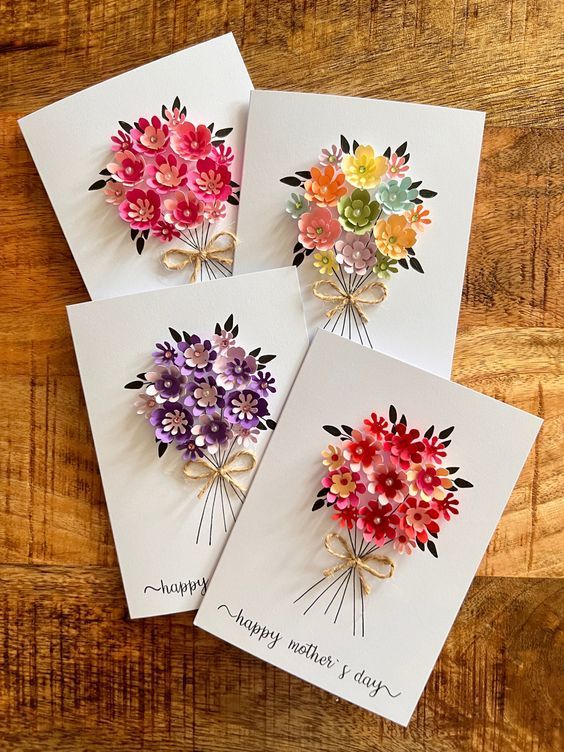
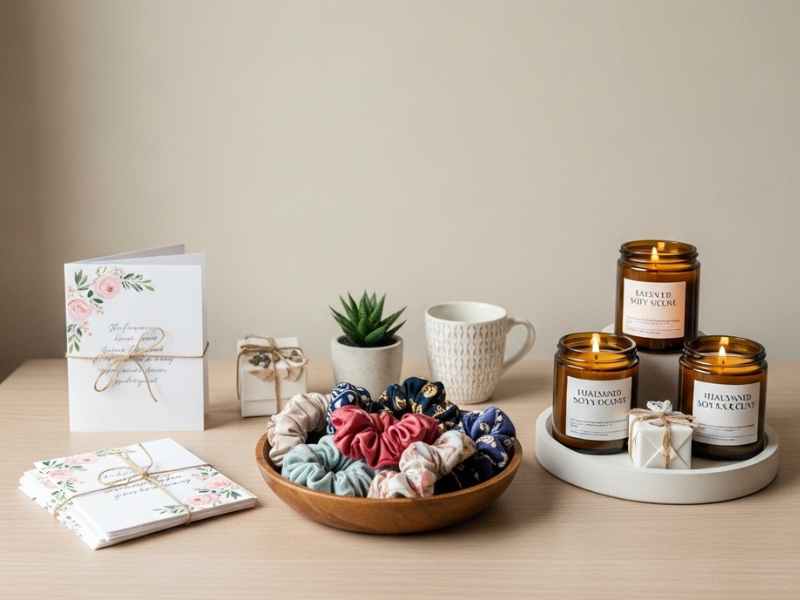
Simple, personalized cards made for birthdays, weddings, and special occasions. They sell because people love emotional, custom gifts that feel personal and thoughtful.
-
Printable Wall Art (digital downloads)

Digital art prints customers can download instantly and print at home. These are popular for home décor and work especially well on Etsy and Pinterest.
-
Journaling Kits or Planner pages
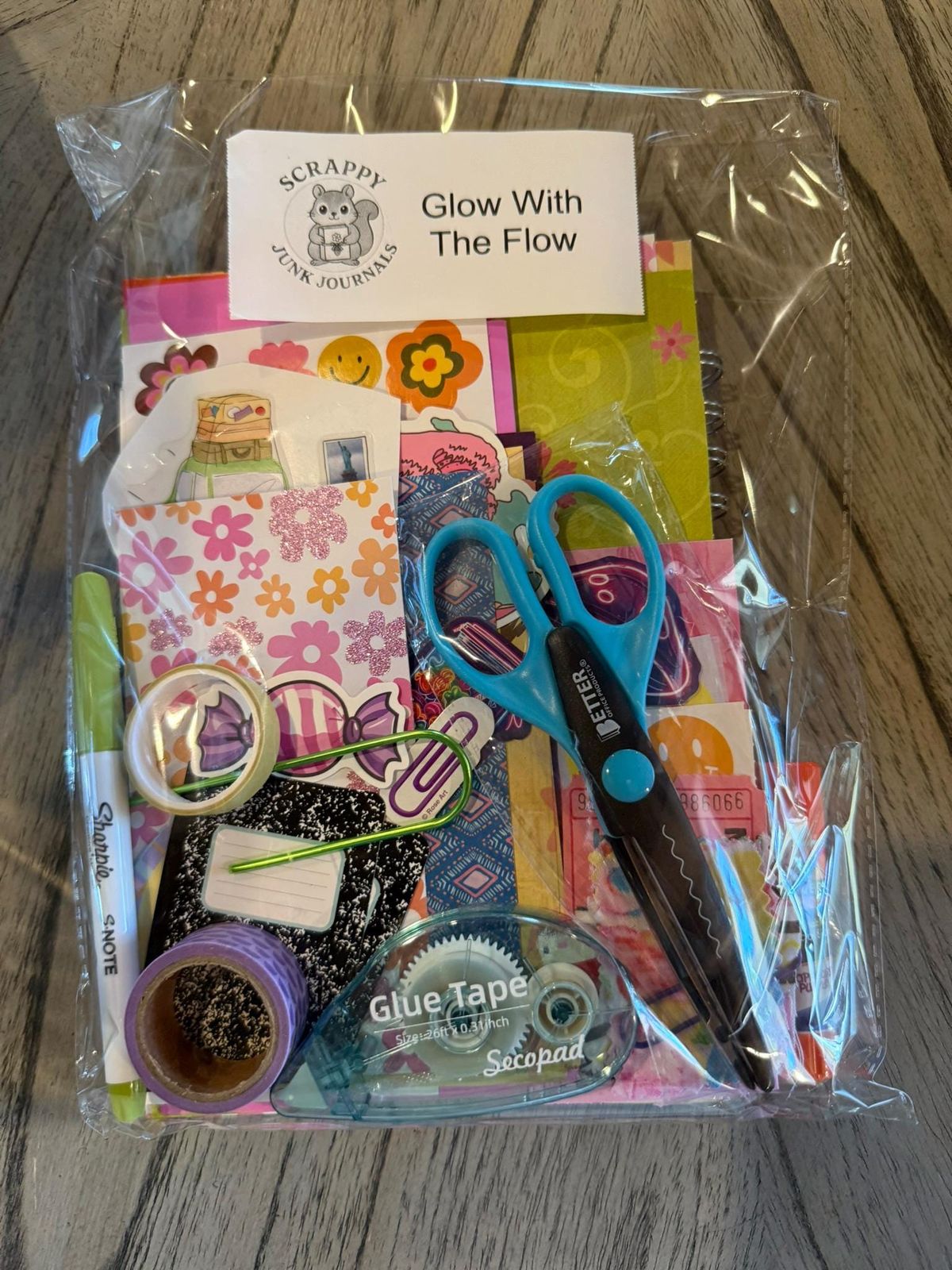
Photo credit: @ Etsy
Printable pages designed for organization, productivity, or journaling. These are in high demand because people love aesthetic and functional planning tools.
Why These Crafts Sell
These ideas sell because they solve simple, everyday needs:
- Greeting cards = birthdays, weddings, celebrations
- Printables = home décor and instant downloads
- Planner pages = organization and productivity
They also perform well because they are both emotional (gift-based) and practical (usable downloads).
Startup cost
- Usually $0–$10 to start
- Digital designs can be made with free tools
- Physical versions only need basic supplies like paper, pens, or stickers
Where to sell them
- Etsy (best for digital downloads)
- Pinterest (for traffic + visibility)
- Instagram (for visual marketing and small buyers)
So, if you are interested in low-cost craft business ideas with no expensive tools or skills, this category is one of the easiest places to start, and one of the fastest to test online demand.
Sustainability is becoming a major driver in handmade businesses, and Eco-Friendly DIY Projects for Sustainable Living at Home That Save Money and Time offer a practical way to save money while building products people genuinely value.
2. Simple Home & Lifestyle Crafts
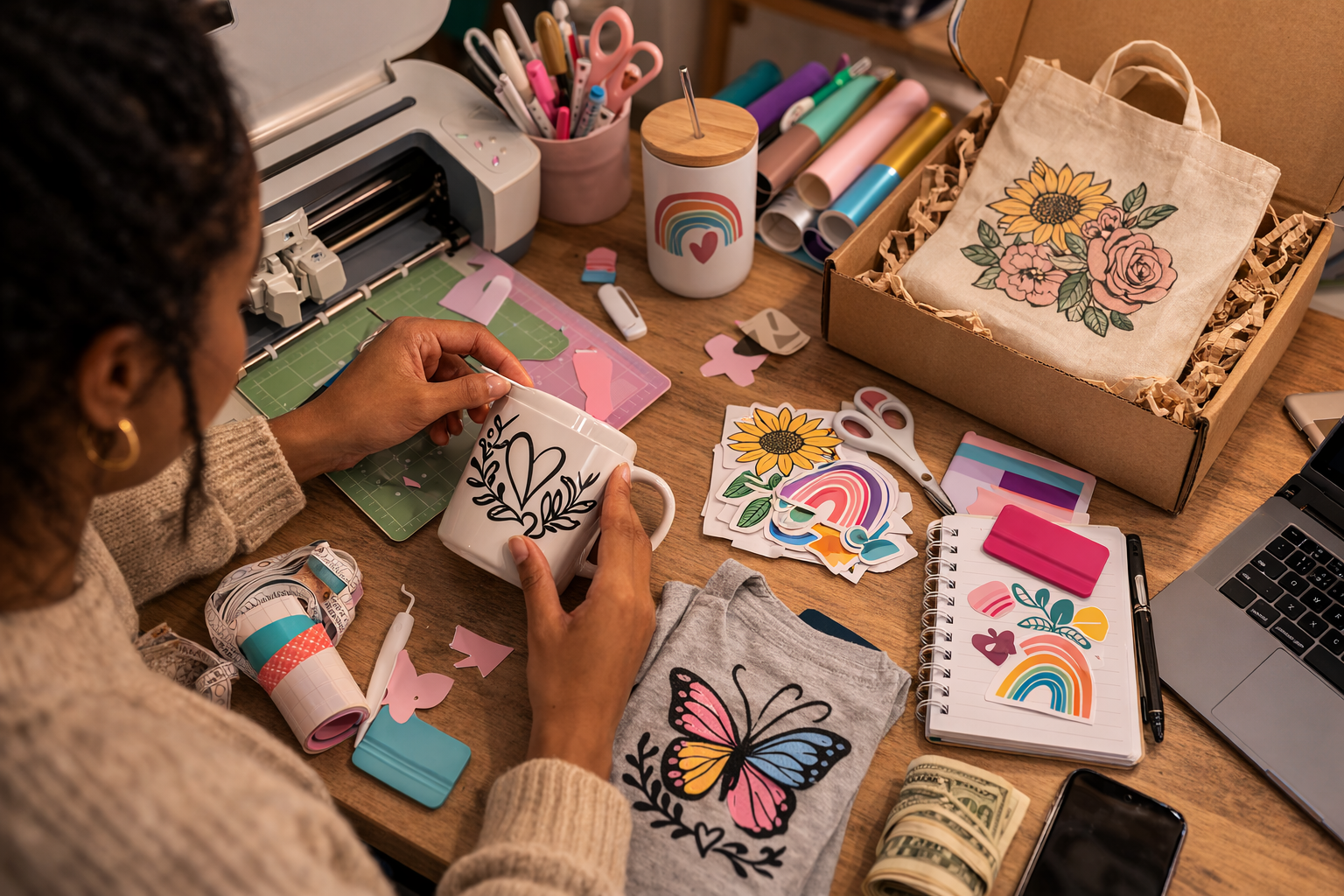
Simple home and lifestyle crafts are another great low-cost craft business idea, especially if you want something practical and highly sellable. You don’t need industrial tools or professional training, most of these products can be made using beginner-friendly kits.
This category works well because it fits into the growing demand for self-care, home décor, and handmade lifestyle products.
What you can make
-
Basic candle making (melt & pour kits only)
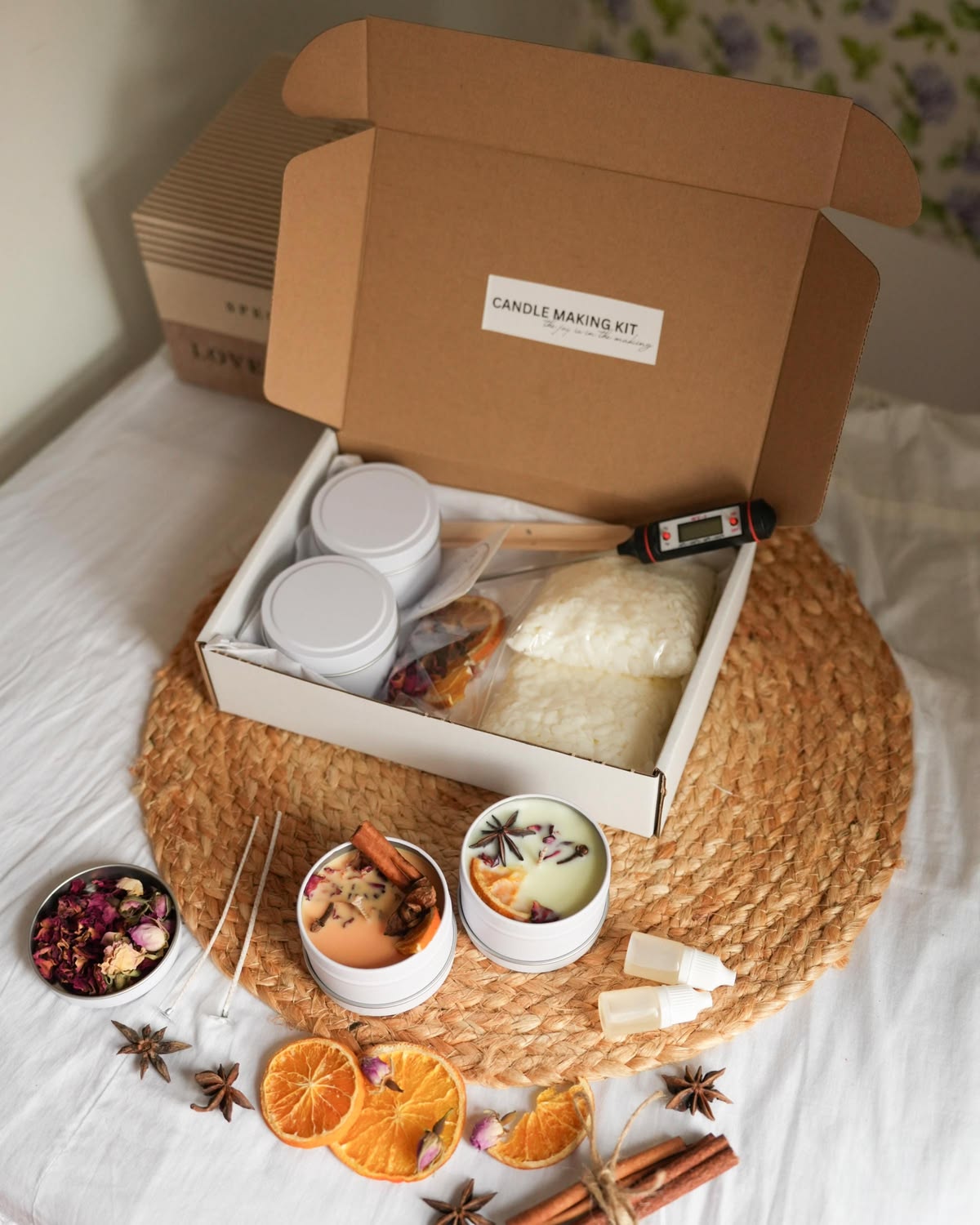
Simple candles made using ready-to-use wax kits. You can create scented or decorative candles without needing advanced equipment or technical skills. These are popular for home decor, gifts, and relaxation products.
-
Simple soap bars (ready-made base kits)
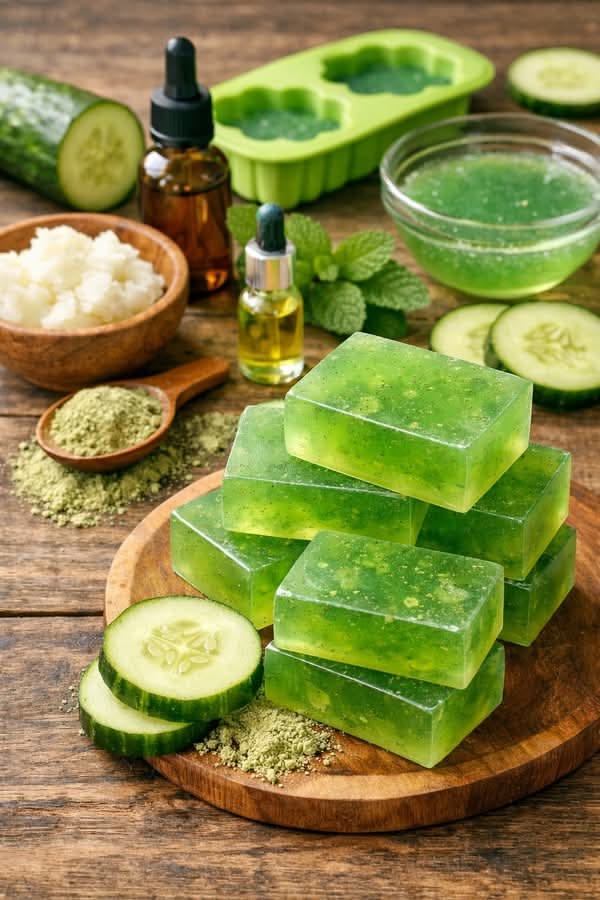
Handmade soaps made using melt-and-pour soap bases. You can customize them with colors, scents, or simple designs. They are widely used in self-care routines and gift sets.
Why these crafts sell
These ideas sell because they match everyday lifestyle needs:
- Candles = home decor + relaxation + gifting
- Soap bars = self-care + beauty + gift bundles
They also perform well because buyers are drawn to aesthetic, handmade, and calming lifestyle products, especially on platforms like Etsy and Pinterest.
Startup cost
Estimated $10–$25 depending on materials and kit quality
- Beginner kits reduce the need for advanced tools
- Small batches can be made without bulk investment
- No industrial setup required
Where to sell them
- Etsy (best for handmade and gift products)
- Pinterest (for traffic and product discovery)
- Instagram (for visual branding and small orders)
If you are exploring low-cost craft business ideas with no expensive tools or skills, this category is beginner-friendly, easy to test, and highly aligned with current self-care and home decor trends.
Simple, guided Sewing Projects Adults and Kids Will Actually Complete Together work best for beginners and families, especially when the goal is to finish without stress and still create something useful or beautiful together.
3. Fabric & Textile Mini Crafts
Fabric and textile mini crafts are a great starting point if you want something creative but still very beginner-friendly. You don’t need to know advanced sewing or have expensive equipment—just basic tools and small pieces of fabric are enough to get started.
What you can make
-
Scrunchies
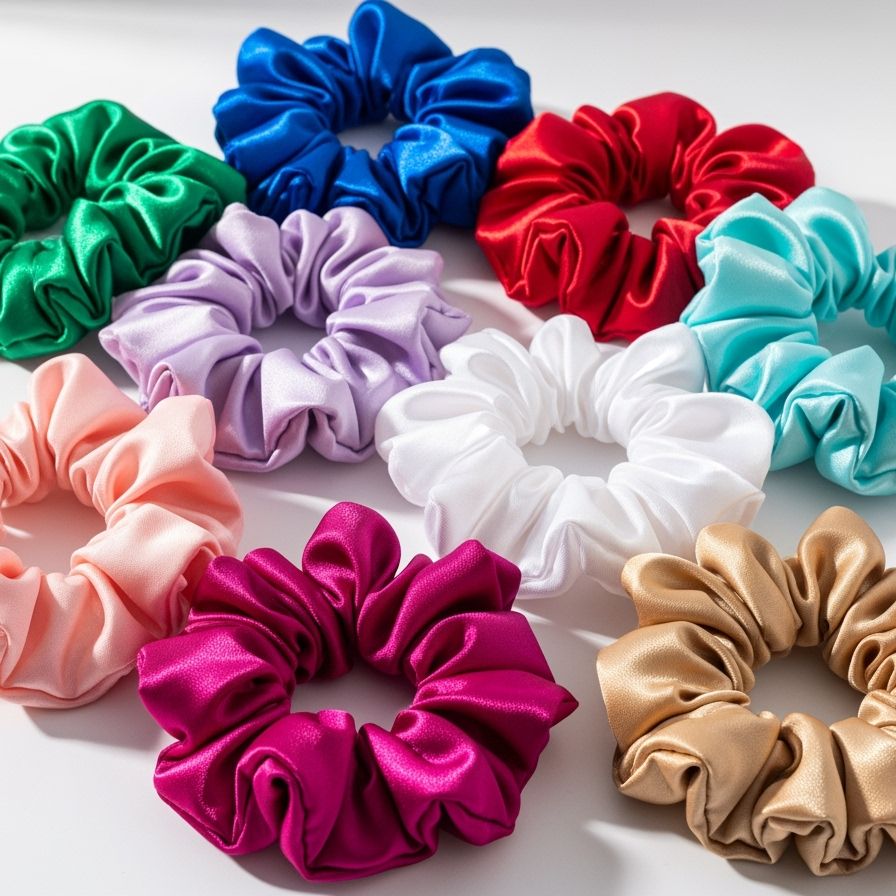
Simple hair accessories made from fabric scraps and elastic. They are quick to sew and don’t require perfection, which makes them perfect for starting out.
-
Headbands
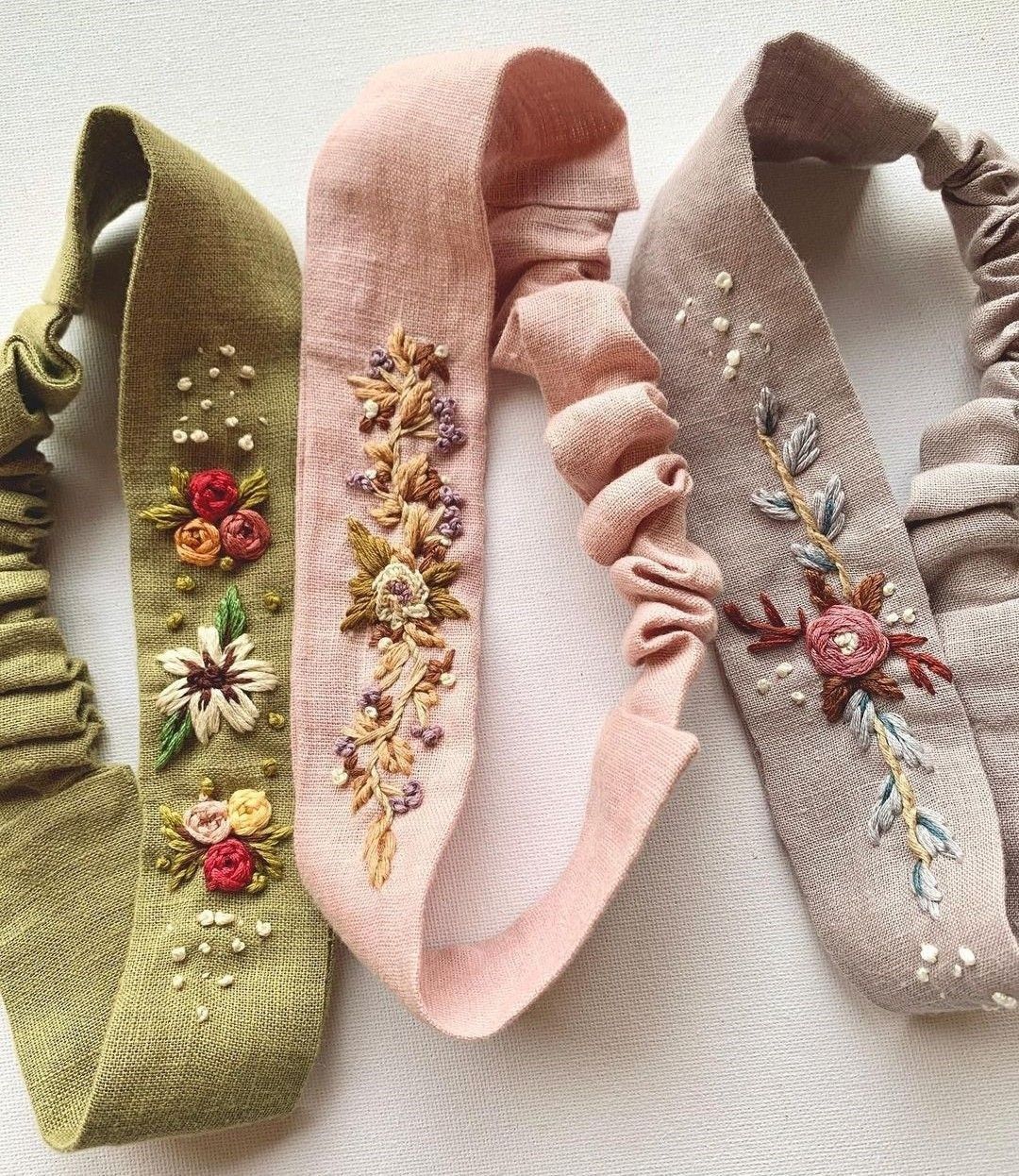
Photo credit: @ PRODUKTDETAILS
Easy fabric headbands that can be made in different colors and styles. They are lightweight, trendy, and easy to personalize.
-
Simple tote bags from fabric scraps
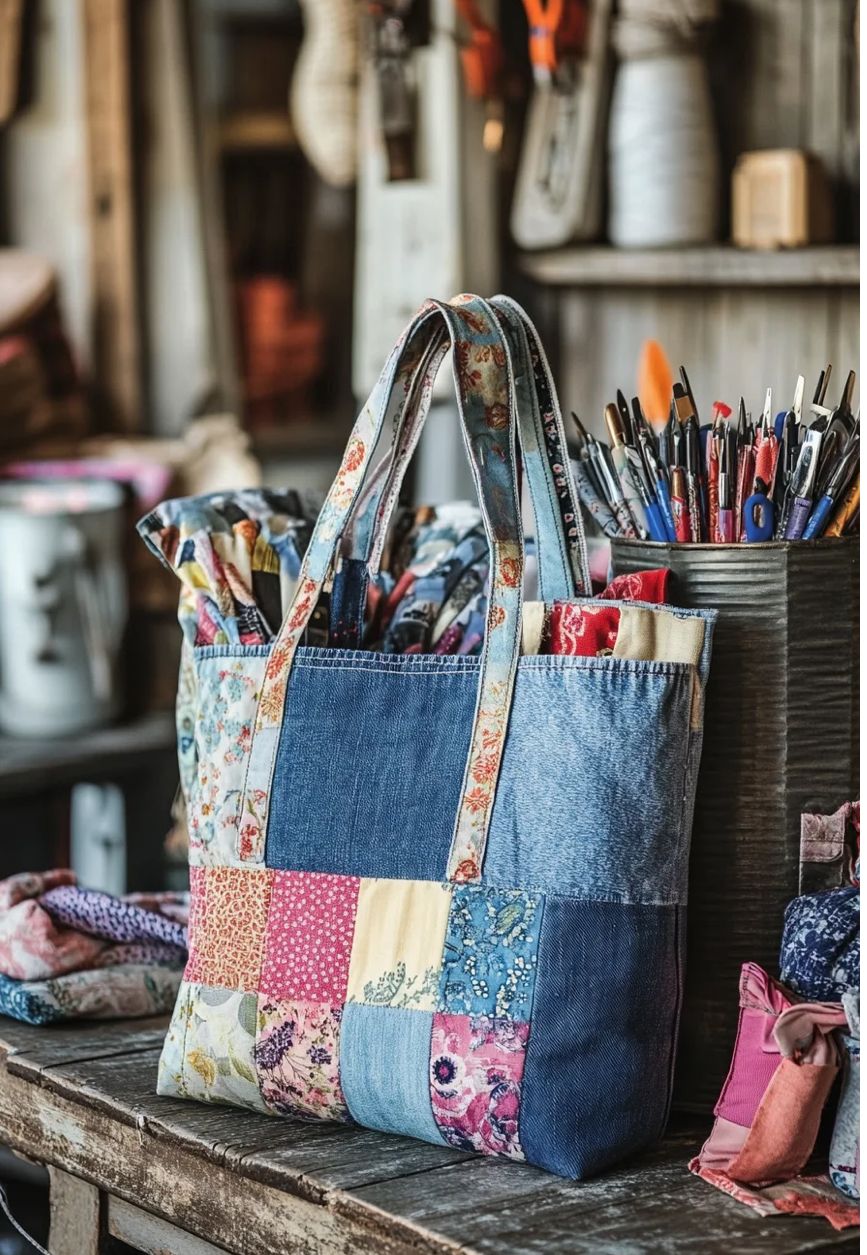
Small reusable bags made from leftover fabric pieces. They are practical and can be customized with simple designs or patterns.
Why these ideas work
What makes these items sell is not complexity—it’s usefulness and style.
People buy them because:
- they are small and easy to use
- they fit into everyday fashion
- they feel handmade and unique
And honestly, smaller items tend to sell faster than complicated clothing because they are easier to choose and don’t require sizing decisions.
Startup cost
Estimated startup cost: usually low, around $5–$20 depending on whether you already have fabric or need to buy supplies.
- fabric scraps can be reused or sourced cheaply
- basic sewing tools are enough
- no need for advanced machines to begin
Where they usually sell well
- Etsy (especially for handmade accessories)
- Instagram (for visual appeal and small drops)
- Pinterest (for discovery and traffic)
You don’t need to start big or complicated. These small fabric crafts are easier to make in batches, easier to test, and easier to improve as you go.
Professional-looking crafts are often easier to achieve than expected when you understand basic techniques, especially for items for How to Make Resin Jewelry with Real Flowers That Looks Professional at Home and decorative pieces.
4. Small Handmade Gift Items
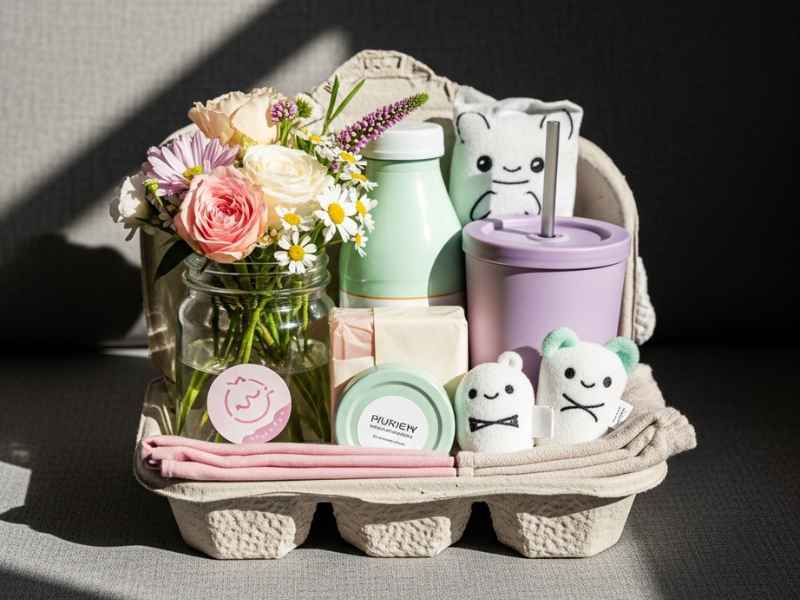
Small handmade gift items are one of the easiest ways to start selling crafts because people don’t just buy them for use—they buy them for emotion. When someone is choosing a gift, they want something thoughtful, personal, and easy to give.
What you can make
-
Mini Pouches
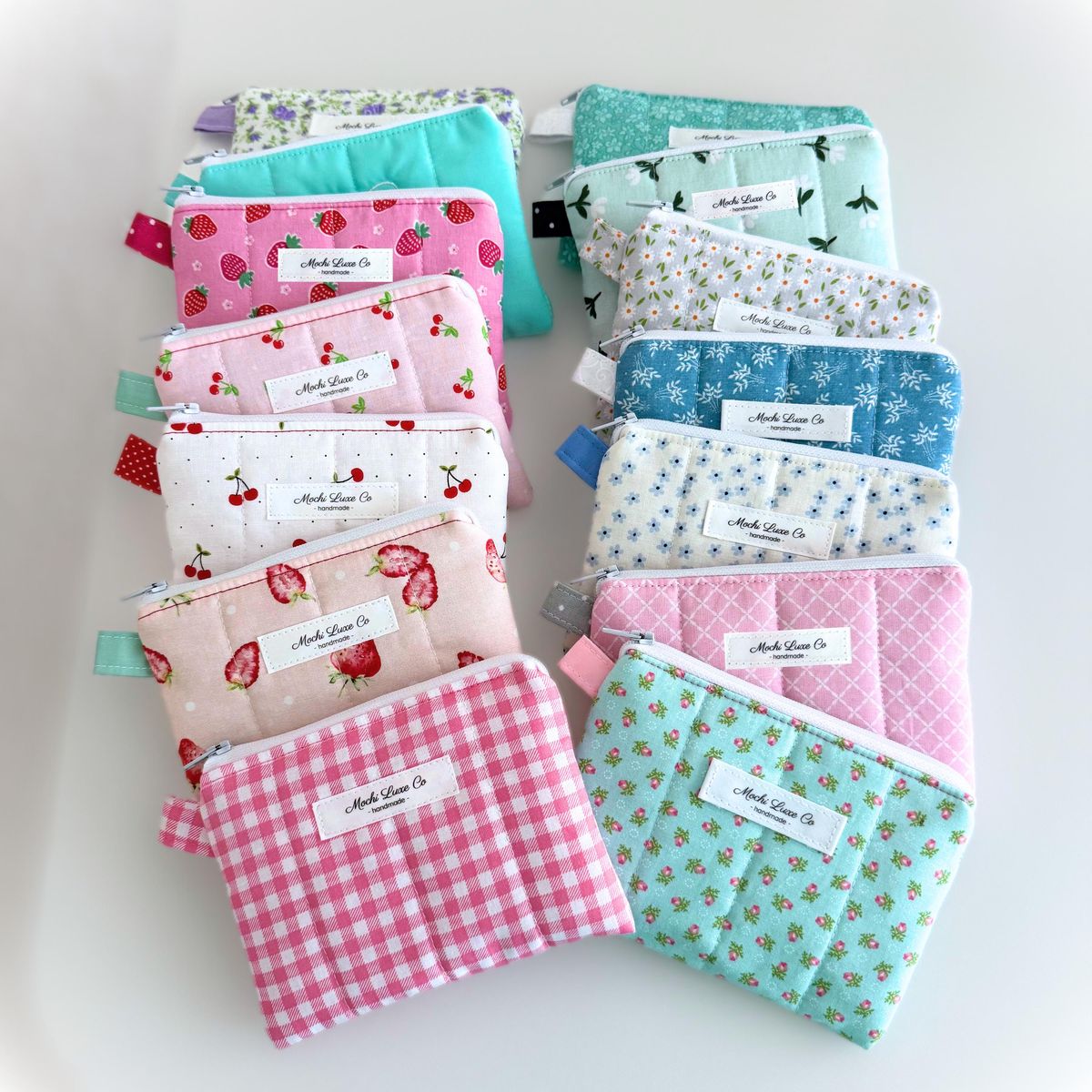
Small fabric pouches used for coins, earbuds, or tiny personal items. They are practical and can be made from leftover fabric or simple materials.
-
Gift Bundles (themed sets)
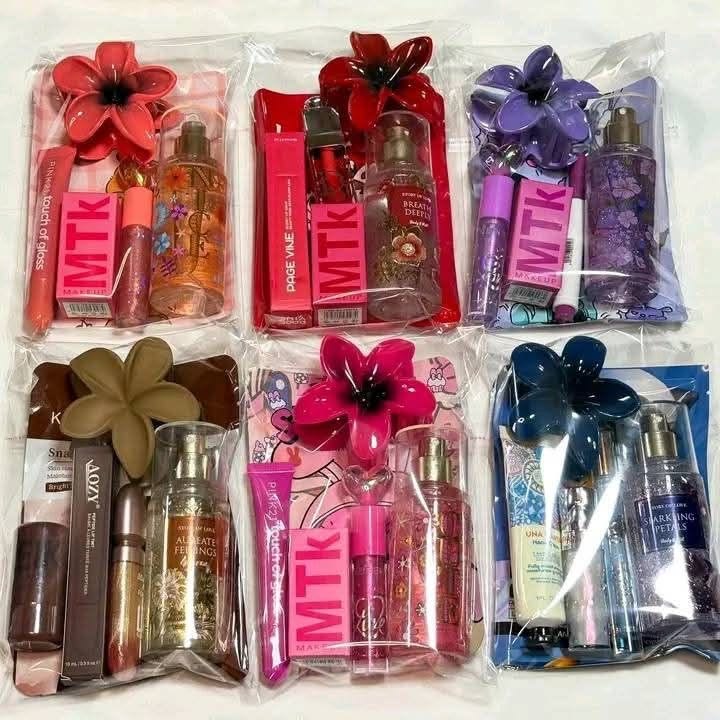
A combination of small handmade items packaged together, like a mini self-care set or a simple “gift box” collection. These feel more valuable because they are presented as a complete gift.
Why this works
What makes these items sell is not complexity, it’s emotion.
People buy them because:
- they are easy gift options
- they feel personal and thoughtful
- they remove the stress of choosing a perfect gift
Gift items often sell better than random crafts because buyers are already in a buying mindset, especially during birthdays, holidays, and special occasions.
Startup cost
Estimated $5–$25 depending on materials and packaging
- crochet items need basic yarn and hooks
- pouches can be made from scrap fabric
- gift bundles depend on what you already have
Where they sell well
- Etsy (gift-focused shoppers)
- Instagram (visual appeal + gifting content)
- Pinterest (high discovery for gift ideas)
If you focus on small, giftable items, you don’t need complicated designs. People are not always buying “perfect crafts”—they are buying something that feels meaningful and ready to give.
A relaxed creative session can also spark simple business ideas, especially when exploring Cozy Craft Night Ideas for Adults to Relax, Unwind, and Get Creative at Home, where stress-free crafting often leads to sellable handmade products.
5. Upcycled / Reused Material Crafts
Upcycled crafts are one of the smartest ways to start if you feel stuck because of money. This is where you turn things you already have, old clothes, jars, scraps, into something useful or decorative.
It’s also a strong entry point for anyone exploring craft business ideas for beginners because the startup cost can be extremely low.
What you can make
-
Fabric Scrap Crafts
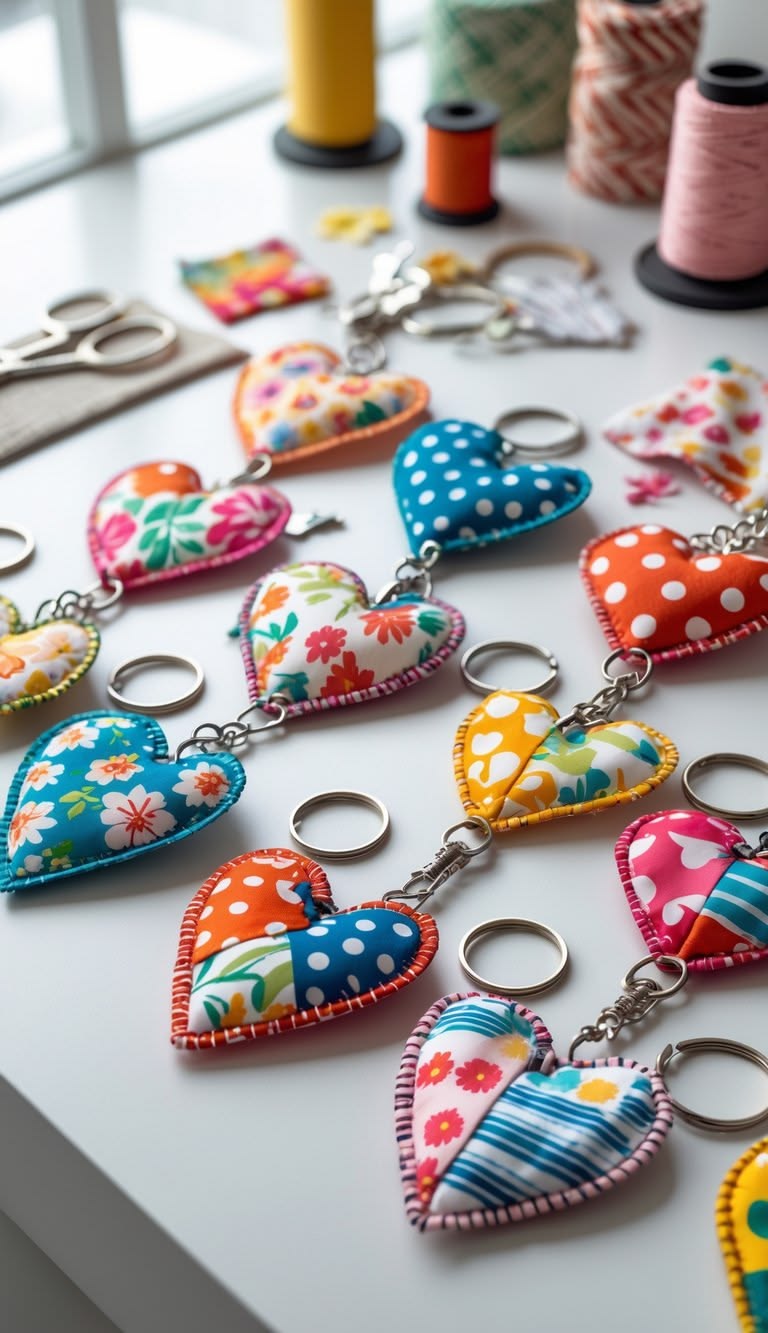
Small items made from leftover fabric pieces like patches, mini accessories, or simple home décor pieces.
-
Repurposed Jars into Decor

Old glass jars turned into candle holders, storage containers, or simple decorative pieces for homes.
-
Old Clothes into Simple Accessories
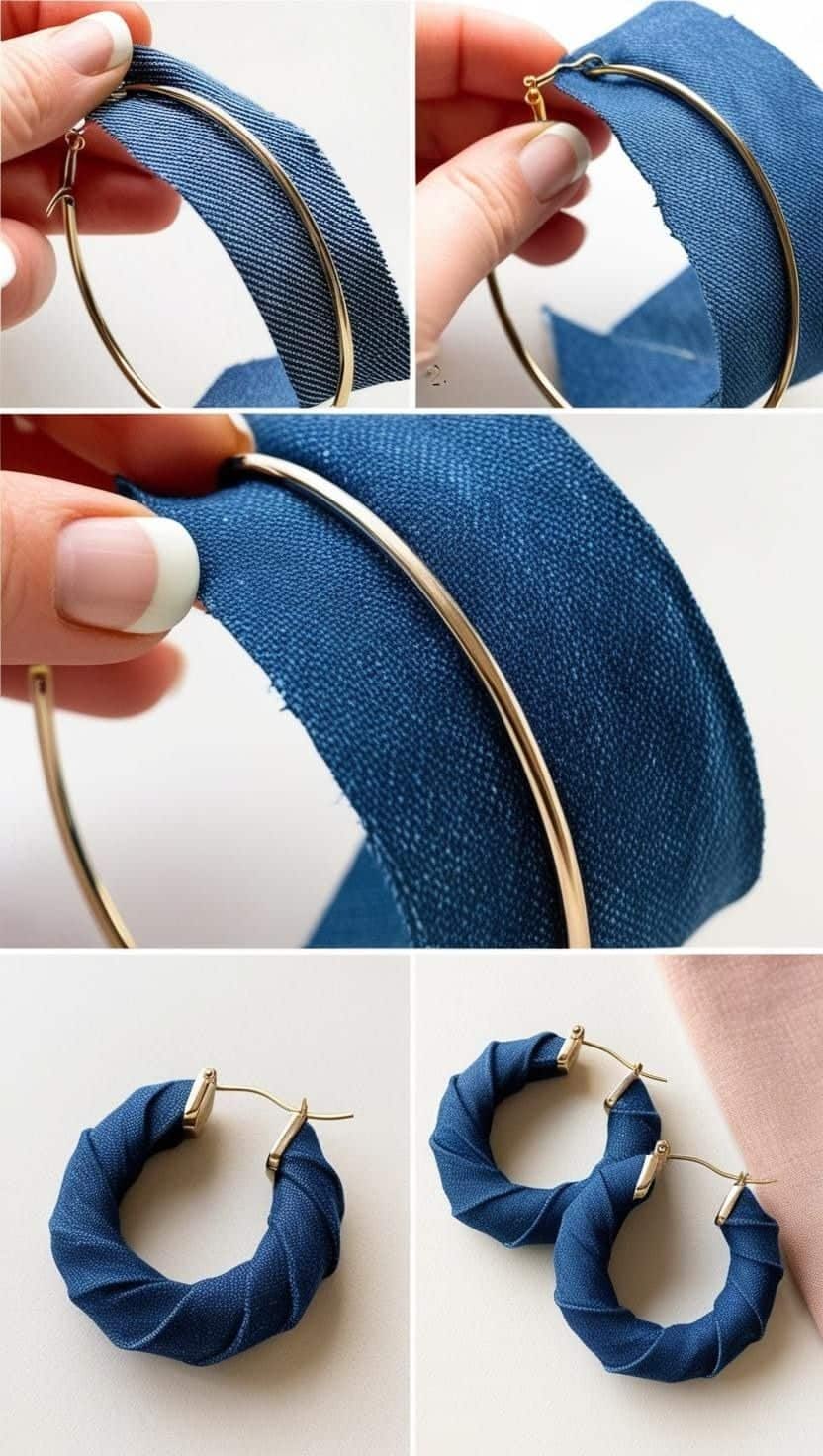
Worn-out clothes transformed into small bags, headbands, or fabric items instead of throwing them away.
Why this works
This category solves a very real problem:
“I don’t have money to start.”
It works because:
- you reuse what you already have
- it reduces material cost almost to zero
- it fits into the growing sustainability trend
People also love upcycled items because they feel creative, unique, and environmentally friendly.
Old materials can become valuable products again, especially when applying ideas from 15 Genius Ways to Upcycle Old Clothes Into Trendy New Outfits, which show how waste can turn into income.
Startup cost
Estimated $0–$15 depending on what you already own
- many materials come from things you already have at home
- optional supplies may include glue, paint, or basic tools
- no expensive equipment needed
Where they sell well
- Etsy (eco-friendly handmade niche)
- Pinterest (DIY and upcycling searches)
- Instagram (visual transformation content performs well)
This is one of the easiest ways to start when money is tight because you’re not constantly buying new materials. Instead, you’re working with what’s already around you and turning it into something useful or beautiful.
Early creativity matters, and many fun beginner projects inspired by 13 Popsicle Stick Crafts for Kids That Actually Keep Them Busy and Boosts Creativity can also develop skills that grow into small business ideas later.
6. Simple Crochet Crafts
Crochet is one of those skills that looks difficult at first, but once you learn the basics, it becomes one of the easiest ways to create small, sellable items from home. You don’t need expensive tools, just yarn, a hook, and a bit of practice.
What you can make
-
Crochet Keychains
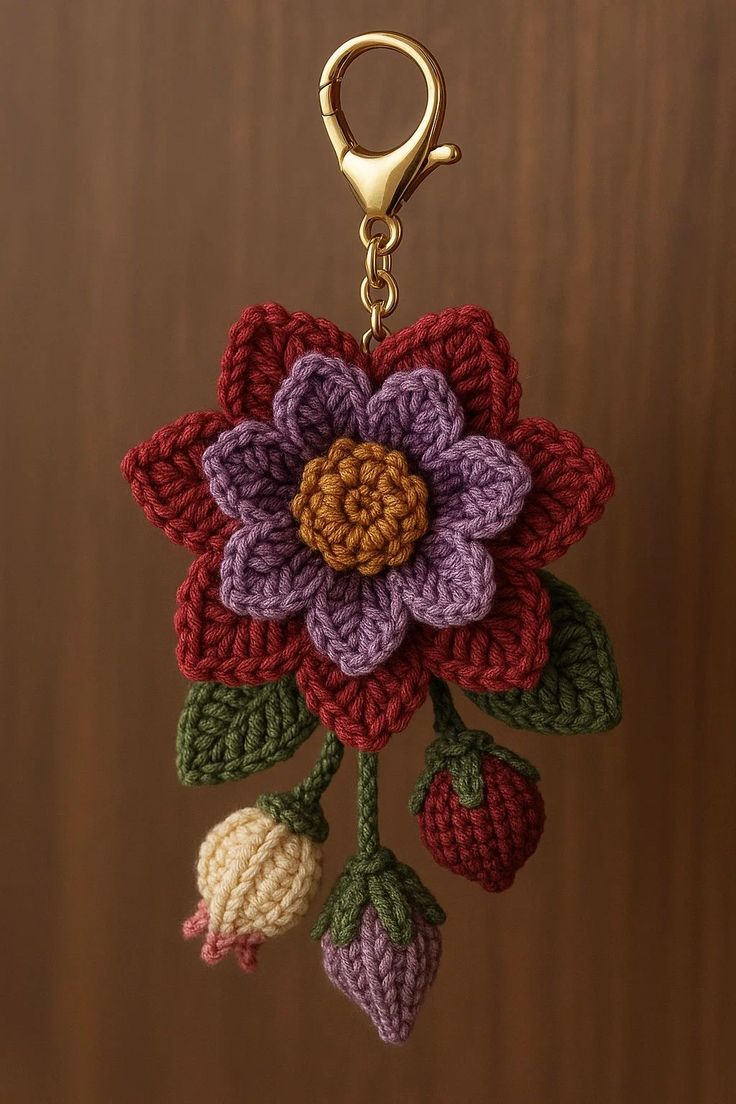
Small, quick projects that are easy to customize with colors and shapes. They are perfect for gifts and impulse buys.
-
Mini Bags or Pouches
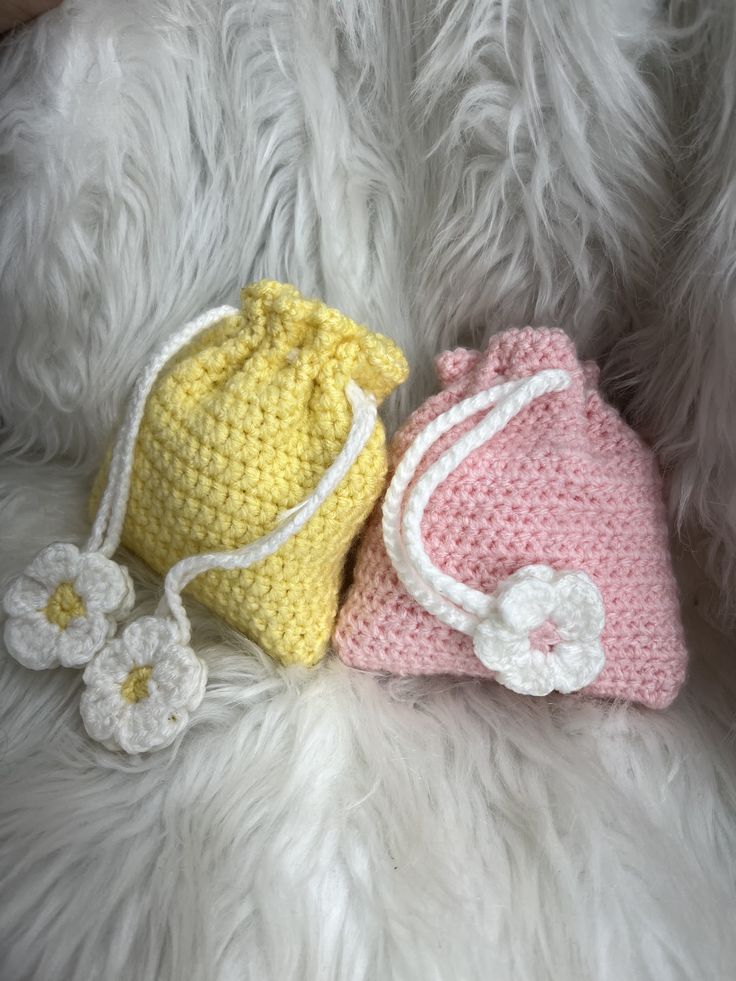
Simple crochet bags that are lightweight and trendy. These are popular for casual use and small accessories.
-
Coasters or Home Items
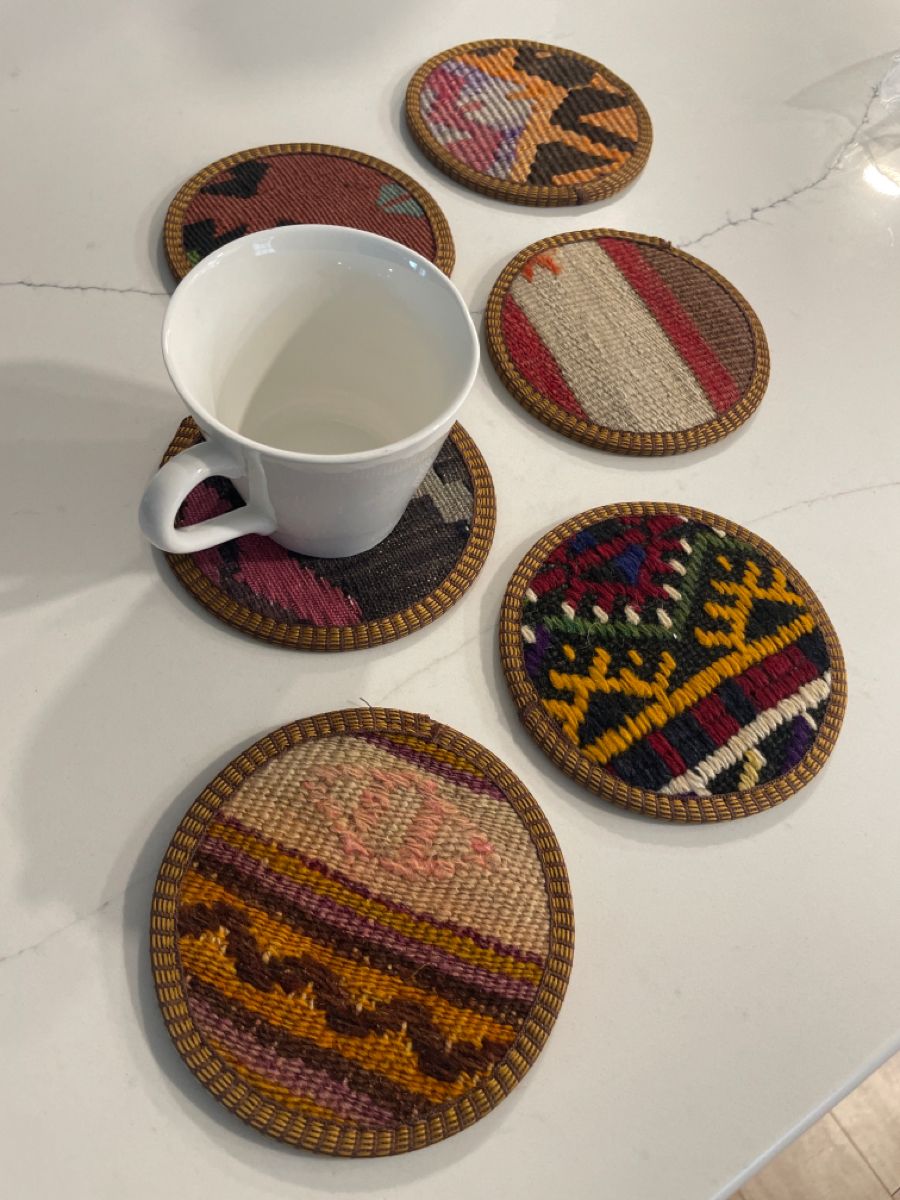
Basic home pieces that are both decorative and useful. They are easy to repeat and great for bundle sales.
Why this works
Crochet items sell because they feel:
- handmade and personal
- soft and aesthetic
- perfect for gifting or small home use
Smaller crochet items tend to perform better because they are quicker to make and easier for buyers to choose.
Startup cost
Estimated $5–$15 depending on yarn and hook quality
- yarn can be bought in small quantities
- one hook can be used for many projects
- no machines or advanced tools needed
Where they sell well
- Etsy (handmade and gift items)
- Pinterest (aesthetic, cute crafts perform well)
- Instagram (great for visual appeal and small shops)
Short, structured projects fit busy routines better, especially when inspired by 10 Super Fun After-School & Homework-Friendly Crafts Kids Can Make in 20 Minutes, where quick wins help build consistency and confidence.
How to Know What Will Actually Sell
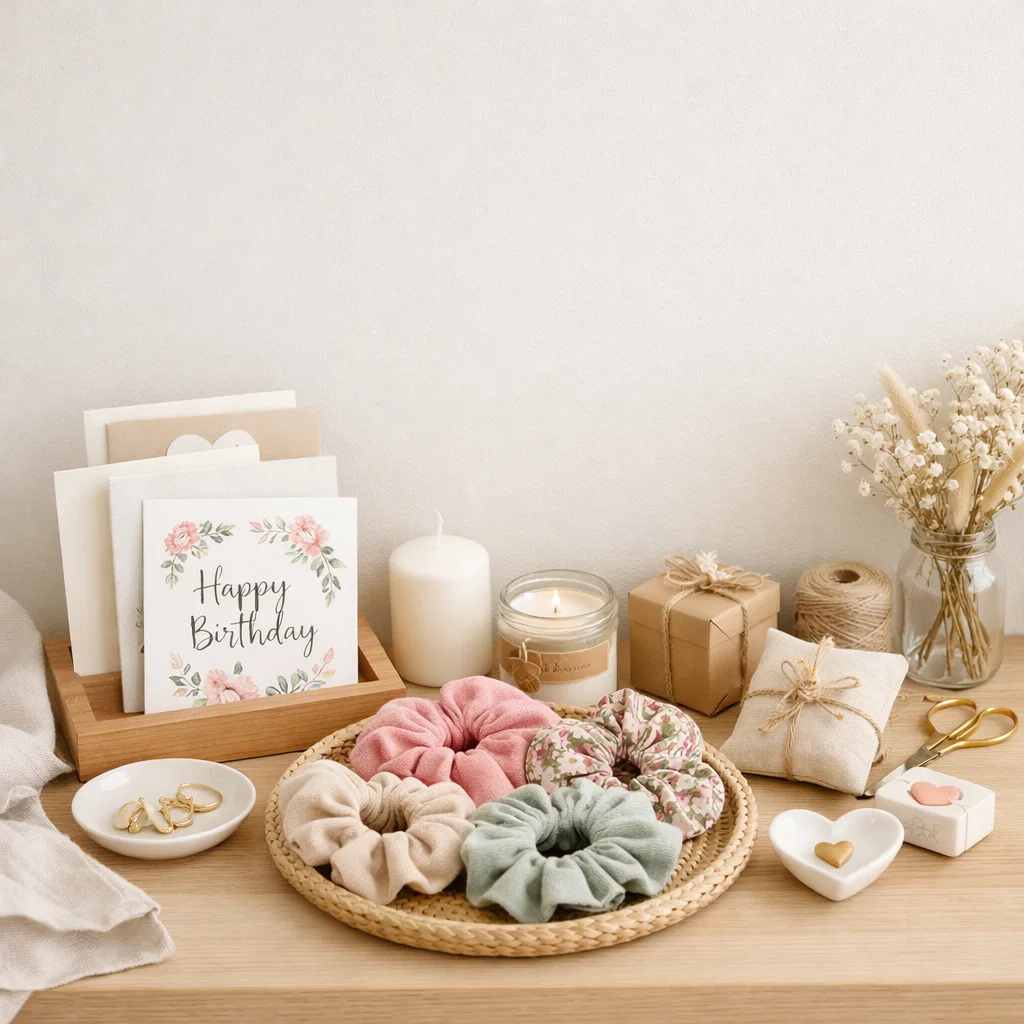
A lot of craft ideas look nice, but not everything that looks nice will actually make money. The difference usually comes down to what people are already searching for and buying repeatedly online.
1. Check Pinterest trending searches
Pinterest is one of the easiest places to spot demand early. Instead of just scrolling for inspiration, focus on what keeps appearing in search suggestions and related pins.
Pay attention to:
- repeated keywords in search bar suggestions
- pins with high saves (not just likes)
- similar product styles showing up across different creators
If the same idea keeps resurfacing, that’s a strong signal people are actively looking for it.
2. Look at Etsy bestsellers (not just inspiration boards)
Etsy is more reliable than random inspiration pages because it shows real buying behavior.
Check:
- “Best seller” tags in your niche
- shops with consistent reviews on the same product type
- items that appear in multiple shops, not just one
The goal is not to copy, but to understand what people are actually paying for.
3. Focus on repeatable products
Products that sell well are usually the ones you can remake easily without stress.
These include:
- simple designs that don’t change much per order
- items you can batch produce
- crafts that don’t require constant redesigning
The easier it is to repeat, the easier it is to scale.
4. Avoid over-decorated complex crafts
Very detailed or “too extra” crafts often slow you down and reduce profit.
They:
- take too long to produce
- cost more in materials and time
- are harder to price competitively
Simple usually wins because buyers care more about usefulness and consistency than heavy decoration.
Digital crafting tools may look advanced, but beginners can ease in by learning from guides like 10 Cricut Crafts Beginners Always Struggle With- And How to Make and Sell Them , which simplify the process and show real selling potential.
How to Know What Will Actually Sell (Offline)
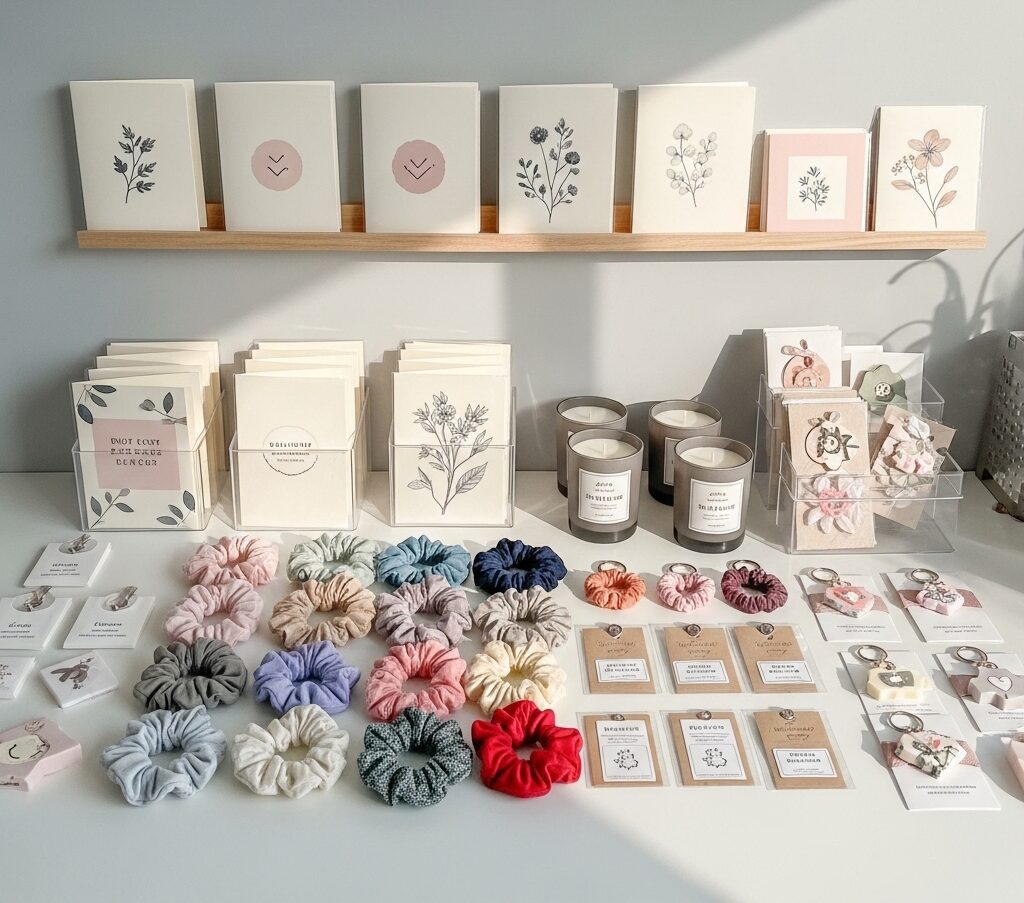
Offline selling is all about real-life behavior, what people pick up, ask for, and buy without much thinking.
1. Watch what people actually buy around you
Start with everyday places:
- gift shops
- supermarkets
- school events
- small roadside stalls
Notice what keeps getting restocked or picked up quickly. Those are your strongest signals. If something is always running out, it means demand is steady.
2. Pay attention to gifting moments
Offline sales are heavily driven by occasions.
Look at:
- birthdays
- weddings
- Valentine’s / festive periods
- school celebrations
Items that are small, pretty, and easy to gift usually move faster than large or complicated crafts.
3. Ask simple real-world questions
Instead of guessing, talk to people:
- “What do you usually buy as a small gift?”
- “What do you struggle to find when shopping for gifts?”
You’ll often discover gaps that aren’t obvious online.
4. Check local markets and stalls
Markets are one of the fastest ways to validate ideas.
Pay attention to:
- what vendors sell in multiples
- what attracts attention even if people don’t buy immediately
- which items are placed at the front (usually bestsellers)
If many sellers are offering the same type of item, it’s already proven — you just need a better or simpler version.
5. Focus on easy-to-carry products
Offline buyers prefer items that are:
- small
- affordable
- easy to gift immediately
Things like keychains, mini décor, or small handmade gifts usually outperform bulky or fragile crafts.
Know This:
Offline selling is less about trends and more about observation. If people are already picking it up, gifting it, or repeatedly stocking it, that’s your strongest signal that the idea or craft will sell.
Even beginners who feel uncreative can still start with simple ideas, just like those in DIY Projects for People Who Don’t Feel Crafty at All, which focus on easy steps and achievable result.