Missing the right tools can turn fun crafts into a headache. Check out the must-have crafting tools beginners often forget that save time and help your DIY projects look polished and professional.
There’s nothing more frustrating than starting a DIY project full of excitement… only to end up with crooked cuts, messy glue, or a finished piece that looks nothing like what you envisioned. If you’ve ever wondered why crafting feels harder than it should, it’s not because you lack talent, it’s because you’re missing the right tools.
Beginners often overlook the simple, game-changing tools that make a huge difference in every project. These are the must-have crafting tools beginners often forget, the ones that streamline your work, reduce mistakes, and make DIY projects genuinely enjoyable.
The right supplies don’t just make your projects look better, they make the entire process easier and more fun.
In this guide, you’ll see essential crafting tools for beginners and also you’ll know exactly what to grab before you start your next DI, and how these small, overlooked tools can completely change the way you craft.
Find global inspiration with Crafting Across Cultures: Meaningful Gift Ideas Inspired by Traditions Around the World, and discover how traditions can spark creativity in your own projects.
Before You Buy Anything: Take Note of these Mistakes
Before you rush out to buy every crafting tool you see, let’s take a step back. A lot of beginners make the same mistakes, and it can make crafting feel harder than it needs to be.
First, overbuying tools is very common. It’s easy to think you need every single item in a big kit, but most of them end up sitting in a drawer unused. Buying only the tools that solve real problems will save you money and frustration.
Second, choosing cheap versions of precision tools might seem like a good idea, but it often causes more problems than it solves. Blunt scissors, wobbly rulers, or sticky glue guns can make even the easiest project tricky and stressful. Investing in a few reliable tools will make your projects go much smoother.
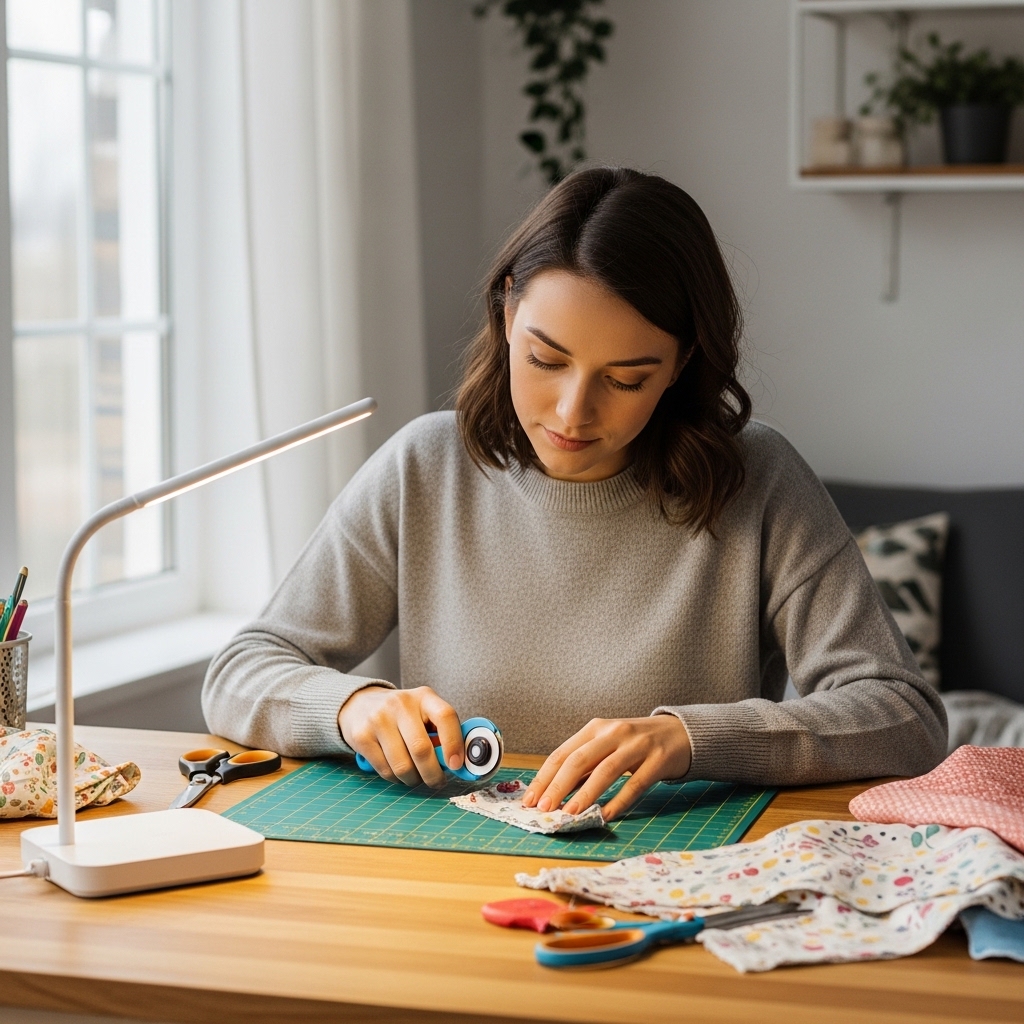
Third, beginners often forget about workspace setup. Good lighting, a proper cutting mat, and some basic organization can make a huge difference. A disorg or poorly lit space isn’t just annoying, it actually leads to mistakes that slow you down and make projects frustrating.
Finally, many beginners don’t think about what problem each tool actually solves. Every tool in this list is here for a reason, it fixes a common beginner struggle, from crooked cuts to messy glue or uneven hems.
So here’s the important part: every tool in this list earns its place by solving a real beginner problem. By focusing on the right tools and understanding why you need them, your DIY projects will be easier, cleaner, and a lot more fun.
Save time, money, and the planet with Eco-Friendly DIY Projects for Sustainable Living at Home That Save Money and Time, perfect for practical and creative craft lovers.
The Essential Must-Have Crafting Tools Beginners Often Forget
1. Self-Healing Cutting Mat (With Grid Lines)
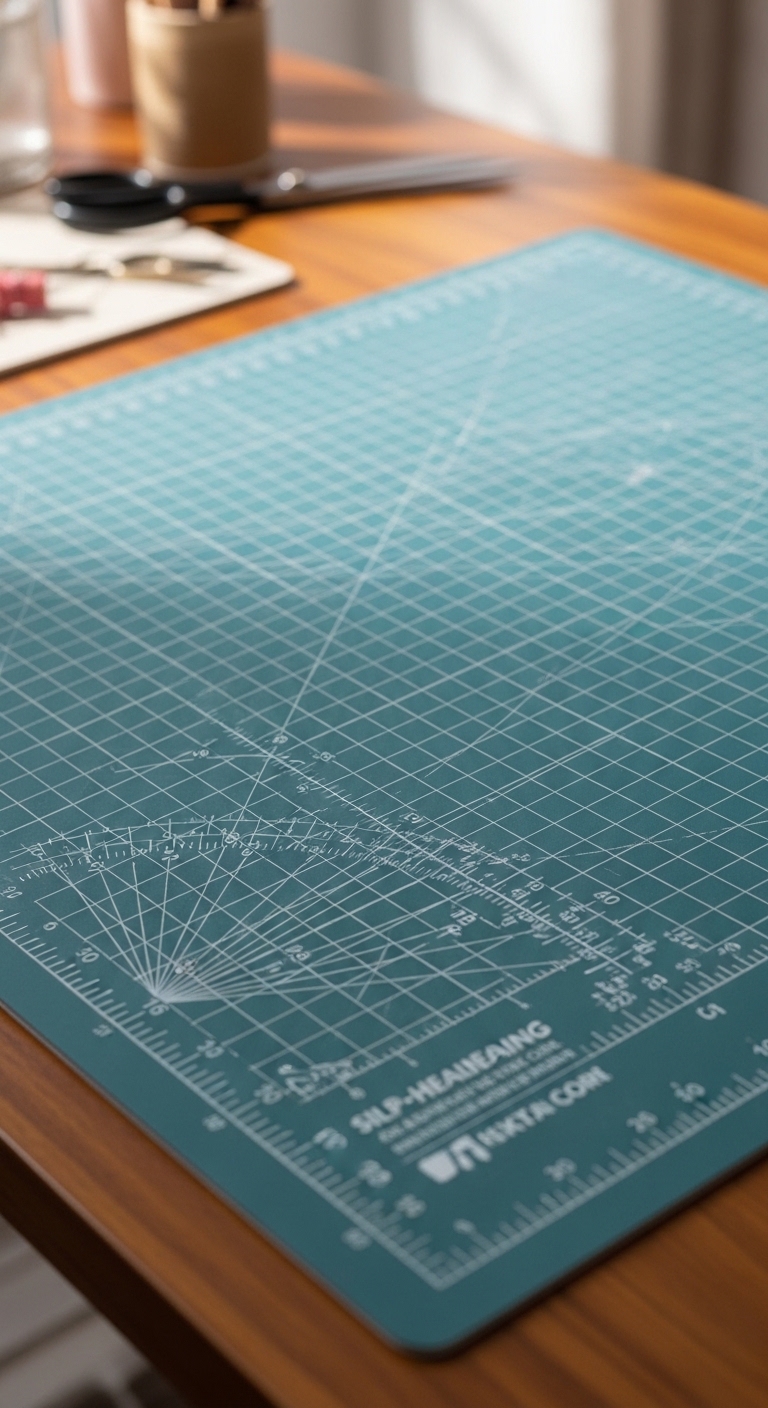
A self-healing cutting mat is a flat surface used for cutting paper, fabric, or vinyl. Instead of getting damaged, the surface “heals” after each cut, so it stays smooth and lasts longer.
Most mats also come with grid lines and angle markings, which are more useful than they seem at first. This is one of those essential crafting tools for beginners that quietly improves your work.
-
The mistake it fixes
Many beginners cut on any surface they find, like a table, without using a guide. This often leads to uneven cuts, damaged surfaces, and projects that don’t look neat. It can feel like a skill problem, but most times, it’s just the wrong setup.
-
How it makes projects easier
A self-healing cutting mat gives you a stable surface to work on. The grid lines help you line things up and cut straight, clean edges. Over time, your accuracy improves naturally. This is why it’s one of the must-have crafting tools beginners often forget, even though it plays a big role in getting clean, professional-looking results.
-
Know this
Don’t just use the mat to protect your table, use the grid lines as your guide when cutting. Align your material with the lines before you cut. It may feel slow at first, but it trains your eyes and hands to be more precise.
Bring family together with 12 Easy Sewing Projects Adults and Kids Will Actually Complete Together, where fun and learning meet in simple, achievable designs.
2. Fabric Glue Pen (Precision Tip)
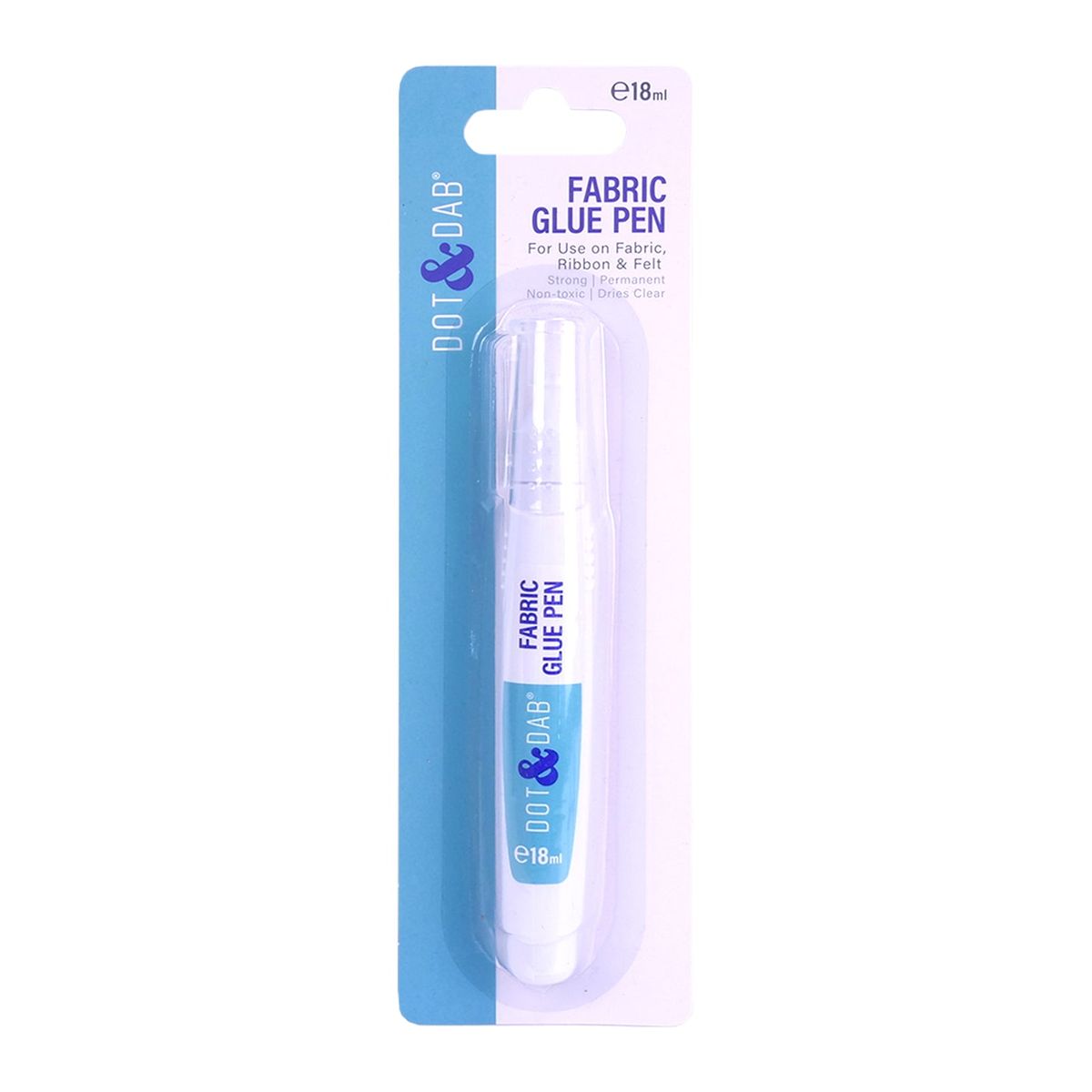
A fabric glue pen is a small, easy-to-control tool designed to apply glue neatly on fabric, paper, or small DIY details. Unlike regular glue bottles that can get messy quickly, this pen-style tool allows you to apply glue exactly where you need it.
It’s one of those essential crafting tools for beginners that can instantly improve how clean and polished your projects look.
-
The mistake it fixes
As a beginner, you might notice glue spreading too much, soaking into fabric, or leaving visible stains. This usually happens because regular glue bottles release more glue than needed.
It can make your project look untidy or even ruin your materials. This is a common issue many people face when they don’t yet have the right DIY tools for beginners.
-
How it makes projects easier (real benefit)
A fabric glue pen gives you better control, especially when working on small areas, edges, or detailed designs. You can apply thin, even lines without overdoing it. This makes your work look cleaner and more professional. It’s one of the must-have crafting tools beginners often forget, but once you use it, you’ll see how much easier it is to manage glue without stress.
-
Know this
Start with a small amount and add more only if needed. Most beginners use more glue than necessary, but a little goes a long way. Also, test the glue on a scrap piece first to see how it reacts with your fabric. This simple step can save your main project from mistakes.
Unwind after a long day with Cozy Craft Night Ideas for Adults to Relax, Unwind, and Get Creative at Home, and transform your evening into a stress-free creative session.
6. Craft Clips (Instead of Pins)
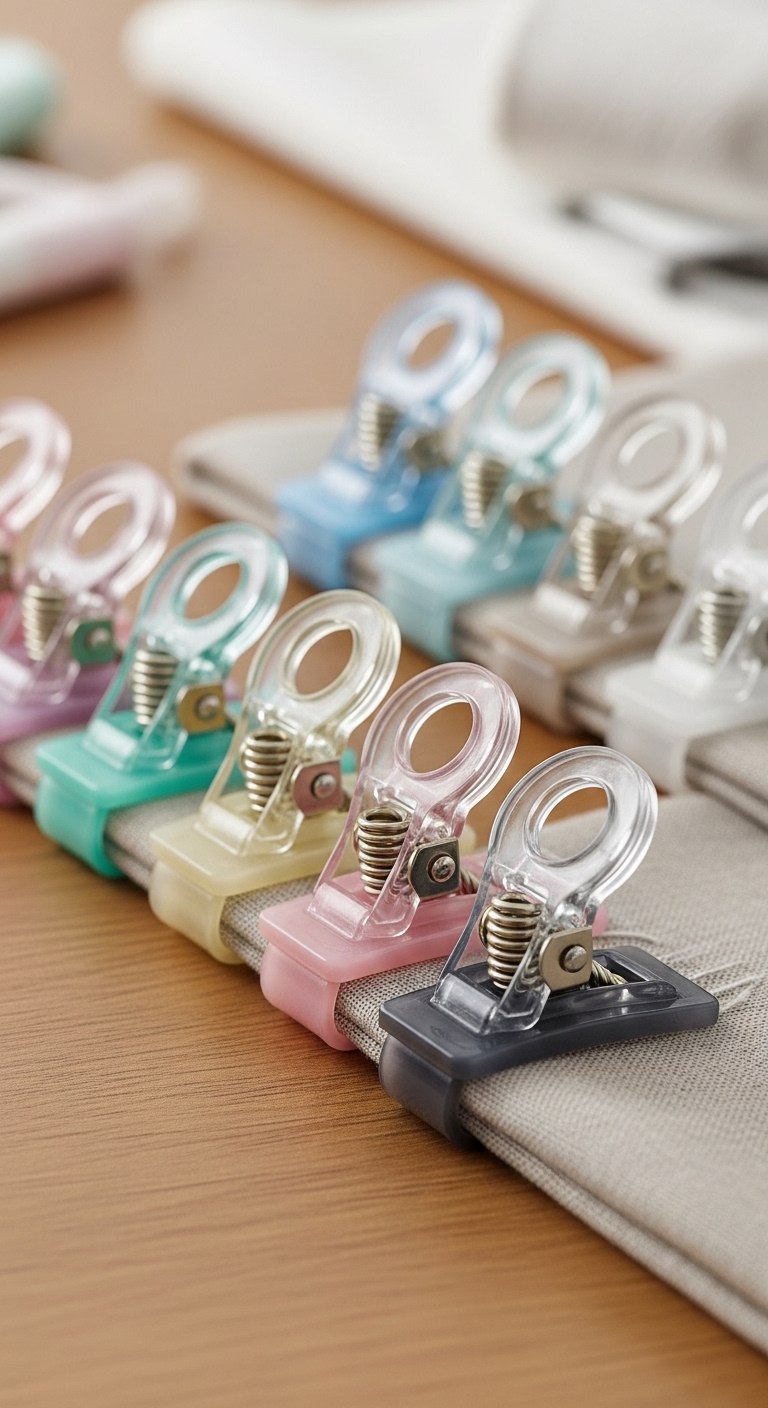
Craft clips are small, spring-loaded clips used to hold fabric or paper layers together. Unlike pins, they don’t pierce the material, so you can secure pieces quickly without leaving holes or risking finger pricks.
They’re one of those important crafting tools for beginners that make working with thick or layered materials much easier.
-
The mistake it fixes
Using pins on thick fabrics or multiple layers can be tricky. Pins may bend, slip, or leave permanent holes. It’s also easy to poke your fingers when adjusting them, which slows down your workflow and can get frustrating.
-
How it makes projects easier
Craft clips hold layers firmly in place without damaging the material. They allow you to sew, glue, or cut with confidence, keeping everything aligned. This is why they’re one of the must-have crafting tools beginners often forget, they make handling tricky materials safer and more efficient.
-
Know this
Use clips sparingly and space them evenly for the best hold. They’re especially useful for quilts, thick fabrics, or multi-layered DIY projects. Keep a small container nearby so you always have them within reach.
Add sparkle to your parties using DIY Sequin Clutch Tutorial: Easy & Sparkly Party Handbag You Can Make Yourself , a perfect project for style-savvy crafters.
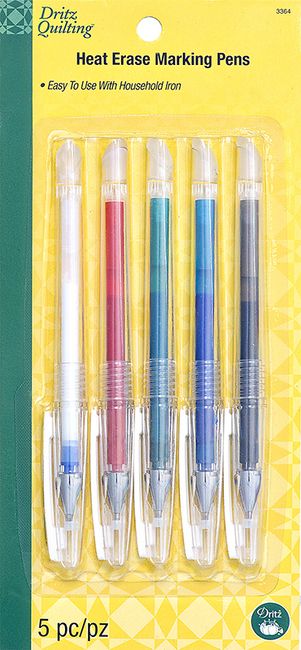
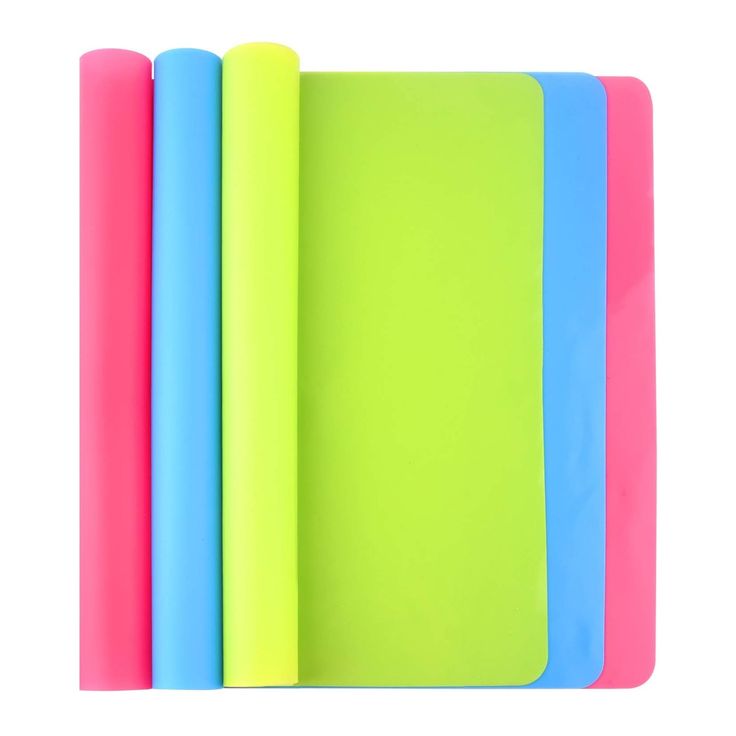
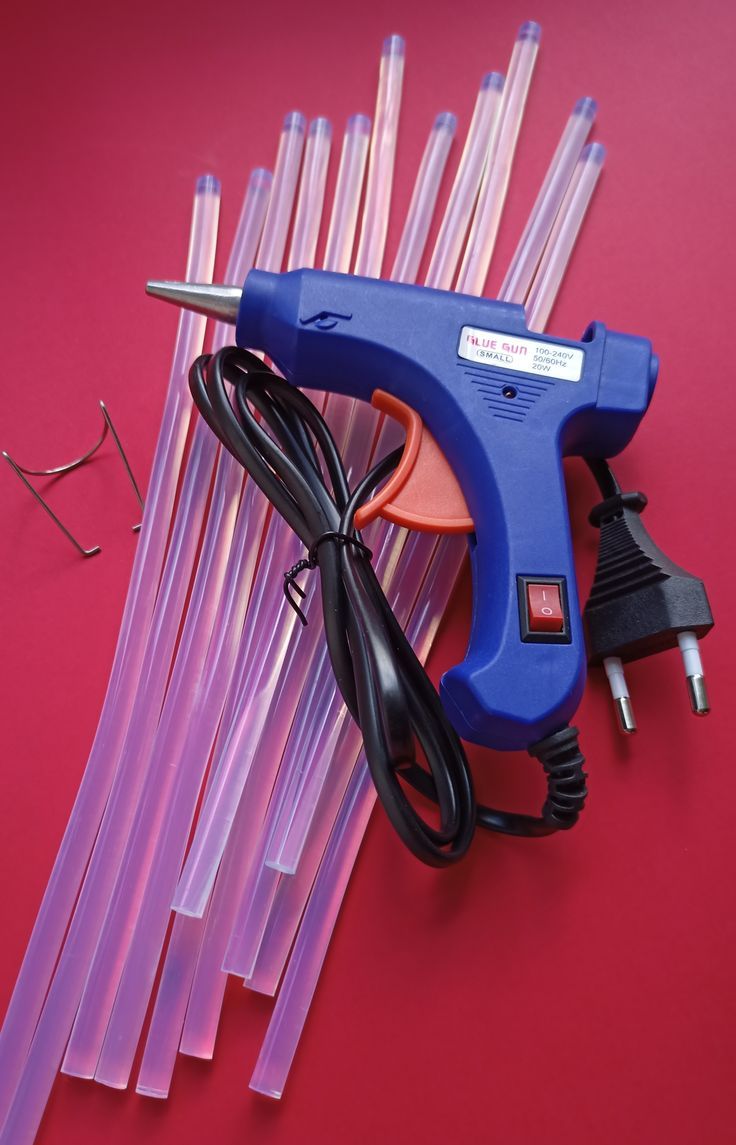
11. Washi Tape (Used as a Guide Tool)
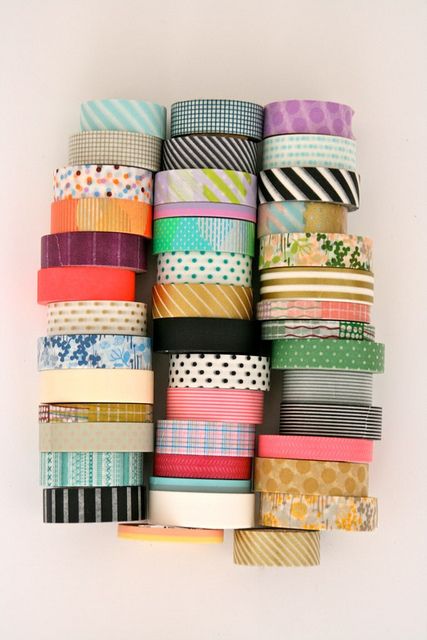
Photo credit: @ tumblr
Washi tape is a decorative, low-tack adhesive tape that sticks lightly to surfaces without leaving residue. Beyond decoration, it can be an invaluable guide tool for measuring, marking, or keeping lines straight while crafting. It’s perfect for paper, fabric, wood, or even painted surfaces.
-
The mistake it fixes
Crooked lines, uneven spacing, or misaligned elements can ruin the look of a project. Trying to mark with a pencil or ruler alone often leads to mistakes, smudges, or repeated adjustments.
-
How it makes projects easier
Washi tape acts as a temporary guide. You can place it along edges or patterns to ensure straight cuts, consistent spacing, or alignment before committing to cutting, gluing, or painting. It doubles as a measuring, marking, and spacing tool while also protecting your material from accidental marks.
-
Know this
Use tape that’s easy to reposition and test it on scrap pieces first. For repeated patterns or precise borders, mark once with the tape and work along it as a visual and physical guide. Once your project is done, the tape peels off cleanly, leaving no damage behind.
Start your DIY business with 10 Low-Cost DIY Crafts to Make and Sell From Home , perfect for turning creativity into income without a big upfront investment.
12. LED Craft Light
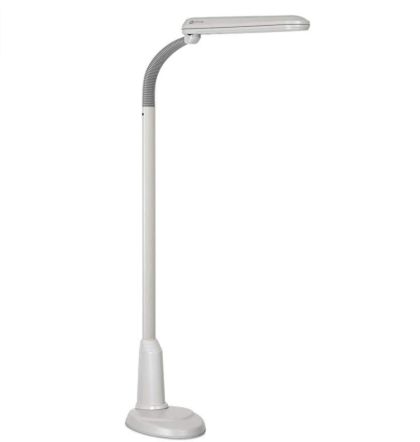
Photo credit: @ Iamppicker
An LED craft light is a compact, bright lamp designed to illuminate your workspace evenly. It’s adjustable, energy-efficient, and perfect for highlighting fine details while working on paper, fabric, or small DIY projects.
This is one of the must-have crafting tools beginners often forget, yet it can dramatically improve both comfort and accuracy while you craft.
-
The mistake it fixes
Poor lighting can lead to uneven cuts, misaligned patterns, smudges, or mistakes that aren’t visible until later. Even careful work can look sloppy if shadows obscure your view or colors appear different under dim light.
-
How it makes projects easier
A focused LED craft light reduces eye strain and ensures you see every detail clearly. Accurate stitching, cutting, or gluing becomes much easier when your workspace is well-lit. This small addition makes your projects look cleaner and more precise, saving time on corrections and improving overall results.
-
Know this
Place the light so it illuminates your work without creating harsh shadows. A flexible neck or adjustable stand is ideal, allowing you to angle the light exactly where you need it. Even subtle improvements in lighting can boost your control, confidence, and enjoyment while crafting.
14. Precision Craft Knife (Swivel Tip Optional)
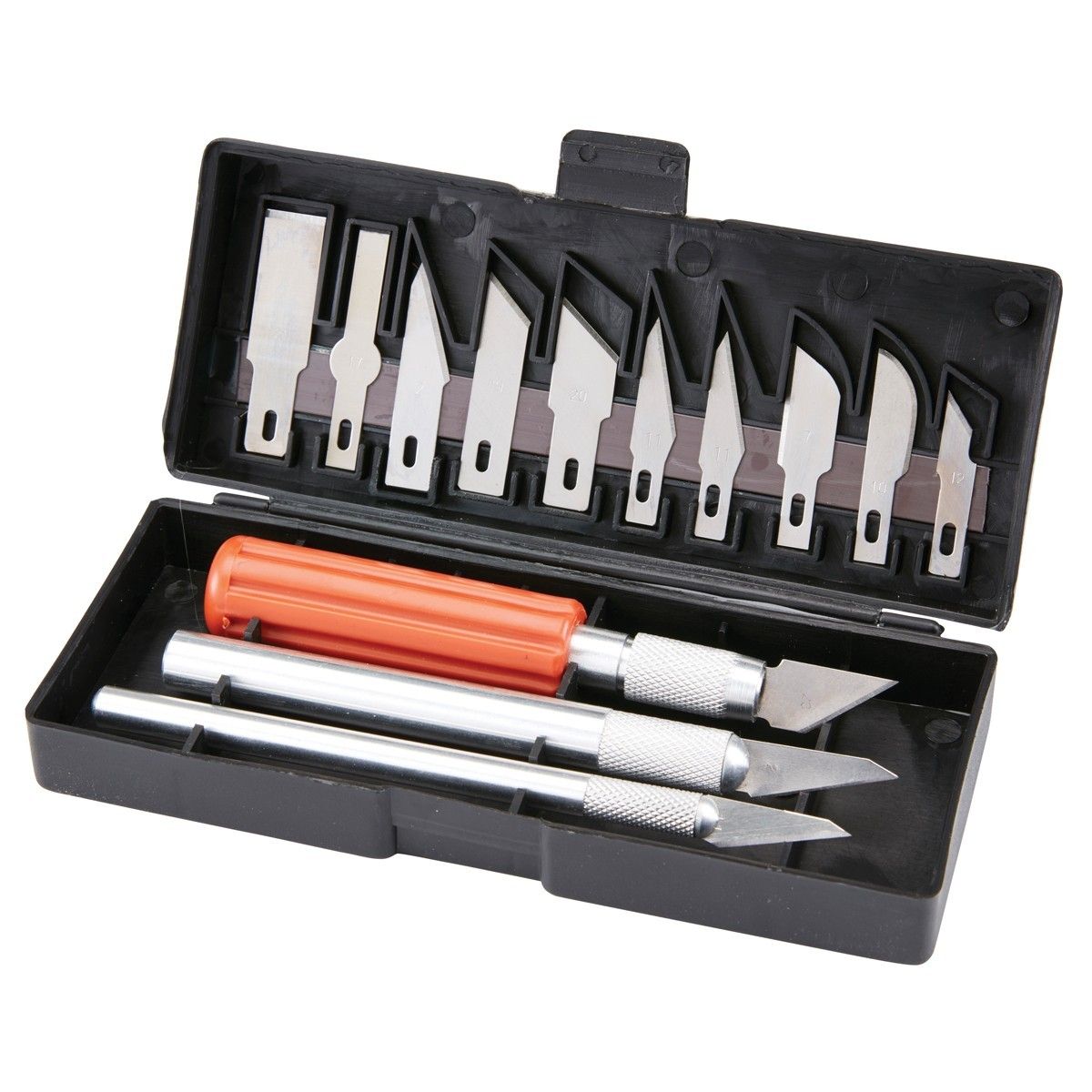
A precision craft knife is a small, sharp cutting tool designed for detailed work on paper, vinyl, thin plastic, or lightweight materials. The swivel tip option allows the blade to rotate slightly as you cut, making it easier to follow curves and intricate shapes.
This is one of those must-have crafting tools beginners often forget, especially when moving beyond basic straight cuts.
-
The mistake it fixes
Straight scissors or basic cutters can make curved or detailed designs difficult to achieve. Edges may look rough, uneven, or slightly off, especially when working on small or delicate patterns.
-
How it makes projects easier
A precision craft knife gives you better control when cutting fine details. The swivel tip helps you move smoothly around curves without constantly adjusting your hand position. This allows you to create cleaner shapes and more refined designs, opening the door to more creative and polished projects.
-
Know this
Always use a cutting mat underneath to protect your surface and keep the blade sharp. Work slowly and let the blade glide instead of forcing it. For best results, replace the blade regularly to maintain clean, precise cuts.
Craft a personalized wedding accessory using DIY Bridal Feather Hand Fan Tutorial, adding a handmade, elegant touch that guests will love.
How to Build Your Craft Kit Without Feeling Overwhelmed
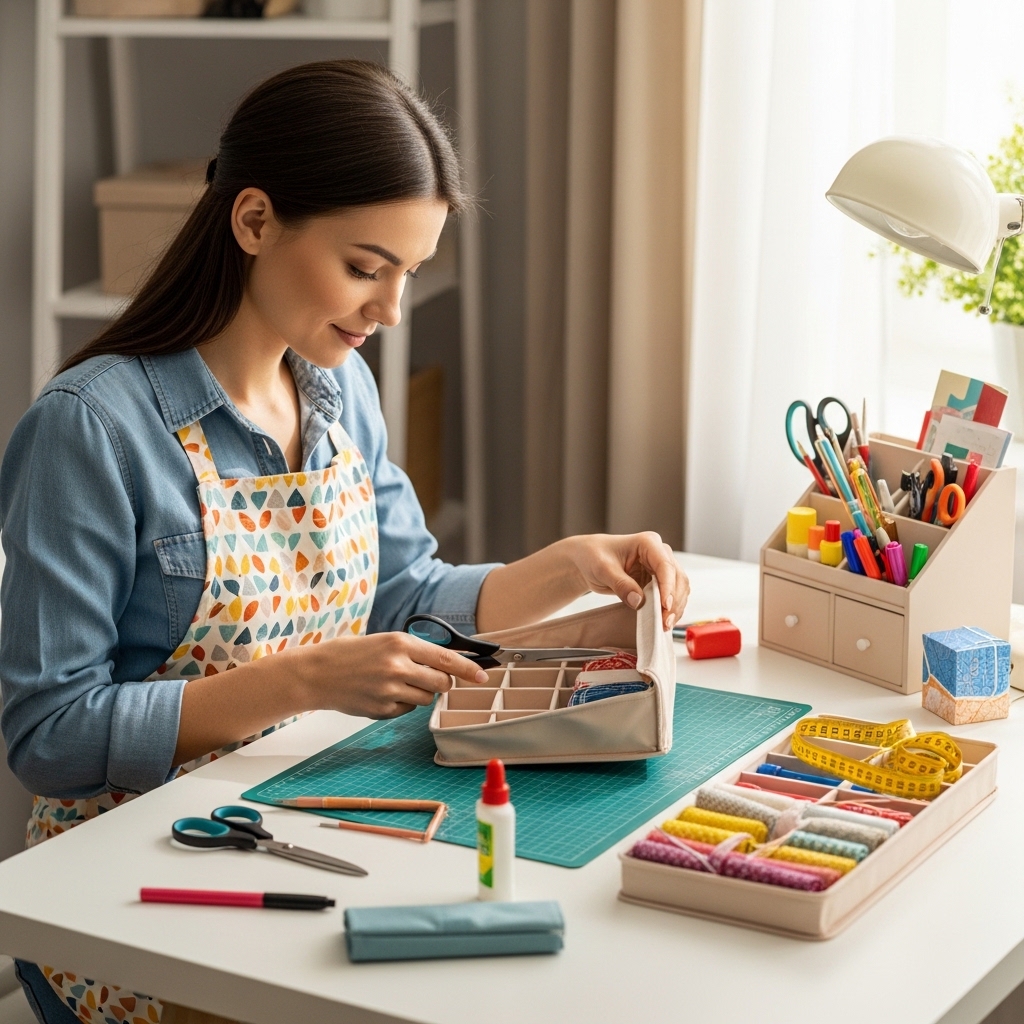
Starting a new craft can feel intimidating, there are so many tools and materials, it’s easy to get lost. The key is to start small and build intentionally.
-
Start with 5–7 core tools
Pick a handful of versatile tools that you know you’ll use in almost every project. Things like a cutting mat, scissors, a glue pen, and a measuring tape can handle most basic tasks and form the foundation of your kit.
-
Add tools as your projects demand
You don’t need everything at once. Introduce new tools only when a project requires them. This keeps your space manageable and your learning curve realistic, while still letting you explore new techniques gradually.
-
Focus on tools that solve repeated frustrations
Every tool in your kit should have a purpose. If a tool helps you avoid mistakes, work faster, or improve the quality of your work, it’s worth including. By prioritizing tools that directly fix problems you encounter, you’ll see noticeable improvements in both confidence and results.
Conclusion: Crafting Should Feel Easy, Not Frustrating
Tools don’t replace your creativity, they support it. The right tools make your workflow smoother, mistakes less frequent, and your finished projects look polished. Focusing on must-have crafting tools beginners often forget ensures you spend less time struggling and more time enjoying the process.
Start with one or two tools that solve your most common frustrations. Once you see how much easier they make your projects, you can gradually add more. This approach keeps crafting manageable, enjoyable, and satisfying.
Start small, improve your process, and watch your projects transform. With the right tools at hand, even complex DIY projects feel achievable and fun.