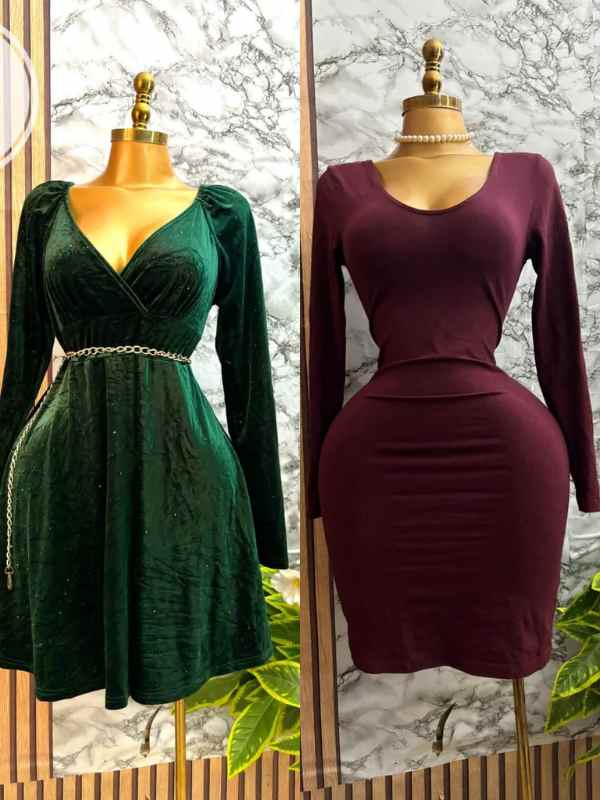
Not sure what sells? Learn the top-selling clothes for thrift business in nigeria (what moves fast) so you stock what customers actually want.
Starting a thrift business in Nigeria can be overwhelming, especially when you’re not sure which clothes actually sell or how to avoid wasting money on items that sit unsold. Many beginners struggle with thrift business ideas, guessing what will be profitable, and losing both time and capital.
If you’re just getting started, you might want to first read my detailed guide on Thrift Business in Nigeria: How to Start a Profitable Thrift Clothing Business , where I broke down startup costs, sourcing strategies, and how to position yourself for long-term profit.
In this guide, we’ll go deeper into one of the most important success factors, choosing the right clothes. You’ll discover the best clothes to thrift and resell in Nigeria, learn what sells fast, and know exactly how to prioritize items for maximum profit.
By the end, you’ll have a clear plan to stock smarter and start making sales confidently.
Reason Not All Clothes Sell in Nigeria
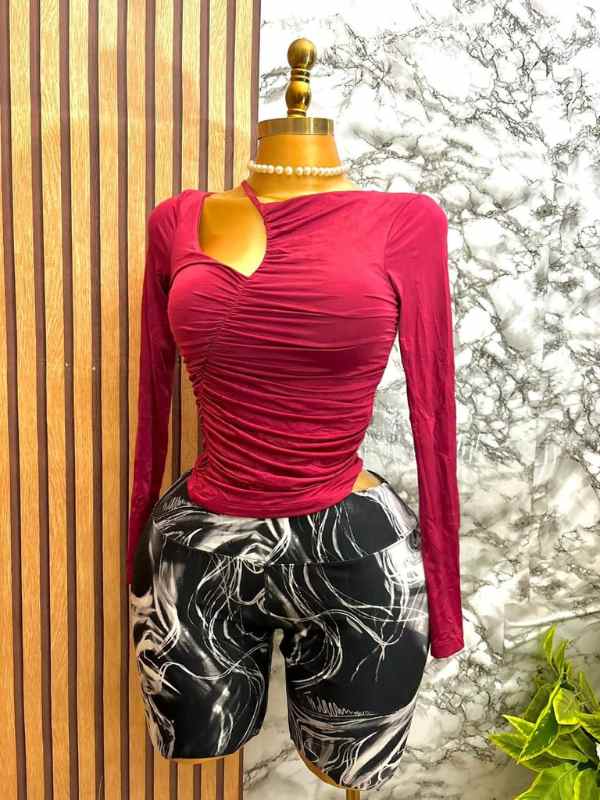
Not every item you thrift will turn a profit, and understanding why some clothes sell while others don’t is the key to a successful thrift business in Nigeria.
Not every item you buy to resell will move fast. Here’s why:
1️⃣ Fashion Trends Are Seasonal and Regional
-
What’s popular in Lagos may not sell in Kano.
-
Seasonal clothing (like heavy coats) may struggle in most parts of Nigeria with hot climates.
-
Fast-changing trends mean yesterday’s “hot” item could be unsellable today.
2️⃣ Quality and Condition Matter
-
Clothes with stains, tears, or poor fabric rarely sell.
-
Nigerian buyers often prefer well-kept secondhand items or branded quality thrift.
3️⃣ Sizing and Fit Issues
-
Clothes that don’t fit the average size range of your target customers will sit unsold.
-
Oversized or tiny clothes that are hard to alter can be risky.
4️⃣ Brand Awareness & Recognition
-
Clothes from brands that Nigerians know and trust tend to sell faster.
-
Generic, unknown brands might take longer to move.
5️⃣ Cultural and Style Preferences
-
Certain colors, patterns, or styles may not resonate with your audience.
-
Religious, modesty, or lifestyle considerations can influence sales.
6️⃣ Pricing Mismatch
-
Overpricing secondhand items in Nigeria can kill sales, even if the item is high quality.
-
Pricing too low may also signal low quality to buyers.
By understanding these realities, you can prioritize thrift items that are more likely to sell quickly, make smarter purchasing decisions, and avoid the common trap of guessing what customers want. This knowledge is what separates a profitable thrift business from one that struggles.
Looking to improve your online thrift store listings? How to Write Thrifted Clothing Descriptions That Build Buyer Trust and Boost Sales covers essential description-writing strategies that can help boost engagement and sales.
Fast-Selling Categories You Might Overlook
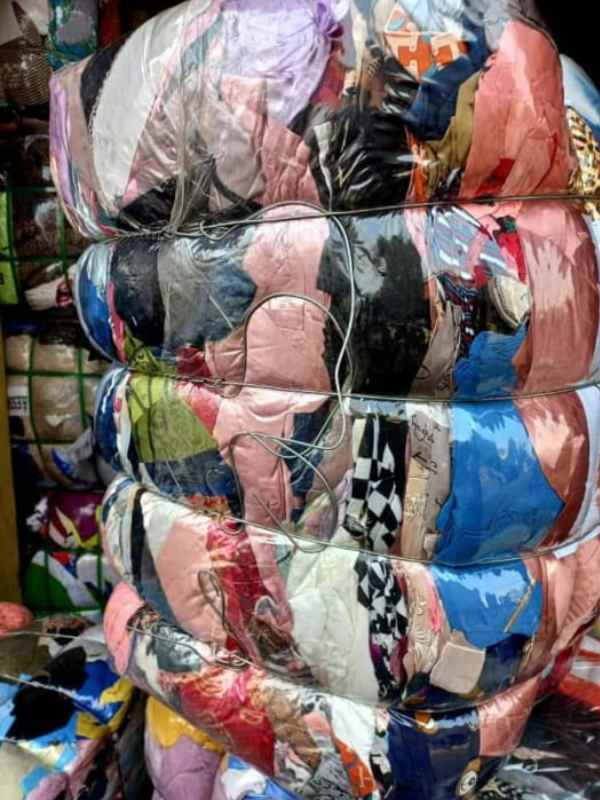
In the Nigerian thrift market, some categories consistently move faster than others, but beginners often overlook them, focusing only on obvious items.
Knowing top-selling clothes for thrift and why they’re in demand can save you both time and money, and set your thrift business up for consistent profit.
-
Children’s Clothes
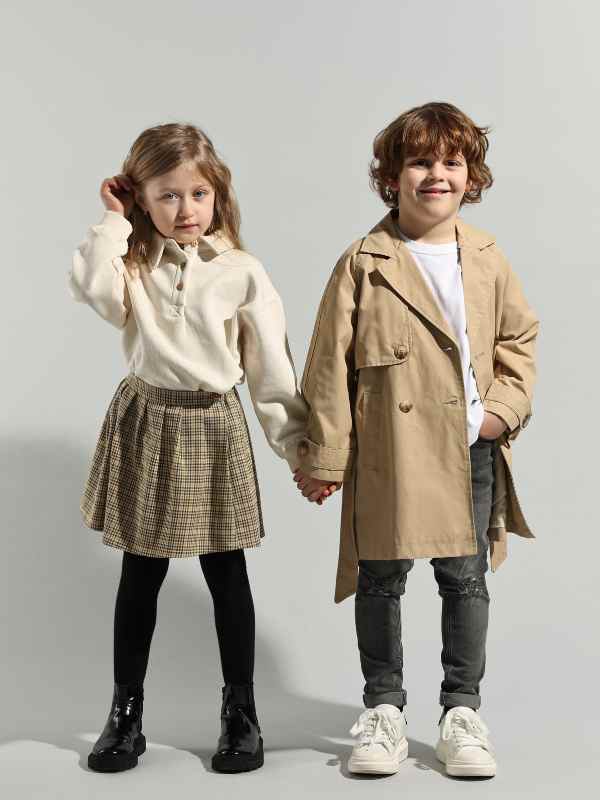
Parents are always on the lookout for affordable, quality outfits for their children. Sizes change quickly as kids grow, creating a constant demand for school uniforms, casual wear, and festive outfits. Items like durable cotton shirts, small trousers, and playful dresses tend to sell almost immediately. The high turnover means you can reinvest quickly, keeping your thrift business cash flow steady.
Clear instructions and beginner-focused designs are easier to spot once you understand the strategies explained in How to Find Sewing Patterns That Are Easy to Follow and Beginner-Friendly (Save Hours of Frustration).
2. Workwear & Office Clothing
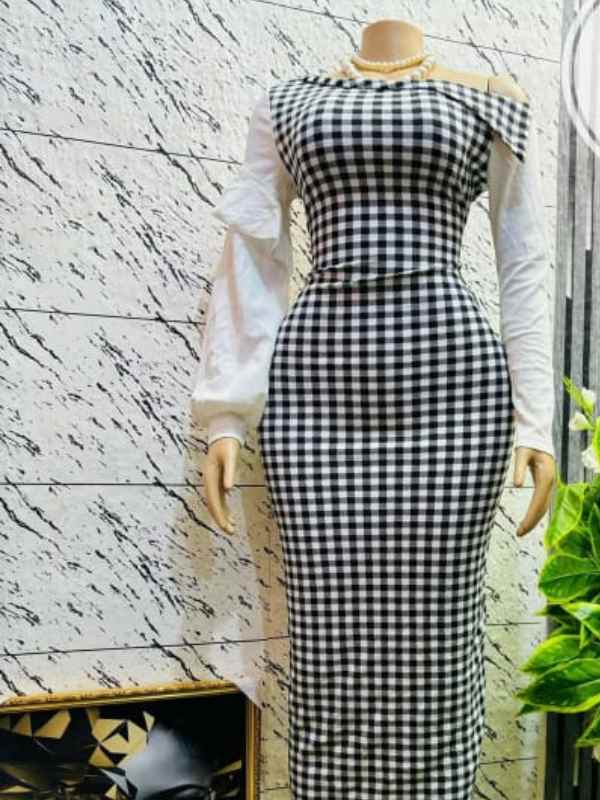 Adults need reliable outfits for work, especially in urban centers. Men’s shirts, blouses, trousers, and skirts suitable for offices often have repeat buyers. These items sell fast because people are looking for affordable alternatives to new, expensive workwear. Knowing the types of workwear that are in demand in your local market, you can stock your shelves strategically and reduce the risk of unsold inventory.
3. Trendy Fabrics & Materials
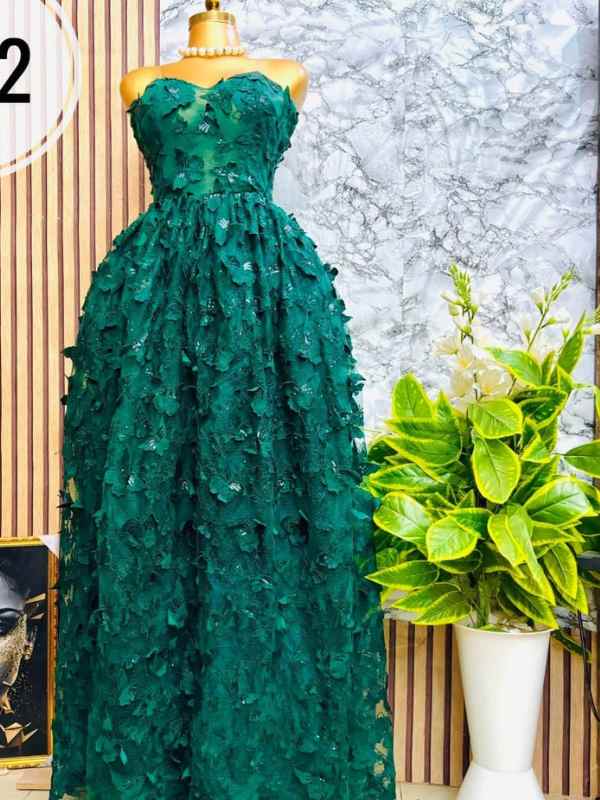
Not all fabrics are created equal. Cotton items are easier to wash and maintain, making them popular with buyers, while polyester blends may sell slower due to perceived lower quality or care concerns.
Paying attention to what fabrics are trending locally, and the types of garments your audience prefers, can give you a competitive edge. Easy-care fabrics often sell quickly in urban markets where convenience is key.
Focusing on these often-overlooked categories, you’re not just listing items, you’re understanding the behavior behind the sales, allowing your thrift business in Nigeria to stock clothes that actually sell and keep customers coming back.
Looking for other ways to boost income alongside your thrift business? Check out 7 Surprising Hobbies That Could Actually Make You Cash for fun side hustles that really pay.
Price Ranges
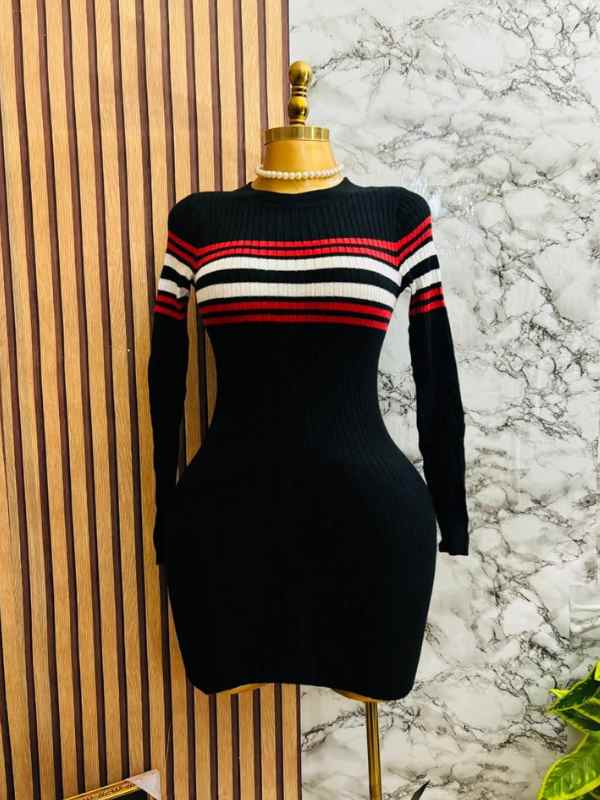
Look, I know how confusing it can feel when you’re starting a thrift business in Nigeria. You walk into a market or scroll through online thrift groups, and you see piles of clothes, all with different price tags, and you’re thinking: “Which of these will actually sell? How much should I spend without losing money?
Here’s the truth: not all clothes are equal. Some items fly off the rack, while others sit unsold for weeks. The key is knowing what to prioritize, how much to pay, and what resale price gives you a real profit.
Let me guide you through this.
To make better buying decisions, check out How to Identify Grade A vs Grade B Thrift Clothes Before Buying a Bale (Beginner Guide) for practical inspection tips.
1. Children’s Clothes
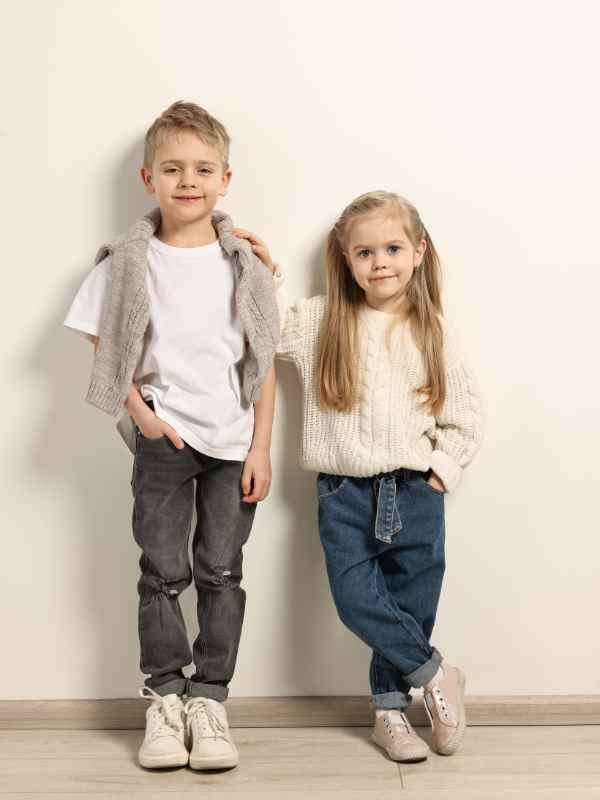
If you’ve ever seen a parent shopping for kids, you know the demand is endless. Sizes change fast, kids grow, and parents want affordable options that won’t fall apart after a wash.
- How much to pay: ₦500 – ₦1,500 per item
- Expected resale: ₦1,500 – ₦3,000
Focus on durable cotton dresses, casual trousers, and school uniforms. And here’s a tip most beginners miss: popular cartoon prints sell faster. Buy in small bulk sets — 10–20 pieces, and you’ll recoup your money quickly. Trust me, seeing those items leave your shelf in days feels amazing.
2. Workwear & Office Clothing
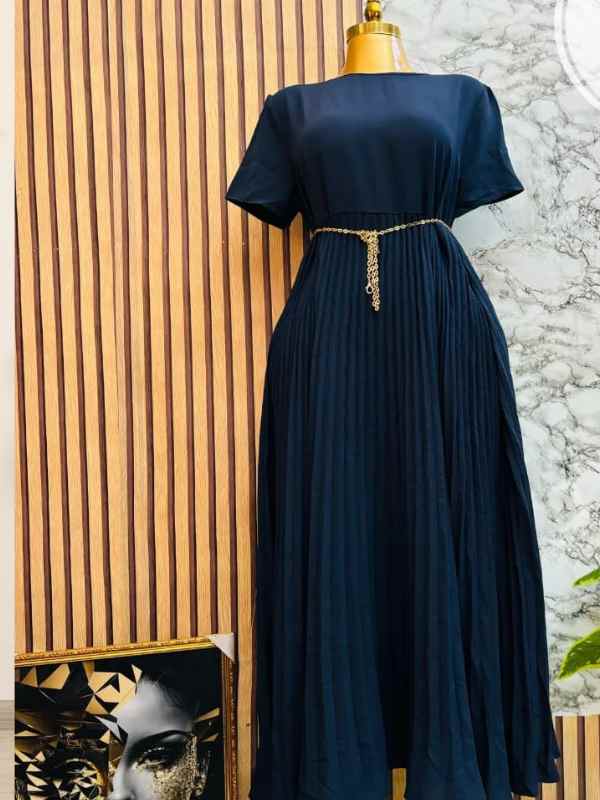
Adults need clothes too, and they’re willing to pay for affordable, presentable options. Think shirts, blouses, trousers, skirts.
- How much to pay: ₦1,500 – ₦3,500 per piece
- Expected resale: ₦3,000 – ₦6,500
Here’s a little secret: neutral colors and classic styles are your friends. Bold trendy pieces might linger, but simple, clean, well-sized outfits fly off the rack. Also, presentation matters, iron the items, fold neatly, and watch how quickly people pick them up. Even a small tweak in presentation can increase what buyers are willing to pay.
Achieve that boutique-ready look without spending a fortune with the sewing tricks shared in Thrift flip Sewing Projects Ideas For People Who want Expensive Style on A Budget.
3. Trendy Fabrics & Materials
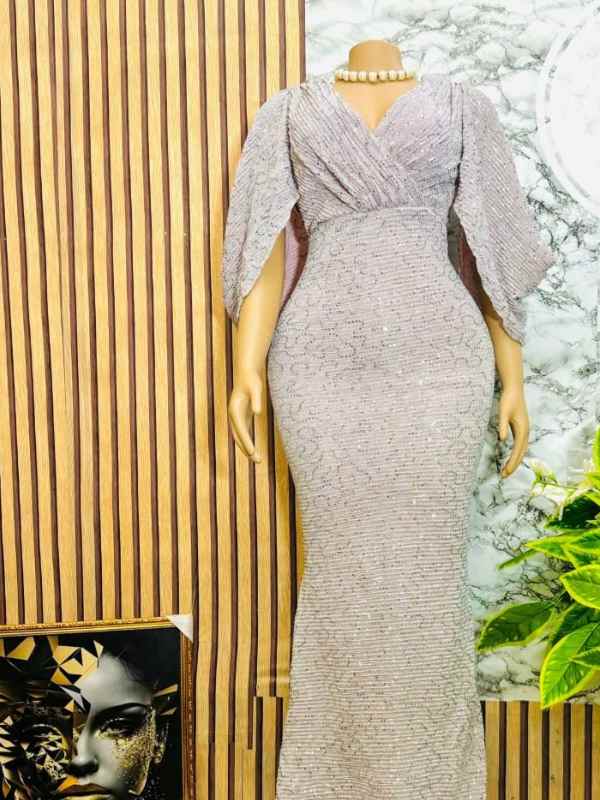
Some fabrics sell faster than others, it’s not just about the design. Buyers in urban areas love easy-care, durable fabrics, like cotton or cotton-polyester blends.
- How much to pay: ₦800 – ₦2,500
- Expected resale: ₦2,000 – ₦5,000
Avoid fabrics that wrinkle easily or require special care, unless you’re targeting a niche. And here’s the thing: keep an eye on trends. A cotton Ankara top might sell like hotcakes in Lagos, but a polyester blend might move faster in Abuja. Knowing this difference will save you money and time.
If you enjoy hands-on projects, small creative efforts like the ones in Quick and Soft Valentine’s Gifts You Can Sew in a Few Hours That Melt Hearts can inspire extra inventory ideas for your thrift business.”
Quick Visual Guide: Sample Buying vs Resale
| Item Type | Buy Price (₦) | Resale Price (₦) | Profit (₦) | Notes |
| Cotton kids dress | 1,000 | 2,500 | 1,500 | Cartoon prints move fastest |
| Men’s office shirt | 2,000 | 5,000 | 3,000 | Neutral colors sell quicker |
| Cotton Ankara top | 1,200 | 3,000 | 1,800 | Easy-care fabrics preferred |
Beginner-Friendly Rules of Thumb
- Fast-moving items usually sell within 7 days.
- Aim for at least 100% markup on everyday items.
- Track your profit per item and adjust sourcing accordingly.
Extra Advice Just for You
- Prices vary by location. Lagos, Abuja, and smaller towns have different buying/selling norms, don’t assume what works in one place works everywhere.
- Presentation is everything. Ironed, neatly folded clothes sell faster and for more money.
- Timing matters. School uniforms sell more at term-start, festive outfits spike around December.
- Check social media marketplaces, you’ll see exactly what sells fast in your area.
Follow this approach, and you’re not guessing anymore. You’ll know which clothes to prioritize, how much to invest, and what resale price makes sense. Before you know it, you’ll be turning your thrift business in Nigeria into a consistent profit machine, and you’ll feel confident in every purchase you make.
Timing and Location Tips
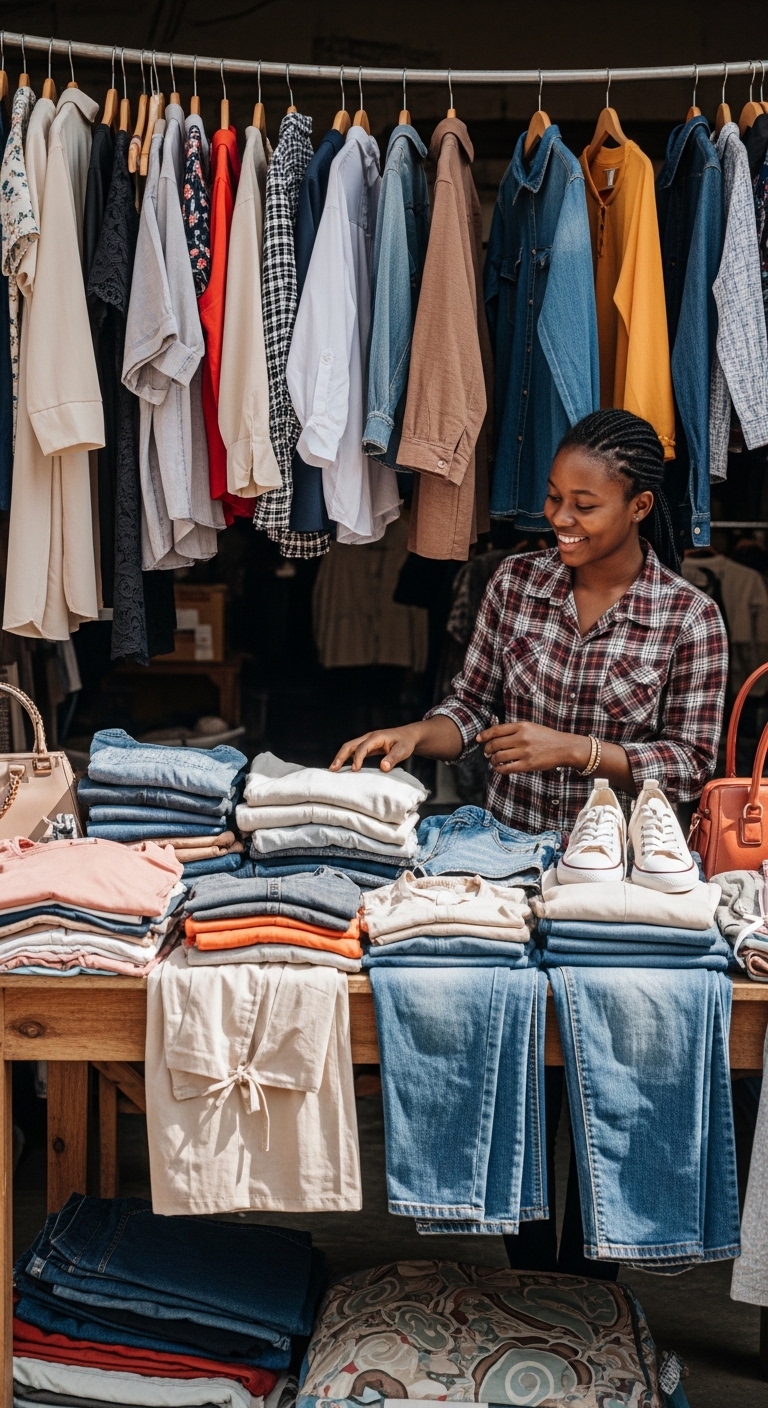
If you want to actually make money with selling clothes for thrift business it’s not just about knowing what to buy, it’s also about when and where you source your items, and where to sell them for the fastest results.
Let me walk you through this so you don’t waste time or money.
When to Source Items
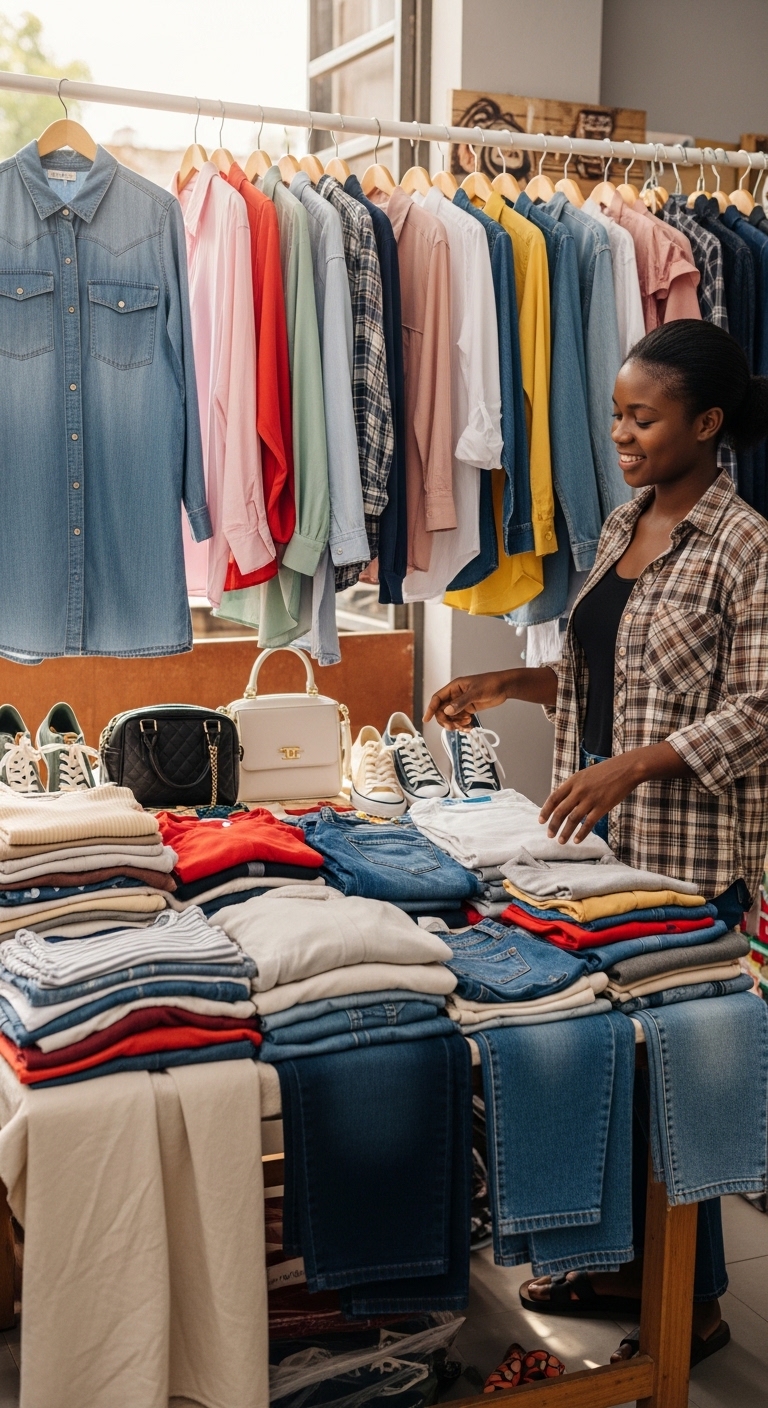
Timing is everything. You want to buy at the right moment to maximize profit. Here’s what works best:
- Markets: Visit large urban markets mid-week when new stock arrives. You’ll find better deals and avoid weekend crowds.
- Online Thrift Stores / Social Media: Facebook Marketplace, (Enchantress Thrifts ), Jiji, or Instagram sellers often post fresh stock early in the week. Monitoring consistently lets you grab high-demand items before everyone else.
- Thrift Stores / Garage Sales: These are great for finding rare or high-quality pieces at low cost, perfect for sourcing unique top-selling clothes for thrift business.
Make a weekly sourcing schedule. Treat it like a mini mission, the more consistent you are, the faster you’ll identify fast-moving items.
Where They Sell Fastest
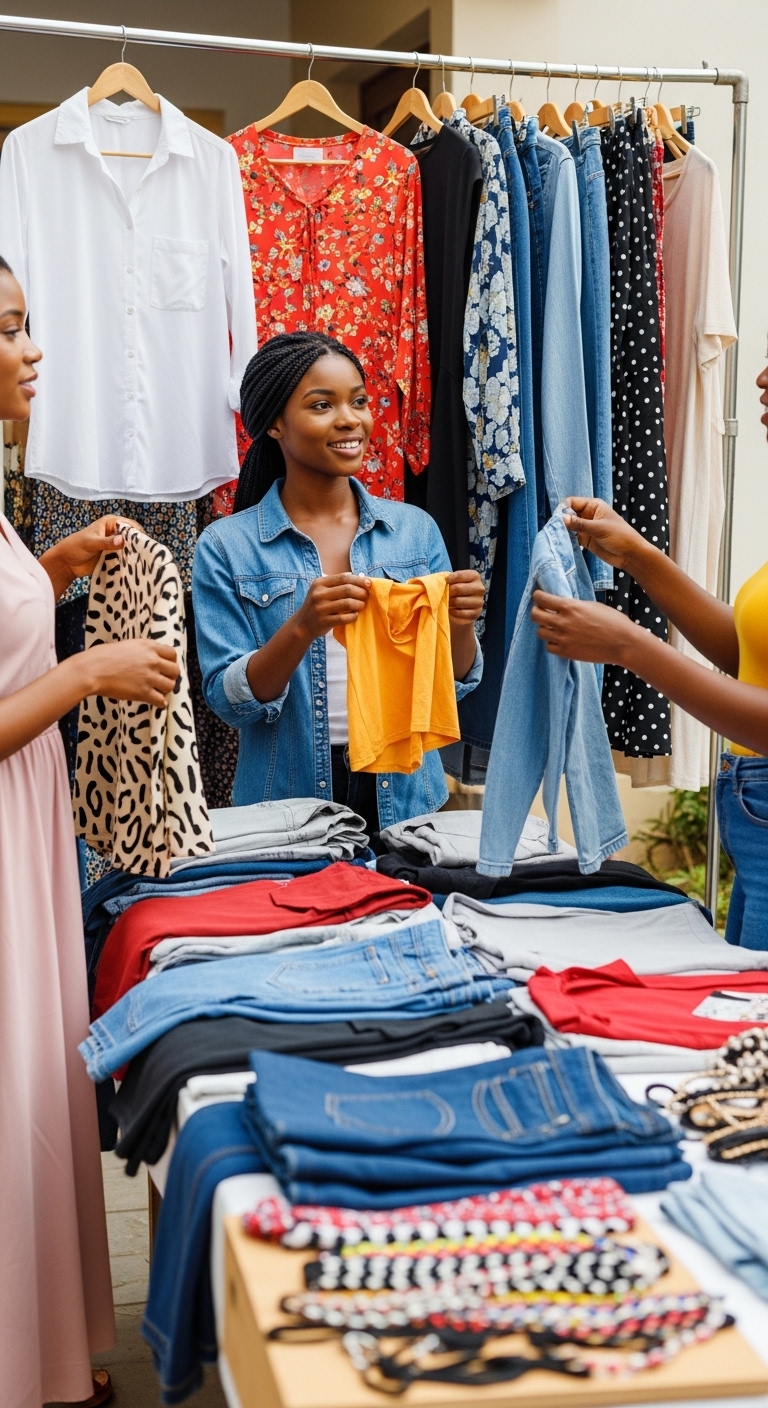
Not every place is ideal for every item. Knowing where your buyers are will boost your sales dramatically:
- Online: Social media, WhatsApp groups, and marketplaces are great for trendy fabrics, children’s clothes, and office wear. Convenience sells, and buyers are willing to pay slightly more for easy access.
- School Areas / University Campuses: Kids’ uniforms and casual student outfits move fastest here. Timing is key, start selling just before the school term begins.
- Office Areas / Business Districts: Workwear and office clothing sell quickly to professionals who need affordable alternatives. Presentation and quality matter most here.
Remember: matching the right clothes to the right location is just as important as buying smart.
Seasonal Considerations
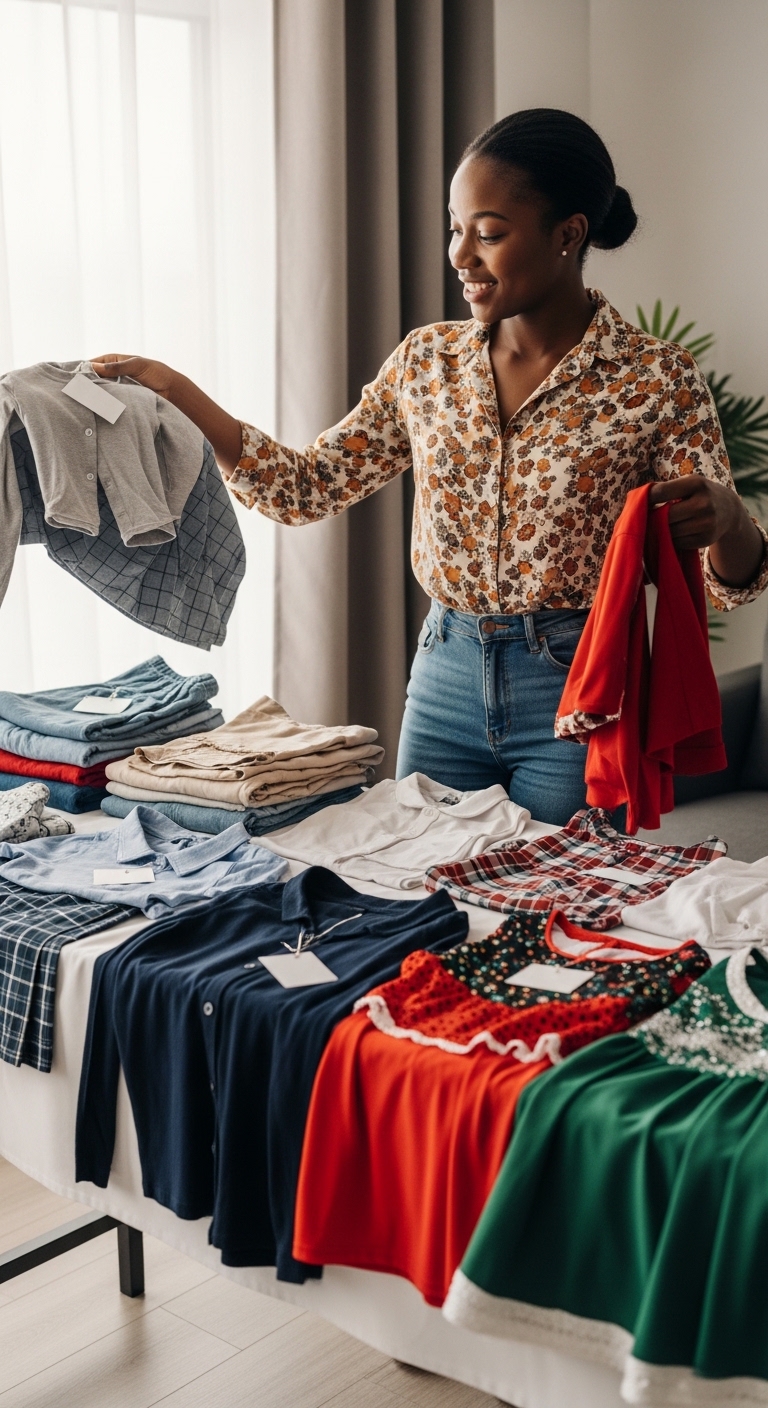
Sales patterns change throughout the year. Being aware of these shifts gives you an edge:
- School Year Start: Uniforms, basic shirts, and children’s casual wear sell fastest.
- Festivals / Holidays: Festive outfits, party dresses, and stylish fabrics spike in demand around Christmas, Easter, and wedding seasons.
- Graduation Periods: Office-ready outfits and semi-formal attire sell faster as students prepare for jobs or ceremonies.
Knowing when to buy and where to sell is a huge part of running a successful thrift business in Nigeria. It ensures your top-selling clothes for thrift business don’t linger on your shelf, turning your investment into real profit.
If you enjoy adding a creative touch to your thrift business or exploring small side hustles, check out Spring DIY Projects You Can Start, Stop, and Pick Up Again Without Losing Progress for fun and practical projects that can bring in extra income.
How to Spot Clothes That Sell Quickly
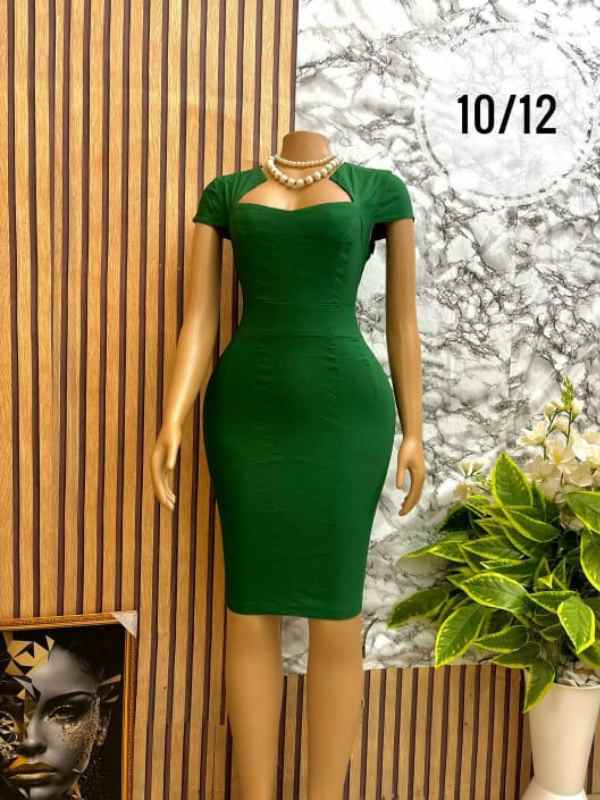
Here’s the thing: knowing which top-selling clothes for thrift business isn’t just luck, it’s a skill you can learn. Once you start spotting the right items, sourcing becomes faster, smarter, and way more profitable.
Let me break it down for you.
1. Check the Fabric Quality
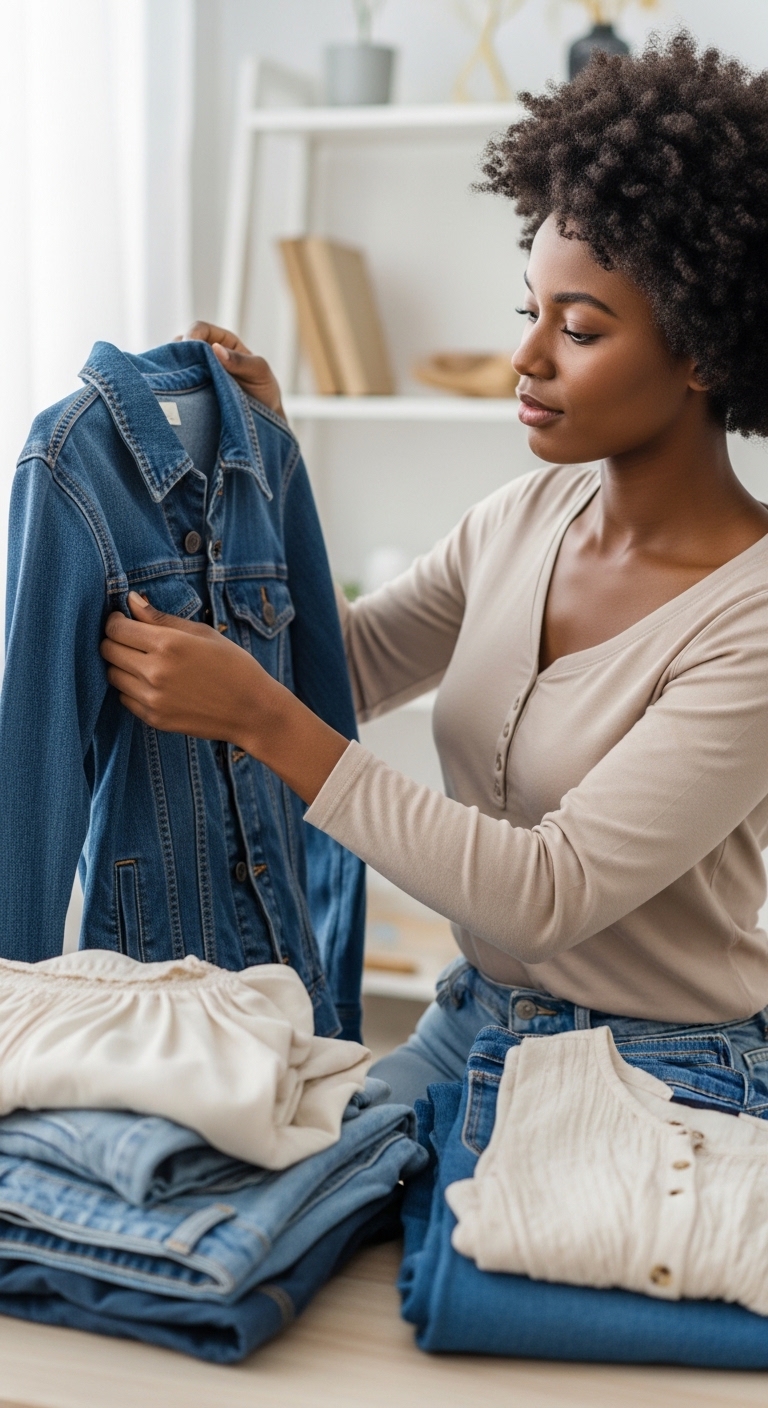
Durability and washability are non-negotiable. When you’re buying, ask yourself:
- Will this survive multiple washes without shrinking or losing shape?
- Does the fabric feel sturdy, or is it flimsy?
Items made from high-quality cotton, cotton blends, or durable polyester tend to sell faster. Shoppers in the thrift business in Nigeria care about longevity, especially when it comes to children’s clothes or everyday wear.
Avoid fabrics that tear easily, fade quickly, or require complicated care, they might look cheap, but they often linger unsold.
2. Follow Local Color and Style Trends
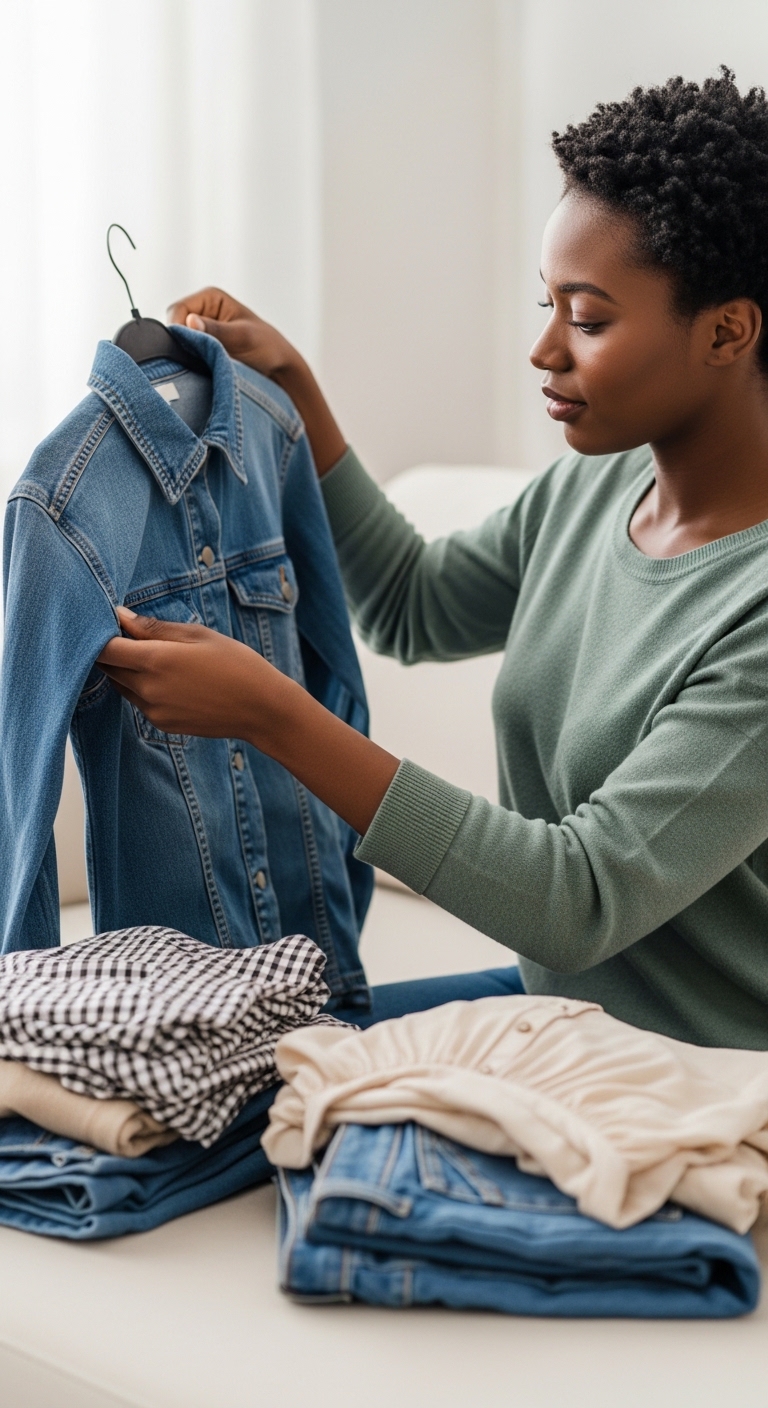
It’s not just about what looks good to you, it’s about what locals actually wear. Trends shift depending on your location, season, and customer group.
- Neutral colors like black, white, navy, and beige often move faster than bright or niche shades.
- Seasonal patterns (floral dresses in spring, darker tones for festive periods) sell quicker.
- Check local markets, Instagram, and Facebook Marketplace to see what’s trending — it’s free research that tells you exactly what buyers want.
By paying attention to style trends, you’re buying clothes that sell in Nigeria instead of guessing.
While you are still here, read: 10 Cricut Crafts Beginners Always Struggle With- And How to Make and Sell Them
3. Mind the Sizes
Sizes matter — big time. Even the trendiest item will sit unsold if the sizing doesn’t match your audience.
- Urban areas often have high demand for small to medium sizes.
- Suburban or family-heavy neighborhoods may need large sizes more.
- Kids’ clothes should cover common school sizes, not the extremes.
If you track which sizes move fastest in your area, you’ll quickly learn how to prioritize items that sell fast, reducing wasted capital and boosting your profit margins.
Combine All Three Checks
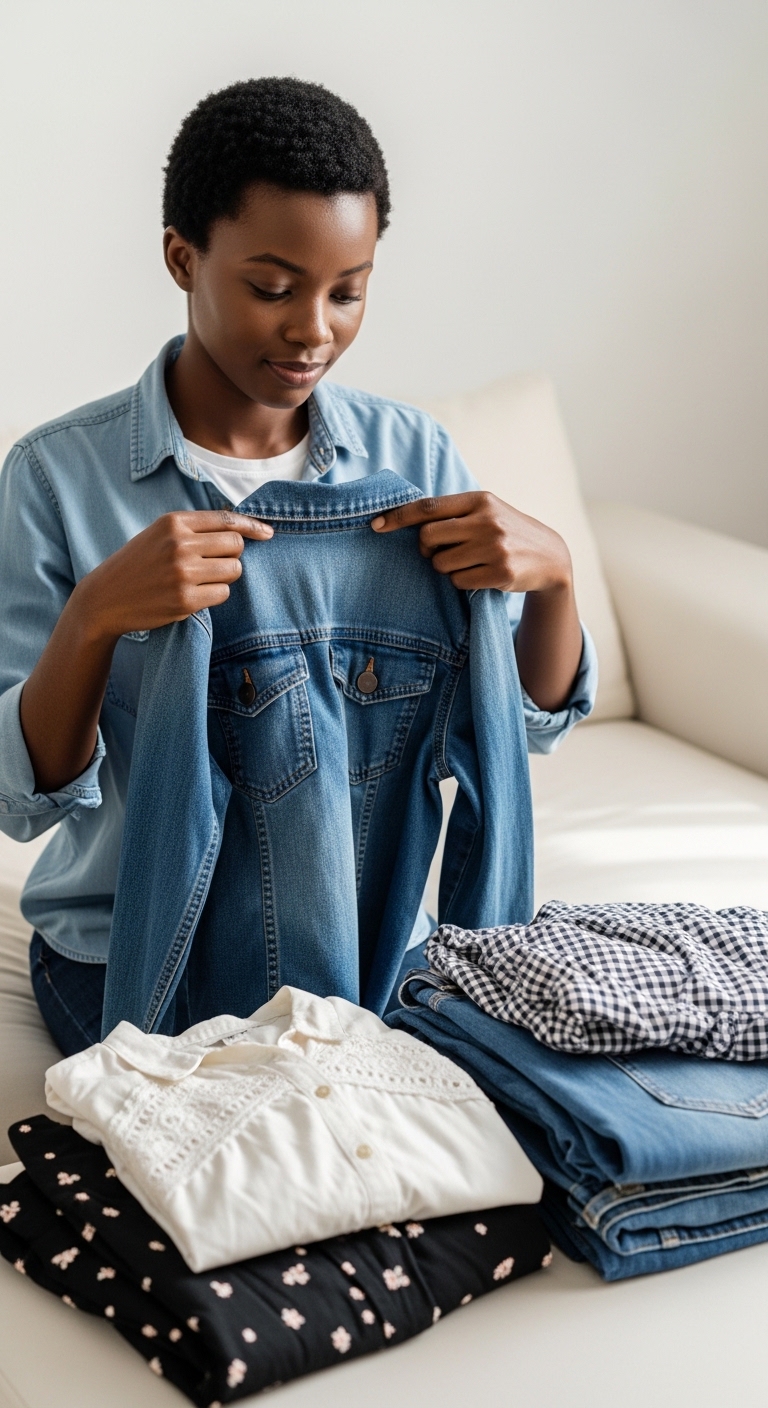
When evaluating a piece, ask yourself:
- Is the fabric durable and easy to maintain?
- Is the color/style something buyers in my area actually wear?
- Does the size match the most common demand of your prospective/ buying customers?
If the answer is yes to all three, you’ve found a fast-moving item. Keep a mental or physical note of these insights, over time, spotting profitable thrift items becomes almost instinctive.
Packaging & Upselling Tricks for Beginners
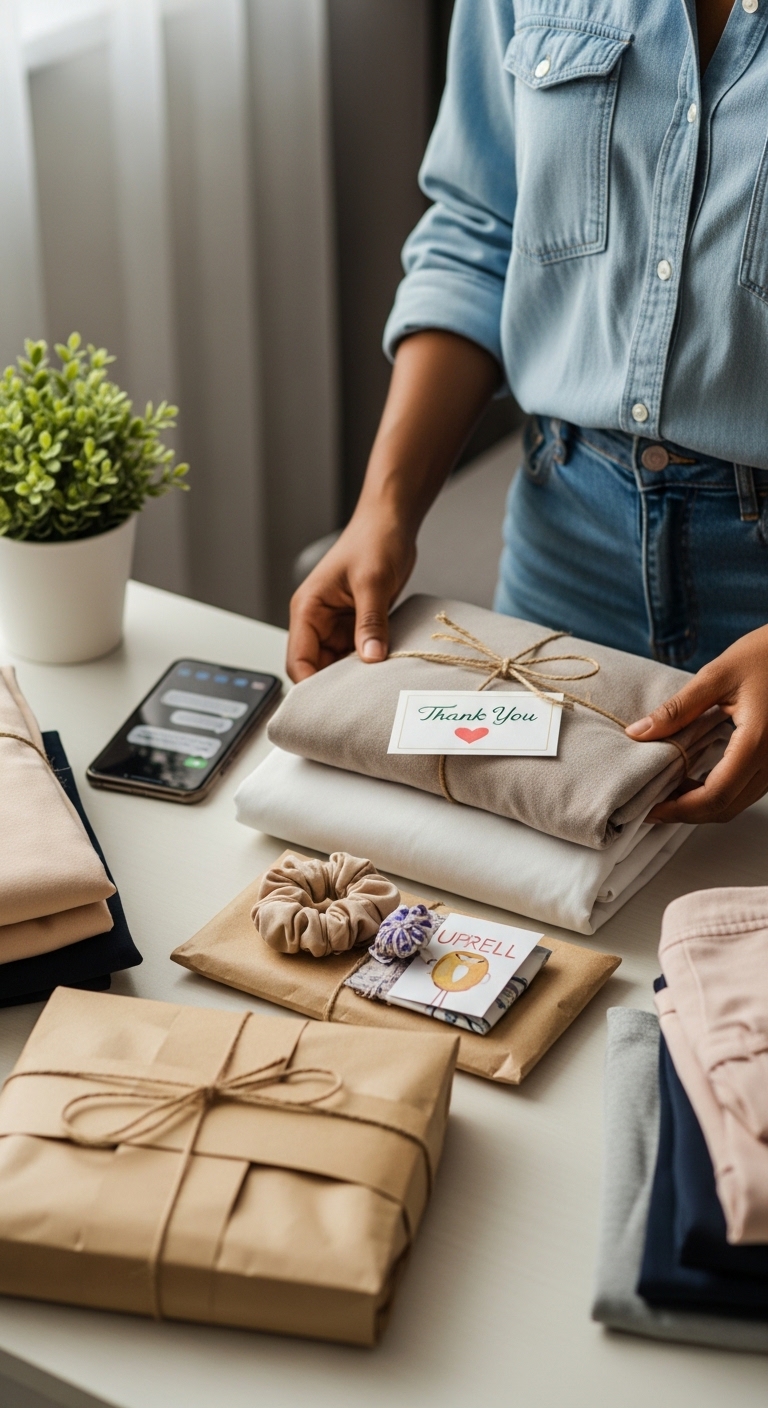
If you want your thrift items to fly off the shelves, the trick isn’t just in what you buy, it’s in how you package and present them. That’s where clothes that actually sell for thrift business in Nigeria really shine.
Even if you have the right items, how you display them and create small deals can encourage shoppers to buy more and move inventory faster.
Here’s how to do it:
1. Package Outfits for Maximum Appeal
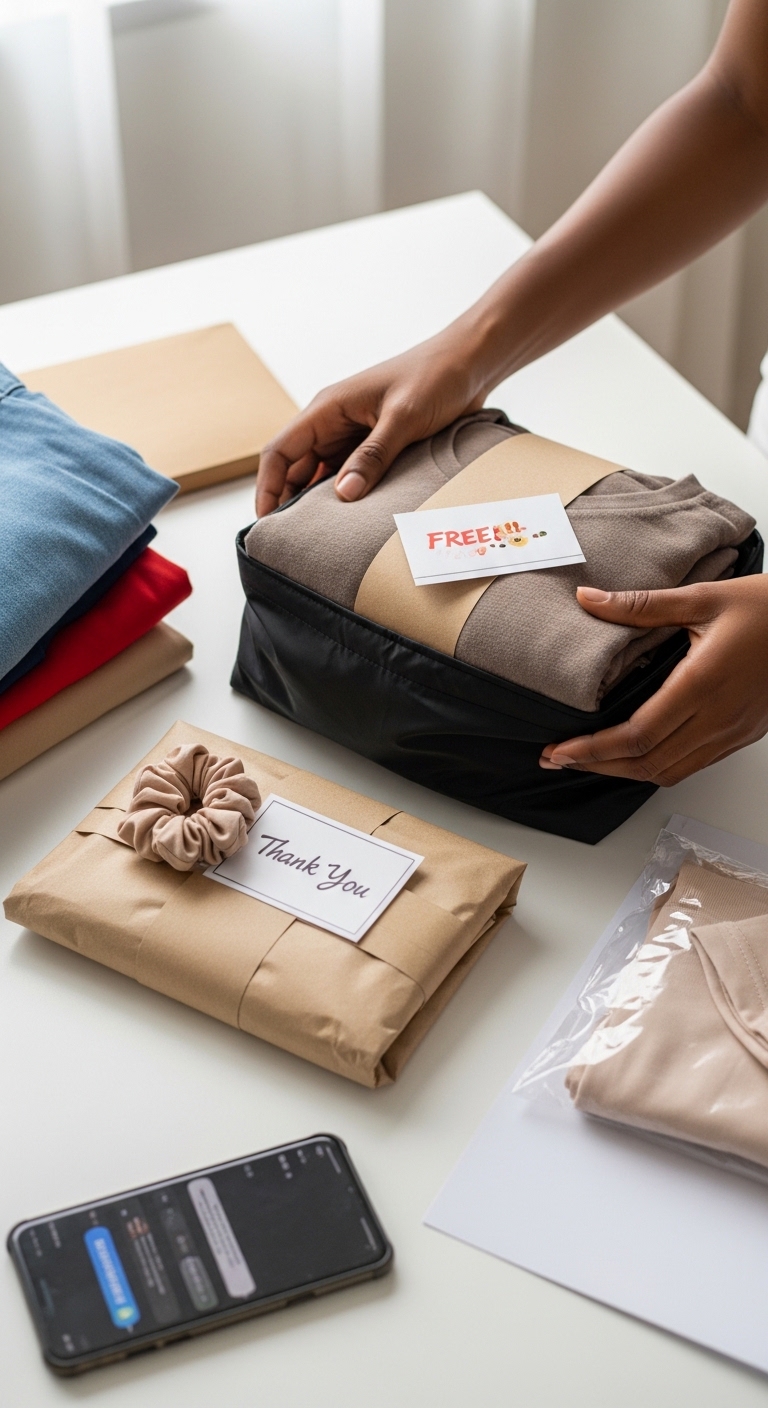
Instead of selling a top and bottom separately, package them together. For example:
- A casual cotton blouse + matching skirt
- A school uniform top + trousers
Shoppers love the convenience of ready-to-wear packages. They’ll often pay a little extra for a complete outfit rather than picking items individually. By packaging items thoughtfully, you move clothes that actually sell for thrift business in Nigeria faster and increase your average sale per customer.
2. Group by Age or Size
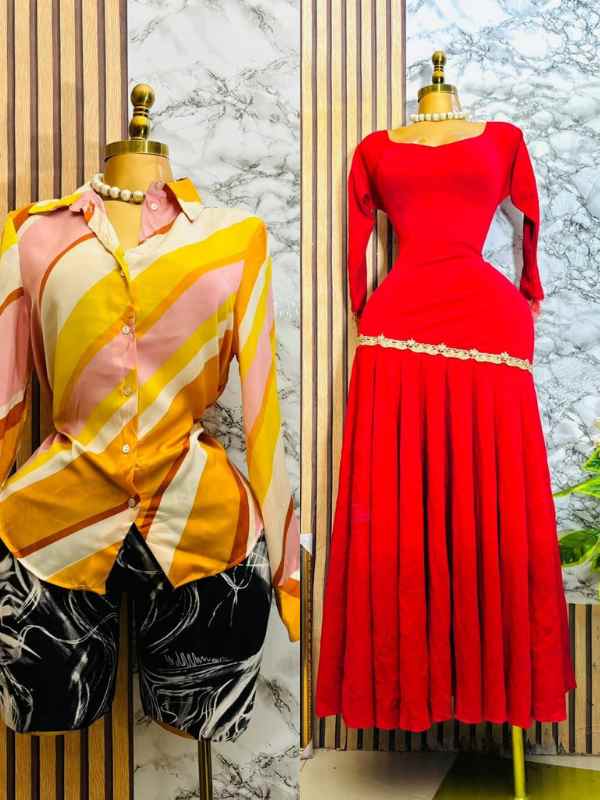
Kids’ clothes, office wear, or casual adult clothing often sell faster when organized:
- Package children’s outfits by age or school size.
- Group office attire by men’s and women’s sizes or style (shirts, trousers, skirts).
This makes it easier for buyers to find what they need and encourages multiple purchases. It also gives your shop a professional, organized look, which builds trust with buyers.
3. Offer Small Discounts on Bulk Purchases
A little incentive goes a long way. Try:
- Buy 2, get 5% off
- Buy 3–4 items, get 10% off
Even a small discount encourages shoppers to grab more items, moving your inventory faster without cutting too much into your profit. This tactic works particularly well with fast-selling kids’ clothes, office wear, or trending fabrics.
Strategic Placement
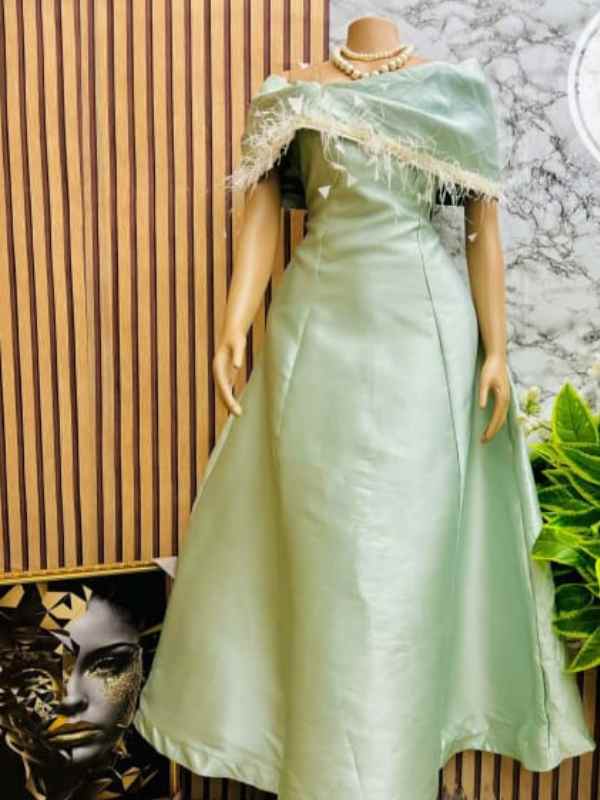
When packaging, always place high-demand, fast-moving items in the first view. Pair them with slower-moving items to help them sell too. Over time, you’ll instinctively know which packages maximize turnover and profit in your thrift business in Nigeria.
Quick Checklist for Your First Thrift Purchase
Before you make your first buy, use this simple, step-by-step checklist to make sure every item you pick has a high chance of selling. Think of it as your mini guide to buying smart:
- Item Type: Is it a fast-selling category? (Kids’ clothes, office wear, or trendy fabrics are usually safe bets.)
- Size: Does it match the most common sizes for your target market? Check what sells fastest in your area.
- Fabric: Is it durable, easy to wash, and long-lasting? Avoid flimsy or high-maintenance materials.
- Buying Price: Is it within a realistic budget? Compare it to expected resale prices to ensure profit.
- Expected Resale: Do you know how much you can realistically sell it for? Make sure there’s a healthy profit margin before buying.
Hold every item in your hands and imagine it on a customer. Ask yourself: “Will this sell in the next 7 days? Will someone pay this price for it?” If the answer is yes, it makes the cut. Doing this every time trains your eye to spot fast-selling thrift clothes, and soon you’ll instinctively know which pieces are worth buying.
How to Evaluate Quality Before Buying
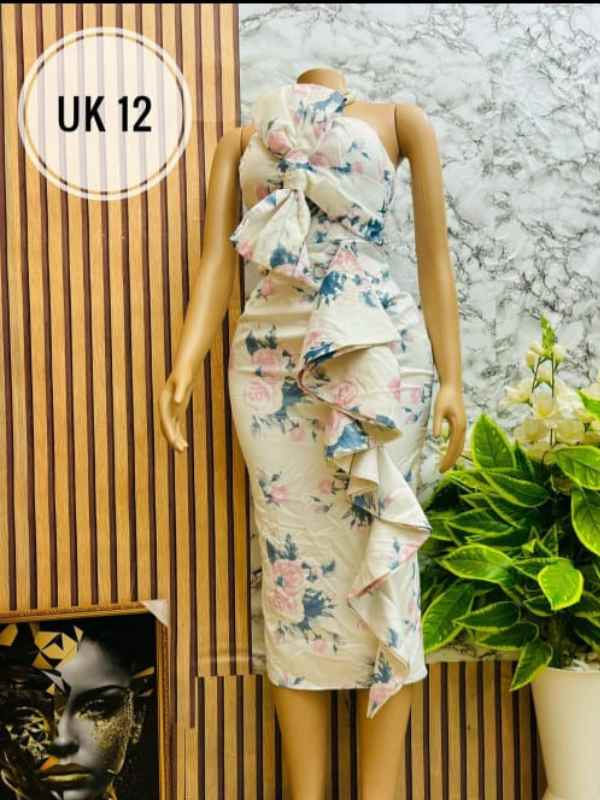
One of the biggest mistakes beginners make in the thrift business in Nigeria is buying items that look good at first glance but don’t sell because of hidden issues. If you want to focus on clothes that actually sell for thrift business in Nigeria, you need to get comfortable checking quality before you buy.
Here’s a step-by-step guide:
1. Look for Stains, Tears, and Wear
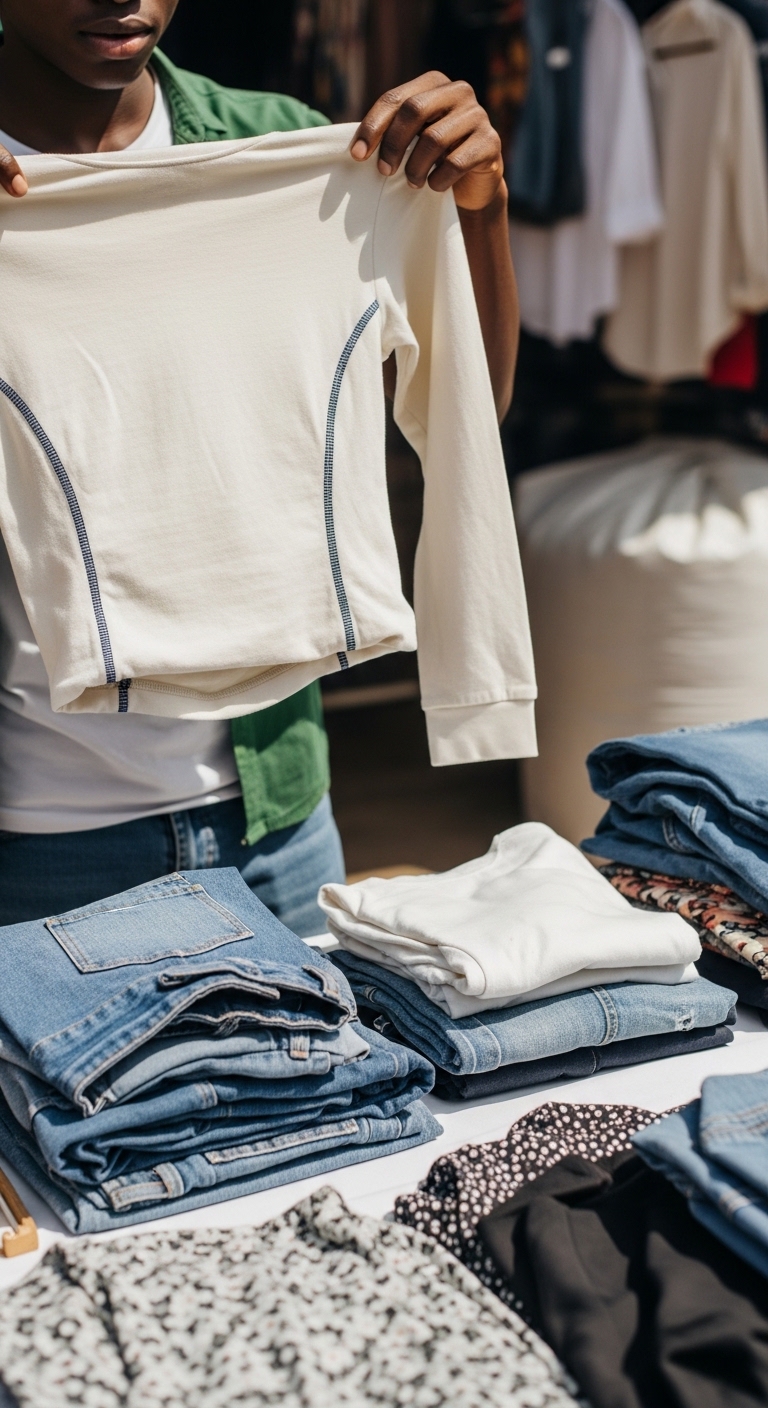
Before you pick up any item, inspect it carefully. Even small stains or tiny tears can make clothes linger unsold for weeks. Focus on:
- Front, back, and seams for rips or holes
- Collar, cuffs, and hem for wear
- Any permanent stains that can’t be washed out
Buying clothes that look flawless in person dramatically increases the chance they become fast-selling thrift items.
2. Check Fabric Durability
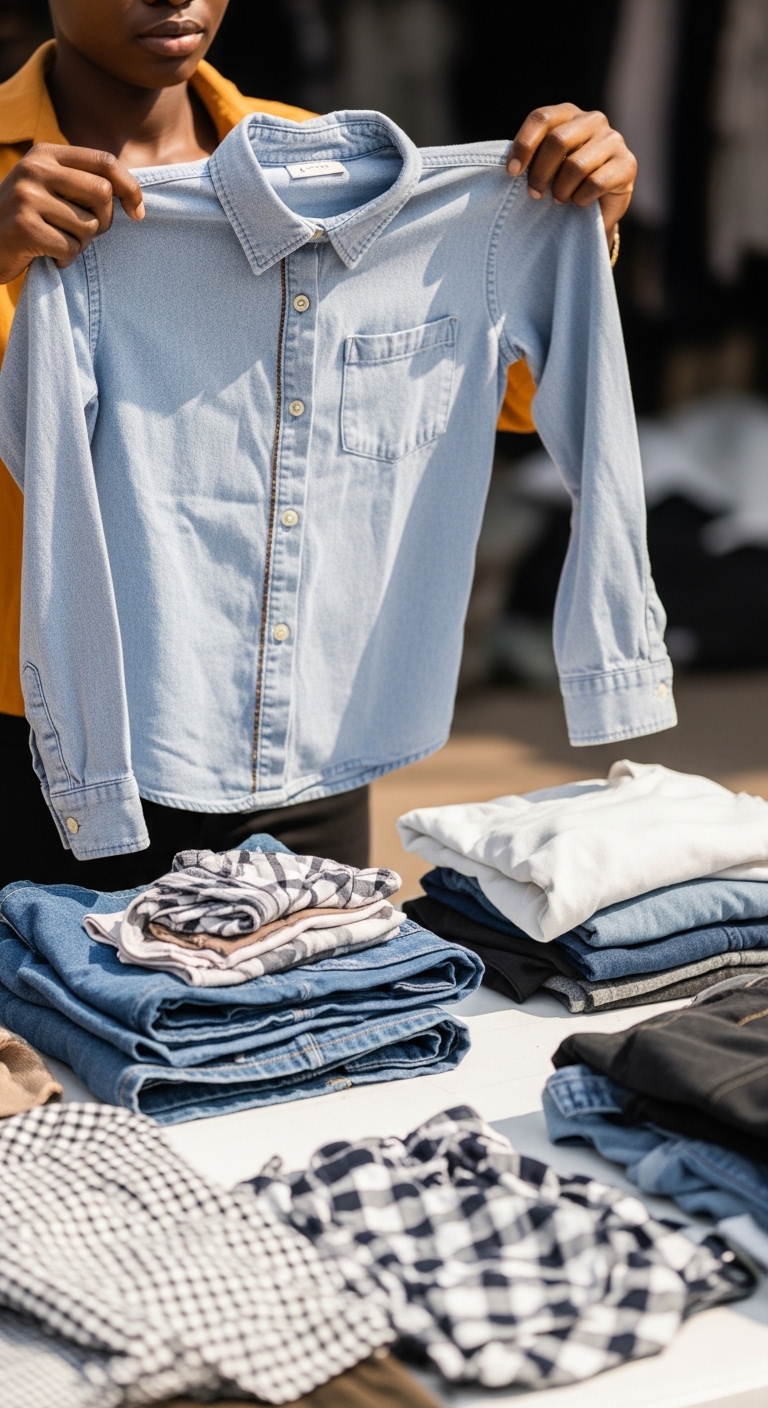
Not all fabrics are equal. Some shrink, fade, or lose shape after one wash. Ask yourself:
- Will this fabric survive multiple washes without stretching or tearing?
- Is it easy for buyers to maintain?
Cotton usually holds up well, especially for children’s clothes and casual wear, while polyester blends can last longer for office wear and trendy fabrics. Knowing this will save you money and time, because fast-selling thrift items are often those that stay wearable and fresh for buyers.
3. Compare Fabrics Strategically
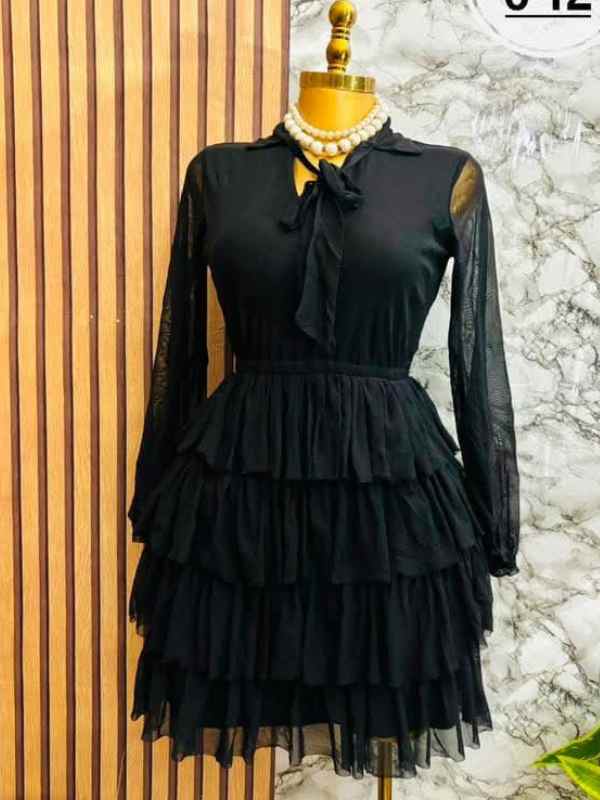
When deciding between items, compare them side by side:
- Cotton vs polyester, which will retain color and shape after several washes?
- Are the seams strong, or do they look like they might unravel?
- Is the texture smooth, comfortable, and wearable for your target market?
These small checks separate profitable clothes from ones that just look appealing, helping you focus onTop-Selling Clothes for Thrift Business in Nigeria.
Hold each item in your hands and imagine a buyer picking it. Ask yourself: “Would I pay this price for it if I needed it today?” If the answer is yes, it’s worth buying. Do this consistently, and soon you’ll instinctively know which fast-selling thrift items are worth your investment.
This guide is of great importance: How to Clean and Disinfect Secondhand Clothes Before Selling — Make Every Item Sale-Ready.
Conclusion
Starting a thrift business in Nigeria can feel overwhelming at first, there’s so much to consider: what to buy, how to evaluate quality, timing, pricing, and where to sell. But here’s the good news: once you understand the basics, everything becomes manageable.
Focusing on top-selling clothes for thrift business isn’t about luck. It’s about making smart choices, paying attention to quality, understanding your market, and packaging items in ways that appeal to buyers. When you check fabrics, sizes, trends, and resale potential before buying, you protect your investment and increase your chances of fast sales.
Remember: your first inventory doesn’t have to be perfect. Start small, apply the strategies in this guide, and learn from what moves quickly and what lingers. Over time, you’ll instinctively know which items are worth sourcing, how to price them, and how to maximize every sale.
The key is consistency, observation, and smart buying. Keep these principles in mind, and your thrift business in Nigeria can grow into a profitable, sustainable venture, one fast-selling piece at a time.
This post talked on: Top-Selling Clothes for Thrift Business in Nigeria (What Moves Fast).