Struggling to feed picky kids and tired of lunches that come back half-eaten? These 7 quick anti-inflammatory spring lunches keep kids happy, full, and energized, healthy, and kid-friendly.
If you’ve ever opened the fridge hoping your kids would eat something healthy and fast, only to find blank stares or picky complaints, you’re not alone. As a parent, juggling busy schedules, school runs, and after‑school activities often means meal prep gets squeezed to the bottom of the list, but we still want our kids to eat well.
Some nights, you find yourself staring at the kitchen, drained, wondering what your kids will actually eat — if you’re looking for easy solutions, check out Kid-Friendly Dinners for Picky Eaters — Beyond Nuggets, Fries, and Pizza for ideas that make mealtime stress-free and enjoyable for both you and your kids.
That’s where anti-inflammatory meals come in. Unlike typical lunches that are often heavy in sugar or processed ingredients, anti-inflammatory foods support energy, focus, and immunity, helping your children feel full, satisfied, and ready for their day.
In this post, you’ll find 7 quick, anti-inflammatory spring lunches that are nutritious, flavorful, and easy to make.
Each recipe is designed to save time, reduce mealtime stress, and introduce ingredients that promote long-term health, without sacrificing taste or variety.
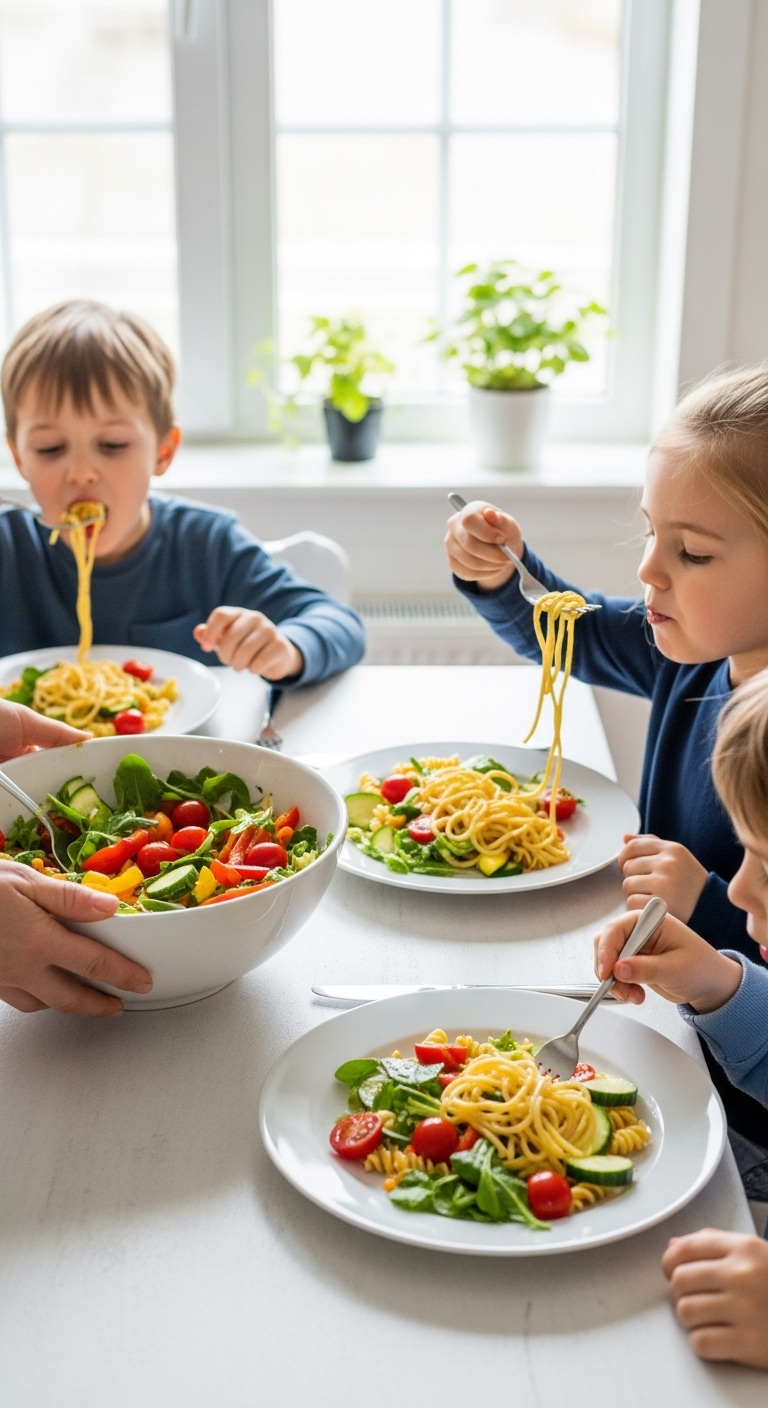
Lets say you’re feeding a picky eater or trying to sneak in a few extra nutrients, these lunches make it simple to keep your kids happy, full, and energized.
Key Considerations Before Cooking
Before you dive into making these quick anti-inflammatory spring lunches, there are a few important things to think about.
These tips make meal prep easier, healthier, and stress-free.
-
Prep & Storage
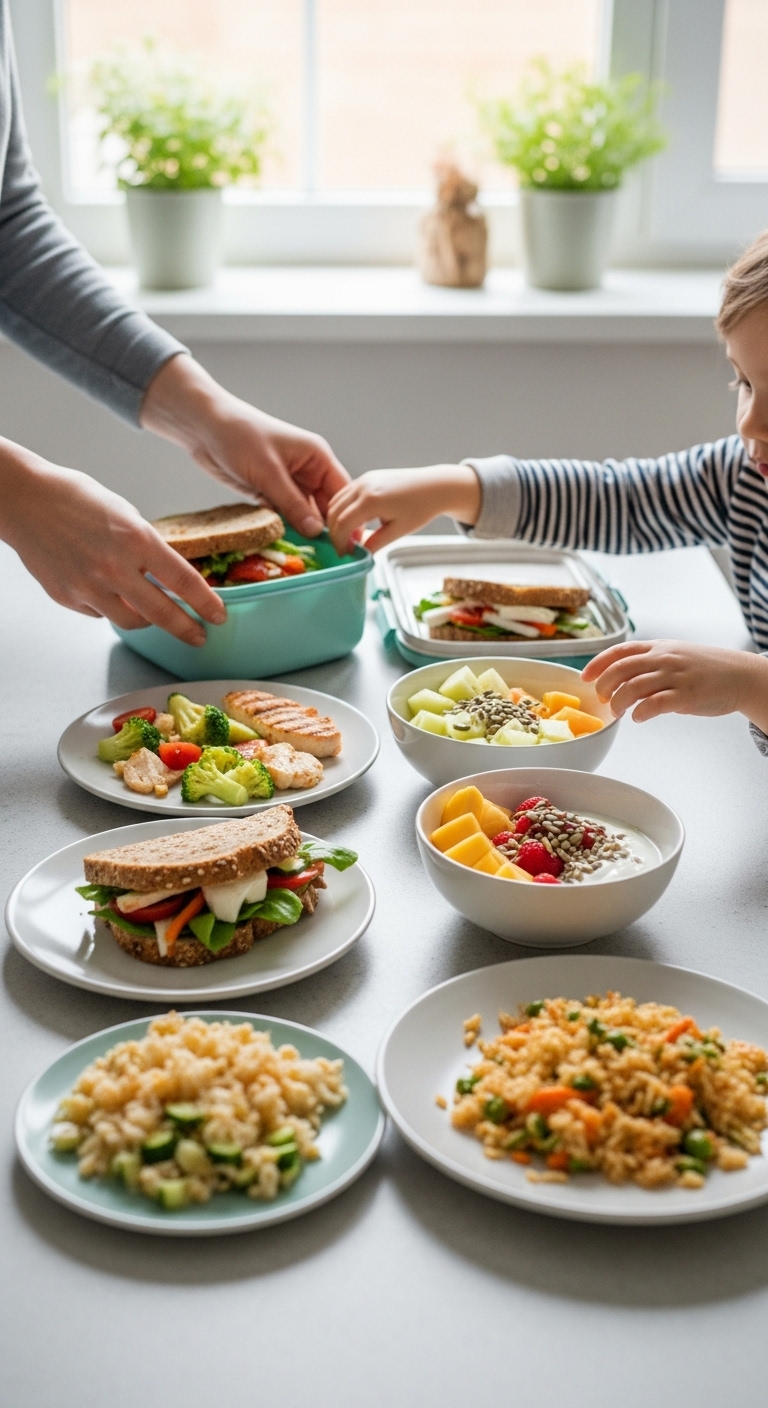
As a busy parents you know that time is limited. Batch prepping ingredients, freezing portions, or repurposing leftovers can save hours during the week.
For example, cooking extra quinoa, roasted veggies, or grilled chicken over the weekend makes putting together a quick healthy lunch a breeze. These small hacks keep your stress-free lunches on track and prevent last-minute panic.
Also, Batch cooking staples and using leftovers creatively can save time during busy weeks, and for more quick, stress-free kitchen ideas, check out Quick No-Bake Desserts You Can Make Without Turning on the Oven — Kids Will Love Them to keep both meals and treats simple for busy families.
-
Balance Nutrition with Kids’ Preferences
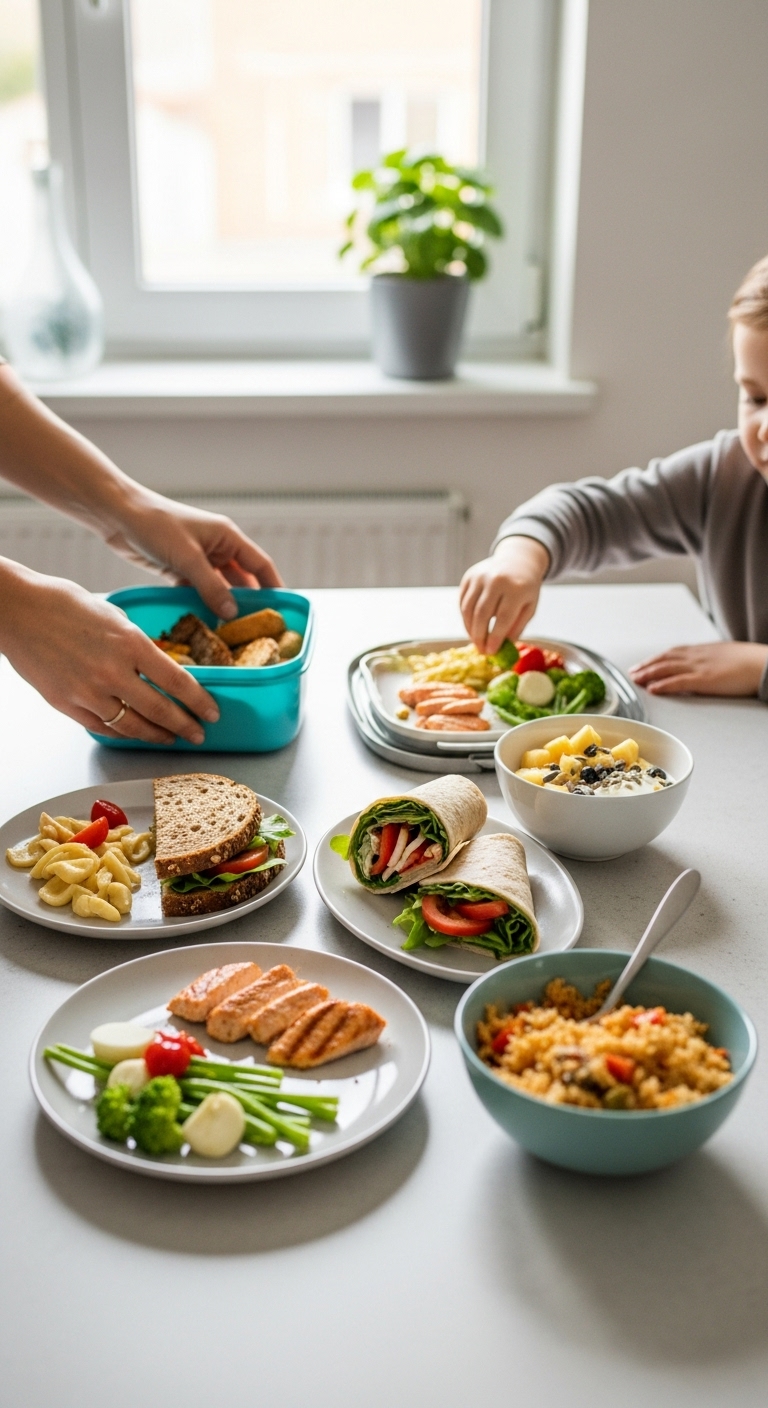
It’s less about putting food on a plate,and more about making it both healthy and appealing. Colorful veggies like spinach, bell peppers, and carrots aren’t just pretty; they provide antioxidants and support your child’s health.
Adding spices like turmeric or ginger gives anti-inflammatory benefits without overpowering taste. By knowing why each ingredient matters, you can make lunches that are good for their bodies and enjoyable to eat.
-
Timing Tips
Fitting meal prep into your routine is key. You can prep ingredients in the morning, after school, or on weekends, depending on what works for your family. Planning ahead ensures you have quick, anti-inflammatory lunches ready, even on your busiest days.
Give this a read too: Easy Cabbage Recipes That Get Kids Eating Their Veggies — Dumplings, Salads & More
-
Reading Nutrition Labels & Avoiding Hidden Sugars
Many parents don’t realize that packaged foods can have hidden sugars that reduce the anti-inflammatory benefits of your meals. Learning to read labels and choosing low-sugar, whole-food ingredients helps you keep your lunches healthy, filling, and effective for energy and focus.
Quick Pairing Ideas for Filling & Fun Lunches
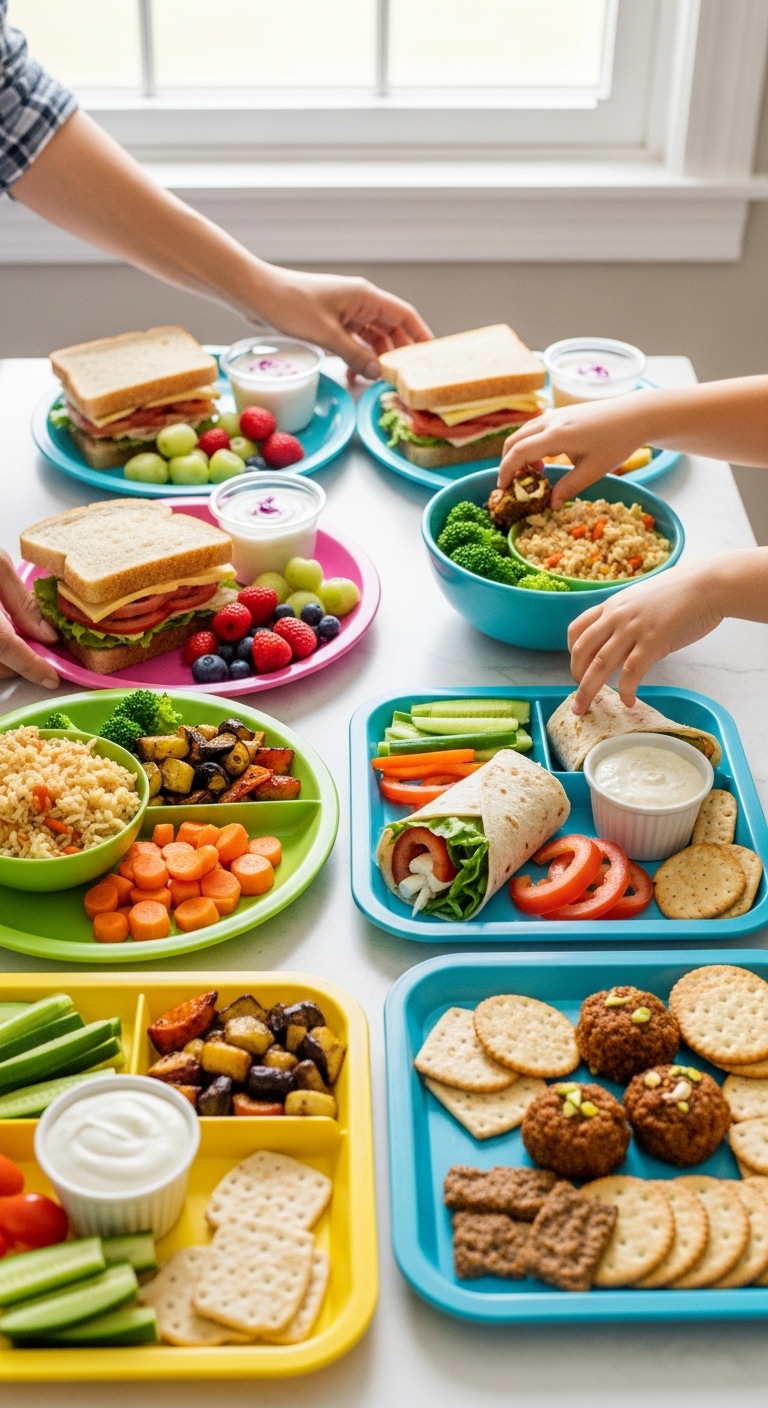
| Base Ingredient | Protein Combo | Veggie/Fiber Add-on | Kid-Friendly Flavor Hack |
| Whole-grain wrap | Hummus or chicken strips | Spinach, bell peppers, shredded carrots | Mild dip (yogurt or tahini) |
| Quinoa or brown rice | Beans or scrambled eggs | Peas, asparagus, roasted veggies | Sprinkle herbs (parsley/turmeric) |
| Mini frittata | Eggs + cheese | Spinach, diced peppers | Add fun shapes using cookie cutters |
| Sweet potato slices | Black beans or shredded chicken | Corn, peas, or bell peppers | Light drizzle of olive oil |
| Yogurt cup | Nut butter swirl or chia seeds | Berries, orange segments | Tiny fun toppings (coconut flakes) |
The 7 Quick Anti‑Inflammatory Spring Lunches
1. Rainbow Veggie Wraps with Hummus
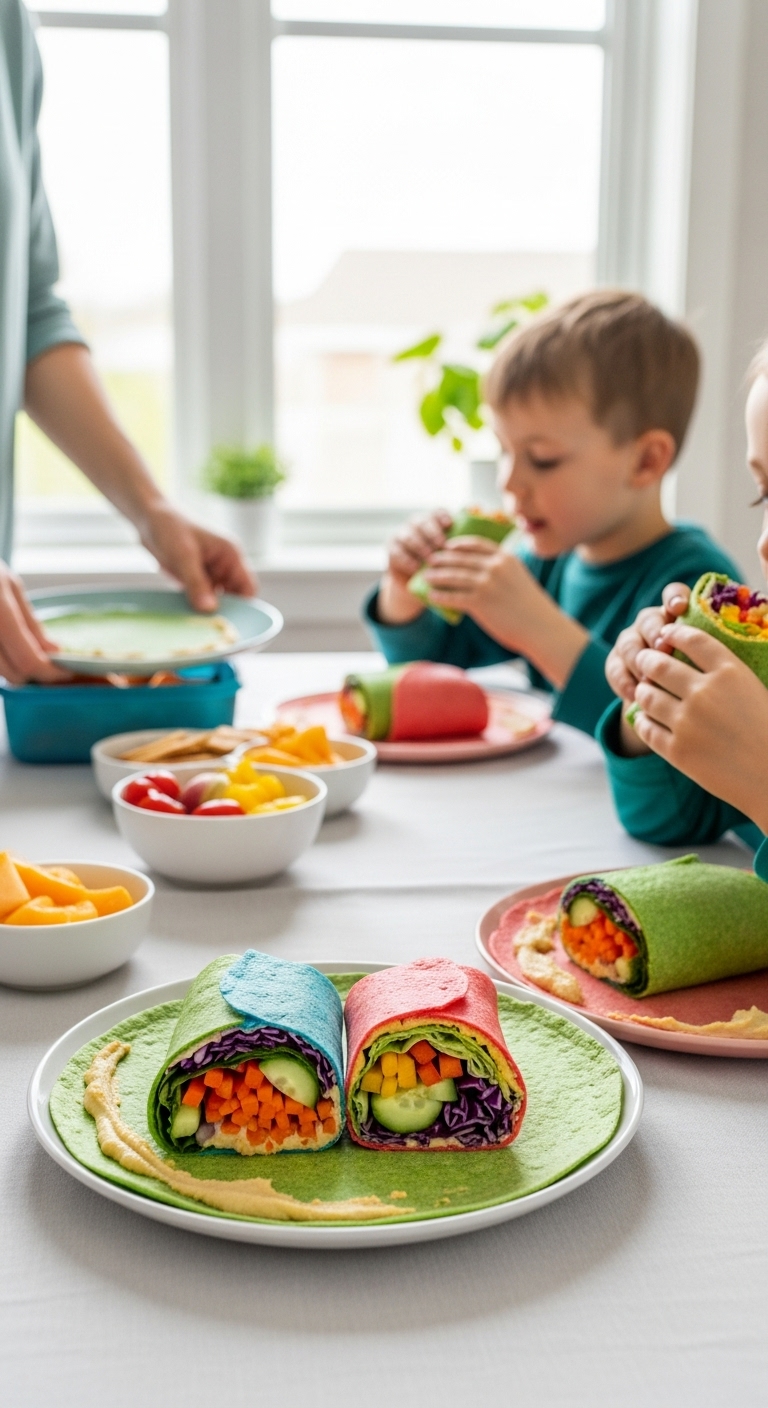
Bright, colorful, and full of texture, these wraps are a clever way to sneak in multiple vegetables without complaints. Spinach, shredded carrots, and bell peppers deliver a powerful antioxidant punch, supporting kids’ energy, immunity, and focus throughout the day.
Hummus adds fiber and protein, helping them feel full longer, while the wrap format makes it portable and easy to handle, perfect for busy mornings or after-school snacks. This is a lunch where kids eat with their eyes first, making nutrition effortless for parents.
Ingredients:
-
- 2 whole-grain wraps
- ½ cup hummus (any flavor)
- ½ cup shredded carrots
- ½ cup sliced bell peppers (red, yellow, orange for color)
- ½ cup baby spinach leaves
- Optional: avocado slices
How to Make (Step-by-Step):
- Spread hummus evenly across each wrap.
- Layer spinach, shredded carrots, bell peppers, and avocado if using.
- Roll the wrap tightly from one end.
- Slice diagonally into 3–4 pieces.
- Serve immediately or wrap in parchment for lunchboxes.
Why It’s Anti-Inflammatory: Carrots and bell peppers are rich in beta-carotene and antioxidants, spinach adds vitamins and iron, and hummus provides fiber and plant-based protein.
Parent Hack: Wash and pre-cut veggies on Sunday. Store in containers so wraps can be assembled in under 5 minutes during the week.
Kid-Friendly Tip: Use cookie cutters to create fun shapes with the wrap, or roll the veggies tightly so they are easy to hold. Let kids choose the veggie colors, it gives them ownership and makes them more likely to eat everything.
Variation Ideas: Add grilled chicken strips, roasted sweet potato, or roasted chickpeas for a protein boost.
2. Chicken & Quinoa Salad with Lemon-Tahini Dressing
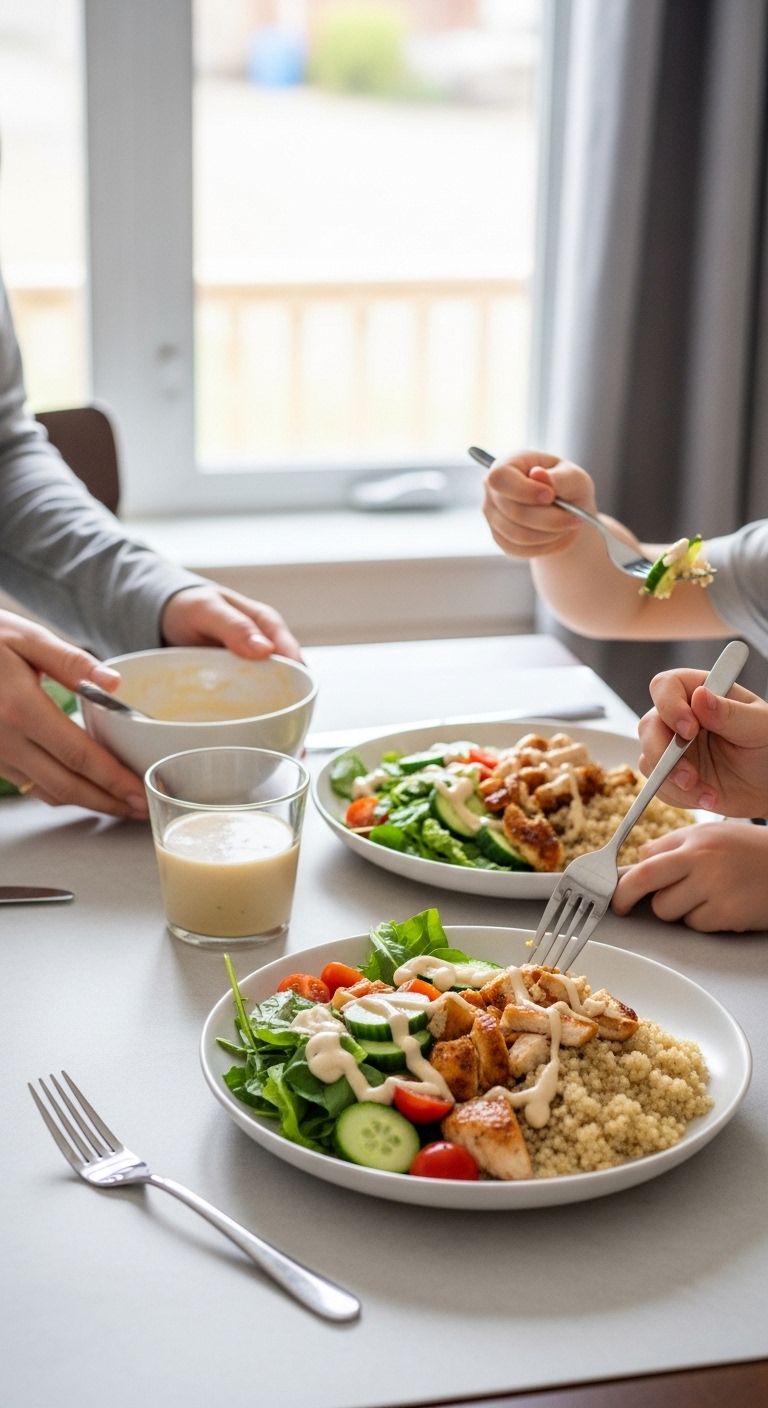
This salad is ideal for parents who want quick, anti-inflammatory spring lunches that can be prepped in advance. Quinoa keeps kids full with fiber, chicken provides lean protein, and lemon-tahini dressing offers antioxidants and healthy fats. Roasted vegetables add natural sweetness, helping picky eaters enjoy nutrient-dense meals.
Ingredients:
- 1 cup cooked quinoa
- 1 cup cooked chicken breast, diced
- 1 cup roasted seasonal vegetables (asparagus, cherry tomatoes)
- 2 tsp olive oil
- 1 tbsp tahini
- Juice of ½ lemon
- Salt & pepper to taste
How to Make:
- Mix quinoa, chicken, and roasted veggies in a bowl.
- Whisk olive oil, tahini, lemon juice, salt, and pepper.
- Pour dressing over salad and toss to coat.
- Portion into containers or serve immediately.
Why It’s Anti-Inflammatory: Quinoa provides fiber to regulate blood sugar, chicken gives protein for sustained energy, and lemon-tahini supplies antioxidants and healthy fats.
Parent Hack: Prepare the quinoa in bulk and roast a variety of veggies at the start of the week.
Kid-Friendly Tip: Let kids sprinkle toppings like seeds or small cheese cubes to make the salad fun to assemble and eat.
Variation Ideas: Replace chicken for tofu or chickpeas for a vegetarian option.
3. Sweet Potato & Black Bean Quesadillas
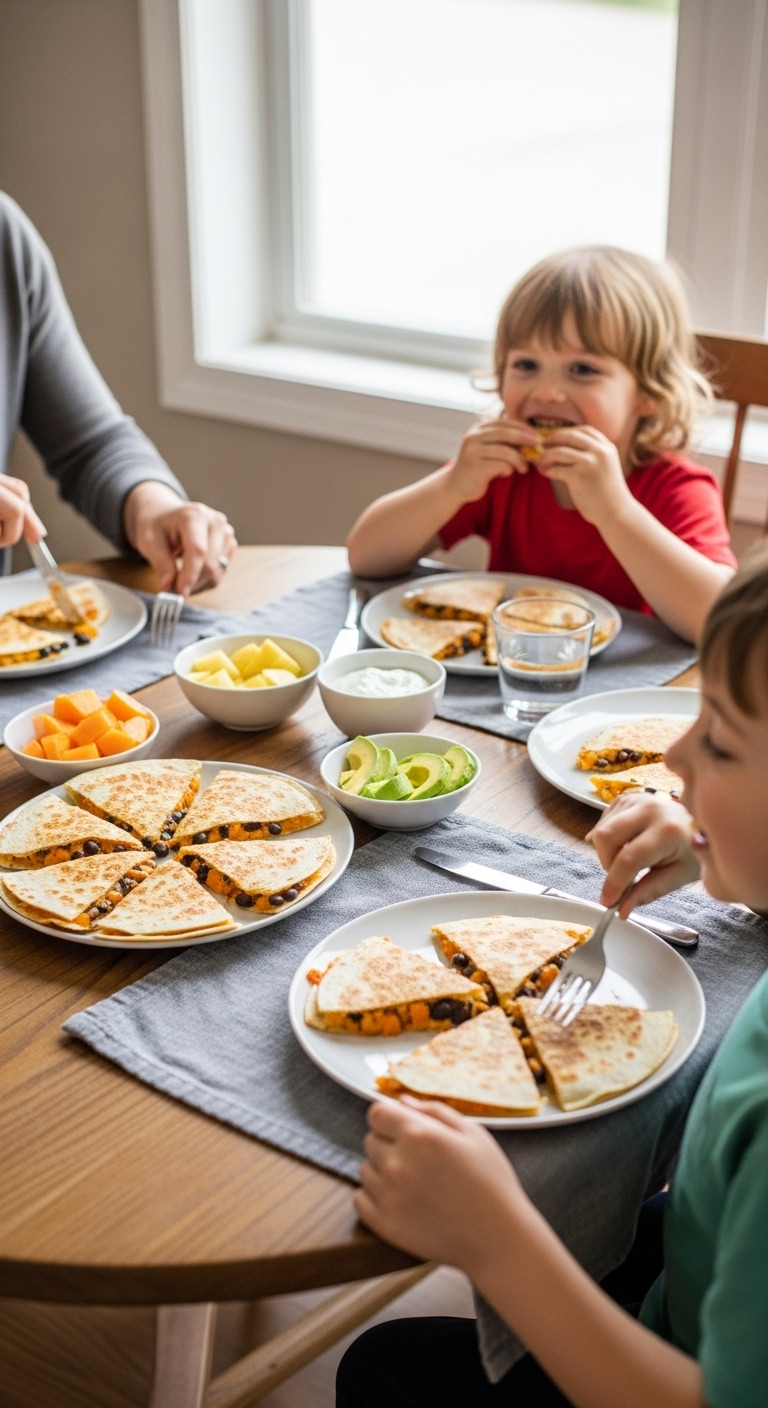
Perfect for filling, nutrient-dense lunches that reheated well, these quesadillas combine naturally sweet, anti-inflammatory sweet potatoes with fiber-rich black beans. Whole-grain tortillas keep kids energized throughout the day, solving the common lunchtime complaint of “not full enough.”
Ingredients:
- 1 medium sweet potato, roasted and mashed
- ½ cup black beans, drained and rinsed
- 2 whole-grain tortillas
- ¼ cup shredded cheese
- Optional: Greek yogurt for serving
How to Make:
- Spread mashed sweet potato on one tortilla.
- Top with black beans and shredded cheese.
- Cover with second tortilla.
- Heat in a non-stick pan for 3–4 minutes per side until golden and melted.
- Cut into triangles and serve with yogurt if desired.
Why It’s Anti-Inflammatory: Sweet potatoes are rich in beta-carotene, black beans provide fiber and protein, and cheese adds calcium.
Parent Hack: Make multiple quesadillas and freeze individually for quick, ready-to-go lunches.
Kid-Friendly Tip: Cut into fun shapes or serve with a small side of favorite salsa to encourage picky eaters.
Variation Ideas: Add spinach, roasted peppers, or shredded chicken for extra nutrients.
4. Mini Frittatas with Spinach & Turmeric
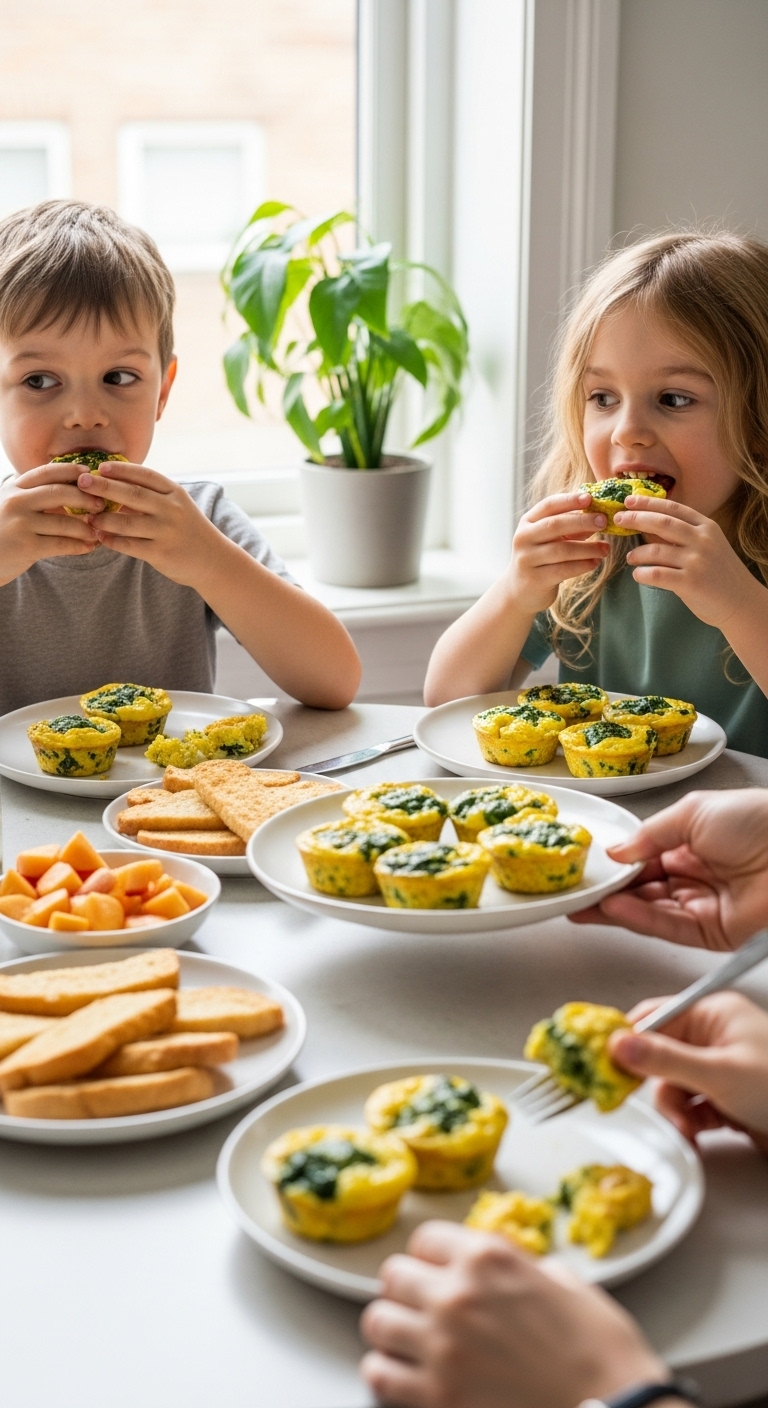
For parents juggling busy mornings, after-school activities, and picky eaters, these mini frittatas are a lifesaver. Unlike most breakfast-for-lunch ideas, these frittatas are strategically designed to support focus, energy, and immunity without relying on processed foods.
Their compact size allows for batch cooking, so parents can prep multiple portions at once and reduce weekday stress. The turmeric adds subtle earthy flavor while helping reduce inflammation naturally, and the spinach adds essential vitamins and minerals that are often hard to sneak into children’s meals.
Ingredients:
- 4 eggs
- ½ cup chopped spinach
- 1 small bell pepper, diced
- ¼ tsp turmeric
- Salt & pepper to taste
- Optional: 1 tbsp shredded cheese
How to Make:
- Preheat oven to 180°C (350°F).
- Whisk eggs, turmeric, salt, and pepper in a bowl.
- Stir in spinach, bell pepper, and cheese if using.
- Pour mixture evenly into a greased muffin tin.
- Bake 12–15 minutes until set and slightly golden.
- Let cool slightly, remove from tin, and store in the fridge or serve immediately.
Why It’s Anti-Inflammatory: Turmeric supports reduced inflammation, spinach provides vitamins A, C, and K, and eggs deliver high-quality protein for sustained energy and focus.
Parent Hack: Bake a batch on the weekend and store in an airtight container. They reheat quickly for stress-free weekday lunches or snacks.
Kid-Friendly Tip: Let children sprinkle toppings like cherry tomato halves or tiny cheese cubes on top before baking, it gives them ownership and makes eating more fun.
Variation Ideas: Include shredded zucchini, roasted sweet potato, or finely diced ham for variety and extra nutrients.
5. Salmon & Avocado Rice Bowls
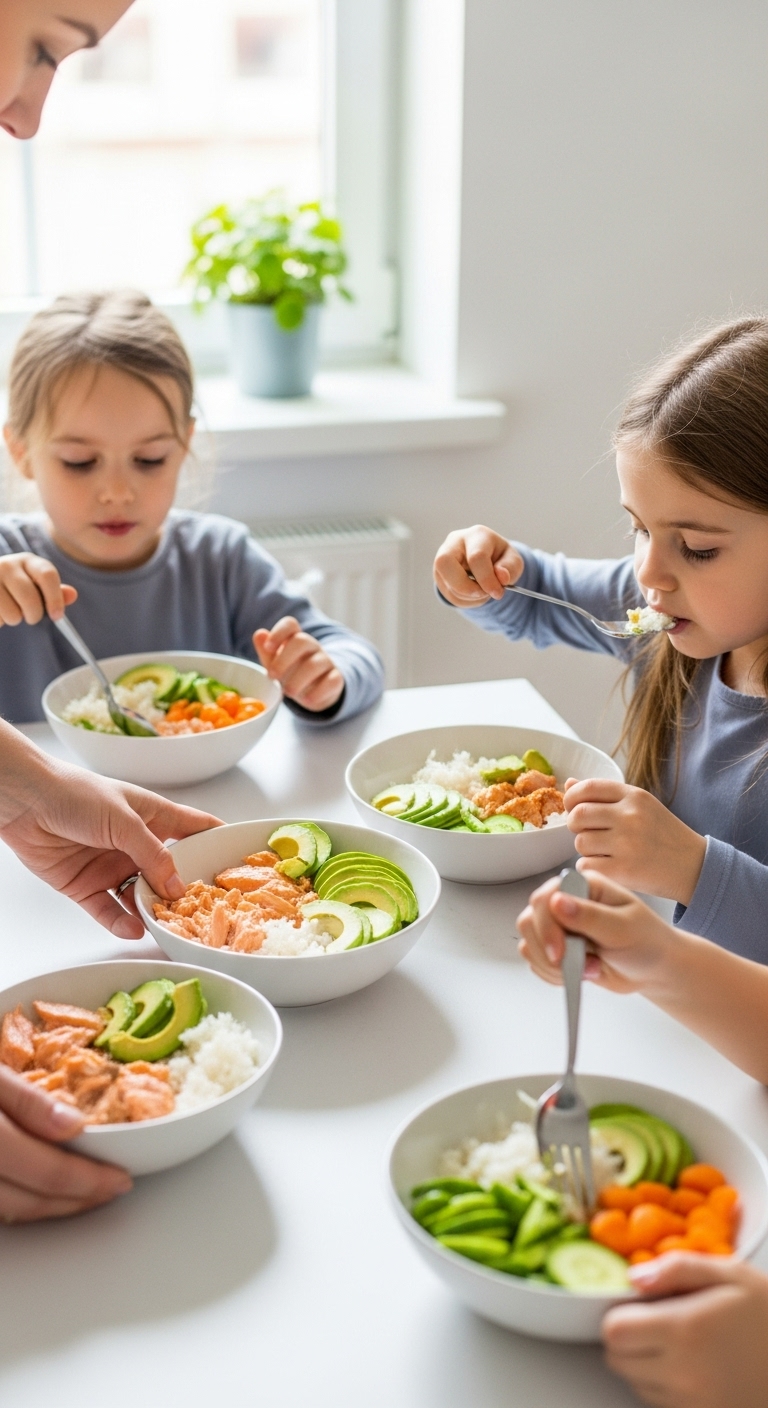
This meal is built for parents who want nutrient-dense, anti-inflammatory lunches that also appeal to picky eaters. Combining omega-3-rich salmon, fiber-packed brown rice, and creamy avocado, it’s a lunch that supports brain health, immunity, and sustained energy, all essential for active kids.
By arranging the ingredients in separate sections and adding colorful toppings like shredded carrots, kids are more likely to try new foods without pressure. The healthy fats from salmon and avocado also help stabilize blood sugar, keeping energy levels steady until the next meal.
Ingredients:
- 1 cup cooked brown rice
- 100 g cooked salmon, flaked
- ½ avocado, sliced
- ¼ cup shredded carrots
- 1 tsp olive oil
- Optional: lemon juice, sesame seeds
How to Make:
- Place cooked brown rice in the bottom of a bowl.
- Arrange flaked salmon, avocado slices, and shredded carrots on top in separate sections.
- Drizzle lightly with olive oil and optional lemon juice.
- Sprinkle sesame seeds if desired.
- Serve immediately or pack in a lunch container for later.
Why It’s Anti-Inflammatory: Salmon provides omega-3 fatty acids for brain and heart health, avocado delivers monounsaturated fats, and carrots contain antioxidants that reduce inflammation and support immunity.
Parent Hack: Cook salmon and rice in bulk to prepare multiple bowls for the week, saving time on busy mornings.
Kid-Friendly Tip: Arrange ingredients in a “bento-style” layout with colorful sections — kids are more likely to eat foods they can see and select themselves.
Variation Ideas: Switch salmon for canned tuna or tofu, add roasted zucchini or cherry tomatoes, or include a small sprinkle of cheese for extra appeal.
6. Veggie-Packed Pasta Salad with Olive Oil Dressing
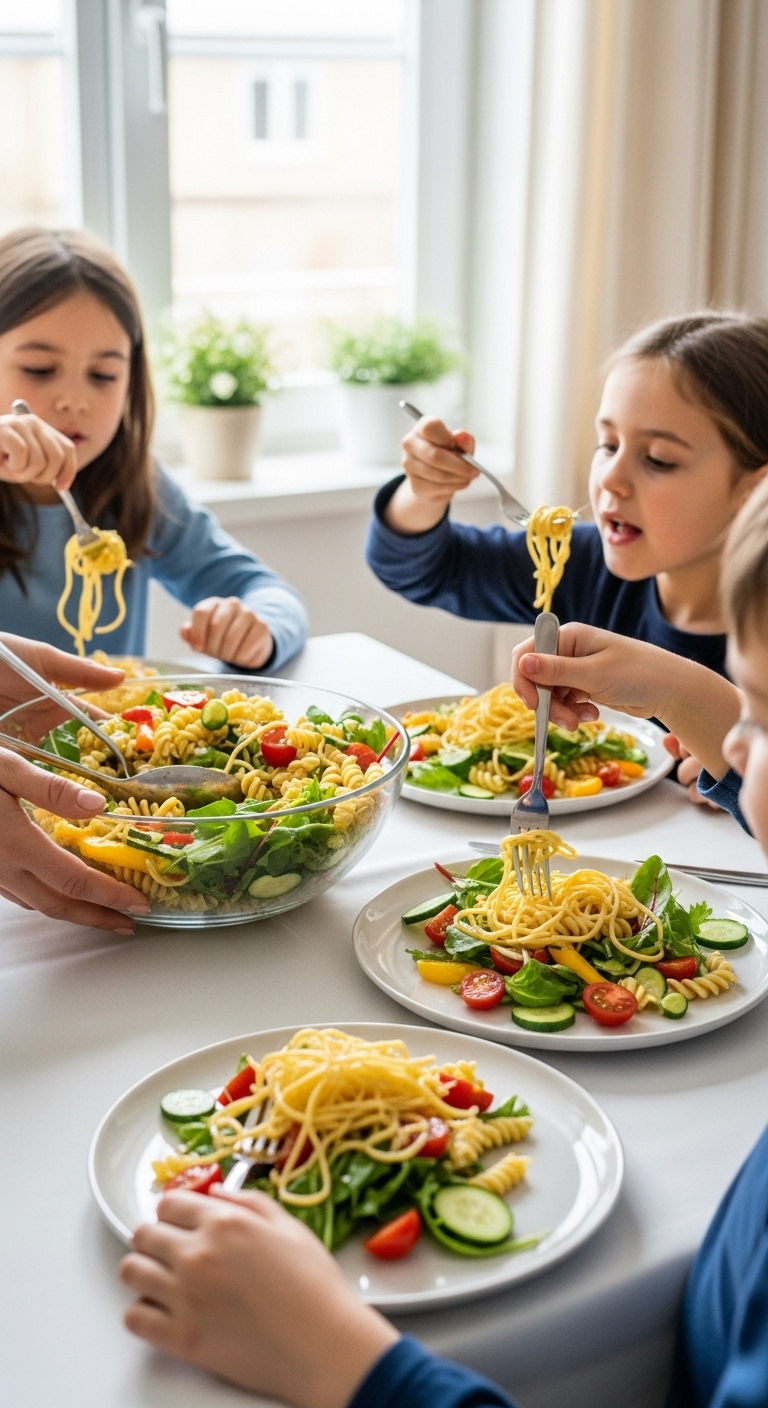
This pasta salad is a strategic solution that transforms a common lunchtime challenge into a win. Especially for parents who struggle to get kids to eat vegetables
By combining fiber-rich whole-grain pasta with seasonal vegetables and a drizzle of olive oil, it creates a balanced, nutrient-dense meal that kids actually enjoy.
The texture of the pasta and mild flavor of the dressing make it appealing for picky eaters, while the antioxidant-rich vegetables and healthy fats naturally fight inflammation and support immunity.
These bowls also double as a smart way to batch prep multiple quick anti‑inflammatory spring lunches, saving busy parents time and reducing stress.
Ingredients:
- 1 cup whole-grain pasta, cooked and cooled
- ½ cup zucchini, diced
- ½ cup bell peppers, diced
- 1 tbsp olive oil
- Salt, pepper, optional herbs (like basil or oregano)
How to Make:
- Cook pasta according to package instructions, drain, and let cool.
- Toss the pasta with diced zucchini, bell peppers, olive oil, salt, and pepper.
- Store in an airtight container or serve immediately.
Why It’s Anti-Inflammatory: Olive oil provides healthy fats that reduce inflammation, while zucchini and bell peppers add vitamins, antioxidants, and fiber, essential for growing kids.
Parent Hack: Make a large batch and portion into containers for the week. Add proteins like shredded chicken or chickpeas to turn it into a complete lunch.
Kid-Friendly Tip: Use colorful vegetables and let kids sprinkle in cheese or seeds themselves, it makes the meal interactive and more likely to be eaten completely.
Variation Ideas: Add boiled eggs, roasted sweet potatoes, or a small side of yogurt dip for variety and extra nutrients.
7. DIY Snack Boxes
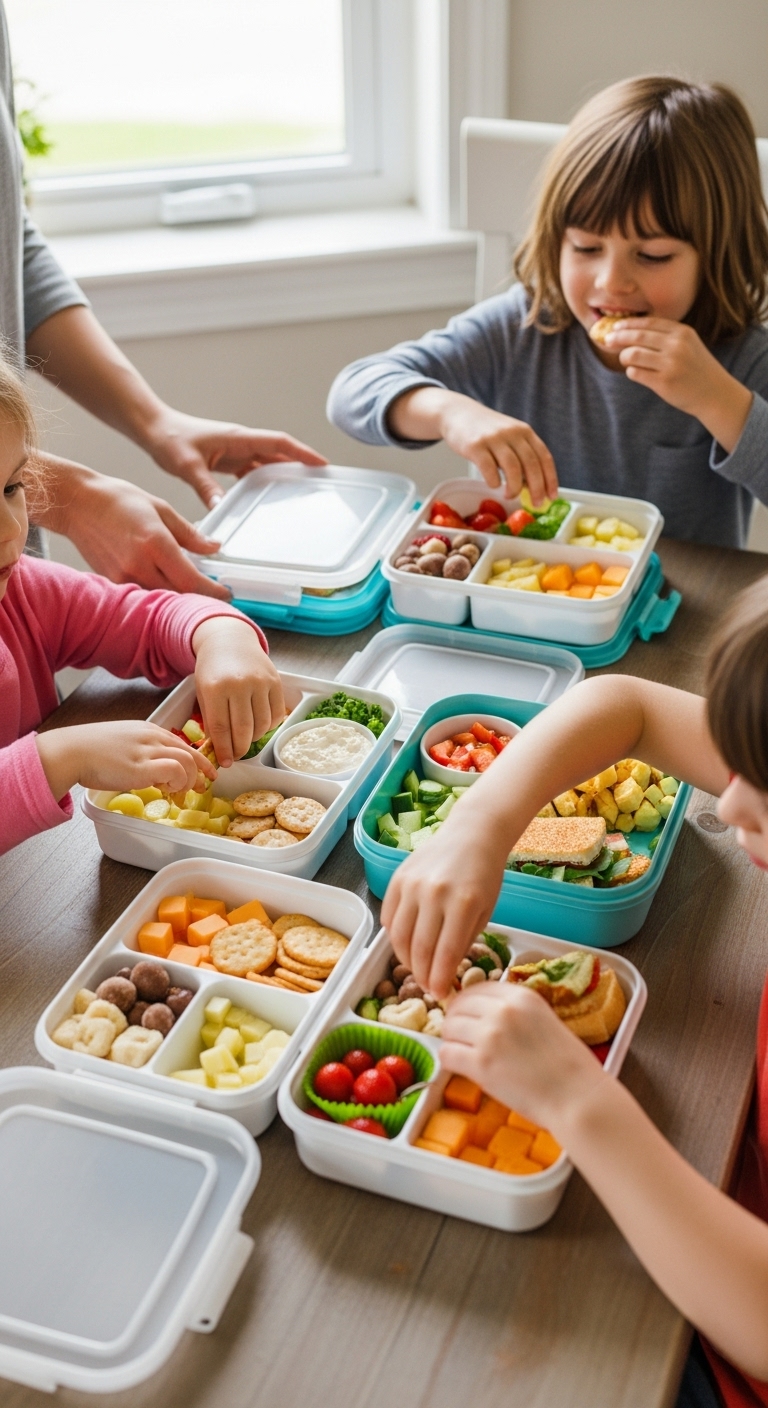
These snack boxes solve the all-too-common pain point of kids rejecting lunch items or parents scrambling at the last minute. By combining small portions of cheese, nuts, fresh fruit, and vegetables, they create a balanced, anti-inflammatory meal that is visually appealing, portable, and easy to assemble.
Snack boxes also help children develop independence and curiosity about healthy foods, reducing mealtime stress and encouraging them to try new ingredients. They are an ideal addition to your quick anti‑inflammatory spring lunches, rotation, giving parents flexible, ready-to-go options without compromising nutrition.
Ingredients:
- ¼ cup cheese cubes
- ¼ cup nuts (almonds, walnuts)
- ½ cup fresh fruit (berries, apple slices, grapes)
- ½ cup cut vegetables (carrot sticks, cucumber slices)
- Optional: hummus or yogurt dip
How to Make:
- Arrange ingredients in a divided lunchbox or container.
- Add a small portion of hummus or yogurt in a separate cup if desired.
- Serve immediately or store in the fridge until needed.
Why It’s Anti-Inflammatory: Fruits and vegetables provide antioxidants, nuts supply healthy fats and protein, and cheese contributes calcium, a combination that reduces inflammation while supporting growth and energy.
Parent Hack: Prepare 5–6 snack boxes at once and store them in the fridge. This cuts daily prep time to under 5 minutes and keeps lunches stress-free.
Kid-Friendly Tip: Let children build their own boxes by choosing which fruits, veggies, or toppings to include. This increases engagement and encourages them to eat the entire meal.
Variation Ideas: Alternate nuts for roasted chickpeas, add boiled eggs for protein, or rotate seasonal fruits like mango, kiwi, or strawberries for variety.
Lunch Prep Strategies for Busy Families
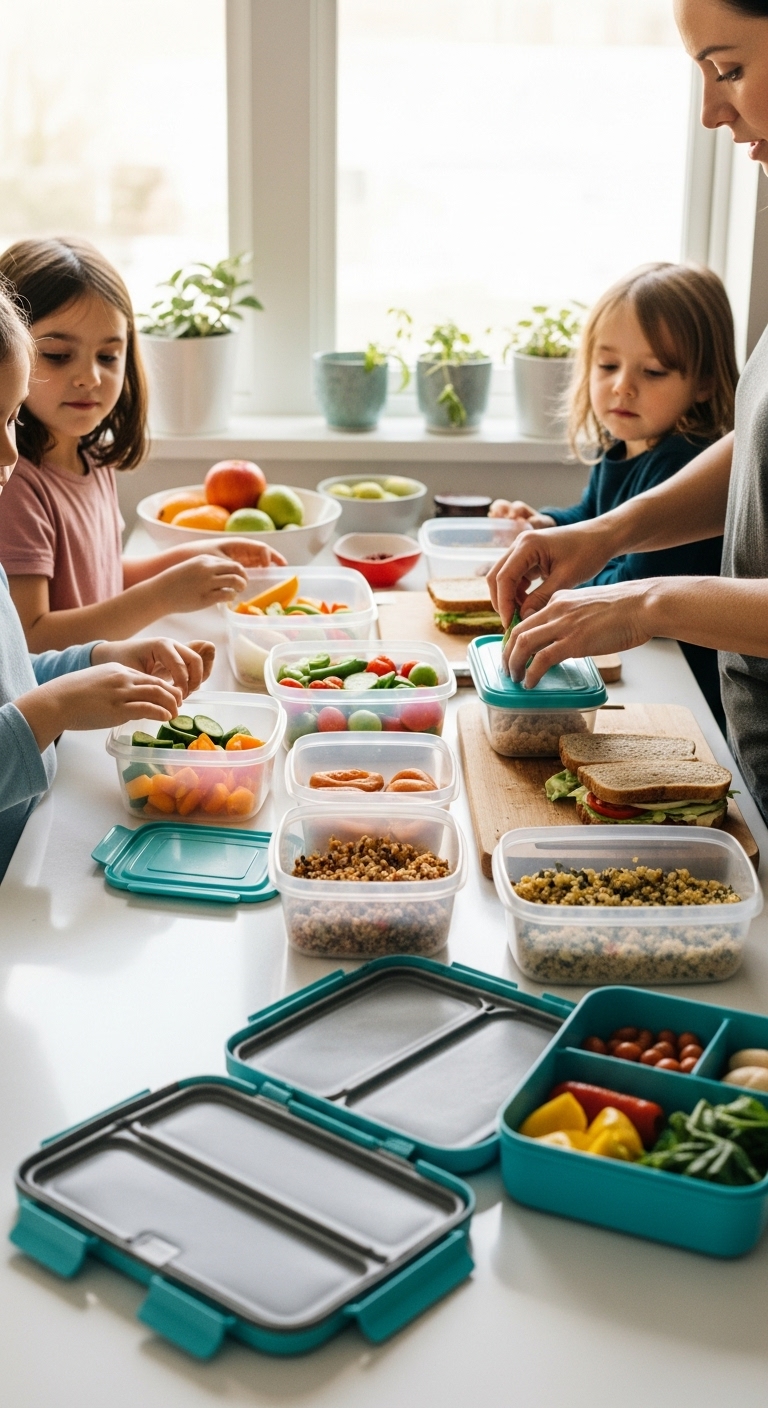
Creating quick anti‑inflammatory spring lunches, is more than following a recipe, it’s about building a system that saves time, reduces stress, and ensures your child eats balanced, nutrient-rich meals every day. Parents often struggle with picky eaters, short mornings, and inconsistent meal quality, but understanding how ingredients and prep choices work together can make lunch both easy and nourishing.
Batch Core Ingredients That Work in Multiple Meals
Cooking a few staples in bulk , like quinoa, brown rice, roasted chicken, or seasonal vegetables, gives you flexibility to assemble several different lunches without extra cooking. When grains, proteins, and vegetables are prepped in advance, you can combine them in wraps, bowls, or salads throughout the week.
Kids get antioxidants, fiber, and protein consistently, and parents avoid scrambling in the morning. Over time, this approach turns meal prep into a predictable system instead of a daily stress point.
Mix Components for Variety and Engagement
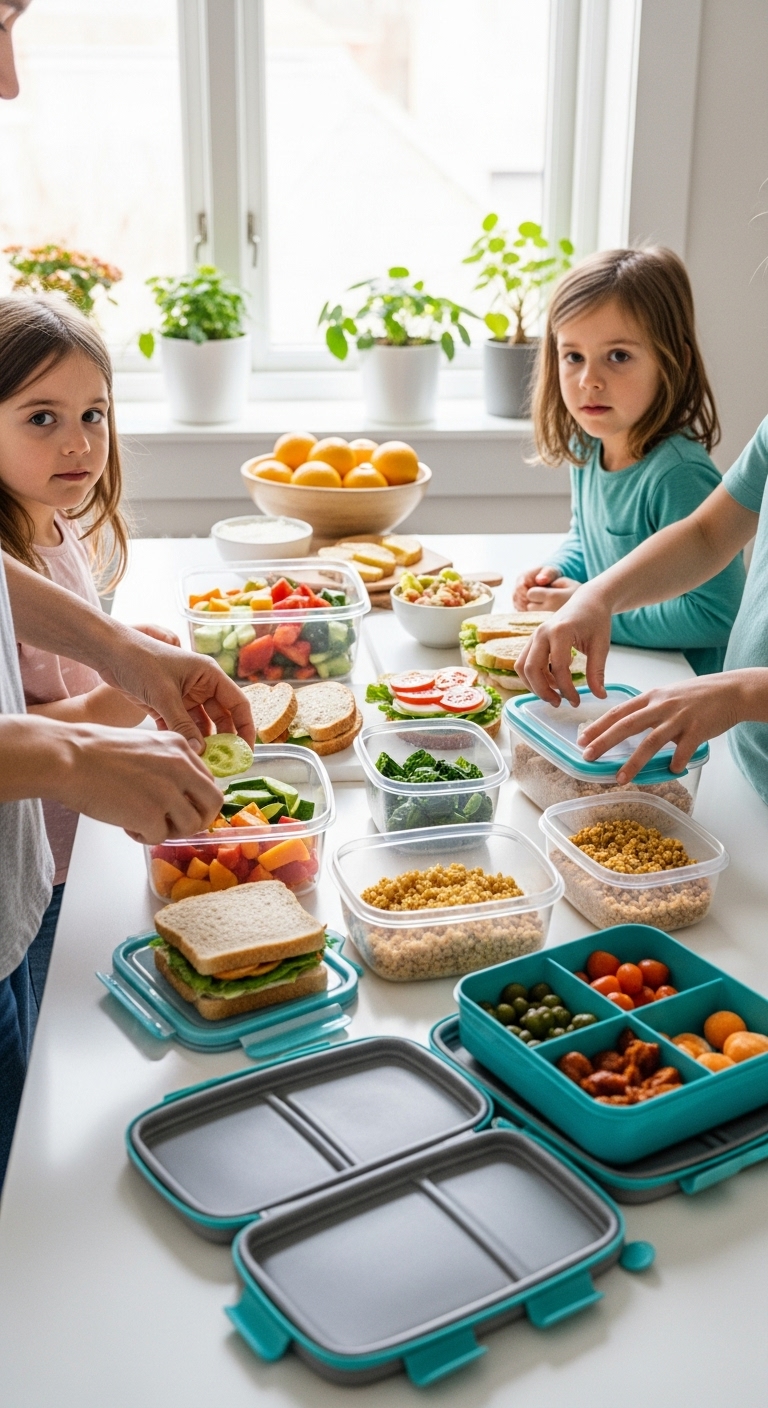
Using the same base ingredients in different combinations prevents boredom. For instance, roasted chicken can become a salad topping one day, a wrap filling the next, and a pasta protein on another.
Similarly, roasted vegetables can appear in bowls, frittatas, or snack boxes. This strategy keeps meals visually appealing and nutritionally balanced, encouraging kids to eat a wide range of anti-inflammatory foods without forcing them.
Think of Leftovers as Ingredients, Not “Leftovers”
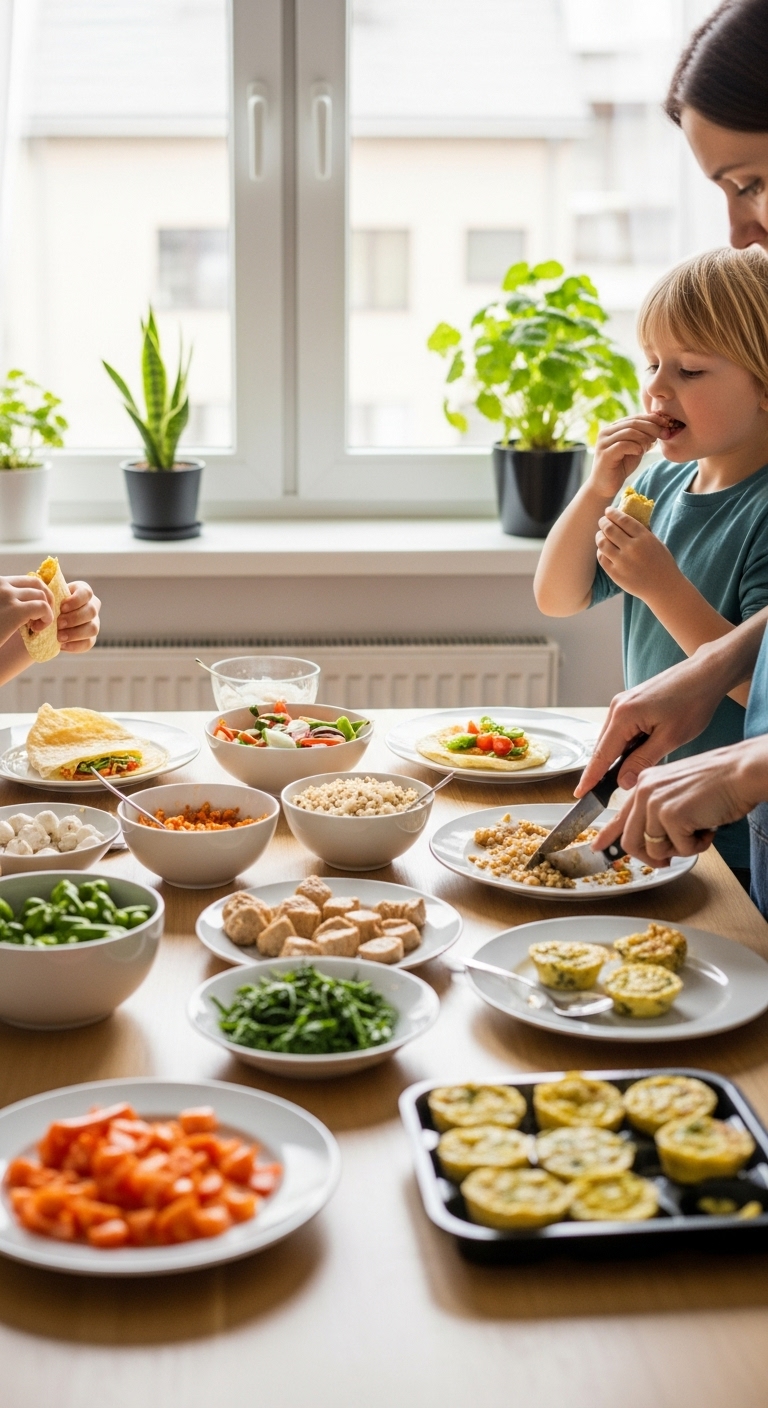
Instead of seeing dinner leftovers as second-rate food, treat them as building blocks for Quick Anti‑Inflammatory Spring Lunches. Flaked salmon or roasted vegetables can be turned into wraps, salads, or bowls.
Even leftover grains or mashed sweet potato can be combined with fresh ingredients to create a new meal. This mindset reduces waste, saves time, and ensures each lunch contains meaningful nutrients.
Include Kids in the Process
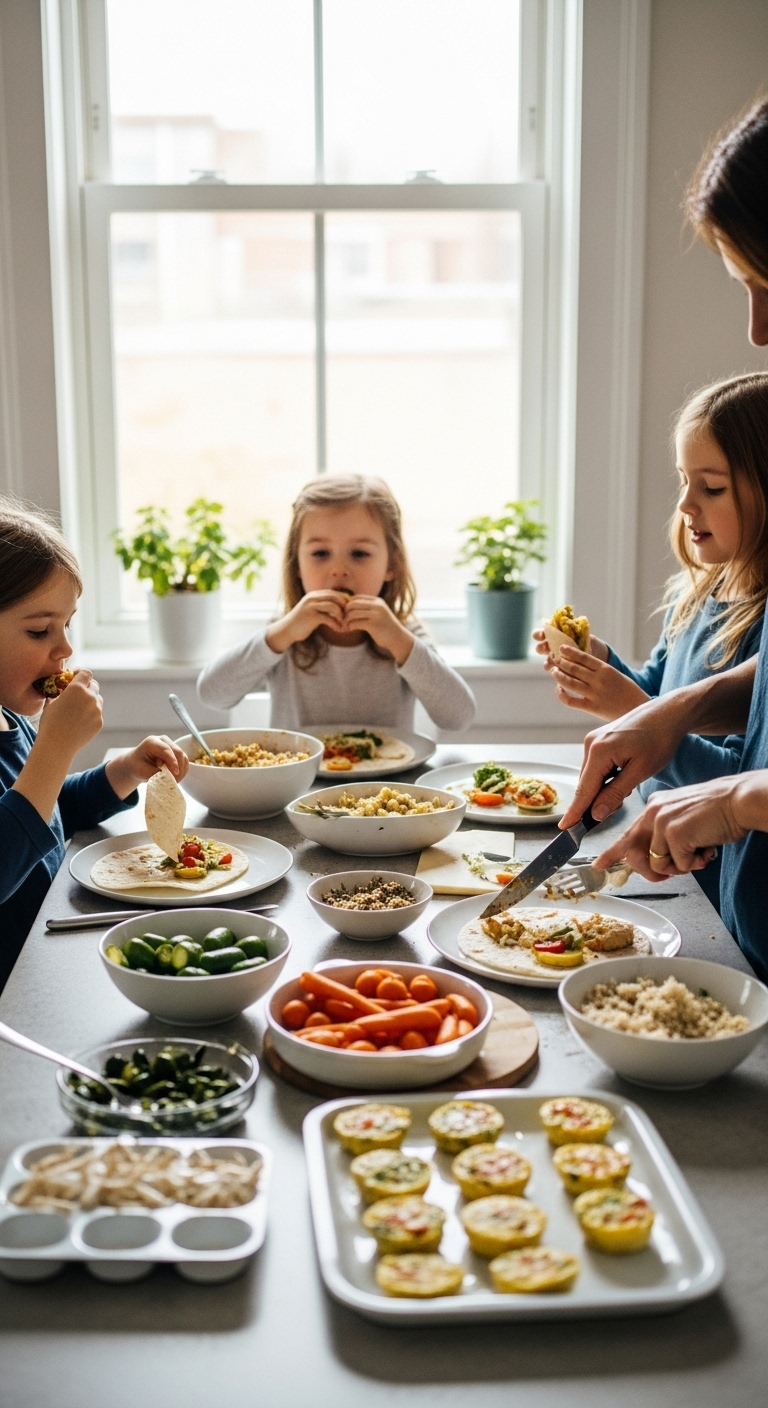
Children are more likely to eat and enjoy meals they help assemble. Giving them small tasks, arranging vegetables, sprinkling toppings, or choosing the colors on their plate, creates a sense of ownership. This approach transforms lunch prep from a daily battle into a learning opportunity about healthy foods, while subtly reinforcing anti-inflammatory eating habits.
Go for Quick Assembly, Not Last-Minute Cooking
Even with batch-cooked ingredients, lunches only stay quick if assembly is simple. Use containers for pre-portioned grains, proteins, and vegetables, and keep dressings or dips separate.
In just a few minutes, you can create a Quick Anti‑Inflammatory Spring Lunch that is visually appealing, flavorful, and filling. This system ensures kids get balanced meals every day, even during hectic mornings or busy afternoons.
Overall:
By focusing on prepping versatile ingredients, mixing components, creatively using leftovers, involving kids, and streamlining assembly, parents can consistently provide quick anti‑inflammatory spring lunches, that are nutritious, stress-free, and kid-friendly.
This approach solves the major challenges of time pressure, picky eating, and nutritional gaps, while teaching children the value of healthy, anti-inflammatory foods.
Seasonal Anti-Inflammatory Ingredients to Include
When creating lunches for children, choosing the right ingredients can make a big difference in energy, focus, and overall health. Spring offers a wealth of fresh, colorful, and anti-inflammatory ingredients that many parents overlook. Using these strategically enhances nutrition and makes meals more visually appealing and enjoyable for kids.
1️⃣ Spring Vegetables and Fruits
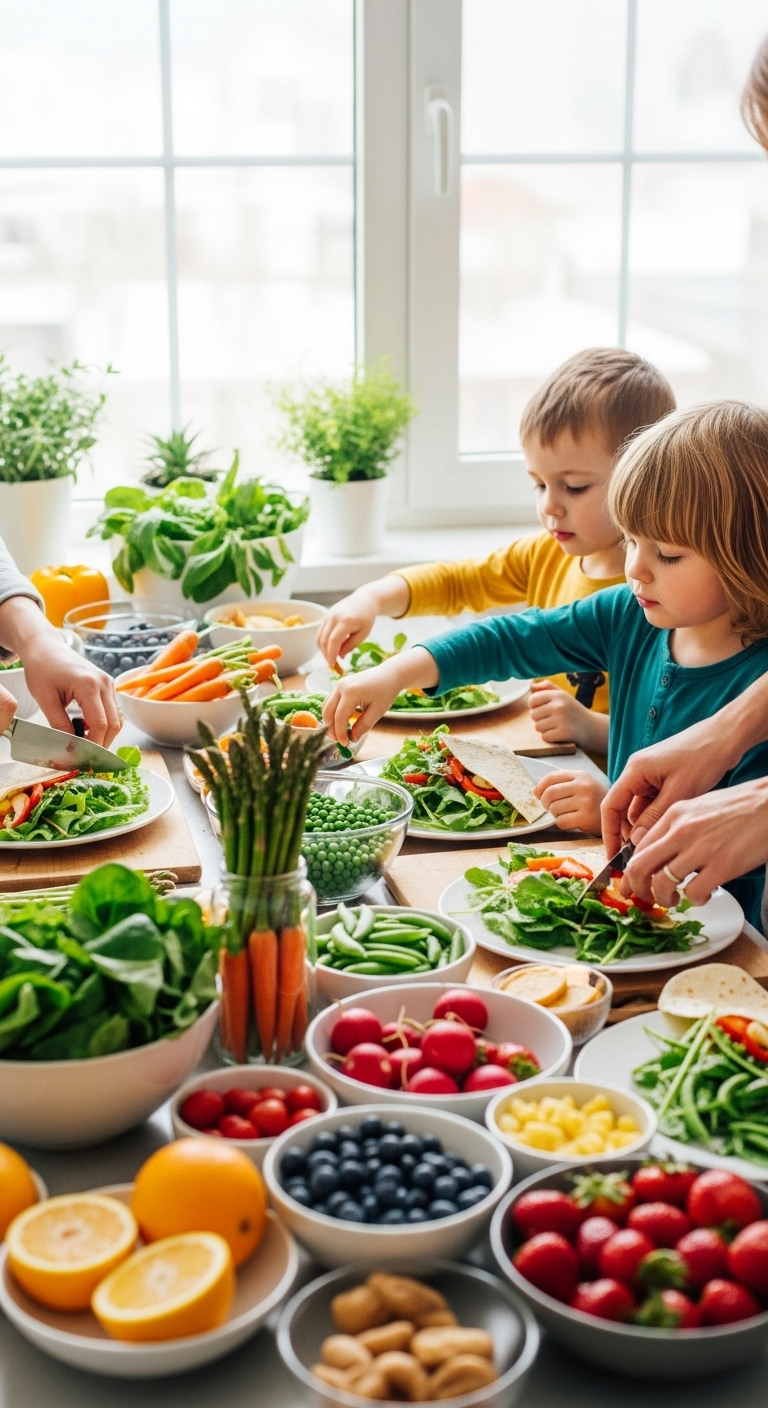
Spring produce is naturally nutrient-dense, colorful, and kid-friendly. Key options include:
- Spinach & Kale – rich in vitamins A, C, K, and antioxidants; supports immunity and reduces inflammation.
- Asparagus & Peas – naturally sweet, high in fiber, easy for picky eaters, and provide steady energy.
- Berries (strawberries, blueberries, raspberries) – packed with flavonoids and vitamin C to boost immunity and fight inflammation.
- Citrus Fruits (oranges, mandarins, grapefruit) – high in vitamin C and visually bright, making lunches more fun.
Practical Tips:
- Pre-wash and cut vegetables into bite-sized pieces.
- Serve fruits in fun shapes or sections to encourage children to eat them.
Adding seasonal produce like berries, spinach, and asparagus keeps meals fresh and nutrient-packed — and if you love using spring ingredients in the kitchen, check outSpring Bakes That Don’t Spread or Burn Even If You’re Distracted for easy seasonal recipes that make baking just as stress-free as lunch prep.”
2️⃣ Herbs and Spices
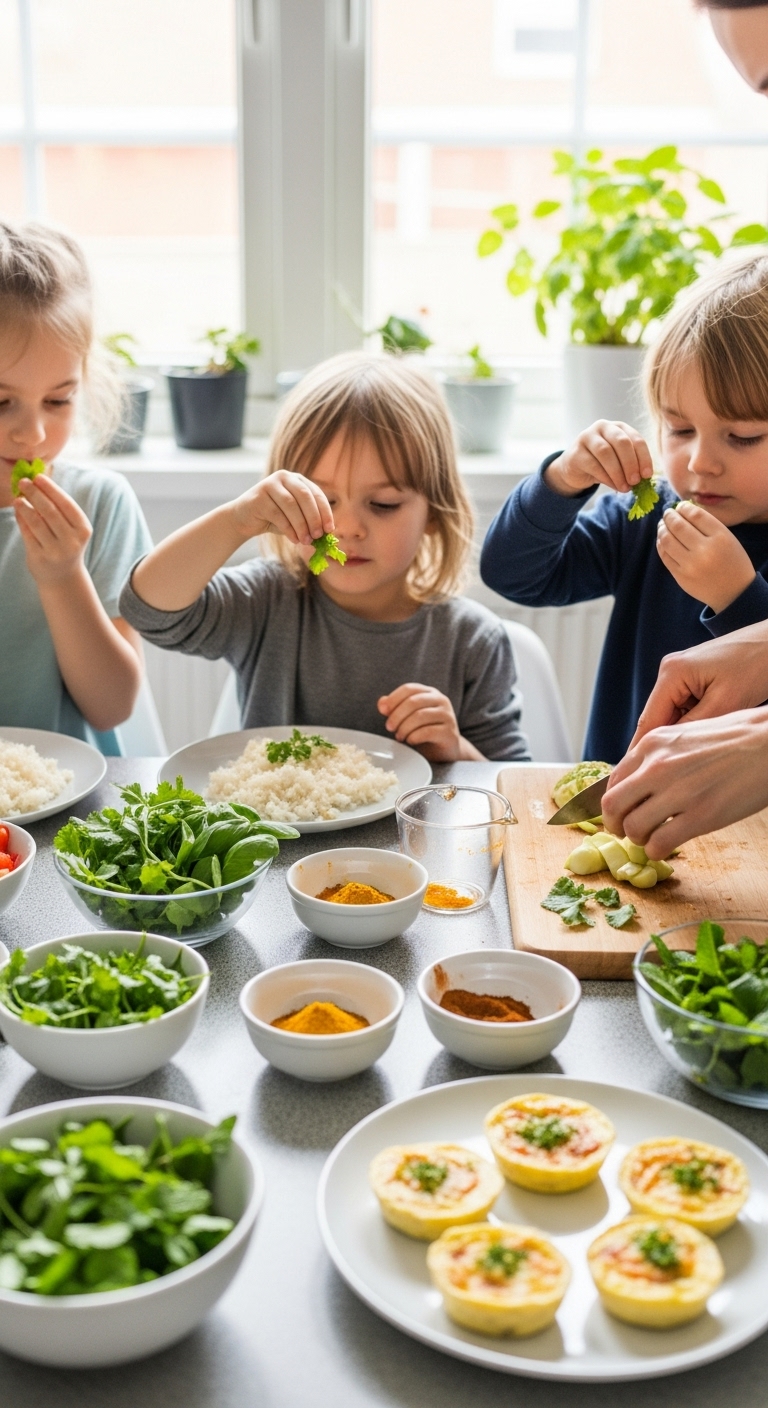
Small additions can have big health benefits and softly enhance flavor:
- Turmeric – contains curcumin, which naturally reduces inflammation and supports brain and joint health.
- Ginger – soothes digestion and adds a mild, kid-friendly spice when combined with other ingredients.
- Parsley – high in vitamins A, C, iron, and adds a pop of green color to meals.
Practical Tips:
- Blend herbs and spices into dressings, sauces, or dips.
- Examples: turmeric-yogurt dip for vegetables, ginger-citrus dressing for salads.
- Keeps flavors mild while still delivering anti-inflammatory benefits.
3️⃣ Keep Ingredients Fresh, Colorful, and Flavorful
Even the healthiest ingredients are more likely to be eaten if they look appealing and offer a variety of textures.
- Use colorful vegetables and fruits to make meals visually engaging.
- Combine textures: crunchy carrots, creamy avocado, soft roasted vegetables.
- Store prepped vegetables in airtight containers with a damp paper towel to maintain freshness.
- Offer small portions of toppings or garnishes to make healthy spring lunches feel fun.
Anti-Inflammatory Foods for Kids – Quick Reference
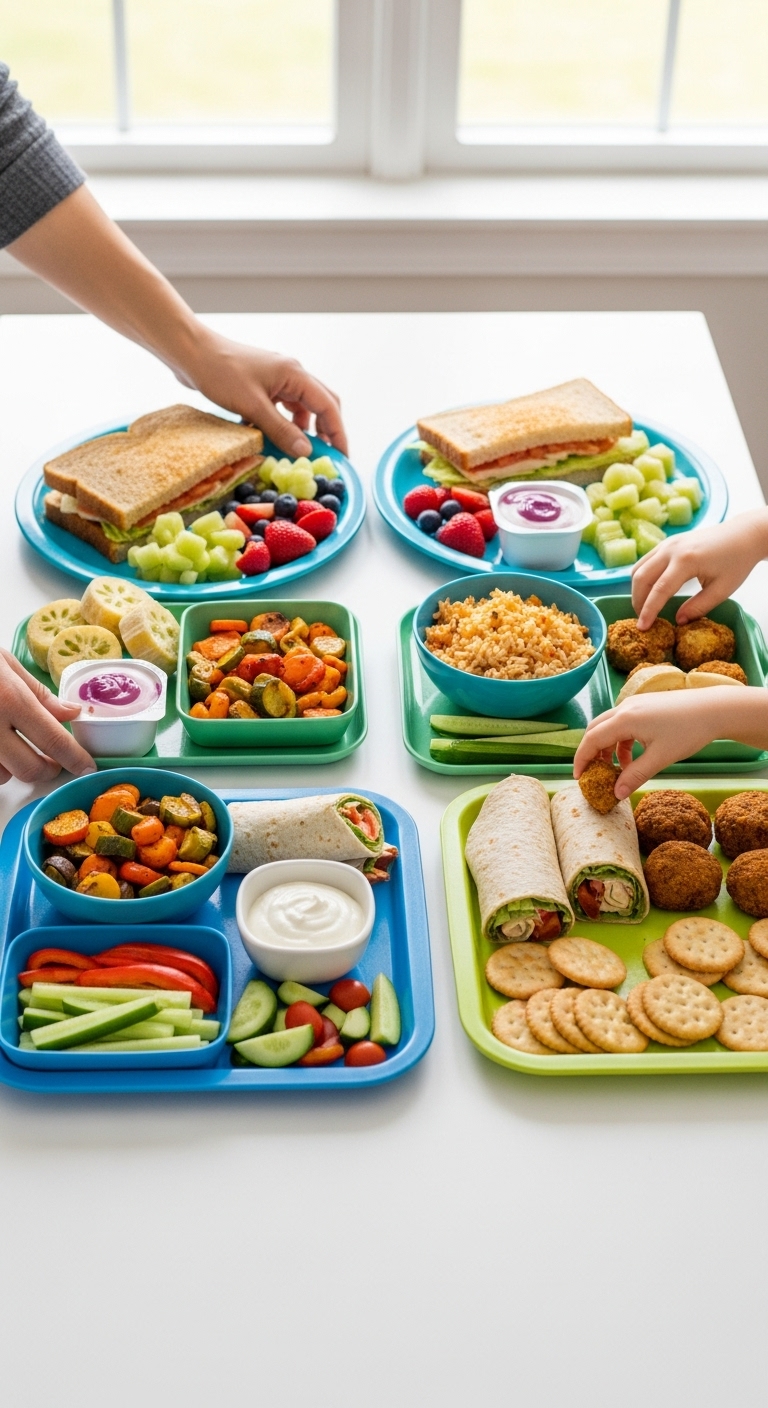
| Food Category | Examples for Spring Lunches | Key Benefits for Kids | Easy Serving Tips |
| Leafy Greens | Spinach, Kale | Antioxidants, vitamins A & C, iron | Wraps, mini frittatas, salads |
| Veggies | Bell peppers, carrots, peas, asparagus | Fiber, beta-carotene, digestion support | Rainbow wraps, diced in dips, roasted |
| Fruits | Berries, oranges, mandarins | Vitamin C, flavonoids, immunity boost | Sliced in bowls, side cups, colorful bento |
| Protein | Chicken, eggs, beans, hummus | Sustained energy, fullness | Wraps, salads, quesadillas |
| Herbs & Spices | Turmeric, ginger, parsley | Anti-inflammatory, flavor enhancement | Dressings, dips, seasoning grains |
| Healthy Fats | Avocado, olive oil, nut butters | Satiety, nutrient absorption | Spreads, drizzle on veggies, wraps |
Strategies to Make Lunches Filling, Nutritious, and Fun
Even with quick anti‑inflammatory spring lunches, many parents struggle with kids who leave the table hungry, refuse certain foods, or pick only a few items. The solution isn’t just bigger portions or extra snacks , it’s designing meals that are balanced, satisfying, and appealing from the start.
1. Customize Portions to Your Child’s Needs
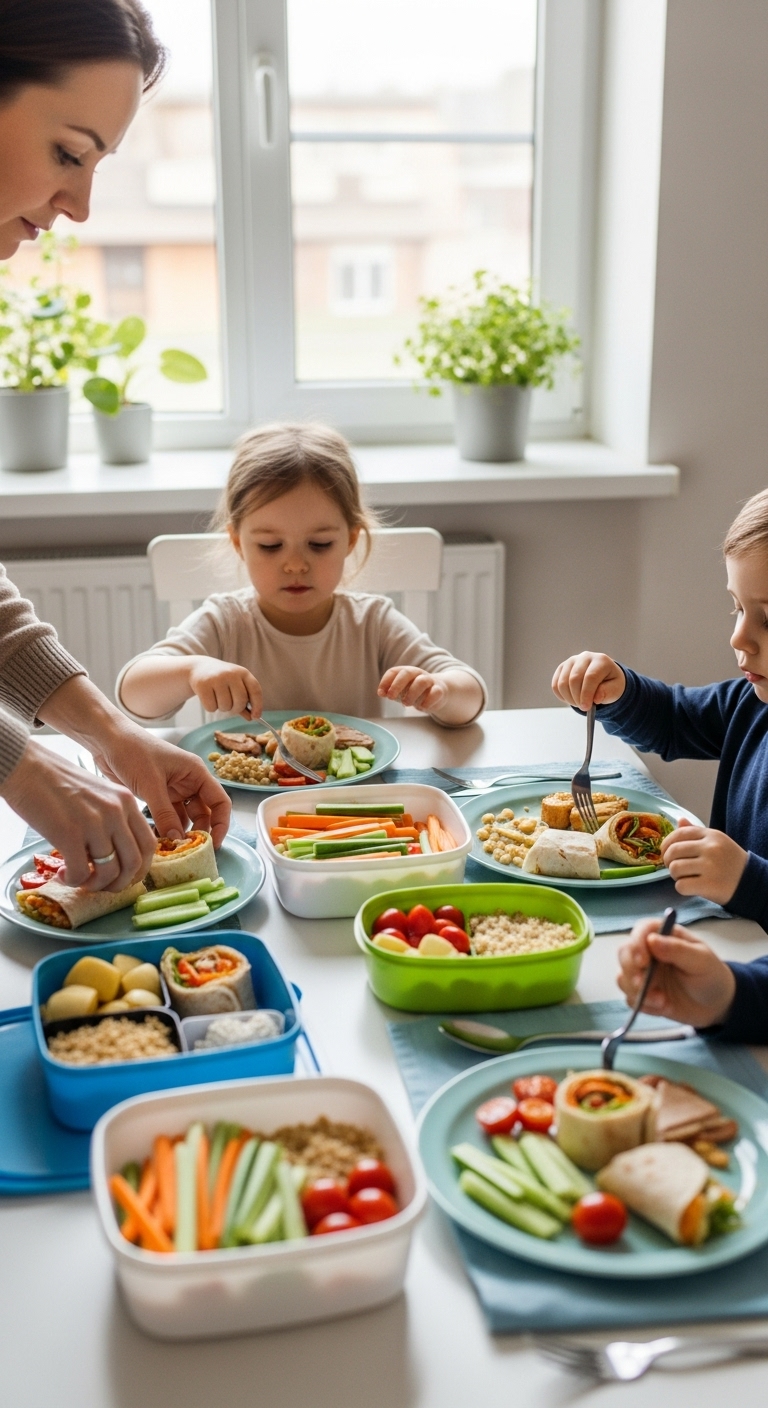
Children’s appetites vary depending on age, growth stage, and activity level. Instead of one-size-fits-all servings:
- Offer smaller portions for younger children and larger portions for older kids.
- Adjust grains, proteins, and vegetables to ensure each plate is balanced without being overwhelming.
- Use pre-portioned containers to guide portions and teach children what a balanced meal looks like.
How This Helps: Correct portioning ensures children get sufficient energy and nutrients while reducing unnecessary snacking, making lunch a sustainable, healthy habit.
2. Pair Protein with Fiber Strategically
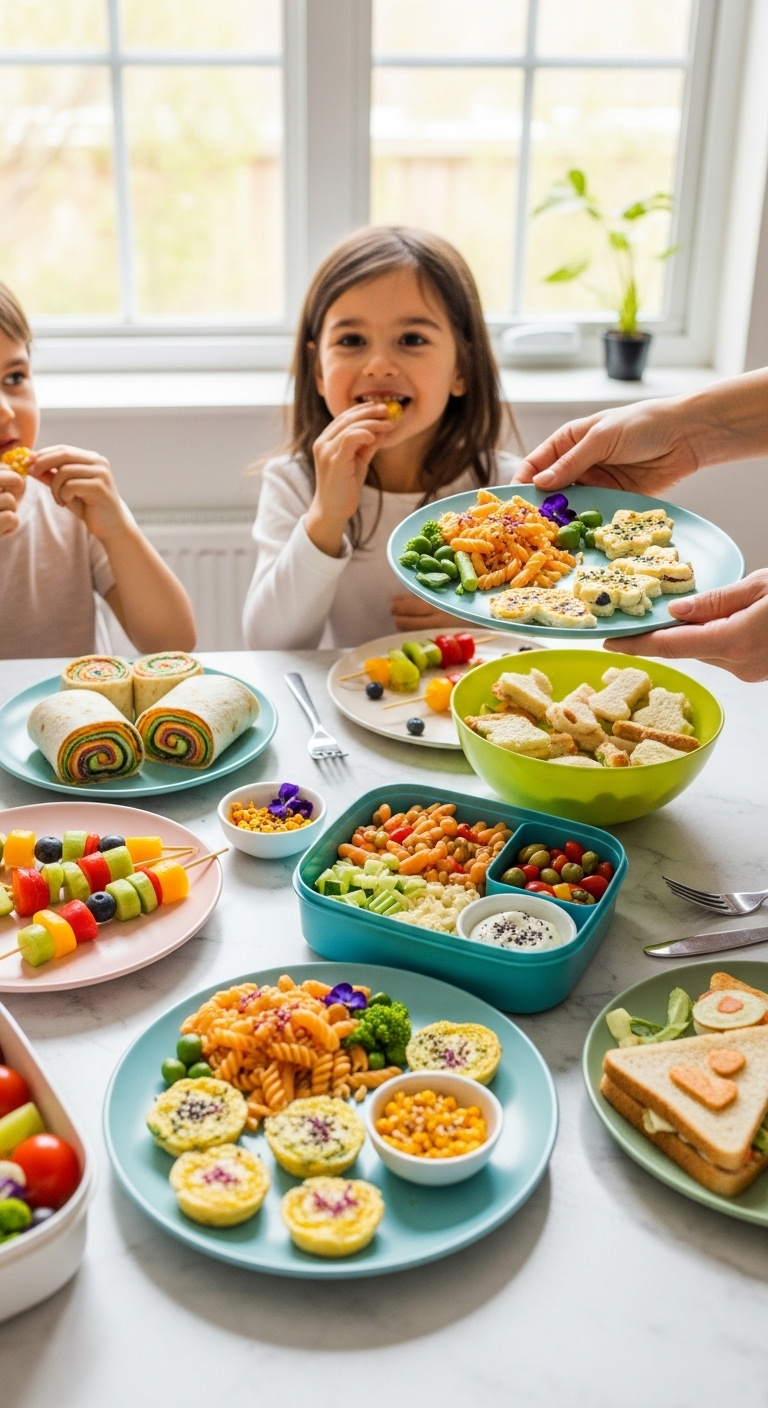
Combining protein with fiber is one of the most effective ways to keep kids full and energized:
- Lean proteins like chicken, beans, eggs, or cheese provide lasting energy.
- Fiber-rich foods like vegetables, whole grains, or legumes slow digestion and stabilize blood sugar.
- Example: A wrap with hummus (protein) + spinach and bell peppers (fiber, antioxidants) keeps kids satisfied through after-school activities.
Why Kids Benefit: The combination of protein and fiber prevents mid-morning or afternoon energy crashes, while reinforcing the anti-inflammatory benefits of the ingredients.
3. Introduce Flavors That Encourage Eating
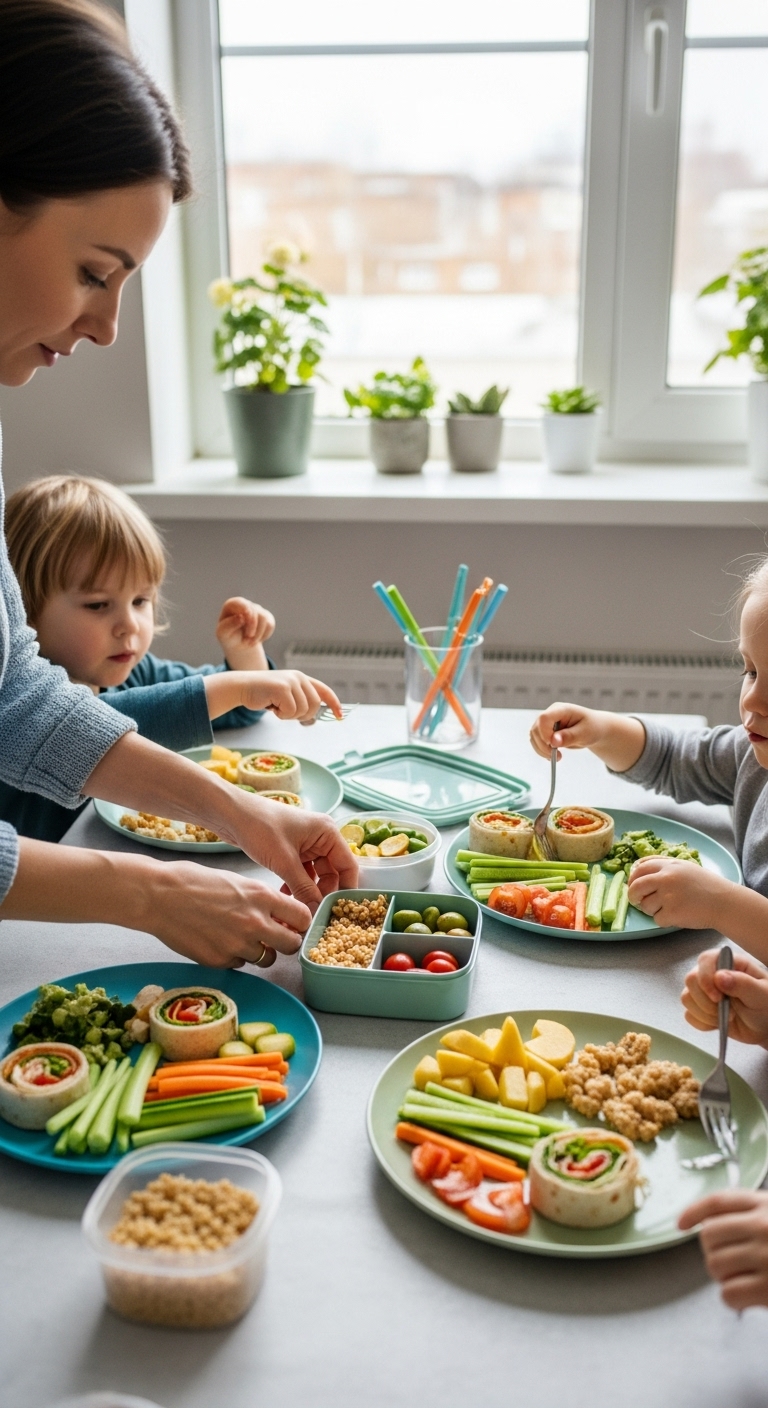
Children are more likely to try new foods when flavors are mild, familiar, and inviting:
- Use herbs, spices, or light dressings like turmeric-yogurt dip, citrus vinaigrette, or a small drizzle of olive oil.
- Avoid overpowering flavors; subtle enhancements complement the food while highlighting its natural taste.
- Layer flavors through dips or small seasonings to encourage children to explore new ingredients without resistance.
The Real Advantage: Flavorful meals increase acceptance of anti-inflammatory vegetables and proteins, while still feeling approachable for picky eaters.
4. Make Meals Visually Appealing and Playful
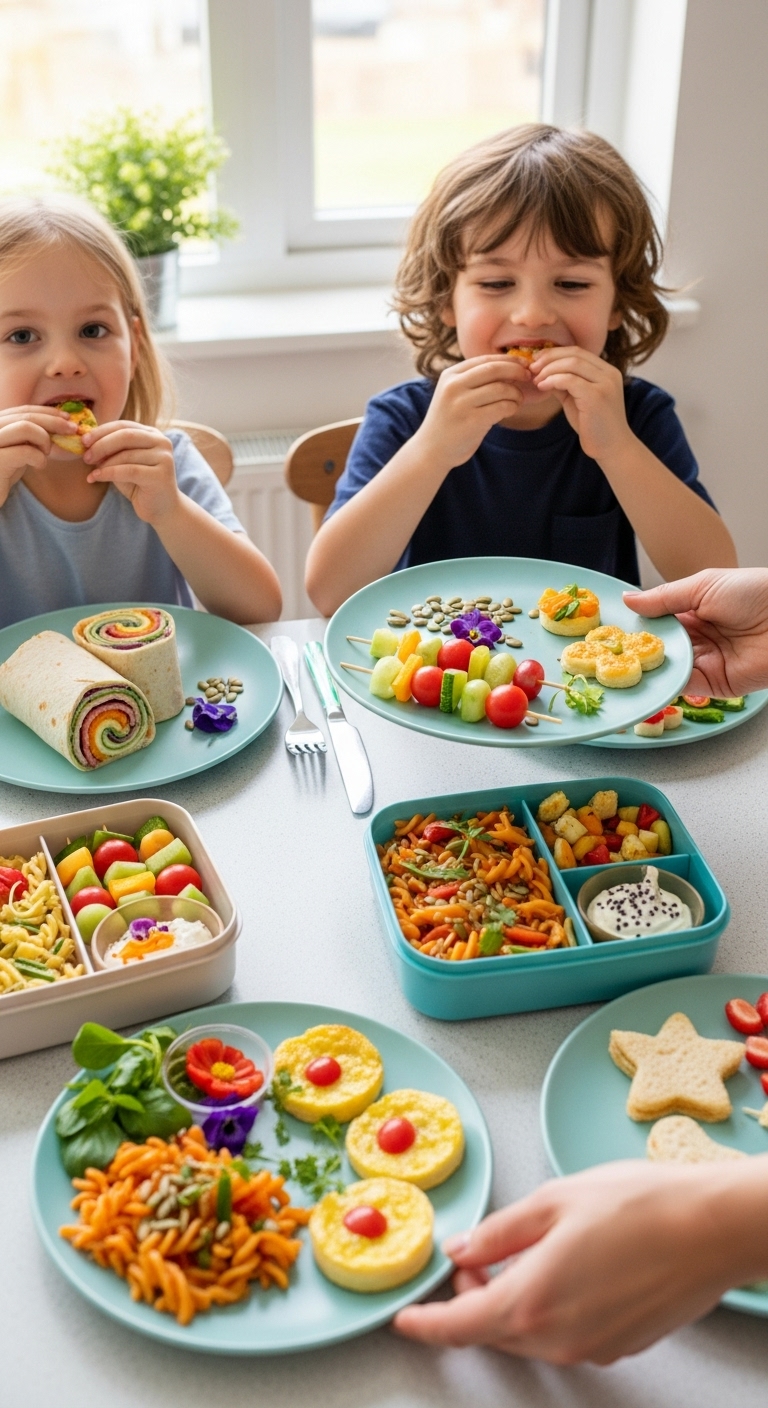
The saying “kids eat with their eyes first” is true, presentation makes a huge difference:
- Use colorful vegetables and fruits in rainbow arrangements or fun patterns.
- Cut sandwiches into stars, hearts, or fun shapes to spark excitement.
- Divide meals into compartmentalized boxes for texture variety and exploration.
What Parents Need to Know: Creative presentation encourages children to engage with nutritious foods, reduces rejection of new items, and turns meals into a fun, interactive experience, helping reduce food waste.
Cut sandwiches into stars, arrange veggies in rainbow patterns, or use divided boxes for different textures — and if your kids love getting creative, check out10 Super Fun After-School & Homework-Friendly Crafts Kids Can Make in 20 Minutes for more ways to inspire their imagination beyond the lunchbox.”
Summary for Parents
- Adjust portions by age and appetite to keep children nourished.
- Pair protein with fiber for sustained energy and fullness.
- Add mild, appealing flavors to make healthy ingredients approachable.
- Make meals colorful and playful to encourage trying new foods.
These strategies make it possible to create quick anti‑inflammatory spring lunches that are truly nutritious, satisfying, and enjoyable.
Your kids get meals they actually eat, you spend less time worrying about picky eating, and you’re helping them develop healthy eating habits without the lunchtime stress.
Letting your kids help assemble their lunch boosts excitement and reduces lunchtime battles — and if they enjoy hands-on projects, they’ll love 7 DIY Spring Wreaths Using Garden Finds or Everyday Items— Simple Ideas for When You Don’t Know Where to Start for more creative activities that extend their involvement beyond the kitchen.
Conclusion
You now have 7 quick anti‑inflammatory spring lunches, along with practical prep strategies and seasonal ingredient tips that make lunch both nutritious and stress-free. These ideas aren’t just recipes, they’re tools to help your kids eat well, stay full, and actually enjoy their meals.
Try making just one recipe this week, see how your child reacts, and tweak it to their taste. Share your little wins, whether it’s a favorite wrap or a fun veggie rainbow, and save these ideas for Pinterest inspiration later. Every small step makes lunch easier, healthier, and more enjoyable for both you and your child.
Frequently Asked Questions
1. My child often refuses most of the lunch I pack. What can I do?
It’s common for kids to return lunchboxes with untouched food, or only eat a few familiar items. The solution isn’t simply switching recipes , it’s about variety, involvement, and presentation. Let your child help pick or assemble parts of their lunch, rotate colors and textures, and try different combinations. This way, they’re more likely to eat the meal, and lunchtime becomes less stressful for you.
2. How do I keep lunches interesting week after week?
Repetition is a real challenge — packing the same things every day can make kids bored and lead to wasted food. Build lunches from a set of core ingredients (grains, proteins, seasonal produce) that can be mixed and matched to create new combinations. Think of it like a mini “lunch library”: you can create variety without extra cooking, keeping meals exciting and manageable.
3. What if my child brings back most of their lunch uneaten?
This is normal, especially for picky eaters or children who eat slowly at school. Instead of worrying, treat it as feedback. Try adjusting portion sizes so they’re manageable, involve your child in choosing ingredients, and offer deconstructed or separate components (so nothing is mixed in a way they dislike). Over time, kids tend to eat more when they’ve helped make the choices.
4. How can I pack healthy lunches when time is tight?
Lunch prep can feel like a daily chore, especially with busy mornings. The goal isn’t perfection, it’s practical, nutrient-rich meals. Batch-cooking staples like grains, roasted veggies, or proteins and reusing dinner leftovers can save time while still providing healthy, anti-inflammatory options. For instance, leftover roasted chicken can become the base for wraps, bowls, or salads with minimal extra effort.
5. My child’s friends are picky eaters — how does that affect them?
Peers influence what kids eat more than we realize. Sometimes a child will refuse a food at home but try it at school when they see friends enjoying it. Encourage them to try new ingredients multiple times without pressure. Occasional leftover lunches are normal; gradual exposure and a relaxed approach can help your child accept new foods over time.
This post shared: 7 Quick Anti‑Inflammatory Spring Lunches That Keep Kids Happy and Full.